
Don’t Let The Bed Bugs Bite: 5 Steps To Take If You’re Feeling The Pinch Of Bed Bugs
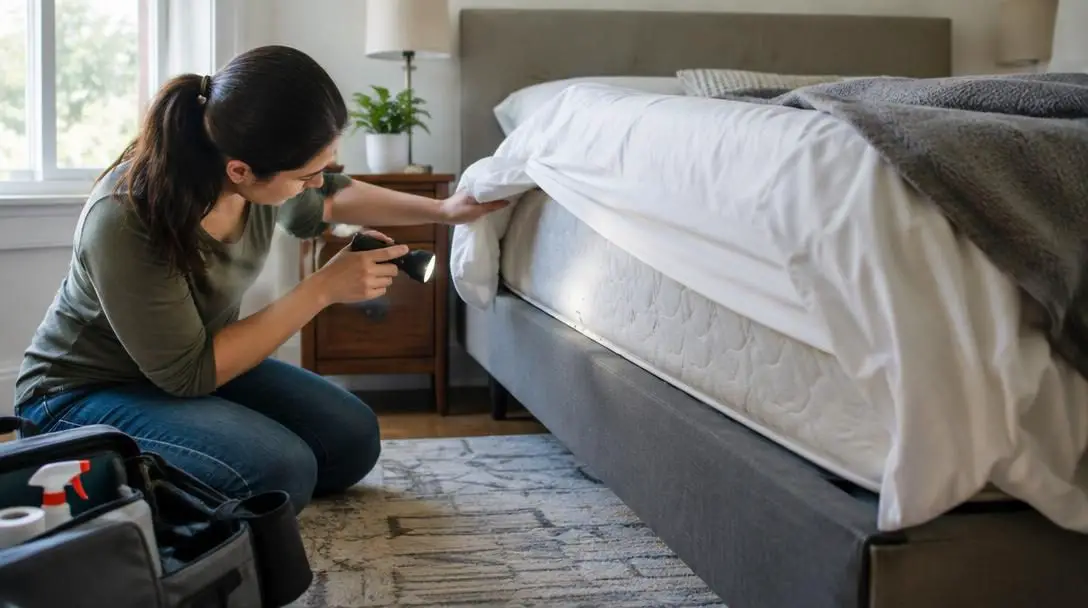
Few domestic discoveries induce as much immediate anxiety as finding bed bugs. These parasitic insects carry an undeserved social stigma, often prompting people to wrongly assume that an infestation is a direct reflection of poor hygiene, dirtiness, or personal neglect. In truth, bed bugs are completely indifferent to how clean or tidy a home is. They are opportunistic hitchhikers that feed exclusively on blood, meaning any environment where humans spend restful hours offers them an ideal habitat.
Because they spread so readily through luggage, public transit, and overnight accommodations, encountering them is an ordinary statistical reality rather than a personal failing. Roughly one out of every five households will confront an active bed bug infestation at some point. When these pests turn up, initial panic often drives residents to consider throwing away mattresses, wardrobes, and cherished personal possessions. Eradication does not demand discarding your belongings, however. By applying an orderly, methodical strategy, you can eliminate the infestation, preserve your furniture and wardrobe, and reclaim your home.
Key takeaways
- Infestations are not caused by unsanitary living conditions, and roughly one in five households will face bed bugs at some point.
- Throwing away furniture and clothing is rarely necessary if you carry out disciplined containment and heat treatments.
- Vacuuming, bagging, and applying high-temperature treatments like steam and clothes dryers are effective non-chemical elimination tactics.
- Any chemical application must rely strictly on EPA-approved bed bug pesticides rather than untested or illegal alternatives.
- A seven-day bite-free monitoring window serves as the primary benchmark to determine whether treatment succeeded or requires professional intervention.
Understanding the Biology and Habits of Bed Bugs
To successfully fight bed bugs, you must first understand how they operate inside a living space. Bed bugs are remarkably tiny, secretive pests capable of flattening their bodies into microscopic crevices, seams, and cracks close to where human hosts sleep or relax. Although adult insects eventually grow large enough to be detected by the naked eye, their natural aversion to light and human disturbance keeps them tucked out of sight during daylight hours, making direct sightings difficult during the earliest stages of an infestation.
Because the insects themselves are elusive, early identification relies heavily on finding the distinct physical residue they leave behind. As they travel between hiding places and host skin, they shed skins, lay eggs, and deposit waste on surrounding textiles and hard surfaces. Recognizing these signs early prevents a localized nest from expanding across an entire dwelling.
Discovering bed bugs in your home does not mean you have to discard your furniture, your wardrobe, or your peace of mind.
When assessing a suspected room, inspect closely for the following primary indicators of bed bug activity:
- Dark fecal droppings: Tiny, concentrated specks that resemble fine black pepper or ink dots clustered along seams.
- Black smear marks: Dark stains left behind on porous surfaces and along baseboards as the insects rub against surfaces.
- Discarded eggshells: Minute, pale or translucent oval-shaped casings shed by nymphs or left behind after hatching.
- Unexplained blood stains: Small, rusty or red spots transferred onto bedsheets, pillowcases, and nightclothes after feeding.
Step-by-Step Eradication Protocol
Confronting an active infestation requires an orderly progression of tasks. Skipping steps—such as treating without containing, or moving items before bagging them—frequently spreads the insects into uninfested rooms. Work through the following five phases to bring an infestation under control.
Step 1: Locate the Source
The initial priority is pinpointing the primary harborage zones where the insects live and lay eggs. Because bed bugs can squeeze into openings no thicker than a credit card, visual searches must be exhaustive. Focus your inspection on areas directly adjacent to where people sleep, systematically checking fabric folds, tufts, and structural junctions.
Examine these high-probability harborage spots first:
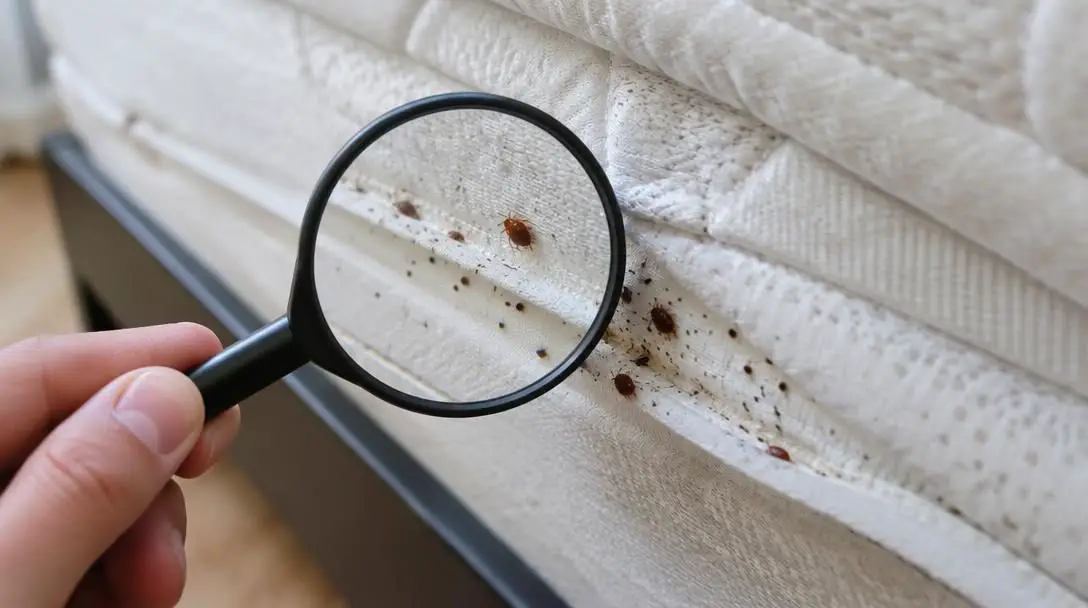
- The primary sleeping surface: Examine mattress seams, piping, tufts, internal box spring frames, headboards, and bed frame joints.
- Electrical fixtures: Check behind wall-mounted faceplates, power outlets, and light switches located near the bed.
- Perimeter bedroom furniture: Inspect drawer slides, joints, nightstands, and nearby seating upholstery.
Step 2: Quick Containment
Once you identify the focal points of the infestation, you must contain the insects immediately to prevent them from fleeing deeper into walls, floorboards, or adjacent bedrooms. Vacuuming acts as your first mechanical line of containment. Systematically vacuum every heavily infested seam, and continue running the attachment over secondary zones across the room.
Be sure to expand containment vacuuming over these key areas:
- Bedroom dressers, interior drawers, and surrounding architectural woodwork.
- The television stand, entertainment units, and underlying wire clusters.
- Soft household textiles, including bedsheets, decorative blankets, hanging clothing, and bathroom towels.
Containment fails if captured pests can crawl back out. The moment you finish vacuuming, disconnect the vacuum canister or bag, seal it completely inside a durable plastic bag, and place it immediately into an outdoor trash receptacle. For washable textiles, transfer them straight into secure bags until they can undergo immediate hot laundering.
Step 3: Declutter
Bed bugs thrive in cluttered spaces because excess items provide countless undisturbed sanctuaries where chemical and thermal treatments cannot easily reach. Clearing out stored goods, floor piles, and unnecessary bedroom accessories is critical to reducing the population and simplifying downstream treatment.
Sort through loose bedroom items and immediately place everything that can fit into airtight plastic bags. Seal the bags securely and leave them sealed for a couple of weeks. Trapped within these airtight confines, remaining insects are unable to feed or escape, ultimately dying off without migrating into neighboring living spaces.
Step 4: Eliminate
With the physical zone isolated and decluttered, active extermination begins. Eliminating bed bugs requires safe, approved techniques. Turning to unauthorized, homemade, or illegal chemical formulations is hazardous to personal health and often ineffective against resilient insect strains.
If you implement chemical treatments, purchase and apply strictly EPA-approved bed bug pesticides, adhering precisely to the product label instructions. For households seeking reliable non-chemical solutions, thermal applications are remarkably effective:
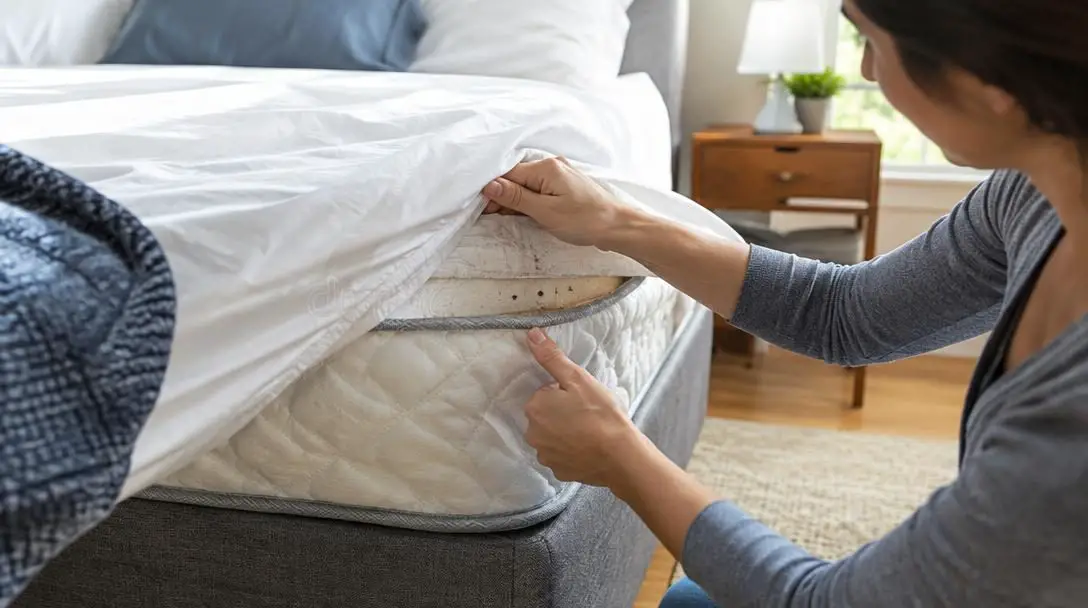
- Direct steam application: Utilize a commercial-grade steam cleaner fitted with a wide diffuser head, which delivers high-temperature surface penetration to kill bugs and eggs on contact.
- High-heat dryer cycles: Place sealed, washable fabrics, garments, and bedding into a clothes dryer set to its highest heat setting for a sustained cycle to kill all life stages.
- Cold exposure: While sustained sub-freezing temperatures can also eliminate bed bugs, thermal heat remains far more practical, uniform, and dependable in a residential environment.
Step 5: Evaluate and Contact Professional Help
Treating an infestation is not an instantaneous, one-day victory. Bed bugs possess extraordinary survival instincts, and a single missed seam or wall void can sustain a reproducing pair. You must implement a disciplined evaluation period before assuming your living area is entirely clear.
Monitor your household daily for up to seven days following your elimination procedures. Check your skin and sheets each morning for signs of fresh activity. If you complete a full week with zero bite marks or fresh fecal stains, your containment and extermination efforts were likely successful. If bites continue to emerge, hidden pockets remain active, and you should promptly hire a licensed pest control professional to conduct an in-depth evaluation and finish the remediation.
Treatment and Containment Methods Compared
Deciding which intervention to apply depends on the specific surface and material requiring treatment. The table below outlines how standard bed bug management techniques function across typical bedroom items.
| Treatment Method | Primary Target | Key Benefit | Essential Precaution |
|---|---|---|---|
| Vacuuming with Sealed Disposal | Mattress seams, dressers, baseboards, TV stands | Immediately removes live clusters and loose debris | Must seal and empty collection bags outdoors right away |
| Airtight Plastic Bagging | Loose clutter, books, small bedroom accessories | Prevents migration and suffocates pests over weeks | Keep sealed for a couple of weeks without opening indoors |
| High-Heat Clothes Dryer | Bedsheets, towels, washable clothing | Penetrates deep into folds to kill adults and eggs | Run on high heat; verify fabrics can withstand temperatures |
| Steam Cleaner with Diffuser | Upholstered headboards, mattress piping, furniture | Safe, chemical-free thermal contact kill | Move nozzle deliberately to ensure lethal heat transfer |
| EPA-Approved Pesticides | Perimeter baseboards, frame crevices, wall voids | Offers residual control in narrow structural cracks | Never substitute unauthorized or off-label chemicals |
Critical Mistakes to Avoid When Treating Bed Bugs
Because discovering bed bugs causes immense psychological strain, homeowners often react impulsively. Hasty choices can drive insects deeper into wall cavities, contaminate household air, or ruin valuable property unnecessarily. Review the following pitfalls to keep your eradication plan on track.
- Discarding furniture unnecessarily: Many people instinctively throw their mattresses, upholstered chairs, and bed frames out on the curb. With proper vacuuming, steam diffusion, and laundering, the vast majority of furniture can be safely salvaged.
- Using unapproved or illegal chemicals: Desperation leads some to purchase unregulated agricultural chemicals or off-label sprays. These substances create toxic household conditions while failing to solve the underlying bug population. Always verify that pesticides are officially EPA-approved for bed bugs.
- Leaving vacuum waste inside the house: Sucking up insects does not instantly crush them. Leaving an unemptied vacuum in a closet gives surviving bugs an easy route back into the bedroom.
- Carrying loose, unsealed belongings between rooms: Transferring laundry baskets, cushions, or toys across the hallway without sealing them in plastic spreads the infestation throughout the rest of your home.
- Ignoring secondary electronic and wall spaces: Focusing exclusively on the mattress allows bugs nesting inside nearby power outlets, TV stands, and nightstand joints to multiply unchecked.
- Ending observation prematurely: Assuming the problem has vanished after a single round of vacuuming or spraying invites a rapid resurgence. Always monitor closely for at least seven consecutive days.
How to Organize Your Post-Treatment Monitoring Plan
The week immediately following your cleanup dictates whether your home stays pest-free or slips into a recurring cycle. Establishing a systematic post-treatment routine ensures any surviving insects are caught before a new generation hatches.
- Inspect skin and linens every morning: Take note of any new red, itchy welts that develop overnight, and look for pinpoint blood stains on light-colored sheets.
- Keep treated textiles isolated: Maintain cleaned clothes and towels in clean plastic bins or sealed bags until you are certain the bedroom environment is sterile.
- Resist reintroducing clutter: Keep the floor and surrounding furniture surfaces bare during the seven-day observation window to deny surviving bugs fresh hiding spaces.
- Maintain a clear diary: Document the date of your deep cleaning, where heat treatments were applied, and any subsequent bug sightings to give pest technicians accurate data if professional help becomes necessary.
- Call an exterminator if bites persist: If fresh bites continue to appear at any point during or at the end of the seven-day window, immediately schedule a professional extermination service.
Frequently asked questions
Do bed bugs only infest dirty or neglected homes?
No. Bed bugs are not attracted to dirt, trash, or unhygienic conditions. They feed exclusively on blood and spread through travel, shared spaces, and clothing, affecting households across every socioeconomic background.
Do I have to throw away my mattress and bed frame?
No, you rarely need to discard furniture. By vacuuming thoroughly, steaming seams with a diffuser, washing fabrics on high heat, and sealing personal items, most mattresses and frames can be preserved safely.
How long should items stay sealed in plastic bags?
Loose clutter and bedroom items sealed in plastic bags should remain untouched for a couple of weeks to ensure that trapped bed bugs are completely starved, suffocated, and unable to spread.
What is the most effective heat method for household fabrics?
Placing washable fabrics, sheets, and towels directly into a clothes dryer run on high heat offers the most practical and lethal thermal treatment for home textiles, killing both live insects and eggs.
When is it necessary to call a professional exterminator?
If you continue to experience new bed bug bites during the seven-day post-treatment monitoring window, secondary hiding places were likely missed, and you should contact a licensed professional exterminator.
The bottom line
Confronting a bed bug infestation is an unnerving experience, but it is neither a moral failure nor a permanent catastrophe. By dispelling the myth that these pests stem from cleanliness issues, you can replace embarrassment with clear, decisive action. Approaching the problem logically—locating hiding spots, containing migration, purging clutter, and applying high heat alongside EPA-approved treatments—protects your property while systematically eradicating the colony. With disciplined containment, careful laundering, and vigilant monitoring, you can rid your living space of bed bugs and restore lasting peace to your home.