
5 Powerful Ingredients For Amazing Hair
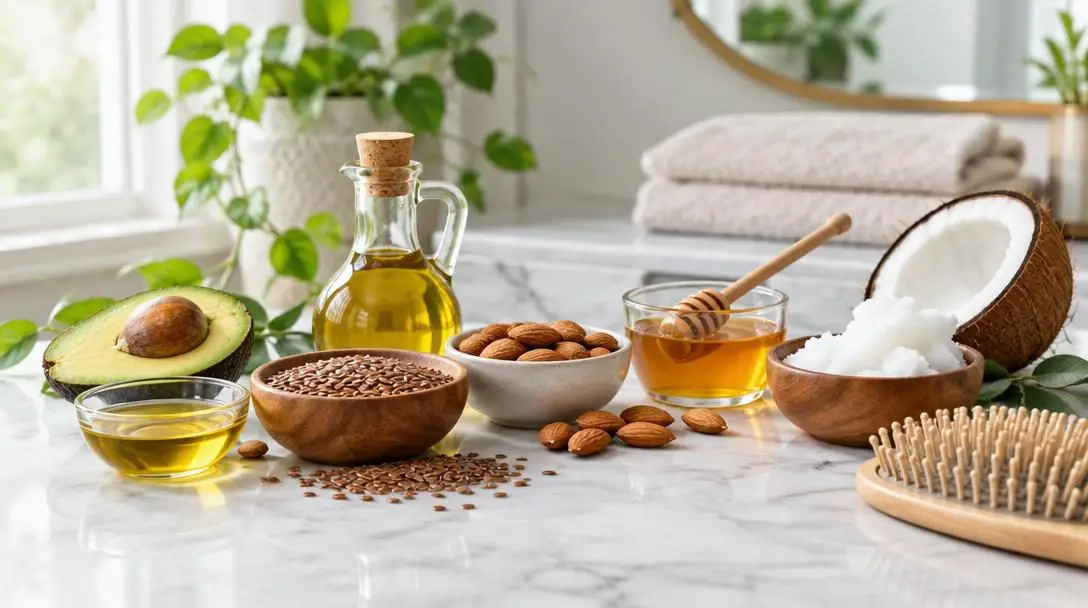
Achieving vibrant, resilient hair does not require a luxury salon budget or a vanity cabinet packed with complex chemical formulations. While professional treatments and specialized clinical procedures are heavily marketed to promise movie-star results, an abundance of effective, restorative solutions can be prepared right from your own kitchen and bathroom shelves. Natural hair remedies offer a practical, cost-effective way to revitalize tired locks without relying entirely on synthetic additives or silicone-heavy masking agents.
Everyday factors like thermal styling tools, environmental pollution, harsh chemical treatments, and product buildup routinely compromise the integrity of the hair shaft and disrupt the delicate balance of the scalp. By returning to time-tested botanical extracts, plant oils, and natural humectants, you can address common hair complaints such as stubborn dandruff, persistent thinning, dullness, and excessive greasiness at their source.
Key takeaways
- Natural ingredients supply targeted biochemical nourishment directly to the hair shaft and scalp follicles without synthetic fillers.
- Coconut oil relies on lauric acid to integrate into hair fibers and actively prevent structural protein loss.
- Activated charcoal acts like a magnet to eliminate buildup and excess oil across all hair textures, creating an optimal environment for growth.
- Castor oil delivers ricinoleic acid to soothe inflammation and enhance the flow of oxygen- and nutrient-rich blood to follicles.
- Combining humectants like honey with nourishing plant oils provides deep hydration, cuticle smoothing, and radiant shine.
The Science of Scalp and Strand Nutrition
To understand why simple, raw ingredients deliver such noticeable cosmetic and structural improvements, it helps to examine the underlying biology of hair growth. A single strand of hair consists primarily of hardened structural proteins, predominantly keratin, shielded by an outer shingle-like layer called the cuticle. When hair experiences routine friction, heat exposure, or chemical lifting, this protective cuticle flares open or breaks down, allowing internal moisture and structural proteins to escape. The result is brittle, porous hair that snaps under minor tension.
Beneath the surface, the scalp functions as an intricate living micro-environment. Each hair follicle depends on a delicate web of tiny blood vessels to supply oxygen and vital micronutrients that power cellular replication. When sebaceous glands overproduce oil, or when heavy styling products form an occlusive layer over the roots, follicles become congested and inflamed. Natural treatments excel because they work in harmony with this biology: botanical oils replenish lipids between cuticle scales, humectants pull ambient moisture directly into dehydrated hair fibers, and clarifying agents lift trapped debris without stripping the scalp's foundational barrier.
| Ingredient | Key Active Component | Primary Function | Target Concerns |
|---|---|---|---|
| Coconut Oil | Lauric acid | Prevents structural protein loss | Brittle strands, split ends, dandruff |
| Charcoal | Porous activated carbon | Absorbs impurities and sebum | Product buildup, clogged follicles, oiliness |
| Aloe Vera | Vitamins and soothing enzymes | Stimulates blood circulation | Sun-damaged scalp, irritation, dullness |
| Castor Oil | Ricinoleic acid | Calms inflammation and feeds roots | Thinning hair, poor growth density |
| Honey | Natural humectants | Draws and locks in hydration | Dryness, lack of shine, rough texture |
Five Standout Ingredients for Healthier Hair
Targeted natural elements deliver tailored benefits depending on whether your strands need deep moisture replenishment, root clarification, or structural reinforcement. Here are five of the most potent natural remedies available for home care.
Coconut Oil
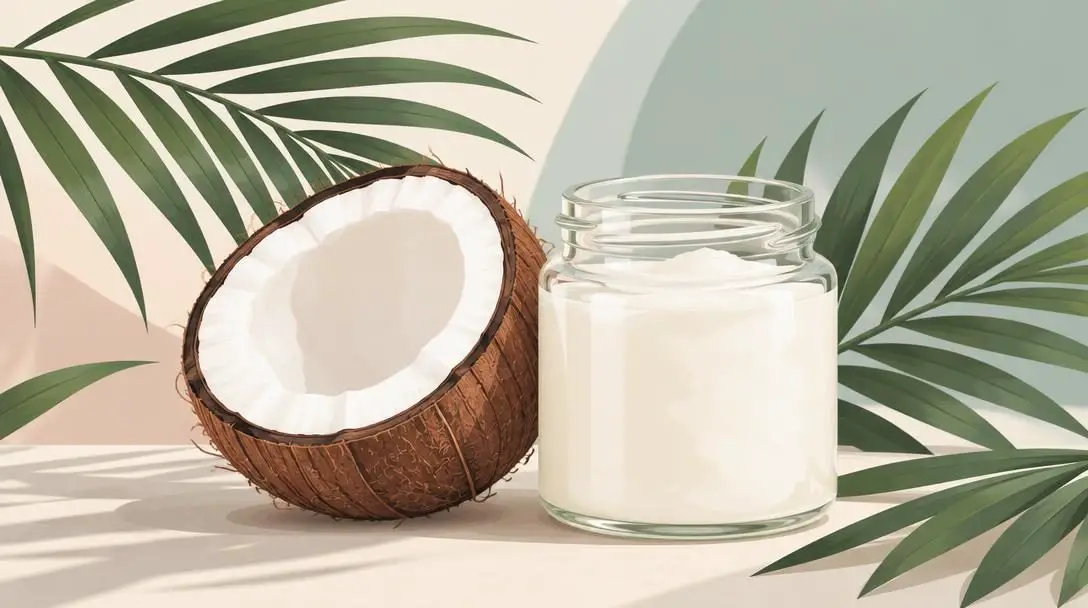
- Primary active: Lauric acid
- Main benefit: Prevents internal protein loss
- Best for: Brittle strands and persistent dandruff
Widely celebrated across tropical regions and modern cosmetic laboratories alike, coconut oil is one of the most reliable plant oils for treating compromised hair. Its unique efficacy stems directly from its biochemical profile. Unlike heavier mineral oils that merely coat the exterior of the strand, coconut oil is rich in lauric acid, a medium-chain fatty acid with a straight-chain molecular layout. This specific shape allows the oil to integrate seamlessly into the core of the hair fiber.
Once absorbed, lauric acid acts as an internal reinforcing agent, actively preventing the loss of vital structural proteins during routine washing and styling. Because human hair is predominantly composed of protein, minimizing protein depletion ensures the hair shaft retains its natural elasticity and tensile strength. Routine use creates a protective shield that reduces split ends, controls persistent dandruff flaking, and leaves brittle strands supple, smooth, and resilient against everyday environmental stressors.
Charcoal

- Form: Activated, porous carbon
- Main benefit: Deep detoxification and oil removal
- Suitable textures: All hair textures, fine to coily
While historically associated with outdoor grilling, activated charcoal has emerged as a premier clarifying and detoxifying agent in contemporary hair wellness. Activated charcoal features an exceptionally high surface area filled with microscopic pores, allowing it to function essentially like a magnet for unwanted impurities. It binds to surface debris, pollutant micro-particles, and persistent styling product buildup that standard gentle cleansers often leave behind.
By lifting away trapped grime and unclogging congested hair roots, charcoal allows follicles to function uninhibited, establishing an optimal biological foundation for thicker, more vigorous hair growth. It is particularly valued for its unmatched capability to neutralize greasy roots without altering the structural integrity or curl pattern of the strand. Because it clarifies purely through physical adsorption, charcoal can be safely introduced into cleansing regimens for every hair type, ranging from ultra-fine, pin-straight strands to coarse, tightly coiled textures.
Aloe Vera
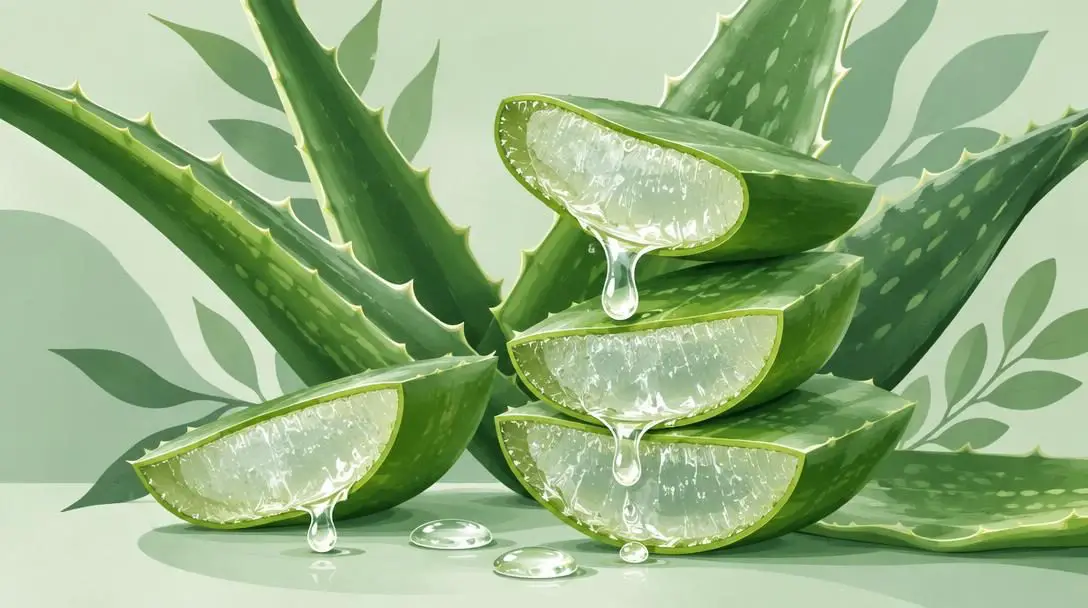
- Source: Botanical succulent gel
- Main benefit: Calms scalp and boosts circulation
- Key nutrients: Broad spectrum of natural vitamins
Most people instinctively turn to pure aloe vera to cool down painful sunburned skin on their shoulders or face, but many overlook the fact that the scalp is equally vulnerable to ultraviolet damage. Sun exposure can leave the scalp dry, irritated, and thermally stressed after long days outdoors. Aloe vera provides instant cooling relief, soothing tender skin while delivering deep, weightless hydration that does not leave behind greasy residues.
Even without sun irritation, aloe vera offers remarkable advantages for long-term scalp care. Naturally packed with an abundance of restorative vitamins and bioactive plant nutrients, aloe vera helps support microcirculation throughout the delicate blood vessels surrounding hair roots. This increased circulation encourages healthy growth cycles without triggering the harsh stinging or irritation often linked to synthetic stimulating lotions. Whether your objective is encouraging natural hair growth, calming sensitive scalp tissue, or reducing excess oiliness, aloe vera delivers versatile botanical nourishment.
Natural ingredients deliver essential nutrients directly to the living roots and fragile hair fibers where they are needed most.
Castor Oil
- Primary active: Ricinoleic acid
- Main benefit: Enhances follicle microcirculation
- Viscosity: Heavy, concentrated vegetable oil
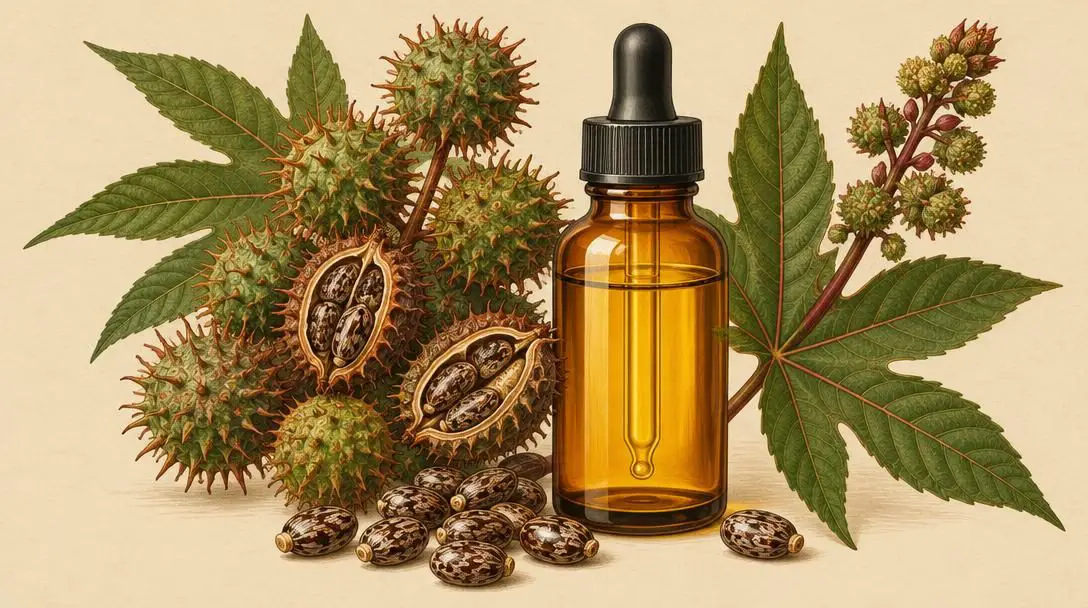
Recognized for its thick, protective density, castor oil is a powerhouse vegetable oil loaded with beneficial fatty acids capable of fostering visibly thicker, fuller hair growth. The standout component within castor oil is ricinoleic acid, an uncommon fatty acid that comprises nearly the entirety of the oil's biological structure. Ricinoleic acid possesses strong natural anti-inflammatory qualities, helping calm irritated follicular tissues so roots can thrive undisturbed.
Dermatologist Dr. Nikki Hill explains that using castor oil "increases the flow of oxygen-rich and nutrient-rich blood" straight to the hair roots. By encouraging elevated microcirculation around the living base of the follicle, castor oil guarantees that dividing hair cells receive the steady oxygenation and micronutrients necessary for robust growth. With consistent, measured application, this direct vascular support results in a fuller, denser, and more substantial hair appearance over time.
Honey
- Property: Natural humectant
- Main benefit: Hydrates and creates radiant shine
- Popular blend: Half cup honey with quarter cup olive oil
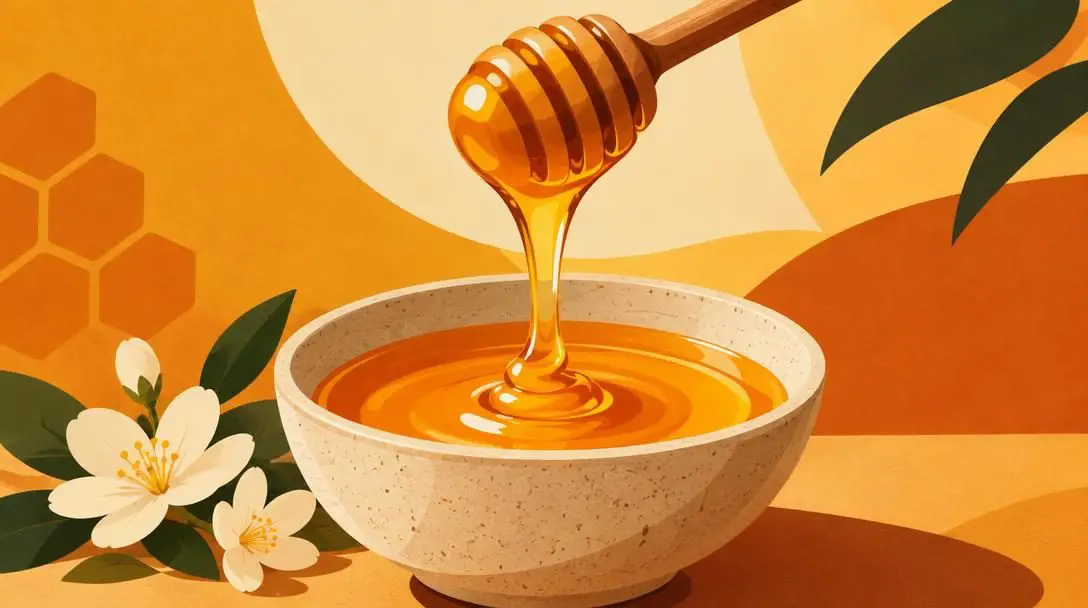
Long revered as an exceptional natural remedy for overall physical well-being, honey works wonders when applied topically to the hair and scalp. As a natural humectant, honey possesses an innate capacity to attract moisture molecules from the ambient environment and lock them directly into the hair cuticle. This dual hydrating action softens rough strands, smooths down frayed cuticle scales, and dramatically enhances natural light reflection, creating a mirror-like shine.
In addition to imparting lasting softness and visible radiance, honey nourishes the scalp barrier to promote an optimal environment for steady hair growth. Its sweet aroma and rich consistency also provide an indulgent, sensory experience during home spa treatments. When blended with high-grade carrier oils, honey creates a deep conditioning mask that transforms dry, brittle, and unmanageable tresses into silky, pliable lengths.
Step-by-Step Home Hair Treatments
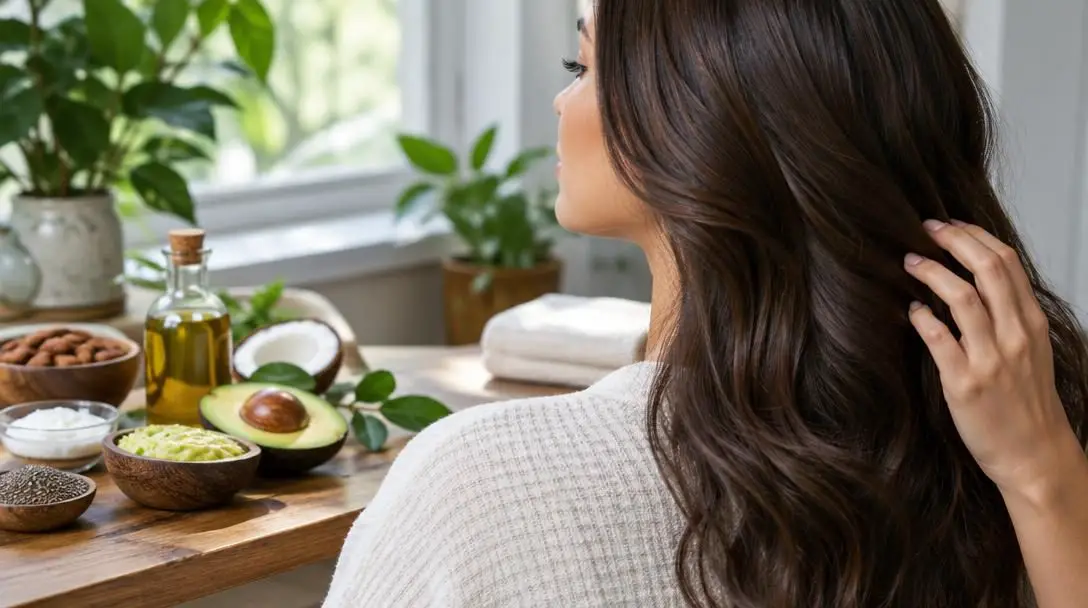
Incorporating these natural ingredients into your weekly self-care routine does not require complicated laboratory tools or hours of preparation. Below are practical, step-by-step methods to utilize these powerhouse ingredients effectively in your own home.
- Mix the honey and olive oil deep hydration mask: Measure one half cup of pure honey into a small glass bowl and blend it thoroughly with one quarter cup of olive oil. Stir briskly until the mixture reaches a uniform, smooth consistency.
- Warm and apply the mixture: Warm a small amount of the honey-oil blend between your palms and smooth it evenly from your scalp down through the mid-lengths and ends of damp or dry hair, ensuring dry ends are fully saturated.
- Rest and rinse: Leave the treatment on your hair for twenty to thirty minutes to allow the natural humectants to penetrate the cuticle. Rinse thoroughly using lukewarm water followed by a gentle cleansing shampoo.
- Perform a stimulating castor oil scalp massage: Dispense a dime-sized amount of pure castor oil onto your fingertips. Part your hair into tidy sections and gently work the oil into your scalp using slow, circular finger movements to boost blood flow to the follicles.
- Clarify with an activated charcoal wash: Combine a pinch of cosmetic-grade activated charcoal powder with a sulfate-free shampoo in your palms. Massage it firmly into your roots for two minutes to lift accumulated sebum and buildup before rinsing completely clean.
Common Application Mistakes to Avoid
Even though natural ingredients are generally far gentler than synthetic alternatives, improper techniques can still lead to frustrating results. Avoiding these common missteps will ensure your hair reaps maximum benefit from every application:
- Applying excessive amounts of heavy oils: Both castor and coconut oils possess dense molecular weights. Slathering on large quantities can overburden fine strands, clog pores, and make shampooing excessively difficult, leaving locks looking flat and greasy.
- Rinsing too quickly or incompletely: Honey remains naturally tacky, while fine charcoal particles can settle against the scalp if not properly flushed away. Always spend an extra minute thoroughly rinsing your scalp under warm water.
- Skipping patch tests: Even gentle botanicals can cause contact sensitivity in reactive individuals. Always perform a patch test on your inner arm twenty-four hours before coating your entire scalp in a new mixture.
- Expecting instantaneous structural changes: While charcoal strips excess oil immediately and honey grants instant surface shine, biological improvements in root density and strand thickness from castor oil and aloe vera require consistent use over several weeks.
- Using adulterated, low-grade products: Pre-packaged formulas frequently dilute active ingredients with synthetic fragrances, petroleum derivatives, and chemical fillers. Prioritize pure honey, cold-pressed castor oil, and clean aloe vera to guarantee biological potency.
Building a Sustainable Natural Hair Routine
Creating an effective at-home hair regimen requires matching specific natural ingredients to your unique hair profile and seasonal requirements. Begin by evaluating your most immediate hair concerns. If your primary frustration is persistent greasiness, flaky residue, or lifeless roots caused by heavy styling products, prioritize activated charcoal washes paired with soothing aloe vera treatments to reset the scalp environment.
Conversely, if daily heat styling or environmental exposure has left your strands brittle, porous, and prone to breakage, focus your efforts on protein and lipid retention. Incorporating coconut oil pre-shampoo treatments alongside weekly honey and olive oil deep-conditioning masks will rehydrate the hair shaft and reinforce compromised cuticles.
Adjust your choices as seasonal conditions fluctuate throughout the year. The cooling and circulation-boosting properties of aloe vera make it an ideal staple during sun-drenched summer months, whereas the rich, protective barrier provided by honey and castor oil offers necessary insulation against dry, biting winter winds. By paying close attention to how your hair responds and rotating these five nutrient-dense ingredients accordingly, you can maintain strong, healthy, and radiant locks through every season.
Frequently asked questions
How does coconut oil prevent hair breakage?
Coconut oil contains a high concentration of lauric acid, an essential fatty acid whose unique structure allows it to penetrate inside the hair shaft. Once inside, it integrates with the hair fibers to minimize protein loss, which keeps the hair strand structurally sound, resilient, and less prone to snapping.
Can charcoal be used safely on fine or curly hair?
Yes. Activated charcoal functions through physical adsorption, attracting impurities, pollutants, and sebum like a magnet without chemically altering or drying out the physical structure of the hair. As a result, it is safe and effective across all hair textures, from fine and straight to coarse and coily.
How does castor oil support thicker hair growth?
Castor oil consists almost entirely of ricinoleic acid, which offers anti-inflammatory benefits to calm the scalp. As dermatologist Dr. Nikki Hill explains, castor oil increases the flow of oxygen-rich and nutrient-rich blood directly to the roots, delivering the essential biological elements necessary for healthy, dense hair development.
What is the recipe for an at-home honey hair mask?
You can create a nourishing moisture treatment at home by blending one half cup of honey with one quarter cup of olive oil. Warm the mixture between your hands, distribute it across your scalp and strands, let it sit for twenty to thirty minutes, and then rinse thoroughly with warm water and shampoo.
Can aloe vera help an oily scalp?
Yes. Aloe vera provides vital vitamins and circulation-boosting nutrients without leaving behind heavy or greasy residues. It calms irritated scalp tissue and effectively cuts down on excessive greasiness, helping to restore a clean, balanced environment for hair follicles.
The bottom line
Attaining vibrant, resilient, and luminous hair does not demand exorbitant salon bills or complex regimens filled with synthetic compounds. Nature provides some of the most potent, biochemically compatible tools for hair wellness right in your pantry. By combining the clarifying strength of activated charcoal, the protective lipid shield of coconut oil, the vascular stimulation of castor oil, the soothing nutrition of aloe vera, and the humectant hydration of honey, you can craft a customized, highly effective hair care routine that delivers salon-quality results at home.