
Family Fun Outdoors: 5 Best Activities for Bonding Together
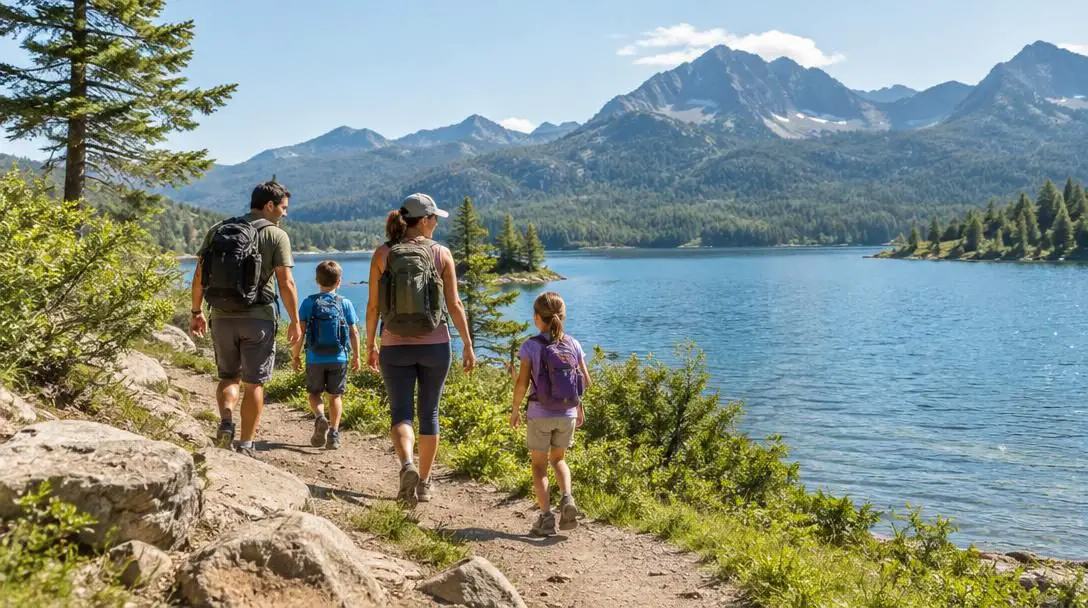
Modern daily life presents persistent challenges to maintaining close family relationships. As schedules grow increasingly demanding and personal devices command constant attention, family members frequently find themselves occupying the same living room while remaining emotionally distant. Stepping away from domestic routines and screens is essential for renewing personal bonds and nurturing open communication.
Engaging in outdoor recreation offers a practical, reliable pathway to bring families closer together and build lasting memories. By venturing into nature, households naturally strip away the distractions of notifications, work obligations, and busy timetables. The outdoors provides an open, pressure-free setting where shared experiences encourage cooperative teamwork, lively conversation, and mutual appreciation across generations.
Key takeaways
- Venturing outside removes screen-based distractions, allowing families to replace passive digital consumption with active personal connection.
- Activities like hiking, camping, biking, fishing, and picnicking offer diverse formats ranging from high-energy exploration to gentle, low-stress relaxation.
- Collaborative tasks such as pitching a tent, mapping a cycling route, or baiting fishing hooks build teamwork and shared accomplishment.
- Tailoring outings to the age, physical stamina, and skill level of the least experienced family member prevents exhaustion and keeps outings enjoyable.
At a glance: Comparing family outdoor activities
| Activity | Primary focus | Pace and intensity | Key collaboration point | Primary gear required |
|---|---|---|---|---|
| Hiking | Trail exploration and scenic exercise | Moderate to vigorous; highly adjustable | Pacing the group and reading trail markers | Supportive footwear, daypack, hydration |
| Camping | Immersive wilderness living | Leisurely pace with active chores | Pitching shelter and outdoor meal preparation | Tent, sleeping bags, camp stove, lighting |
| Biking | Mobile sightseeing and cardio fitness | Continuous physical movement | Route navigation and group traffic safety | Bicycles, fitted helmets, repair kit |
| Fishing | Patience, wildlife study, and calm reflection | Quiet, stationary, and relaxed | Rigging lines, baiting hooks, and landing catches | Rods, tackle, bait, safety gear |
| Picnicking | Social dining and casual lawn games | Gentle, restful, and unstructured | Cooperative meal setup and group games | Blanket, cooler, outdoor games, meal supplies |
The 5 best outdoor activities for family bonding
Every household has unique interests and energy levels, but five classic pursuits provide the most dependable foundations for shared fun. Each activity highlights distinct ways to collaborate, converse, and appreciate the natural landscape as a unified group.
Hiking
Hiking stands out as an exceptional activity for families seeking to reconnect while exploring scenic natural environments. It helps family members disconnect from personal screens and spend uninterrupted, meaningful hours together on the trail. Beyond eliminating digital competition for attention, hiking provides wholesome physical exercise that can be tailored precisely to the endurance and capabilities of your group.
A primary strength of hiking is its complete adaptability to family skill levels. Parents with toddlers or younger children can choose flat, paved nature walks or short loops through local parks that feature interpretive signs and gentle streams. Families with older children and energetic teenagers can tackle steeper ascents, rocky terrain, or mountain summits that offer scenic panoramas and a tangible physical workout.
Camping
Camping provides an immersive wilderness experience that invites families to step away entirely from domestic conveniences and electronic entertainment. An overnight stay outdoors strips away modern distractions, focusing attention entirely on immediate surroundings and the company of loved ones. Setting up a functional camp requires collective effort, transforming routine household tasks into cooperative adventures.
From pitching a tent to preparing dinner over a camp stove or crackling fire, collaborative camp chores build practical self-reliance. Once evening settles, camping nurtures cherished traditions that bring everyone close together. Sitting around the campfire allows families to exchange humorous stories, sing traditional songs, roast treats, and observe constellations beneath a dark sky far from urban light pollution.
Biking
Biking merges aerobic exercise with the excitement of rapid exploration. From the seat of a bicycle, families can cover substantial ground, discover scenic paths, and experience the sights, sounds, and fresh breezes of the outdoors together. Cycling provides a rhythmic, energizing workout that elevates spirits and builds physical resilience across all age brackets.
Biking encourages families to function as an organized traveling unit. Moving safely along a greenway, paved park circuit, or quiet country lane requires participants to plan their route in advance, maintain safe distances, and signal turns clearly. This cooperative focus helps children learn spatial awareness, road courtesy, and group responsibility while enjoying healthy exercise.
Fishing
Fishing introduces families to the soothing calm of lakes, rivers, and coastal shores. Unlike high-speed sports, angling moves at a deliberate, quiet pace that fosters mindful reflection and relaxed conversation. It creates a serene space where parents and children can speak freely without the constant interruptions of daily life.
The practice of angling relies heavily on shared patience and mutual instruction. Family members learn together how to assemble rods, rig tackle, select appropriate bait, cast smoothly, and handle fish safely. Whether the day yields several prized catches or simply hours spent watching ripples on the water, the shared anticipation bonds family members through focused teamwork.
Picnicking
Picnicking delivers an accessible, low-stress afternoon centered around good food and fresh air. Gathering on a large blanket in a public park, meadow, or shaded forest clearing gives everyone an opportunity to unwind without strenuous athletic expectations. Sharing a home-packed meal in an open setting transforms an ordinary lunch or dinner into a festive occasion.
Because picnicking is inherently casual, it creates ample room for lighthearted recreation and spontaneous play. Once the meal concludes, open lawns invite cross-generational games such as tossing a frisbee, pitching horseshoes, flying kites, or playing catch. This blend of relaxed dining and gentle play makes picnicking an ideal choice for multi-generational outings that include grandparents and small children alike.
How outdoor recreation strengthens family relationships
Outdoor activities serve as powerful catalysts for family bonding because they alter the dynamics typically found in a household. In an outdoor environment, traditional household hierarchies often shift into cooperative partnerships, and the absence of screens creates space for genuine interaction.
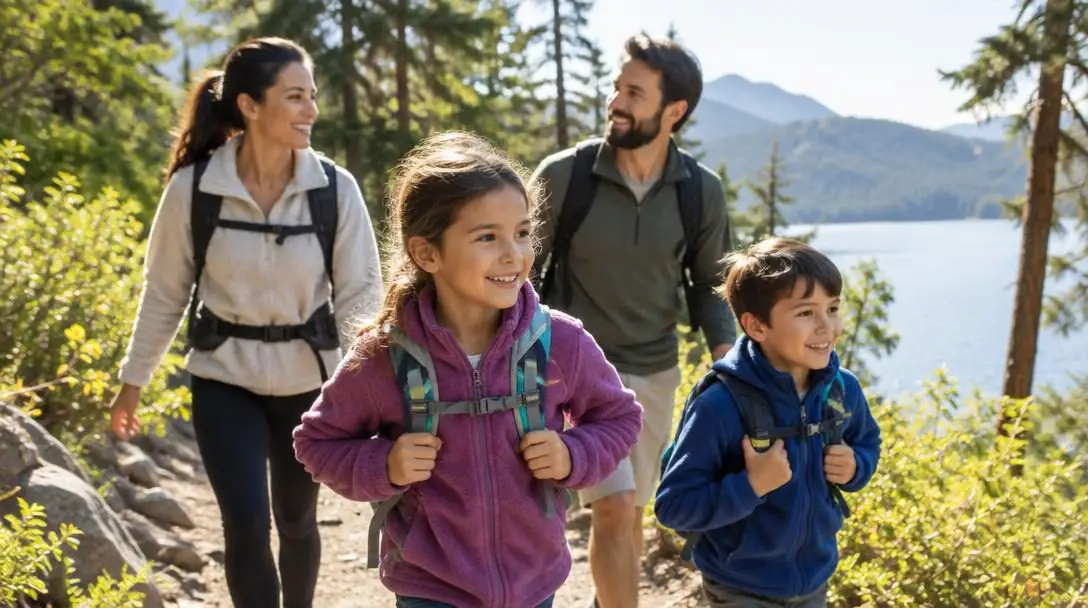
In an outdoor environment, traditional hierarchies often shift into cooperative partnerships, and the absence of screens creates space for genuine interaction.
When families leave behind the walls of their home, several distinct psychological and interpersonal shifts take place:
- Unplugging from digital interruptions: Removing phones, tablets, and gaming consoles eliminates notification chimes and individual isolation, encouraging natural eye contact and spontaneous discussions.
- Engaging in shared problem-solving: Setting up camp gear, navigating trail forks, and reading water currents require collective effort, allowing parents and children to communicate openly and celebrate joint successes.
- Boosting physical well-being together: Physical exertion triggers endorphin release, lowers stress hormones, and instills a shared sense of pride upon completing a challenging climb or long bike path.
- Establishing enduring family traditions: Annual camping trips, seasonal trail outings, and traditional campfire games construct a stable storehouse of positive memories that ground a family's shared history.
Practical steps to plan your family outdoor adventures
A rewarding outdoor adventure depends directly on thoughtful planning, realistic expectations, and proper equipment checks. Taking methodical steps before departure guarantees safety and comfort for every participant.
- Select an age-appropriate route or destination: Assess the endurance and capabilities of the youngest or least active participant. Choose short, low-incline hiking trails or flat paved bike paths for beginners, leaving steep or technical wilderness paths for older, experienced children.
- Inspect and organize personal gear: Examine equipment several days in advance. Verify that hiking shoes fit well and are broken in, bicycle tires hold proper air pressure, brakes function smoothly, and fishing rods have fresh line free of tangles.
- Assemble essential health and safety supplies: Pack a well-stocked first aid kit containing bandages, antiseptic wipes, blister treatments, and any required personal medications. Include broad-spectrum sunscreen, insect repellent, and protective headwear for every family member.
- Prepare wholesome nutrition and ample hydration: Carry clean drinking water well beyond bare minimum estimates to prevent dehydration. Pack energy-dense snacks such as nuts, fruit, trail mix, and sandwiches that tolerate ambient temperatures without spoiling.
- Review local regulations, safety guidelines, and environmental rules: Check trail maps, park rules, campsite reservation requirements, and local wildlife advisories. Ensure every family member understands the importance of staying together, respecting wildlife boundaries, and packing out all trash.
Common mistakes to avoid on family outings
Even carefully intended trips can encounter avoidable friction when basic outdoor considerations are overlooked. Recognizing frequent missteps helps parents preserve morale and maintain a safe environment from start to finish.
- Overestimating physical stamina: Committing to a five-mile hike or twenty-mile bike ride with inexperienced children leads to tears, muscle strain, and frustration. Always plan conservative distances with built-in turnaround options.
- Ignoring changing weather patterns: Failing to review detailed local forecasts can leave your group exposed to sudden rainstorms, high winds, or dangerous heat waves. Always carry lightweight waterproof jackets and thermal layers.
- Underestimating hydration needs: Thirst is a late indicator of dehydration. Running out of potable water on a warm day compromises safety and quickly ruins an otherwise enjoyable activity.
- Rushing through the itinerary: Treating outdoor recreation like a rigid checklist ruins the fun. Allow children time to inspect rocks, watch streams, examine insects, and rest whenever necessary.
- Neglecting food allergen checks: When preparing group meals and trail snacks, double-check all packaged goods for allergens, particularly when dining far from medical facilities.
Building a lasting outdoor routine
A single afternoon in nature provides immediate refreshment, but the true benefits of outdoor recreation emerge when trips become an ongoing family habit. Once your initial outing concludes, gather everyone to discuss what parts of the day brought the most joy. Listening to individual impressions helps guide future plans and ensures that everyone feels invested in upcoming adventures.
As children mature and develop stronger physical skills, your family can gradually expand its horizons. Transition from local neighborhood parks to regional nature preserves, state parks, and national forests. Swap afternoon day hikes for weekend camping trips, or advance from paved rail trails to gentle single-track dirt trails. Making time in your monthly calendar for open-air exploration establishes an enduring legacy of active health, mutual respect, and close family connection.
Frequently asked questions
Which outdoor activity is best suited for families with toddlers?
Picnicking and gentle, short nature walks are ideal for toddlers. Picnics require no strict itinerary and offer safe, grassy open spaces for toddlers to explore at their own pace, while short nature trails let them experience natural sights without risking physical exhaustion.
How can parents keep older children and teenagers engaged on outdoor trips?
Involve teenagers directly in planning and decision-making. Assign them active responsibilities, such as mapping the bike route, choosing challenging hiking trails, managing the campfire, or handling specialized fishing tackle, which gives them ownership over the experience.
What should we do if the weather suddenly changes during an outing?
Prioritize safety over completing the activity. If rain, high winds, or lightning develop, move immediately toward designated shelters, visitor centers, or your vehicle. Having waterproof outerwear packed in your daypack ensures comfort while evacuating the area.
How do outdoor activities help resolve household tension?
Removing everyday digital distractions and academic or work pressures creates a neutral, relaxed environment. Cooperative tasks such as navigating a trail or pitching a tent encourage mutual reliance, shifting relationships from supervisory dynamics into shared teamwork.
What are the most essential safety items to pack for any outdoor excursion?
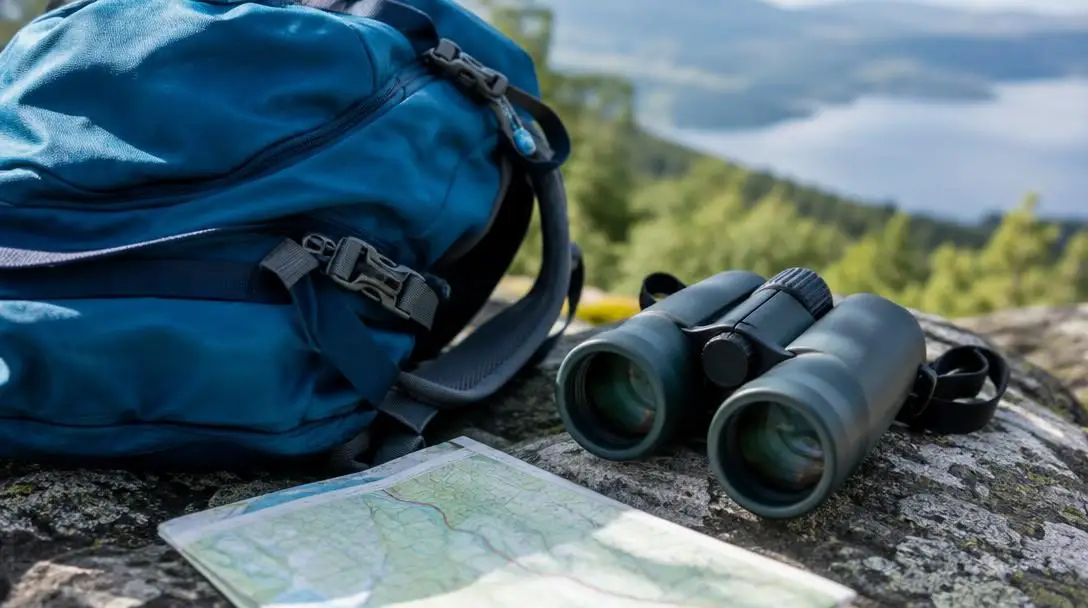
Every family excursion should include ample drinking water, weather-appropriate clothing layers, broad-spectrum sunscreen, insect protection, a compact first aid kit, fully charged communication devices, and a printed or downloaded trail map.
The bottom line
Strong family bonds do not happen by accident; they require deliberate time, mutual effort, and shared environments free from the static of modern technology. Whether casting a fishing line into a tranquil pond, sharing a meal on a sunny lawn, or pitching a tent beneath the evening stars, outdoor recreation transforms ordinary hours into meaningful milestones. By choosing activities that match your family's abilities and committing to regular adventures, you build a shared foundation of resilience, affection, and joyful memories that will endure for decades.