How Important Is Video For SEO?

For years, the foundation of search engine optimization rested almost entirely on the written word. Webmasters, content marketers, and business owners directed their energy toward meticulous keyword research, structured subheadings, and the relentless pursuit of high-authority backlinks. While these fundamentals remain essential components of web discoverability, the digital ecosystem has undergone a profound transformation. Today, video content has emerged as an equally powerful—and in many instances superior—driver of organic search performance.
Search engines exist to provide users with the most relevant, engaging, and digestible answers to their queries. Because modern audiences increasingly favor rich visual media over dense text, search algorithms have adjusted accordingly. Integrating video into a website is no longer merely a creative flourish; it is a critical optimization tactic capable of expanding search visibility, driving engagement, and accelerating commercial conversions.
Key takeaways
- Video assets allow web pages to rank across both general search result pages and dedicated media tabs.
- Adding video to a page increases dwell time and user engagement, which signals high content quality to search engines.
- High production budgets are unnecessary, as free editing software, screen captures, and simple voiceovers can produce competitive results.
- Custom thumbnails featuring clean text and brand logos significantly increase click-through rates compared to automated frame captures.
- Unoptimized video files can slow page load speeds, making regular performance audits through webmaster tools essential.
The Evolution of Search: How Video Became an SEO Juggernaut
To understand why video has become such a dominant ranking signal, webmasters must examine global internet traffic trends. Google holds the title of the most visited website on the planet, serving as the default entry point for billions of daily queries. Right behind it sits YouTube, Google's subsidiary, recognized as the second most visited website worldwide. Google's strategic acquisition of YouTube was not accidental; it reflected an early understanding that search algorithms and consumer behavior were shifting irrevocably toward visual formats.
User consumption habits have shifted dramatically over the past decade. The modern online audience exhibits a clear preference for rapid, visual, and concise explanations rather than long-form articles. This phenomenon fueled the rapid rise of short-form video platforms, beginning historically with Vine and expanding into the sustained global popularity of TikTok. Users want answers immediately, and video delivers dense information faster than plain text.
Embedding video content on your website can increase organic visibility and multiply overall search rankings tenfold.
When publishers acknowledge this behavioural evolution and place video directly onto their own domains, they align their digital footprint with search engine incentives. By catering to audience preferences for short, dynamic visual summaries, websites can capture attention that text-only pages forfeit, driving significant organic search growth.
Search Engine Placement and Behavioral Metrics
Search engines process video content differently than standard body copy, providing diverse display avenues and evaluating specific engagement signals to determine ranking positions.
Catch-All Search Engine Results Pages
When you include video on a webpage, that page gains eligibility to appear on Google's primary search results page with a rich video snippet. These visual previews occupy substantial vertical space and feature still frames that naturally draw human eyes away from monotonous text listings. The visual contrast alone often results in higher visibility compared to competitors whose pages only present traditional blue links and text meta descriptions.
Dedicated Video Tabs
Modern search engines feature dedicated search tabs specifically designed for filtered media queries. When visitors deliberately seek video answers by clicking the "Videos" filter, properly optimized pages featuring video embeds can appear directly in these specialized listings. This presents an independent channel for discovery, capturing high-intent search traffic that bypasses standard text-based search results altogether.
Dwell Time and Retention Signals
Beyond indexing and page listings, video exerts a direct and measurable effect on critical user behavior metrics. Analytics consistently show that visitors who press play on an embedded video remain on that webpage for a significantly longer duration. This measurement, known as dwell time, acts as a primary quality indicator for search algorithms. When a visitor spends several minutes absorbing a page's content rather than instantly clicking back to the search results, search engines infer that the URL successfully answered the user's inquiry.
Commercial Conversion Rates
For commercial and e-commerce websites, video impacts the ultimate goal of organic search: customer acquisition. Analytical data confirms that prospective buyers who view a video on a webpage are substantially more likely to complete a purchase than those who only view static images or written copy. A short visual demonstration or summary establishes product credibility, removes purchase hesitation, and turns passive organic traffic into paying customers.
Deconstructing Common Video Production Myths
Despite the undeniable search advantages that multimedia content offers, many digital marketers and webmasters resist adding video to their domains. This hesitation usually stems from widespread misconceptions regarding the cost, expertise, and technical difficulty of production.
The Myth of Expensive Equipment
Many creators mistakenly assume that successful video SEO requires professional production studios, expensive cinema cameras, costly microphone rigs, and complex lighting packages. In reality, search algorithms do not evaluate the price tag of your equipment; they evaluate user engagement and topical relevance. Simple, cleanly presented media assets can perform exceptionally well in organic search rankings without requiring thousands of dollars in production capital.
The Myth of High-Priced Software
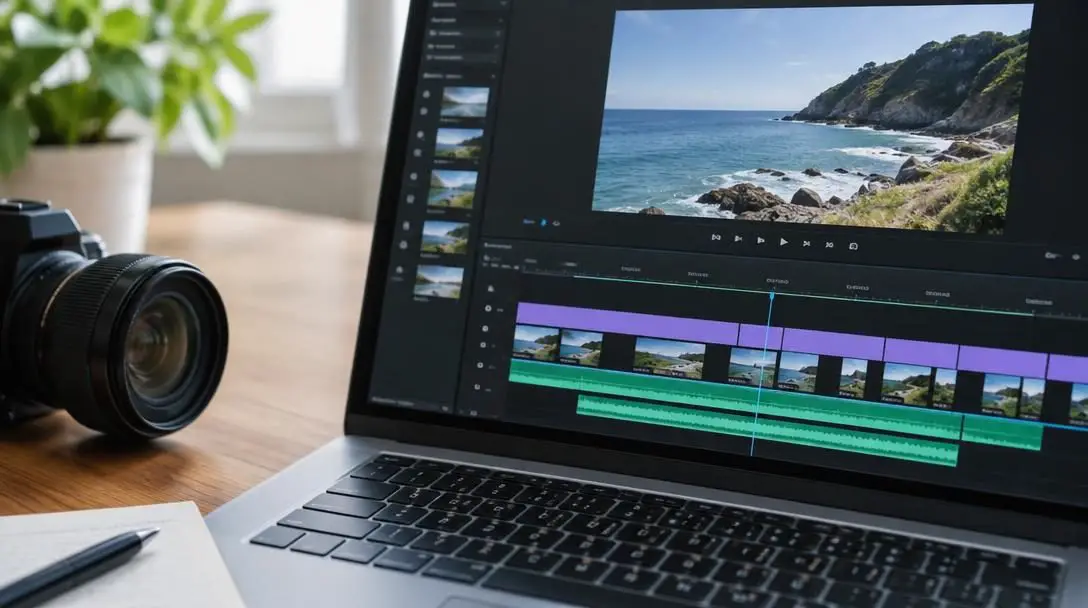
Another common belief is that post-production demands enterprise-level editing software suites. Modern creators have access to an abundance of capable, free video editing tools that require minimal technical proficiency. These platforms allow anyone to trim clips, insert clean transitions, add overlay text, and export lightweight, web-optimized files directly to their hosting platform or site backend.
The Need to Appear on Camera
Stage fright prevents many website owners from leveraging video. However, appearing on camera is completely optional. Many of the most successful educational and commercial videos rely entirely on slide presentations, software screen captures, visual diagrams, or curated stock graphics. Communicating actionable advice does not require a face on screen to establish authority.
The Need for Complex Scripts
Video content does not require cinematic narratives or dramatic pacing. Concise, focused summaries of the page's core subject matter are far more effective for user retention. Many publishers now produce short visual summaries for every single article or product page on their domains, frequently employing text-to-speech narration paired with on-screen bullet points to scale production rapidly.
A Step-by-Step Guide to Implementing Video SEO
Executing an effective video strategy requires a systematic workflow that blends user-focused content creation with technical site management. Follow these progressive steps to launch and maintain your assets:
- Identify high-priority content: Review your website analytics to pinpoint dense informational pages, primary landing pages, or high-value blog posts where a visual summary would immediately clarify the topic.
- Produce simple, focused assets: Use free editing software to assemble concise visual media. Utilize screen recordings, slides, or automated text-to-speech tools if you prefer not to write extensive scripts or appear on camera.
- Design custom, professional thumbnails: Develop a dedicated graphic for each video featuring readable text, clean imagery, and your brand's official logo rather than using an unedited video still.
- Audit page load times: Analyze pages with embedded media using Google Analytics and search engine webmaster tools to ensure that asset loading does not degrade your overall website speed.
- Incorporate collaborative opportunities: Partner with industry creators or subject-matter professionals to co-create assets that can draw external traffic and strengthen domain authority.
The Critical Importance of Thumbnails and Branding
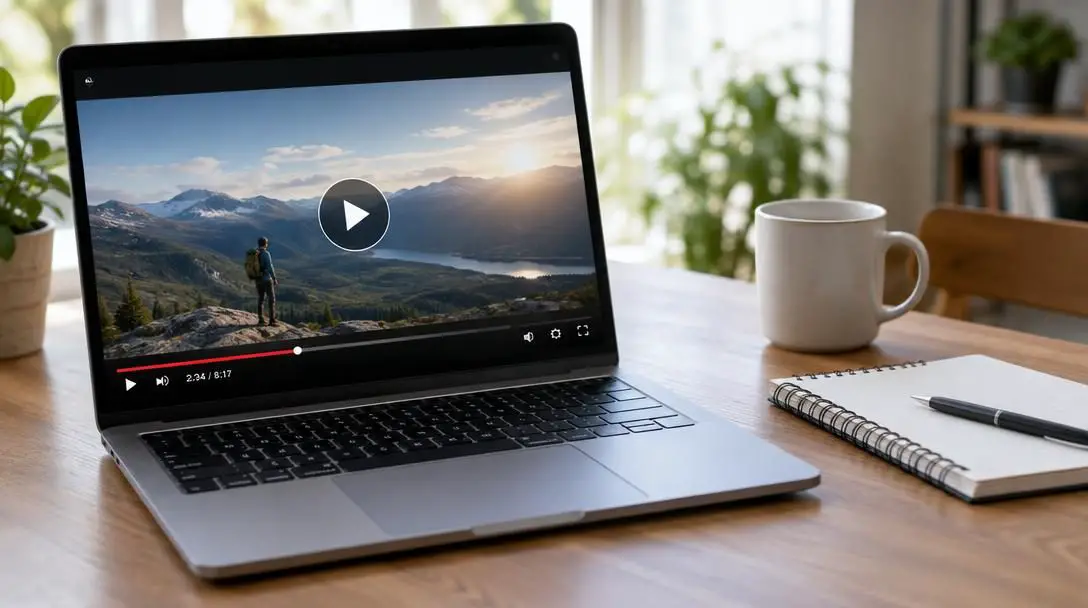
The thumbnail image acts as the primary virtual storefront for your video asset. When a search engine displays your page within rich search snippets or video results, the thumbnail serves as the decisive factor dictating whether a user clicks your link or continues scrolling.
Human users are far more inclined to click on an appealing, crisp still frame accompanied by legible typography than on an automatic video capture. In the early days of web video, platforms like YouTube automatically selected an arbitrary frame from the uploaded media file to serve as the default preview. These automated captures routinely captured mid-sentence facial expressions, motion blur, or empty screens, creating an uninviting and unprofessional visual impression.
Modern video platforms and content management systems allow creators to upload customized thumbnail images. When designing these graphics, incorporating your official brand name or logo delivers two distinct optimization benefits:
- Instant Brand Recognition: Consistent visual branding helps searchers immediately associate helpful video answers with your business domain, reinforcing trust over repeated searches.
- Elevated Click-Through Rates: High-contrast graphic design paired with clear explanatory titles stands out against muted search listings, generating strong user interest that signals relevance to ranking algorithms.
Navigating Speed Hazards and Technical Performance
While the strategic benefits of video are immense, improper implementation can introduce significant technical vulnerabilities. The most hazardous mistake in video SEO involves neglecting page loading speeds.
Video files are inherently data-dense. If large, uncompressed media files are hosted directly on your website server, they consume vast amounts of bandwidth whenever a user accesses the page. This bandwidth strain causes pages to load sluggishly, creating severe latency issues. Search engines view slow loading times as a major negative user experience signal. If a visitor must wait several seconds for a page to render, they will often bounce back to search results before the video player even initializes, causing algorithmic downgrades.
To preserve rapid load times while capitalizing on the organic value of media, webmasters must consistently monitor site performance through Google Analytics and Google Webmaster Tools. These platforms offer specific technical diagnostics and guidelines for embedding media without placing an unsustainable burden on page performance.
Frequent Video SEO Mistakes to Avoid
Deploying multimedia without a clear structural framework often leads to avoidable missteps that undermine organic search growth. Webmasters should steer clear of these four widespread pitfalls:
- Relying on Default Thumbnails: Permitting your hosting platform to auto-generate a random video frame often produces an unappealing, blurry image that discourages clicks and wastes valuable search impressions.
- Ignoring Page Speed Impacts: Uploading unoptimized video formats directly to your host without auditing page performance can cause severe loading delays, negating any ranking benefits the video was meant to provide.
- Believing High Cost Is Mandatory: Stalling production under the assumption that only studio-grade equipment and agency budgets produce results prevents sites from capitalizing on accessible, free software tools.
- Forgetting Visual Branding Elements: Omitting your website name or brand logo from the thumbnail and opening frames leaves valuable brand equity and cross-platform recognition on the table.
Scaling Up: Professional Production and Influencer Partnerships
Once you have established a consistent internal workflow for basic video production and technical optimization, you can begin exploring strategies for sustainable scaling. While functional text-to-speech explainers and screen captures establish a baseline of visibility, competing in crowded organic niches often requires greater visual polish and creative range.
Engaging outside video production specialists allows webmasters to elevate routine summaries into world-class digital assets. Professional videographers and editors ensure that lighting, sound design, visual pacing, and structural SEO metadata operate in harmony. These refined assets hold audience attention longer, further reinforcing positive retention metrics.
Additionally, forward-thinking publishers should consider the strategic value of influencer collaborations. Partnering with established content creators who already possess dedicated followings can generate immediate surges of targeted traffic to your web pages. When an influencer points their audience toward an embedded video resource on your domain, the influx of active, engaged users sends powerful popularity and relevance signals to search algorithms, accelerating ranking improvements across the entire site.
Frequently asked questions
Do I have to appear on camera to make video SEO work?
No. You do not need to show your face on camera. Screen recordings, slide decks, visual diagrams, and text-to-speech narrations over graphic slides are completely effective formats for delivering clear information and securing search rankings.
Where do web videos appear in Google search results?
Properly formatted video assets can appear on the primary Google search engine results page alongside rich visual snippets, as well as inside the dedicated "Videos" search tab when users filter specifically for media results.
Can embedded videos hurt my search rankings?
Yes, if they are implemented incorrectly. Hosting large, uncompressed video files directly on your web server can dramatically slow down page loading speeds. Slow site speed provides a poor user experience, leading to higher bounce rates and search ranking penalties.
Why are custom thumbnails so important for video SEO?
Custom thumbnails function as your content's storefront. Clear, well-designed still images featuring readable text and your website logo attract far more clicks than automated, blurry screen grabs, which directly lifts organic click-through rates.
How does video content improve commercial conversion rates?
Visitors who watch an explanatory or product video on a website stay on the page longer and gain a clearer understanding of the offer, which makes them statistically far more likely to complete a purchase than visitors viewing text alone.
The bottom line
Video is no longer an optional add-on in modern search engine optimization; it is a vital pillar of organic discoverability. As search engines continue prioritizing visual content that reflects real user preferences, websites that combine traditional written authority with lightweight, engaging video assets will consistently outperform text-only competitors. By focusing on accessible production tools, creating polished custom thumbnails, auditing site performance, and scaling thoughtfully, any web publisher can unlock the substantial ranking advantages of modern video SEO.