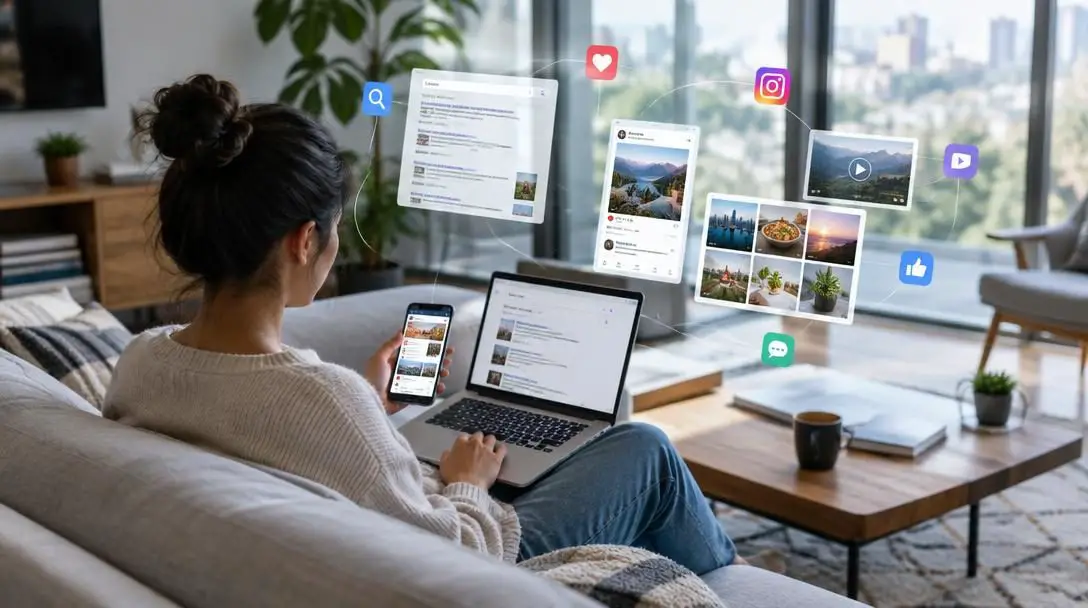
How To Cultivate A Healthy Approach To Instagram

Instagram originally entered the digital landscape as an uncomplicated utility where people could apply vintage-style filters and share snapshots with family and close friends. Over the years, that casual photo-sharing directory transformed into one of the most consumed digital platforms on Earth. With this transition, user behavior shifted dramatically from spontaneous sharing to hyper-curated self-broadcasting, turning personal profiles into digital storefronts and creative portfolios.
For many everyday users, maintaining a profile has gradually taken on the psychological and logistical weight of an unpaid full-time job. Hours are regularly lost to staging scenes, color-correcting images, editing captions, and managing online reputations without any practical return or material reward. When an app designed for leisure becomes an exhausting obligation, stepping back to reassess your digital habits is necessary for protecting your mental health and personal time.
Key takeaways
- Curating your following list directly instructs the recommendation algorithm to serve constructive rather than toxic material.
- Establishing an intentional boundary to check only the top few posts protects you from the endless browsing trap of the infinite feed.
- Unfollowing high-profile figures and luxury influencers removes unattainable benchmarks that trigger feelings of personal inadequacy.
- Batching images into a single weekly photo dump eliminates the anxiety of real-time posting and returns your focus to real-world experiences.
The Mechanics of Social Media Overload
To untangle yourself from counterproductive online habits, it helps to analyze the structural incentives that govern the platform. Social media apps are constructed around powerful engagement loops designed to capture attention and extend session duration. When these dynamics operate unchecked, they erode personal productivity, disrupt sleep patterns, and steadily alter emotional equilibrium.
A primary driver of emotional distress on social media is the curated nature of user feeds. The vast majority of people choose to broadcast exclusively positive milestones, exotic vacations, and high-end acquisitions. When you browse through these highlight reels, you are exposed almost entirely to the most lavish, unrepresentative fragments of other people's lives. Inevitably, measuring your everyday routines against an uninterrupted parade of exceptional achievements sparks severe social comparison. Peer-reviewed research confirms that evaluating your everyday existence against online feeds is deeply detrimental to psychological wellbeing, leaving individuals feeling inadequate, envious, and dissatisfied with their circumstances.
Compounding this psychological pressure is the mechanics of the content recommendation engine. Instagram's interface features an infinite scroll architecture, ensuring that the feed never actually concludes. No matter how few profiles you actively follow, the recommendation system will continue populating your stream with suggested media to sustain your engagement. As you tap, linger, and comment, the algorithm logs your behavior by category. If you interact heavily with sports media, your suggestions will rapidly tilt toward athletic accounts. Crucially, the system does not evaluate your emotional intent: if you interact with controversial, infuriating, or toxic accounts out of spite or curiosity, the platform interprets that engagement as genuine interest and saturates your screen with similar material.
Measuring your mundane, everyday reality against an uninterrupted stream of curated luxury is a direct route to digital burnout.
Five Practical Steps to Cultivate a Healthy Instagram Habit
Reclaiming your mental clarity does not necessitate deleting your account or cutting yourself off from digital culture entirely. Instead, establishing sustainable digital boundaries allows you to enjoy the creative aspects of the platform without succumbing to fatigue or envy. The following five strategic practices provide a dependable roadmap for building an intentional relationship with social media.
Step 1: Learn the Algorithm and Clean Your Feed
Taking control of your digital space begins with recognizing that your browsing patterns function as explicit programming instructions for the recommendation engine. The categories you interact with dictate the thematic makeup of future suggestions. If your feed feels hostile, exhausting, or superficial, an intentional audit of your following list is overdue.
Go through your subscriptions and prune away any accounts that produce anxiety, irritation, or emotional depletion. Above all, never follow or monitor an account out of anger or spite; doing so merely signals to the system that you want comparable controversies plastered across your recommendations. Replace these sources with accounts that offer educational value, creative ideas, or genuine encouragement, transforming your feed into a constructive resource rather than a source of chronic agitation.
Step 2: Stop the Scroll
Because the platform provides an endless supply of media, passive browsing can swallow large portions of your day before you recognize the passage of time. A quick glance at notifications frequently turns into hours of mindless swiping, occasionally resulting in accidentally following unfamiliar accounts generated by the discovery feed.
Adopt a strict, predetermined protocol whenever you launch the app. Make a conscious choice to view only the top few posts from accounts you actually care about, and deliberately close the application the moment those updates are exhausted. Resist the temptation to push through algorithmic dividing lines into suggested content or explore grids. Treating the app as a tool with an explicit ending point breaks the hypnotic browsing cycle that feeds digital exhaustion.
Step 3: Try Not to Follow Celebs
Major celebrities, entertainment stars, and the top one percent of high-earning digital influencers inhabit an economic sphere that bears no resemblance to normal life. When your feed is inundated with private aircraft, luxury supercars, five-star resort itineraries, and designer wardrobes, your sense of what constitutes a normal lifestyle becomes profoundly distorted.
Few things erode personal self-esteem faster than comparing your living standards to individuals whose wealth was established offline or through massive digital commercial enterprises. Cut ties with luxury-focused celebrity accounts that trigger feelings of material deficiency. If you choose to follow any public figures, verify that their content provides genuine creative entertainment, authentic humor, or interesting behind-the-scenes perspectives rather than mere vanity displays.
Step 4: Don't Compare Yourself
Social media feeds present a heavily filtered, carefully edited simulation of human existence. When you encounter someone celebrating an elaborate promotion or sharing an idyllic vacation photograph, it is vital to acknowledge the vast amount of human experience omitted from the frame. Everyone encounters mundane chores, personal anxieties, loneliness, and professional setbacks, but those elements rarely align with the aesthetic standards of digital publishing.
Remind yourself that your own profile likely suffers from the exact same selective bias, highlighting proud accomplishments while ignoring everyday difficulties. Divert the energy you might spend coveting someone else's apparent lifestyle into your personal development, offline relationships, and individual milestones. Recognizing that you are comparing your behind-the-scenes realities to someone else's polished trailer is the most reliable defense against digital dissatisfaction.
Step 5: Embrace the Post Dump
Many users have developed a compulsive need to document events in real time, pausing during dinners, concerts, and family gatherings to take photos, test visual filters, write captions, and monitor immediate audience reactions. You are not striving to be the next Jenner, meaning there is zero obligation to turn every private moment into an instantaneous public broadcast.

Protect your special occasions by keeping your mobile device out of sight and prioritizing real-world presence over public documentation. Capture photos purely as personal memories, saving them to your device's camera roll without agonizing over edits or filters. At the end of the week, compile your favorite images into a single photo dump. This batched approach filters your uploads down to what genuinely matters, reclaims hours of your personal schedule, and prevents you from managing your profile like an unpaid media operation.
Comparing Healthy Habits Against Digital Burnout
Shifting from unmanaged social media consumption to intentional engagement requires clear behavioral contrasts. The table below illustrates how everyday interactions differ when governed by algorithmic impulse versus conscious digital hygiene.
| Dimension | Unchecked Social Media Habit | Healthy, Intentional Practice |
|---|---|---|
| Feed Curation | Following accounts out of curiosity, spite, or obligation | Pruning toxic pages; following educational or uplifting creators |
| Browsing Behavior | Endless scrolling through infinite recommendations | Checking the top few updates, then immediately closing the app |
| Public Figures | Tracking luxury lifestyles, private jets, and designer assets | Unfollowing luxury elites; keeping only genuine, comic, or creative figures |
| Posting Routine | Immediate, real-time sharing with constant filter testing | Batching pictures into a single weekly photo dump |
| Performance Focus | Obsessing over likes, view counts, and audience metrics | Treating the app as a simple album; ignoring performance figures |
Common Pitfalls That Undermine Digital Wellbeing
Formulating a balanced dynamic with your phone is rarely a linear journey. When users attempt to adjust their online routines, they frequently fall back into default patterns without noticing. Watching out for these common behavioral traps will help preserve your boundaries over the long run:
- Treating posting as an emergency: Believing that an event, plate of food, or outing must be broadcast the minute it occurs pulls you out of the present moment and drives unnecessary screen time.
- Engaging with anger-inducing posts: Leaving hostile remarks or arguing in comment sections instructs the recommendation algorithm to place more of that specific controversy across your feed.
- Tracking vanity metrics: Frequently checking like counts, view tallies, and follower numbers turns personal leisure into an unpaid marketing role aimed at constant optimization.
- Relying on social media for validation: Depending on the fleeting approval of strangers to confirm your personal worth leaves you defenseless against feelings of inadequacy.
- Following accounts out of obligation: Permitting old acquaintances, competitive peers, or toxic accounts to remain on your feed out of politeness continuously damages your peace of mind.
Sustaining Your Routine and Reinvesting Your Time
Establishing digital equilibrium is an ongoing maintenance process rather than a one-time adjustment. Because platform interfaces and recommendation engines undergo constant updates, old habits can quietly resurface if you operate on autopilot. Long-term digital balance requires regular self-reflection.
Develop the habit of taking an emotional inventory whenever you lock your mobile screen. If you consistently walk away from your device feeling depleted, irritated, or envious of another person's wealth, treat that reaction as a practical cue that your feed requires intervention. Unfollow recent additions that trigger negative emotions, and verify that you have not allowed high-profile lifestyle profiles back into your regular browsing loop.
Equally critical is deciding how to reallocate the hours you reclaim. By abandoning real-time broadcasting and resisting infinite discovery streams, you liberate significant portions of your week. Rather than redirecting that surplus time into other digital media or alternative social networks, channel it into activities that require neither a lens nor a filter. Investing in offline friendships, creative projects, physical health, and uninterrupted rest ensures that your digital tools serve your life rather than dominate it.
Frequently asked questions
Why does interacting with toxic accounts ruin my Instagram feed?
The platform's recommendation engine interprets any interaction—including lingering, opening comments, or replying out of anger—as genuine interest. When you engage with upsetting material, the system automatically responds by serving more posts within that same controversial category.
How does unfollowing celebrities improve mental health?
Prominent celebrities and the top one percent of influencers typically display extreme wealth, luxury items, and unattainable beauty standards. Removing these profiles eliminates artificial benchmarks that lead to negative self-comparisons and feelings of financial or personal inadequacy.
What is a post dump and how does it save time?
A post dump involves collecting your favorite photos on your camera roll throughout the week and sharing them together in a single batch. This practice prevents you from interrupting outings to edit single images, eliminating the pressure of real-time publishing.
How can I stop mindlessly scrolling past my friends' posts?
Set a deliberate boundary to review only the top few updates from people you actively follow, and close the application as soon as you hit suggested content. Establishing this predictable stopping point prevents the infinite feed from pulling you into endless browsing.
Why do social media comparisons feel so harmful?
People almost exclusively share their most celebratory and polished highlights online. When you compare your unedited, routine daily life against another person's carefully staged success, you naturally experience dissatisfaction, even though their real-world existence includes the same mundane challenges as yours.
The bottom line
Instagram was created to connect people through shared visual creativity, but modern platform algorithms are tuned to maximize screen time at the expense of your attention. Treating your feed as an unmanaged stream can quickly turn casual browsing into an exhausting cycle of comparison, toxic content, and unpaid digital labor. By actively cleaning your following list, rejecting real-time posting pressures, ignoring celebrity luxury culture, and putting the phone away once you have checked in on close contacts, you can reclaim your time and build a grounded, healthy relationship with social media.