
How To Help Your Child Learn Healthy Eating Habits
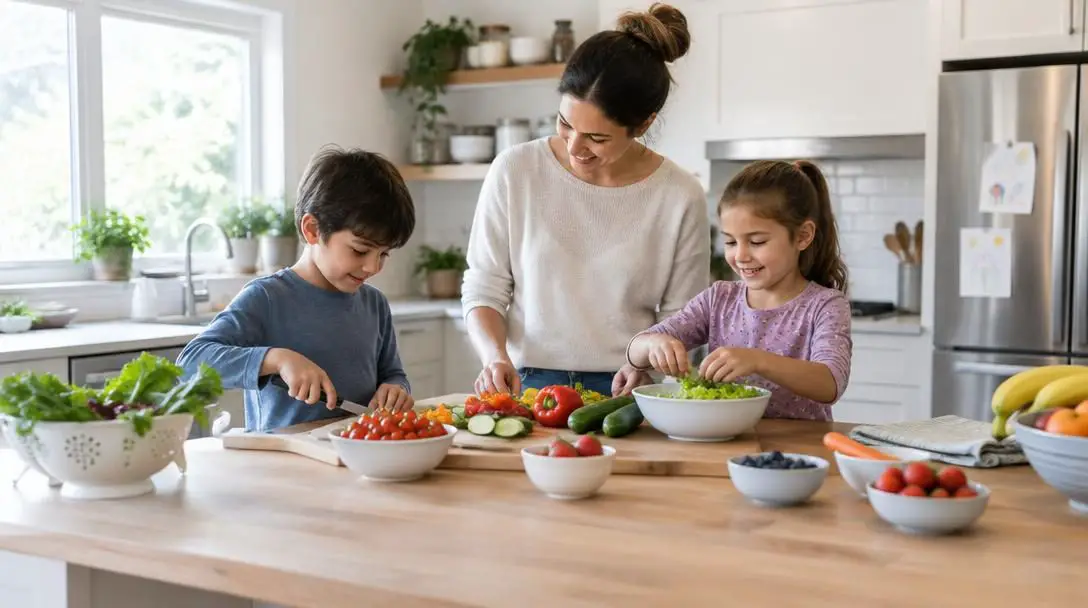
Most parents share the fundamental aspiration of raising children who grow up healthy, happy, and resilient. Yet, navigating day-to-day nutrition is often fraught with tension, hesitation, and self-doubt. When dinnertime descends into a battle over green vegetables versus sweet snacks, the kitchen table can quickly transform from a place of family connection into a high-stress arena of wills.
Children possess an innate, evolutionary inclination toward energy-dense, sweet, and fatty foods, which makes bitter vegetables and unfamiliar wholesome staples an uphill sell. However, fostering lifelong nutritional wellness does not require rigid mandates or perpetual conflict. By shifting focus from micro-managing individual mouthfuls toward cultivating curiosity, participation, and positive sensory experiences, families can help children discover the joy of nourishing their bodies naturally.
Key takeaways
- Natural childhood cravings lean toward sugar and fat, making parental patience and low-stress guidance essential for introducing nutrient-rich alternatives.
- Hands-on participation in shopping, gardening, and meal preparation builds a sense of ownership that significantly increases a child's willingness to try new foods.
- Family meals serve as powerful observational learning opportunities where parents and older siblings can model balanced habits without pressure or discipline.
- Completely banning sweets backfires by making forbidden treats more desirable; balanced boundaries work better than total prohibition.
- Long-term habit formation hinges on evaluating the overall dietary pattern rather than stressing over individual meals or temporary food refusals.
Understanding how children form food preferences
To nurture positive eating habits, parents must first understand the developmental mechanisms guiding how children perceive food. Young eaters explore the world through sensory engagement, environmental cues, and the observable habits of the caregivers around them. When adults rely strictly on top-down commands, restrictive rules, or forceful negotiations, children predictably push back. This dynamic creates an adversarial relationship with meals, linking vegetables and wholesome foods to stress, control, and negative emotional states.
Sustainable habits take root when food is paired with positive emotional experiences and genuine curiosity. When a child participates in selecting, washing, or preparing ingredients, the psychology of mealtime fundamentally shifts. A vegetable ceases to be an alien obstacle imposed on a plate; instead, it becomes a tangible creation the child helped bring to life. Furthermore, observing parents and older siblings casually enjoying wholesome items normalizes balanced eating far more effectively than lectures ever could. Successful guidance prioritizes long-term nutritional patterns over micro-managing every single bite at a single sitting.
Habit formation works best when it focuses on the big picture of a child's overall diet rather than micro-managing every bite they consume.
Practical strategies to nurture lifelong healthy habits
Transforming food education into an enjoyable routine requires concrete, actionable steps that integrate smoothly into everyday family life. Rather than overhauling everything overnight, parents can implement targeted practices that dismantle mealtime anxiety and encourage authentic interest.
Engaging children during grocery shopping
Taking children into retail food environments provides an immersive sensory introduction to wholesome eating. When young people observe the vast array of whole foods available, items transform from abstract dinner obligations into engaging, tactile discoveries.
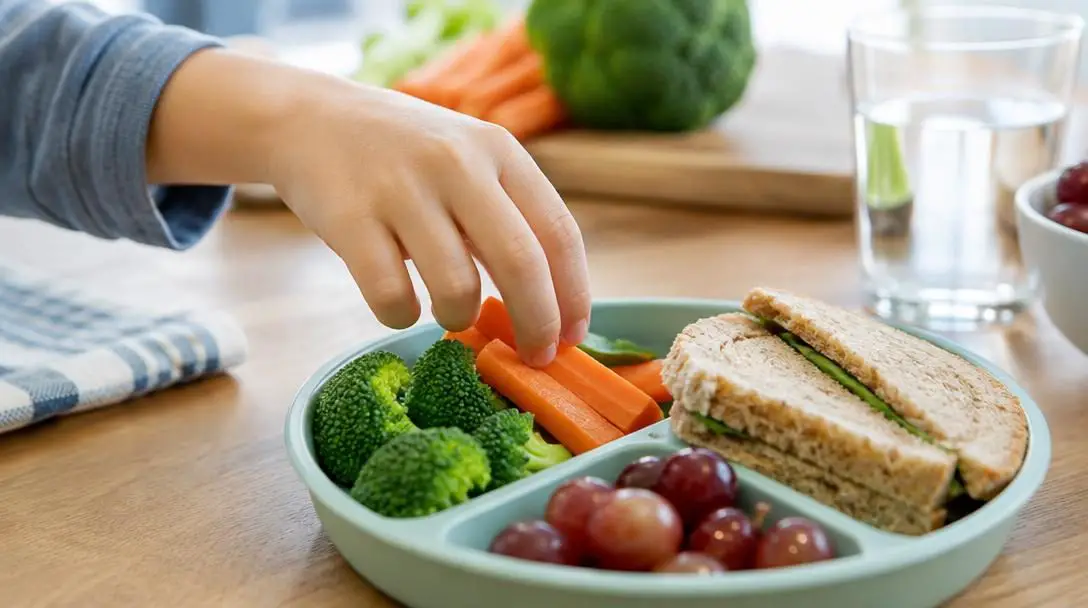
- Wait until children have graduated past the toddler stage before introducing short, targeted supermarket excursions to avoid overstimulation.
- Grant young children autonomy in the produce department by giving them the specific responsibility of picking out their favorite fresh fruits for the week.
- Incorporate routine visits to local open-air farmers markets, allowing children to see varied displays of fresh, seasonal produce in a dynamic environment.
- Discuss the vibrant colors, diverse textures, and unique varieties of produce as you navigate aisles and farm stalls together.
Involving children in kitchen meal preparation
Welcoming children into the kitchen demystifies culinary techniques and gives them direct agency over the meals they eat. The central objective of cooking together is cultivating a cheerful, lighthearted atmosphere rather than culinary perfection. Tasks should strictly align with each child's developmental capabilities and motor skills.
| Age Group | Recommended Kitchen Responsibilities | Core Developmental Benefits |
|---|---|---|
| Ages 6 to 7 | Washing fresh fruits and vegetables under cool running water; simple sorting | Safe, water-based sensory engagement; builds early comfort around raw produce |
| Ages 8 to 11 | Peeling potatoes, assembling fresh salads, mixing ingredients in large bowls | Refines fine-motor coordination; fosters creative ownership over side dishes |
| Ages 12 and older | Planning and executing simple, independent meals entirely on their own | Builds self-reliance, practical culinary competence, and teenage autonomy |
Prioritizing low-stress family mealtimes
Gathering around a shared table remains one of the single most reliable methods for establishing balanced dietary behaviors. Family dining provides an irreplaceable venue for observational learning, connection, and social bonding. When children see their caregivers savoring wholesome meals without theatrical fuss, they internalize those behaviors as standard practice.
To preserve the integrity of the table, parents must safeguard it from conflict. Mealtimes should never serve as a disciplinary arena or a forum for scholastic cross-examinations. Eliminating food negotiations relieves pressure for both parent and child, allowing natural hunger cues to guide consumption.
Cultivating a family garden for fresh produce
Children possess an innate curiosity about the natural world, and planting a home garden offers a direct channel to harness that instinct. Watching a seed emerge from the soil, develop leaves, and yield edible produce captures a child's imagination in ways that prepackaged items in plastic clamshells simply cannot match.
- Children are significantly more inclined to sample fruits and vegetables that originate in their own backyard garden compared to identical items bought at a grocery store.
- Produce harvested fresh from home soil delivers superior flavor and natural sweetness, making bitter or earthy greens much more appealing to unaccustomed palates.
- Homegrown crops retain peak nutritional density because they bypass the extended transit and warehouse storage times common in industrial supply chains.
- Assign daily plant care responsibilities, such as watering the soil and carefully picking ripe produce when harvest time arrives.
Managing treats without strict prohibition
A natural impulse among health-conscious parents is to completely ban junk food and sweets from the household. While well-intentioned, absolute prohibition frequently backfires due to the psychological phenomenon of the forbidden fruit. When an item like cake or candy is labeled entirely taboo, children tend to fixate on it with heightened intensity.

The solution lies in establishing sensible, predictable boundaries without moralizing food. It is completely appropriate to explain that a single slice of birthday cake is sufficient and that a second slice is not an option. Occasional sweets cause no physical harm when they exist inside a diverse, nutrient-rich dietary baseline, whereas rigid demonization often fosters secrecy and overindulgence outside the home.
How to introduce unfamiliar foods without pressure
Guiding a hesitant child toward trying an unfamiliar ingredient requires a calm, multi-step process that respects their sensory comfort zone while slowly expanding their palate.
- Select the ingredient together: Invite your child to pick out a new vegetable or fruit at the supermarket or harvest it directly from the garden plot.
- Assign a washing or prep task: Have the child handle the raw food at the kitchen sink or cutting board, giving their senses time to adjust to its aroma and texture before it ever reaches a plate.
- Serve a miniature tasting portion: Place a tiny amount alongside several familiar, well-liked items on the plate, explicitly removing any demand that they finish it.
- Model enjoyment without commentary: Eat the same food yourself with visible, authentic pleasure, avoiding verbal cajoling, cheerleading, or bribery.
- Accept refusal with neutrality: If the child leaves the new food untouched or politely declines it, clear the dish without comment, sighing, or disappointment, ready to reintroduce it another week.
Common mistakes parents make at the table
Even the most dedicated parents can stumble into counterproductive routines that inadvertently exacerbate picky eating. Recognizing these behavioral traps allows caregivers to reset their approach before negative patterns solidify.
- Turning meals into a battle of wills: Demanding that a plate be completely cleared or pressuring a child to swallow foods they dislike creates severe mealtime anxiety and cements lasting food aversions.
- Labeling foods as completely off-limits: Implementing total bans on desserts or processed snacks elevates their status, transforming ordinary sweets into high-value prizes.
- Excluding children from the kitchen: Keeping young family members entirely separate from menu planning, grocery shopping, and meal preparation forfeits crucial opportunities to build positive curiosity.
- Making a dramatic scene over food refusal: Reacting with anger, frustration, or elaborate bargaining when an offering is rejected creates an unintended power dynamic that perpetuates resistance.
- Losing sight of the big picture: Panicking over an unbalanced afternoon snack or an uneaten dinner distracts from the broader, cumulative quality of a child's diet across weeks and months.
Frequently asked questions
Why do children naturally crave sweet and high-fat foods?
Children have an innate biological drive toward energy-dense foods rich in sugar and fat. This natural preference helped developing humans secure adequate calories for rapid growth, while bitter flavors often signaled potentially toxic wild plants. Understanding this preference helps parents realize that vegetable resistance is a normal developmental phase rather than deliberate defiance.
What should I do if my child refuses to eat what is served at dinner?
Do not make a scene, express frustration, or negotiate over uneaten bites. Simply keep the meal low-stress and neutral. Drawing excessive attention to refusal reinforces resistance. Ensure there is at least one familiar, accepted item on the table, and trust your child's appetite without forcing them to clear their plate.
At what age can children start helping in the kitchen?
Children as young as six or seven can safely assist with basic kitchen tasks like washing fresh fruits and vegetables under running water. Children over seven possess the fine-motor coordination needed for peeling potatoes, mixing ingredients, and tossing salads, while adolescents over 12 can be taught to prepare simple, independent meals on their own.
Why does completely banning treats like cake often backfire?
Completely forbidding specific foods triggers intense curiosity and fixation, making the prohibited items far more desirable. Instead of total bans, set reasonable boundaries, such as permitting one slice of cake while establishing that a second serving is off the table. Occasional treats do no harm when balanced within an overall healthy diet.
How does growing a family garden improve a child's eating habits?
Tending a garden taps into a child's natural curiosity and sense of discovery. Children are significantly more likely to eat produce they grew and harvested themselves. In addition, homegrown produce tastes fresher and more flavorful than store-bought options, providing a much more enjoyable introduction to fruits and vegetables.
The bottom line
Instilling lifelong healthy eating habits in children is a marathon rather than a sprint. Taste buds evolve, developmental phases come and go, and a child who rejects a roasted vegetable today may happily consume it next year. Seeking rigid perfection at every meal only generates needless friction for parents and children alike.
True success lies in remaining patient, consistent, and supportive. Rather than attempting a sweeping lifestyle overhaul all at once, begin by incorporating one or two manageable changes into your family routine. You might plan a weekend visit to a nearby farmers market, ask your child to rinse the salad greens for dinner, or clear a small patch of dirt to plant summer vegetables. By pairing wholesome food with autonomy, lighthearted connection, and room for occasional treats, you give your child the tools to build a joyful, balanced relationship with nutrition that will endure for a lifetime.