How To Help Your Dog Be Happy

Dogs have earned their reputation as loyal human companions by offering steady affection, joyful energy, and deep comfort to our daily routines. In return, conscientious dog owners often look for meaningful ways to repay that loyalty by ensuring their pets lead truly vibrant and satisfying lives. Yet creating true canine happiness requires looking beyond the basic necessities of regular meals, clean water, and safe shelter. It calls for an active understanding of a dog's emotional state, biological drives, and evolving mental landscape.
A dog's well-being depends heavily on the domestic environment we build around them. Because canines rely on their human families to structure their days, interpret their body language, and offer outlets for innate behaviors, their happiness reflects how well those needs are supported. When essential behaviors like chewing, tracking scents, running, and problem-solving are suppressed or ignored, dogs frequently develop frustration, chronic stress, or behavioral issues. Conversely, when owners intentionally satisfy these natural inclinations, they build enduring mutual trust and create a harmonious home.
Key takeaways
- Fulfilling a dog's emotional needs requires balancing vigorous physical exercise with daily mental challenges and instinctual outlets.
- Rotating existing toys periodically revives their novelty and keeps curious minds engaged without demanding new purchases.
- Natural behaviors like chewing and sniffing function as self-soothing mechanisms that actively reduce stress and release pent-up energy.
- Social interactions and training routines succeed best when paired with positive reinforcement, careful environmental management, and respect for individual boundaries.
The Core Pillars of Canine Well-Being
Canine happiness is a measurable state rooted in animal biology, neurology, and evolutionary drive rather than an abstract sentiment. To construct a routine that supports genuine contentment, owners must understand how four core pillars interact to shape a dog's everyday mood.
Physical movement operates as the first vital pillar. Exercise keeps muscles toned, supports joint mobility, and maintains healthy cardiovascular function. Beyond internal health, vigorous activity acts as a crucial pressure valve. Many modern dogs spend long hours indoors or resting in crates while their owners work. Without regular physical exertion before and after these quiet periods, physical energy accumulates into restlessness, hyperactivity, or anxiety.
Mental stimulation forms the second pillar. Canines are naturally inquisitive thinkers. When a dog lacks intellectual challenges, they rarely choose to sit quietly in contemplation; instead, they invent their own tasks, which often manifest as nuisance barking, digging, or destructive chewing. Challenging their minds through puzzles, training, and exploration burns cognitive energy and produces deep satisfaction.
Fostering true happiness in a dog requires more than just meeting the bare minimum of food and shelter; it involves actively engaging their mind and honoring their natural instincts.
Instinctual fulfillment represents the third pillar. Canines perceive the world primarily through their noses and express emotions through their mouths. Sniffing unfamiliar trails and gnawing on safe textures release soothing biochemicals in the brain. Denying these primal urges creates friction, while encouraging them fosters emotional stability.
Social security and affection complete the foundation. Dogs are deeply social pack animals that thrive on predictable, gentle interactions. Consistent communication, clear boundaries, and reassuring physical touch—such as grooming, petting, and snuggling—reinforce their sense of belonging and safety.
| Pillar | Primary Emotional Benefit | Recommended Outlets | Key Focus Area |
|---|---|---|---|
| Physical Movement | Alleviates pent-up stress and balances daily energy levels | Running, brisk hiking, swimming, fetch, tug-of-war | Endurance and muscle release |
| Mental Stimulation | Prevents boredom-induced anxiety and builds focus | Trick training, agility courses, task-based chores | Cognitive problem-solving |
| Instinctual Fulfillment | Satisfies ancestral drives and provides self-soothing calm | Scent tracking, bully sticks, dental bones, sniff walks | Olfactory and jaw engagement |
| Social & Physical Bond | Instills confidence, safety, and pack security | Canine massage, gentle brushing, intentional cuddling | Trust and gentle touch |
Essential Daily Habits for a Content Dog
Transforming these core pillars into tangible happiness involves implementing practical, reliable habits. Integrating specific activities into your weekly routine ensures your companion stays engaged, healthy, and emotionally balanced.

Provide Plenty of Diverse Physical Exercise
Movement is fundamental to warding off boredom and maintaining physical health. While simple backyard potty breaks are necessary, they rarely provide enough exertion on their own. Challenge your dog's cardiovascular endurance by incorporating daily walks, brisk trail runs, or scenic hikes that push their stamina. Backyard games of fetch or high-energy tug-of-war in the living room allow dogs to sprint and engage their muscles in short bursts. For dogs that enjoy water, swimming offers an outstanding low-impact workout that spares older joints. You can even try dancing together in the living room to turn physical conditioning into a lively, bonding game.
Rotate Toys to Maintain Novelty
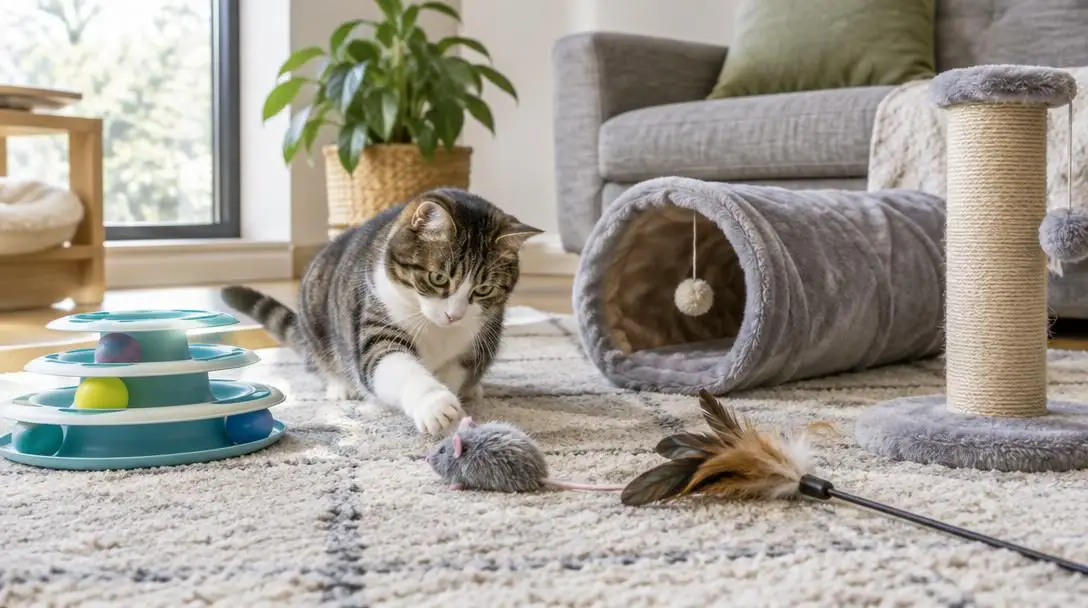
Even the most durable rubber ball or beloved plush squeaker loses its luster when it sits on the living room rug for weeks at a time. Habituation causes dogs to lose interest in familiar objects. You can easily sustain their natural curiosity by establishing a toy rotation schedule. Every few days, collect the scattered toys from the floor and place them inside a storage bin out of sight. Bring out a small selection of toys that have been hidden away for several days. Reintroducing items on a rotating basis renews their excitement, making familiar possessions feel completely new without requiring ongoing trips to the pet store.
Prioritize Proper Diet, Hydration, and Portioning
A dog's mood, cognitive performance, and vitality reflect the fuel they receive in their bowl. High-quality nutrition tailored to your dog's life stage forms the bedrock of their daily comfort. Select a wholesome, balanced dog food that your pet genuinely enjoys eating, and pay close attention to portion control. Carefully measure serving sizes according to your dog's breed, body size, age, and activity level to guard against unhealthy weight fluctuations. Alongside nutrient-dense meals, ensure your dog enjoys continuous access to clean, fresh water to preserve cellular health, support digestion, and prevent dehydration.
Promote Natural and Safe Chewing Habits
Chewing is not a behavioral flaw to be eradicated; it is an instinctual necessity. Dogs use chewing as an innate self-soothing mechanism to decompress, soothe gum sensations, and work off nervous energy. When safe chewing items are absent, dogs inevitably turn to shoes, baseboards, or couch cushions. Provide appropriate outlets by stocking high-protein bully sticks that satisfy their biological need to gnaw. Dental bones serve double duty, keeping jaws occupied while actively scrubbing plaque from teeth and freshening breath. Offering dedicated chews redirects natural drives into productive, calming habits.
Head Outdoors for Sensory Adventures
A dog's world is dominated by scent receptors. Taking the exact same neighborhood walking path every day deprives them of new sensory information. Schedule regular outdoor adventures that let your dog explore natural parks, wooded trails, or open meadows. Vary your walking routes every few days to introduce unfamiliar smells, visual stimuli, and varied terrain. Rather than rushing your dog along, allow them to pause and sniff tree trunks, lampposts, and patches of grass. These dedicated "sniffari" sessions deliver rich sensory stimulation that tires the brain just as effectively as physical sprinting.
Create Thoughtful Socialization Opportunities
Many dogs are gregarious animals that relish the company of their own kind. Well-managed social interactions provide healthy physical play and reinforce natural canine communication skills. You can coordinate neighborhood playdates with compatible dogs or visit a secure local dog park during quiet hours. However, poorly managed introductions can create fear or defensive behaviors. To set up a successful playdate, follow a structured sequence:
- Select a neutral outdoor location where neither dog feels territorial instincts or a need to guard their home turf.
- Remove all balls, tug ropes, chew bones, and high-value items from the space to eliminate possessive behavior and resource competition.
- Begin with calm, side-by-side leashed introductions, allowing both animals to sniff each other politely without frontal tension.
- Observe body language closely throughout the interaction, ensuring play remains reciprocal and both dogs stay comfortable, relaxed, and safe.
Put Your Dog to Work with Purposeful Jobs
Working breeds and companion animals alike inherit instincts related to herding, tracking, retrieving, or guarding. Giving your pet a dedicated job provides focus, channels working energy, and delivers a profound sense of accomplishment. You can tap into their olfactory talent by playing indoor hide-and-seek: hide treats, toys, or even yourself behind doors or under blankets, then prompt your dog to track the target down using their nose. You can also train your dog to assist with household chores, such as retrieving fallen shoes or carrying light laundry items. In the yard, construct a simple agility course using safe jumps, tunnels, and weave poles to test their coordination and focus.

Implement a Regular, Positive Training Regimen
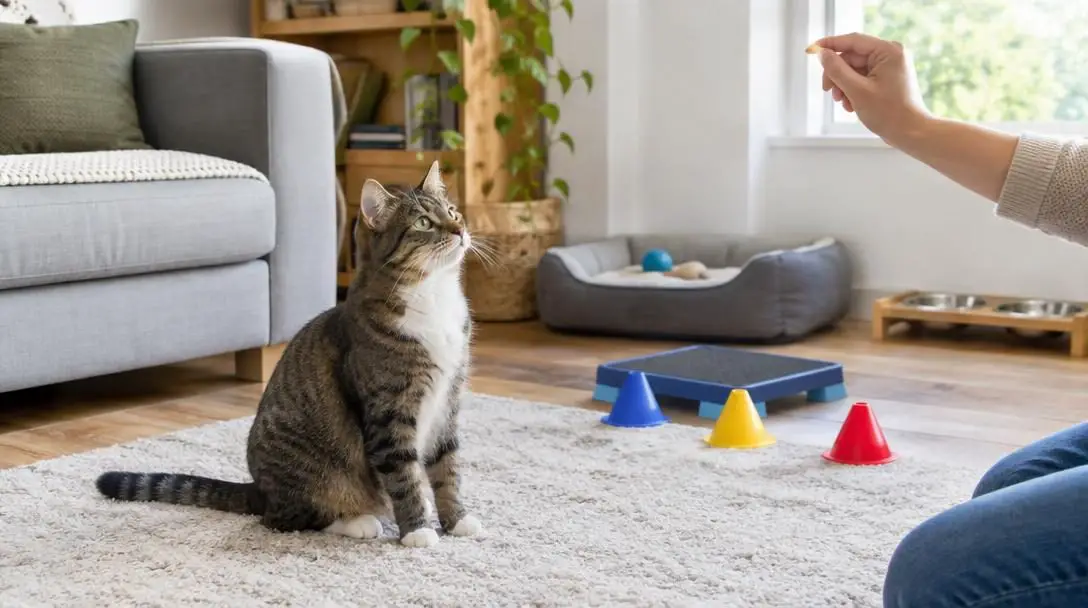
Dogs love learning when training is framed as an enjoyable collaboration. While basic commands like sit, stay, and come are essential for safety, extending their education into advanced tricks keeps their cognitive gears turning. Teach your dog to crawl along the floor, bow politely, spin in tight circles, or leap gracefully through lightweight hoops. Rely exclusively on positive reinforcement methods, rewarding each small success with enthusiastic verbal praise and tiny, flavorful treats. Brief, consistent training sessions build your dog's problem-solving confidence while solidifying mutual cooperation.
Deepen Connection Through Physical Affection
Intentional physical contact builds emotional stability and reassures your dog that they are safe in their pack. Regular petting, gentle brushing, and quiet snuggling satisfy their desire for social touch. Even if you choose to keep your bed free of pets, you can share relaxing downtime together on a living room rug or cozy sofa. Spend time scratching their favorite spots, such as behind the ears or along the chest, and consider learning basic canine massage techniques. Gentle circular strokes along their neck and shoulders help ease physical tension, lower their heart rate, and deepen trust.
Study and Adapt to Your Dog's Unique Personality
Every dog possesses an individual personality shaped by genetics, personal history, and preferences. What thrills one dog might overwhelm another. Dedicate time to studying your dog's distinct signals, preferences, and stress indicators. Learn their subtle boredom cues—such as pacing, pawing, or whining—so you can introduce a stimulating activity before destructive habits take hold. Identify their absolute favorite treats and reserve them for reinforcing high-level obedience. Giving your dog choices, such as letting them select which fork in the trail to follow during a walk, builds autonomy and reinforces their emotional security.
Common Enrichment Pitfalls to Avoid
Even well-intentioned pet parents occasionally make mistakes that introduce unintended stress into their dog's routine. Being aware of these missteps helps preserve a harmonious home environment.
- Equating physical exhaustion with complete enrichment: A dog run to exhaustion can still suffer from chronic boredom if their brain never faces problem-solving challenges. True balance requires pairing physical exercise with scent work, puzzle toys, and positive training.
- Overwhelming sensitive dogs in uncontrolled social settings: Forcing a timid dog into crowded dog parks can cause severe social anxiety rather than fun. Socialization must always proceed at the dog's pace in low-stress environments.
- Neglecting toy and routine rotation: Leaving an entire collection of toys scattered across the floor causes toys to lose their value quickly. Rotated items maintain excitement and drive curiosity.
- Ignoring portion control during training: Using generous training treats without reducing regular food portions leads to weight gain, which harms joints and lowers overall energy levels over time.
Adapting Care Across Your Dog's Lifespan
A dog's emotional and physical requirements change naturally as they transition from energetic puppyhood through mature adulthood to their golden senior years. Keeping your dog happy requires ongoing adaptation rather than a rigid, lifelong formula.
During youth and young adulthood, dogs generally demand higher levels of aerobic activity, frequent social adventures, and foundational learning. Young dogs benefit from brisk runs, challenging agility obstacles, and expansive sniff walks. As canines reach their senior years, their physical stamina and joint comfort inevitably shift. Older dogs still crave engagement, but their routines should emphasize low-impact activities. Gentle strolls, prolonged scent-tracking games in the living room, focused brushing sessions, and therapeutic canine massage replace strenuous hikes, ensuring your senior companion remains fulfilled and comfortable throughout every stage of life.
Frequently asked questions
How can I tell if my dog is truly happy?
A happy dog demonstrates relaxed body posture, steady appetite, playful curiosity, and soft eyes with a loose, wagging tail. They sleep comfortably, respond eagerly to your interactions, and do not show signs of persistent restlessness or destructive behavior.
How much exercise does my dog need every day?
Exercise requirements vary widely depending on breed, age, and health. While most dogs benefit from daily walks paired with active games like fetch or tug-of-war, high-energy working breeds may need additional hiking, running, or agility training to release their energy.
What are the best indoor jobs to give a bored dog?
Excellent indoor jobs include scent games such as hide-and-seek with treats, training your dog to carry laundry or fetch everyday objects like shoes, and working through advanced trick sequences like crawling or spinning.
Why is rotating toys better than leaving them all out?
Dogs experience habituation, meaning they quickly lose interest in objects that remain constantly accessible. Storing toys in a bin and cycling a few out every few days restores novelty and curiosity without requiring new purchases.
Can chewing safe items really help reduce canine stress?
Yes. Chewing is a natural, instinctual behavior that serves as a self-soothing mechanism. Providing appropriate chews like bully sticks and dental bones satisfies this urge, relieves tension, and protects household items from destructive habits.
The bottom line
Cultivating genuine happiness in your dog is an ongoing, responsive process that blends physical fitness, intellectual engagement, and affectionate companionship. By honoring your dog's ancestral drives to sniff, chew, work, and connect, you move far beyond routine maintenance into true caretaking. Observing your pet's subtle cues, adapting their routine as they mature, and balancing active play with restful affection will ensure your companion enjoys a joyful, secure, and deeply satisfying life by your side.