5 Strange Pets You Can Legally Own
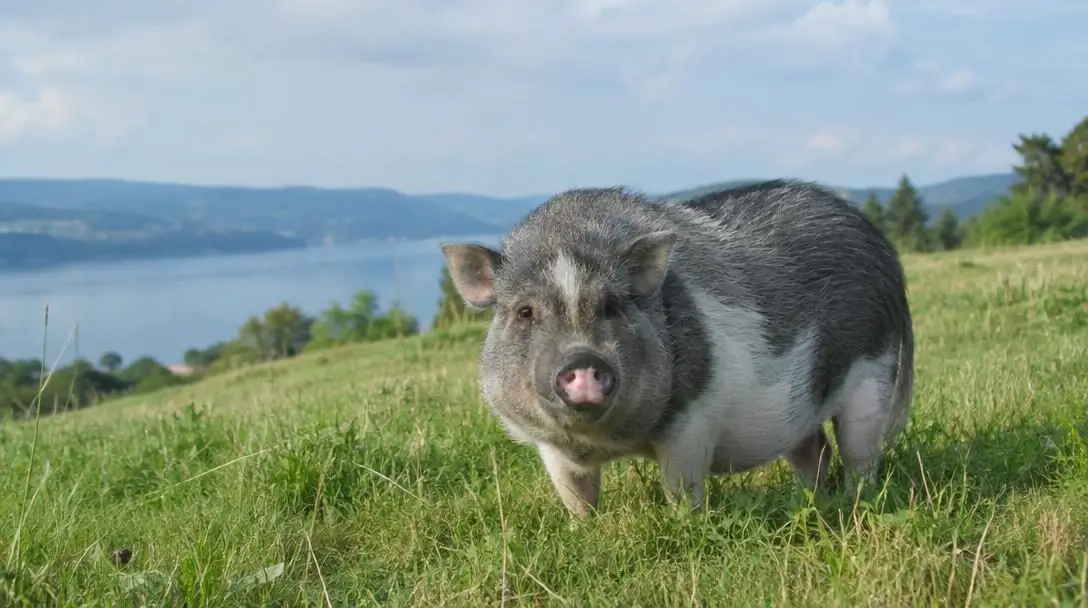
When searching for a household companion, most prospective pet owners naturally turn to conventional domestic animals such as dogs and cats. Over the centuries, these familiar companions have evolved alongside human households, adapting to domestic environments through generations of selective breeding. Yet for a dedicated subset of animal lovers, standard domestic companions do not quite satisfy their curiosity about the natural world, prompting them to explore the striking realm of exotic pets.
Bringing an unconventional creature into your living space transforms everyday ownership into an entirely different lifestyle. However, caring for non-domesticated species requires a fundamental shift in perspective, day-to-day commitment, and legal literacy. Because exotic species retain their wild biology, behavioral traits, and natural instincts, providing them with a fulfilling life requires specialized housing, customized nutritional regimens, and thorough legal research before making any final commitment.
Key takeaways
- Several wild and exotic species, ranging from serval cats to two-toed sloths, can be legally owned depending on local and state statutes.
- Exotic animals retain their wild instincts and natural temperaments, meaning many species dislike cuddling or being held.
- Species like capybaras and two-toed sloths have non-negotiable structural requirements, such as deep water access or expansive climbing branches.
- Nocturnal cycles and specialized diets require extensive preparation long before an animal arrives in your home.
Five Distinctive Pets You Can Legally Keep
While ownership laws vary widely by municipality, county, and state, several extraordinary animals may be kept legally in private homes under the right conditions and with appropriate permits. Each species presents an unmistakable physical appearance alongside distinct behavioral demands that set them far apart from conventional domestic pets.
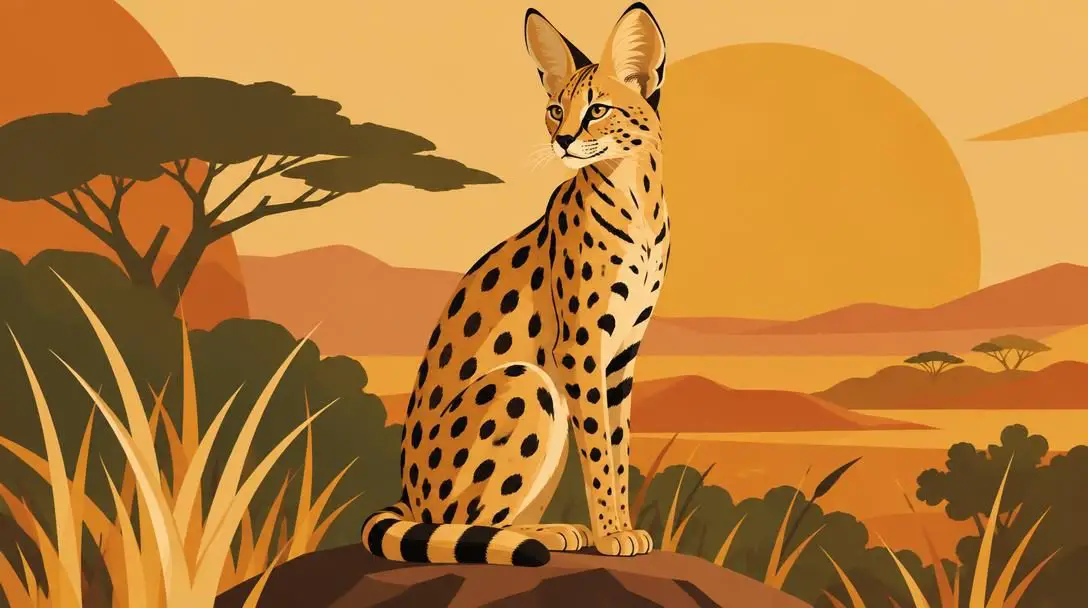
Serval Cat
- Native Region: Central and Southern Africa
- Lifespan: Up to 19 years
- Captive Diet: Commercially prepared carnivore food
- Key Trait: Spotted coat resembling a miniature cheetah
The serval cat immediately commands attention due to its slender frame, elongated neck, large upright ears, and striking golden coat patterned with bold black spots. In their native habitats throughout Central and Southern Africa, these wildcats are renowned as exceptional, agile hunters capable of leaping into the air to ambush prey. Despite this fierce predatory heritage, servals tend to adapt remarkably well to life in captivity when provided with proper environments.
Many prospective owners assume that keeping a serval means managing an animal that will sprint through an outdoor enclosure at breakneck speed. In reality, captive servals typically display a more measured demeanor, moving at manageable paces throughout their territory. Nutrition is also straightforward compared to other wild carnivores, as servals will happily consume prepared commercial exotic carnivore diets rather than requiring live prey. With a lifespan reaching up to 19 years, caring for a serval represents an enduring, nearly two-decade commitment that demands consistent care and secure enclosures.
Capybara
- Classification: World's largest rodent
- Maximum Weight: Up to 170 pounds
- Social Structure: Strictly herd-dwelling and social
- Primary Need: Permanent outdoor space with a pool or pond
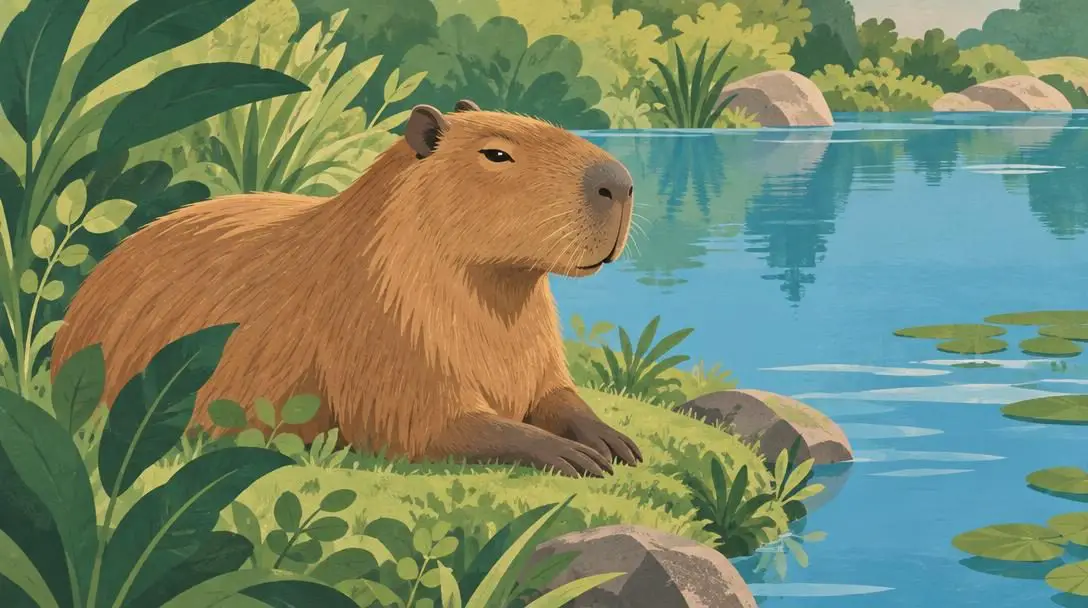
Holding the undisputed title of the world's largest rodent, the capybara looks essentially like an oversized guinea pig scaled up to staggering proportions. Reaching weights of up to 170 pounds, these gentle giants possess stout bodies, blunt snouts, and webbed feet designed for a semi-aquatic existence. Because of their immense bulk and active habits, capybaras are strictly never cage pets; they require extensive outdoor spaces built to accommodate their size and daily routines.
Prospective keepers must account for two mandatory environmental needs: water and social interaction. Capybaras rely on constant access to deep water, such as an integrated pond or large filtered pool, which allows them to regulate their body temperature, hydrate their skin, and engage in instinctual behaviors. Furthermore, capybaras are intensely social herd animals that suffer significant psychological stress if kept in isolation. Anyone planning to adopt a capybara must be prepared to keep more than one animal and invest in robust fencing across a substantial yard.
Fennec Fox
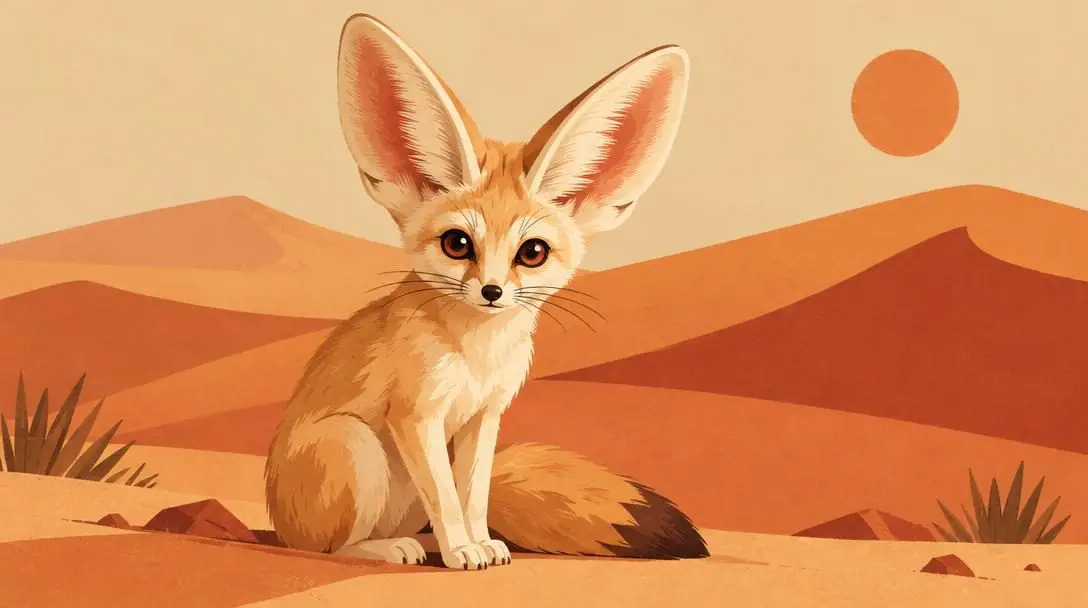
- Defining Feature: Exceptionally large, heat-radiating ears
- Activity Pattern: Strictly nocturnal
- Handling Tolerance: Naturally skittish; generally dislikes cuddling
- Legal Status: Permitted in select jurisdictions with proper permits
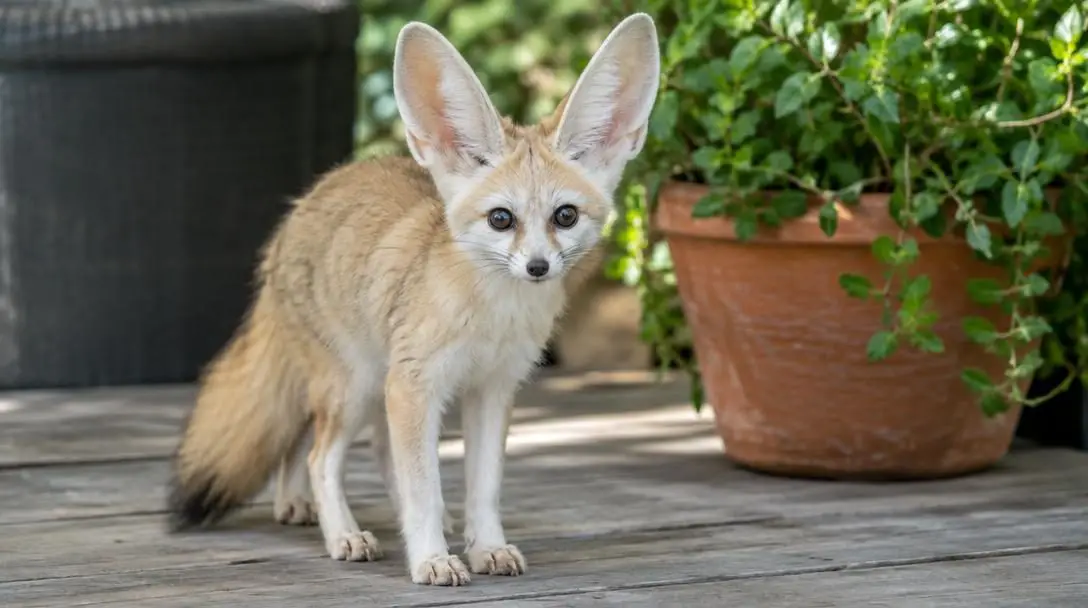
With their tiny faces and comically oversized ears, fennec foxes rank among the most aesthetically charming creatures in the exotic pet world. These miniature desert canids weigh only a few pounds, making them physically manageable in terms of footprint. However, their adorable appearance often misleads newcomers into expecting a lap dog. In truth, fennec foxes retain intense wild instincts; they are inherently skittish, highly alert, and generally resist being held or cuddled by human caregivers.
Another major factor in fennec fox ownership is their biological clock. These foxes are nocturnal animals, meaning their peak energy bursts coincide with the hours human owners are trying to sleep. When darkness falls, a fennec fox will dig, dash, and vocalize with tremendous vigor. Keeping one legally often requires specialized exotic wildlife permits, alongside an enriched, escape-proof indoor habitat where the fox can expend its evening energy safely without causing structural damage.
Two-Toed Sloth
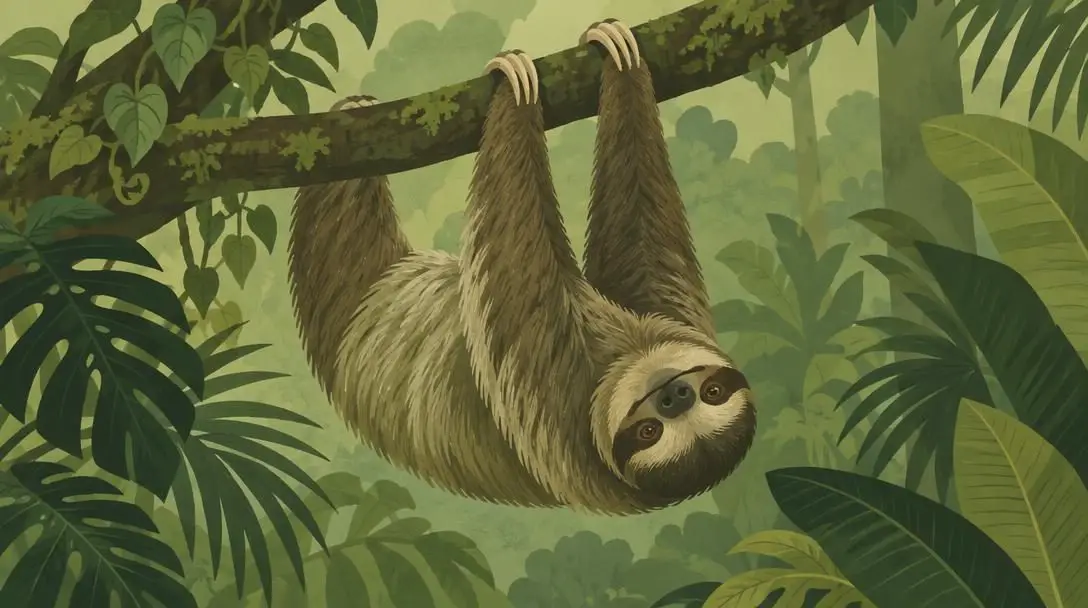
- Lifestyle: Strictly arboreal and slow-moving
- Social Preference: Independent; averse to being held
- Habitat Requirement: Extensive vertical ropes and branch networks
- Lifespan Horizon: Multi-decade specialized commitment
Famous for their relaxed demeanor and deliberately sluggish movements, two-toed sloths have captured the affection of animal enthusiasts across the globe. It often surprises prospective keepers to discover that owning a two-toed sloth is entirely legal in several states, provided the owner can secure necessary paperwork and meet strict welfare standards. Sloths present a unique advantage over other exotics: their famously slow pace ensures you will never have to chase an escaped animal down the street.
However, the environmental demands of a sloth are uncompromising. Sloths are strictly arboreal creatures adapted to spending their lives suspended upside down from high canopy perches. They cannot comfortably maneuver on flat floors and require intricate networks of suspended branches, secure ropes, and elevated platforms. Furthermore, despite their docile reputation, sloths do not enjoy being held or passed around like a plush toy. Keeping a sloth requires a humid, climate-controlled habitat, a steady supply of specialized foliage and produce, and a commitment lasting decades.
Tamandua
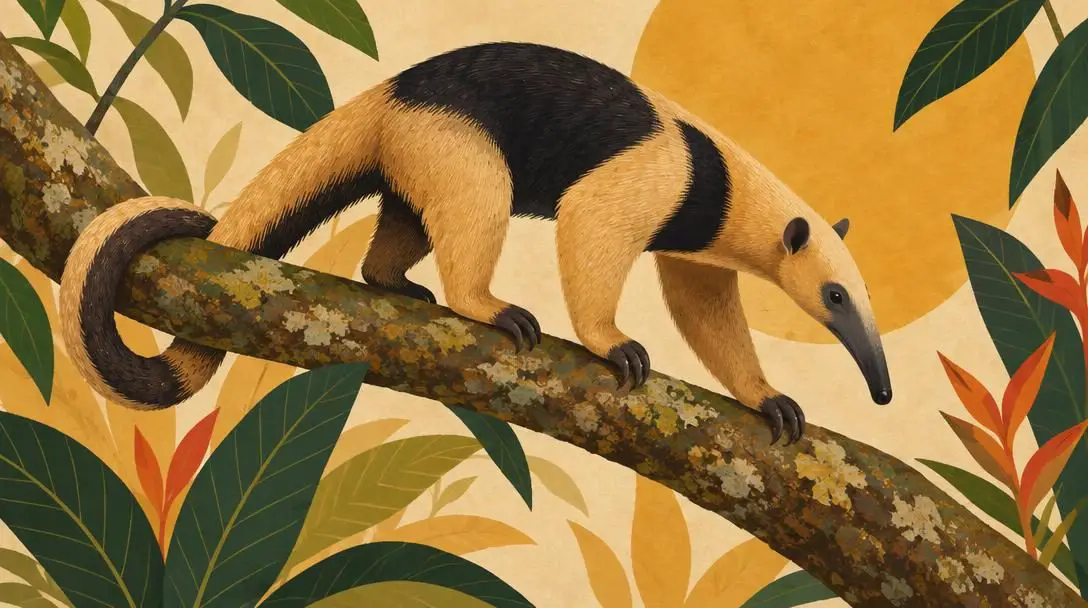
- Average Weight: Around 10 pounds
- Dietary Classification: Specialized insectivore
- Temperament: Cat-like; may tolerate cuddling with caregivers
- Daily Routine: Nocturnal with heavy daytime sleeping
The tamandua, a small variety of anteater weighing approximately 10 pounds, is increasingly recognized among exotic animal enthusiasts for its distinct personality and fascinating anatomy. Equipped with a long snout, powerful digging claws, and a prehensile tail that aids in climbing, the tamandua possesses a visual presence unlike any domestic animal. Taking a tamandua on a harness walk is virtually guaranteed to draw curious crowds and turn your household into a neighborhood focal point.
In terms of disposition, tamanduas frequently exhibit behaviors similar to domestic cats. Unlike many skittish wild species, an acclimated tamandua may actively bond with its primary caregiver and welcome gentle cuddling sessions. However, owners must accommodate their natural schedule: tamanduas spend the vast majority of daylight hours asleep in cozy, elevated hideaways, only waking up to climb and explore as night falls. Their diet is equally specialized, requiring commercially manufactured insectivorous powders and supplements rather than standard off-the-shelf pet food.
At a Glance: Comparing Five Distinctive Legal Exotics
Selecting an unconventional companion requires understanding how their physical sizes, daily schedules, and care needs compare across the board. The following table highlights key attributes for each species:
| Species | Activity Cycle | Primary Enclosure Need | Physical / Social Trait |
|---|---|---|---|
| Serval Cat | Flexible / Crepuscular | Secure, spacious outdoor or indoor run | Spotted coat; up to 19-year lifespan |
| Capybara | Diurnal / Semi-aquatic | Large fenced acreage with pool or pond | Up to 170 pounds; requires a herd |
| Fennec Fox | Nocturnal | Enriched, dig-proof indoor room | Skittish; large heat-dispersing ears |
| Two-Toed Sloth | Nocturnal / Sedentary | Climate-controlled vertical climbing system | Arboreal; dislikes human handling |
| Tamandua | Nocturnal | Vertical climbing branches and hides | 10-pound anteater; cat-like affection |
Living with an exotic species is fundamentally different from caring for a domestic companion, requiring specialized habitats, non-traditional diets, and an understanding of wild instincts.
Understanding the Specialized Demands of Exotic Pet Care
Caring for wild-derived companions is fundamentally different from providing for a standard cat or dog. Traditional pets have spent millennia adapting to human homes, dry kibble, and domestic routines. By contrast, exotic species retain their instinctual biological imperatives, requiring their human caretakers to adjust the household around the animal rather than expecting the animal to adjust to the home.
Housing design is the most crucial consideration for any exotic species. Because wild animals cannot thrive in generic dog crates or bare living rooms, owners must construct enclosures that mirror native environmental niches. For semi-aquatic capybaras, this means investing in durable water filtration systems and pond maintenance to prevent bacterial buildup and skin infections. For arboreal animals like the two-toed sloth and tamandua, enclosures must offer high-tensile climbing ropes, solid wooden branches, and suspended feeding stations so the animals never face distress from being forced onto flat ground.
Dietary sourcing presents another significant hurdle. An exotic animal cannot subsist on commercial dog or cat chow, which lacks the precise micronutrient balances their digestive systems demand. Servals need specialized, balanced raw carnivore formulations that mimic whole-prey nutrition without the hazards of wild parasites. Meanwhile, tamanduas require commercial anteater formulas rich in chitin, insect proteins, and specific vitamins. Sourcing these feeds requires establishing accounts with specialty zoological distributors well in advance.
Essential Steps Before Bringing an Exotic Pet Home
Because mistakes with wild-derived animals can lead to severe welfare issues, legal confiscation, or substantial financial loss, bringing an unusual pet into your family demands systematic planning. Prospective owners should complete the following roadmap before placing a deposit on any animal:
- Review state, county, and municipal statutes: Thoroughly research exotic pet laws at every level of government. While your state wildlife agency might allow a two-toed sloth or serval, your specific municipality or neighborhood homeowners association may explicitly prohibit non-domestic species.
- Locate a qualified exotic veterinarian: Standard small-animal clinics rarely possess the training, equipment, or pharmaceuticals needed to treat a 170-pound capybara or a delicate anteater. Locate an experienced zoological or exotic vet and confirm they are accepting new patients.
- Construct and test the habitat first: Never bring an exotic animal home to an unfinished enclosure. Build all climbing networks, dig barriers, heating systems, and water filtration setups weeks in advance, running environmental tests to verify temperatures and humidity levels.
- Partner exclusively with reputable captive breeders: Never purchase an exotic animal from unverified or third-party sellers. Legitimate captive breeders ensure that the animal was born in captivity, raised within legal channels, and accustomed to standard management procedures.
- Establish your feed supply chain: Contact specialized feed manufacturers to confirm delivery schedules for exotic carnivore blends or insectivore supplements, ensuring you have backup stock on hand in case of shipping delays.
- Prepare your household schedule for natural behaviors: Adapt your daily routine to accommodate the animal's natural traits. This includes childproofing spaces against nocturnal energy spikes and accepting that handling must occur strictly on the animal's terms.
Critical Mistakes to Avoid with Exotic Animals
Even well-intentioned keepers can run into severe difficulties when they apply conventional pet expectations to wild species. Avoiding these frequent pitfalls will protect both your household and the welfare of the animal:
- Expecting wild animals to behave like lap pets: Species such as the fennec fox and two-toed sloth have strong boundaries. Forcing them to cuddle, sit on laps, or tolerate frequent petting leads to severe psychological distress, fear-based aggression, or defensive bites.
- Underestimating adult size and herd dynamics: Buying a juvenile capybara without preparing for a 170-pound adult footprint is a recipe for housing failure. Furthermore, keeping a single capybara isolated from its own kind ignores their essential biological need for social herd interaction.
- Overlooking nighttime disruptions: Adopting nocturnal animals like tamanduas or fennec foxes without soundproofing or designated nocturnal play areas often results in sleepless nights, property destruction, and owner frustration.
- Assuming breeder sales equal legal permission: Just because a commercial breeder is willing to ship an animal to your location does not mean that animal is legal to keep in your city. You are personally responsible for verifying permits and local ordinances.
- Underestimating long-term lifespan commitments: Animals like serval cats can survive up to 19 years, while sloths can live for multiple decades. Rehoming an exotic pet is exceptionally difficult, as standard animal shelters cannot accept wild-derived species.
Frequently asked questions
Are serval cats dangerous to keep in an enclosed yard?
While servals are skilled predators in the wild, captive-bred servals do not sprint at lightning speeds or display unmanageable aggression when properly enclosed. However, they do require tall, secure fencing with escape barriers to keep them contained safely.
Can a capybara be kept indoors as a house pet?
No, capybaras cannot be kept indoors or confined to standard cages. They grow up to 170 pounds, require large outdoor grazing areas, need constant access to a pool or pond, and must be housed in social groups with other capybaras.
Do fennec foxes enjoy being cuddled?
Despite their endearing appearance and tiny size, fennec foxes are skittish wild animals by nature. They generally dislike being cuddled or held, preferring to interact with their environment on their own terms.
What kind of diet does a tamandua require in captivity?
Tamanduas cannot survive on ordinary dog or cat food. As specialized insectivores, they require commercially produced insectivorous powders, pastes, and nutrient-dense formulations designed to replicate the nutritional content of wild ant and termite diets.
Why do two-toed sloths need specialized vertical climbing space?
Two-toed sloths are strictly arboreal animals anatomically evolved to spend their lives hanging upside down. Walking or resting on flat ground is uncomfortable and stressful for them, making sturdy overhead branches and ropes essential for their physical health.
The Bottom Line
Sharing your daily life with a serval cat, capybara, fennec fox, two-toed sloth, or tamandua is a remarkable experience that offers a direct window into the wonders of non-domestic wildlife. However, the decision to bring an unconventional animal into your home should never be based on novelty or impulse. Successful exotic pet keeping requires extensive financial investments, unwavering commitment to environmental enrichment, and a deep respect for the animal's natural evolutionary instincts. By performing rigorous research, consulting with qualified wildlife veterinarians, and honoring each species' unique needs, dedicated keepers can provide these extraordinary animals with safe, healthy, and enriching lives.