Investigating Paranormal Phenomena: 5 Real Life Ghost Hunters And Their Claims To Fame
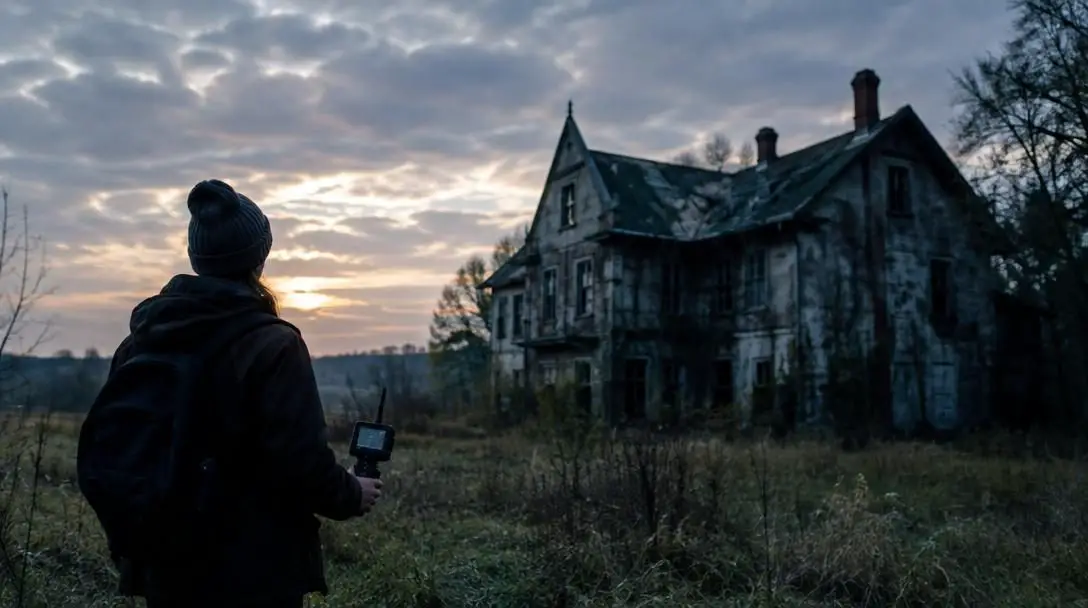
Paranormal phenomena have captured the human imagination across cultures and centuries, prompting continuous curiosity about life, death, and what lies beyond ordinary human perception. In recent decades, ghost hunting has transitioned from niche folklore into a widely recognized cultural pursuit, amplified by television series, investigative documentaries, books, and mainstream entertainment.
Driven by the accessibility of modern consumer electronics, contemporary investigators rely on technical equipment rather than pure superstition to examine anomalous claims. While the thrill of dark corridors and historical architecture draws many newcomers, seasoned researchers approach the discipline through systematic field protocols, environmental baseline measurements, and ongoing dialogue between true believers and seasoned skeptics.
Key takeaways
- Ghost hunting has evolved from regional folklore into a structured pursuit relying on electronic monitoring tools like electromagnetic field meters, thermal imagers, and audio recorders.
- Leading figures such as Ed and Lorraine Warren, Zak Bagans, Grant Wilson, Jason Hawes, Katrina Weidman, and Dave Schrader have defined modern paranormal media and methodology.
- Physical site safety—including hazard mitigation in abandoned or decaying structures—is as critical to field investigations as anomalous data capture.
- Evidence such as electronic voice phenomena (EVP) and temperature fluctuations faces scrutiny from skeptics citing natural drafts, electromagnetic interference, and confirmation bias.
- Structured protocols—ranging from daylight baseline mapping to careful audio tagging—are essential to avoid data contamination during field vigils.
Essential equipment, field methodology, and safety protocols
Modern paranormal investigation relies heavily on a technology-driven framework intended to monitor physical environments for unusual fluctuations. Rather than passively waiting for unexplained events to unfold, field investigators establish controlled baselines using consumer and commercial instruments. Core equipment includes electromagnetic field (EMF) meters, digital temperature gauges, sensitive digital audio recorders, high-definition infrared video cameras, and thermal imaging systems. By continuously logging ambient conditions over extended observation windows, teams attempt to determine whether perceived phenomena correlate with measurable physical changes.
Field safety remains one of the most overlooked components of ghost hunting. While investigators often report psychological sensations such as sudden dread or cold spots, the physical hazards of historical and derelict properties present immediate, tangible dangers. Decaying floorboards, exposed electrical wiring, airborne mold spores, asbestos, and disorientation in zero-light conditions are standard risks in aged buildings.
Thorough preparation involves scouting daylight exit routes, verifying structural soundness, confirming communication channels among all team members, and carrying functional first-aid equipment. Maintaining a disciplined safety posture ensures that investigators do not mistake mundane physical hazards—or personal injuries—for supernatural occurrences.
Five influential ghost hunters and their claims to fame
The modern visibility of paranormal research stems largely from dedicated investigators who popularized field methods through broadcast television, published literature, and high-profile historical investigations. The following matrix outlines the background and core contributions of five prominent figures in the field.
| Investigator(s) | Core Affiliation / Media | Investigative Style | Notable Contribution |
|---|---|---|---|
| Ed and Lorraine Warren | The Conjuring franchise inspiration | Demonological, case-file documentation | Amityville Horror and over 10,000 career investigations |
| Zak Bagans | Ghost Adventures | Overnight lockdowns, environmental isolation | Founded The Haunted Museum in Las Vegas |
| Grant Wilson & Jason Hawes | Ghost Hunters / TAPS | Pragmatic, equipment-focused trade approach | Popularized mainstream handheld paranormal gear |
| Katrina Weidman | Paranormal State, Paranormal Lockdown | Multi-day confinement, analytical inquiry | Advanced continuous multi-day technical surveillance |
| Dave Schrader | Darkness Radio podcast | Long-form interview, journalistic analysis | Extensive media coverage and paranormal literature |
Ed and Lorraine Warren
- Career caseload: Over 10,000 reported investigations
- Major case: The Amityville Horror House
- Media impact: Basis for The Conjuring cinematic universe
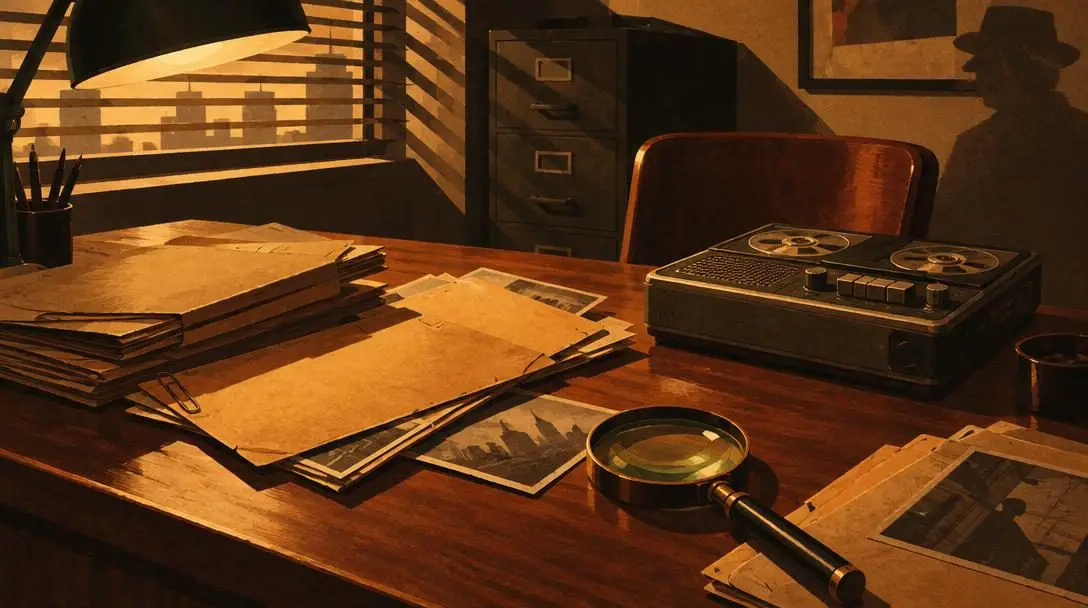
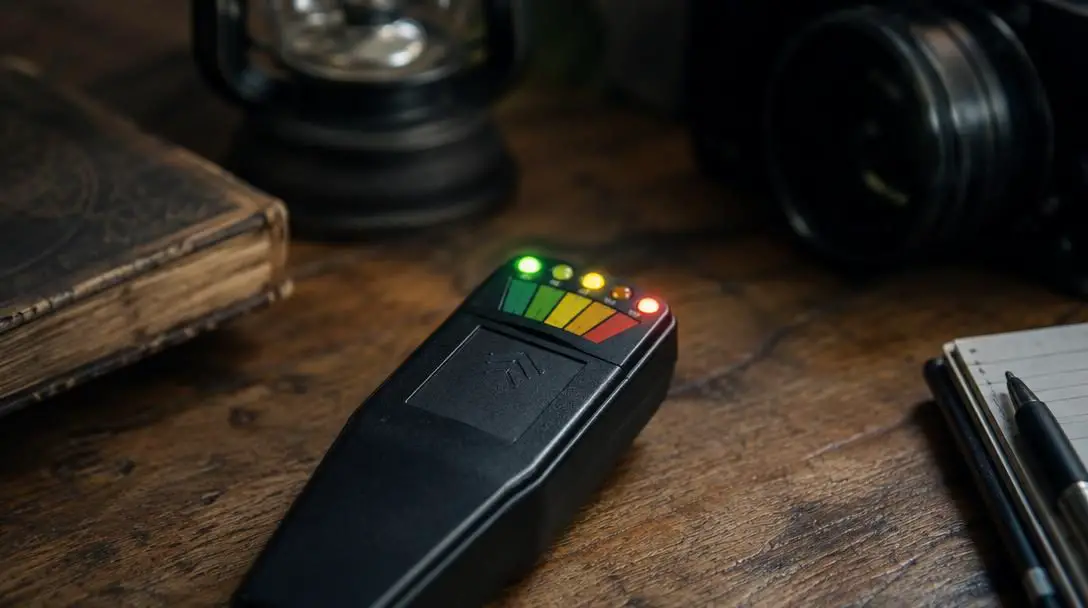
Arguably the most internationally recognized figures in paranormal history, Ed and Lorraine Warren operated as a husband-and-wife investigative team across several decades. Throughout their extensive careers, they claimed to have examined more than 10,000 individual cases involving alleged hauntings, poltergeist activity, and demonic oppression. Their work brought anomalous phenomena into popular mainstream discourse, most notably through their involvement with the infamous Amityville Horror case in New York. Their extensive investigative archives, case notes, and collected oddities directly inspired The Conjuring franchise, cementing their legacy as foundational figures in modern supernatural media.
Zak Bagans
- Flagship program: Ghost Adventures
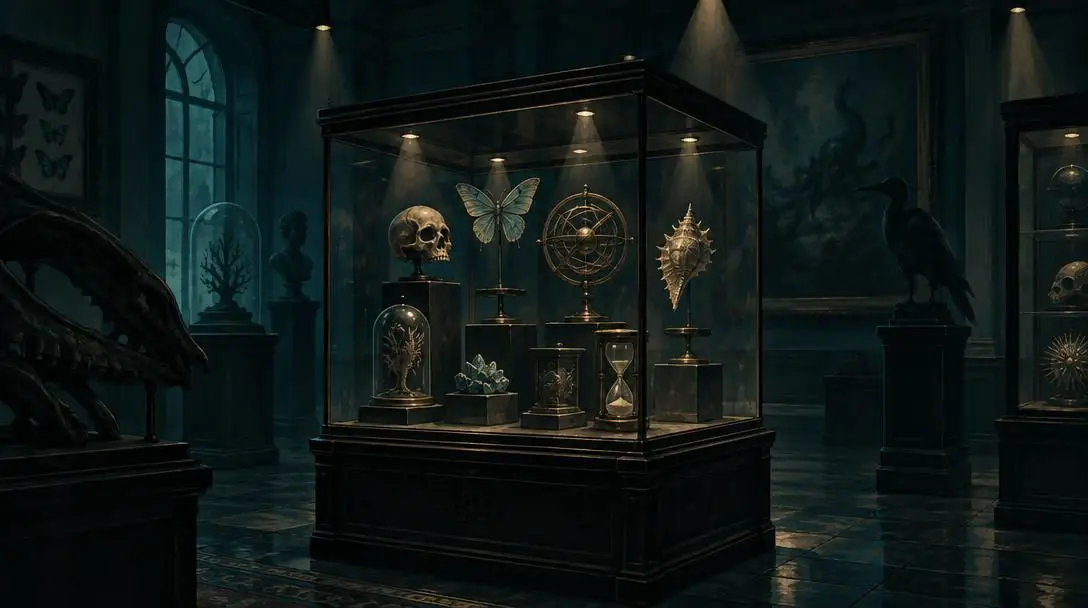
- Key project: The Haunted Museum in Las Vegas
- Signature method: Overnight physical lockdowns
Zak Bagans rose to prominence as the host and executive producer of the television series Ghost Adventures. Bagans introduced an immersive, high-intensity investigative format characterized by overnight lockdowns, during which he and his crew seal themselves inside allegedly haunted properties worldwide without outside assistance. Beyond his television production work, Bagans has written multiple books exploring paranormal theory and anomalous phenomena. In Las Vegas, he established The Haunted Museum, a permanent public facility housing a vast collection of historical artifacts and curiosities associated with famous paranormal investigations.
Grant Wilson and Jason Hawes
- Organization: The Atlantic Paranormal Society (TAPS)
- Television series: Ghost Hunters (2004–2016)
- Original trade: Commercial plumbers
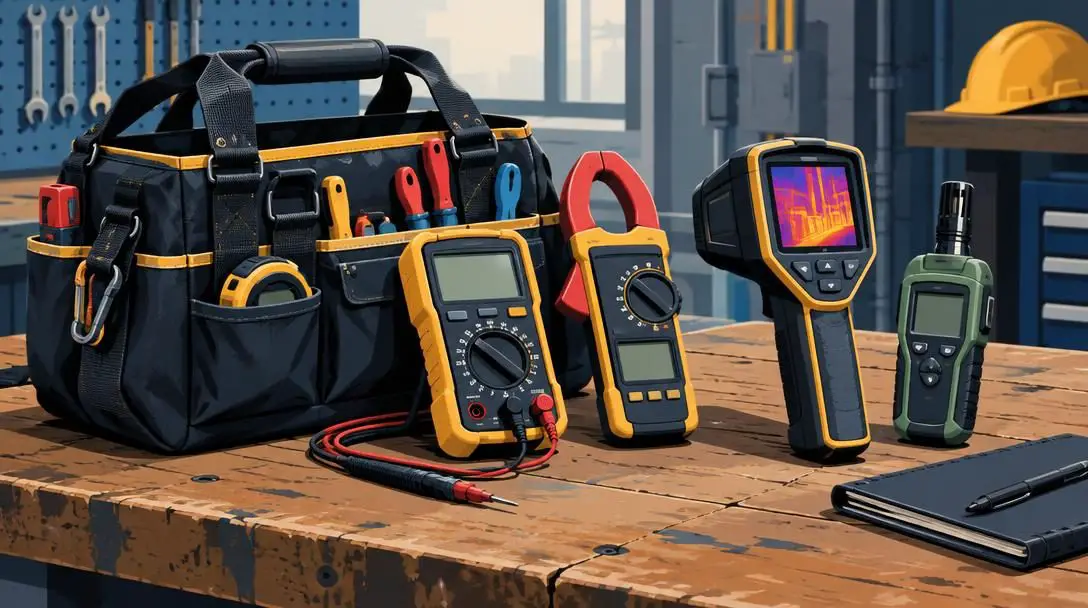
Grant Wilson and Jason Hawes transformed modern paranormal media when they founded The Atlantic Paranormal Society (TAPS). Working as full-time plumbers by day while pursuing nocturnal investigations, the duo introduced a grounded, blue-collar approach to unexplained occurrences. Their landmark television program, Ghost Hunters, aired from 2004 to 2016 and normalized the systematic deployment of handheld environmental meters, thermal imaging devices, and audio monitoring systems. Wilson and Hawes focused heavily on assisting regular homeowners and commercial property operators, frequently seeking mundane mechanical and electrical explanations before entertaining anomalous possibilities.
Katrina Weidman
- Broadcast credits: Paranormal State, Paranormal Lockdown
- Investigative format: Extended 72-hour continuous site vigils
- Primary focus: Analytical and technology-driven field research
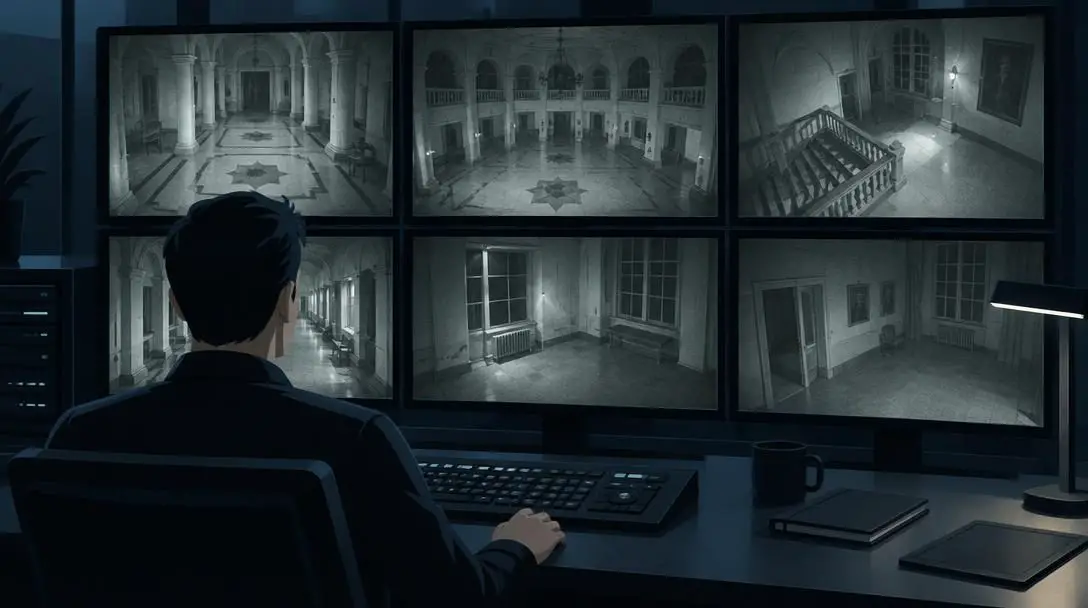
Katrina Weidman is widely known for her analytical, methodical methodology within field investigations. Gaining initial recognition through the series Paranormal State and later co-starring in Paranormal Lockdown, Weidman pioneered extended-confinement investigations, remaining on site inside haunted structures for consecutive multi-day vigils. Her work emphasizes controlled conditions, long-term monitoring, and the use of cutting-edge thermal sensors and specialized audio analysis software to evaluate whether reported phenomena persist across sustained observation windows.
Dave Schrader
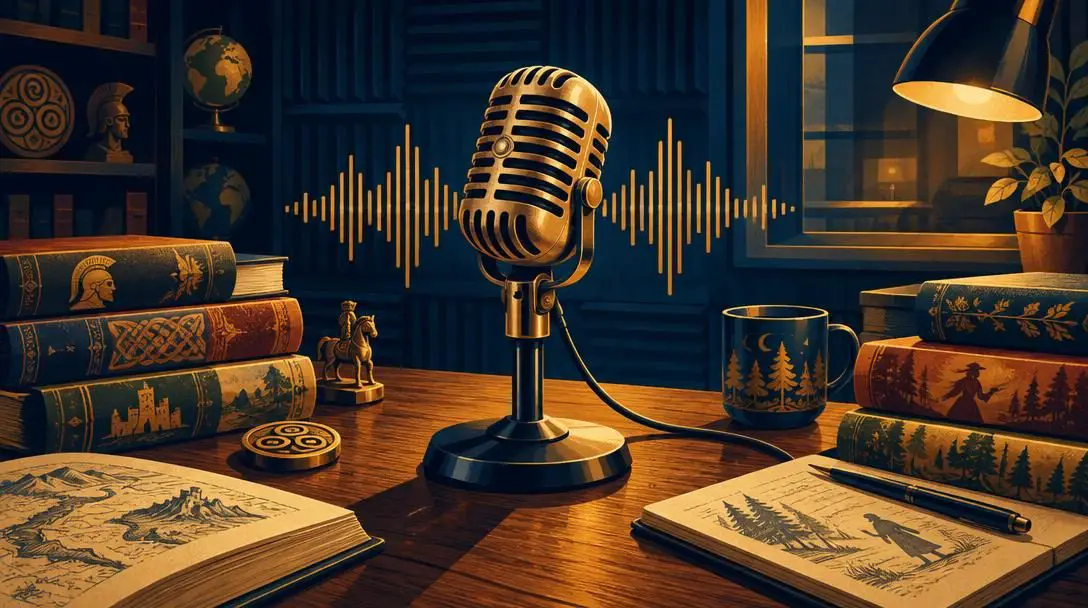
- Media platform: Darkness Radio
- Core output: Investigative podcasting, literature, and site fieldwork
- Focus area: Cross-disciplinary paranormal research
Dave Schrader has established a versatile career as a researcher, author, and media broadcaster. As the longtime host of the popular podcast Darkness Radio, Schrader has conducted in-depth interviews with leading investigators, scientists, historians, and eyewitnesses across the paranormal community. Schrader has authored several books compiling real-world case studies and examining the intersection of folklore, historical tragedy, and unexplained phenomena, providing ongoing context for audiences seeking balanced discussions of strange occurrences.
Theories of hauntings and historic locations
Paranormal investigators explore a diverse range of locations, from historic private residences to sprawling institutional complexes. Iconic locations such as the decommissioned ocean liner Queen Mary in Long Beach, California, the historic Stanley Hotel in Colorado, and the architecturally eccentric Winchester Mystery House in San Jose, California, have drawn recurring interest due to their documented histories and recurring eyewitness claims.
The ongoing tension between mundane environmental forces and anomalous field data remains the defining challenge of modern paranormal research.
When interpreting reported activity, ghost hunters generally categorize phenomena using two competing theoretical frameworks:
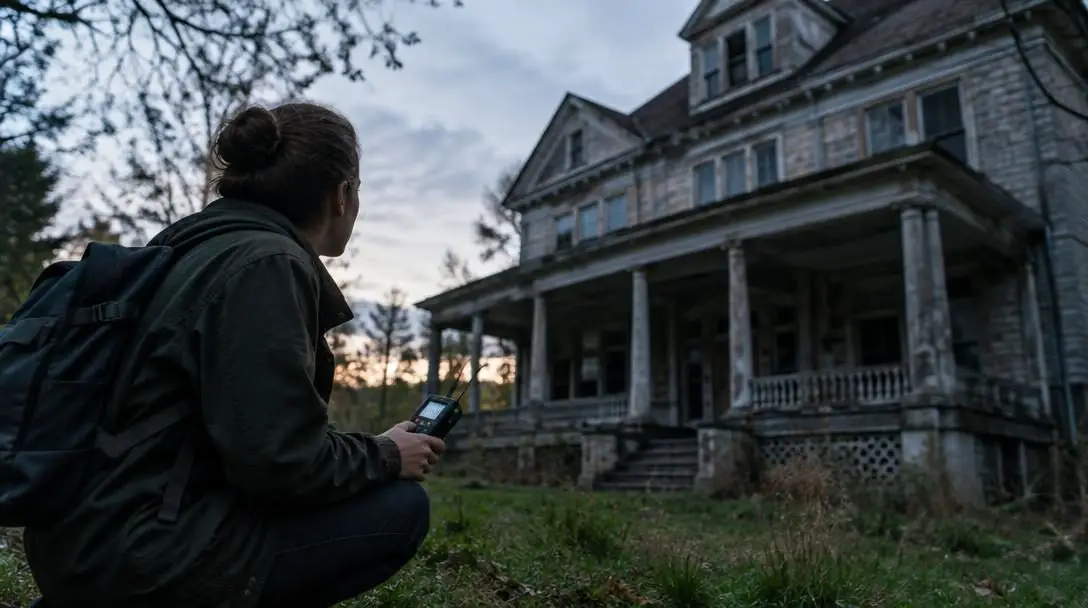
- Intelligent hauntings: The premise that a conscious spiritual entity remains tied to a specific location, capable of acknowledging living occupants, responding dynamically to external stimuli, and interacting through audible or visual communication channels.
- Residual hauntings: The concept that dramatic emotional energy or traumatic historical events become imprinted onto the physical fabric of a building or landscape, functioning like an environmental recording that periodically replays under specific conditions without exhibiting active consciousness.
How to conduct a structured paranormal investigation
Executing an objective paranormal investigation requires discipline, environmental awareness, and adherence to strict observational rules. The following steps outline the standard sequence used by research teams to ensure safety and data integrity.
- Secure official authorization: Always acquire written permission from property owners, municipal authorities, or historical site conservators before entering a location. Never trespass.
- Conduct pre-investigation historical research: Review municipal property records, architectural archives, local news reports, and documented claims to identify specific operational areas and historical contexts.
- Perform a daylight baseline sweep: Map ambient room temperatures, detect drafts, examine structural integrity, and use an EMF meter to log baseline electromagnetic fields created by electrical panels, breaker boxes, or major appliances.
- Deploy stationary surveillance: Position fixed infrared cameras, audio recording stations, and thermal sensors in reported activity corridors, directing cables safely away from walking paths.
- Execute controlled vigils and EVP sessions: Conduct methodical audio inquiries, speaking in measured, conversational tones while maintaining a minimum distance from sensitive microphones.
- Tag all audio anomalies immediately: Whenever an investigator coughs, shifts weight on a creaky floorboard, or hears external traffic, verbally note the sound on the recording to avoid false positives during subsequent review.
- Audit and cross-reference collected data: Review captured audio and video alongside baseline environmental logs, isolating potential anomalies and ruling out mechanical, meteorological, or electrical interference.
Evidence, skepticism, and common investigative mistakes
Evidence gathered during ghost hunts primarily consists of digital voice recordings featuring potential electronic voice phenomena (EVP), anomalous temperature shifts, and visual artifacts recorded via full-spectrum or thermal imaging systems. Despite enthusiast excitement, the broader scientific community remains skeptical, as the majority of recorded phenomena can be explained through conventional physical mechanisms.
Environmental factors frequently masquerade as supernatural activity. Drafty window frames, structural settling in old timbers, domestic rodent activity within walls, and standard radio frequency (RF) interference routinely mimic ghostly footsteps, knocks, and phantom whispers. Furthermore, faulty or high-output residential wiring can produce elevated electromagnetic fields, which research suggests may induce headaches, dizziness, and mild sensory paranoia in sensitive individuals.
To preserve analytical credibility, investigators must actively avoid frequent methodological errors:
- Confirmation bias: Assuming that every creak, shutter flutter, or electronic blip is paranormal rather than investigating mundane mechanical causes.
- Audio contamination: Whispering during recording sessions, wearing noisy synthetic fabrics, or handling audio equipment loosely, which creates scraping sounds resembling anomalous voices.
- Over-reliance on subjective perception: Prioritizing personal feelings of unease or phantom chills over objective readings gathered from calibrated scientific instruments.
- Neglecting legal and ethical boundaries: Entering condemned or private properties without safety gear, waivers, or written permissions, which damages the credibility of the research community.
Frequently asked questions
What equipment is essential for a beginner ghost hunter?
A basic investigative kit should prioritize reliable environmental measurement tools, including a calibrated electromagnetic field (EMF) meter, a digital voice recorder with external microphone capability, a non-contact infrared thermometer, and high-lumen flashlights. While advanced thermal cameras and full-spectrum rigs offer detailed imagery, baseline logging can be achieved using accessible consumer hardware.
What is the difference between an intelligent and a residual haunting?
An intelligent haunting involves a purported spirit that demonstrates awareness of its surroundings, responding to questions and reacting to investigators in real time. A residual haunting operates like an energetic imprint or looped playback of a past emotional event, showing no awareness of present observers and repeating specific actions regardless of outside interaction.
Why do skeptics doubt the evidence collected by ghost hunters?
Skeptics note that most ghost-hunting data lacks repeatable, laboratory-controlled verification. Alleged evidence is often explained by mundane factors such as natural architectural settling, drafts, radio frequency interference, equipment handling noise, matrixing (pareidolia), and confirmation bias by investigators expecting anomalous results.
What was Ed and Lorraine Warren's most famous case?
The Warrens were involved in thousands of cases throughout their multi-decade careers, but their most widely publicized investigation was the Amityville Horror House in New York. Their extensive case files also served as the direct basis for modern cinematic works, including The Conjuring film franchise.
How can you tell if an audio anomaly is a true EVP or natural noise?
Determining the validity of an electronic voice phenomenon requires rigorous data hygiene. True candidate EVPs should occur during periods when all team members are completely silent, with no external ambient interference from nearby traffic, plumbing, or drafts. Proper investigations require participants to verbally tag every cough, footstep, or stomach rumble so those sounds are not mistaken for anomalous voices during playback.
The bottom line
Paranormal investigation sits at an intriguing intersection of historical exploration, human psychology, and modern sensor technology. While researchers like Ed and Lorraine Warren, Zak Bagans, Grant Wilson, Jason Hawes, Katrina Weidman, and Dave Schrader have brought ghost hunting to millions of viewers, the heart of any meaningful inquiry remains grounded in objective observation. As measuring instruments become more sensitive, the path forward requires rigorous skepticism, transparent reporting, and continuous efforts to rule out natural physical causes before proclaiming an encounter with the unexplained.