Making Friends: Top 5 Tips to Help Your Child Socialize
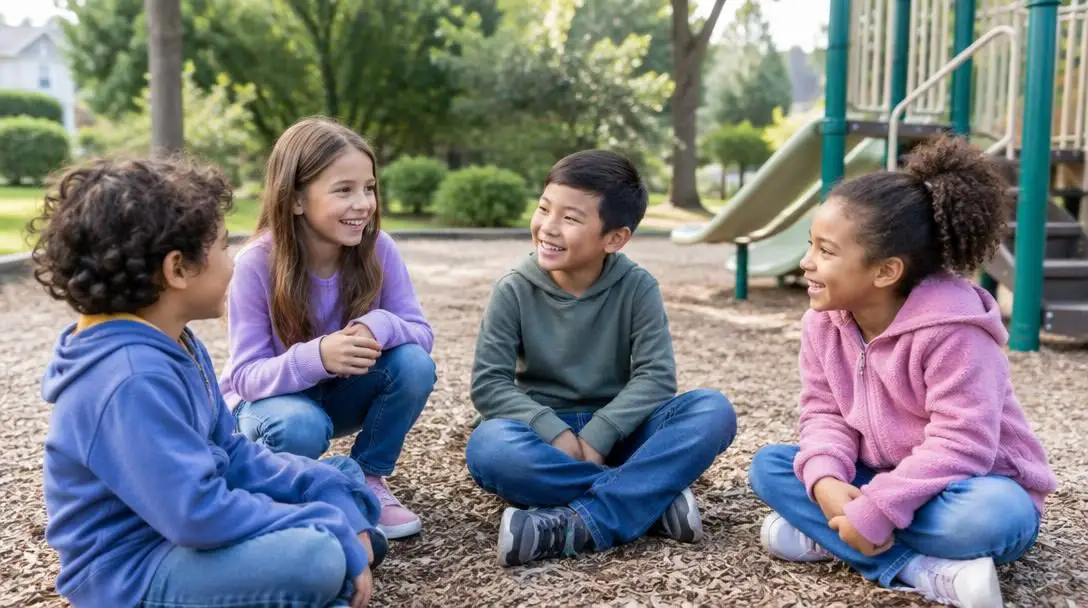
Making friends is an essential milestone in childhood development, opening the door for young people to experience companionship, navigate complex group environments, and establish a meaningful sense of belonging outside the immediate household. While some children naturally bound toward unfamiliar peers with an outgoing and energetic disposition, others approach new environments with quiet contemplation, hesitation, or reserve. Every temperament is normal, yet every child benefits immensely from thoughtful parental guidance when learning how to initiate and sustain meaningful connections.
Childhood friendships are far more than simple social pastimes; they provide the baseline experiences through which children understand personal boundaries, dynamic cooperation, and shared empathy. When parents actively step in as supportive guides rather than passive observers, they build an emotional scaffold that empowers children to approach peers with assurance, recover from awkward interactions, and form positive relationships that endure throughout their lives.
Key takeaways
- Childhood friendships provide critical emotional training for communication, mutual respect, and social awareness.
- Structured group pursuits and one-on-one playdates offer complementary environments for building peer confidence.
- Parental role modeling and empathy development establish the foundational habits required for healthy, long-term relationships.
- Coaching social skills through at-home rehearsal reduces anxiety during real-world playground and classroom interactions.
- Avoiding common pitfalls like over-scheduling and over-intervention allows children the space to learn genuine conflict resolution.
The foundations of childhood social development
Social fluency is not an innate trait that emerges overnight; rather, it is a developmental capability that matures alongside cognitive, linguistic, and emotional growth. In early toddlerhood, children engage primarily in parallel play, working alongside one another without extensive coordination. As cognitive horizons expand, young people transition toward cooperative play, requiring advanced social mechanics such as collaborative storytelling, negotiating the rules of games, and understanding that other individuals possess distinct desires and viewpoints.
For this transition to take place successfully, several underlying competencies must be developed concurrently. Receptive and expressive communication allows children to articulate their thoughts clearly while interpreting verbal statements and subtle non-verbal cues from their playmates. Alongside speech, active listening teaches a child to focus intently on a peer's contributions rather than merely waiting for the next chance to speak. Furthermore, empathy and perspective taking enable young people to recognize when a friend is hurt, upset, or left out, fostering a compassionate mindset that strengthens personal bonds.
Childhood friendships are not merely pleasant diversions; they serve as an early training ground for lifelong interpersonal interaction.
Underpinning all of these faculties is observational learning. Long before children process spoken advice about etiquette or courtesy, they carefully study how their caregivers handle greetings, disagreements, and everyday encounters with peers, neighbors, and service personnel. Parental modeling serves as an implicit blueprint for relationship building.
Socialization strategies at a glance
Supporting a child's peer interactions involves balancing individual temperament with diverse social settings. The table below outlines how different approaches address specific developmental needs.
| Strategy | Primary Setting | Key Developmental Benefit | Parental Role |
|---|---|---|---|
| Extracurricular Activities | Group and community spaces | Shared interests and teamwork | Facilitator and researcher |
| Arranged Playdates | Home or quiet neighborhood parks | Focused one-on-one cooperation | Host and subtle mediator |
| Social Skill Rehearsal | Family household | Conversational confidence and manners | Coach and rehearsal partner |
| Behavioral Role Modeling | Everyday public and private life | Observational etiquette and patience | Consistent exemplar of kindness |
| Empathy Cultivation | Community service and daily discussions | Compassion and perspective taking | Emotional guide and mentor |
Core guidelines: top 5 tips for helping your child socialize
Parents can guide their children through social challenges by breaking relational skills into clear, manageable habits. The following five tips provide structured, proactive avenues to bolster your child's social capabilities.
Encourage Extracurricular Activities
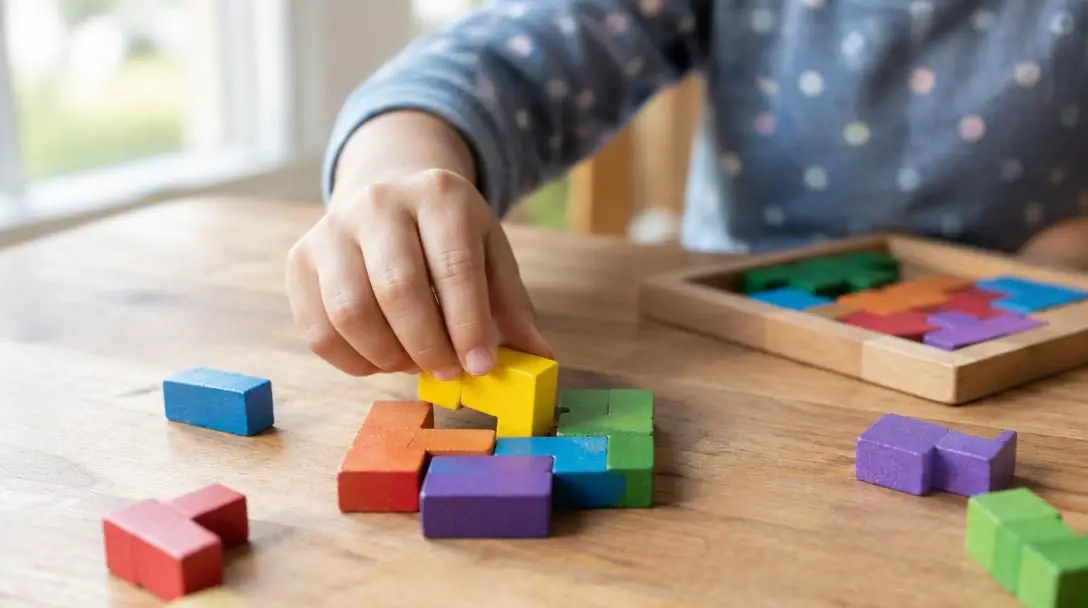
Organized group pursuits provide children with an immediate social bridge. Enrolling a child in sports teams, arts programs, STEM clubs, or community youth groups creates an organic environment where socialization occurs around a shared goal or interest. Because the focus is centered on an enjoyable hobby, the pressure to make small talk is reduced, giving children of all temperaments a comfortable foundation for interaction.
To implement this effectively, consult with your child about their genuine interests rather than selecting programs based on your personal aspirations. Explore local community centers, schools, and youth organizations to find clubs that match their passions, whether those involve athletic leagues, drama troupes, robotics workshops, or musical ensembles. Online community directories often feature specialized hobby groups where children can meet peers who share identical curiosities.
Arrange Playdates
While large extracurricular groups build team spirit, one-on-one playdates offer the focused environment children need to practice intimate conversational rhythms and cooperative play. In a one-on-one scenario, the sensory overload and social competition of a crowded classroom or busy playground disappear, allowing hesitant children to open up at their own pace.
When organizing playdates, consider pairing your child with peers who share complementary temperaments or similar interests. Reach out to parents from school or athletic teams, or ask your child's teacher or coach for recommendations regarding classmates with whom your child seems to connect. Choose a safe, comfortable, and predictable environment, such as your home, the peer's home, or a quiet neighborhood playground, to keep anxiety low and interaction smooth.
Teach Social Skills
Social etiquette and conversational fluency are learned behaviors that require intentional practice. Parents can proactively teach fundamental courtesies, such as saying please and thank you, respecting physical boundaries, and waiting patiently for one's turn. Basic conversational skills, including looking a speaker in the eye and asking open-ended questions, can be introduced as straightforward life tools.
At home, utilize role-playing games to rehearse everyday situations. Practice how to approach a group on the playground to ask, "Can I join this game?" or rehearse how to gracefully introduce oneself to a new neighbor. Additionally, analyze character choices while reading storybooks or watching movies together. Ask your child why a character felt excluded or how a disagreement could have been resolved peacefully, reinforcing social cues through engaging media.
Be a Role Model
Children absorb interpersonal dynamics through everyday observation. How you greet neighbors, manage frustrations in traffic, converse with retail clerks, and resolve household disagreements provides an ongoing lesson in communication. Demonstrating warmth, attentive listening, and emotional regulation establishes high standards for your child's own conduct.
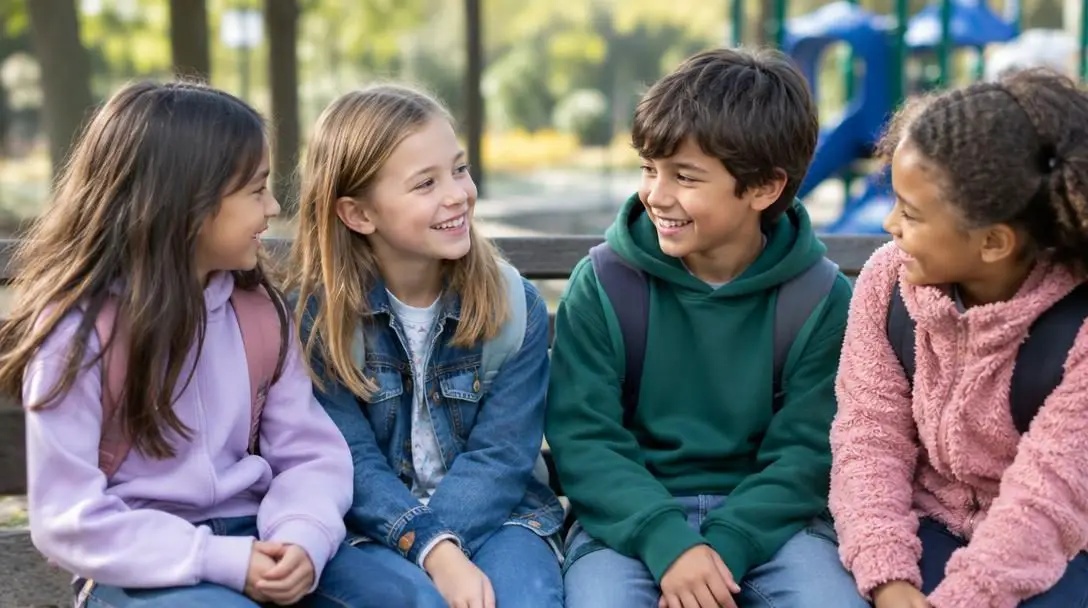
Make a conscious effort to use polite language, active listening techniques, and calm conflict-resolution strategies in your daily life. When your child attempts to socialize, offer direct praise for their courage and persistence. Highlighting small milestones—such as sharing a favorite toy or inviting a quiet classmate to play—reinforces that social bravery is valued and celebrated within the family.
Foster Empathy
Empathy is the bedrock of lasting friendship. It enables a child to read emotional states, recognize when a friend feels hurt or left out, and respond with genuine kindness. When children understand that their actions and words carry emotional weight for those around them, they become more considerate and attractive companions.
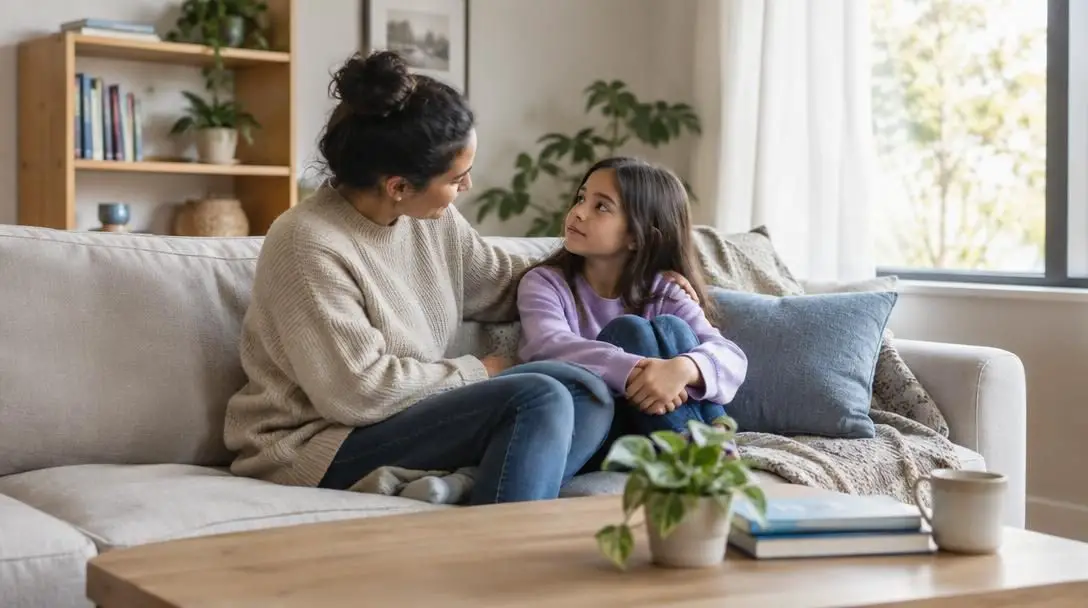
Nurture this capability by routinely discussing feelings during daily family conversations. When reading stories or discussing school events, ask your child to imagine how other participants felt during key moments. Involve your child in community volunteering or charitable initiatives, providing concrete experiences that illustrate the importance of caring for others and looking beyond self-centered desires.
Step-by-step implementation for parents
Transforming social guidance into everyday family routines requires a step-by-step approach. Follow this progression to guide your child smoothly toward greater peer confidence.
- Assess interests and preferences: Talk with your child to discover what activities excite them, noting whether they thrive in active, fast-paced sports or prefer quieter, creative hobbies.
- Select an initial group activity: Research local youth organizations, community centers, or school programs to find an activity that matches your child's passions, enrolling them in one structured weekly group.
- Identify compatible playmates: Consult with coaches, teachers, or your child to identify one or two peers with whom they display natural chemistry.
- Host a low-pressure playdate: Invite a single peer to a familiar, safe setting for a short, planned meet-up with structured games and clear ending times.
- Role-play social interactions at home: Dedicate short blocks of time to rehearse introductions, sharing routines, and polite problem-solving techniques through casual play.
- Embed empathy discussions into daily routines: Discuss emotional reactions during book reading, movie nights, or dinner conversations, emphasizing perspective taking.
- Acknowledge and praise effort: Offer specific, positive feedback whenever your child takes social initiative, highlighting their bravery regardless of the immediate outcome.
Common social pitfalls to avoid
Well-intentioned parental support can occasionally hinder social development if boundaries become blurred. Stay mindful of these frequent missteps:
- Over-scheduling extracurriculars: Packing a child's weekly calendar with too many organized groups causes physical and mental exhaustion, eliminating the unstructured downtime needed for spontaneous play.
- Dictating friendships based on adult preferences: Attempting to engineer friendships solely because you are friends with the parents often leads to artificial and strained interactions between children who have little in common.
- Intervening too quickly in minor disputes: Rushing to arbitrate every playground disagreement denies children the opportunity to practice compromise, boundary negotiation, and apology.
- Labeling your child as shy: Using terms like "shy" or "socially awkward" in front of your child reinforces self-limiting beliefs and increases performance anxiety in new settings.
- Sending mixed behavioral signals: Preaching kindness and patience while exhibiting irritability, gossip, or dismissiveness toward others creates confusion and undercuts your credibility.
Frequently asked questions
How can I help my child make friends if they are naturally introverted?
Introverted children often thrive in smaller, quieter environments rather than bustling group activities. Focus on scheduling one-on-one playdates around specialized interests like building sets, drawing, or nature walks. Respect their lower threshold for social stimulation by keeping meet-ups short, allowing them quiet downtime afterward to recharge.
What should I do if my child is rejected when trying to join a game?
Validate their feelings without dramatizing the situation, explaining that groups are sometimes deeply immersed in their own rules and that rejection is rarely personal. Rehearse alternative approaches at home, such as observing the game first or asking to participate in the next round, and encourage them to look for other peers who might also be looking for a playmate.
At what age should children start participating in organized playdates?
Children can begin short, informal playdates around age two or three, though these meetings primarily feature parallel play and require close parental supervision. By age four or five, children develop the cooperative play skills needed for interactive games, making structured one-on-one playdates far more reciprocal and productive.
How many extracurricular activities should a child participate in at once?
For most elementary-aged children, participating in one or two extracurricular activities at a time is optimal. This provides regular opportunities to socialize outside of school without causing academic stress, physical fatigue, or sensory burnout.
When should a parent intervene in a disagreement between young friends?
Parents should intervene immediately if there is physical aggression, name-calling, or intentional cruelty. For minor disputes over toy sharing or turn-taking, wait a moment to see if the children can negotiate a solution on their own before stepping in as a neutral mediator to guide their compromise.
The bottom line
Helping a child make friends is an ongoing journey that requires patience, intentional modeling, and steady encouragement. Friendships evolve dramatically as children grow, transitioning from simple shared activities to deep emotional bonds built on mutual respect and shared values. By offering structured opportunities like clubs and playdates, proactively coaching essential social skills, and setting an empathetic example at home, you provide your child with the security and tools needed to navigate diverse social spheres with resilience and confidence.