
Mastering the Basics: Building a Strong Foundation for Weightlifting Success

Weightlifting is widely recognized as one of the most effective methods to build strength, improve body composition, and enhance long-term metabolic health. Engaging in regular resistance training challenges the physical frame to adapt continuously, promoting denser bones, more resilient joints, and improved functional capacity. However, unlocking these lifelong benefits requires a deliberate commitment to movement quality rather than sheer load.
Too often, enthusiastic novices and returning lifters approach resistance training with an emphasis on how much weight they can move rather than how well they can move it. Rushing the process without establishing core fundamentals frequently leads to training plateaus, deep frustration, and preventable physical setbacks. Building a sustainable weightlifting practice demands establishing rock-solid fundamentals, prioritizing technical precision over ego, and respecting the biological processes that govern recovery and muscular adaptation.
Key takeaways
- Multi-joint compound lifts form the cornerstone of functional strength by mirroring everyday movement patterns.
- Initial strength gains stem largely from neurological adaptations that coordinate motor units before significant muscle growth occurs.
- Progressive overload must be applied conservatively and only after technical mastery across a full range of motion is achieved.
- Scheduled rest days, comprehensive nutrition, and targeted mobility routines are mandatory requirements for muscular repair and injury prevention.
The Physiology of Strength and Neural Adaptation
Understanding how resistance training transforms the body clarifies why patience and technical consistency are non-negotiable. When an individual lifts weights, their muscle tissues undergo mechanical tension and structural stress. This deliberate physical stimulus causes minute structural changes within the individual muscle fibers. During subsequent periods of rest, the body activates an internal biological repair process, repairing and reinforcing these fibers so they can withstand similar physical demands in the future.
Crucially, genuine strength development does not take place solely within the muscular system. In the initial stages of training, strength gains are driven heavily by adaptations within the nervous system. When learning complex, multi-joint movement patterns, the brain and peripheral nerves must learn how to recruit motor units smoothly, rapidly, and synchronously. This neurological adaptation explains why novices frequently experience substantial leaps in functional strength and balance before any visible muscle hypertrophy occurs.
Building a strong foundation means acknowledging that technical mastery and movement quality matter far more than the total weight on the bar.
For these physical and neurological adaptations to continue over months and years, lifters depend on the principle of progressive overload. This fundamental training rule involves gradually increasing the physical demands placed on the body over time, typically by adding weight to the bar. However, if load is added before the nervous system and stabilizer muscles have mastered the movement, technical breakdown occurs. Tendons, ligaments, and joints adapt much more slowly than muscular tissue, making patient, incremental progression essential for structural longevity.
The Five Foundational Compound Movements
At the center of an effective weightlifting routine are compound lifts. Unlike single-joint isolation exercises that work only one localized muscle group at a time, compound movements recruit multiple joints and broad muscle groups simultaneously. These lifts replicate primary human movement archetypes: pushing, pulling, hinging, and squatting.
| Exercise | Primary Movement Type | Core Muscular Focus | Functional Everyday Application |
|---|---|---|---|
| Squat | Knee flexion and hip extension | Quadriceps, glutes, core musculature | Sitting down, standing up, and jumping |
| Deadlift | Posterior chain hip hinge | Hamstrings, glutes, spinal erectors | Lifting heavy objects safely off the floor |
| Bench Press | Horizontal upper-body press | Chest, anterior shoulders, triceps | Pushing away resistance or moving heavy doors |
| Overhead Press | Vertical upper-body press | Deltoids, triceps, upper chest, core | Lifting items onto high overhead shelves |
| Row | Horizontal upper-body pull | Latissimus dorsi, rhomboids, biceps | Pulling objects inward, maintaining upright posture |
The Squat
The squat is often regarded as the foundational lower-body movement pattern. Requiring simultaneous flexion and extension at the hips, knees, and ankles, the squat recruits the quadriceps, glutes, and stabilizing core muscles. Executing a correct squat demands balanced foot placement, proper hip depth, and an upright, stable torso to distribute the load evenly across the skeletal frame.
The Deadlift
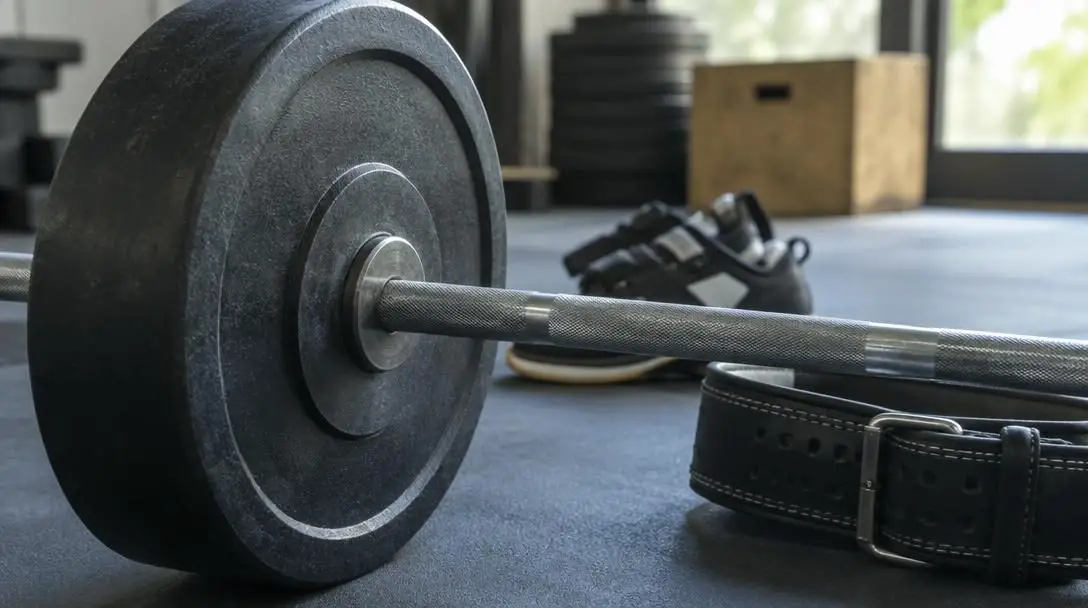
The deadlift represents the quintessential hip-hinge movement pattern, teaching the body to recruit the powerful posterior chain. By picking a stationary weight up from the floor, the lifter engages the hamstrings, glutes, lower back, and upper back musculature. Because the deadlift places considerable demands on spinal stabilization, maintaining a neutral spine and bracing the abdomen are paramount to moving the weight safely.
The Bench Press
The bench press is the standard horizontal pushing movement in resistance training. Performed lying supine on a bench, this lift engages the pectorals, front deltoids, and triceps, while utilizing the back and legs to create a stable lifting platform. Controlling the descent of the bar to the chest and pressing upward in a controlled trajectory prevents unnecessary strain on the shoulder capsules.
The Overhead Press
The overhead press challenges vertical pressing strength and full-body stability. Executed from a standing or seated position, the lifter drives a barbell or dumbbells vertically overhead until the arms are fully locked out. Because the weight is elevated above the head while standing, the overhead press demands significant core bracing, glute activation, and shoulder mobility to execute without arching the lower back.
The Row
The row—performed with a barbell or dumbbells—is the premier horizontal pulling pattern for developing the upper back. By pulling resistance toward the torso while bent at the hips or supported on a bench, lifters activate the latissimus dorsi, rhomboids, rear deltoids, and biceps. Developing strong pulling mechanics balances the pushing volume of the bench and overhead press, fostering healthy posture and resilient shoulder joints.
Step-by-Step Framework for Structuring Workouts
Executing a safe, repeatable, and effective weightlifting program requires organizing training sessions logically. Following a consistent step-by-step structure ensures optimal physical performance and minimizes the risk of sudden injury.
- Execute a dynamic warm-up and mobility routine: Begin every training session by raising your core body temperature and lubricating joint capsules. Perform dynamic movements such as leg swings, arm circles, and walking lunges to activate muscles through active ranges of motion. Follow this with targeted mobility exercises, incorporating foam rolling or specific yoga poses to relieve acute muscle tightness.
- Position compound lifts at the start of the workout: Structure the core of your session around primary multi-joint exercises such as squats, deadlifts, presses, or rows. Because these compound lifts place the heaviest demands on the central nervous system and require coordinated muscular control, execute them while your mental focus and physical energy are highest.
- Drill technique with light loads: When approaching a lift or learning a new variation, perform initial sets with an empty barbell or very light weights. Concentrate on controlled movement tempo, joint alignment, and consistent bar paths. Working with an experienced coach or trainer during this stage provides invaluable real-time feedback to correct technical faults.
- Apply conservative progressive overload: Once an exercise can be completed across all target sets with complete technical control and full range of motion, make modest additions to the resistance. Small, steady increments protect your connective tissues, allowing tendons and ligaments to adapt at a sustainable pace alongside muscle fibers.
- Fuel the body with balanced nutrition and hydration: Physical performance and recovery depend on comprehensive nutritional support. Consume balanced meals featuring adequate dietary protein for tissue repair, carbohydrates to restore glycogen stores for demanding workouts, and healthy fats to support normal hormonal health. Maintain steady fluid intake throughout the day to support joint lubrication and endurance.
- Incorporate deliberate rest and recovery: Muscle tissue does not grow or repair itself during the workout; training merely supplies the stimulus. Schedule non-lifting days between intense sessions, prioritize quality sleep, and integrate recovery tools such as foam rolling or professional massage therapy to alleviate accumulated muscular tension.
- Establish clear, actionable training goals: Anchor your workouts to realistic, trackable targets rather than arbitrary gym visits. Concrete benchmarks—such as adding a specific amount of weight over several weeks or improving squat depth—provide direction, maintain training motivation, and make physical progress measurable.
- Listen to internal physical feedback: Differentiate between normal muscular fatigue and warning signals of sharp joint distress or tendon pain. If a movement causes unexpected, stabbing, or asymmetric discomfort, halt the exercise immediately, re-evaluate your form, and seek qualified medical advice if the issue persists.
Common Training Mistakes to Avoid
Even highly motivated lifters can find their progress stalled if they fall into common training traps. Being aware of these pitfalls allows you to safeguard your joints and preserve your long-term athletic momentum.

- Sacrificing form for heavier weights: Yielding to ego lifting by loading more weight than you can move cleanly compromises joint mechanics, spinal posture, and muscular control, making acute injury almost inevitable.
- Skipping the warm-up: Moving directly into heavy lifting sets without dynamic stretching or mobility preparation exposes cold, stiff muscles and connective tissues to abrupt strain, severely limiting safe range of motion.
- Neglecting rest and recovery: Operating under the false assumption that more training is always better leads to cumulative systemic fatigue, diminished nervous system output, and stalled strength gains. Rest days are mandatory.
- Underestimating nutrition and hydration: Lifting without adequate nutritional support starves the body of the amino acids required for muscular synthesis and the carbohydrates necessary for cellular energy, leaving you depleted.
- Inconsistent progression: Adding weight too erratically invites mechanical breakdown, while failing to track loads and repetitions leads to aimless workouts and frustrating physical plateaus.
- Pushing through sharp physical pain: Ignoring joint pain or tendon discomfort under the banner of toughness transforms manageable, acute irritations into chronic, debilitating physical injuries.
Advancing Your Training as You Progress
Once you have spent several months ingraining reliable movement mechanics and establishing regular training habits, your approach to resistance training can systematically evolve. Mastering foundational basics is not an elementary phase to be discarded; it remains the permanent baseline supporting all advanced training.
As your comfort with primary compound lifts expands, consider transitioning into structured training programs that deliberately vary volume, load intensity, and exercise selection over multi-week cycles. Maintaining an organized training log allows you to track weight, repetitions, and perceived exertion, enabling you to objectively assess whether your training trajectory is moving toward your goals.
Furthermore, expanding your recovery and mobility strategies becomes increasingly valuable as training weights increase. Incorporating dedicated sessions of yoga, regular foam rolling routines, and therapeutic massage helps manage accumulated muscle tightness, maintains range of motion across major joints, and keeps your frame resilient against injury. Periodically revisiting the basics—whether through video analysis of your lifts or check-ins with an experienced coach—ensures that your technical foundation remains sharp and secure across your training career.
Frequently asked questions
Why are compound lifts preferred over isolation exercises for beginners?
Compound lifts involve multiple joints and recruit extensive muscle mass simultaneously. They mirror natural daily movement patterns—such as pushing, pulling, and squatting—allowing lifters to build functional whole-body strength, improve coordination, and develop joint stability far more efficiently than single-joint isolation exercises.
How does the nervous system contribute to early strength gains?
In the initial weeks of weightlifting, the brain and peripheral nervous system learn how to recruit motor units smoothly and synchronously. This neurological adaptation enhances mechanical efficiency and motor control, allowing lifters to produce greater force and lift heavier loads before significant muscular growth occurs.
What is the best way to warm up before a weightlifting session?
A proper warm-up begins with dynamic stretching exercises like walking lunges, arm circles, and leg swings to increase core body temperature and joint mobility. This can be followed by targeted mobility practices, such as foam rolling or yoga poses, and finishing with light, empty-barbell sets of the specific exercise you plan to train.
How often should weightlifters schedule rest days?
Rest days should be scheduled regularly between demanding lifting sessions. Because muscle tissue rebuilds and strengthens during periods of rest rather than during the workout itself, non-lifting days, adequate sleep, and recovery methods like foam rolling or massage therapy are essential for sustained progress.
What should you do if an exercise causes sharp joint pain?
If you experience sharp, localized, or unusual pain during a movement, you should stop the exercise immediately. Evaluate your lifting mechanics, check your joint alignment, decrease the load, and consult a qualified medical professional if the discomfort does not resolve.
The bottom line
Weightlifting offers profound physical rewards, ranging from denser bones and resilient connective tissues to improved metabolic health and daily physical vitality. However, achieving sustained, long-term athletic success requires treating weight training as a disciplined craft that rewards patience, bodily awareness, and technical mastery over brute force.
By centering your routines on the core compound movements, implementing a conservative approach to progressive overload, prioritizing dynamic mobility, and honoring the essential recovery window through proper nutrition and rest, you build a physical foundation that lasts. Commit to the fundamentals, respect your body's signals, and allow steady, deliberate practice to drive your lifelong strength journey.