5 Japanese light novels and web novels that have been adapted into successful anime or manga series
Japanese light novels and web novels have emerged as powerhouse creative engines within modern entertainment. Originating as serialized online chapters or pocket-sized commercial paperbacks, these literary formats provide an endless stream of dynamic narratives, high-concept world-building, and passionate fanbases that seamlessly feed into television broadcasts, feature films, and manga serializations.
While web novels grant aspiring authors an immediate platform to test ideas directly with readers, traditional light novel publications refine those grassroots concepts with professional editing and striking illustrations. When these written adventures make the leap to animated television and manga panels, they transform into worldwide multimedia sensations that captivate global audiences across cultural and linguistic boundaries.
Key takeaways
- Web novels and light novels serve as a primary foundation for contemporary Japanese manga and anime production.
- Online serialized fiction undergoes professional editorial revisions and gains illustrations before transitioning into commercial print.
- Narrative premises range from high-stakes virtual reality survival games to subversions of classic fantasy and isekai tropes.
- Multimedia adaptations provide visual and audio dimensions, though print originals retain deeper psychological and tactical detail.
The journey from web pages to animated screen
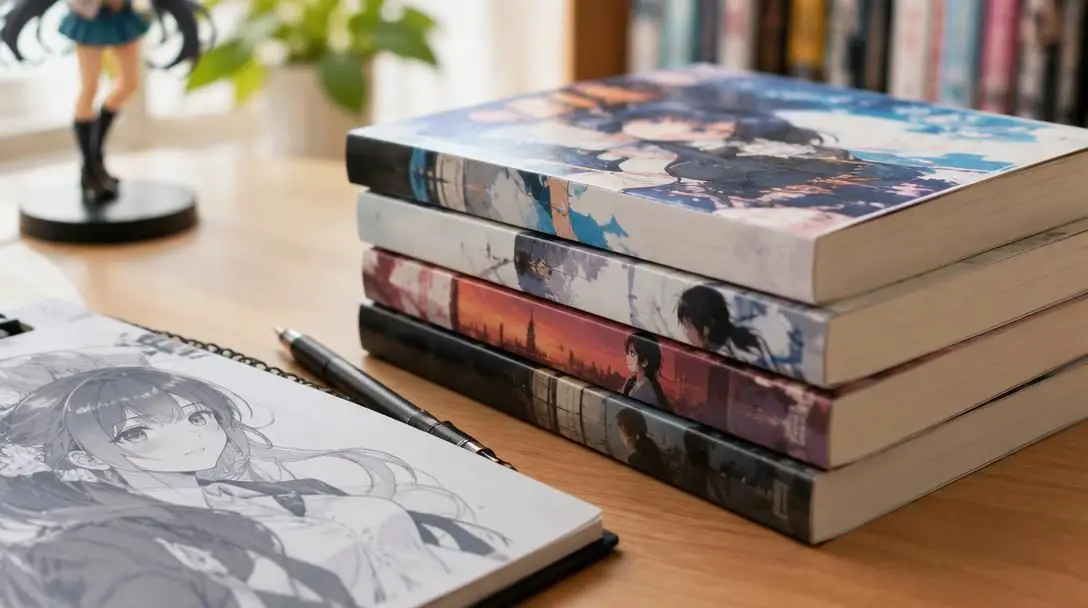
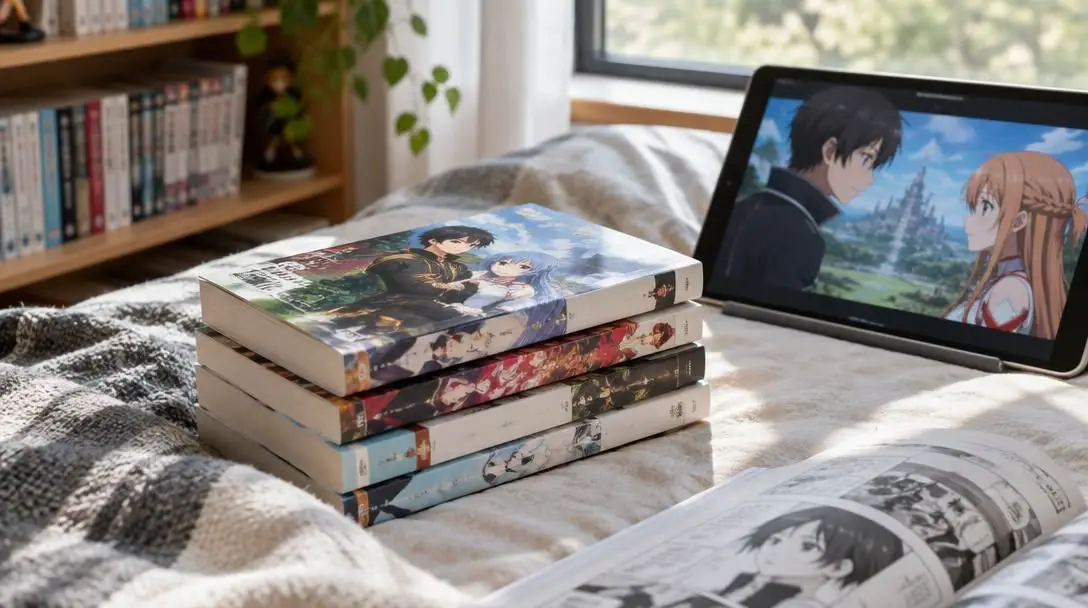
Understanding the adaptation lifecycle helps clarify why light novels and web novels hold such immense cultural resonance. Unlike conventional book publishing, many celebrated properties begin on user-generated serialization websites. An author writes and posts chapter by chapter, engaging directly with commenters and refining narrative rhythm in real time. When an online serial achieves extraordinary readership, commercial publishers license the property, polish the prose, commission stylized character artwork, and distribute the work as a commercial light novel.
A humble chapter published online can evolve through careful editorial refinement and manga experimentation into an internationally celebrated animated production.
Once a light novel builds steady commercial traction, the intellectual property typically expands into sequential graphic panels through a serialized manga adaptation. This stage tests character designs and visual choreography before media conglomerates establish a formal production committee. Animation studios, record labels, and publishing houses join forces to finance, produce, and broadcast an animated series, completing the journey from simple digital text to an expansive audiovisual phenomenon.
Five landmark adaptations at a glance
Each of the five spotlighted titles represents a standout execution of digital or fantasy storytelling, moving from serialized prose to widely watched multi-season anime and manga adaptations.
| Title | Original Author | Protagonist | Core Narrative Focus | Adaptation Formats |
|---|---|---|---|---|
| Sword Art Online | Reki Kawahara | Kirito | Virtual reality survival stakes | Multiple anime seasons, several manga |
| Overlord | Kugane Maruyama | Momonga | Strategic conquest by a skeletal ruler | Anime series, manga series |
| Re:Zero − Starting Life in Another World | Tappei Nagatsuki | Subaru Natsuki | Time reversal triggered by death | Two anime seasons, several manga |
| That Time I Got Reincarnated as a Slime | Fuse | Satoru Mikami (Rimuru Tempest) | Civilization building as a monster | Two anime seasons, several manga |
| The Rising of the Shield Hero | Aneko Yusagi | Naofumi Iwatani | Overcoming systemic betrayal and prejudice | Two anime seasons, several manga |
Five standout light novels and their successful adaptations
Sword Art Online
- Author: Reki Kawahara
- Protagonist: Kirito
- In-universe setting: The year 2022 inside a virtual reality MMORPG
- Adaptation status: Multiple anime seasons and several manga adaptations
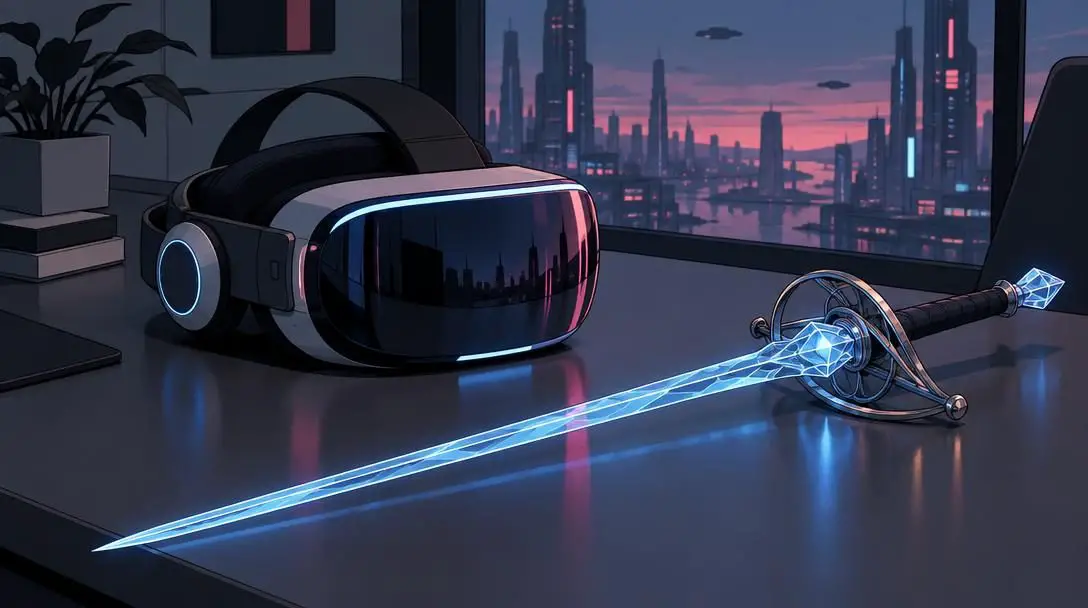
Written by Reki Kawahara, Sword Art Online became a benchmark for modern science fiction and gaming narratives. Set in the year 2022, the story presents an era where players use advanced sensory gear to project their consciousness into a cutting-edge virtual reality MMORPG. The escapist fantasy shatters when the game's mastermind locks thousands of participants inside, announcing that dying in the digital world triggers immediate death in the physical world. The only route to freedom requires defeating bosses across all one hundred floors of the floating fortress Aincrad.
The narrative centers on Kirito, a gifted solo gamer forced to navigate treacherous dungeon encounters, volatile alliances, and profound existential terror. Kawahara's examination of how human behavior deteriorates or flourishes under life-or-death confinement struck an immediate chord with readers. The novel expanded into an international juggernaut, generating multiple animated seasons and diverse manga spin-offs that cemented virtual reality as a prominent storytelling vehicle in modern pop culture.
Overlord
- Author: Kugane Maruyama
- Protagonist: Momonga
- Narrative dynamic: MMORPG server shutdown turned into absolute reality
- Adaptation status: Animated television series and manga series
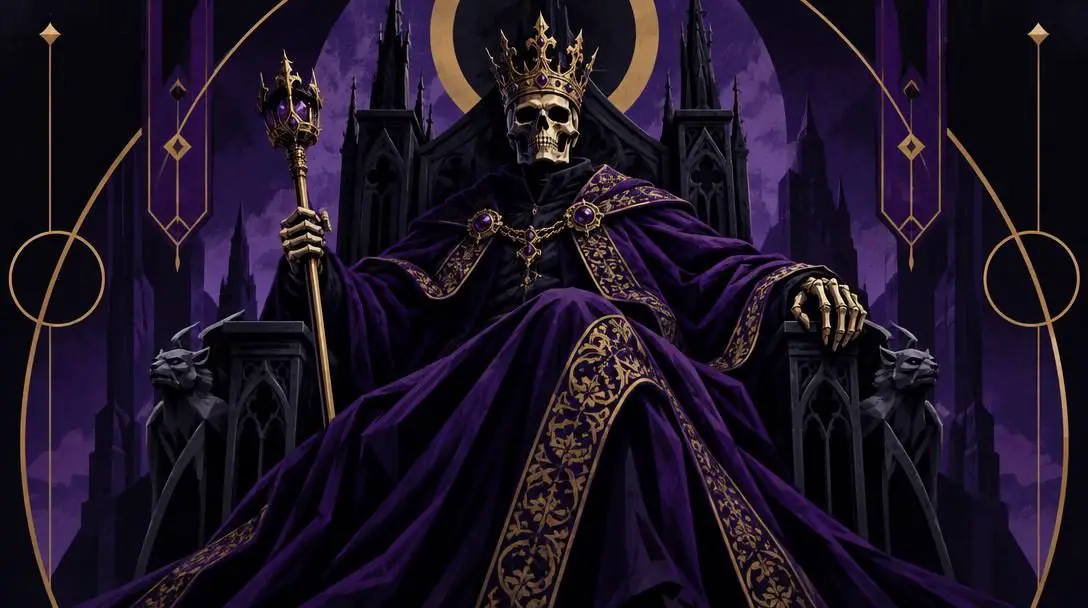
Authored by Kugane Maruyama, Overlord flips conventional heroic fantasy by placing its narrative perspective squarely in the hands of an overwhelming, morally detached conqueror. The premise opens as a dedicated player named Momonga logs into his cherished MMORPG, Yggdrasil, to witness its final minutes before the servers permanently shut down. Instead of logging out when the countdown clock strikes zero, Momonga finds that the game interface has vanished, his guild stronghold has materialized in a completely new world, and the non-player character guardians have developed true consciousness and unwavering loyalty.
Remaining in his towering skeletal avatar and commanding catastrophic magical abilities, Momonga adopts the persona of a merciless overlord. His campaign across surrounding kingdoms balances meticulous reconnaissance, geopolitical deception, and tactical military maneuvers as he searches for any fellow human players who might share his predicament. The series earns consistent praise for its deep world-building, intricate sociopolitical maneuvering, and willingness to embrace ethical ambiguity.
Re:Zero − Starting Life in Another World
- Author: Tappei Nagatsuki
- Protagonist: Subaru Natsuki
- Core ability: Reversing time upon suffering fatal injury
- Adaptation status: Two anime seasons and several manga adaptations
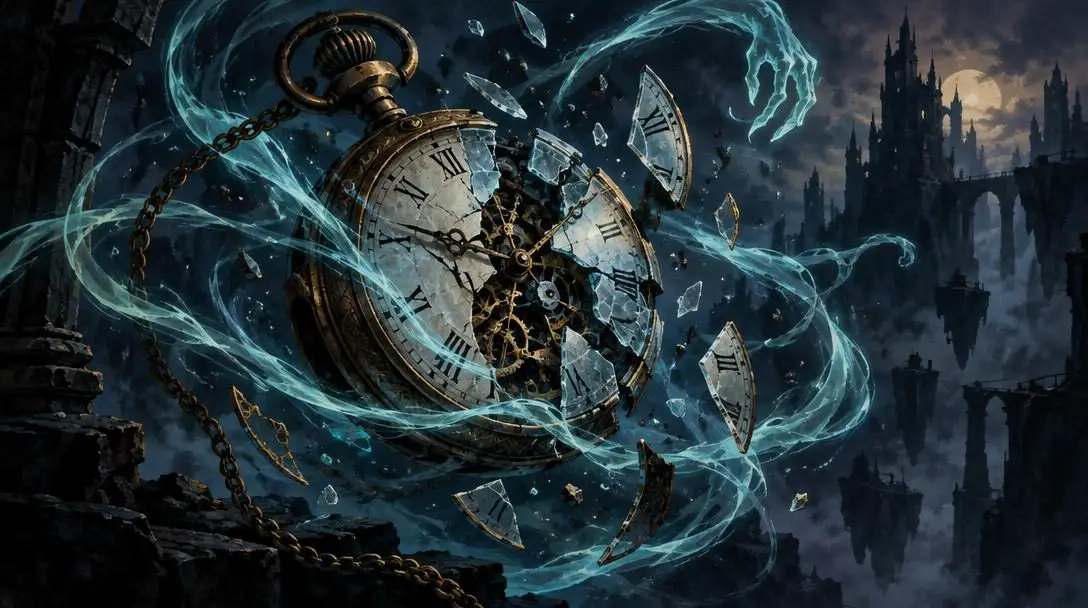
Tappei Nagatsuki's dark fantasy masterpiece, Re:Zero − Starting Life in Another World, strips away traditional power fantasies to focus on psychological vulnerability and relentless determination. Protagonist Subaru Natsuki is abruptly transported into an unfamiliar fantasy metropolis while walking home from an ordinary convenience store. Unlike typical summoned heroes, Subaru receives no mystical weaponry, elemental masteries, or combat instincts. He soon discovers his solitary supernatural attribute: an agonizing curse that rewinds time whenever he dies.
Every fatal miscalculation or sudden ambush returns Subaru to an earlier point in his timeline, leaving his physical memories and psychological scars entirely intact while the surrounding world forgets the horrors that took place. Nagatsuki explores the immense emotional toll this curse inflicts on Subaru's sanity as he repeatedly watches companions perish and battles insurmountable odds to find a singular timeline where everyone survives. The franchise has gained critical acclaim across its two animated seasons and multiple manga installments for its high-stakes tension and uncompromising character development.
That Time I Got Reincarnated as a Slime
- Author: Fuse
- Protagonist: Satoru Mikami / Rimuru Tempest
- Reincarnation form: A gelatinous slime monster with predatory skill absorption
- Adaptation status: Two anime seasons and several manga adaptations
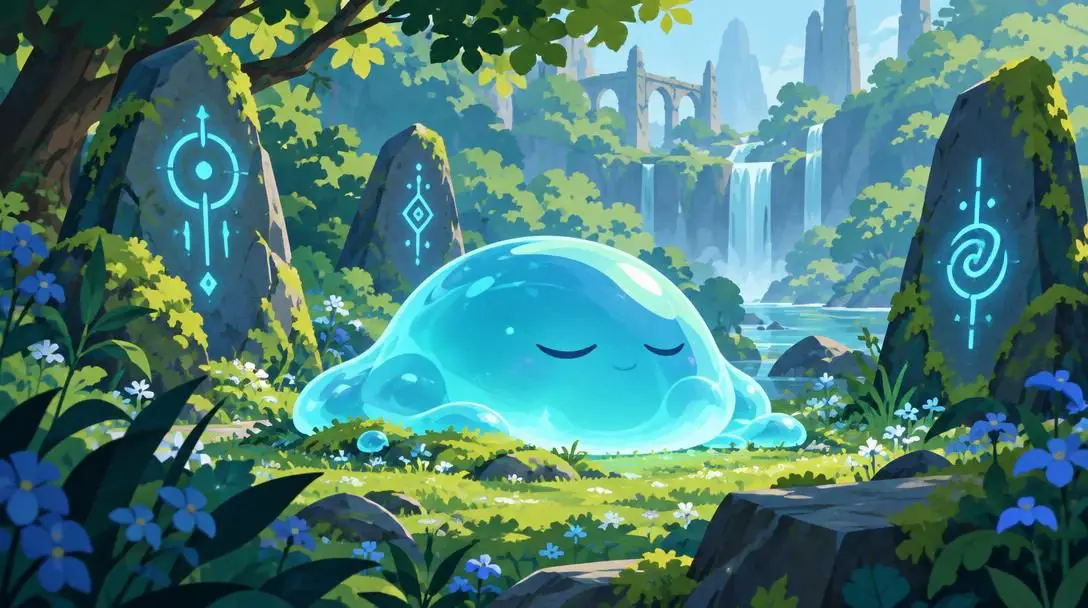
Penned by Fuse, That Time I Got Reincarnated as a Slime injects warm optimism and strategic civilization-building into the popular isekai format. The plot begins with Satoru Mikami, a 37-year-old corporate worker who loses his life in a street incident and awakens in a subterranean cavern as an unassuming, blind slime. Although slimes are traditionally the weakest fodder in fantasy role-playing games, Satoru uncovers unique innate abilities that allow him to ingest physical materials, analyze complex components, and absorb the magical traits of fallen adversaries.
Rechristened as Rimuru Tempest, the protagonist departs his cavern and quickly moves from basic survival to progressive diplomacy. Rather than pursuing unilateral domination, Rimuru negotiates alliances among disenfranchised species, including goblins, direwolves, and master craftsmen dwarves. The series balances upbeat community construction with tactical warfare and international diplomacy, charting how an egalitarian nation of monsters earns recognition on the global stage. Its two anime seasons and multiple manga versions have proven wildly popular worldwide.
The Rising of the Shield Hero
- Author: Aneko Yusagi
- Protagonist: Naofumi Iwatani
- Summoning method: Transported via a mystical library book
- Adaptation status: Two anime seasons and several manga adaptations
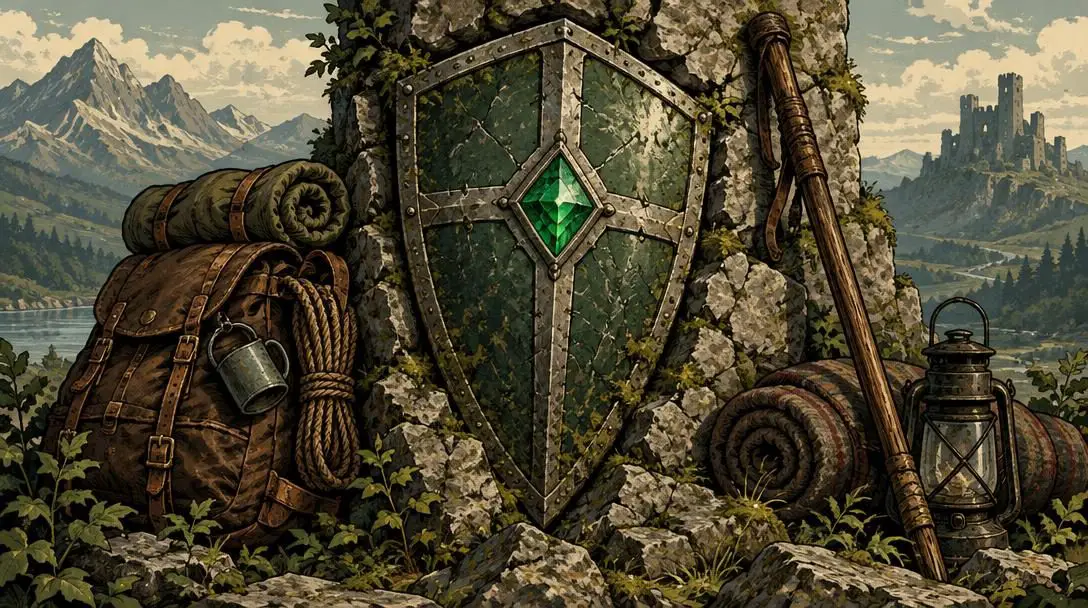
Written by Aneko Yusagi, The Rising of the Shield Hero delivers a gritty narrative of perseverance in the wake of societal rejection. College student Naofumi Iwatani finds himself summoned into a fantasy realm alongside three other young men to fend off catastrophic dimensional incursions. While his peers receive prestigious offensive armaments—the sword, spear, and bow—Naofumi receives a legendary shield, rendering him incapable of wielding conventional offensive weapons and drawing immediate derision from the kingdom's ruling class.
Matters spiral into tragedy when Naofumi is falsely accused of rape, cast out of the royal capital, and completely stripped of funds, societal status, and dignity. Hardened by systemic betrayal, Naofumi adopts a bitter, pragmatic worldview to survive in an openly hostile civilization. Teaming up with faithful companions who look past his manufactured infamy, he methodically improves his defensive skills, safeguards vulnerable commoners, and battles to prove his innocence. Yusagi's narrative of resilience against false accusations has sustained two anime broadcast seasons and multiple manga variations.
How to explore light novels and their adaptations
For readers and viewers stepping into these intricate franchises, navigating the multiple mediums can feel overwhelming. Following a clear sequence makes experiencing the original prose and visual adaptations straightforward and rewarding.
- Choose an entry format: Decide whether to begin with an anime broadcast for quick visual pacing or jump directly into the commercial light novel for deep lore and internal monologues.
- Locate official commercial releases: Seek out licensed book translations and official streaming channels to ensure accurate translations, complete visual art, and author support.
- Track the narrative transition point: When completing an anime season, identify the corresponding volume number of the light novel so you can read onward without repeating known story arcs.
- Cross-examine the manga iterations: Read the manga serialization alongside the light novels to see how graphic artists visually interpret the author's prose descriptions, magic mechanics, and action sequences.
Common mistakes when approaching adaptations
Engaging with works spanning online serials, physical books, manga, and animation requires an understanding of how distinct media operate. Avoiding these common misconceptions ensures a richer experience.
- Assuming the anime adapts every detail: Broadcast television episodes run within tight scheduling constraints, which frequently requires studios to trim internal narration, tactical planning, and secondary subplots found in the books.
- Confusing raw web novels with edited light novels: The initial web publication is essentially a working rough draft; commercial light novels introduce structural rewrites, refined character motivations, and altered narrative sequences.
- Bypassing the serialized manga: Many enthusiasts mistakenly believe manga adaptations simply copy the animated series, missing out on unique panel layouts, alternative character expressions, and faithful textual pacing.
- Judging an entire narrative solely by its basic premise: High-concept hooks—such as turning into a monster or getting trapped in a game—often give way to nuanced philosophical explorations and intricate political storytelling as the story progresses.
Frequently asked questions
What is the difference between a web novel and a light novel?
A web novel is a self-published digital story shared chapter by chapter on user-generated websites directly by the author. A light novel is a commercial paperback published by an established printing house, featuring professional editorial revisions, polished prose, and stylized character illustrations.
Why do anime studios frequently adapt light novels instead of original concepts?
Light novels possess pre-existing audiences, proven commercial sales, and extensive written lore. These factors lower commercial risk for production committees, providing a ready-made story framework and built-in enthusiasm for animated broadcasts and manga serializations.
Does the Overlord anime follow the light novel faithfully?
While the animated series preserves the core narrative arc and major events of Kugane Maruyama's work, the light novel provides substantially more technical detail regarding MMORPG game mechanics, kingdom politics, and Momonga's strategic internal debates.
How does Subaru's power work in Re:Zero?
Subaru Natsuki has the ability to reverse time whenever he suffers a fatal injury, awakening at a designated past checkpoint with his memories intact. However, the emotional trauma of enduring violent deaths and witnessing his friends perish repeatedly places a severe psychological burden on him.
Why was Naofumi ostracized in The Rising of the Shield Hero?
In addition to facing prejudice for wielding defensive equipment instead of an offensive weapon, Naofumi was falsely accused of rape shortly after arriving in the kingdom, leading the royalty and society to strip him of his resources and reputation.
The bottom line
The rise of Japanese light novels and web novels represents a profound shift in how modern entertainment franchises are born, tested, and distributed. By allowing creative authors like Reki Kawahara, Kugane Maruyama, Tappei Nagatsuki, Fuse, and Aneko Yusagi to build dedicated audiences online and in print, the industry has established a reliable pipeline of inventive narratives. As global streaming networks and international publishing houses continue to expand their catalogs, these five landmark series stand as shining proof that compelling written characters can transcend their original pages to define the visual landscape of contemporary pop culture.