Most Beloved Anime Characters of All Time
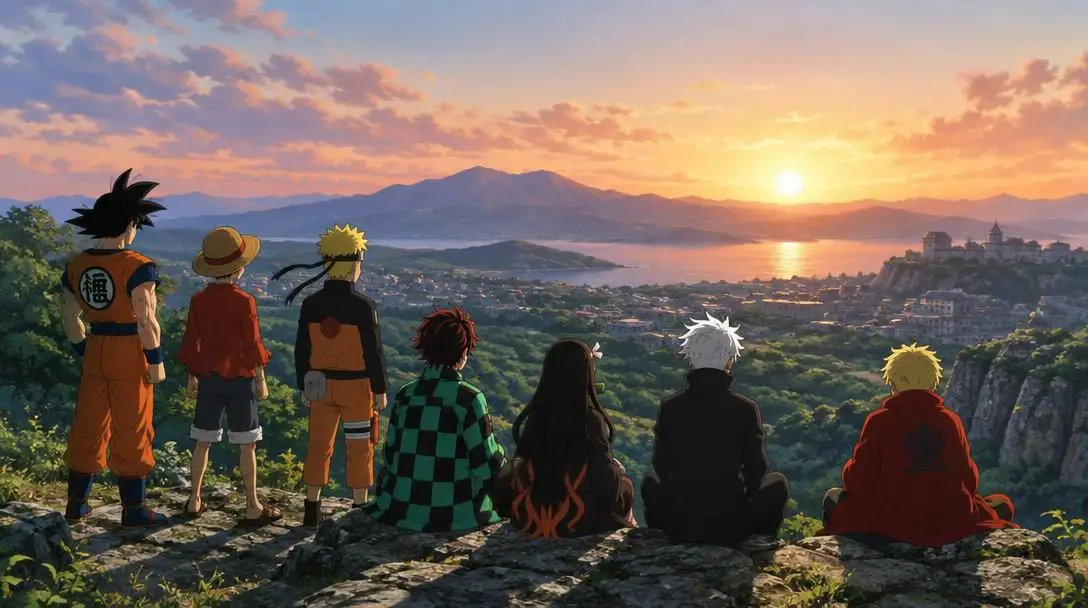
Great storytelling across the medium of anime depends heavily on memorable, compelling protagonists. While animation techniques, musical scores, and expansive fictional worlds all contribute to a show's quality, characters who capture the viewer's imagination are what turn an animated production into an enduring cultural phenomenon. Over the decades, an elite tier of anime protagonists has broken through the boundaries of niche fandom, becoming recognizable icons celebrated by casual viewers, devoted anime fans, and mainstream pop-culture audiences alike.
Evaluating the most beloved anime characters of all time requires examining figures whose popularity bridges multiple generations, media formats, and narrative styles. To maintain a rigorous focus on narrative-driven leads defined by their original manga and anime storylines, characters from the Pokémon franchise are intentionally excluded from this assessment. Setting aside that multimedia titan reveals five singular figures who have fundamentally shaped the global perception of anime heroism.
Key takeaways
- Enduring anime heroes connect with audiences through instantly recognizable visual silhouettes, distinct physical mechanics, and transparent emotional goals.
- Protagonists like Goku and Monkey D. Luffy have maintained multidecade relevance by evolving across continuous manga publications, television series, feature films, and video games.
- A character's cultural footprint frequently extends into real-world phenomena, exemplified by internet memes and public gatherings centered on Naruto Uzumaki's signature running posture.
- Deconstructions of the traditional hero archetype, such as Saitama's pursuit of entertainment through anti-climactic combat, resonate just as powerfully as high-stakes revenge narratives like Eren Yeager's.
At a glance: The definitive anime protagonists
The characters who hold the deepest connection with global audiences originate from distinct eras of manga and television serialization, each embodying a different philosophical approach to heroism, personal ambition, and physical combat.
| Character | Debut Era | Primary Franchise | Signature Trait or Power | Core Motivation |
|---|---|---|---|---|
| Goku | 1980s | Dragon Ball Z | Super Saiyan transformations | Overcoming endless enemies through martial arts |
| Naruto Uzumaki | 1999 | Naruto | Distinctive running style and stamina | Gaining recognition and personal maturity |
| Saitama | 2009 | One Punch Man | Single-punch knockout ability | Curing existential boredom through heroism |
| Eren Yeager | 2000s / 2010s | Attack on Titan | Titan-shifting powers | Seeking vengeance against man-eating beasts |
| Monkey D. Luffy | 1997 | One Piece | Elastic rubber body (Gum-Gum Fruit) | Fulfilling pirate leadership and crew devotion |
The five most beloved anime characters of all time
These standout heroes reflect the absolute peak of worldwide recognition. Their ongoing adventures demonstrate how character design, emotional vulnerability, and long-term narrative commitment produce timeless entertainment figures.
Goku
- Debut Decade: 1980s
- Franchise: Dragon Ball Z
- Notable Transformation: Super Saiyan God
- Primary Role: Martial artist and defender against endless enemies
Goku stands as a timeless classic in the pantheon of animated heroes. Ever since his introduction in the 1980s, the martial artist has captured the admiration of successive generations of anime fanboys and fangirls. His central presence in Dragon Ball Z established the gold standard for long-form battle storytelling, pitting him against a relentless procession of planetary conquerors and cosmic entities who wish to eliminate him.
Goku's ascent from an agile martial artist to a Super Saiyan God showcases a journey defined by unbroken dedication to training. Even individuals who have never watched a complete episode of anime immediately recognize his wild silhouette and energy-gathering postures. With an ecosystem encompassing movies, ongoing series iterations, and competitive video games, Goku's status as a global pop-culture ambassador remains unchallenged.
Naruto Uzumaki
- Debut Year: 1999
- Creator: Masashi Kishimoto
- Franchise: Naruto
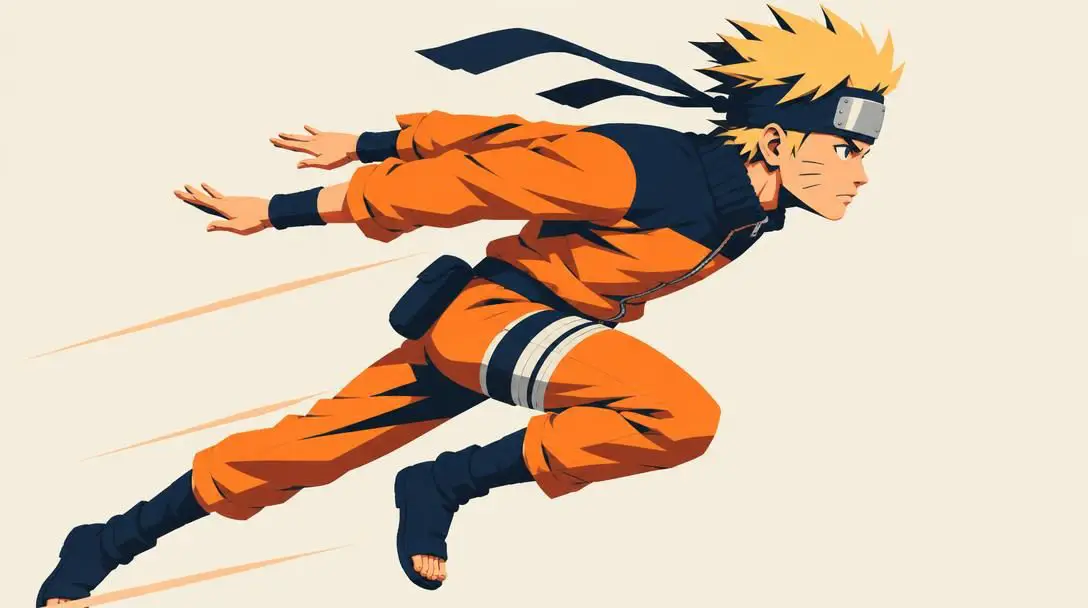
- Cultural Phenomenon: Signature aerodynamic running style
Created by Masashi Kishimoto in 1999, Naruto Uzumaki entered the world through the pages of manga before headlining one of the most widely popular animated adaptations in history. Naruto's appeal rests on his persistent struggle to earn the respect of his community, transforming from an isolated troublemaker into a selfless protector across hundreds of narrative chapters.
Beyond his dramatic journey, Naruto holds a unique position in digital culture. His signature style of running—arms extended straight behind his back while leaning forward—became an iconic internet meme. This movement reached mainstream news coverage in 2019, when an online joke prompted a crowd to assemble near Area 51, offering to "Naruto run" toward the secretive compound during public debate over extraterrestrial life. Supported by an extensive library of animated films, serialized programs, and video games, Naruto remains an indelible modern protagonist.
Saitama
- Debut Year: 2009 (Webcomic)
- Franchise: One Punch Man
- Signature Ability: Defeating any opponent with one punch
- Driving Challenge: Pervasive existential boredom
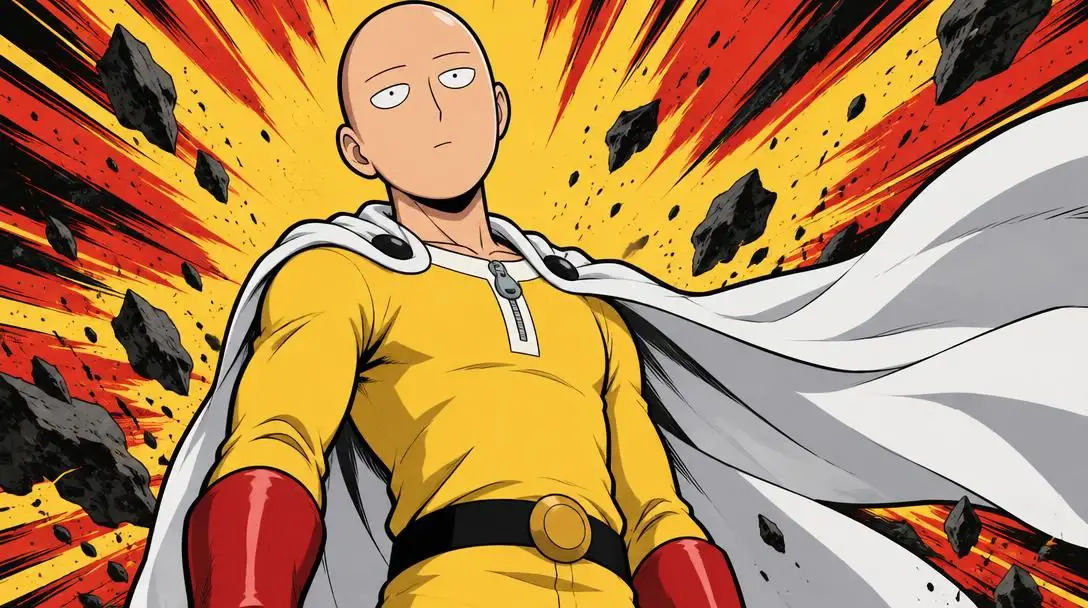
Saitama subverts conventional superhero storytelling with brilliant simplicity. Emerging originally in 2009 as an independently published webcomic before transforming into an acclaimed manga and anime series, One Punch Man places Saitama directly at the center of fan adoration. Through relentless physical conditioning, Saitama achieved ultimate martial perfection, gaining the terrifying power to annihilate any adversary with a single blow.
Paradoxically, his absolute invulnerability is also his greatest burden. Having eliminated the thrill of physical challenge, Saitama suffers from chronic boredom, performing his world-saving heroics largely as an eccentric hobby to pass the time. His yellow-and-red superhero uniform, paired with a deadpan facial expression during world-ending crises, provides a delightful contrast to traditional high-intensity battle anime.
Eren Yeager
- Franchise: Attack on Titan
- Primary Adversaries: Man-eating humanoid Titans
- Special Trait: Ability to wield the power of several Titans
- Production Legacy: Featured in one of the most expensive anime per episode
In Attack on Titan, Eren Yeager carries an intense, dark narrative drive that sets him apart from more lighthearted shonen leads. After witnessing man-eating humanoid Titans ravage his home city and kill his family, Eren dedicates his life to total vengeance against the monstrous invaders. Over his formative years, Eren discovers that he possesses the rare capacity to command the powers of several Titans himself, positioning him as humanity's most formidable yet volatile defensive weapon.
The unrelenting tension of Eren's journey has cemented Attack on Titan as a major worldwide success. Driven by complex thematic questions of freedom, survival, and moral compromise, the series remains an active cultural milestone and stands as one of the most expensive anime productions ever created on a per-episode basis.
Monkey D. Luffy
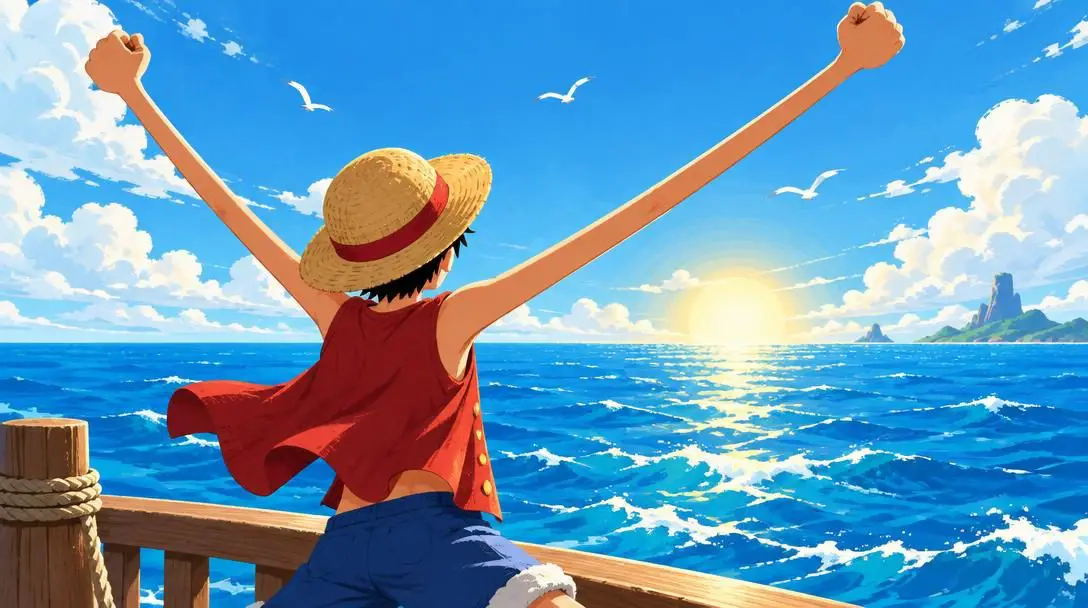
- Debut Year: 1997
- Affiliation: Captain of the Straw Hat Pirates
- Source of Power: Gum-Gum Fruit (Rubber elasticity)
- Debut Age: Seven years old
The heart and soul of One Piece, Monkey D. Luffy has captured international affection since his debut in 1997. Introduced to readers as an ambitious seven-year-old child, Luffy has literally grown up alongside multiple generations of fans. After inadvertently eating a mystical Gum-Gum fruit, his physical anatomy took on the properties of pure rubber, enabling him to stretch, snap, and bounce during combat with astonishing ingenuity.
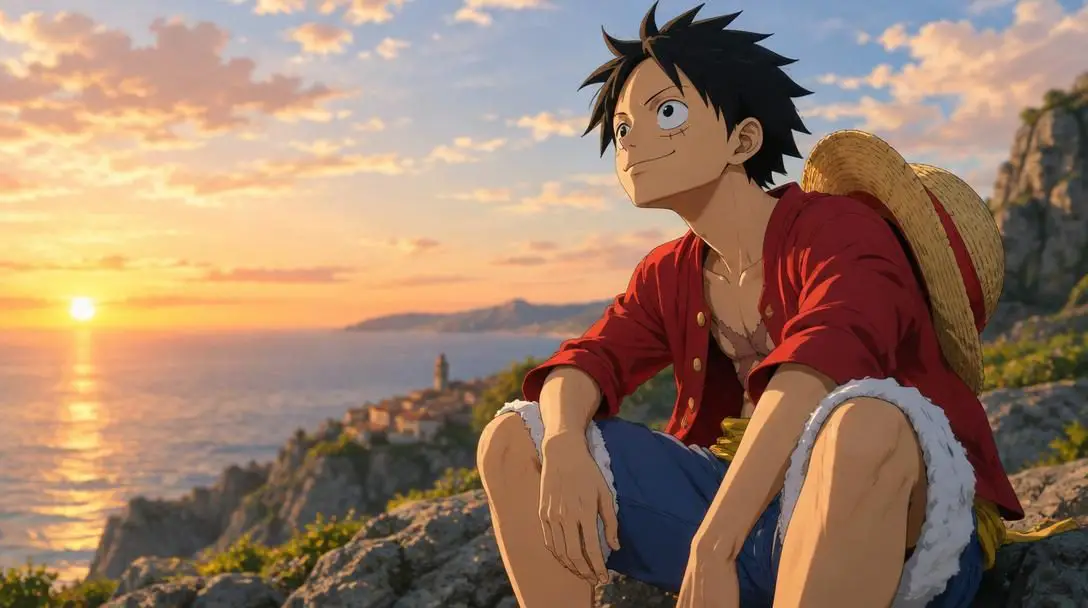
As the fearless captain of the Straw Hat Pirates, Luffy sails across dangerous oceans getting into frequent scuffles with rival crews and naval authorities. His sunny disposition, enormous heart, and unyielding loyalty to his companions make him an undisputed fan favorite. Rather than seeking conquest for its own sake, Luffy's buoyant approach to life and leadership proves that true strength thrives on camaraderie and optimism.
Beloved anime protagonists endure because their personal vulnerabilities, signature movements, and unbreakable convictions echo far beyond the animated screen.
How character popularity works across global audiences
The lasting influence of these five protagonists is neither accidental nor solely the result of slick animation. Narrative longevity in anime relies on specific structural ingredients that encourage viewers to invest emotionally in a character's long-term fate.
- Distinctive visual and physical traits: Instant visual recognition is essential. Whether it is Goku's radiant Super Saiyan hair, Luffy's elastic limbs flexing in combat, or Saitama's minimalist suit, strong silhouettes allow audiences to identify these figures immediately across digital banners, merchandise, and promotional stills.
- Unique mannerisms and physical movement: Kinetic individuality defines iconic anime figures. Naruto Uzumaki's posture in motion became an internationally recognized movement style that transitioned from the screen into real-world internet culture and viral demonstrations.
- Urgent, easily understood emotional engines: Complex worldbuilding requires relatable human foundations. Eren Yeager's grief-fueled vengeance, Luffy's passion for protecting his crew, and Saitama's comedic struggle against mundane boredom provide distinct psychological anchors that keep audiences grounded through sprawling story arcs.
- Sustained multimedia exposure: Longevity requires a presence across multiple mediums. Franchises like Dragon Ball Z and Naruto ensure their leads stay relevant by pairing serialized weekly episodes with theatrical feature films, narrative manga publications, and interactive video game adaptations.
Practical steps for exploring these classic series
Approaching vast anime franchises spanning decades of releases can feel daunting to prospective viewers. Using a deliberate, structured viewing strategy ensures you enjoy each character's journey without feeling overwhelmed by sheer catalog volume.
- Select a starting protagonist tailored to your taste: Choose a hero whose narrative tone aligns with your personal preferences. If you want upbeat high-seas camaraderie, follow Monkey D. Luffy in One Piece. If you prefer high-intensity martial arts tournaments, start with Goku in Dragon Ball. For dark, survivalist conflicts, turn to Eren Yeager in Attack on Titan.
- Decide between original manga and animated adaptations: Assess whether you prefer reading original printed panels or watching dynamic television animation. Masashi Kishimoto's detailed illustrations in the 1999 Naruto manga and the original 2009 webcomic run of One Punch Man offer unfiltered access to each creator's primary vision before moving on to animated adaptations.
- Begin strictly from the canonical starting point: Resist the urge to begin in the middle of a character's journey just to see their latest power upgrade. Experiencing Monkey D. Luffy at age seven in 1997 or tracking Eren Yeager's traumatic formative childhood provides the emotional context needed to appreciate their later triumphs.
- Separate core storytelling from spin-off media: Concentrate exclusively on the main television episodes or core manga volumes first. Avoid getting distracted by promotional side-stories, external video game spin-offs, or non-canonical theatrical releases until you have completed the core storyline.
- Pace your consumption by narrative story arcs: Massive series containing hundreds of episodes should never be rushed. Divide your viewing into distinct, thematic narrative arcs, taking breaks between them to digest character milestones and avoid viewing fatigue.
Common mistakes when approaching legendary anime heroes
Newcomers frequently approach classic anime with misconceptions created by viral social media clips or general internet chatter. Avoiding these common assumptions will give you a clearer perspective on each character's artistic merits.
- Assuming high combat power replaces thematic depth: It is easy to look at Saitama's one-punch knockouts and conclude that the series lacks tension. Dismissing his overwhelming strength as shallow writing causes viewers to miss the underlying satire and existential philosophy driving the comedy of One Punch Man.
- Confusing viral internet memes with real narrative tone: Social media culture frequently reduces layered characters to single humorous gags. While Naruto's aerodynamic run inspired real-life jokes and public gatherings, the actual manga explores serious themes of societal rejection, self-worth, and wartime conflict.
- Skipping foundational character development: Jumping directly into modern milestones, such as Goku's Super Saiyan God form, without understanding his roots back in the 1980s strips the transformations of their hard-earned narrative weight.
- Assuming long-running productions cut visual corners: A common misconception is that sprawling series sacrifice artistic polish. However, flagship titles like Attack on Titan contradict this assumption, consistently ranking among the most expensive anime series to produce on a per-episode basis.
Frequently asked questions
Why were Pokémon characters left out of this ranking?
All characters from Pokémon were excluded from this assessment because that franchise operates as an unparalleled global multimedia powerhouse. Including its characters would overshadow narrative-driven protagonists who achieved legendary status primarily through serialized anime and manga storytelling.
When did Goku make his original pop-culture debut?
Goku made his debut in the 1980s. Over the decades, his continuing battles across Dragon Ball Z and successive spin-offs, movies, and video games have transformed him into one of the most recognizable fictional martial artists in entertainment history.
How old was Monkey D. Luffy when his story began?
Monkey D. Luffy was seven years old when he made his debut in the first chapter of One Piece in 1997. His journey from an ambitious youngster to the rubber-bodied captain of the Straw Hat Pirates allowed readers to grow up alongside him.
Why does Saitama get so bored during battles in One Punch Man?
Saitama trained for years to perfect his fighting technique, ultimately acquiring the ability to defeat any opponent with a single punch. Because destroying his adversaries requires zero effort, he suffers from deep boredom, treating his superhero duties as a casual pastime.
What caused the public obsession with the Naruto run?
Naruto Uzumaki's distinctive running posture became a massive meme within digital communities. This reached a cultural peak in 2019, when an online event encouraged people to use the humorous running style near Area 51 amid public discussions regarding aliens.
The bottom line
The enduring popularity of Goku, Naruto Uzumaki, Saitama, Eren Yeager, and Monkey D. Luffy reflects the dynamic evolution of the anime industry over the past four decades. From the foundational martial arts adventures of the 1980s to the era-defining late-1990s sagas of Kishimoto and Oda, these characters have set the standard for imaginative action, emotional depth, and creative character design.
Whether subverting traditional power dynamics through Saitama's satirical one-punch battles or exploring dark, high-cost warfare through Eren Yeager's clash with the Titans, each hero brings something irreplaceable to global entertainment. By experiencing their journeys from their canonical beginnings, audiences can fully appreciate why these five iconic protagonists continue to reign supreme across the animated world.