
5 Careers To Consider After Military Service
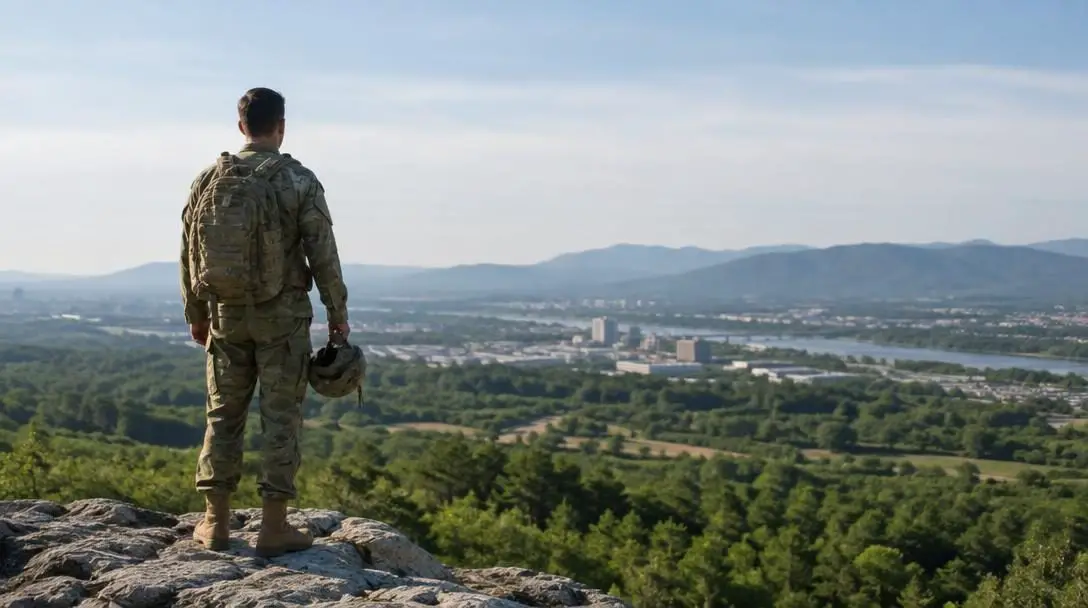
Leaving the armed forces and transitioning into civilian employment marks a major milestone in a service member's life. For years, military personnel operate within an environment defined by rigorous discipline, explicit chains of command, and meticulously documented operating procedures. In contrast, the private and public civilian sectors often feature decentralized management, fluid project boundaries, and an unfamiliar corporate culture that can feel disorienting at first.
Despite these differences, service members separate from the military equipped with a versatile toolkit of technical abilities, leadership experience, and crisis-management habits. By identifying industries that prize operational focus, structured teamwork, and a strong sense of shared purpose, veterans can channel their background into fulfilling, long-term civilian vocations.
Key takeaways
- Military service develops adaptable, high-stress problem-solving skills that translate naturally across technical, educational, and service-oriented civilian fields.
- Technical disciplines such as information technology and cyber security offer autonomy, high compensation, and the ability to defend critical systems.
- Mission-driven sectors like law enforcement, healthcare, and education provide familiar team dynamics, structured qualification paths, and community service.
- Successfully navigating the civilian job market requires veterans to translate military jargon into clear civilian terms and pursue necessary civilian certifications.
At a glance: Five high-alignment career paths for veterans
| Career Field | Key Military Synergies | Workplace Culture | Primary Appeal |
|---|---|---|---|
| Information Technology (IT) | Communications, systems administration, operational troubleshooting | Decentralized, collaborative, flexible | Intellectual challenge, comfortable pay, operational freedom |
| Education | Structured curriculum delivery, peer mentorship, leadership | Instructional, patient, mission-focused | Shaping future talent, steady routine, purposeful service |
| Law Enforcement | Tactical tradecraft, chain of command, physical fitness | Hierarchical, team-reliant, community-facing | Familiar operational structure, public safety mission |
| Healthcare | Triage under pressure, emergency response, teamwork | Fast-paced, compassionate, high-stakes | Direct human impact, rapid tempo, vital community need |
| Cyber Security | Threat detection, perimeter defense, systems integrity | Analytical, remote-capable, mission-driven | Protecting critical infrastructure, remote flexibility, compensation |
Five rewarding civilian careers for military veterans
Finding a career path that balances practical compensation with an authentic sense of mission can restore the professional momentum individuals miss after discharge. The following five industries stand out for their strong cultural and operational alignment with military experience.
Information Technology (IT)
When service members depart the armed forces, civilian life can sometimes seem uncomfortably quiet or slow-paced, making it difficult to maintain an active sense of purpose. Pursuing a career in information technology directly addresses this challenge by providing intellectually demanding work that directly supports organizations and end users.
Veterans who handled tactical communications, enterprise systems administration, or specialized technology assignments during their service will find civilian IT to be an intuitive next step. Unlike careers that demand rigid physical presence, the tech sector offers considerable operational freedom. Professionals are rarely locked into a static routine and can specialize in areas such as systems support, enterprise infrastructure, network architecture, or database management. This technical flexibility allows veterans to earn a strong living while solving engaging problems on a daily basis.
Education
The military environment is fundamentally built around sustained instruction, structured qualification, and continuous professional growth. From recruit training and boot camp to advanced technical specialty schools and non-commissioned officer academies, personal advancement in uniform is governed by continuous learning. This immersive instructional framework helps veterans deeply appreciate the value of effective teaching.
Veterans bring invaluable patience, personal discipline, and structured mentorship habits into the classroom. Opportunities in education are broad: veterans can serve as military instructors, step into primary or secondary school classrooms, or conduct specialized corporate and technical training globally. Wherever former service members choose to settle, their practical leadership and calm demeanor make them exceptional mentors for students of all ages.

Law Enforcement
For individuals drawn to the protective and dynamic dimensions of military service—where physical fitness, situational awareness, and authorized authority are used to safeguard communities—civilian policing is a seamless fit. Municipal, state, and federal law enforcement agencies operate under structured procedures and team reliance that closely mirror military units.
A notable benefit of entering this field is the breadth of specialized roles available depending on background, interests, and physical fitness:
- Municipal or state police officer conducting proactive neighborhood patrols and traffic safety
- Criminal investigator or detective handling complex evidentiary cases
- Special agent within the Federal Bureau of Investigation (FBI) investigating federal violations
- Federal agent within the Secret Service safeguarding national leadership and financial infrastructure
- Corrections officer maintaining order and security inside local, state, or federal detention facilities
Because military service demonstrates personal dependability and respect for standardized protocols, public safety hiring managers routinely value veteran applicants and often move them through screening pipelines expeditiously.
Healthcare
Like public safety, occupations throughout medicine match the high-tempo, high-stakes operational tempo that many military veterans thrive within. Delivering quality clinical care requires rapid critical thinking under pressure, meticulous attention to protocol, and authentic empathy for people in distress.
Veterans who served as combat medics, Navy corpsmen, or clinical technicians bring direct clinical tradecraft into hospitals, surgical centers, and emergency transport units. However, even veterans without prior medical occupational specialties carry transferable strengths to the sector. Military personnel understand how to triage evolving crises, maintain emotional composure during chaos, and coordinate smoothly with cross-functional teams. Healthcare provides a fast-paced work environment that challenges practitioners while offering direct service to people during vulnerable moments.
"Civilian healthcare matches the high-stakes tempo of military service while providing a direct, human-centered mission."
Cyber Security
Safeguarding electronic infrastructure and sensitive data networks has become an urgent national and economic priority. Hostile elements, rogue groups, and cybercriminals continually deploy sophisticated techniques to penetrate private databases, compromise system stability, and steal intellectual assets. A major network breach can cripple an organization's operations or compromise user data indefinitely.
Veterans with backgrounds in intelligence, communications, or network administration are exceptionally well suited for cyber security. Opposing digital threats offers a clear, mission-driven objective that protects vital digital assets while providing reliable compensation. Additionally, cybersecurity careers frequently offer modern workplace flexibility, including options for remote work from home, enabling veterans to achieve work-life balance without feeling anchored to one physical workstation.
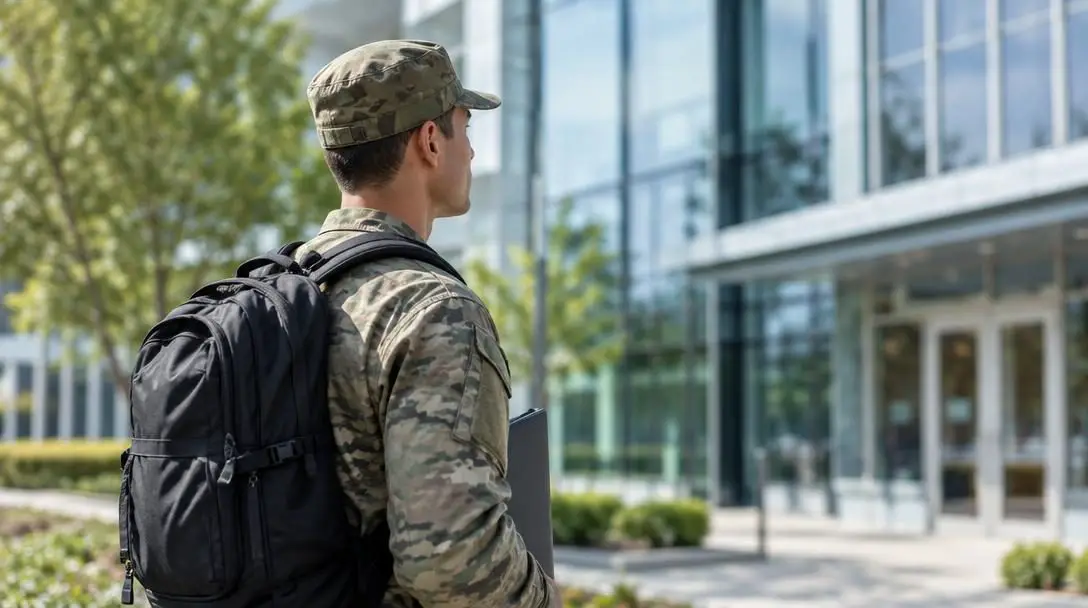
How military experience maps to civilian corporate expectations
Civilian hiring managers actively search for employees who can solve complex problems without needing continuous supervision. The daily responsibilities of service organically build practical competencies that private-sector organizations prize, even when the titles look distinct on paper.
Understanding how daily military duties align with corporate priorities helps job seekers present their value confidently during interviews:
- Standard Operating Procedures: Daily adherence to rigorous military regulations fosters a deep appreciation for quality control, regulatory compliance, and methodical troubleshooting—skills critical in IT, healthcare, and law enforcement.
- High-Stress Decision Making: Whether directing peers, maintaining expensive machinery, or leading an emergency team, veterans have practiced remaining analytical and calm when operating conditions become unpredictable.
- Instruction and Mentorship: Non-commissioned officers and senior enlisted members routinely teach, supervise, and mentor junior personnel, aligning directly with modern corporate training and team leadership.
- Threat Awareness and Risk Assessment: Maintaining security perimeters, evaluating vulnerabilities, and anticipating points of failure provide the exact analytical foundation required for cyber defense and physical security operations.
Step-by-step roadmap for a smooth civilian career transition
Transitioning into a rewarding civilian career is most effective when approached like a staged military mission. Following a systematic process reduces stress and keeps your job search organized.
- Catalog Your Hands-On Skills: Review your military records, primary duties, collateral responsibilities, and specialty qualifications. Record all operated equipment, supervisory roles, and technical military schools completed.
- Select a Preferred Career Path: Compare sectors like IT, education, public safety, healthcare, and cyber defense against your desired income, lifestyle preferences, and day-to-day work environment.
- De-Militarize Your Documentation: Rewrite your resume into plain civilian language. Replace branch acronyms, pay grades, and military operational codes with terms like operations supervisor, systems specialist, or team trainer.
- Assess Credentials and Licensing Needs: Determine the civilian certifications required for your chosen sector. While law enforcement agencies often train new recruits internally, healthcare and public school teaching typically require state licenses or accredited board exams.
- Submit Targeted Applications: Apply directly to organizations, school systems, clinics, and government agencies that host dedicated veteran recruiting initiatives or explicitly value military backgrounds.
Transition pitfalls every veteran should avoid
Even highly qualified veterans can experience delays in the civilian hiring process if they fall into common transition traps. Being mindful of these hurdles ensures a more efficient job search.
- Assuming civilian recruiters understand your record: A human resources manager will rarely know what a specific military occupational code, rank, or award means. Failing to translate technical combat or maintenance duties into commercial terms leads to overlooked applications.
- Expecting military-style communication and hierarchy: Civilian workplaces frequently operate with flatter management structures, indirect feedback, and flexible communication norms. Expecting colleagues to act like active-duty peers can cause unnecessary interpersonal friction.
- Discounting non-technical service: Service members in combat arms or non-technical specialties sometimes believe they lack marketable skills. In reality, leadership, accountability, and physical resilience are highly prized across industries.
- Neglecting required civilian credentials: Relying solely on military experience without researching civilian licensing standards can stall your progress in fields like healthcare, formal teaching, or certified technical infrastructure.
Frequently asked questions
Do I need a college degree to enter civilian IT or cyber security after the military?
Not necessarily. While some corporate positions list formal degrees as preferred qualifications, many IT and cyber defense roles prioritize practical systems experience, military security clearances, and industry-standard technical certifications over traditional academic degrees.
Can combat arms veterans transition into healthcare without prior clinical experience?
Yes. Although roles like registered nurse or physician require accredited clinical training, veterans from non-medical backgrounds excel in emergency services, hospital operations, healthcare logistics, and medical equipment management thanks to their crisis-management and organizational abilities.
Why do law enforcement agencies actively recruit military veterans?
Law enforcement agencies seek out veterans because they possess proven discipline, respect for standard operating procedures, physical fitness, and experience functioning calmly in stressful team-oriented environments.
What is the most effective way to explain military leadership on a civilian resume?
Frame your military leadership around team size, training responsibilities, and resource management. Instead of listing military ranks, explain how many personnel you mentored, the equipment value you accounted for, and the operational goals your team achieved.
Does working in cyber security require active physical presence in an office?
No. Cyber security is one of the most flexible career paths available for veterans, with numerous organizations offering full-time remote or hybrid positions that allow employees to protect digital systems from home.
The bottom line
Leaving the structured environment of the military does not mean leaving behind a rewarding sense of purpose or professional camaraderie. Whether defending corporate digital infrastructure in cyber security, instructing the next generation in the classroom, protecting local neighborhoods in law enforcement, managing systems in IT, or caring for vulnerable patients in healthcare, the habits forged in service are in high demand.
By assessing personal goals, converting military terminology into civilian language, and deliberately pursuing the right credentials, transitioning service members can build a stable, prosperous, and mission-focused civilian future.