The Best Twitter Alternatives You Might Not Be Aware Of

For more than a decade, Twitter has operated as the world's default real-time public square. Millions of people turn to the platform to track breaking news before it hits mainstream outlets, monitor global cultural conversations, and share immediate reactions to developing stories. Yet as the platform has expanded, the digital environment has grown increasingly contentious, with frequent policy shifts and hostile interactions leading multiple studies to identify it as one of the most toxic spaces on the internet.
If you are looking to step away from endless arguments and shifting rules without sacrificing community engagement or timely updates, several compelling alternatives exist. From decentralized discussion boards and voice rooms to creative microblogs and community chat hubs, exploring these distinct platforms can help you regain control over your digital habits and find spaces that align with your communication style.
Key takeaways
- Reddit offers a massive, subject-driven network organized into subreddits with community voting and dedicated volunteer moderators.
- Discord replaces global feeds with private or semi-private, invite-driven servers built around text, voice, and video interaction.
- Tumblr provides an established microblogging haven that embraces anonymity, multimedia expression, and adult content.
- Clubhouse bypasses text altogether in favor of live, synchronous drop-in audio conversations and structured discussion stages.
- Hive Social merges visual feeds, text updates, chronological timelines, and profile music into a nostalgic mobile experience.
At a glance: comparing the top alternatives
Each platform addresses the shortcomings of conventional microblogging through a distinct architectural approach, varying from topic-based forums to real-time audio rooms.
| Platform | Founded | Primary format | Content moderation style | Core standout feature |
|---|---|---|---|---|
| 2005 (17 years prior) | Text, links, and media threads | Subreddit volunteer moderators and voting | Upvote and downvote mechanics | |
| Discord | 2015 | Private text channels and voice rooms | Server owners and appointed admins | Direct community servers with high anonymity |
| Tumblr | 2007 | Multimedia microblogging and reblogs | Platform guidelines with adult content allowed | Aesthetic visual feeds and anonymous blogging |
| Clubhouse | 2020 (March) | Drop-in live audio rooms | Room moderators and stage managers | Synchronous, voice-only discussions |
| Hive Social | 2019 | Text, photos, and file feeds | Age-gated guidelines (recommended 17+) | Profile music player and blended media formats |
The five best Twitter alternatives to consider
Evaluating a Twitter replacement requires understanding how different platforms organize information, manage member conduct, and facilitate conversations. Whether you prioritize deep topical discussions, real-time voice debates, or visual self-expression, these five platforms offer viable alternatives to traditional microblogging.
- Founders: Steve Huffman, Alexis Ohanian, and Aaron Swartz
- Access: Web, iPhone, and Android apps
- Key feature: Voting system and dedicated subreddits
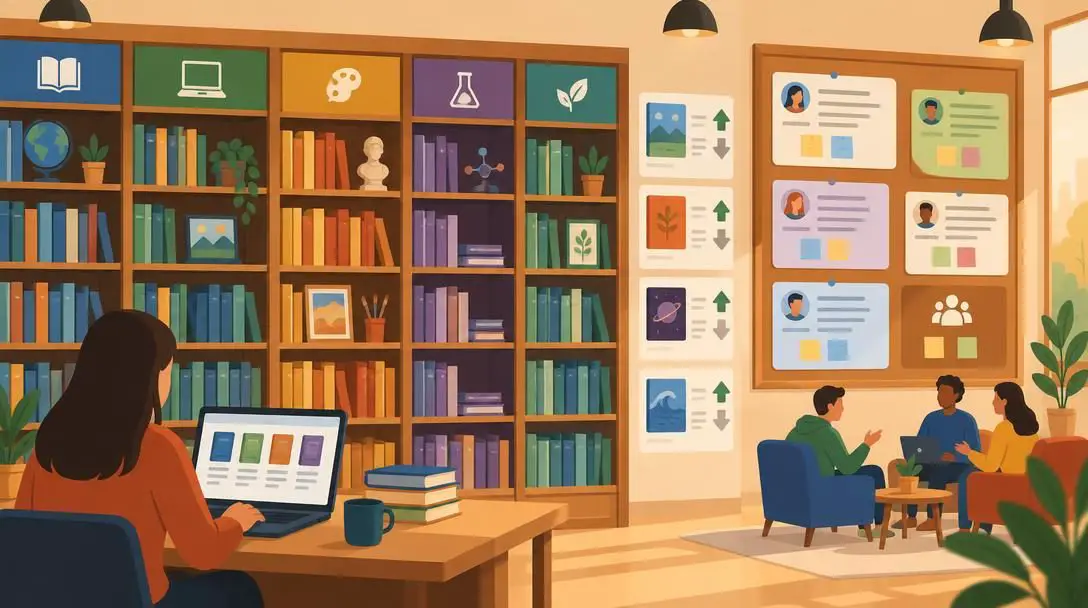
Spanning 17 years since its creation, Reddit has grown into one of the most visited and influential web properties in the world. Rather than organizing content around individual accounts, the platform distributes content into self-contained topical communities known as subreddits. These communities cover practically every subject imaginable, including breaking world news, culinary arts, relationship support, competitive gaming, and niche personal hobbies.
Interaction on the site is governed by a community-wide voting mechanism. Members submit text posts, links, images, or videos, and fellow Redditors cast upvotes or downvotes to determine their visibility. Helpful and engaging material rises to the top of feeds, while unhelpful submissions sink. Unlike Twitter's centralized and often unpredictable enforcement, each individual subreddit appoints its own volunteer moderators. These moderators create specific community guidelines, remove disruptive comments, and curate the space to maintain order.
Discord
- Founded: 2015
- Original audience: Gamers communicating during gameplay
- Communication tools: Instant messaging, audio calling, video calling, and file sharing
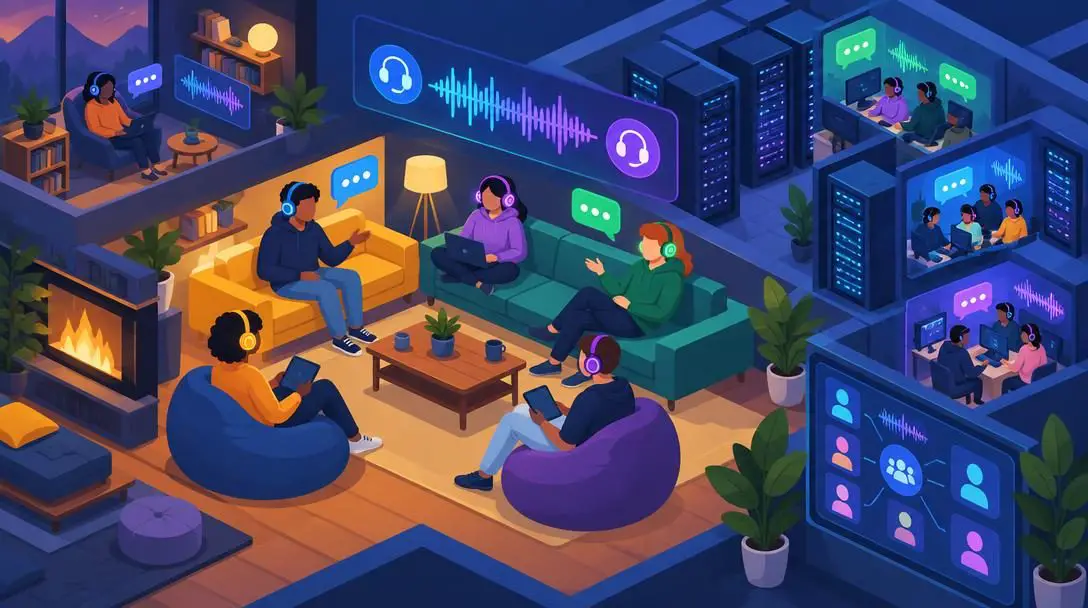
First created in 2015 as a voice and text tool to help gamers coordinate during matches, Discord has expanded into an all-encompassing communication platform for creators, study groups, and interest communities. Discord fundamentally rejects the concept of a singular, public timeline. Instead, it operates entirely through discrete hubs called servers, which can be configured as public spaces or private, invite-only lounges.
Within each server, owners can organize discussions into distinct text channels for file sharing and topical chatter, as well as dedicated voice channels that members can jump into without placing a formal phone call. Discord places a premium on personal privacy: it does not force members to build extensive public profiles filled with biographical data. This simplicity and relative anonymity make it especially appealing for communities like Twitch streamers and their followers, who use servers as centralized spaces to share announcements, host events, and build camaraderie away from public scrutiny.
Tumblr

- Founder: David Karp
- Launch year: 2007
- Content policies: Anonymity embraced; nudity permitted again
Launched in 2007 by David Karp, Tumblr established the golden standard for creative microblogging throughout the 2010s. While rumors and corporate shifts led some observers to assume the site had fallen by the wayside, the platform remains an active, resilient haven for writers, artists, and culture enthusiasts. Tumblr focuses on creative presentation, allowing users to publish poetry, stream-of-consciousness essays, digital art, photography, and multimedia collections.
The platform relies heavily on its reblog feature, which lets users repost entries to their own blogs while appending commentary or artistic additions. Tumblr provides strong privacy and anonymity, shielding users from the identity-driven pressures found on other networks. Furthermore, the platform reinstated permission for nudity after having instituted a site-wide ban in 2018. For creators and readers seeking personal freedom and relaxed creative constraints, Tumblr functions as one of the closest direct stylistic alternatives to Twitter.
Tumblr cloaks users in anonymity and provides expansive creative freedom, making it one of the closest microblogging alternatives to legacy social platforms.
Clubhouse
- Founded: March 2020
- Format: Live, synchronous audio chat rooms
- Room types: Open public spaces and private moderated rooms
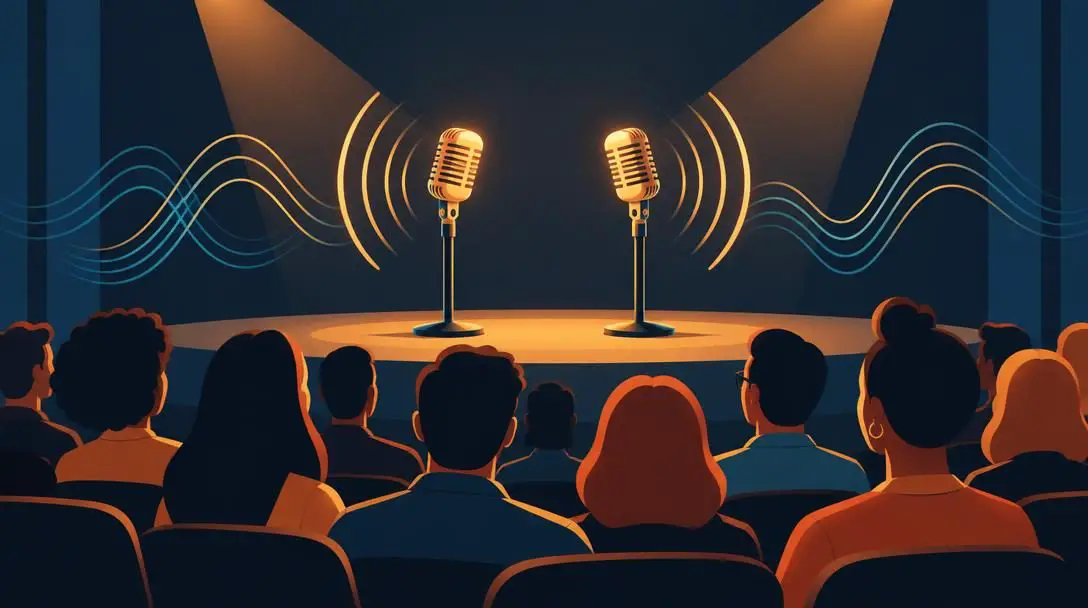
Debuting in March 2020, Clubhouse emerged right as global lockdowns fueled an intense societal demand for fresh connection and spontaneous conversation. The app dispenses with written status updates, image carousels, and video feeds entirely, focusing exclusively on the human voice. Users participate in virtual audio rooms that simulate live panel discussions, casual lounge chats, or impromptu seminars.
Each room maintains a distinct functional structure. Participants are separated into speakers on the digital stage and listeners in the audience. In open rooms, anyone can listen in or raise their hand to request speaking privileges from the stage hosts. In private rooms, moderators maintain strict control over admissions and microphone access. By replacing combative text replies with real-time vocal dialogue, Clubhouse introduces conversational nuance that written posts often fail to convey.
Hive Social
- Founded: 2019
- Origin: Brazilian company Hive
- Audience: General users (recommended age 17+)
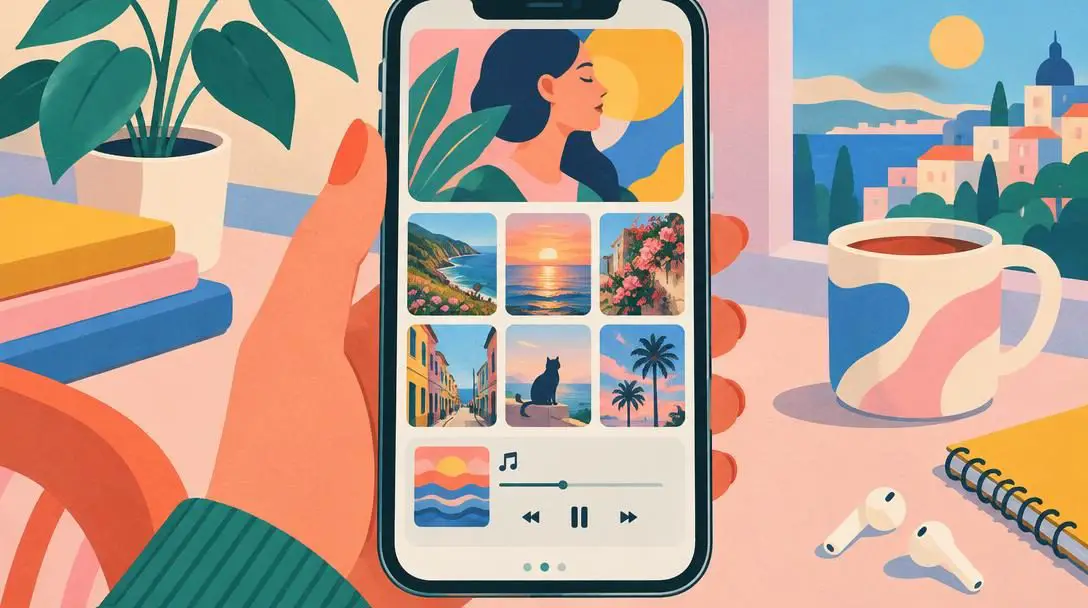
Developed in 2019 by the Brazilian company Hive, Hive Social presents an eclectic blend of past and present social media features packed into an intuitive mobile interface. The platform draws inspiration from the early eras of social networking, offering a chronological stream where users can post status updates, share image galleries, and exchange media files without an aggressive algorithm dictating what appears first.
One of Hive Social's standout nostalgic features is profile personalization: members can choose a favorite song that plays whenever visitors view their profile page. The platform affords users substantial creative latitude, accommodating adult expression and nudity while recommending that users be at least 17 years old to join. For users who miss the personal customization and community warmth of early web platforms, Hive provides a welcoming, versatile middle ground.

How these alternatives function differently than Twitter
Switching from a centralized platform like Twitter to an alternative network requires adjusting to fundamentally different information flows. Understanding how these platforms handle moderation, privacy, and user distribution reveals why their day-to-day atmospheres feel noticeably different.
On Twitter, a single global feed blends news, personal thoughts, and promotional campaigns into one unified stream governed by shifting algorithms. In contrast, decentralized platforms like Reddit and Discord distribute users into compartmentalized environments. Reddit separates discussions by topic rather than user identity, allowing community-chosen rules to guide visibility through upvoting. Discord eliminates the open feed altogether, confining conversations to curated, invite-controlled servers where individual owners set the parameters.
Meanwhile, platforms like Tumblr, Clubhouse, and Hive Social experiment with format and content boundaries. Tumblr and Hive Social return control to individual aesthetics, offering generous room for artistic expression, personal anonymity, and adult content that other corporate services restrict. Clubhouse removes the burden of visual curation and endless typing, relying on real-time vocal intonation to keep discussions civil and personal.
Step-by-step: how to transition away from Twitter
Migrating your online presence away from a platform you have used for years can feel overwhelming. Following a structured transition process ensures that you safeguard your personal data, retain important relationships, and settle comfortably into your new digital spaces.
- Audit your social media priorities: Determine whether you primarily use microblogging to track breaking headlines, showcase original art, participate in voice debates, or chat privately with personal friends.
- Download your historical archive: Navigate to your Twitter account settings and request your full data archive so you have an offline backup of your past tweets, images, and direct message history.
- Select your replacement networks: Choose one or two services that directly align with your core goals rather than attempting to learn five new platforms simultaneously.
- Reserve your preferred username: Register early on your chosen platforms to secure your identity, making it effortless for colleagues and friends to locate you.
- Configure security and privacy controls: Review settings covering message permissions, profile visibility, and contact discovery to ensure your account matches your desired level of privacy.
- Direct your followers to your new handles: Publish a farewell or transition update on your profile detailing where your audience can find your posts moving forward.
- Explore niche interest groups: Search for relevant subreddits, join dedicated Discord servers, or follow curated tags on Tumblr to establish a vibrant timeline right away.
- Observe community culture before posting: Spend time reading pinned guidelines and observing local norms to ensure your submissions fit each platform's distinct culture.
Mistakes to avoid when migrating to alternative platforms
Many users abandon viable platforms within days of joining because they expect them to operate exactly like the service they left behind. Avoiding these common missteps will help you get the most out of your new networks.
- Broadcasting without engaging: Treating community-based networks like Discord or Reddit as broadcast megaphones instead of interactive forums often leads to low engagement or friction with other users.
- Ignoring community-specific guidelines: Posting content to a subreddit without reviewing its sidebar rules frequently results in automatic removals or moderation penalties.
- Expecting universal breaking news: Platforms designed around aesthetic blogging or casual voice rooms rarely deliver immediate news flashes at the speed of dedicated wire feeds.
- Overlooking notification preferences: Failing to configure channel notifications on Discord can quickly overwhelm your phone with unread alerts and message pings.
- Searching for a single mirror replacement: Assuming that one service can replicate every single feature of Twitter leads to frustration; using a combination of specialized apps often yields better results.
- Dismissing age and content labels: Overlooking age restrictions or content tagging on platforms like Tumblr and Hive Social can expose you to adult media you may not wish to see.
Frequently asked questions
Why do users consider Twitter more toxic than other platforms?
Independent studies and user surveys frequently rank Twitter as uniquely contentious due to its centralized global feed, rapid interaction cycles, and frequent policy changes that encourage conflict over constructive dialogue.
Can I view adult or NSFW content on these alternative platforms?
Yes. Both Tumblr and Hive Social allow nudity and artistic adult expression on their services, though Hive Social advises users to be at least 17 years old to participate.
Which platform works best for private, closed communities?
Discord is specifically built for private and semi-private groups. It organizes communication into invite-only servers with dedicated voice and text channels, completely avoiding a public, algorithmic timeline.
How does Reddit differ from Twitter when finding news?
Reddit organizes news by topic within subreddits rather than around individual influencer feeds. Community members vote on posts, and local volunteer moderators enforce specific verification and discussion rules.
Do I have to speak aloud to use Clubhouse?
No. While Clubhouse is an audio-first platform, users are welcome to enter open rooms purely as audience members and listen to live stage discussions without turning on their microphones.
The bottom line
Stepping away from Twitter does not mean cutting yourself off from digital community or real-time conversation. The modern social landscape offers diverse, specialized alternatives that prioritize user safety, focused discussion, and personal creativity over algorithmic chaos. Whether you prefer the community-moderated threads of Reddit, the intimate voice lounges of Clubhouse, the private servers of Discord, or the aesthetic freedom of Tumblr and Hive Social, you have ample room to build an online environment tailored to your preferences.