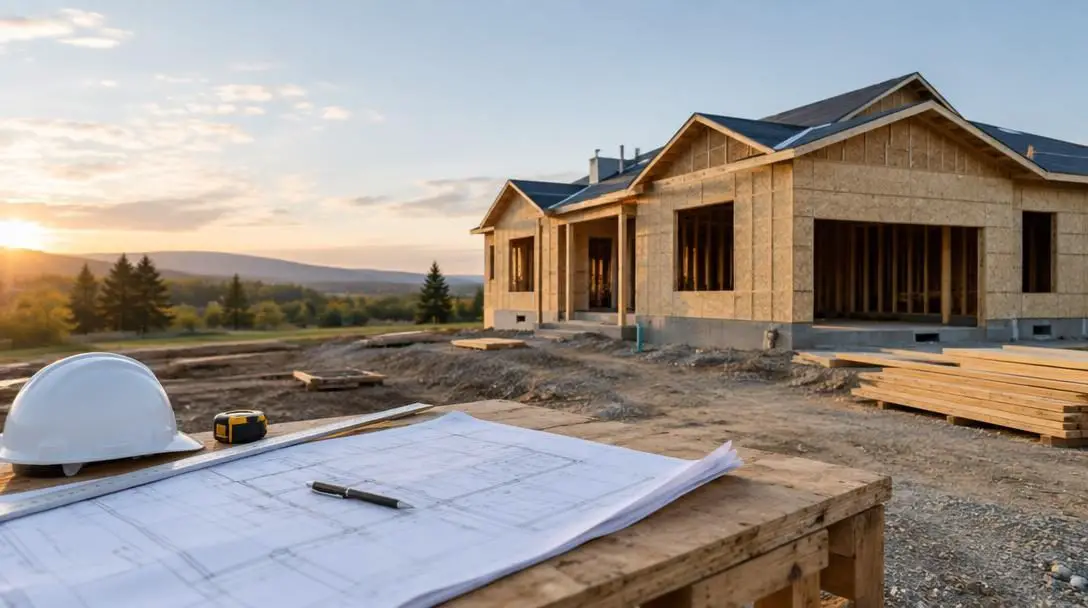
Perking Up Outdoor Areas – Constructing Eco-Friendly Features
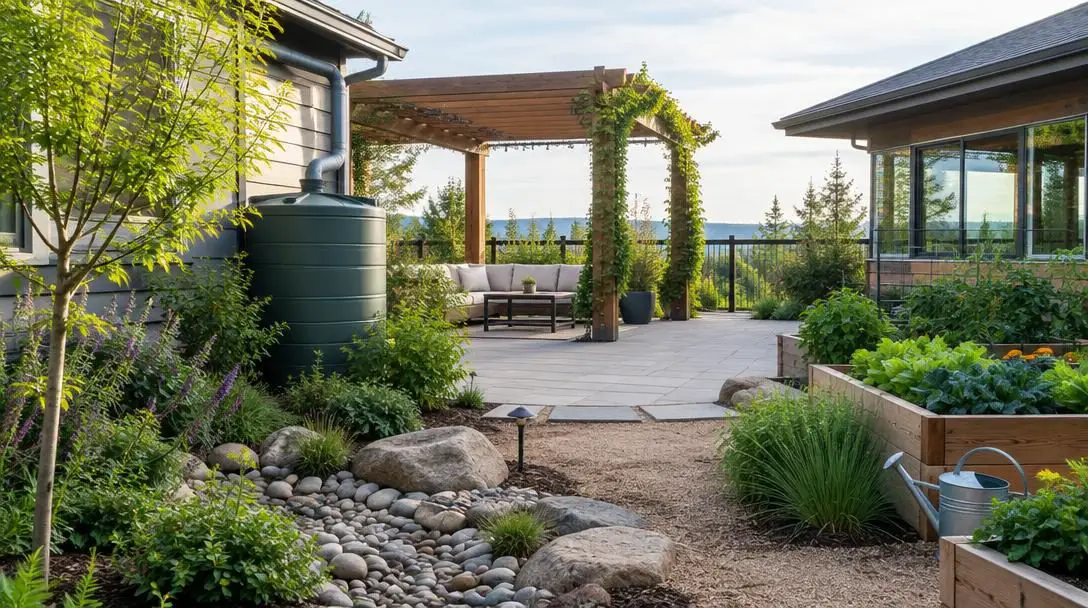
Upgrading an outdoor living area is one of the most rewarding home improvements a property owner can undertake. While conventional landscaping frequently emphasizes high-maintenance lawns, decorative tiled patios, and impervious concrete driveways, these traditional choices often isolate backyards from the natural ecosystems surrounding them. Non-porous surfaces prevent rainwater from soaking naturally into the earth, increasing stormwater runoff, worsening soil erosion, and placing an unnecessary burden on municipal water systems and local drainage infrastructure.
Adopting sustainable outdoor design allows property owners to create tranquil, visually engaging retreats that actively collaborate with nature rather than working against it. By thoughtfully managing stormwater infiltration, introducing porous ground surfaces, cultivating vertical plant structures, and installing energy-conscious illumination, you can establish an outdoor living space that remains structurally resilient across changing seasons while actively conserving resources and supporting local wildlife.
Key takeaways
- Sustainable landscaping replaces impervious hardscapes with functional systems that filter water, protect topsoil, and conserve energy.
- Rain gardens capture surface runoff to nourish plants naturally and recharge groundwater without relying on municipal irrigation.
- Interlocking grass pavers made from recycled materials support heavy vehicles while preserving soil permeability and reducing environmental noise.
- Living walls optimize restricted footprints by expanding planting upward to improve air quality and provide habitats for pollinators.
- Low-voltage LED fixtures ensure evening security along walkways and stepping stones while keeping energy consumption low.
Rethinking the Footprint: Why Traditional Landscaping Falls Short
For decades, residential landscaping prioritized static, highly manicured features that require regular inputs of chemical fertilizers, municipal tap water, and labor-intensive maintenance. Standard hardscapes, such as poured concrete slabs, asphalt parking spaces, and mortared paving stones, fundamentally disrupt the natural water cycle. When heavy storms arrive, these impenetrable surfaces prevent moisture from sinking into the ground. Instead, the water rushes across hard surfaces, gathering petrochemicals, surface debris, and silt before entering municipal storm sewers.
This rapid displacement of surface water deprives suburban soils of essential moisture, contributing to ground compaction, severe dust pollution, and accelerated soil erosion. Furthermore, standard incandescent or high-draw halogen landscape fixtures consume excessive electricity while creating harsh light pollution that diminishes the evening ambiance. Sustainable landscape features rectify these structural shortcomings. By creating decentralized methods for handling stormwater, using permeable surfaces, and deploying low-energy technology, modern outdoor spaces can operate as balanced mini-ecosystems that clean the air, protect regional waterways, and withstand seasonal extremes.
Constructing sustainable outdoor features allows a property to work in direct harmony with the natural water cycle rather than resisting it.
Core Features for an Eco-Friendly Outdoor Space
Transforming a yard into an environmentally responsible sanctuary does not mean sacrificing design or utility. The most successful green features provide dual functions: they solve everyday practical challenges—such as drainage, parking, and night visibility—while creating a calm, aesthetically rich outdoor environment.
Rain Gardens
- Primary function: Stormwater runoff filtration and moisture retention
- Key benefit: Eliminates supplemental municipal irrigation for localized plantings
- Placement: Natural depressions capturing roof, patio, and driveway runoff
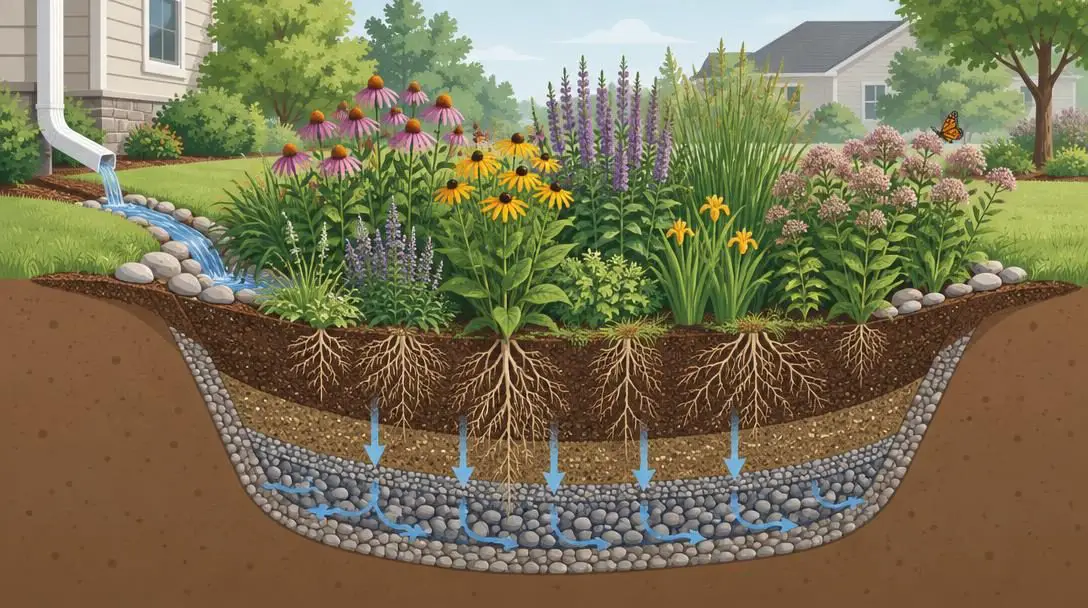
A rain garden is a specialized, landscaped shallow basin engineered to collect and filter excess stormwater running off roofs, patios, driveways, or sloped turf areas. Instead of allowing runoff to flood storm sewers, the garden slows the flow, temporarily pooling the water so it can gradually soak deep into the subsoil. As the moisture infiltrates the soil profile, organic matter and plant roots filter out pollutants, cleansing the water before it replenishes local groundwater tables.
Beyond water management, rain gardens serve as self-sustaining plant beds. The soil layers within the depression hold retained moisture far longer than standard garden beds. This enables deeply rooted, resilient vegetation to thrive purely on natural precipitation, drastically reducing or entirely eliminating the need for municipal irrigation. Rain gardens are particularly advantageous for residential properties with compact footprints that lack the room for elaborate underground drainage piping.
Grass Pavers
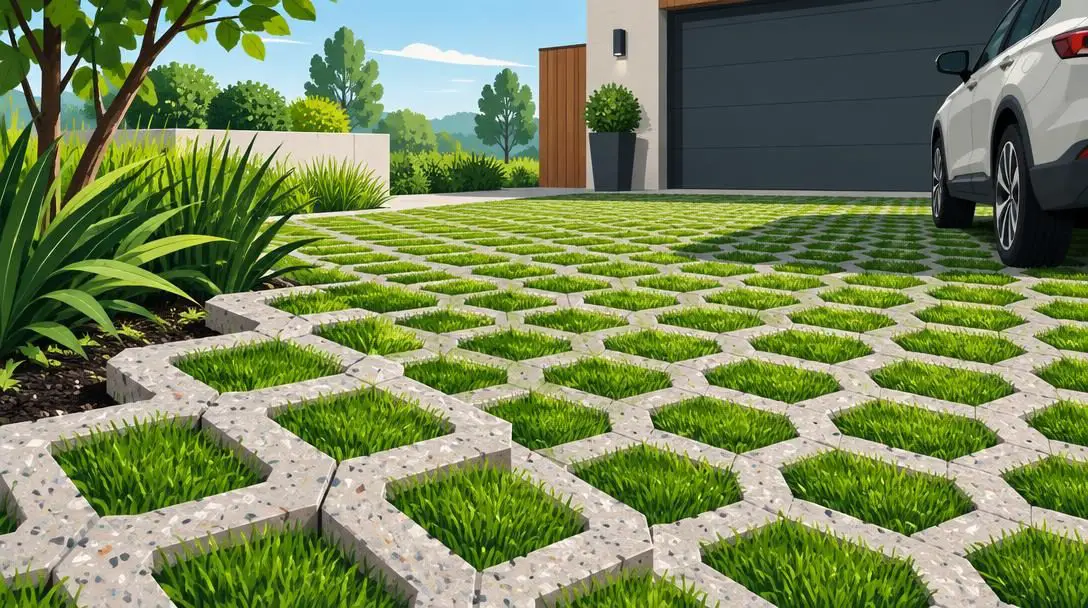
- Core materials: Recycled plastic or recycled concrete
- Structural benefit: Interlocking open cells that support heavy vehicular loads
- Environmental impact: Mitigates soil erosion, absorbs noise, and suppresses dust
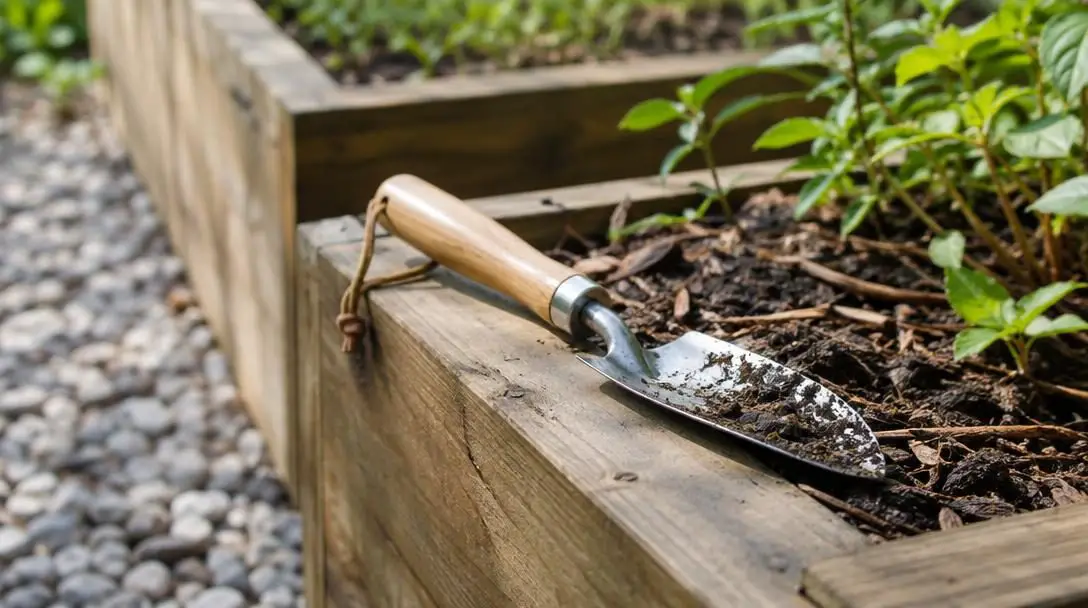
Traditional driveways and parking strips create massive unbroken blocks of non-porous ground. Grass pavers solve this problem by providing an open-cell, interlocking grid system that allows turfgrass roots to penetrate down into the earth while distributing heavy surface weight across a stable framework. Typically manufactured from recycled concrete or recycled plastics, these pavers form a structural surface tough enough to support everyday vehicle traffic without compacting the soil underneath.
Because the open cells remain porous, rain permeates the surface immediately, preventing erosion and washing away the risk of standing puddles. In addition to stormwater mitigation, grass pavers help control airborne dust and absorb acoustic vibrations, making outdoor seating areas and parking lanes considerably quieter. These durable systems also offer superior resilience against extreme temperature shifts, resisting the surface buckling and frost-heave cracking common to unbroken concrete slabs.
Living Walls
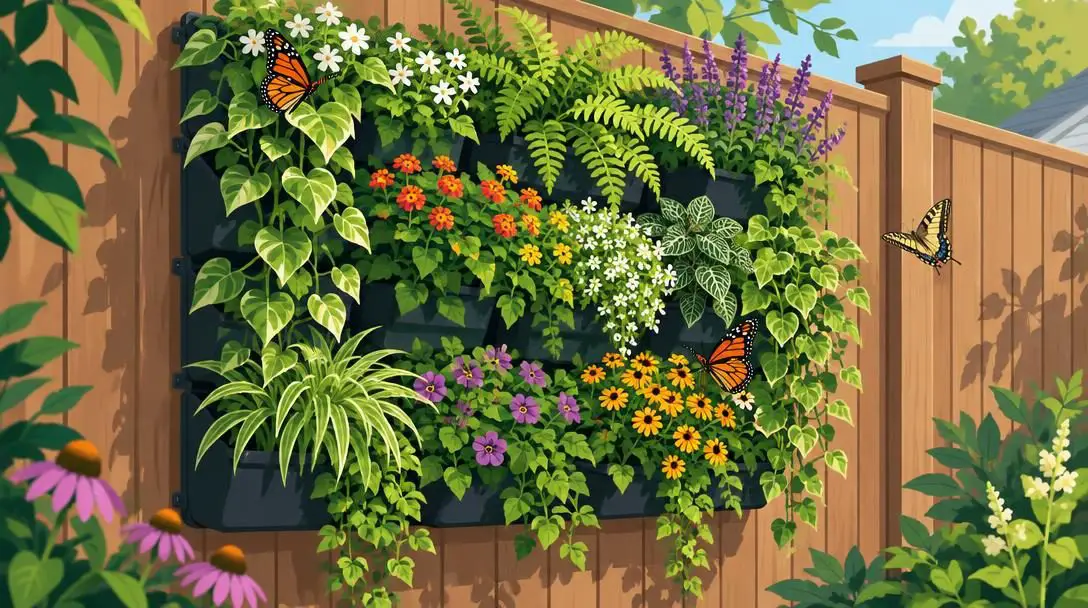
- Mounting style: Vertical exterior building walls, fences, or outbuildings
- Component build: Rigid structural frame holding shallow, soil-filled trays
- Ecological bonus: Creates habitats for birds, bees, and butterflies
Where horizontal square footage is limited, living walls allow property owners to bring dense botanical life to bare fences, exterior home walls, and outbuildings. These vertical installations consist of a sturdy support frame mounted directly to an existing structure, housing an array of shallow trays packed with nutrient-rich soil and specialized greenery selected for vertical vitality.
Living walls deliver striking visual texture and color while offering substantial environmental dividends. The dense plant foliage actively filters fine particulates from the air, upgrading local air quality in sheltered garden nooks. Furthermore, the blossoms and foliage provide critical shelter and food resources for beneficial urban wildlife, turning unused vertical planes into active sanctuaries for bees, butterflies, and songbirds. Compared to digging garden ponds or erecting elaborate timber pergolas, modular living walls are straightforward to construct and customize.
Low-Voltage LED Lighting

- Technology: Energy-efficient low-voltage LED fixtures
- Primary application: Illuminating walking routes, elevation changes, and stepping stones
- Operational role: Twilight safety, navigation, and evening security
Outdoor illumination is fundamental for nighttime safety, spatial definition, and extended evening enjoyment, but old high-voltage systems draw significant electric power and generate substantial heat. Low-voltage lighting powered by high-efficiency LED units provides the ideal balance between functional security and low energy consumption. These fixtures run on a fraction of the electricity required by conventional outdoor lamps, lowering utility costs while keeping property emissions low.
LED installations emit clean, directional light that can be positioned precisely along garden pathways, near stepping stones, and adjacent to changes in ground elevation. This focused approach ensures family members and guests can traverse the landscape safely during twilight and nighttime hours without washing out the night sky or producing an uninviting, harsh glare across outdoor gathering spaces.
Feature Comparison: Eco-Friendly Outdoor Upgrades
Every sustainable installation addresses unique physical properties of your landscape. Review the core attributes below to see how these features balance structural utility with ecological benefits.
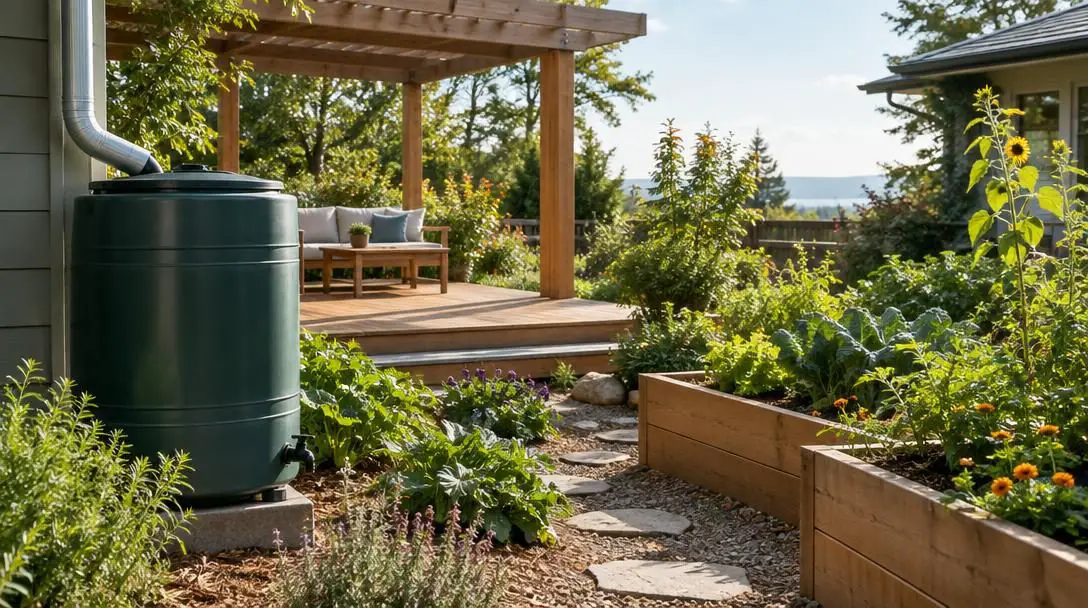
| Feature | Primary Material Base | Main Environmental Role | Key Installation Location |
|---|---|---|---|
| Rain Gardens | Graded topsoil, sand, and deep-root plants | Stormwater filtration and runoff reduction | Natural low points collecting roof or driveway runoff |
| Grass Pavers | Recycled concrete or recycled plastic grids | Permeability, dust suppression, and noise absorption | Driveways, parking pads, and heavy-use paths |
| Living Walls | Rigid framing, shallow trays, and nutrient soil | Air quality improvement and wildlife habitat creation | Exterior building walls, fences, and outbuildings |
| Low-Voltage LED Lighting | Low-voltage cabling and LED light fixtures | Energy-efficient illumination and security | Footpaths, stepping stones, and elevation transitions |
How to Construct Sustainable Features: Step-by-Step
Tackling an outdoor transformation works best when executed in logical, orderly phases. Following a structured roadmap ensures each element integrates seamlessly with your soil, drainage patterns, and everyday yard use.
- Assess the site: Walk your landscape during and immediately after a heavy rain shower. Identify where runoff gathers, where natural swales flow, and which zones remain waterlogged. Note daily patterns of direct sunlight versus shade, and survey boundary fences or exterior walls to determine which vertical surfaces can bear structural weight.
- Design the layout: Draft a comprehensive plan for your yard. Position the rain garden where it can capture gravity-fed runoff from gutters and hard surfaces without endangering building foundations. Mark parking zones or main walkways for grass paver conversion, map out vertical wall frames, and sketch wiring runs for lighting alongside garden paths.
- Construct the rain garden: Dig a shallow basin in the chosen low area. Establish appropriate soil layers that promote water absorption without holding standing pools for days. Plant hardy, moisture-tolerant varieties that thrive during wet periods yet withstand dry spells between seasonal storms.
- Install the grass pavers: Excavate the target footpath or driveway section to create a flat, compacted base layer. Lay the interlocking pavers down securely, ensuring the grid units lock tightly together. Fill the grid cells with rich soil, and seed or sod the area with hardy turfgrass so roots can weave through the porous framework.
- Build the living wall: Fasten a sturdy mounting frame directly to your chosen exterior wall or fence. Affix shallow growing trays inside the framework, fill them with nutrient-rich planting soil, and bed in lush greenery that attracts pollinating bees, butterflies, and birds.
- Set up low-voltage LED lighting: Lay out low-voltage wiring connected to a primary outdoor power source. Stake or mount energy-saving LED luminaires along walkways, near elevation drops, and around stepping stones to deliver balanced illumination during twilight hours.
- Establish a care routine: In the first several weeks following installation, verify that grass roots are anchoring firmly through the paver grids. Inspect the rain garden after downpours to assess infiltration, check moisture levels in living wall trays, and test nighttime light alignment.
Common Installation Pitfalls to Avoid
Constructing eco-friendly outdoor features is an intuitive process, but minor design errors can compromise their long-term effectiveness. Keep these frequent mistakes in mind during planning and construction:
- Placing infiltration basins too close to buildings: Rain gardens hold significant volumes of surface water during downpours. Excavating too close to basement walls or crawlspaces can result in foundation moisture issues. Always construct infiltration basins a safe distance away from primary buildings.
- Skipping ground grading under pavers: While interlocking pavers hold heavy vehicular loads, installing them over uncompacted, uneven ground leads to localized sinking, cracked joints, and irregular turf growth. Take the time to level and prepare the sub-base properly.
- Neglecting drainage in living wall modules: Shallow modular trays must provide internal flow pathways. If excess water cannot escape tray bottoms, standing moisture will rot plant roots, killing the foliage and stripping away the wall’s air-filtering benefits.
- Over-illuminating with oversized fixtures: Installing excessive wattage or unnecessarily large fixtures creates harsh glare, wastes electrical energy, and washes out subtle garden features. Select compact, directional LED heads tailored to twilight visibility.
- Ignoring seasonal temperature shifts: Materials and plants respond dynamically to regional weather swings. Using brittle materials or selecting tender plants for living walls can cause winter freeze damage or summer heat scorching. Choose temperature-resilient pavers and hardy plant selections.
Ongoing Maintenance and Long-Term Integration
Once your sustainable installations are in place, a modest maintenance routine will keep them operating at peak performance for years. Rain gardens are largely self-sufficient once established, but property owners should periodically clear dead leaves, twigs, and accumulated sediment from inlet channels. Keeping inlets open ensures that water coming off gutters and driveways flows smoothly into the soil profile rather than backing up onto surrounding lawns.
Grass pavers require standard lawn care, such as seasonal mowing, edging, and occasional aeration. It is good practice to inspect the interlocking grid seams periodically to confirm that everyday vehicle parking has not displaced pavers or compressed the turf crowns beneath the top edge of the grid. For living walls, periodic pruning keeps rapid growth in check, while occasional soil enrichment ensures the shallow root systems continue receiving sufficient nutrients to support colorful leaves and attract pollinators.
As seasons rotate, adapt your systems to prevailing conditions. In long stretches of drought, evaluate soil moisture in your rain garden before providing supplemental watering. Adjust your low-voltage LED timers or sensors as day lengths shift throughout spring and autumn, ensuring pathway lights turn on right as twilight begins. Over time, these individual elements unite into an interconnected living ecosystem: grass pavers filter driveway runoff into the rain garden, while low-voltage lights highlight the natural textures of the living wall, yielding a functional, low-impact haven outside your door.
Frequently asked questions
Can grass pavers handle regular vehicle parking without destroying the turf?
Yes. The interlocking framework of grass pavers, made from recycled concrete or plastic, transfers vehicular weight directly through the paver structure into the prepared base. This protects the root crowns of the grass within the open cells from soil compaction and wheel damage, allowing the lawn to remain green and permeable.
How does a rain garden help conserve municipal water?
A rain garden collects natural surface runoff from roofs, driveways, and patios and channels it into a landscaped basin. The soil layers retain moisture deep within the earth, enabling resilient plants to access stored groundwater rather than relying on supplemental municipal tap water and irrigation systems.
Are living walls difficult to build compared to other garden features?
Living walls are relatively straightforward to construct compared to complex features like in-ground ponds or large timber pergolas. They rely on modular frames mounted to exterior walls or fences, holding shallow trays filled with nutrient-rich soil that accommodate plants suited for vertical expansion.
Why is low-voltage LED lighting preferred over standard outdoor illumination?
Low-voltage LED fixtures maximize electrical efficiency, consuming far less power than traditional outdoor lighting. They provide crisp, adequate illumination along stepping stones and pathways for twilight safety and property security without driving up utility bills or producing excessive glare.
Do grass pavers crack or break during extreme weather changes?
Quality grass pavers manufactured from recycled concrete or durable plastic are designed to withstand temperature extremities. Their open, modular design accommodates subtle ground expansion and contraction better than unbroken, monolithic concrete slabs, making them exceptionally resilient in climates with wide annual temperature variations.
The bottom line
Constructing an eco-friendly outdoor space bridges the gap between functional yard design and environmental responsibility. By replacing impermeable surfaces with interlocking grass pavers, directing stormwater into lush rain gardens, expanding greenery vertically across living walls, and illuminating footpaths with low-voltage LEDs, you create a dynamic, self-sustaining yard. These practical improvements reduce waste, protect native topsoil, and conserve valuable resources, transforming your landscape into a durable, welcoming retreat that flourishes in every season.