Rediscovering Antiques – Restoring Collectibles
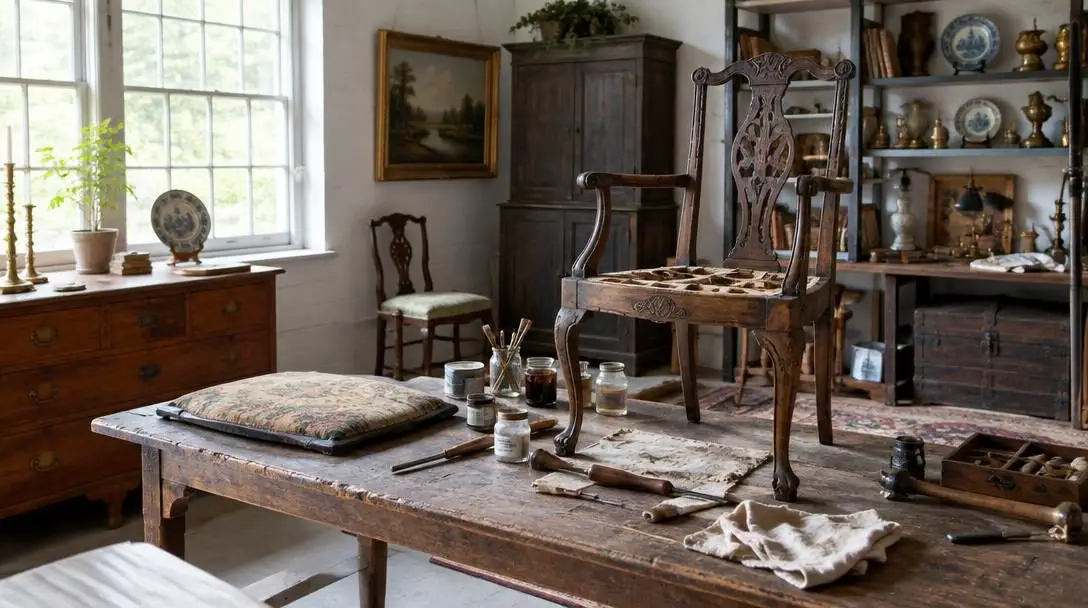
Antiques and vintage collectibles offer a rare bridge across eras, preserving tangible evidence of human ingenuity, decorative taste, and utilitarian craftsmanship. For enthusiasts, restoring these heirlooms turns forgotten relics into stunning home centerpieces or functional historical treasures, uniting communities over shared material culture. Yet countess valuable items remain hidden away in damp basements, attics, and outdoor sheds, suffering steady deterioration from dust, humidity, pests, and basic neglect.
Anyone with genuine curiosity and patience can rediscover these artifacts and guide them back to life. Whether unearthing an ancient coin, preserving a classical oil painting, or rebuilding an automobile from the 1920s, successful restoration demands a measured balance between historical accuracy, structural repair, and aesthetic preservation. Understanding how to handle historical materials safeguards our shared heritage for generations to come.
Key takeaways
- Antique collecting dates back to ancient times, encompassing coins, archaeological artifacts, and fine art passed down across generations.
- Restoration requires returning an object to its authentic appearance and function rather than stripping away character to make it look brand new.
- Conducting preliminary research into an item's era, origin, and original use is an essential prerequisite before applying tools or chemicals.
- Different collectible mediums demand tailored techniques, from high-magnification work on delicate jewelry to phased mechanical assembly on 1920s motorcars.
- Consulting experienced specialists and knowing when to hand off complex tasks prevents irreversible damage to rare artifacts.
The Historical Significance of Antique Preservation
The practice of acquiring and safeguarding historical objects is far from a modern trend. Since ancient times, people have assembled private and public collections, treasuring items unearthed during early archaeological digs, ancient coinage, and canvases produced by master artists. These pieces were valued not merely as financial assets, but as irreplaceable windows into earlier human societies. Today's enthusiasts follow in those exact footsteps, driven by the desire to keep historical narratives alive through material objects.
Every collectible serves as a physical record of the technology, materials, and artistic conventions of its period. An ordinary household tool reveals the metallurgy and ergonomic preferences of its era, just as an elaborate piece of cabinetwork showcases regional timber harvesting and joinery techniques. When neglected in unconditioned spaces like attics, outbuildings, or damp basements, these physical records suffer decay from elevated moisture, insect infestation, UV degradation, and dust accumulation. Restoration operates as a crucial intermediate discipline between passive possession and modern reinvention, actively reversing environmental harm while honoring the item's inherent lineage.
How Antique and Collectible Restoration Works
True restoration is an exacting discipline that unites archival investigation with manual trade skills. It does not mean scouring or polishing an object until it resembles a newly manufactured retail product. Doing so often destroys the genuine character, natural patina, and structural cues that substantiate its antiquity. Instead, the ultimate objective is returning an item to how it should correctly look and function, remaining entirely faithful to its initial manufacturing purpose and aesthetic design.
Before introducing any tool, solvent, or abrasive to an antique, the restorer must conduct thorough historical research. Establishing an item's chronological age, regional origin, and intended operating environment dictates the appropriate treatments. Armed with this context, a collector can determine whether a loose joint requires period-accurate animal hide glue, or whether a weathered finish represents honest wear that ought to be stabilized rather than stripped. Consulting seasoned experts who specialize in comparable objects provides crucial technical clarity, steering hobbyists toward time-tested methods and away from irreversible chemical or mechanical errors.
Restoration exists as a middle ground between passive collection and complete reinvention, safeguarding traditional craftsmanship from permanent loss.
Step-by-Step Guide to Restoring Collectibles
Because complex restoration projects can span months or even years, approaching the process systematically protects the integrity of the piece while preventing disorganization and restorer fatigue. Proceed through each phase deliberately, ensuring that documentation and planning precede physical intervention.
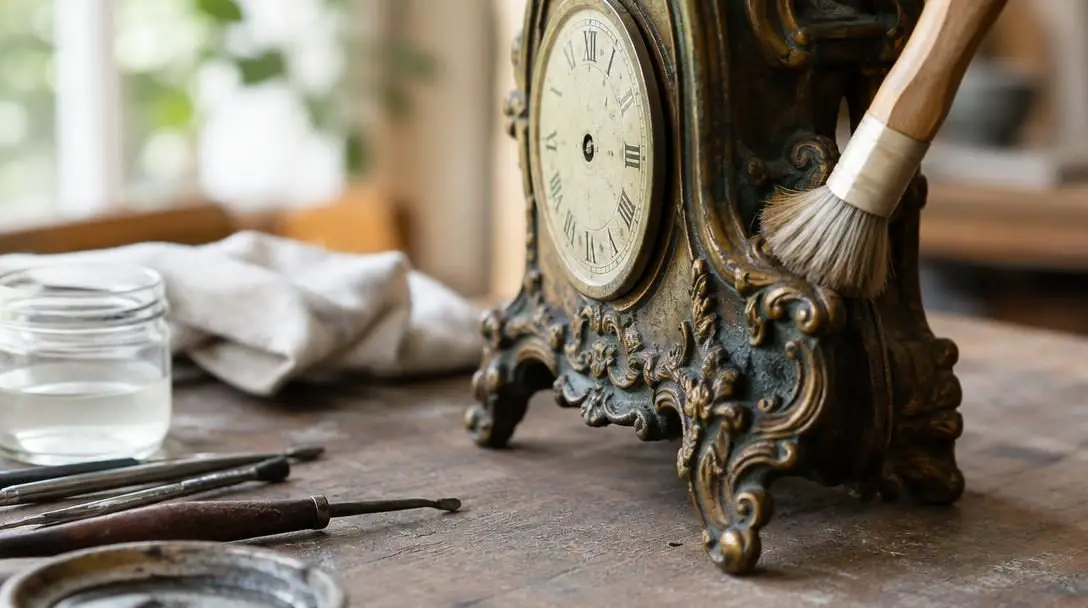
- Conduct Preliminary Research: Gather historical documentation, manufacturing archives, catalog references, and period photographs to verify the exact era, geographical origin, and original operational specifications of the object.
- Consult with Experienced Specialists: Contact professional conservators or experienced restorers who specialize in your item's material class to identify suitable tools, authentic replacement materials, and safe cleaning methods.
- Assess Condition and Plan the Project: Perform a thorough structural inspection. Document fractures, missing hardware, pest damage, and surface deterioration to determine what requires consolidation, repair, or full replacement.
- Gather Correct Tools and Supplies: Procure specialized equipment suited to the scale of the work, such as benchtop magnifying glasses for miniature relics or heavy-duty mechanical jacks and workshop tools for large vehicular items.
- Break Down the Work into Manageable Stages: Divide comprehensive jobs into distinct phases—such as frame stabilization, mechanical repair, and surface finishing—establishing a schedule that accommodates slow, meticulous execution.
- Execute Repairs Gradually: Carry out cleaning and component repair at an unhurried pace. Pause work when tired, keeping in mind that high-difficulty projects naturally demand extended timeframes.
- Rely on Professionals for Complex Stages: Immediately hand off fragile structural repairs, toxic finishes, or high-value interventions to dedicated professionals when tasks exceed your technical abilities.
Tailoring Restoration Techniques Across Distinct Collectibles
Because materials degrade in unique ways, applying a universal restoration technique across different categories inevitably causes catastrophic failure. The tools, chemical agents, and structural considerations required for a pocket-sized metallic relic differ completely from those needed for a motorized vehicle or a large wooden cabinet.
| Collectible Type | Primary Scale | Key Equipment Needed | Primary Risk Factor | Core Restoration Focus |
|---|---|---|---|---|
| Ancient Coins and Artifacts | Micro / Miniature | Magnifying glasses, micro-tools | Loss of fine surface relief | Gentle surface debris removal |
| Antique Jewelry | Micro / Precision | Magnification optics, fine picks | Scratching, bending, stone loss | Micro-repairs, preserving engravings |
| Historical Wooden Furniture | Large / Architectural | Woodworking clamps, hand tools | Joint failure, finish stripping | Joinery stability, finish preservation |
| 1920s Vintage Automobiles | Heavy Mechanical | Automotive workshop gear, hoists | Mechanical seizure, frame rust | Systemic rebuild across subsystems |
| Master Paintings | Medium / Delicate | Specialized solvents, easel setup | Pigment dissolution, canvas tear | Stabilizing structural canvas and paint |
Ancient Coins and Artifacts
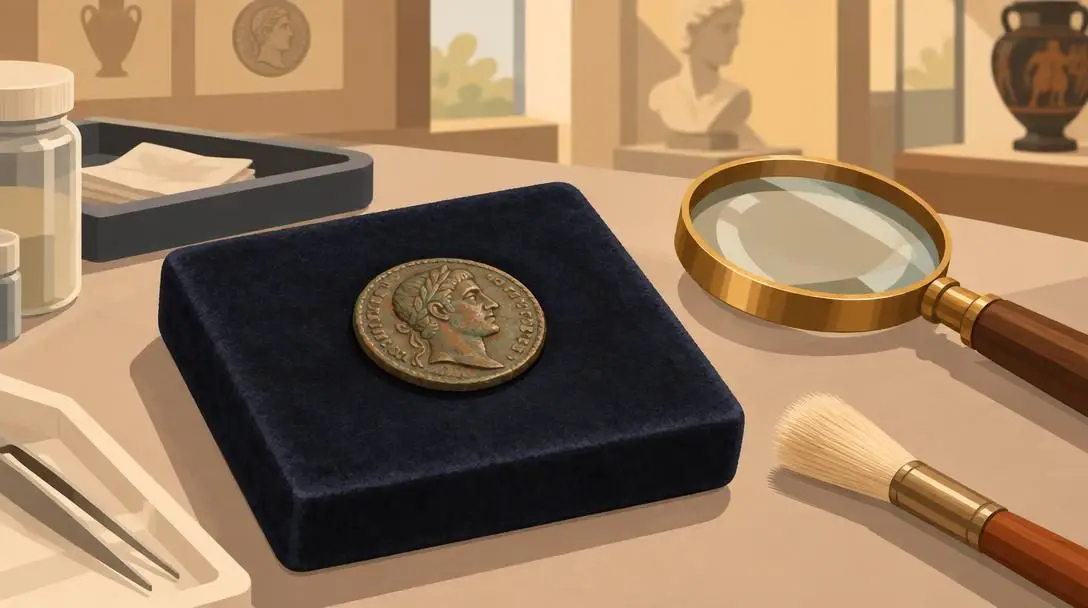
Dating back to the earliest traditions of collecting, ancient coins and unearthed archaeological items require an extraordinarily light touch. The historical value of these objects relies almost entirely on the fine relief of their stamped inscriptions, portraits, and mint marks. Using harsh chemical polishes or abrasive scrubbers will permanently erase these tiny details, transforming a historic treasure into a ruined disc of raw metal. Restorers must rely on high-grade magnifying glasses to inspect surfaces closely while carefully freeing dirt from intricate contours using gentle, non-destructive tools.
Antique Jewelry
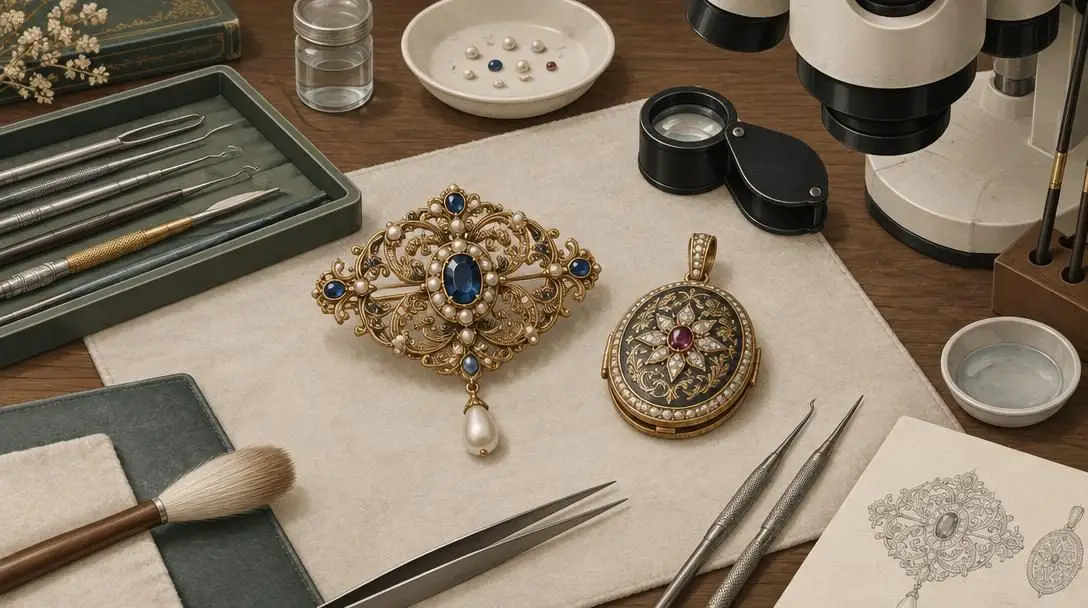
Like numismatic items, antique jewelry involves delicate metalwork, micro-engravings, and fragile gemstone settings that cannot withstand aggressive handling. The primary objective is to clean away decades of accumulated grime without scratching softer precious metals, bending intricate filigree, or dislodging miniature stones. Working under continuous magnification allows the restorer to monitor the tension of stone prongs and assess solder points safely. Chemical dips should be avoided, as harsh solvents can dissolve organic gems, weaken delicate fasteners, and ruin the soft, authentic glow developed over a century of wear.
Historical Wooden Furniture
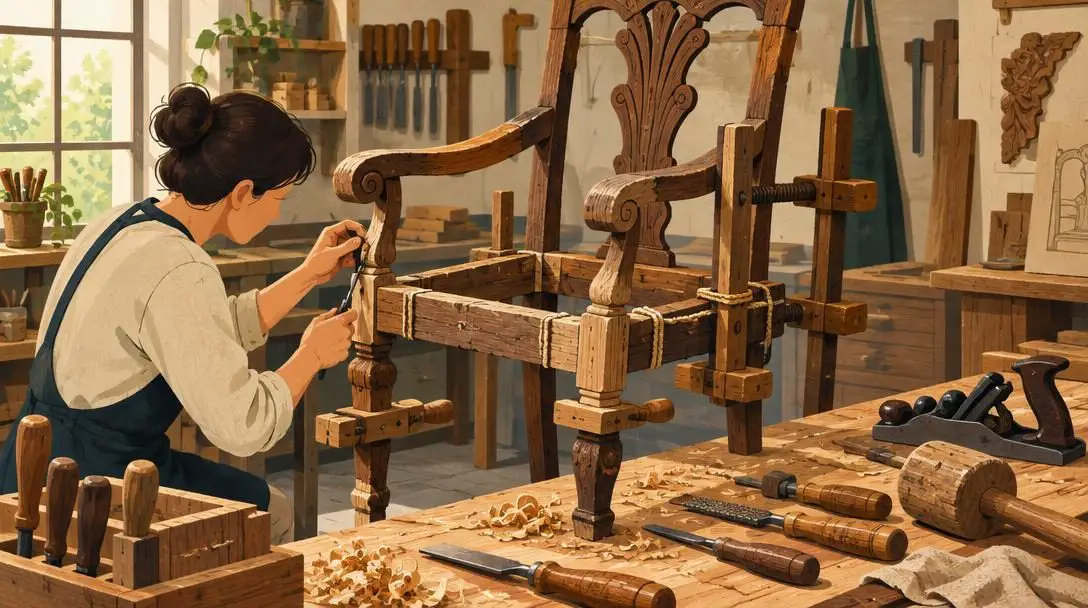
Restoring substantial furniture pieces, such as vintage cabinets, desks, and dining chairs, pivots on structural stability and joinery. Centuries of varying indoor humidity cause solid wood to shrink, warp, and crack, resulting in loose tenons and failing glue joints. When approaching large wooden items, break the task down into distinct stages: first secure the underlying structural skeleton, then address mechanical elements like drawer runners, and finish with surface conservation. Stripping an original finish should always remain a last resort; retaining the original topcoat through gentle cleaning preserves the piece's authentic patina and market appeal.
1920s Vintage Automobiles
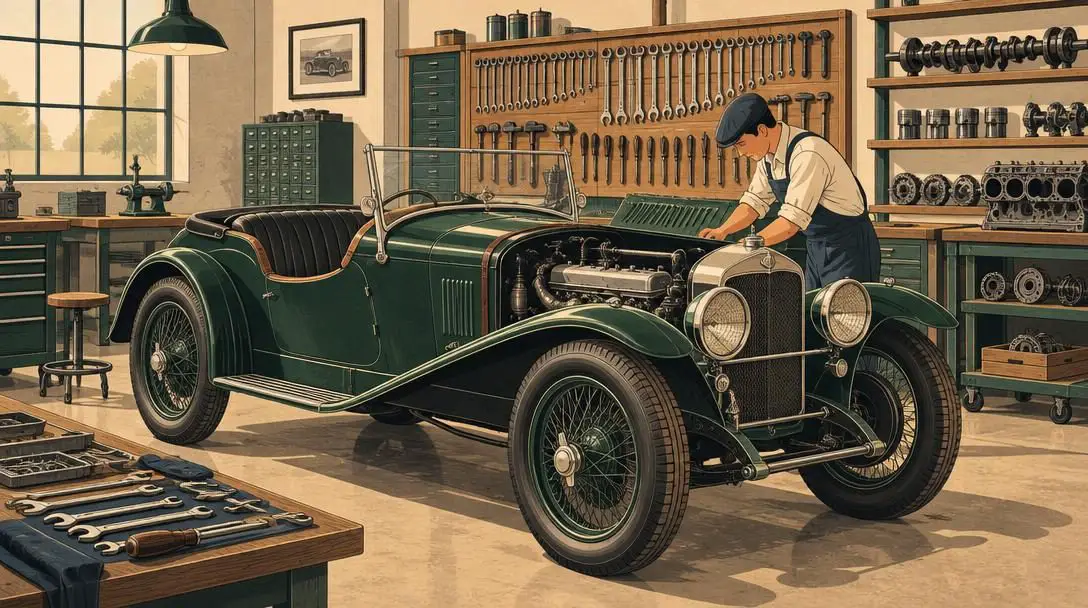
The restoration of early motorcars, particularly vehicles manufactured during the 1920s, represents one of the most intricate challenges a hobbyist can undertake. These machines integrate diverse disciplines: sheet metal fabrication, mechanical engine overhauls, vintage electrical wiring, and traditional upholstery trimming. To avoid becoming overwhelmed by the immense scope of a vintage car rebuild, operators must compartmentalize the restoration into smaller, organized subsystems. Tackling the chassis, braking components, powertrain, and cabin interior as separate, sequential modules ensures steady progress while keeping thousands of individual nuts, bolts, and custom fittings cataloged accurately.
Master Paintings
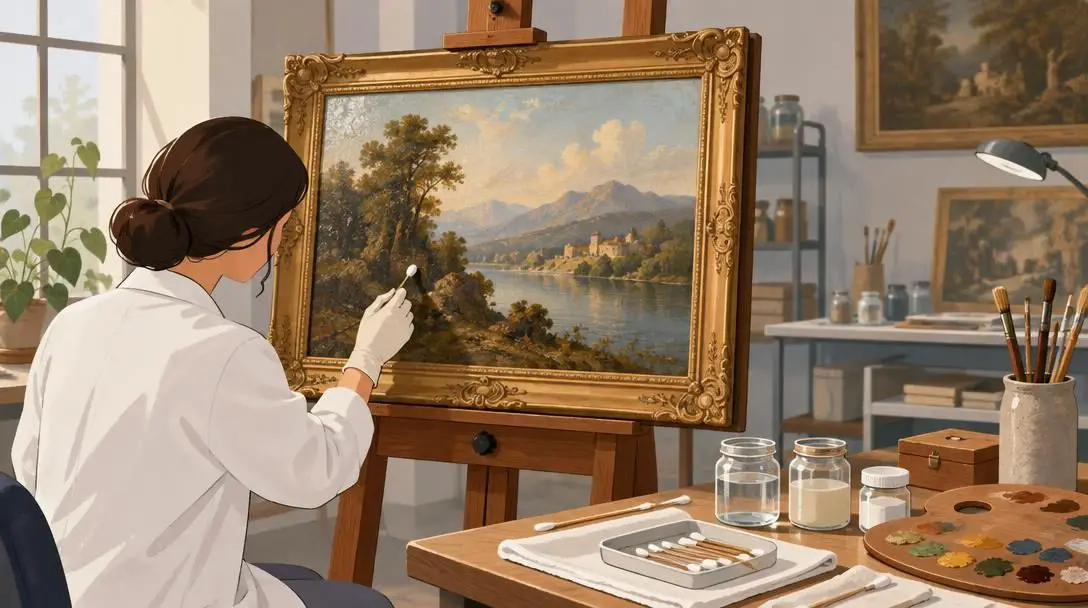
Preserved across generations, antique paintings crafted by earlier masters present distinct conservation hurdles due to their multi-layered composition. A single canvas consists of an underlying support, a priming ground, pigment binders, and aged protective varnish. Surface dirt, oxidized resin coatings, and canvas tears can compromise the artwork's integrity over time. Cleaning oil canvases requires specialized knowledge of solvent chemistry to ensure aged varnishes are lifted without dissolving the underlying historical pigments. Due to the high risk of catastrophic loss, cleaning and structural stabilization of rare canvases should be approached with extreme caution.
Common Mistakes That Risk Irreversible Damage
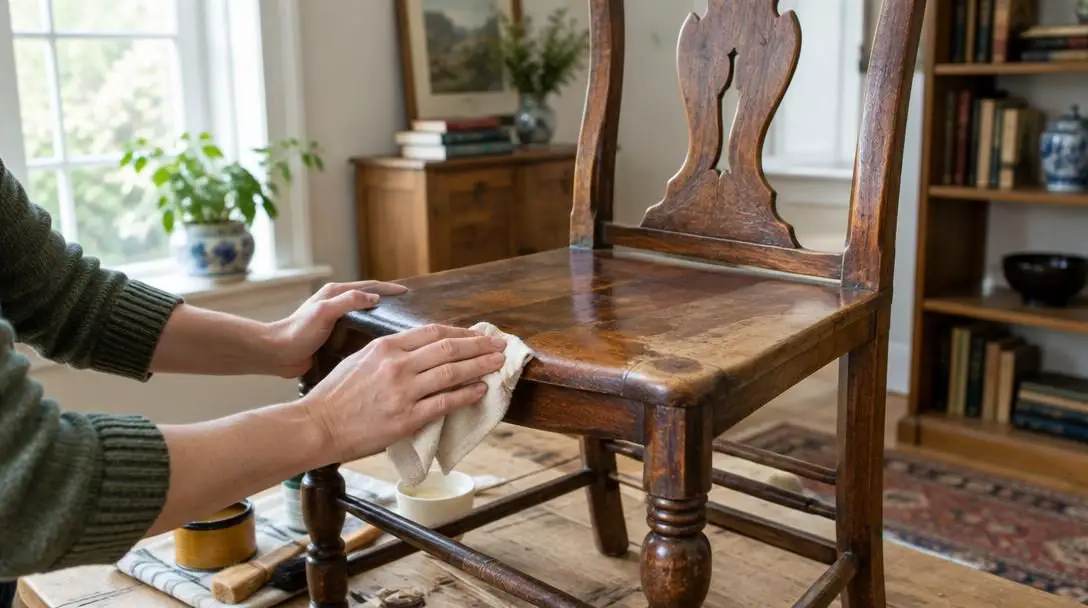
Restoring historic treasures is an exacting pursuit where unbridled enthusiasm without methodical discipline often produces irreversible damage. Being conscious of frequent missteps allows collectors to preserve their finds without compromising historical value.
- Rushing the Restoration Process: Treating restoration as a rapid weekend job causes careless slips, rounded screw heads, and damaged materials. High-grade restoration naturally requires months or years of patient work.
- Skipping Initial Research: Commencing physical intervention without uncovering an item's provenance and fabrication details results in incorrect replacement hardware, historically inaccurate finishes, and ruined authenticity.
- Attempting Complex Tasks Alone: Tackling severe structural fractures, casting rare alloys, or applying hazardous compounds without specialized training risks destroying valuable pieces permanently.
- Overlooking Fine Details on Miniature Relics: Attempting to clean or mend small collectibles like coins or jewelry without the help of magnifying glasses frequently leads to scratched surfaces and broken settings.
- Failing to Break Down Massive Endeavors: Viewing an expansive project—such as a 1920s car or a full bedroom furniture suite—as one giant task leads to disorganization, misplaced hardware, and unfinished projects.
- Working Through Physical and Mental Fatigue: Precision craftsmanship requires sharp visual concentration. Refusing to step away and take regular breaks increases the likelihood of accidental drops and slips.
Display Environment and Long-Term Preservation
Completing a restoration project is not the final step in historic preservation; the ongoing survival of an antique depends on the environment in which it is displayed. Placing a restored heirloom in an uncontrolled setting can undo months or years of painstaking restoration work in short order.
Sunlight is among the most damaging environmental threats to historical materials. Direct ultraviolet radiation fades delicate pigments on master paintings, breaks down organic jewelry elements, and bleaches antique timber finishes. Similarly, severe fluctuations in temperature and relative humidity cause wood to expand and contract, popping glued joints and cracking veneer. High humidity also encourages mold outbreaks and accelerates metal oxidation on vintage automobile parts and ancient coins. Enthusiasts must position restored pieces in climate-stable rooms, well away from heat registers, damp perimeter walls, and direct southern sunlight.
Finally, every restorer must cultivate an honest understanding of their personal limits. As you encounter increasingly rare or valuable pieces, you must determine whether a project is suitable for home hobby work or demands the specialized laboratory settings of museum conservators. Knowing when to step back and preserve an item in its current state until a trained professional can intervene is the ultimate hallmark of a conscientious antique collector.
Frequently asked questions
Does restoring an antique ruin its value?
Restoration ruins value only when done improperly. Aggressive cleaning, stripping original patinas, or installing incorrect modern hardware drastically lowers historical and financial worth. However, authentic, reversible restoration that stabilizes structural damage, halts active decay, and preserves original elements will protect and often enhance an item's value.
How can I tell if an antique needs a specialist rather than DIY repair?
If an item has significant monetary or historical rarity, possesses extensive structural failure, or involves delicate multi-layered materials like oil paintings and ancient artifacts, it should be examined by a specialist. When you lack the exact tools, specialized workshop space, or historical documentation required, professional conservation is the safest choice.
Why is magnifying equipment so critical for small collectibles?
Small collectibles like ancient coins, artifacts, and antique jewelry contain minute engravings, delicate hallmarks, and fragile stone settings. Using magnifying glasses prevents accidental scraping, helps you spot micro-fractures, and ensures you clean away grime without disturbing original surface details.
How long does a thorough restoration project typically take?
Project timelines vary widely based on scale, condition, and technical complexity. While minor cleaning and mechanical adjustment of small items may take several weeks of careful effort, comprehensive restorations of complex artifacts—such as 1920s motorcars or large historic furniture—routinely take many months or even years to complete properly.
What are the best indoor conditions for displaying restored heirlooms?
Restored collectibles should be displayed in climate-controlled environments with stable temperatures and moderate humidity. Keep items shielded from direct sunlight to avoid UV degradation, and position them safely away from radiators, drafty windows, air conditioning vents, and damp exterior walls.
The bottom line
Rediscovering and restoring antique collectibles is one of the most rewarding pursuits a history or craftsmanship enthusiast can undertake. By turning away from the modern throwaway mindset, restorers breathe new vitality into items that survived past centuries, keeping the accomplishments of earlier generations tangible and vibrant. Success does not rely on haste or modern shortcuts, but on diligent historical research, professional guidance, the right tools, and an unwavering respect for the original object. Approached with patience, restoration transforms neglected relics into treasured heirlooms that will endure for generations to come.