Preparing Your Child for School: Top 5 Essential Skills to Pass On
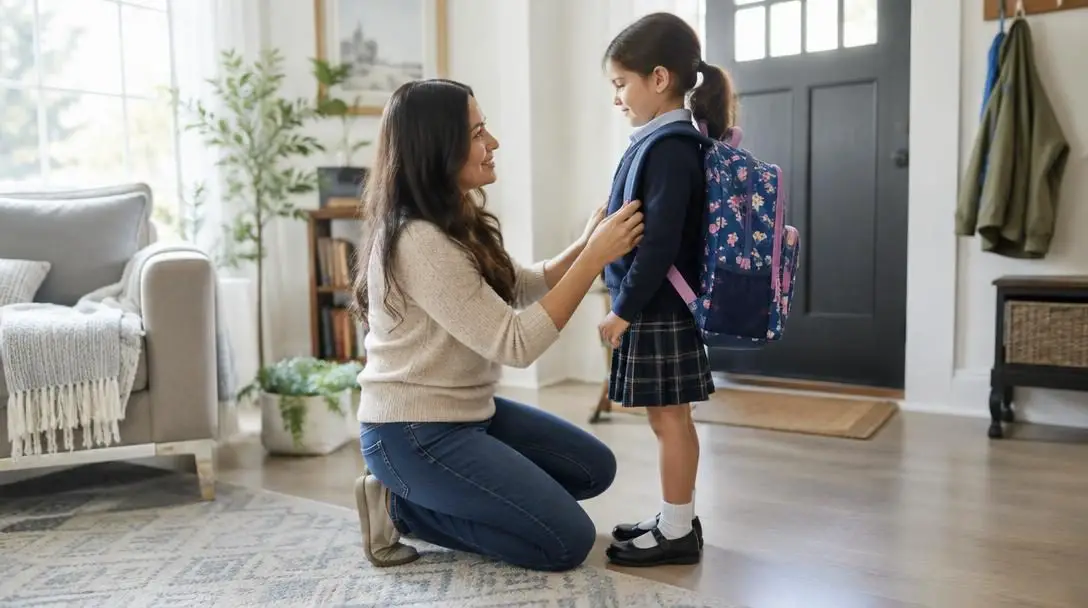
Entering the formal educational system represents one of the most substantial transformations in a young child's life. Until this pivotal milestone, a child's universe is anchored primarily within the familiar borders of home, immediate family members, and small-scale care environments. Crossing the schoolhouse threshold introduces an unfamiliar ecosystem governed by structured daily schedules, collective expectations, new peer networks, and external authority figures.
Because of this profound environmental shift, true readiness cannot be measured solely through academic benchmarks like reciting numbers or memorizing the alphabet. Instead, authentic preparation hinges on a balanced framework that unites emotional stability, social adaptability, physical coordination, and communicative confidence. By focusing on fundamental developmental pillars, families can construct a reliable foundation that equips children to navigate the social, physical, and intellectual landscape of the modern classroom.
Key takeaways
- School readiness depends on a balanced foundation of social, emotional, motor, and communicative competence rather than isolated academic metrics.
- Developing strong self-regulation and everyday independence allows children to handle classroom routines without requiring constant, one-on-one adult intervention.
- Physical motor development directly drives academic endurance, desk posture, and practical self-care throughout the school day.
- Daily household routines and open-ended exploratory play cultivate cognitive agility far more effectively than repetitive flashcard drills.
- Familiarizing children with campus layouts and classroom spaces in advance eases anxiety and turns the unknown into eager anticipation.
School readiness pillars at a glance
| Skill Domain | Primary Classroom Impact | Essential At-Home Activity | Key Developmental Focus |
|---|---|---|---|
| Language and Communication | Expressing physical needs and comprehending multi-step instructions | Interactive reading, shared storytelling, and reciprocal conversations | Receptive listening and expressive clarity |
| Social Skills | Collaborating on group projects and sharing communal materials | Playground trips, peer playdates, and collaborative games | Cooperation, empathy, and conflict resolution |
| Self-Regulation and Independence | Maintaining focus and organizing personal belongings independently | Self-dressing routines and assigned household responsibilities | Emotional composure and personal accountability |
| Motor Skills | Handling writing instruments, using scissors, and managing playground games | Crafting with safety scissors, modeling clay, running, and climbing | Fine-finger dexterity and gross-motor stamina |
| Cognitive Skills | Absorbing new concepts, recognizing patterns, and solving problems | Memory puzzles, kitchen measurements, and open-ended curiosity prompts | Inquiry, analytical reasoning, and working memory |
The five essential skills to pass on
Preparing a child for the demands of kindergarten or primary school involves intentional guidance across multiple facets of early development. Rather than treating preparation as a high-stress academic sprint, parents and caregivers can nurture five core competencies through purposeful daily interactions.
Language and Communication Skills
Clear and confident expression serves as the bedrock of a child's entire educational journey. Within a buzzing classroom, children must regularly articulate urgent physical needs, seek clarification when lessons are confusing, contribute original concepts during group discussions, and listen attentively to multi-step instructions from teachers. When communicative capability is nurtured early, children enter the classroom equipped to build peer relationships and navigate instruction with minimal frustration.
Caregivers can cultivate these competencies through steady, responsive interaction from an early age:
- Engage in daily, back-and-forth dialogue about everyday events to expand functional vocabulary and teach conversational cadence.
- Read together frequently, pausing to reflect on story progression and character decisions.
- Sing songs and recite nursery rhymes to develop auditory memory and phonetic awareness.
- Provide open-ended creative outlets like drawing and painting, allowing children to express thoughts, feelings, and personal narratives visually when words fall short.
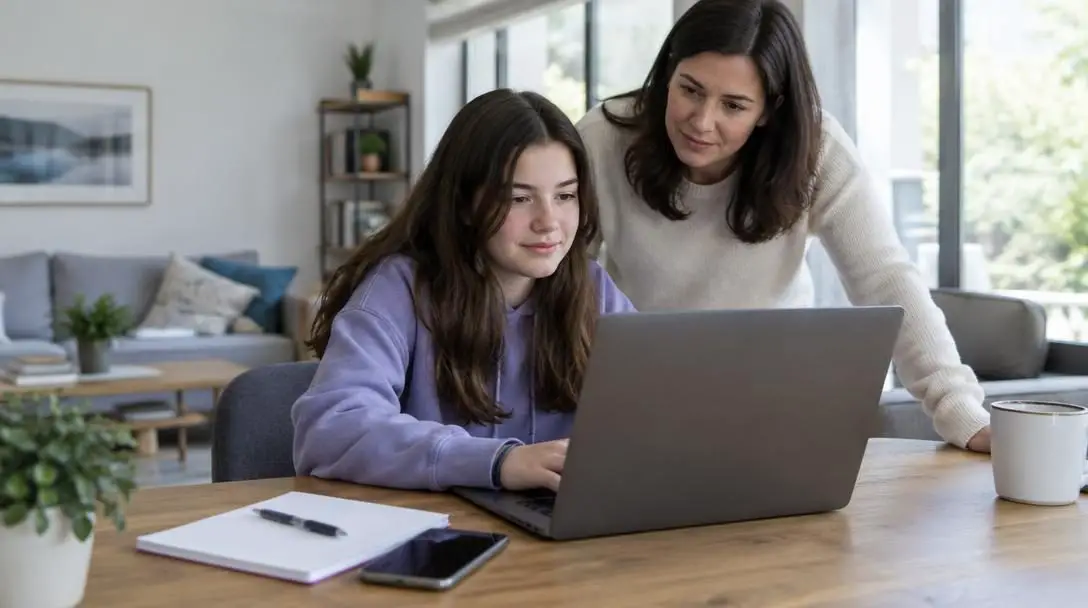
- Utilize supportive technological tools such as educational apps, audiobooks, and specialized online resources with caregiver involvement to reinforce listening stamina and comprehension.
Social Skills
Classrooms are inherently social ecosystems where children must coordinate with diverse peers, negotiate shared materials, and navigate differences in temperament and communication styles. Being able to work harmoniously in a group setting enables a child to thrive socially while keeping classroom disruptions to a minimum. A child who struggles to share or take turns can quickly become alienated, which creates emotional stress that deters active learning.
To cultivate robust social fluency, children require both guided exposure to other children and strong observational examples from the adults in their lives:
- Arrange regular playdates, enroll children in youth sports, or organize group outings that require peer collaboration.
- Visit public playgrounds regularly to provide an open setting for turn-taking, cooperation, and conflict resolution over shared equipment.
- Model considerate behaviors within the home, demonstrating patience, empathetic listening, and gentle speech during adult interactions.
- Demonstrate constructive conflict resolution by settling disagreements through calm conversation rather than agitation.
Self-Regulation and Independence
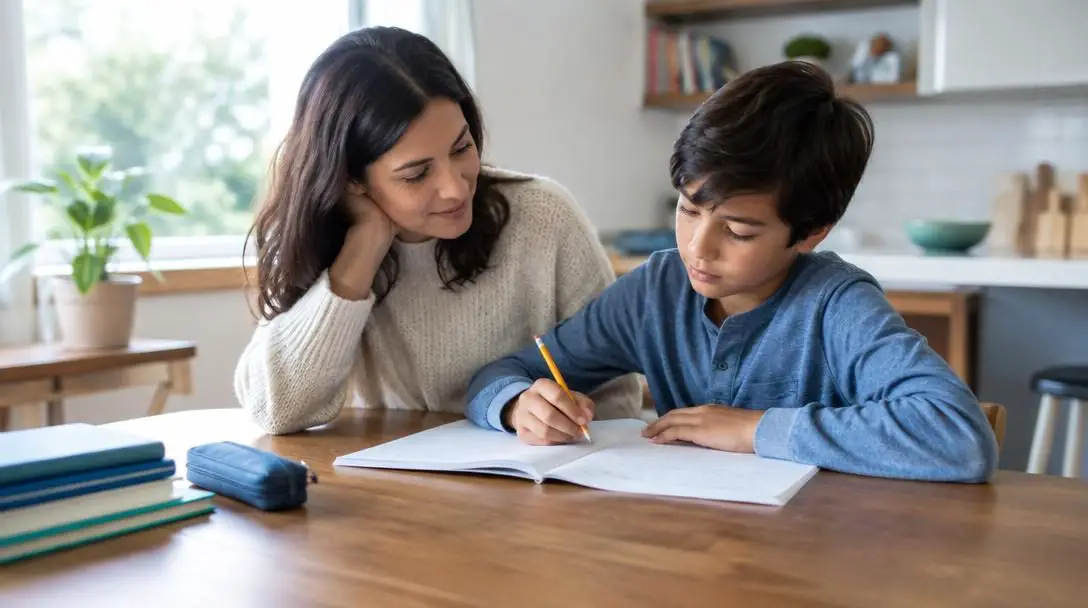
In a classroom where a single educator manages dozens of learners, an individual student must be able to navigate daily routines without constant, hand-held intervention. School requires children to focus on assigned tasks, follow group directives, manage personal belongings, and cope with inevitable delays or minor frustrations. Developing emotional self-control alongside basic personal autonomy gives children the internal stability needed to handle these demands.
Parents and caregivers can nurture personal responsibility and emotional balance through targeted routines:
- Assign age-appropriate decisions, such as picking out daily clothing or choosing items for a packed lunch, to demonstrate that personal choices carry meaningful outcomes.
- Introduce progressively complex responsibilities over time, including personal workspace organization or homework schedules.
- Model emotional coping strategies openly, such as practicing deep breathing or relaxation techniques when encountering stressful situations.
- Demonstrate how to deconstruct large, overwhelming tasks into small, manageable actions to prevent anxiety and build persistence.
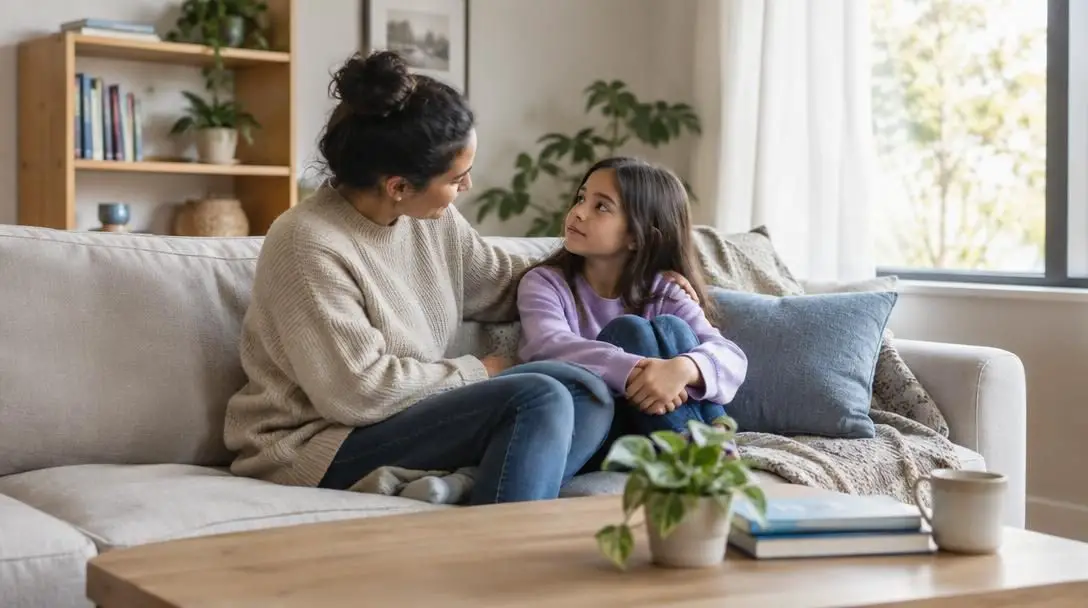
Developing emotional self-control alongside basic personal autonomy gives children the internal stability needed to handle the demands of a busy classroom.
Motor Skills
A child's physical development directly influences their capacity to engage with the school day. Motor competence is divided into gross motor capabilities, which depend on large muscle groups, and fine motor abilities, which govern delicate, precise hand movements. Gross motor coordination powers outdoor play during recess and promotes upright posture while seated at a desk. Fine motor control dictates whether a child can handle writing instruments, manipulate scissors, fasten clothing, or open lunch containers.
Developing both motor domains requires diverse physical play and hands-on crafting:
- Encourage whole-body physical activities including running, jumping, balancing, dancing, and recreational sports to build core strength and spatial awareness.
- Set up crafting stations equipped with drawing, coloring, and painting tools to develop hand stability.
- Introduce tactile materials such as safety scissors, paste, modeling clay, and threading beads to strengthen the intrinsic muscles of the fingers and hands.
- Practice everyday functional movements, such as buttoning coats and manipulating zippers, to build finger dexterity for school tasks.
Cognitive Skills
Cognitive readiness encompasses problem-solving, critical evaluation, pattern recognition, and memory retention. These mental faculties allow children to absorb academic content, remember classroom guidelines, draw parallels between separate ideas, and apply past knowledge to unfamiliar situations. Fostering active intellectual curiosity transforms passive instruction into meaningful learning.
Caregivers can stimulate cognitive growth by incorporating exploratory activities into the family environment:
- Share informative books and engage in open-ended questioning that prompts the child to speculate and hypothesize.
- Play structured educational games, including memory match, puzzles, and basic card games, to hone focus and analytical thinking.
- Conduct simple hands-on science experiments or kitchen cooking projects that make abstract ideas tangible and memorable.
- Encourage children to ask "why" questions freely and guide them toward discovering the answers through their own reasoning.
How school readiness works as an interconnected system
These five core developmental competencies do not operate as isolated units; instead, they function as an interconnected system. The mastery of one competency directly empowers and stabilizes the others throughout a standard school day:
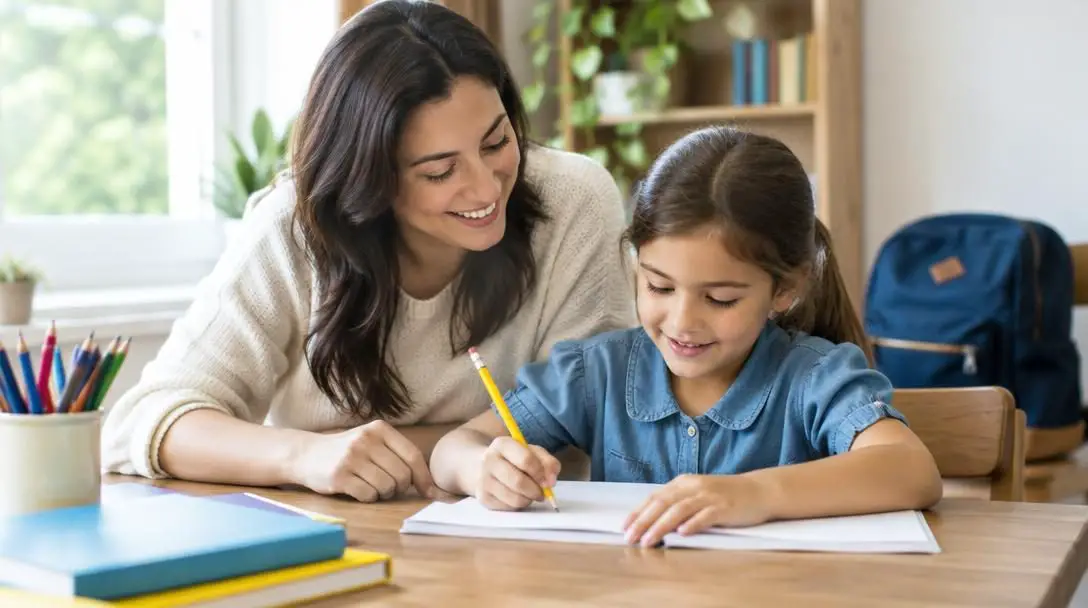
- Communication and Social Synergy: Language serves as the bridge for interpersonal connection. A child who can clearly speak their boundaries and desires avoids physical outbursts, allowing for productive negotiations and lasting friendships.
- Self-Regulation and Cognitive Performance: Emotional dysregulation blocks cognitive processing. When a child possesses the internal tools to sit quietly, wait their turn, and manage stress, their brain remains receptive to absorbing and retaining instructional lessons.
- Motor Mastery and Classroom Confidence: Underdeveloped fine motor skills turn simple assignments—such as cutting with safety scissors or writing letters—into physically exhausting chores. Physical ease frees up mental energy for creative thought and academic focus.
- Confidence Through Independence: Children who manage their personal gear and dress themselves move through the school environment with minimal stress, leaving them free to focus on peer collaboration and intellectual exploration.
Practical steps to cultivate essential skills at home
Cultivating readiness does not require formal classroom equipment or rigid academic drills at home. Meaningful preparation occurs naturally within everyday family routines when caregivers intentionally practice essential skills:
- Build Conversational Routines: Carve out dedicated, distraction-free moments each day to discuss daily events. Ask open-ended questions that require detailed explanations, sing nursery rhymes during commutes, and pause during read-aloud sessions to wonder aloud about story plots.
- Facilitate Regular Peer Interaction: Schedule trips to parks or arrange playdates where children encounter the social mechanics of sharing swings, toys, and space with other children.
- Assign Everyday Household Responsibilities: Integrate children into real domestic duties. Ask them to set out their clothes the night before, stow their shoes, return toys to bins, and wipe down tables following craft sessions.
- Incorporate Daily Physical and Creative Play: Alternate between whole-body movement—such as dancing, curb-balancing, and climbing—and focused table crafts that involve cutting, drawing, and manipulating clay.
- Stimulate Curiosity and Hands-On Thinking: Turn ordinary routines into problem-solving moments. Invite children into basic baking measurements, play pattern-recognition games, and prompt them to think through solutions to daily challenges.
- Practice Calming Strategies Together: Teach actionable calming rituals before intense emotional breakdowns occur. Model techniques like slow deep breathing—such as pretending to blow out birthday candles—so children have a practiced coping tool when overwhelmed.
Common mistakes to avoid during school preparation
Well-meaning efforts to prepare a child can sometimes backfire if caregivers focus on the wrong priorities. Avoiding these common missteps preserves a child's natural enthusiasm for school while reducing household friction:
- Focusing Solely on Academic Drills: Overemphasizing flashcards, worksheet drills, and rote memorization of letters and numbers neglects the social, physical, and emotional skills essential for navigating the school day.
- Doing Everything for the Child: Stepping in to tie shoes, fasten buttons, carry backpacks, and clear away messes out of convenience denies children the hands-on practice needed to build functional self-reliance.
- Ignoring Emotional and Sensory Overload: Expecting unguided emotional maturity from young children sets them up for distress. Penalizing tantrums without teaching self-regulation tools like deep breathing leaves them unable to handle classroom stress.
- Overusing Screen-Based Learning: Digital tools and applications cannot replace tactile material exploration, physical gross motor play, and spontaneous, real-time human conversation.
- Treating Preparation as a High-Pressure Task: Turning school preparation into a demanding, rigid regime creates anticipatory dread and anxiety instead of curiosity and eagerness.
What to consider next: environmental familiarity
As the first day of school approaches, logistical and environmental preparation can help make the transition smooth and reassuring for young children. Familiarizing a child with their new physical surroundings removes much of the anxiety tied to the unknown.
Whenever possible, participate in scheduled school tours, open house events, and campus orientations. Walking through the hallways, locating the restrooms, meeting classroom educators, and exploring the school playground creates clear mental landmarks. Having a concrete mental picture of their future school day gives children a tangible, comforting framework, transforming anxiety about the unknown into genuine anticipation.
Frequently asked questions
Should my child know how to read before starting kindergarten or primary school?
Early reading is not the sole benchmark for readiness. Cultivating strong spoken language, active listening, story comprehension, and phonetic awareness through rhymes and shared reading provides the developmental foundation needed for formal literacy instruction.
How can I tell if my child has sufficient fine motor control for school?
Look at daily functional tasks. If your child can hold crayons, use safety scissors to cut paper, manipulate buttons or zippers, and open snack packaging without constant help, their fine motor control is developing on track for typical classroom activities.
What should I do if my child struggles with separation anxiety or emotional breakdowns?
Introduce proactive calming strategies, such as deep breathing exercises like pretending to blow out birthday candles, well before stressful moments occur. Building small routines of independence and visiting the school campus beforehand will also reduce anticipatory fear.
Are educational apps useful for school readiness?
Educational apps, audiobooks, and specialized online resources can reinforce listening stamina and comprehension when used with caregiver involvement. However, digital screens should complement—never replace—tactile crafts, outdoor gross motor play, and real-time social conversations.
Why is personal independence so critical in a classroom setting?
In a classroom where a single teacher oversees many students, children who can independently manage their personal gear, clothing, and workspace experience far less daily stress and can dedicate their energy to learning and socializing.
The bottom line
Preparing a young learner for school is an ongoing journey of gradual empowerment rather than a high-stakes test. Academic milestones like counting and letter recognition have their place, but a child's true resilience in the classroom stems from communicative clarity, emotional equilibrium, physical coordination, and social empathy.
By folding small responsibilities, shared conversations, sensory play, and calming exercises into ordinary family life, parents build the foundational confidence children need to flourish. When paired with campus orientations and supportive encouragement, these five core pillars ensure that children walk through the schoolhouse doors curious, capable, and ready to thrive.