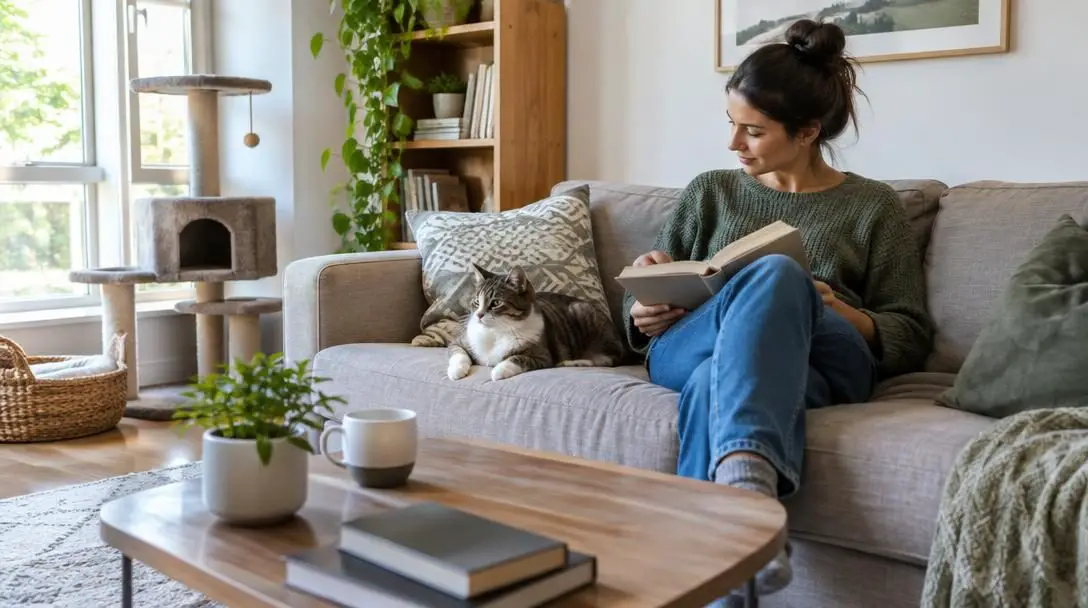
Setting Up An Indoor Territory For Your Pet
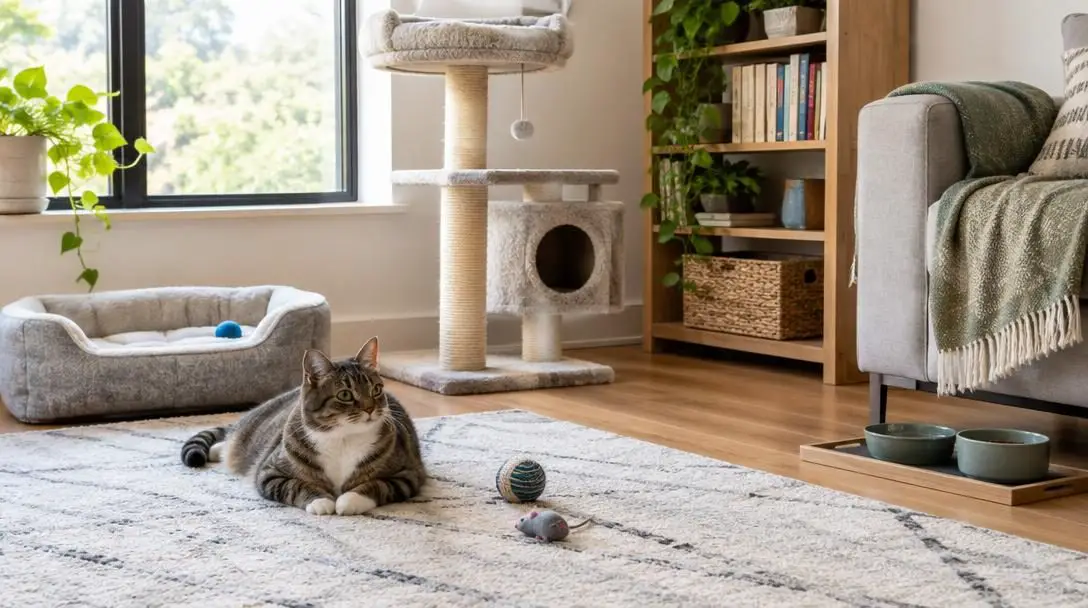
Every domesticated animal benefits from having a predictable, designated environment inside the house. Pets need their own space in your home where they can feel safe and comfortable, and you can keep your living space clean and organized. Creating an indoor territory for your pet is an excellent solution for achieving both of these goals simultaneously. By setting clear physical zones, you can balance your animal companion's behavioral needs with your own requirements for an orderly, sanitary household.
Whether you are bringing home a new companion or looking to restore order to a shared living space, tailoring an environment specifically to your pet provides lasting advantages for everyone under your roof. Rather than restricting an animal, a dedicated indoor zone provides a reliable anchor where expectations are transparent, helping to eliminate daily stress for pets and pet owners alike.
Key takeaways
- Dedicated indoor territories give pets a predictable sanctuary while keeping shared human living areas tidy and hygienic.
- Physical barriers like gates and visual markers like rugs create clear spatial boundaries that animals learn to respect.
- Choosing the appropriate space and bedding based on your pet's size and breed prevents behavioral frustration.
- Regular washing of bedding and toys alongside prompt accident cleanup prevents stubborn household odors from setting in.
- Territories should always remain positive comfort zones and must never be substituted for daily interaction and shared family time.
The Importance of Dedicated Indoor Zones
Domestic pets rely heavily on predictability in their daily surroundings. In a shared home, pets often encounter shifting dynamics, such as moving furniture, constant foot traffic, noisy household appliances, and visitors entering and leaving at different hours. Without a space that belongs distinctly to them, animals may feel overwhelmed, unsure of where they are allowed to rest, play, or retreat when the house becomes busy. Having a dedicated territory gives them a permanent base where expectations are clear and their scent remains established.
For pet owners, an unmanaged home frequently leads to clutter, stray fur across every piece of upholstery, and accidental messes in hard-to-clean spots. Creating an indoor territory solves both sides of this equation. It provides the animal with a dependable safe haven while allowing the human household to preserve order, protect fragile rooms, and maintain higher sanitation standards. A well-planned pet zone is not an isolation area, but rather a central hub that supports peaceful coexistence between humans and animals.
A dedicated indoor territory is not an isolation zone, but a central sanctuary that makes peaceful coexistence possible between pets and humans.
How Pet Territories Function
An indoor pet territory operates on spatial cues, predictable routines, and environmental containment. Rather than allowing free reign over every corner of the house, an established zone creates clear functional separation. Understanding how these elements work together will help you build an environment that your pet naturally respects and enjoys using over the long term.
Physical boundaries signal to your pet where their zone begins and ends. When these boundaries are consistent, the animal learns where it is welcome to settle down, chew toys, or stretch out. This structural clarity reduces the friction that often occurs when an owner constantly redirects an animal away from off-limits items or rooms.
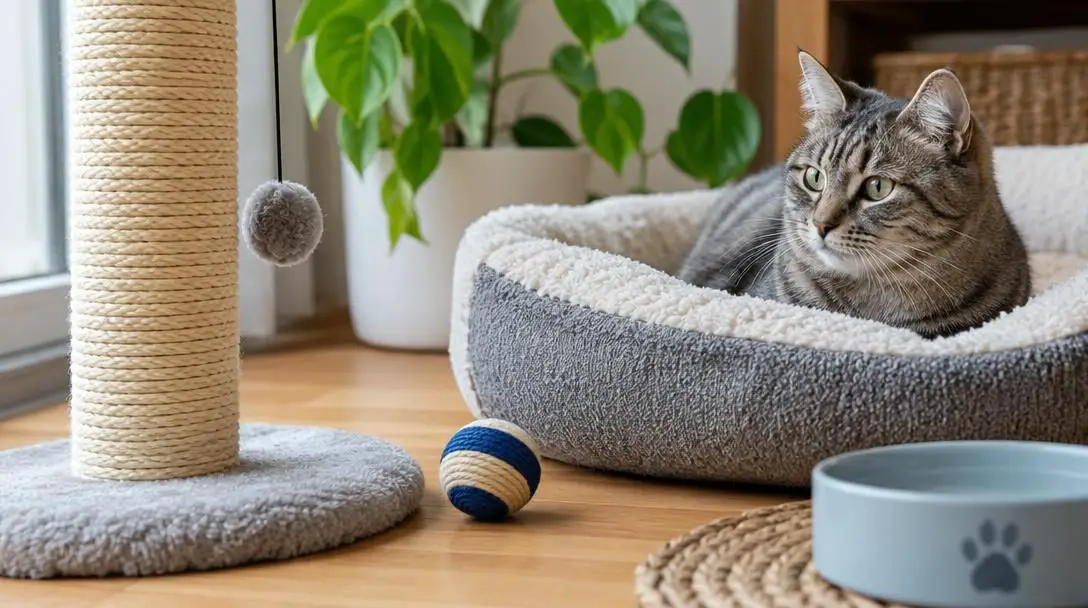
At the same time, the territory functions as an authentic comfort zone. By concentrating comfortable bedding, familiar toys, and predictable resources within this area, the animal builds positive associations with the space. Instead of viewing the designated territory as a restriction, the pet treats it as their personal sanctuary where they can unwind without interference from daily household activity.
Step-by-Step Guide to Establishing the Territory
Creating an indoor territory requires thoughtful planning, the right supplies, and consistent enforcement. Following a clear sequence of steps ensures that the space meets the needs of your household and accommodates your animal's unique habits.
- Choose the right space: Evaluate your home's layout alongside the size and breed of your pet. A smaller animal may thrive in an enclosed section of a living room or kitchen, whereas a large breed dog or multiple pets may require an entire dedicated room or a divided sector within a spacious living area.
- Create clear boundaries: Install baby gates or structural barriers to close off non-pet zones, such as kitchens or bathrooms. Use area rugs, runners, or existing room furniture to establish unmistakable visual and physical edges that mark the perimeter of the territory.
- Provide comfortable accommodations: Outfit the territory with resting materials tailored to your animal's build, including a cozy bed, plush blankets, and a rotation of stimulating toys and healthy treats that make the zone inviting.
- Establish a routine for upkeep: Store cleaning supplies near the designated zone so you can address dirt, shed fur, and spills immediately. Schedule regular washing sessions for fabrics and toys to preserve hygiene.
- Integrate shared family time: Reserve designated periods every day to bring your pet outside their territory for playtime, training, and cuddles, reinforcing that their territory is a restful base rather than a tool for permanent isolation.
Tailoring Accommodations to Animal Profiles
When selecting items for your pet's space, match the materials and layout to the specific characteristics of your pet. Larger animals need supportive, dense bedding that cushions their weight and joints, while smaller animals may prefer plush beds with raised sides where they can nest and feel protected. The toys you provide should also align with the breed and activity level of the pet. Animals left alone without mental stimulation may resort to destructive habits, but rotating engaging toys and healthy treats encourages them to direct chewing toward appropriate objects within their own zone.
| Household Profile | Recommended Space Allocation | Boundary Configuration | Accommodations & Flooring |
|---|---|---|---|
| Small Dog or Single Pet | Section of the living room or kitchen | Low-profile gates, rugs, or furniture borders | Plush nesting beds with raised walls; non-slip washable mats |
| Large Breed Dog | Entire dedicated room or expansive open zone | Sturdy full-height gates and rigid room dividers | Dense, supportive joint-cushioning beds; heavy-duty protective floor pads |
| Multi-Pet Household | Full room or partitioned multi-zone living area | Internal room dividers creating independent mini-zones | Multiple separate resting beds, duplicate enrichment toys, and moisture barriers |
Maintaining Cleanliness and Hygiene
A clean environment is critical for maintaining an indoor territory. Because pets spend significant time sleeping and playing in their dedicated area, biological debris accumulates rapidly if left unchecked. A structured maintenance schedule keeps the area sanitary and prevents lingering household odors from spreading through the rest of your home.
- Bedding care: Wash blankets and removable bed covers regularly in hot water using pet-safe detergent. This removes embedded dander, dust mites, and shed fur, preserving freshness and easing allergic burdens on the family.
- Toy hygiene: Wash chew toys, plush items, and puzzle feeders on a predictable schedule. Hard rubber and plastic items wash clean with warm, soapy water, while cloth fabrics should be cycled through the washing machine.
- Flooring upkeep: Sweep or vacuum the floor around the territory frequently to control shedding. Quick daily sweeping prevents loose hair from drifting into surrounding, off-limits rooms.
- Immediate accident management: If an accident occurs, it must be neutralized immediately. Letting urine or waste sit leads to persistent stains and lingering scents, which may entice the pet to soil the area again.
Common Mistakes to Avoid
While establishing an indoor space is straightforward, pet owners frequently make missteps that compromise the effectiveness of the territory. Recognizing these potential errors will save time and prevent behavioral setbacks.
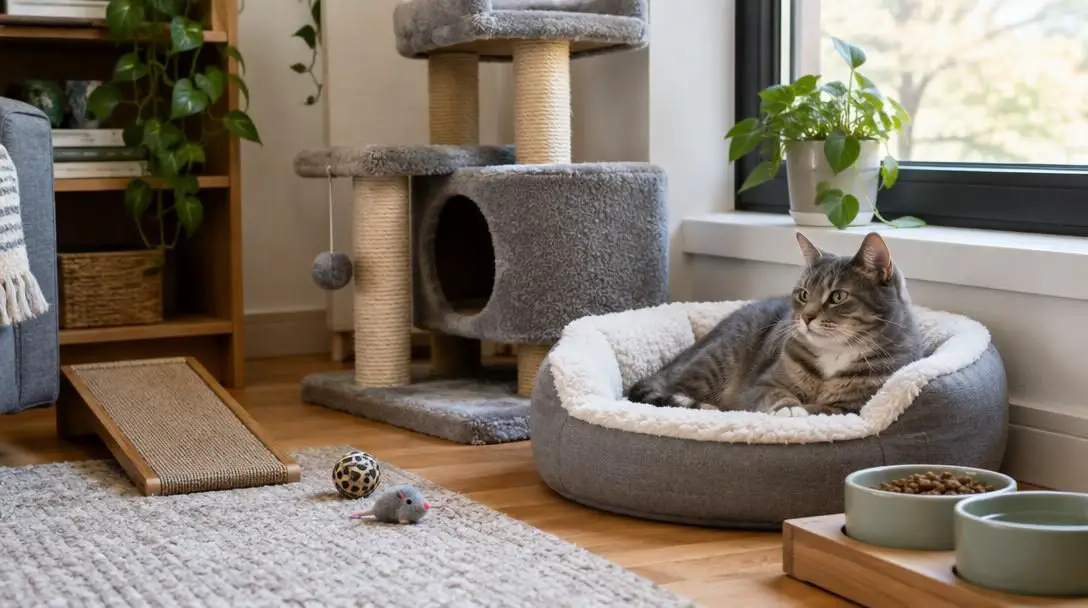
- Underestimating space requirements: Choosing an area that is too cramped for the pet's size or breed causes frustration. A large dog squeezed into an undersized corner will constantly seek opportunities to leave. Ensure the animal can stand, turn around, stretch out fully, and access its bed and toys without feeling trapped.
- Inconsistent boundary enforcement: Allowing the pet into restricted areas one day and blocking them off the next creates confusion. If a gate is meant to keep a pet out of the kitchen or bathroom, keep it closed consistently until the pet learns the rule.
- Using the territory exclusively as punishment: If the area becomes associated with anger, scolding, or timeout discipline, the pet will actively resist entering it. The territory should always remain a positive, relaxing space.
- Neglecting deep cleaning: Allowing fur and debris to build up leads to noticeable odors and unhygienic conditions. Waiting until the territory looks filthy before cleaning makes upkeep much harder and shortens the lifespan of beds and barriers.
- Replacing companionship with isolation: Relying entirely on the territory to manage a pet can damage the human-animal bond. An indoor territory is meant to keep the home clean and the pet comfortable, but it cannot substitute for daily interaction, active play, and cuddle time outside the zone.
Adapting the Territory Across Life Stages
Animal care requirements change over time, and an indoor territory must evolve alongside your companion. Monitoring how your pet interacts with the space will help you make timely adjustments as they mature from energetic youngsters into older animals.
A puppy or kitten will outgrow its initial setup quickly. As young animals increase in physical size, their bedding, dividers, and barrier gates may need to be expanded, heightened, or moved into a larger room. Similarly, their energy levels will change, requiring updates to the types of toys and activities you place in their zone to prevent boredom and destructive chewing.
Senior pets also require periodic reassessments. Older animals may experience reduced mobility, making high barriers difficult to step over or slick flooring dangerous to navigate. Transitioning to orthopedic bedding, lowering physical gate thresholds, and adding non-slip rugs can ensure that the space remains safe and accessible throughout their later years.
Frequently asked questions
Where is the best place to set up my pet's territory?
The ideal location depends on your pet's size, breed, and your home's layout. Small pets often do well in a designated section of the living room or kitchen, while larger dogs or multiple animals typically need an entire room or a section divided off with sturdy barriers.
How can I keep my pet out of the kitchen and bathroom?
Install secure physical barriers, such as baby gates, at the entrances to off-limits rooms. Keeping gates consistently closed ensures your pet clearly understands where their territory ends and where restricted zones begin.
Can I send my pet to their territory for a timeout?
No, you should never use the indoor territory exclusively as a punishment area. If your pet associates the zone with scolding or frustration, they will resist spending time there. The area should always feel like an inviting, safe haven.
How often should I clean the territory's bedding and flooring?
Floors should be swept or vacuumed frequently to prevent hair from migrating to other rooms. Bedding and toys should be washed regularly in hot water with pet-safe soap, and any accidental messes must be cleaned up immediately to eliminate lingering scents.
Will an indoor territory cause my pet to feel neglected?
Not if you balance independent rest with regular connection. The territory should serve as a resting base, but you must schedule daily playtime, training, and cuddles outside the space to keep your pet happy and reinforce your bond.
The Bottom Line
Setting up an indoor territory for your pet is an effective way to balance an animal's natural need for security with your own standards for household cleanliness and order. By choosing a space that matches your pet's size, installing reliable physical barriers, providing supportive bedding, and maintaining a strict hygiene routine, you create an inviting retreat that benefits the entire household. Remember to adapt the space as your companion ages, and always complement their personal zone with daily love, play, and attention outside its borders.