
The 5 Worst Major Airports in the United States
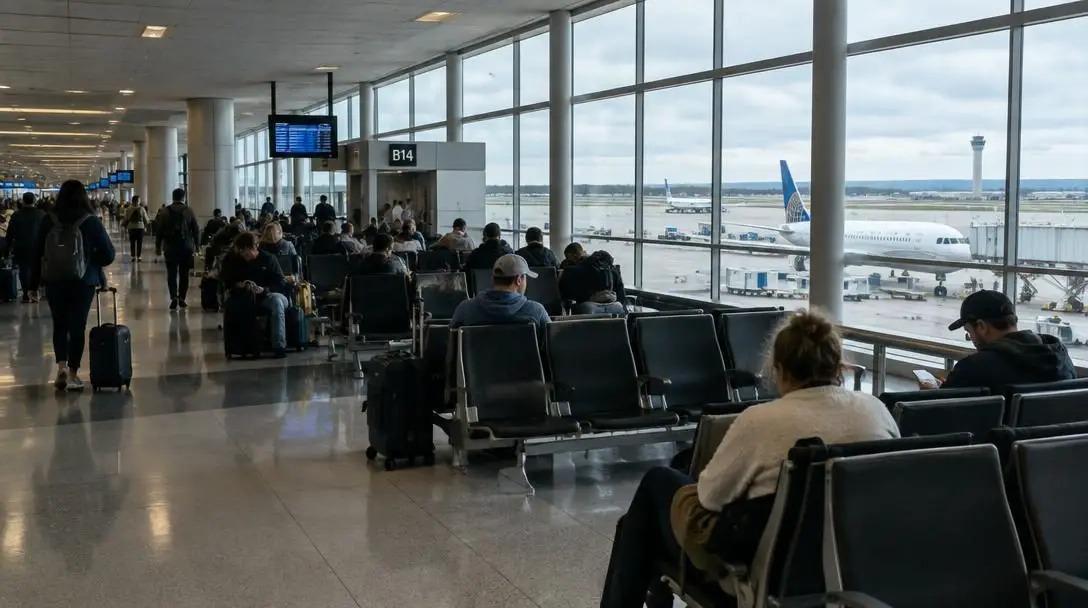
Navigating commercial aviation in the United States often feels like an exercise in endurance. While every flyer hopes for a smooth itinerary with clear pathways and on-time departures, certain transit hubs consistently test passenger patience through a grueling combination of outdated infrastructure, geographic bottlenecks, and severe terminal congestion.
To understand why specific facilities routinely rank among the most frustrating in the country, one must look beneath surface inconveniences to the structural realities of modern aviation. When fixed physical footprints designed for mid-twentieth-century air traffic collide with surging modern passenger volumes, systemic delays, difficult transfers, and degraded customer experiences become inevitable.
Key takeaways
- Severe flight disruptions are rarely isolated incidents; they stem from interconnected operational bottlenecks including ground holds, aircraft turnaround delays, and federal crew duty hour limits.
- Airports hemmed in by water and urban development face acute modernization hurdles that force travelers through confusing, multi-phase temporary concourses.
- Campuses built with disconnected terminals force passengers exiting secure areas to board roadway shuttle buses and endure redundant security screenings.
- Vast mega-hubs ease land constraints but introduce substantial physical friction, requiring long treks between gates and vulnerability to regional weather patterns.
The structural roots of airport friction
Commercial aviation facilities are fundamentally fixed physical assets engineered around historical passenger counts. Over recent decades, passenger volumes have surged well past initial terminal capacities. When an airport cannot readily expand due to surrounding waterways, dense urban residential zones, or natural terrain barriers, terminal interiors inevitably suffer from severe passenger density, worn physical infrastructure, and compromised foot traffic flow.
The geographic layout of an airfield dictates how it handles modern traffic pressures:
- Constrained urban footprints: Compact facilities bounded by water and housing must execute major structural overhauls directly within an active airfield, producing maze-like temporary detours for travelers.
- Segmented multi-terminal campuses: Modular facilities built in isolated blocks along central access loops frequently separate terminals, creating severe ground-side traffic jams and preventing seamless airside transfers.
- Vast geographic mega-hubs: Sprawling airfields possess ample acreage but stretch connecting gates miles apart, overloading baggage routing equipment, terminal trams, and centralized security checkpoints.
At a glance: The nation's most challenging major hubs
| Airport | Primary Layout Challenge | Primary Delay Catalyst | Passenger Impact |
|---|---|---|---|
| LaGuardia Airport | Constrained urban acreage bordered by waterways | Airfield congestion and crew duty limits | Maze-like detours and high departure delay rates |
| Los Angeles International | Segmented terminals along a central vehicle loop | Ground-side roadway gridlock and landside transfers | Redundant security checks and shuttle bus transfers |
| Philadelphia International | Historic layouts with narrow, fragmented concourses | Terminal processing and security bottlenecks | Last-place satisfaction marks and amenity deficits |
| Chicago O’Hare International | Vast footprint with distant connecting gates | Midwestern winter storms and regional wind patterns | Long taxiway waits and crowded boarding gates |
| Denver International | Massive land area with centralized checkpoints | Rocky Mountain winds exceeding 25 knots | Elevated separation buffers and extended walking times |
The 5 worst major airports for travelers
Every major aviation facility has its defenders, but specific hubs generate consistent passenger dissatisfaction due to unyielding structural design constraints, operational vulnerabilities, and compromised amenities.
LaGuardia Airport
- Footprint Type: Compact urban acreage
- Key Geographic Constraint: Surrounding waterways and residential zones
- Documented Disruption: Nearly 2,600 delayed departures early in 2022
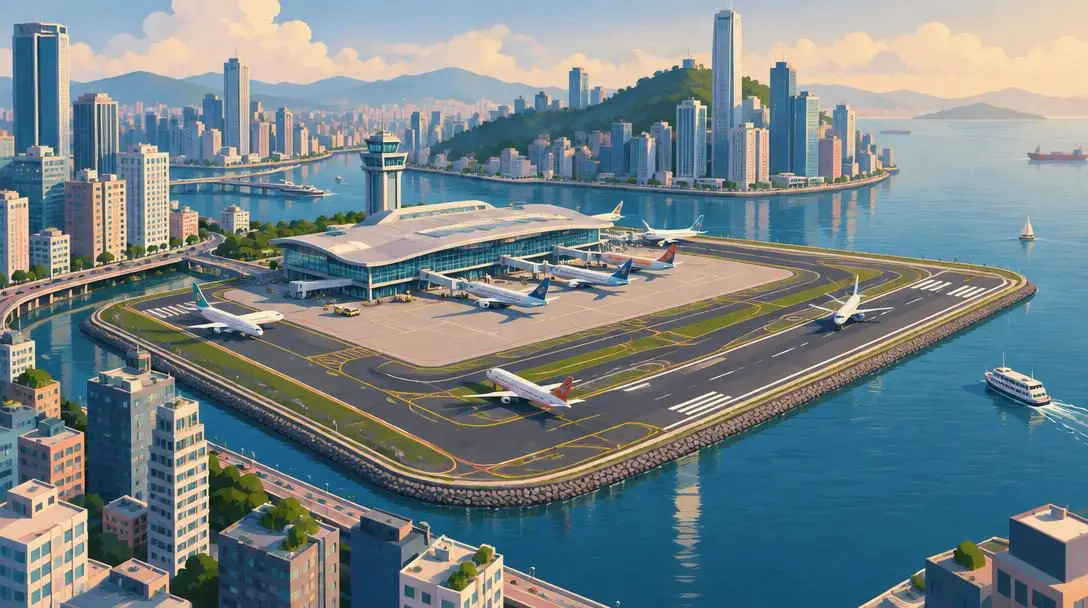
Occupying a tightly restricted footprint surrounded by dense residential neighborhoods and bodies of water, LaGuardia Airport has long epitomized the physical limits of urban aviation infrastructure. Because the airfield cannot expand outward, extensive multi-phased modernization projects must be carried out directly inside the active operating environment. This dynamic forces travelers through shifting temporary corridors, confusing detours, and cramped interim spaces that feel like a labyrinth.
Historically plagued by low ceilings, narrow concourses, and fragmented passenger flow, LaGuardia also suffers acutely from operational delay cascades. During the opening months of 2022, the airport logged nearly 2,600 delayed departures. These ground hold delays frequently push commercial flight crews up against federal duty-hour ceilings, triggering abrupt cancellations when replacement crews cannot be sourced in time.
Los Angeles International Airport
- Footprint Type: Sprawling multi-terminal modular campus
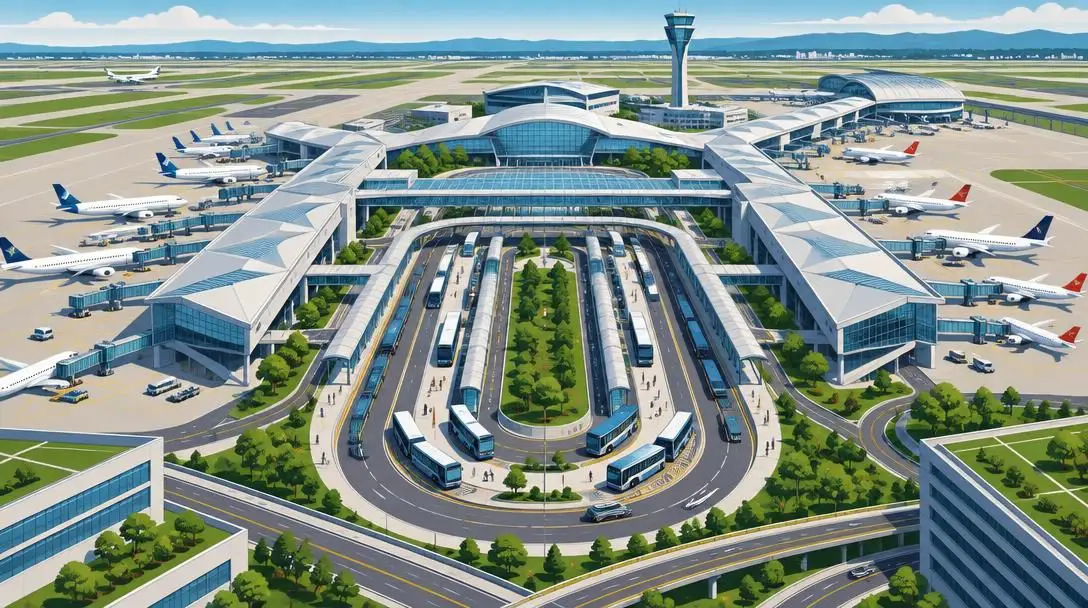
- Terminal Configuration: Segmented facilities along a central U-shaped loop
- Transfer Requirement: Landside shuttle buses between disconnected terminals
As one of the world's most recognizable travel hubs, Los Angeles International Airport illustrates the drawbacks of modular, segmented terminal growth. LAX was expanded over successive decades by adding isolated terminal structures around a central U-shaped access roadway. While this architecture allowed individual airlines to operate distinct facilities, it created a severe operational rift between landside access and airside connectivity.
Because multiple terminals lack continuous post-security airside connections, passengers transferring between unaffiliated airlines or remote concourses must exit the secure area, board landside shuttle buses through intense roadway traffic, and clear security screening checkpoints a second time. This structural setup exposes travelers directly to ground-side vehicular gridlock, turning what should be a routine connection into an exhausting multi-hour ordeal.
Philadelphia International Airport
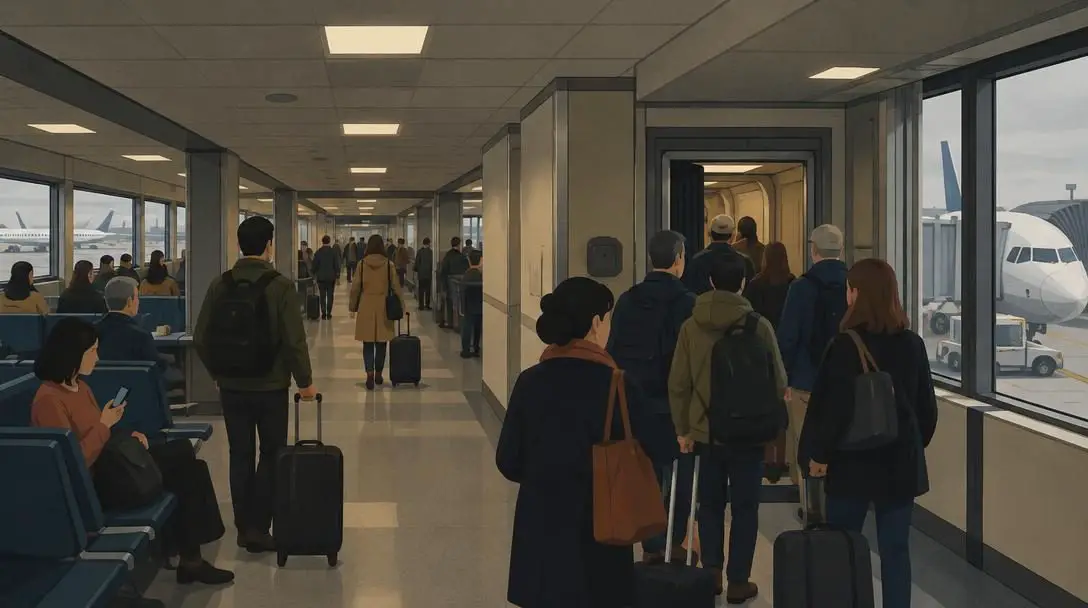
- Passenger Standing: Ranked last in passenger satisfaction surveys
- Architectural Bottleneck: Narrow concourses with low ceilings
- Service Deficiencies: Long food lines and unpalatable drinking water
Holding the unfortunate distinction of finishing last in passenger satisfaction surveys, Philadelphia International Airport suffers from an accumulation of outdated architectural elements and deferred mechanical upgrades. Older sections of the facility feature low ceilings, narrow corridors, and fragmented sightlines that struggle to absorb peak holiday or business passenger density.
The airport's challenges extend beyond pure physical navigation into passenger amenities. Travelers frequently contend with long waits at dining concessions, an absence of high-quality dining options, and basic infrastructure issues such as unpalatable drinking water and poorly maintained restrooms. When combined with lengthy security screening lines, these service deficits create an abrasive passenger experience from curb to gate.
Chicago O’Hare International Airport
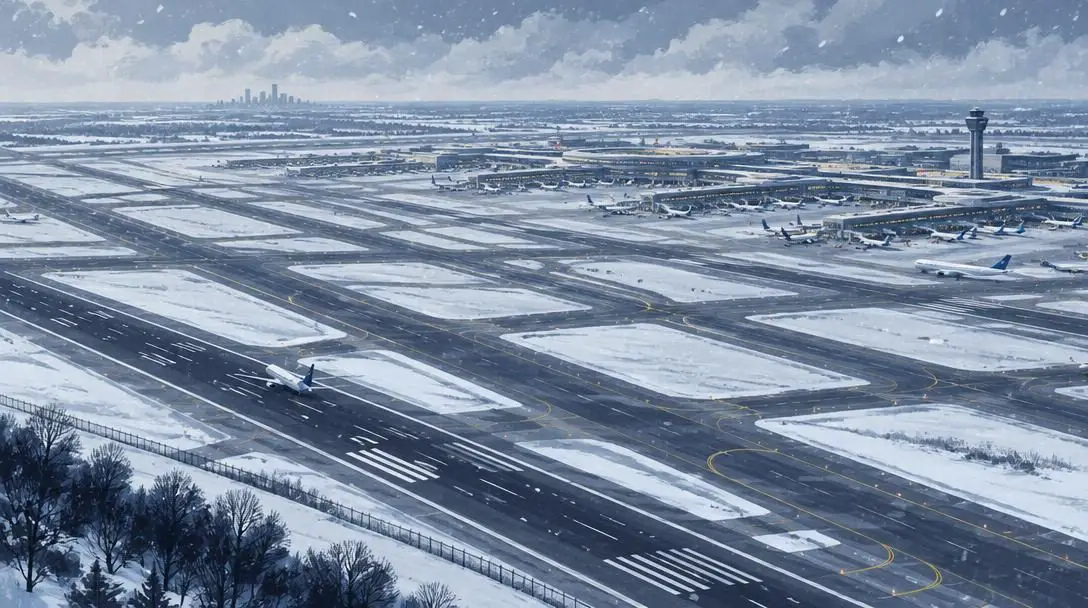
- Footprint Type: High-volume mega-hub
- Transfer Challenge: Connecting gates separated by miles
- Weather Vulnerability: Severe Midwestern winter storms and regional winds
Few facilities match the sheer operational scale of Chicago O’Hare International Airport, but that immense size introduces distinct logistical hurdles. O’Hare acts as a critical national connecting engine where arriving and departing gates can be situated miles apart. Moving hundreds of thousands of people across these vast distances strains baggage transfer belts, internal terminal transit links, and pedestrian wayfinding systems.
Because O’Hare sits directly in the path of volatile Midwestern winter storms and regional wind currents, incoming aircraft are routinely placed into holding patterns or delayed at their origin cities. When severe weather hits, inbound planes often land only to sit on taxiways for extended periods because departing flights have not vacated their assigned gates. Furthermore, unclear signage and high passenger density produce bottlenecking around boarding doors, adding friction to time-sensitive connections.
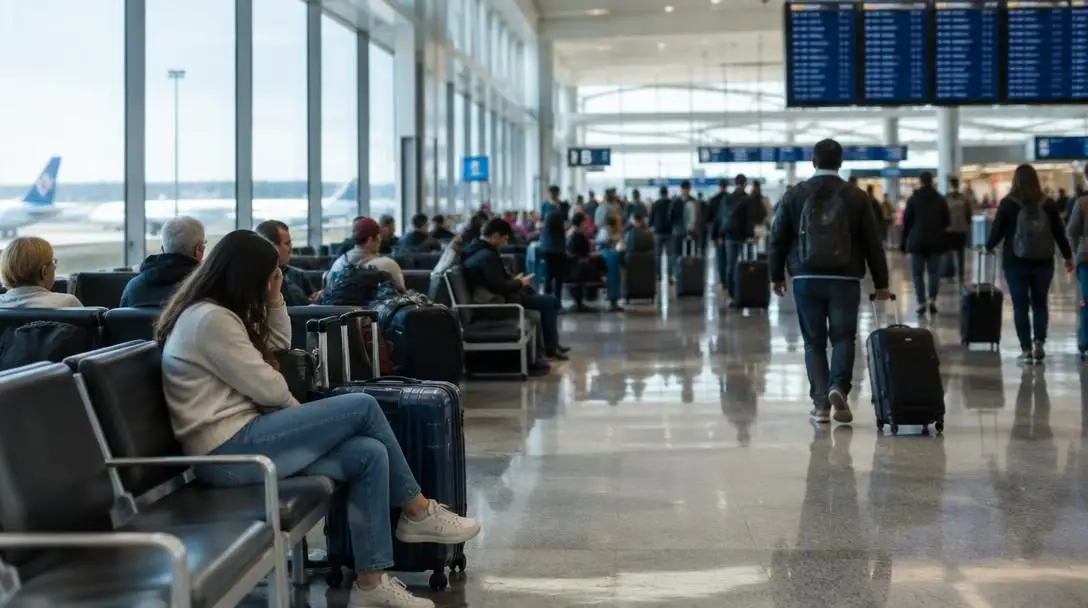
An aircraft delay rarely occurs in isolation; it is usually the outcome of operational constraints propagating throughout the national aviation network.
Denver International Airport
- Footprint Type: Vast geographic mega-hub
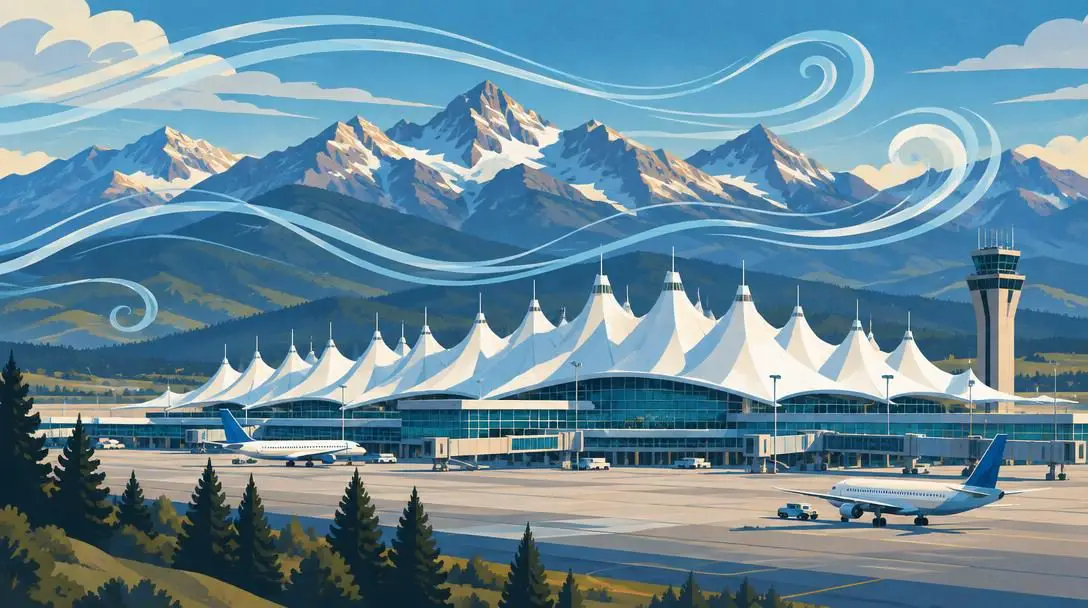
- Environmental Factor: Rocky Mountain wave updrafts and downdrafts
- Wind Threshold: Air traffic separation buffers triggered above 25 knots
Spanning an expansive parcel of land on the Colorado plains, Denver International Airport avoids the landlocked boundaries that constrain coastal facilities. However, its immense geographic scale presents its own structural complications. Connecting between far-flung gates requires significant walking time and absolute reliance on centralized terminal transport systems, placing immense pressure on passenger flow during high-volume travel periods.
Denver's most persistent operational vulnerability is environmental. Positioned near the Rocky Mountains, the airfield regularly encounters severe atmospheric turbulence, including mountain wave downdrafts and updrafts. When local wind speeds exceed 25 knots, federal air traffic controllers are required to widen safety separation distances between arriving and departing aircraft. This mandatory buffer immediately throttles runway arrival and departure rates, leaving aircraft queued on the airfield and triggering widespread departure delays across the terminal concourses.
Navigating high-friction hubs: A strategic playbook
While passengers cannot alter terminal architecture or regional wind patterns, deliberate preparation can dramatically lessen the friction of transiting through challenging airports. Applying targeted travel habits safeguards itineraries against systemic operational failures.
- Map terminal connections before takeoff: Review terminal assignments for both legs of your flight prior to boarding. Determine whether your transfer concourse is linked behind security or requires exiting to landside shuttles, especially when traveling through modular facilities like LAX.
- Book extended layover buffers: Disregard standard booking engine recommendations that suggest 40- to 50-minute connection windows. For sprawling mega-hubs like O'Hare or Denver, select layovers of 90 to 120 minutes to absorb ground taxi delays, luggage transfer lags, and long concourse walks.
- Pack self-sufficient provisions: Do not rely on finding open, high-quality dining during tight layovers in facilities with concession deficits like Philadelphia. Carry non-perishable snacks and an empty reusable bottle to bypass slow concession lines.
- Track regional wind and winter storm systems: Monitor weather patterns across your transit hubs several hours before departure. Recognizing that wind speeds above 25 knots will bottleneck Denver, or that midwestern snow will stall O'Hare, gives you early leverage to request alternate routings before customer service queues swell.
- Plan ground transport alternatives: For airports with congested terminal roadways, explore designated drop-off spots outside the central loop or evaluate regional light rail and express transit options to avoid missing check-in deadlines.
Frequently asked questions
Why do flights experience gate hold delays even after landing safely?
Gate holds occur when the gate assigned to an arriving aircraft is still occupied by a departing flight whose departure window was pushed back. Until ground crews complete baggage loading, fueling, and passenger boarding for the delayed outbound plane, the incoming aircraft must hold on the taxiway.
How do Rocky Mountain winds cause flight delays at Denver International Airport?
When wind speeds exceed 25 knots, mountain wave updrafts and downdrafts create severe atmospheric turbulence. Air traffic controllers must enforce wider separation standards between planes for safety, which reduces the total number of flights runways can handle per hour and causes departure queues.
Why do transfers between terminals at Los Angeles International Airport require clearing security again?
LAX was built in modular, separate terminal blocks arranged along a central roadway. Because several terminals do not have continuous post-security airside corridors connecting them, transferring passengers must exit to the street level, ride a shuttle bus, and enter through a public TSA security checkpoint at their new concourse.
How do airline crew duty hours lead to flight cancellations during airport delays?
Federal regulations enforce strict limits on the number of consecutive hours pilots and flight attendants can work. When prolonged tarmac or gate delays push crew members past their legal duty limits, the flight cannot legally depart until an on-site relief crew is located, often resulting in a cancellation.
What specific factors caused Philadelphia International Airport to rank last in passenger satisfaction?
Philadelphia's last-place survey finish stems from a combination of aging architectural layouts with low ceilings, narrow concourses, long security lines, and severe amenity deficits, including limited dining options, long concession waits, and unpalatable drinking water.
The bottom line
The operational struggles seen at hubs like LaGuardia, LAX, Philadelphia, O’Hare, and Denver are not mere random travel mishaps; they are structural consequences of physical geography, architectural history, and intense passenger density. As passenger demand continues to strain facilities that were never built for modern numbers, travel friction will remain concentrated at these key bottlenecks.
By understanding the operational mechanisms behind tarmac gridlock, terminal design flaws, and weather-driven separation rules, travelers can replace passive frustration with proactive planning. Selecting sensible layovers, inspecting terminal maps in advance, and anticipating facility-specific vulnerabilities ensures you navigate even the nation's most demanding airports with minimal disruption.