The Culture Guide: 5 Things You Should Not Do When Visiting Egypt
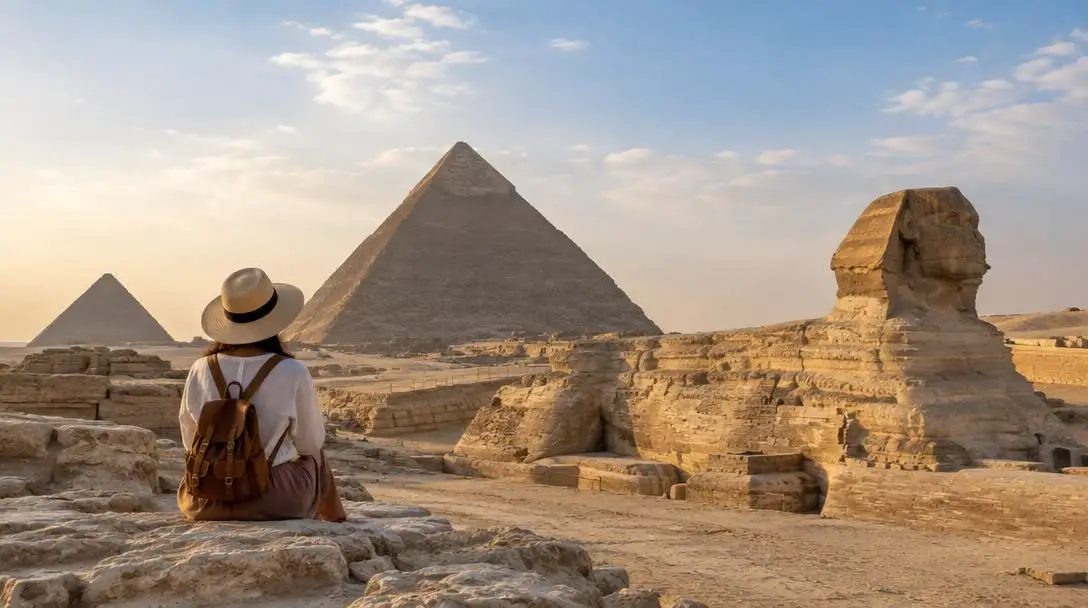
Trekking across sun-drenched desert plateaus to view ancient pyramids or wandering through the labyrinthine stalls of a Cairo marketplace offers an unforgettable journey. Each year, millions of international travelers arrive in Egypt to witness monumental wonders, marvel at intricately carved temple complexes, and soak in the vibrant rhythms of historic towns and desert communities. The country's heritage stretches across millennia—spanning dynastic kingdoms, Hellenistic transformations, Islamic eras, and the modern age.
Because daily life in Egypt is deeply intertwined with religious traditions, strong community bonds, and distinctive economic practices, stepping into the country requires more than simply ticking landmarks off an itinerary. Navigating Egyptian society comfortably depends on understanding local customs, daily courtesies, and legal rules. Being mindful of a few critical missteps will keep your interactions warm, ensure you respect your hosts, and help you get the most out of your journey.
Key takeaways
- Dressing conservatively in loose, breathable fabrics respects local community standards and provides vital protection from the desert sun.
- Sturdy closed-toe walking shoes or sneakers are far better suited to Egypt's dusty streets and ancient stone ruins than open sandals.
- Photography is legally prohibited near sensitive national infrastructure like the Suez Canal and socially discouraged without verbal permission from local residents.
- Carrying small cash denominations and coins is essential for tipping service workers who rely on gratuities across transportation, hospitality, and daily navigation.
- Hiring a government-licensed tour guide unlocks rich historical context while protecting you from unauthorized touts and common tourist scams.
The Foundation of Egyptian Cultural Expectations
Cultural expectations in Egypt are anchored in modesty, social respect, and community solidarity. To navigate public life smoothly, visitors must recognize that public spaces operate under very different codes of conduct than private homes or enclosed resort complexes. What might seem like casual self-expression in a Western city can easily be perceived as intrusive or disrespectful in a traditional neighborhood.
Modesty represents an enduring pillar of public decorum throughout the country. In general, Egyptian society places high value on personal dignity and decorous presentation. When visitors expose significant amounts of skin or wear revealing garments, it disrupts the prevailing social harmony. In sacred environments like mosques, conservative dress shifts from a matter of general politeness to an absolute spiritual requirement. Treating these expectations with genuine care fosters immediate goodwill between visitors and the communities welcoming them.
Respecting local norms transforms a standard sightseeing trip into a meaningful cultural exchange built on mutual dignity.
Etiquette regarding photography and service interactions operates along similar principles of respect and institutional order. In neighborhood markets and historic quarters, local residents value personal privacy and prefer not to be treated as picturesque background novelties. On an administrative level, Egyptian authorities enforce strict regulations surrounding the recording of transport corridors, civil infrastructure, and security installations. Meanwhile, the daily practice of offering small gratuities serves as an integrated mechanism of income distribution, acknowledging the dignity and effort of frontline service workers.
Five Key Things You Should Not Do When Visiting Egypt
Understanding what to avoid is just as valuable as knowing where to go. By steering clear of these five common missteps, travelers can prevent awkward social friction, avoid legal difficulties, and ensure their journey across Egypt remains inspiring from start to finish.
| Mistake to Avoid | The Underlying Risk | Recommended Approach |
|---|---|---|
| Overly revealing or tight clothing | Causes social offense and prevents entry into religious sites | Wear loose, breathable layers covering shoulders, arms, and legs |
| Relying exclusively on open sandals | Exposes feet to street debris, loose sand, and rough stones | Wear supportive sneakers or closed-toe walking shoes |
| Indiscriminate photography | Risks legal issues near infrastructure and offends local residents | Ask permission from individuals and avoid sensitive transport facilities |
| Neglecting small cash tips | Overlooks service labor in an economy reliant on gratuities | Keep low-denomination bills and coins ready in an accessible pocket |
| Using unlicensed street guides | Leads to inaccurate historical facts and potential financial scams | Verify official government credentials before booking tours |
1. Don't Forget About Cultural Differences in Clothing
While beach resort destinations along the coast may feature relaxed holiday attire, daily life across Cairo, Nile Valley towns, and bustling marketplace alleys follows conservative standards of propriety. Wearing tight-fitting outfits, short shorts, or revealing tank tops often causes offense and marks a visitor as careless toward local sensibilities. For Egyptians, covering the body modestly in public demonstrates self-respect and basic courtesy toward those sharing the street.
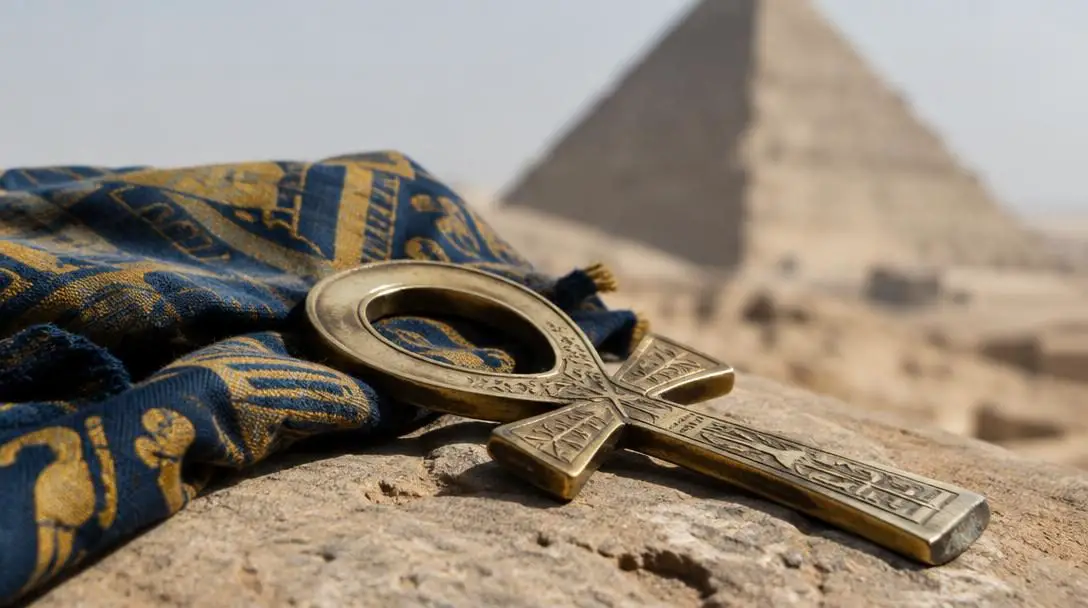
These principles are applied even more strictly when entering religious landmarks. Holy sites, including historic mosques, require visitors to adhere to uncompromising standards of decorum to maintain the sanctity of worship spaces. Travelers should build their daily wardrobe around loose-fitting, breathable garments made from cotton or linen. These garments allow air to circulate freely in hot weather while providing comprehensive coverage. Female travelers should always keep a lightweight scarf handy in their day bags to cover their hair and shoulders before entering any sacred building. As a practical benefit, covering your limbs also shields your skin from the intense desert sun during long afternoons exploring unshaded ruins.
2. Don't Assume You Want to Wear Sandals Everywhere
Open sandals and flip-flops may seem like natural choices when packing for a warm climate, but they frequently prove impractical during real-world exploration in Egypt. Even in vibrant metropolitan areas like Cairo, pavements can be uneven, and street surfaces often accumulate dust, loose sand, construction grit, and urban debris. Walking through unpaved alleys or market lanes in open footwear guarantees that your feet will become uncomfortably dirty within hours.
Furthermore, visiting Egypt's archaeological treasures requires strenuous physical activity. Navigating the expansive perimeters around ancient stone temples, climbing steep monument ramps, and traversing rocky desert pathways places significant strain on your feet. Flimsy sandals lack the arch support and traction needed to navigate loose stones and slippery polished rock safely. Supportive walking shoes or sneakers protect your feet from painful scrapes, street debris, and physical fatigue, ensuring you can explore sprawling ruins and dense urban neighborhoods in complete comfort.
3. Don't Take a Picture of Everything You See
Egypt offers an overwhelming feast of visual stimuli, from towering dynastic monoliths to vibrant market scenes bathed in golden afternoon light. However, treating the entire country as an open-air photo studio can lead to legal penalties and social conflict. Egyptian administrative regulations strictly forbid photographing critical public infrastructure, civil defense installations, and sensitive transport networks. In particular, pointing lenses toward facilities such as the Suez Canal, security checkpoints, or government offices can result in questioning by officials, fines, or the confiscation of your photographic equipment.
Social etiquette regarding portraiture is equally vital. Photographing marketplace artisans, street vendors, or neighborhood families without their explicit consent infringes upon their personal privacy and dignity. Many residents understandably feel uncomfortable being treated as casual travel souvenirs. Always pause and seek permission with a polite verbal request or an inquiring gesture before snapping a photo of individuals. If someone declines, smile, lower your camera, and respect their choice without hesitation.
4. Don't Forget to Tip
Tipping is not an occasional indulgence reserved only for extraordinary dining experiences; it is an integral feature of the local economy. Across Egypt, routine service compensation assumes that customers will supplement base earnings through gratuities that reflect the care and attention provided. Gratuities sustain workers across every tier of the hospitality and service sectors, helping families manage living costs in a bustling economy.
Travelers should anticipate tipping throughout their daily movements. You will want to provide tips to hotel room cleaners, taxi drivers, licensed tour guides, museum attendants, luggage porters, and individuals who maintain public restroom facilities. Failing to offer a modest gratuity after receiving direct assistance can cause genuine disappointment, leaving workers feeling unappreciated for their physical effort. To navigate these exchanges smoothly, make a conscious habit of breaking large bank notes early and keeping an assortment of small bills and coins readily accessible in your pockets.
5. Don't Write Off the Potential of a Guided Tour
Independent travelers often prefer exploring destinations on their own with a printed guidebook in hand to reduce expenses and maintain flexible schedules. While self-guided exploration has its merits, relying entirely on a guidebook can severely limit your appreciation of Egypt's layered civilizational history. Monumental temple walls and tomb chambers are covered in complex hieroglyphic texts, architectural symbolism, and dynastic chronologies that come alive only when interpreted by a trained professional.
A knowledgeable guide transforms confusing piles of rubble into vivid historical narratives, points out subtle artistic details you might otherwise overlook, and reveals hidden artisan workshops deep within busy markets. However, quality matters immensely. When hiring a guide, always verify that they hold an official government license. Monuments and transit hubs often attract unauthorized touts who aggressively pitch informal guiding services. Unlicensed operators frequently supply inaccurate historical claims, steer visitors toward high-pressure shopping stalls, or demand inflated fees. A legitimate, credentialed guide guarantees accurate historical education, transparent pricing, and personal safety throughout your excursion.
Daily Habits for Navigating Egypt with Confidence
Applying cultural awareness to your daily travel routine is straightforward once you organize your morning preparations. Implementing consistent practical habits ensures you stay respectful, comfortable, and well-prepared for any excursion.
- Assemble your daily outfit using lightweight, natural fibers like cotton or linen that cover your shoulders, upper arms, and knees completely.
- Pack an easily reachable light scarf in your day bag so female travelers can immediately cover their heads before entering mosques and sacred monuments.
- Lace up supportive closed-toe walking shoes or durable sneakers before heading out, leaving open sandals behind for hotel and pool relaxation.
- Separate your money by stowing high-value currency securely away while keeping small bills and coins in an accessible pocket for effortless tipping throughout the day.
- Assess your surroundings before taking photos, verifying that no government facilities or transport corridors are within your frame, and verbally asking for permission before photographing residents.
- Arrange guided historical tours in advance through established agencies or inspect the physical government identification card of your guide before setting out.
Common Missteps That Complicate Your Itinerary
Even conscientious travelers sometimes run into unnecessary friction by carrying assumptions from home into the Egyptian environment. Being conscious of these frequent pitfalls will help keep your journey pleasant and productive:
- Treating urban historic centers like beach resorts by wearing athletic tank tops, low-cut tops, or short shorts in traditional Cairo neighborhoods.
- Wearing thin sandals to expansive archaeological complexes, which leaves feet exposed to sharp gravel, blistering heat, and heavy dust.
- Photographing residential lanes, shopkeepers, or children without taking a moment to engage politely and request consent.
- Aiming cameras at the Suez Canal, administrative checkpoints, or government facilities out of casual curiosity.
- Relying exclusively on credit cards or high-denomination bank notes, leaving you unable to tip drivers, cleaners, and porters.
- Hiring unregistered street touts hovering outside temple entrances instead of verified, licensed professionals.
Frequently asked questions
What should female travelers wear when visiting mosques in Egypt?
Women entering mosques must dress conservatively by covering their shoulders, arms, and legs down to the ankles in loose-fitting clothing. In addition, women should carry a lightweight scarf to cover their hair and neck before stepping inside the prayer areas.
Why are closed-toe shoes recommended over sandals in Egypt?
City streets and historic markets often have loose sand, dust, and street debris, while ancient monument sites involve uneven stone surfaces and rocky desert paths. Closed-toe walking shoes or sneakers protect your feet from injury, keep them clean, and provide proper arch support during long hours of walking.
Is it legal to photograph the Suez Canal?
No, Egyptian regulations strictly prohibit photographing strategic infrastructure, including the Suez Canal, government installations, and security checkpoints. Violating these rules can lead to questioning by authorities, fines, or the confiscation of your camera equipment.
Who should I expect to tip during my travels in Egypt?
Tipping is customary across the service industry. You should prepare small cash gratuities for hotel room cleaners, taxi drivers, luggage porters, licensed tour guides, and public restroom attendants who assist you during your trip.
How can I tell if a tour guide is legitimate?
Legitimate tour guides in Egypt must meet rigorous state standards and carry an official government-issued license. You should always ask to see this official credential or book your excursions through reputable agencies rather than hiring touts outside monument gates.
The Bottom Line
Egypt is a land of staggering historical depth, architectural brilliance, and welcoming hospitality. By taking the time to understand local expectations around modesty, photography, and tipping, you honor the community that hosts you. Choosing sensible footwear and hiring licensed professionals ensures that your days among ancient ruins are safe, enriching, and comfortable. Approaching the country with thoughtfulness and respect will open doors to memorable conversations, genuine warmth, and a deeper appreciation of this timeless destination.