The Culture Guide: 5 Things You Should Not Do When Visiting England
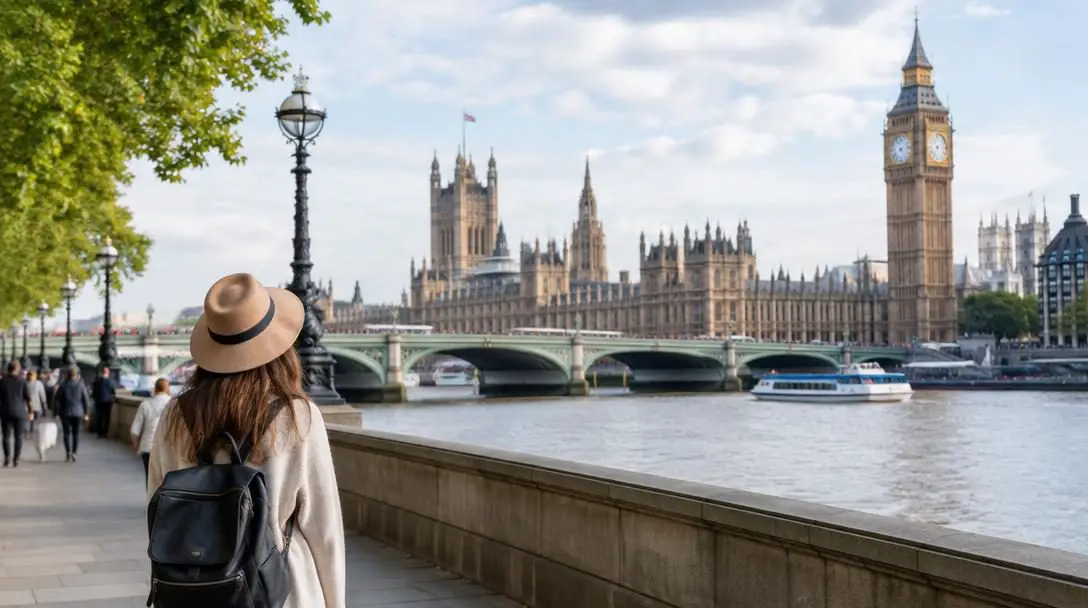
Preparing for an international journey across the Atlantic requires far more than packing weather-appropriate clothing and booking transport. While travelers heading to England share a common language with their hosts, everyday social conventions, body language, conversational habits, and dining expectations differ markedly between North American and British cultures. In the United States, outward displays of enthusiasm, candid discussions about professional milestones, and specific service preferences are standard practice. In contrast, British social norms place a premium on modesty, personal privacy, quiet reserve, and understated interactions.
Because etiquette in England is shaped by unspoken boundaries and shared understandings rather than explicit declarations, actions that feel friendly or routine to an American visitor can easily cause awkward moments, produce misunderstandings, or create social distance. Adapting to these cultural nuances does not mean suppressing your personality; rather, it involves reading the room, honoring the local environment, and understanding which everyday habits to leave at home. Recognizing what to avoid ensures a warm reception, whether you are navigating the morning commute on the London Underground or relaxing in a village pub.
Key takeaways
- British social etiquette prioritizes modesty, privacy, and conversational reserve over overt enthusiasm or self-promotion.
- Personal finances and professional achievements are viewed as private matters that disrupt the egalitarian tone of casual social gatherings.
- Certain body language—such as a continuous street smile or a palm-in two-finger gesture—carries unintended negative or offensive meanings in Great Britain.
- Dining traditions in England emphasize beverages served at cellar temperature or lightly chilled, making demands for heavy ice a common cultural misstep.
- Observing your surroundings, engaging in neutral small talk, and matching the conversational pace of locals will help you build genuine rapport throughout your visit.
At a glance: Five behaviors to reconsider in England
Understanding how common North American habits translate across the pond can prevent awkward encounters and help you blend in effortlessly. The following overview contrasts typical visitor behaviors with local British customs.
| Behavior to avoid | Standard visitor expectation | Local British perception | Recommended alternative |
|---|---|---|---|
| Discussing money | Sharing raises, travel budgets, or bargain flight deals | Viewed as uncomfortable, tacky, or socially divisive | Stick to neutral topics like the weather, parks, or the venue |
| Maintaining a perma-grin | Smiling constantly at strangers to project warmth and friendliness | Perceived in some circles as unnatural, uneducated, or poorly mannered | Adopt a calm, neutral, and composed facial expression in public |
| Palm-in peace sign | Flashing a casual two-finger peace sign or farewell gesture | Equivalent to an offensive middle-finger insult across Great Britain | Use an open-handed wave or keep fingers pointed outward |
| Highlighting achievements | Discussing alma maters, job titles, and career promotions | Seen as arrogant, boastful, and disruptive to social equality | Practice understated modesty and ask about shared surroundings |
| Demanding ice | Expecting tumblers packed to the brim with frozen ice cubes | Perceived as demanding and contrary to local cellar-temperature traditions | Accept drinks as poured and enjoy beverages at local serving temperatures |
The core five things you should not do when visiting England
To establish positive rapport and navigate social settings with grace, keep these five specific behavioral guidelines at the forefront of your travels.
Talking about money
In American social and professional settings, people frequently share financial news, celebrate salary increases, or compare investment wins and travel bargains. In England, talking about personal finances is an immediate conversational red flag. Inquiring about what someone earns, detailing what you paid for your flight or luxury hotel, or boasting about a bargain makes locals distinctly uncomfortable. British conversation is engineered to preserve a comfortable, unpretentious atmosphere. Introducing personal balance sheets into a casual chat brings unnecessary tension into the room, so visitors should steer completely clear of financial matters and redirect conversations toward neutral, lighthearted subjects.
Walking around with a perma-grin
A broad, continuous grin is widely interpreted in North America as a sign of approachability, openness, and good cheer. Travelers often carry this habit abroad, smiling warmly at pedestrians on crowded footpaths or during transit journeys. In England, while smiling is a natural component of direct conversation, walking around with an unyielding permanent grin can be perceived quite differently. In various social circles, a fixed street grin is viewed with suspicion or interpreted as a sign of someone who is poorly mannered or uneducated. Maintaining a composed, neutral face while walking down city streets or riding trains is not an expression of coldness or hostility; rather, it is a sign of civic courtesy that respects the personal privacy of others in crowded public spaces.
Giving the palm-in peace sign
Nonverbal signals do not always translate smoothly across international borders. In North America, raising the index and middle fingers in a "V" shape is a ubiquitous gesture used for posing in photos, greeting friends, or wishing someone peace, regardless of which way the hand is turned. In Great Britain, however, turning your palm inward while flashing this gesture completely reverses its meaning. A backwards peace sign is a severe visual insult, carrying the exact cultural weight of showing someone the middle finger. Tourists frequently make this mistake when posing playfully for cameras or signaling a server for two drinks, inadvertently offending locals who witness the gesture.
Talking about your accomplishments
Celebrating individual achievements, personal triumphs, and prestigious milestones is deeply ingrained in American professional culture. Discussing one's college pedigree, corporate promotions, or competitive networks is standard networking behavior. In England, self-promotion is seen as rude, over-the-top, and boastful. British social circles actively avoid putting personal accomplishments on display, preferring self-deprecating humor and understated modesty. Trying to establish common ground by citing your degree or detailing your career trajectory will likely backfire, alienating listeners who value humility. When getting to know someone new, focus on shared immediate experiences rather than reciting your resume.
Conversations in England are structured around modesty and shared experiences, meaning self-promotion often alienates the very people you hope to befriend.
Insisting on ice
Dining and drinking preferences highlight fundamental differences between American and British everyday routines. In the United States, servers routinely deliver glasses filled to the rim with ice cubes alongside any water, soft drink, or iced tea order. In England, heavily iced beverages are not customary. Pubs and casual eateries generally serve water, sodas, and ciders at cellar temperature or lightly chilled, allowing the authentic flavor profile of the drink to take center stage rather than numbing the palate. Demanding that a bartender or server pack your glass with extra ice disrupts service norms and marks you as an inflexible tourist. Embracing drinks as they are served is part of traveling authentically.
How cultural nuances work in everyday British life
To navigate British social life comfortably, it helps to understand the underlying values that govern these expectations. British etiquette is rooted in an egalitarian impulse designed to protect personal boundaries and prevent social friction. When individuals consciously avoid discussing high salaries or elite degrees, they are actively working to keep everyone in the room on an equal footing. Introducing wealth, status, or competitive pedigree into casual conversation introduces a hierarchy that makes relaxed socializing impossible.
A similar principle governs public demeanor and body language. In densely populated urban areas, respecting an individual's personal space requires emotional containment. Walking with a neutral expression allows fellow commuters and pedestrians to navigate shared public environments without feeling observed or pressured to engage in performative interactions. Meanwhile, long-standing historical meanings attach heavy weight to physical symbols, which is why an inverted two-finger sign carries such potent vulgarity. By understanding that British social norms are anchored in consideration, modesty, and mutual respect, visitors can easily adapt their habits to align with the local culture.
Practical steps for navigating interactions in England
Adjusting your daily habits while traveling in England is straightforward when you break social interactions down into manageable, conscious actions. Follow these sequential steps to ensure smooth communication wherever you go.
- Observe the room before speaking: Take a moment upon entering a pub, shop, or dining room to evaluate the volume, tempo, and demeanor of the patrons already inside.
- Select safe, neutral conversational topics: Initiate chats by discussing immediate, shared surroundings—such as the atmospheric decor of the pub, the local weather, or the walking paths in a nearby park.
- Deflect questions about yourself with humility: If a local inquires about your profession or hometown, answer politely and briefly without expanding into a catalogue of professional awards or honors.
- Relax your facial expressions in public: Keep your expression neutral and calm while navigating public transit and busy pavements, saving smiles for direct, personal interactions with shopkeepers and acquaintances.
- Keep your hands open when gesturing: Rely on simple open-palm waves or casual nods to say goodbye or hail a cab, avoiding any two-finger configurations that could be misread.
- Accept food and drink as served: Sip beverages at the temperature delivered to your table without requesting alterations or extra scoops of ice cubes.
- Listen actively and yield the floor: Allow local companions to steer the conversation, matching their modest tone and avoiding any impulse to steer dialogue back toward yourself.
Common mistakes visitors make and how to avoid them
Even conscientious travelers occasionally stumble when adjusting to unfamiliar cultural boundaries. Being mindful of these frequent miscalculations will help you navigate your journey with poise.
- Boasting about travel budgets or deals: Revealing how much you spent on first-class transit or gloating about cheap accommodations makes listeners uncomfortable; keep spending details entirely private.
- Misreading a straight face as hostility: Assuming a commuter or pedestrian who does not smile back is unfriendly causes unnecessary anxiety; recognize that neutral expressions reflect standard public decorum.
- Accidentally reversing the peace sign: Posing for holiday photos with the back of the hand facing the camera creates an offensive image; always point your palms outward or stick to a simple wave.
- Trying to impress through elite credentials: Leading a social exchange with your academic pedigree or executive title is viewed as boorish; replace resume chatter with questions about the local neighborhood.
- Demanding restaurant adjustments: Insisting that waitstaff alter standard beverage service with heavy ice creates friction; adapt to local cellar-temperature refreshments instead.
- Over-apologizing when caught in an awkward moment: Launching into an elaborate, defensive explanation after a conversational blunder only prolongs the discomfort; simply pivot to a neutral topic like the weather and move forward.
Frequently asked questions
Is it completely unacceptable to smile at people on the street in England?
Smiling is a normal part of direct, personal conversations, but walking down the street with a constant, wide grin is viewed skeptically in many British circles. A calm, neutral facial expression is the standard public norm and will help you blend in comfortably.
Why is the palm-in peace sign considered so offensive in Great Britain?
In Great Britain, raising the index and middle fingers with the palm facing inward is an established vulgar insult with significant historical weight. It carries the exact cultural severity of flashing the middle finger in North America.
What are the best small talk topics to use when meeting locals?
The safest and most welcomed topics focus on immediate, shared surroundings. Commenting on the current weather, the historic character of a pub, or the beauty of a public garden or park allows for pleasant, unpretentious conversation.
Can I ever ask for ice in a British pub or restaurant?
While an establishment may offer a cube or two upon request, insisting on a glass filled to the top with ice is contrary to British dining customs. Beverages are served at cellar temperature to preserve their flavor, and accepting them as poured is best practice.
How should I talk about my job without sounding boastful?
Keep your answer brief, modest, and functional. State what you do simply without listing executive accomplishments, high-profile networks, or prestigious educational credentials, and promptly turn the conversation back toward a neutral subject.
The bottom line
Adapting to British etiquette is not about suppressing your enthusiasm or overthinking every step you take; it is about showing consideration for a culture that values modesty, privacy, and understated connection. Whether you are traveling through the energetic boroughs of London or wandering through historic market towns across the English countryside, keeping social fields level and interactions polite will earn you genuine warmth from locals. By shelving the perma-grin, retiring the palm-in salute, passing on financial boasts, and enjoying your drinks at cellar temperature, you will move through England with confidence, respect, and ease.