The Insider’s Guide: 5 Ways to Get to Know the Real Philippines
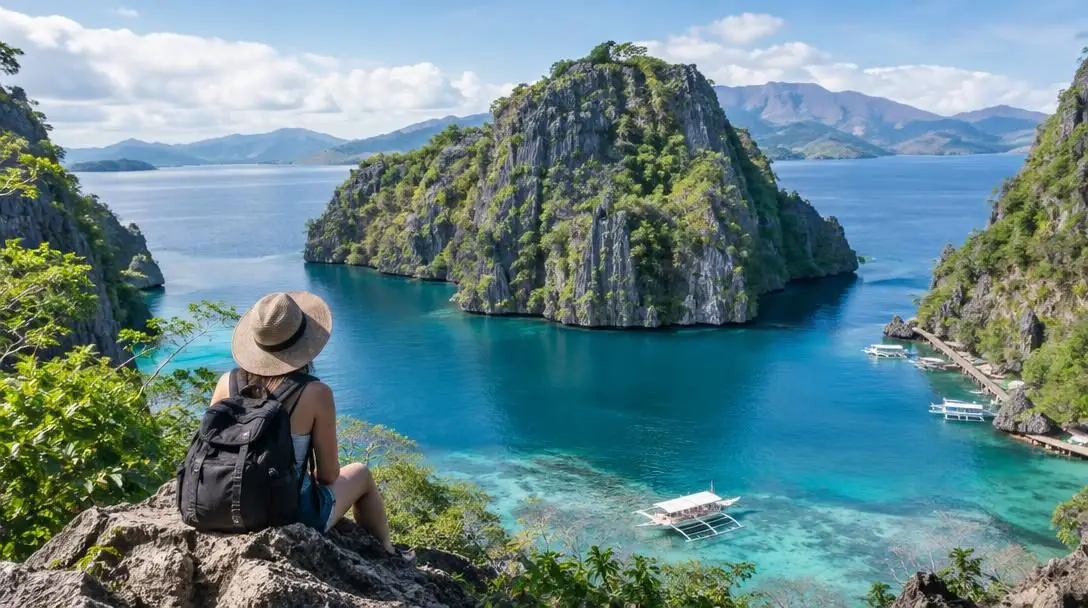
Every journey begins with a choice between merely observing a foreign country from the insulated bubble of mass tourism or stepping directly into the cadence of daily residential life. Moving through the Philippines as a casual sightseer often means sticking to insulated beach resorts, shuttling between packaged tourist enclaves, and viewing vibrant communities from a detached distance. Choosing authentic immersion, by contrast, transforms an ordinary tropical vacation into a profoundly memorable cultural journey.
Spread across more than 7,000 tropical islands, the Philippines possesses a complex cultural heritage, extraordinary marine biodiversity, and communities celebrated globally for their genuine hospitality. Unlocking the true spirit of this multifaceted archipelago requires travelers to move beyond commercial marketing and connect through traditional dishes, local social customs, neighborhood pastimes, regional island voyages, and off-grid explorations.
Key takeaways
- Exploring classic staples like adobo, sinigang, and lechon offers a budget-friendly gateway into the nation's rich regional culinary heritage.
- Arriving approximately 15 minutes late to private social gatherings respects local household customs and prevents unnecessary host anxiety.
- Participating in ubiquitous karaoke sessions builds community rapport because locals prioritize enthusiastic involvement over vocal perfection.
- Island hopping by boat reveals untouched natural wonders ranging from the deep-sea thresher sharks of Malapascua to the multi-tiered waterfalls of Cebu.
- Seeking advice from residents and choosing homestays over commercial tourist hubs provides unfiltered insight into everyday island life.
Five core ways to experience the real Philippines
Engaging meaningfully with the Philippine archipelago demands a travel philosophy built around open-mindedness, patience, and a willingness to step outside curated comfort zones. By focusing on the shared spaces where Filipinos live, eat, celebrate, and travel, visitors can establish genuine connections that far outlast their holiday itinerary.
1. Feast on Filipino foods
Engaging with Philippine culture begins most naturally around the dining table. Dining across the archipelago is exceptionally flavorful, satisfying, and remarkably budget-friendly, allowing curious eaters to sample a wide spectrum of regional preparations without straining their travel funds. From roadside open-air eateries to family gatherings, local cuisine highlights the country's indigenous heritage, foreign trade influences, and coastal bounty.
Rather than seeking Western-style comfort foods at commercial hotel restaurants, adventurous travelers should prioritize iconic dishes that showcase the balance of sour, sweet, salty, and savory flavors beloved by Filipino households.
| Dish | Flavor Profile and Main Ingredients | Cultural Context and Dining Role |
|---|---|---|
| Tocino | Cured pork belly or tender cuts glazed in sweet and savory seasonings. | Classic breakfast staple, frequently paired with garlic fried rice and a fried egg. |
| Kinilaw | Fresh raw fish cured in vinegar and native citrus, tossed with ginger, onions, and chilies. | Indigenous pre-colonial preparation celebrating coastal seafood traditions. |
| Sinigang | Sour tamarind broth packed with vegetables and pork, beef, or fresh seafood. | Widely recognized as the ultimate soothing comfort soup in Filipino homes. |
| Adobo | Meat braised gently in vinegar, soy sauce, garlic, bay leaves, and black peppercorns. | Regarded as the unofficial national dish, cooked in countless regional variations. |
| Lechon | Whole suckling pig slow-roasted over coals with seasoned meat and blistered, crispy skin. | The celebratory centerpiece of major family fiestas, town holidays, and milestones. |
| Halo-halo | Layered dessert of shaved ice, evaporated milk, sweet beans, jellies, tubers, and fruit. | The quintessential tropical dessert for cooling down in the afternoon heat. |
2. Be flexible and mind the social clock
While structured travel plans provide a helpful foundation, an inflexible schedule can prevent you from experiencing the authentic rhythm of the Philippines. Many of the most rewarding encounters occur when you embrace spontaneous opportunities, stop for conversations with shopkeepers, or pursue unplanned route detours suggested by residents. Operating with a relaxed mindset allows you to move alongside the natural flow of daily life rather than fighting against it.
This principle of flexibility is particularly vital when navigating local social conventions. In many Western cultures, arriving early or precisely on the minute is viewed as the gold standard of punctuality. In the Philippines, however, arriving exactly on time when invited to someone's private home can inadvertently cause discomfort and embarrassment for your host. Showing up on the dot may interrupt last-minute meal preparations, household cleaning, or personal dressing routines.
3. Let it go and sing karaoke
Music is a vital social pillar across the islands, and singing karaoke is an everyday lifestyle rather than an occasional party gimmick. Karaoke machines are found in family living rooms, roadside open-air eateries, neighborhood street corners, and lively village gatherings. When a microphone is passed in your direction, it represents an enthusiastic invitation to join in the collective merriment of the community.
Visitors frequently hesitate out of fear that their singing ability will be judged, but self-consciousness has no place in a Filipino living room or neighborhood stall. The community celebrates participation and good humor far more than technical perfection. Whether your vocal tone mirrors a studio professional or a screeching alley cat, you will be met with cheers and encouragement.
Karaoke in the Philippines is an exercise in community camaraderie and good humor where enthusiastic participation matters far more than pitch perfection.
The golden rule of karaoke culture is reciprocity. Just as you are encouraged to sing without fear, you must listen to others with generosity. Clap vigorously for every singer, applaud unexpected high notes, and celebrate the shared fun of the performance.
4. Go island hopping
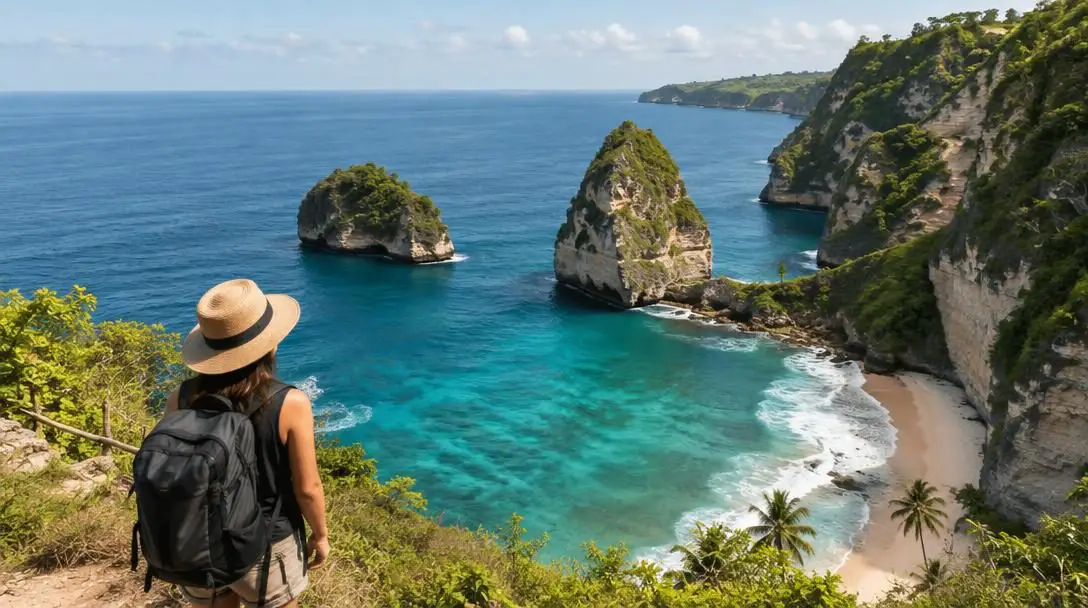
With an archipelago spanning more than 7,000 individual islands, water travel is fundamental to Philippine life. Crossing turquoise channels by ferry or traditional wooden banca reveals hidden inlets, isolated marine preserves, and small coastal villages that remain entirely inaccessible by highway. Hopping between islands exposes travelers to a diverse tapestry of regional languages, dramatic geological landscapes, and specialized marine ecosystems.
| Destination | Signature Travel Experience | Landscape and Setting |
|---|---|---|
| Cebu | Trekking to multi-tiered Inambakan Falls and swimming alongside the coastal Sardine Run. | Lush jungle interiors paired with vibrant, teeming coral reefs. |
| Malapascua | Embarking on dawn deep-water scuba dives to spot resident thresher sharks. | A quiet, remote island sanctuary with an intimate diving community. |
| Palawan | Navigating between towering limestone karsts, secret lagoons, and white-sand beaches. | Dramatic seascape dominated by protected coves and emerald waters. |
| Dumaguete | Snorkeling alongside gentle, giant sea turtles in pristine coastal sanctuaries. | A relaxed coastal university town offering easy access to rich marine life. |
| Coron | Renting a motor scooter to navigate sweeping coastal hills and quiet viewpoints. | Rugged island roads winding past unspoiled beaches and mountain lookouts. |
| Cambari | Unwinding on peaceful shores while watching vibrant tropical sunsets over the sea. | An unhurried island shoreline far removed from heavy resort developments. |
5. Go off the beaten path
Discovering how the Philippines functions away from tourism brochures requires steering clear of commercialized corridors. Destinations like Puka Beach with its dense souvenir stands, congested tourist quarters inside Metro Manila, and attractions that advertise themselves as "the biggest" or "the absolute best" typically attract crowds of foreign holidaymakers while being largely avoided by local residents. These venues prioritize high-turnover sales rather than cultural authenticity.
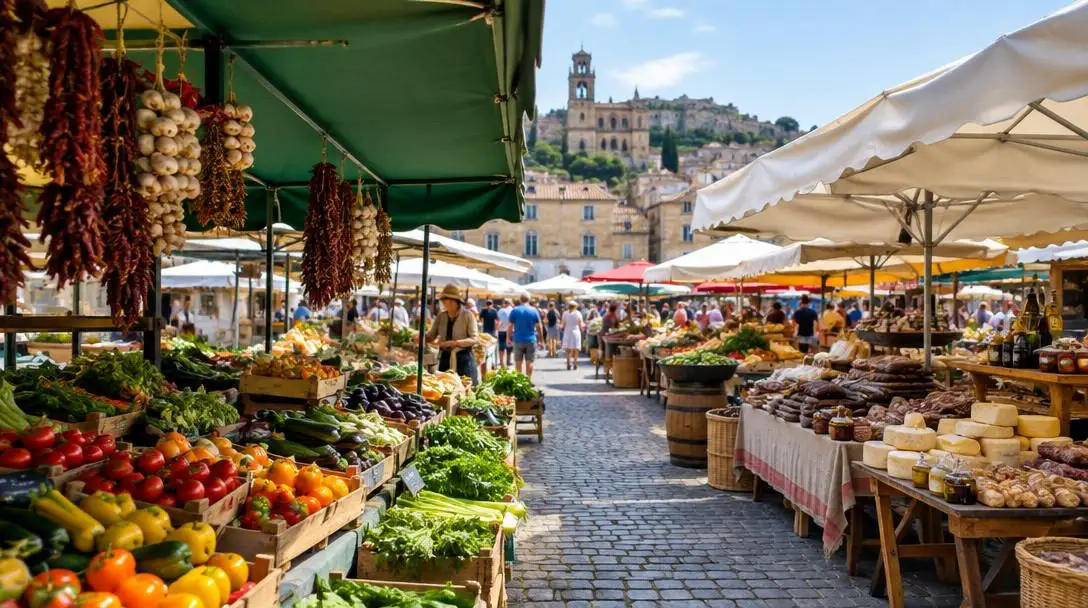
One reliable indicator of a tourist trap is the dominance of prominent promotional signage and menus printed exclusively in foreign languages. Stepping into authentic neighborhoods, community wet markets, and neighborhood eateries gives you an unvarnished view of daily routines. Booking a homestay or residential home-sharing arrangement provides direct contact with local families who can connect you with family-run diners and unmapped viewpoints.
Practical habits for everyday travel in the archipelago
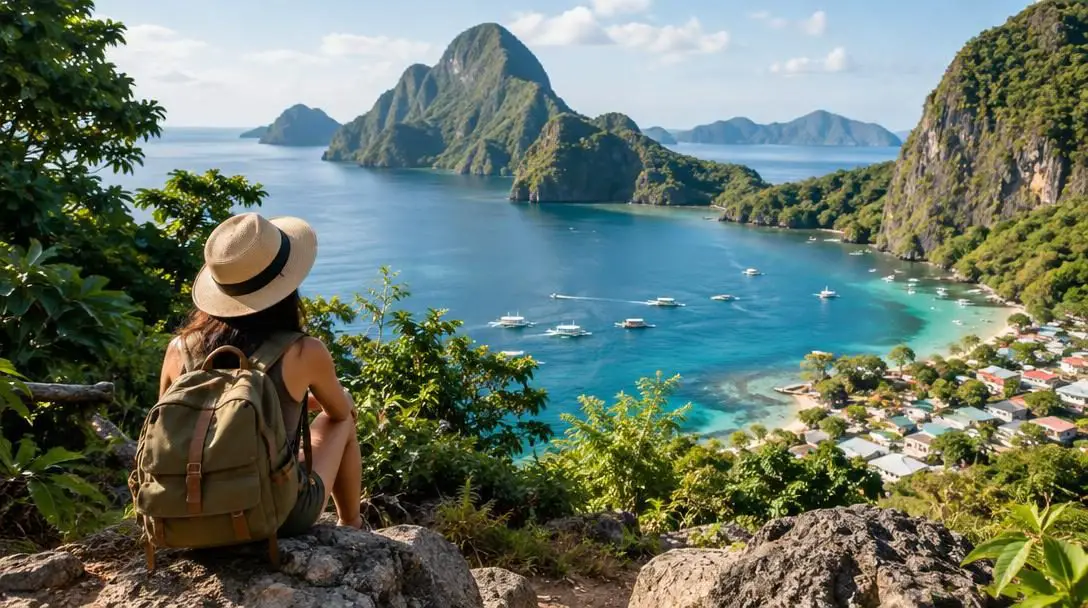
Translating an immersive travel philosophy into seamless daily experiences requires adjusting your transportation choices, financial habits, and interpersonal etiquette. Developing these practical routines will help you move across the islands with confidence and cultural sensitivity.
- Rely on community transportation networks. Swap private tourist vans for local jeepneys, motorized tricycles, and traditional wooden bancas. Using public transit keeps your travel costs minimal and provides an authentic look at how islanders navigate their daily commutes.
- Break large currency denominations early. Smaller neighborhood businesses, outrigger boat operators, and roadside market stalls rarely possess enough change to break large banknotes. Keep a steady reserve of small coins and bills tucked safely inside your daypack.
- Incorporate courtesy phrases into daily interactions. While English is widely spoken and understood across the country, uttering basic local expressions like salamat (thank you) communicates humility, respect, and goodwill when addressing vendors and drivers.
- Pack lightweight and water-resistant luggage. Stepping aboard a local banca often requires wading through knee-deep surf from sandy shores. Packing compact, waterproof dry bags protects sensitive electronics and makes boat transfers effortless.
- Accept shared food offerings with sincere gratitude. Hospitality in the Philippines is fundamentally linked to meal sharing. Accepting an offered snack or dish with genuine appreciation honors your host and serves as a natural bridge to lasting friendships.
Common travel mistakes to avoid
Even conscientious travelers can run into misunderstandings when navigating an unfamiliar cultural environment. Avoiding these frequent missteps will keep your island journeys smooth, respectful, and frustration-free:
- Over-scheduling inter-island transfers: Booking tightly compressed flight and ferry connections leaves no room for weather disruptions or mechanical delays. Always build buffer days into your itinerary.
- Expecting strict adherence to Western schedules: Treating public transport timetables or social appointments with rigid punctuality leads to pointless annoyance. Cultivate patience and adapt to relaxed tropical timing.
- Viewing karaoke as an intimidating vocal test: Refusing to sing or mocking someone who sings off-pitch disrupts the spirit of inclusive community joy. Sing along with enthusiasm and cheer for everyone.
- Relying exclusively on curated travel guides: Visiting only heavily geotagged sights guarantees you will share every scenic lookout with tour buses. Balance popular highlights with spontaneous neighborhood discoveries.
- Demanding full tourist amenities in rural provinces: Venturing into remote island hamlets means encountering basic restrooms, unpaved roads, and limited foreign-language menus. Approach these rustic conditions with flexibility and good humor.
How to deepen your travel impact
A truly immersive trip should leave a positive, enduring imprint on the communities that welcome you. Achieving this balance starts with understanding that the Philippines is not a monoculture; its northern, central, and southern provinces feature distinct indigenous languages, specialized farming practices, and unique historical legacies. Researching the regional nuances of your destination before arrival enriches every conversation you have along the road.
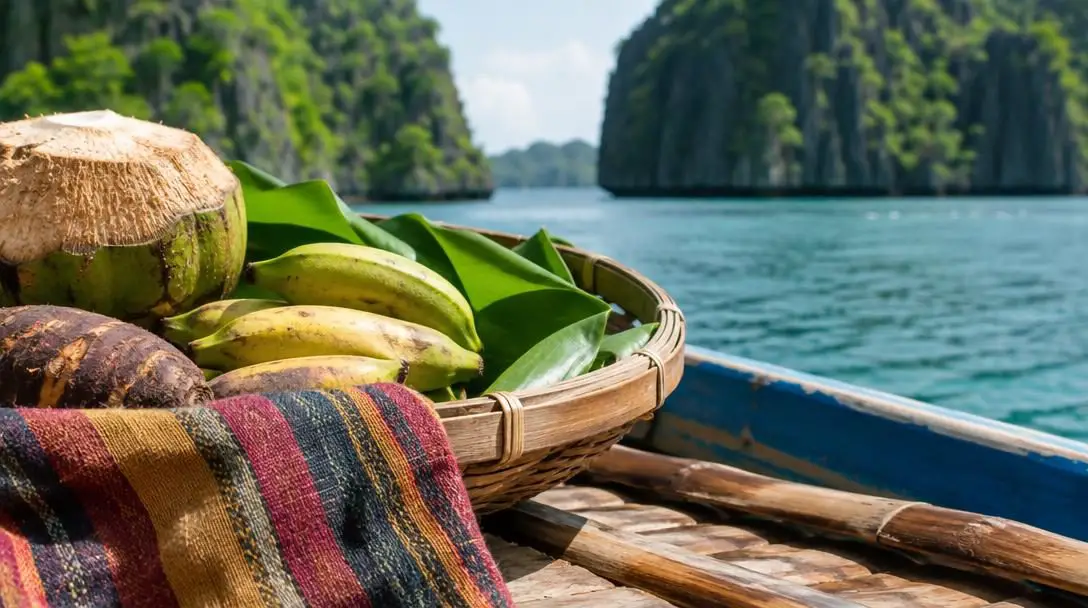
Consider the economic impact of your daily travel expenses as well. Patronizing family-run homestays, eating in neighborhood diners, hiring independent local boat operators, and buying tropical fruit directly from public markets injects money straight into residential communities. When you view the archipelago not as a temporary photo backdrop but as a living network of generous hosts, your travels become mutually enriching for both you and your community partners.
Frequently asked questions
What should I do if a Filipino family invites me to their home for dinner?
Accept the invitation graciously and plan to arrive approximately 15 minutes past the stated time so your host has ample room to finalize preparations. When food is served, eat enthusiastically and accept second helpings, as sharing food is the primary expression of household hospitality.
How can I identify genuine local diners instead of tourist traps?
Look for dining spots filled with local residents rather than foreign tour groups, and avoid venues that display heavy signage translated exclusively into foreign languages. Ask your homestay host, hotel concierge, or taxi driver where they go for their favorite homestyle meals.
Do I have to be a good singer to participate in karaoke?
Not at all. In the Philippines, karaoke is about community bonding, laughter, and participation rather than musical talent. No one will criticize your voice, and putting in an enthusiastic effort will earn you loud applause and warm appreciation from everyone present.
Why is carrying small cash denominations so important across the islands?
Small-scale vendors, tricycle drivers, public jeepney operators, and rural boatmen generally do not carry enough cash on hand to change large banknotes. Carrying small bills and coins prevents payment complications and ensures smooth transactions during daily travels.
What is the best way to handle delays when traveling between islands?
Expect maritime and overland transit schedules to fluctuate based on tropical weather and local operating conditions. Building flexible buffer days into your travel schedule helps you absorb unexpected travel delays without missing pre-booked flights or tours.
The bottom line
Experiencing the real Philippines is less about checking famous landmarks off a checklist and more about shifting your personal pace to mirror the rhythm of the archipelago. By savoring traditional comfort foods, adapting to local social norms, singing along with neighbors, and venturing into lesser-known waters, you will discover that the country's greatest asset is the warmth and generosity of its people.