The Culture Guide – 5 Things You Should Not Do When Visiting Spain
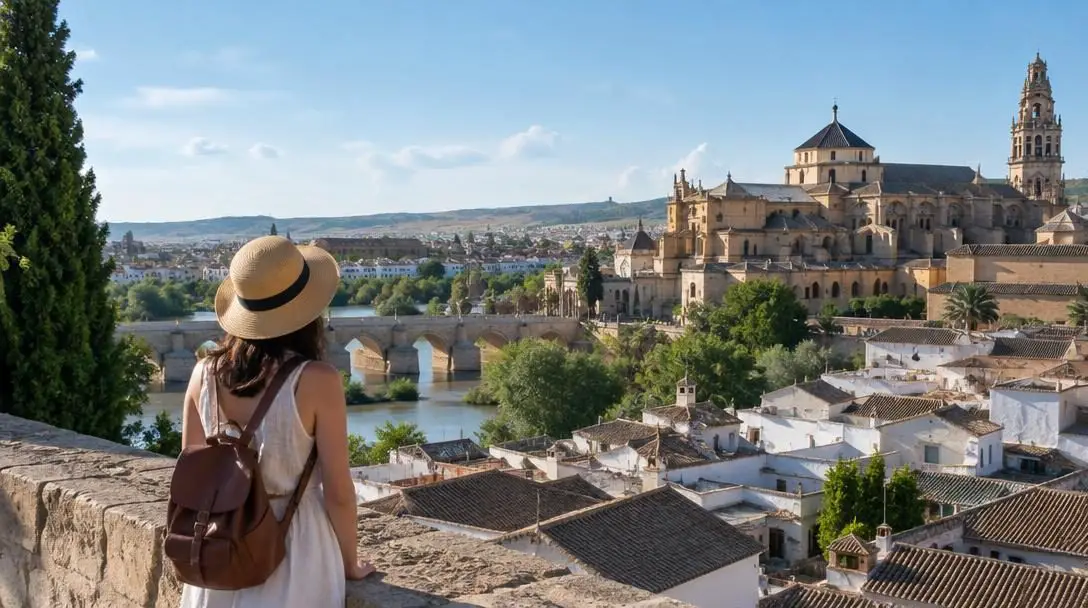
Spain is a country celebrated across the globe for its extraordinary geographic variety, storied architectural wonders, and deeply social lifestyle. Every year, millions of travelers arrive eager to lounge on the sun-soaked shores of the Costa del Sol, marvel at the whimsical Antoni Gaudí architecture lining the streets of Barcelona, or immerse themselves in the world-famous nightlife of Ibiza. Yet, crossing the border into Spain involves far more than simply adjusting your watch to a new time zone; it requires adapting to an entirely distinctive philosophy of daily life, community interaction, and cultural pride.
Travelers who expect commercial centers, restaurants, and social gatherings to mirror the schedules of North America or northern Europe often experience immediate culture shock. Finding restaurant doors locked at 6:00 PM or arriving at boutique retail shops only to discover metal security shutters pulled down for hours in the middle of the day can prove frustrating. By letting go of rigid expectations and gaining insight into how Spanish society naturally operates, you can transform your travel experience, minimize everyday friction, and build meaningful connections throughout your journey.
Key takeaways
- Spanish daily life operates on an afternoon-shifted schedule, making lunch the primary feast between 2:00 PM and 4:00 PM while pushing dinner past 9:00 PM.
- Independent shops and government offices pause operations in the early afternoon, meaning non-department retail shuts down entirely from 2:00 PM to 5:00 PM.
- Spain is divided into 17 autonomous regions and two autonomous cities, each maintaining deep local pride, distinct traditions, and sometimes separate regional languages.
- Only about 27 percent of the population speaks some English, while approximately 60 percent cannot read, write, or speak it at all.
- A relaxed perception of time means minor delays of 10 to 15 minutes are a standard social norm rather than an intentional act of disrespect.
Five common cultural mistakes to avoid in Spain
Navigating daily life across Spain is extraordinarily rewarding once you know which everyday customs differ from international norms. Avoiding these five critical missteps will keep your trip smooth, relaxing, and enjoyable.
Eating whenever you feel hungry
One of the quickest ways to feel stranded in Spain is to seek out meals according to foreign dining habits. In many countries, lunch peaks promptly at noon and dinner services begin at 6:00 PM. In Spain, trying to sit down for a meal at these hours will lead to empty dining rooms and dark kitchens. Lunch is the main meal of the day, running comfortably from 2:00 PM to 4:00 PM. This expansive midday feast is the traditional window when kitchens prepare hearty, complex specialties such as paella. Attempting to order a heavy rice dish like paella late in the evening goes against culinary customs, as locals reserve the nighttime exclusively for light dining.
Dinner service rarely begins before 9:00 PM or 10:00 PM, functioning as an informal, relaxed occasion centered around shared tapas among friends and family. Breakfast is typically minimal, lasting between 7:00 AM and 9:00 AM and consisting of little more than a quick coffee or small bite before heading to work. To survive the prolonged intervals between major sittings, the Spanish rely on two institutional mini-meals: a mid-morning snack between 10:30 AM and noon, and an afternoon snack between 5:30 PM and 7:00 PM.
Expecting strict, down-to-the-minute punctuality
In many industrialized nations, punctuality is equated with professional competence, personal integrity, and respect. In Spain, life is structured around enjoying the present moment rather than obsessively tracking minutes on a clock face. People see little value in rushing frantically through their schedules simply to complete a checklist of daily tasks. The overarching philosophy asks what benefit exists in racing to a destination when one will inevitably get there regardless.
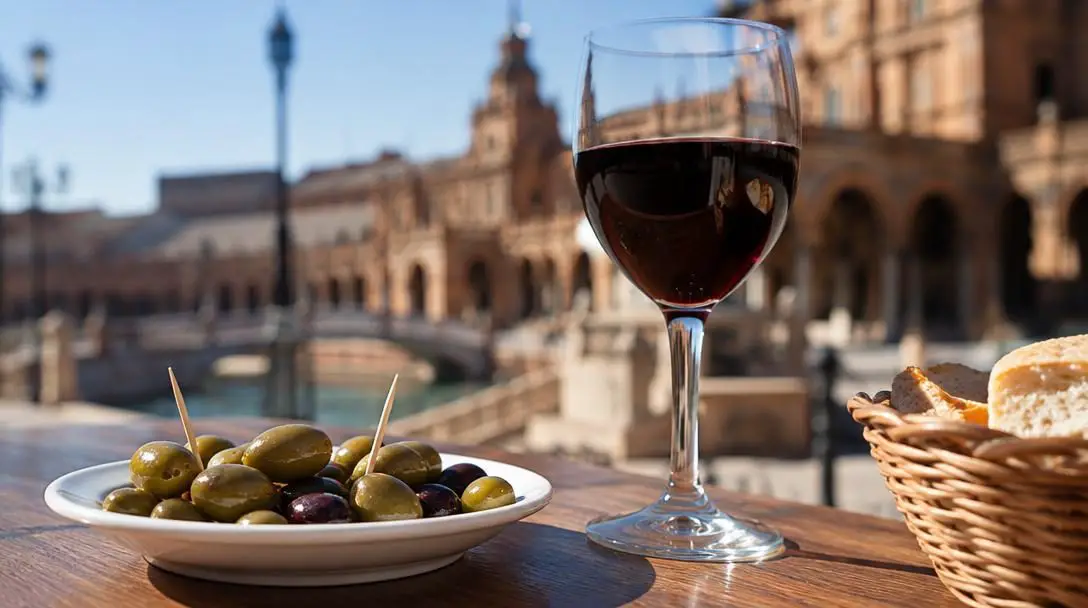
Because of this relaxed approach, it is entirely normal for social meetings, personal appointments, and even pre-arranged guided tours to get underway 10 to 15 minutes past their stated starting times. Showing open irritation, checking your watch repeatedly, or treating a small delay as an offensive breach of etiquette is seen as an unnecessary overreaction. A short delay reflects the natural, unhurried cadence of local life rather than laziness or unprofessionalism.
Labeling everyone as simply Spanish
International visitors frequently assume that Spain is a uniform monoculture where every citizen shares the exact same background. Applying a broad national label to everyone you encounter overlooks the profound historical, political, and cultural divisions that shape modern Spain. The country is officially structured into 17 autonomous regions and two autonomous cities, each with its own regional government, heritage, and unique self-identity.
A person living in Bilbao may identify first and foremost as Basque, while someone residing in Valencia considers their local customs paramount. In Barcelona, residents proudly identify as Catalan, maintaining their own language and cultural traditions alongside national customs. Assuming everyone is Castilian or reducing regional nuance to generic stereotypes can cause immediate offense. Taking the time to acknowledge whether you are in Catalonia, Castile, the Basque Country, or Andalusia demonstrates genuine cultural awareness.
Assuming everyone speaks English
A widespread misconception among modern travelers is that English is spoken universally throughout Europe. In Spain, that assumption quickly falls apart once you venture beyond international hotel chains and airport terminals. Approximately 27 percent of the national population possesses some degree of English fluency, and those speakers are heavily concentrated within primary metropolitan centers like Madrid and Barcelona, along with high-traffic coastal destinations such as Malaga, Marbella, and Ibiza. Outside these hubs, about 60 percent of Spanish residents cannot speak, read, or write English at all.
Fortunately, Spanish is considered one of the most accessible foreign languages for English speakers to pick up. Making the effort to greet shopkeepers with a cheerful hola, expressing your gratitude with gracias, or using basic affirmative terms like bueno instantly breaks the ice. Locals appreciate visitors who attempt to speak their language, and they will be far more willing to bridge communication hurdles if you show polite effort.
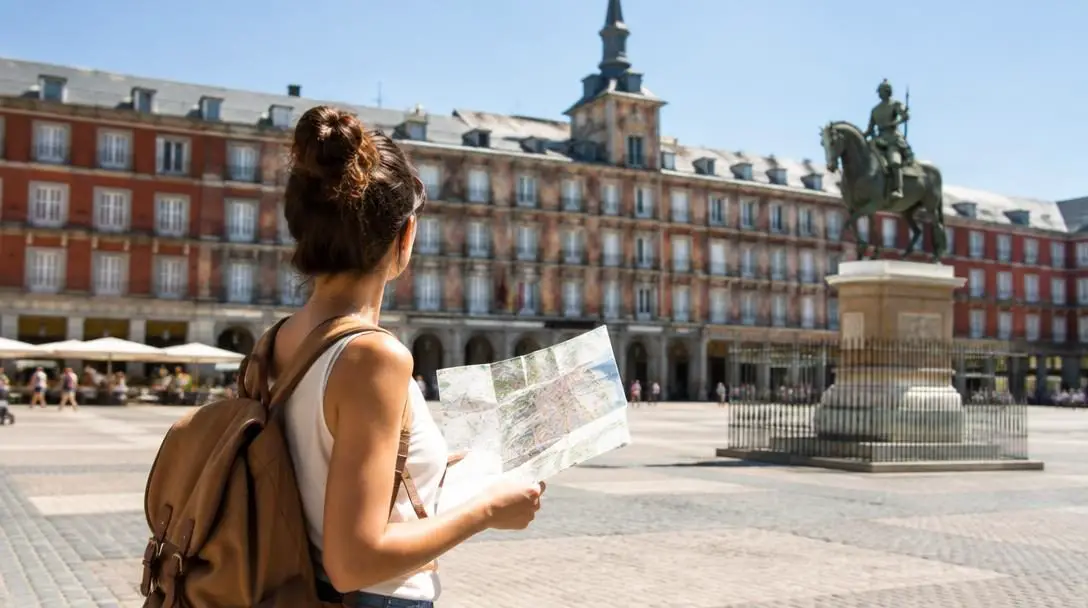
Making a small effort to speak the local language breaks the ice and earns instant goodwill from residents across the country.
Trying to go shopping during the afternoon
After a full morning of visiting museums, historical monuments, and scenic plazas, travelers often plan to spend their afternoons exploring independent boutiques and local specialty shops. In Spain, doing so between 2:00 PM and 5:00 PM usually results in disappointment. During these three hours, traditional commercial storefronts pull down their shutters and lock up for the afternoon break.
While this custom evolved from the traditional midday siesta—when rural workers sought respite from the brutal afternoon heat—modern city dwellers are not usually sleeping away the afternoon. Instead, they use this window to sit down for unhurried, multi-course lunches with family, socialize with colleagues, and digest their main meal. Public administrative buildings and municipal government offices conclude their services for the day at 2:00 PM. While multinational supermarket chains and large department stores often remain open continuously, traditional local retail shuts down completely until the late afternoon.
A breakdown of the Spanish daily timetable
The daily rhythm of Spain is deliberate, practical, and heavily oriented around social community. Rather than fighting against this structure, planning your vacation around the established clock ensures you are never left searching for food or standing before locked doors.
| Time Window | Phase of the Day | Typical Local Activities | Business Status |
|---|---|---|---|
| 7:00 AM – 9:00 AM | Early Morning | Quick breakfast, morning commute | Cafes, bakeries, and transit open |
| 10:30 AM – 12:00 PM | Mid-Morning | Cafeteria break, savory snacks, coffee | Retail stores and public offices open |
| 2:00 PM – 4:00 PM | Midday Feast | Substantial lunch, social conversation | Restaurants open; public offices close for day |
| 2:00 PM – 5:00 PM | Afternoon Pause | Digestive rest, leisure, socializing | Traditional boutique retail closed |
| 5:00 PM – 8:00 PM | Late Afternoon | Evening shopping, afternoon snack (5:30–7:00 PM) | Independent retail shops reopen |
| 9:00 PM – 10:00 PM+ | Night | Light dinner, tapas, evening drinks | Bars and dinner kitchens active |
Practical strategies for adjusting your itinerary
Shifting your routine takes a few days of conscious effort, but synchronizing your habits with the surrounding community allows you to experience Spain at its best. Follow these practical steps to structure your daily plans effectively:
- Synchronize your meal schedule before you arrive. Gradually adjust your lunch toward 2:00 PM and push your evening meals back past 9:00 PM during the week leading up to your trip to avoid digestive shock.
- Schedule shopping and administration early. Visit government buildings, administrative offices, and small artisanal storefronts between 9:30 AM and 1:30 PM before midday closures take effect.
- Build a 15-minute buffer into your calendar. Allow extra transition time between excursions, bookings, and organized tours so minor local delays do not disrupt your afternoon plans.
- Memorize essential conversational courtesies. Practice foundational Spanish greetings such as hola, gracias, and bueno to show respect when entering shops, hailing taxis, or ordering food.
- Research your destination's autonomous community. Confirm whether your itinerary passes through Catalonia, the Basque Country, Valencia, or Castile to appreciate local traditions and regional identities.
Frequently asked questions
Is it impossible to find food between 4:00 PM and 8:00 PM?
While primary restaurant kitchens close after lunch service ends around 4:00 PM, many neighborhood cafes and bakeries remain open to serve coffee, pastries, and savory light bites for the traditional afternoon snack window.
Why do public government offices close so early in the day?
Most administrative centers and municipal offices wind down public service operations by 2:00 PM so that workers can take their primary meal and conclude their administrative day.
Can I order paella for dinner at a traditional restaurant?
Traditional establishments prepare paella exclusively during the lunch window between 2:00 PM and 4:00 PM because it is a heavy dish meant to be digested during the afternoon; dinner is reserved for light tapas.
Do all retail stores close down between 2:00 PM and 5:00 PM?
Independent boutiques and neighborhood specialty stores close during these hours, but major international fashion outlets, supermarkets, and large department stores typically maintain continuous hours throughout the day.
How widely spoken is English across Spain?
Roughly 27 percent of Spaniards speak some English, predominantly in commercial urban areas like Madrid and Barcelona or resort hubs like Ibiza and Marbella, while around 60 percent of the national population does not speak, read, or write English.
The bottom line
Adapting to life in Spain does not require abandoning your own travel preferences, but it does ask for an open mind and a willingness to slow down. The traditional pauses, late meals, and relaxed approach to punctuality are not barriers erected to complicate your vacation; they are foundational elements of a lifestyle centered on community, rest, and shared enjoyment. When you step away from the urge to rush, honor the distinct heritage of each autonomous community, and embrace the rhythm of the Spanish afternoon, your visit transforms from a simple sightseeing trip into an unforgettable cultural experience.