The Culture Guide: 5 Things You Should Not Do When Visiting Uganda
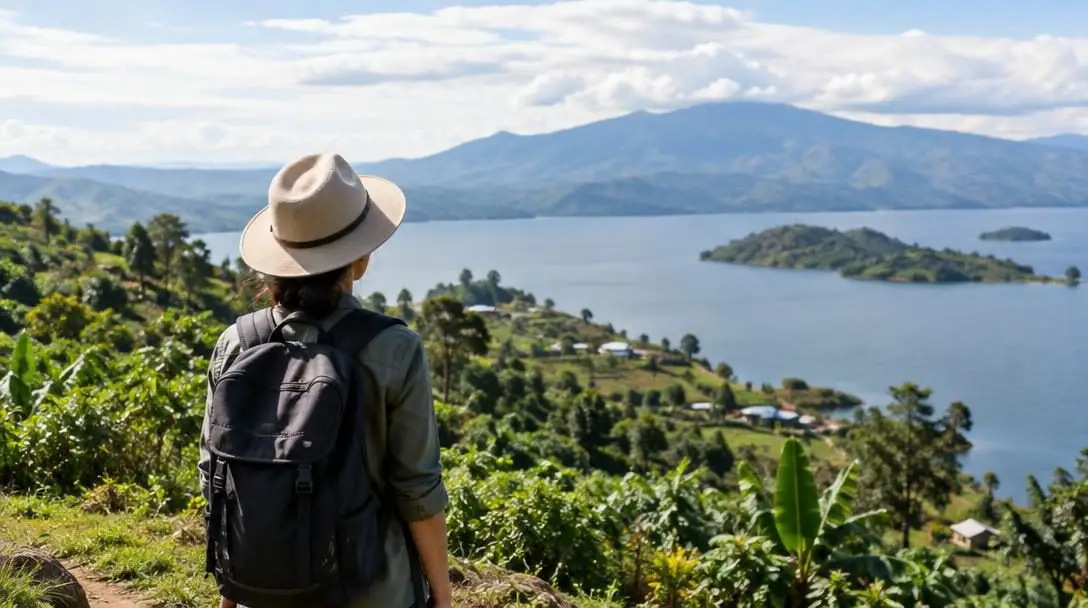
Uganda has firmly established itself as one of the most hospitable and welcoming travel destinations on the African continent. Having enjoyed 15 years of peace and with the era of Idi Amin long in the past, the nation welcomes roughly one million international tourists every year. Visitors flock from around the globe to marvel at pristine wildlife habitats, traverse diverse landscapes, and experience the warmth of communities that genuinely pride themselves on opening their doors to guests.
Yet even within such an inviting environment, foreign visitors frequently encounter customs, social hierarchies, and behavioral expectations that differ profoundly from those at home. Ugandan public life is deeply anchored in values of mutual dignity, conservative presentation, personal modesty, and situational discretion. Understanding these core social expectations ensures that cross-cultural interactions remain warm and enriching, protecting travelers from accidentally causing offense or misunderstandings during their stay.
Key takeaways
- Personal presentation matters enormously across Uganda, where clean, pressed, and modest attire is treated as an essential sign of respect toward others.
- Conversations are viewed as balanced, two-way exchanges; travelers should listen attentively and avoid dispensing unsolicited critiques or political opinions.
- Photographing local people without clear permission—especially in contexts that resemble exploitative poverty tourism—is profoundly disrespectful and strictly frowned upon.
- Public displays of romantic affection and loud emotional outbursts contradict local standards of decorum, whereas platonic hand-holding between men is a standard gesture of friendship.
Understanding the Foundations of Ugandan Social Etiquette
To navigate daily life in Uganda gracefully, one must understand that social etiquette prioritizes community cohesion over unrestrained personal expression. In many Western individualistic societies, personal comfort and spontaneous self-expression take precedence over conformity. In contrast, Ugandan social customs place high value on how an individual's speech, posture, and wardrobe affect the people sharing the surrounding space.
Dignity is a cornerstone of daily interaction. Regardless of income level or social station, individuals work hard to present themselves with self-respect and treat others with equal honor. Consequently, casual carelessness—whether reflected in crumpled attire, dismissive conversation, or an intrusive camera lens—is interpreted not as personal eccentricity, but as a deliberate lack of regard for the host community. Approaching interactions with patience, humility, and genuine curiosity opens doors to genuine hospitality that few countries can match.
Ugandan social etiquette is built on mutual dignity and composure, viewing personal presentation and conversational humility as fundamental marks of respect.
At a Glance: Cultural Norms and Everyday Behavior
Navigating everyday social situations becomes straightforward when you understand what local culture expects and what behaviors unintentionally breach social harmony.
| Interaction Area | Behavior to Avoid | Expected Cultural Norm | Underlying Value |
|---|---|---|---|
| Personal Attire | Wearing gym shorts, miniskirts, or torn and wrinkled garments in public | Dressing in clean, modest, well-maintained clothing covering thighs and shoulders | Showing basic courtesy and honor to the surrounding community |
| Interpersonal Dialogue | Lecturing on foreign systems or offering uninvited advice | Listening closely, sharing personal background, and engaging reciprocally | Humility and genuine two-way connection |
| Photography | Taking unsolicited photos or participating in slum tours | Asking explicit consent and respecting individual privacy | Human dignity and rejection of exploitative narratives |
| Public Demeanor | Kissing, embracing romantically, or displaying visible anger | Practicing emotional self-control and maintaining private boundaries | Social decorum, peace, and modesty |
| Civic Discussions | Interrogating locals about the head of state or election choices | Focusing dialogue on family, culture, professions, and daily trade | Discretion and situational boundaries with outsiders |
Five Essential Cultural Taboos to Avoid in Uganda
While local communities are forgiving of honest mistakes, adhering to these five guidelines will ensure you do not cross boundaries into genuine disrespect.
1. Dressing Sloppily or Immodestly
Ugandans place immense pride in their appearance. Across both urban hubs and countryside trading centers, the prevailing standard is to step out looking tidy, well-groomed, and carefully put together. Even when individuals wear second-hand clothing, these items are consistently washed, meticulously mended, and sharply ironed. Walking through town in garments that are wrinkled, stained, ripped, or deliberately distressed signals that you do not care enough about the community around you to make an effort.
Modesty is equally paramount. Local social expectations strongly discourage clothing that exposes too much skin in public spaces. Women should avoid miniskirts and revealing shorts, opting instead for longer skirts, dresses, or trousers that reach below the knee. Similarly, men are expected to wear long trousers when running errands, dining out, or conducting business in town. While athletic shorts might seem practical for warm weather, they are viewed locally as inappropriate loungewear or sports apparel rather than acceptable public street attire.
2. Acting Like a Know-It-All in Conversation
When entering a conversation with a Ugandan, the most respected posture you can adopt is that of an active listener. International media broadcasts frequently portray African nations through narrow, inaccurate lenses, flattening dynamic societies into simplistic narratives. Ugandans understandably resent it when visitors arrive reciting secondhand assumptions or acting as though they understand the country better than the people who live there.
Avoid arriving with prepackaged solutions to perceived local challenges or offering unsolicited advice on how communities ought to be organized. Instead, practice reciprocity. Talk openly about where you are from, the work you do, and what everyday life looks like in your home country, and invite your conversation partner to share their own perspective. Ugandans are enthusiastic about authentic cultural exchange, provided the discussion remains an equal, respectful dialogue rather than a one-sided lecture.
3. Taking Photos Without Permission or Engaging in Poverty Tourism
Personal boundaries surrounding photography must be observed with absolute rigor. One of the most damaging stereotypes exported abroad stems from exploitative imagery—frequently described as "poverty porn"—that depicts people living in hardship as helpless victims waiting for foreign intervention. Local citizens are hardworking, entrepreneurial, and resourceful pillars of their neighborhoods, and reducing their lives to an exotic photo opportunity strips them of their inherent dignity.
In recent years, commercialized "slum tours" have emerged across several global travel destinations. Participating in these tours to photograph struggling families or impoverished neighborhoods is viewed by locals as deeply intrusive and patronizing. Always keep your camera or phone out of sight until you have established a warm rapport with an individual and received their clear, voluntary consent to be photographed. If they decline, accept their response with grace and move on.
4. Displaying Romantic Affection or Intense Emotion in Public
Public life in Uganda is framed by conservative expectations regarding emotional display and physical intimacy. Even between legally married couples, romantic demonstrations such as kissing, fondling, or intense embraces in public streets or public transportation are viewed with profound discomfort by onlookers. While greetings in cosmopolitan areas like the capital city of Kampala have softened to include brief hugs among friends, overt romantic physical contact remains unacceptable in public view.
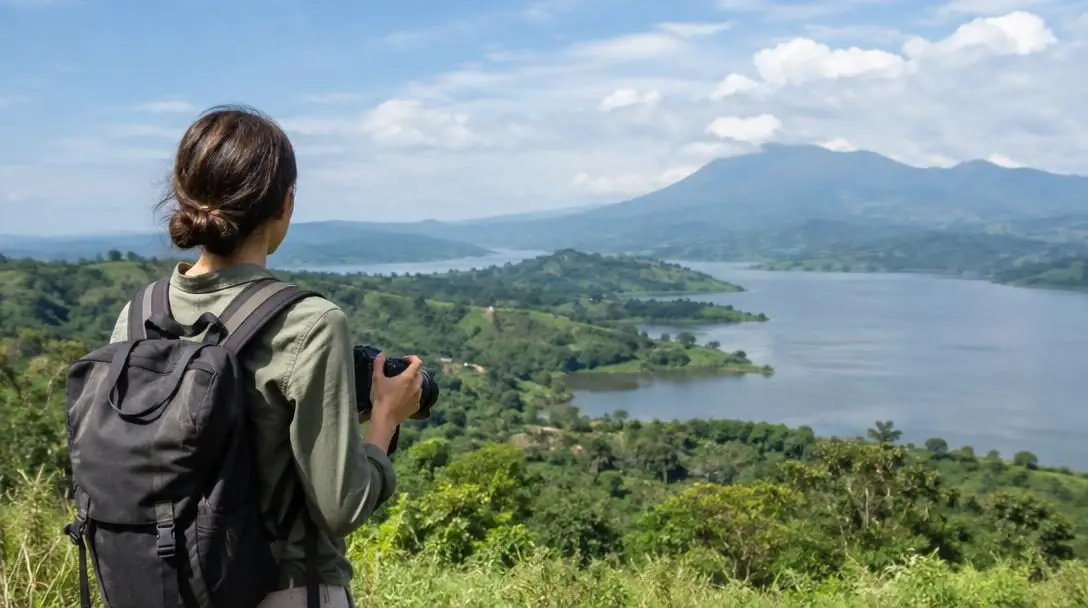
At the same time, foreign visitors should be careful not to misinterpret local physical mannerisms through their own cultural lens. For example, it is quite common to see two adult men walking hand-in-hand through town; this is entirely platonic and reflects deep, everyday camaraderie rather than romantic involvement. Furthermore, displays of volatile emotion—particularly explosive anger, shouting, or aggressive confrontation—are widely looked down upon. Even in frustrating circumstances, remaining calm and polite will resolve issues far faster than raising your voice.
5. Bringing Up Domestic Politics With Strangers
Uganda operates as a democracy, but domestic politics remains an intricate and delicate subject. Political alignments are complex, and many citizens hold differing views regarding the current administration and political leadership. Asking direct, unsolicited questions about voting choices, government performance, or state leadership places local residents in an uncomfortable and potentially compromised position.
Because domestic governance carries distinct personal and civic stakes, citizens are generally unwilling to debate local political dynamics with international visitors whom they have just met. Pushing drivers, hotel workers, or shopkeepers to disclose their personal views breaches social boundaries. Instead, direct your curiosity toward everyday themes: ask about family traditions, regional foods, music, trade, and community life. Locals will eagerly share their rich heritage once political interrogations are kept off the table.
Best Practices for Culturally Sensitive Travel
Adapting your day-to-day routine to match local customs does not require drastic sacrifices; rather, it requires minor, intentional habits that communicate respect and social awareness.
- Pack durable, wrinkle-resistant clothing featuring modest cuts, high necklines, and hem lengths that cover the knees.
- Begin every daily interaction—whether ordering food or asking for directions—with a warm greeting and an inquiry about the other person's well-being.
- Keep your camera safely stowed in your bag, taking it out only after securing explicit permission from anyone who might appear in your frame.
- Share stories about your own hometown, family structure, and profession to establish a reciprocal, two-way foundation for conversations.
- Maintain an even temper during logistical delays, using quiet patience and polite inquiries rather than loud demands to resolve issues.
Common Cultural Missteps to Avoid
Even seasoned travelers can slip into unhelpful habits when navigating unfamiliar environments. Keep these frequent missteps in mind to ensure your journey runs smoothly:
- Assuming casual beachwear or gym clothing is acceptable outside private resorts or designated wilderness trails.
- Believing that second-hand or budget-friendly travel excuses ripped, unwashed, or neglected clothing.
- Treating working-class neighborhoods or informal markets as amusement attractions rather than communities deserving privacy.
- Misreading platonic signs of friendship, such as hand-holding among peers of the same sex, as romantic expressions.
- Pressuring service industry staff, guides, or drivers to voice their stances on controversial elections or state officials.
- Allowing stress or impatience to turn into public arguments or raised voices when travel plans face unexpected delays.
Frequently asked questions
Is it completely unacceptable for travelers to wear shorts in Uganda?
Shorts are acceptable inside private safari lodges, around swimming pools, during rugged outdoor treks, and while participating in athletic activities. However, wearing shorts while walking through city streets, rural villages, markets, or government buildings is viewed as inappropriate and overly casual for both men and women.
How should I greet people when traveling through Uganda?
Greetings are an essential social ritual in Uganda and should precede any practical question or business transaction. Always greet people with a warm handshake, a smile, and a polite inquiry into how their day or family is doing before asking for directions or ordering goods.
Why is platonic hand-holding common between men in Uganda?
In Ugandan culture, two men holding hands while walking is a traditional, entirely platonic demonstration of close friendship, mutual trust, and camaraderie. It does not carry romantic or sexual connotations.
Can I photograph children or local artisans in markets?
You should only take photographs after asking for and receiving explicit consent from the individuals or their guardians. Taking unsolicited photographs of strangers, especially children, is considered invasive and reinforces disrespectful stereotypes of poverty tourism.
What should I do if a conversation turns to local politics?
If a local resident brings up politics unprompted, maintain a courteous, listening posture without arguing or asserting foreign viewpoints. If you are tempted to bring up politics yourself, it is best to redirect the conversation toward neutral topics like business, food, music, or family life.
The Bottom Line
Uganda's reputation as a welcoming, vibrant, and peaceful travel destination is well earned. The nation's warmth is not a superficial tourist facade, but a profound cultural virtue grounded in community respect, human dignity, and hospitality. By aligning your personal habits with local standards—dressing with care, speaking with humility, preserving personal privacy, observing public decorum, and steering clear of sensitive civic debates—you move through the country not merely as an observer, but as a respected and honored guest.