The Different Types of Yeast Used in Beer Making and Their Effect on Flavor
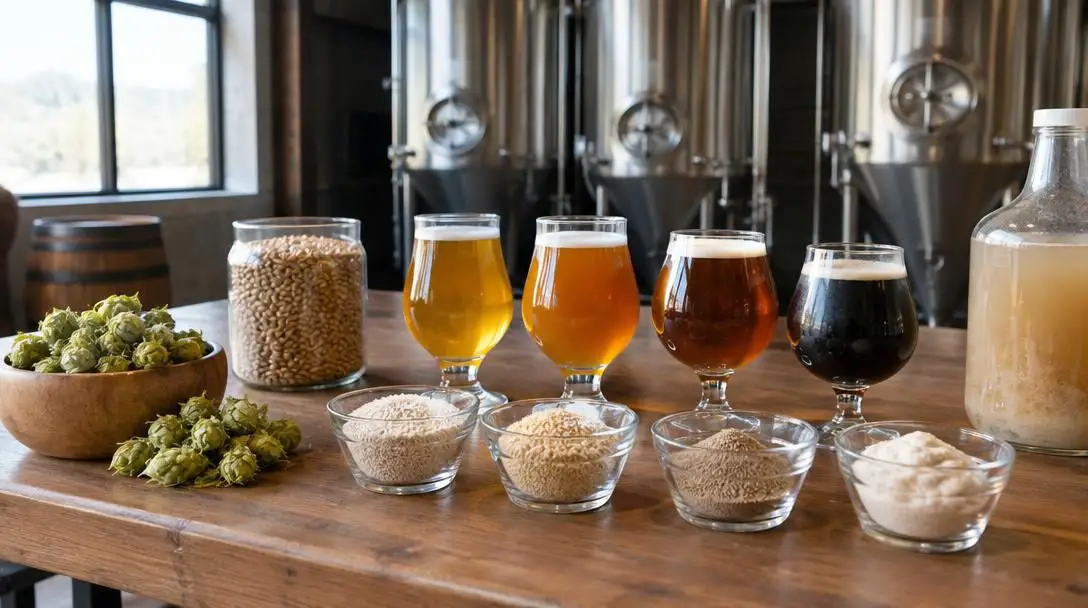
Brewing beer is an ancient craft balanced on four core elements: water, malted grain, hops, and yeast. While water provides the bulk volume, malt supplies fermentable sugars, and hops lend balancing bitterness and fragrant aromatics, yeast acts as the biological engine of the entire brewing process. Without this microscopic organism, a brewer is left with nothing more than wort, the warm, sugary broth extracted from cracked grains. Once pitched into the liquid, yeast completely transforms the wort, consuming simple sugars and generating alcohol, carbonation, and an intricate tapestry of aromatic compounds.
The choice of yeast strain exerts a profound influence on the finished pint, shaping everything from mouthfeel and foam stability to clarity and flavor. Depending on whether a brewer selects a top-fermenting ale culture, a cold-loving lager strain, a versatile hybrid, or an unpredictable cocktail of wild microbes, the resulting beer can range from bone-dry and crisp to lush, fruity, peppery, or distinctly sour. Gaining an appreciation for how different yeast strains operate empowers both homebrewers and beer lovers to better understand the nuances in their glasses.
Key takeaways
- Yeast transforms sugary wort into finished beer by producing alcohol, carbon dioxide, and complex flavor byproducts such as fruity esters and spicy phenols.
- Ale yeasts ferment at warmer temperatures near the surface of the wort, producing expressive fruity notes and full-bodied textures.
- Lager yeasts work deliberately at cold temperatures at the bottom of the tank, yielding clean, crisp profiles that highlight malt and hop nuance.
- Wild yeasts, bacterial cultures, and hybrid strains provide brewers with creative freedom to craft tart, rustic, or dual-profile beers.
- Meticulous temperature management, thorough sanitation, and pitch freshness are vital for preventing off-flavors and sluggish fermentations.
The biological engine: how yeast shapes beer flavor
At its most fundamental level, fermentation is the biological mechanism by which single-celled fungi ingest fermentable sugars extracted during the mashing process and metabolize them into ethanol and carbon dioxide gas. Yet brewing chemistry is rarely that simple. As yeast cells reproduce and consume glucose, maltose, and maltotriose, they simultaneously synthesize dozens of secondary metabolic byproducts. These compounds—principally esters, phenols, higher alcohols, and organic acids—form the aromatic signature of the beer.
Esters are aromatic chemical compounds created through the enzymatic binding of organic acids and alcohols during fermentation. They are responsible for delivering bright, fruity sensations that recall apples, pears, bananas, stone fruit, and berries. Phenols, on the other hand, produce spicy, clove-like, herbal, or subtly smoky undertones. Whether these secondary metabolites enhance a recipe or register as sensory flaws depends entirely on the intended beer style and the specific yeast strain selected by the brewer.
Temperature serves as the master switch governing yeast metabolism, dictating whether a fermentation finishes clean and neutral or vibrantly aromatic.
Fermentation temperature functions as the primary control lever for these biochemical reactions. Operating at the cooler end of a strain's tolerance threshold dampens metabolic velocity, leading to reduced ester formation and a leaner, more neutral background that allows specialty malts and hop varieties to shine unimpeded. Raising the ambient temperature accelerates cellular activity, encouraging the yeast to release a wider, more pungent spectrum of aromatic esters and phenols. Mastering this dynamic is how brewers dial in balance and repeatability.
Distinct yeast varieties and their flavor profiles
Brewing yeasts are broadly grouped into historical and functional classifications based on their cellular behavior, thermal tolerances, and sensory outputs. Knowing the functional boundaries of each category allows brewers to tailor recipes with extreme precision.
Ale Yeast
- Fermentation type: Top-fermenting
- Optimal temperature: 60°F to 75°F (15°C to 24°C)
- Key flavor compounds: Fruity esters and spicy or earthy phenols
- Classic styles: Pale ales, IPAs, porters, and stouts
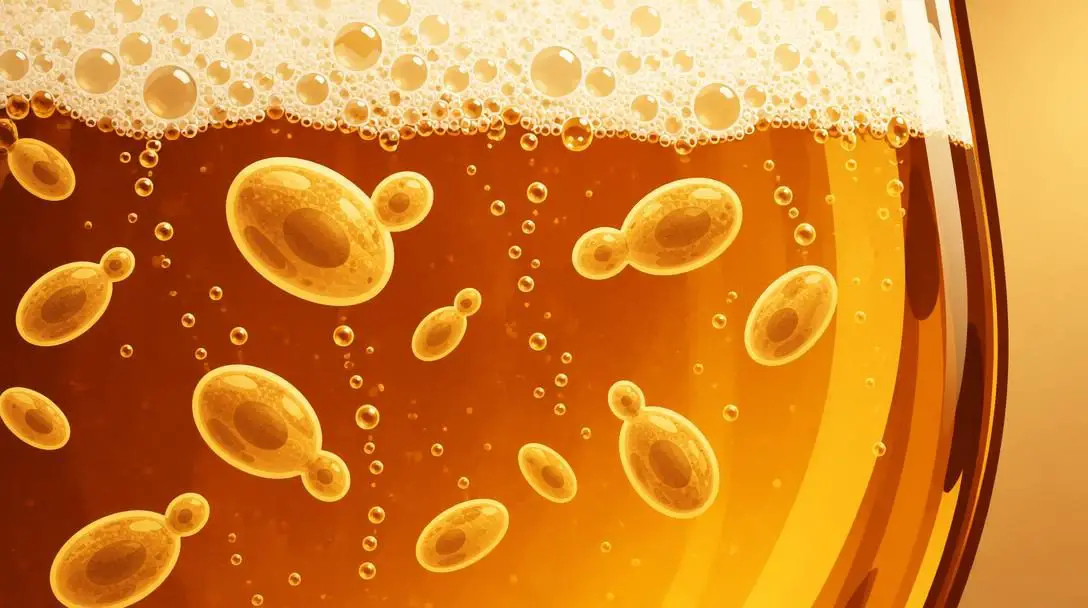
Classified historically as a top-fermenting organism, ale yeast tends to rise toward the liquid surface during the peak of fermentation, forming a dense, frothy krausen. Thriving in ambient conditions between 60°F and 75°F (15°C and 24°C), this category demonstrates a vigorous metabolic rate that yields bold, expressive flavor profiles. The warmth of the fermentation stimulates the production of complex esters that deliver delightful aromas of orchard fruits, berries, and delicate floral notes.
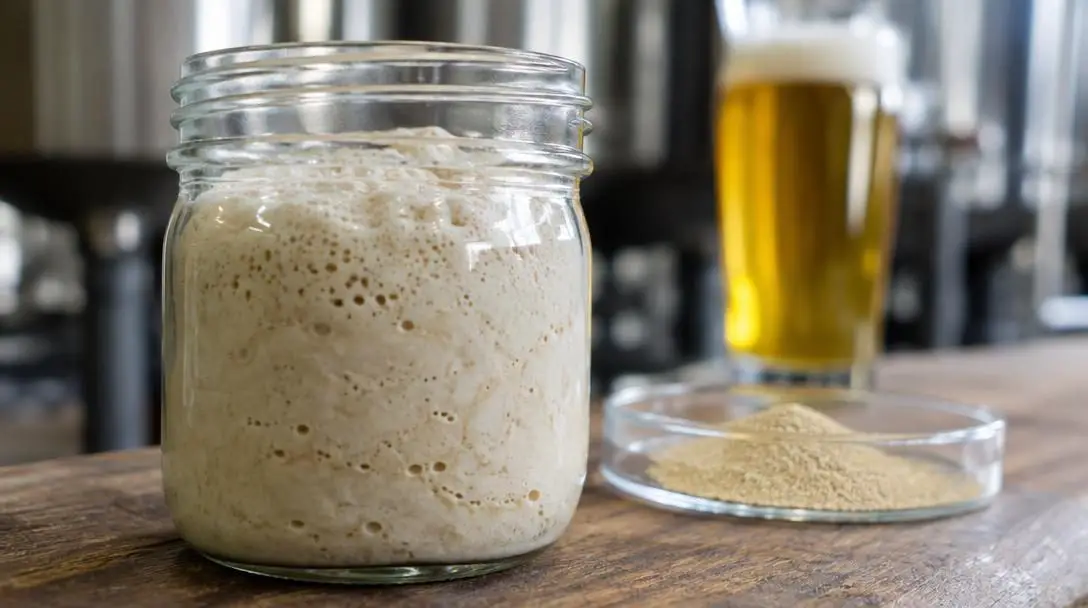
Beyond aromatic complexity, ale yeast strains are celebrated for building robust physical texture and supporting a thick, long-lasting head of foam. In hop-forward creations like India Pale Ales and American pale ales, the gentle fruitiness of the yeast interlocks seamlessly with citrusy or tropical hop oils. In darker malt showcases, such as porters and stouts, the subtle earthy and spicy phenols produced by ale yeast weave into dark chocolate, roasted coffee, and caramel malt backdrops.
Lager Yeast
- Fermentation type: Bottom-fermenting
- Optimal temperature: 46°F to 54°F (8°C to 12°C)
- Key flavor compounds: Clean, crisp finish with subtle malt, hops, and mild sulfur
- Classic styles: Pilsners, traditional lagers, and bocks
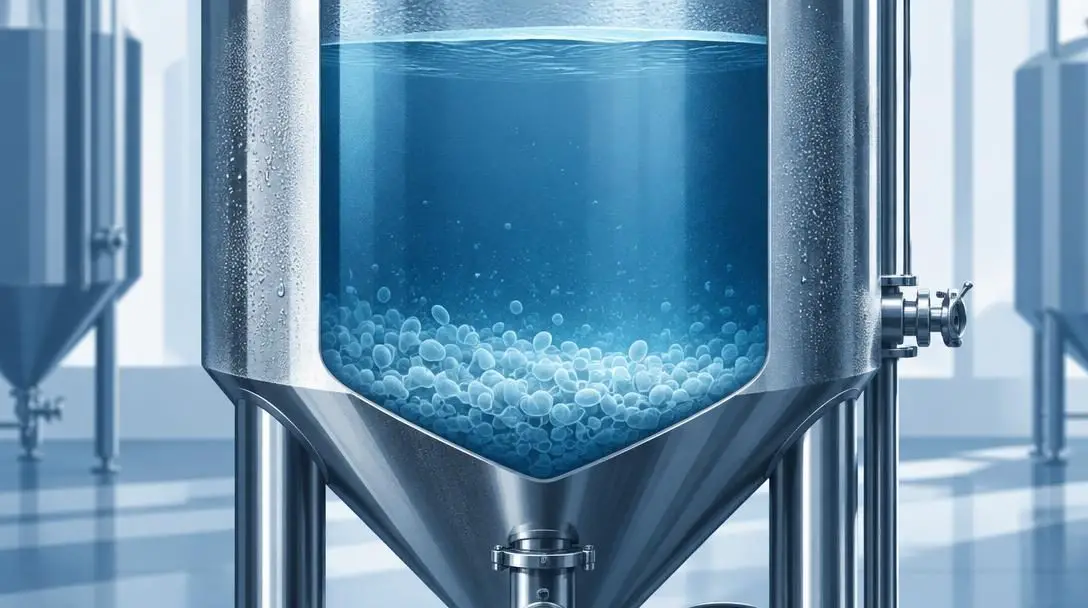
In direct contrast to ale strains, lager yeast is a bottom-fermenting variety that functions best in cold, controlled cellar conditions, typically between 46°F and 54°F (8°C and 12°C). As fermentation proceeds slowly and steadily, the yeast cells drift downward and settle at the floor of the vessel. The combination of chilled temperatures and extended conditioning periods dramatically suppresses ester and phenol production, resulting in an exceptionally transparent sensory baseline.
This restraint is the defining quality of classic European lagers. Without heavy fruitiness masking the liquid, the delicate, biscuity nuances of continental grains and the herbal, floral qualities of noble hops emerge with pinpoint clarity. Many lager strains also generate trace amounts of sulfur compounds during fermentation. When properly conditioned through cold storage, these faint sulfuric notes integrate into the beverage, creating the crisp, refreshing character prized in German and Czech pilsners, traditional helles lagers, and rich bocks.
Wild Yeast and Bacteria
- Aging environment: Wooden barrels, casks, or dedicated souring tanks
- Fermentation duration: Several months to multiple years
- Key flavor compounds: Tart acidity, rustic funk, barnyard notes, and deep fruit
- Classic styles: Traditional lambics, tart sour ales, and farmhouse ales
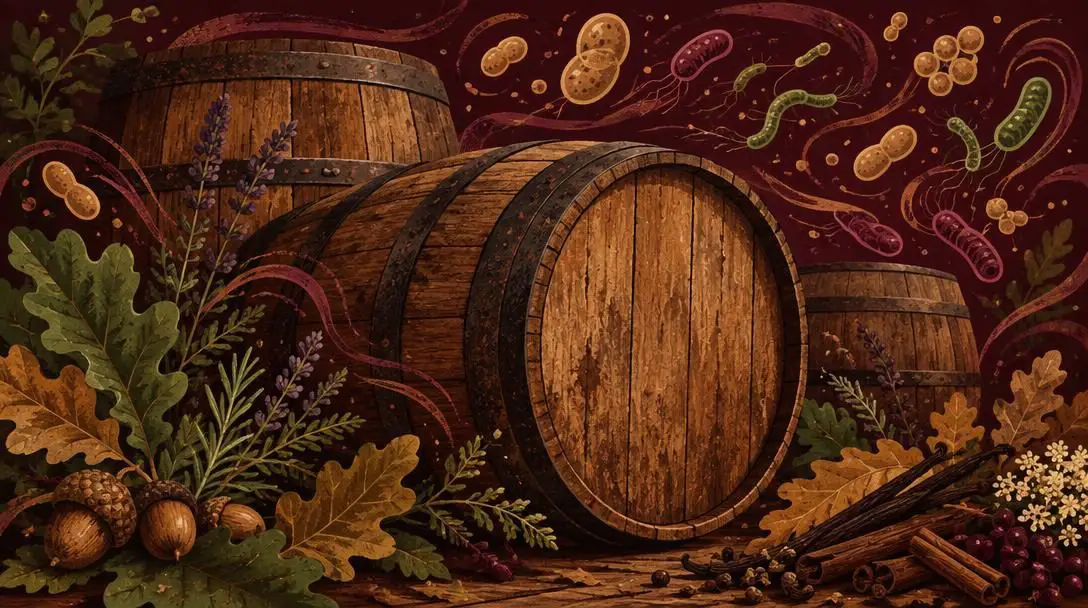
While standard brewing practice relies on pure monocultures nurtured in sterile laboratories, some brewing traditions invite non-conventional wild yeasts and souring bacteria into the fermenter. These wild cultures introduce an entirely distinct metabolic palette. Strains of wild yeast and beneficial bacteria metabolize complex starches that brewer's yeast cannot digest, creating intense organic acids, rustic funk, and vinous depth.
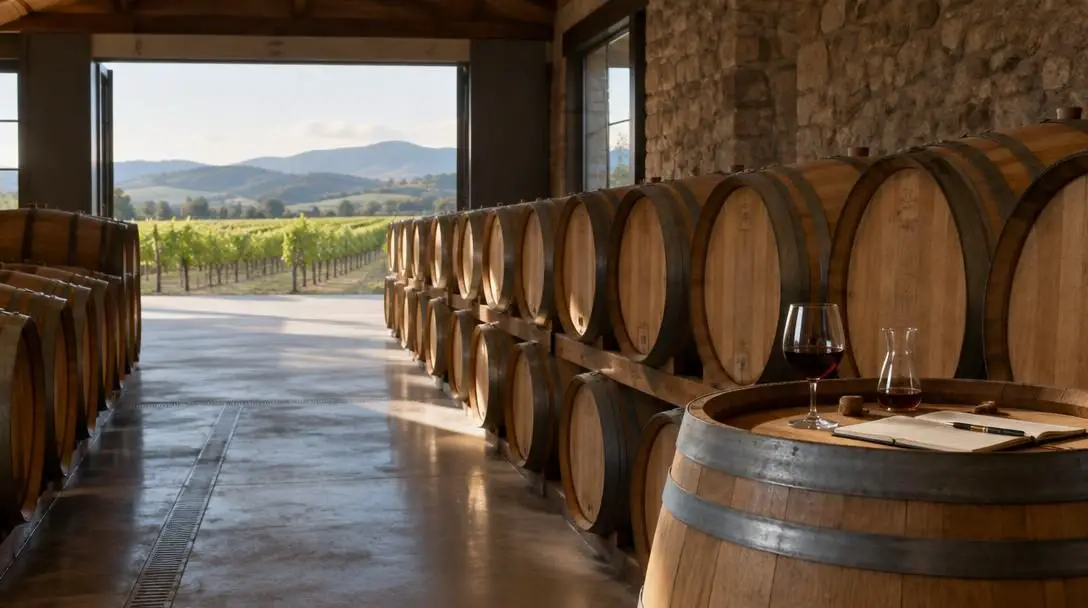
Beers fermented with wild cultures often require extraordinary patience. The fermentation process routinely extends across many months or even multiple years, frequently taking place within porous wooden barrels where micro-oxygenation and resident wood flora assist the aging process. Over time, these dynamic microbial colonies yield sharp lactic or acetic acidity, earthy notes, and nuanced dried-fruit flavors. This biological alchemy underpins heritage styles such as Belgian lambics, refreshing sour ales, and earthy farmhouse ales.
Hybrid Yeast Strains
- Fermentation behavior: Versatile dual-profile adaptation
- Cool profile: Clean, crisp, lager-like characteristics
- Warm profile: Fruity, estery qualities reminiscent of traditional ales
- Classic styles: Warm-fermented lagers, pale ales, and porters
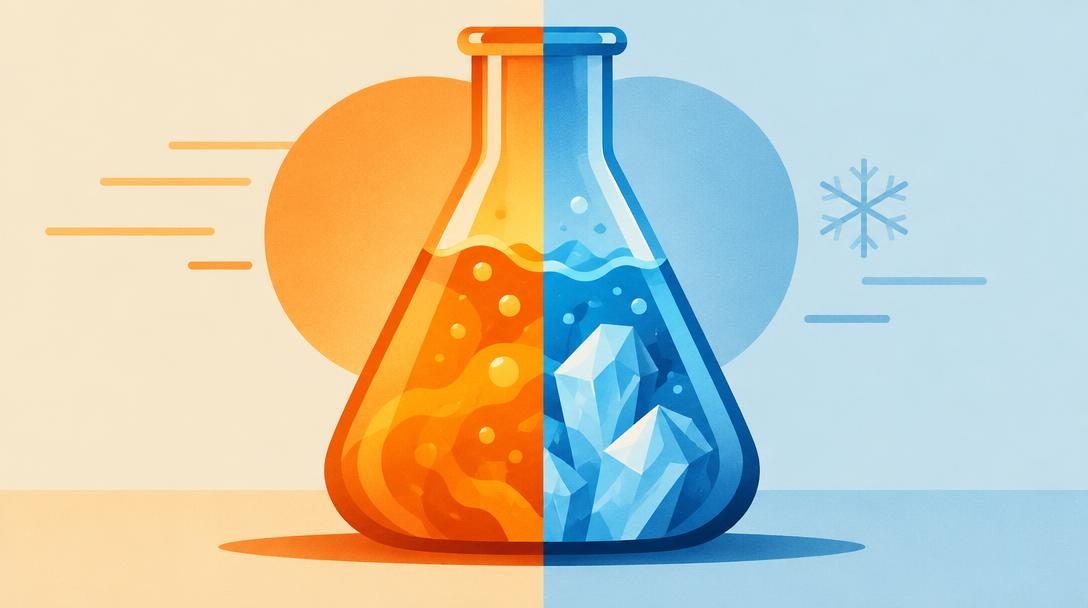
Hybrid yeast strains blur the boundaries between traditional ale and lager profiles. These versatile cultures were popularized by new-world craft brewers looking for flexibility and unique sensory expressions without being constrained by rigid temperature specifications. Hybrid strains can tolerate an exceptionally broad temperature window, altering their flavor output depending on where the fermenter is positioned within that range.
When fermented on the cooler end of their operating spectrum, hybrid yeasts mimic lager profiles, attenuating cleanly and leaving behind a crisp, snappy finish free of heavy esters. If allowed to ferment at warmer room temperatures, the same culture pivots to produce gentle fruitiness and rounded body akin to a pale ale strain. This adaptability makes hybrid cultures a favorite tool for crafting warm-fermented lagers, hybrid cream ales, versatile porters, and experimental pale ales.
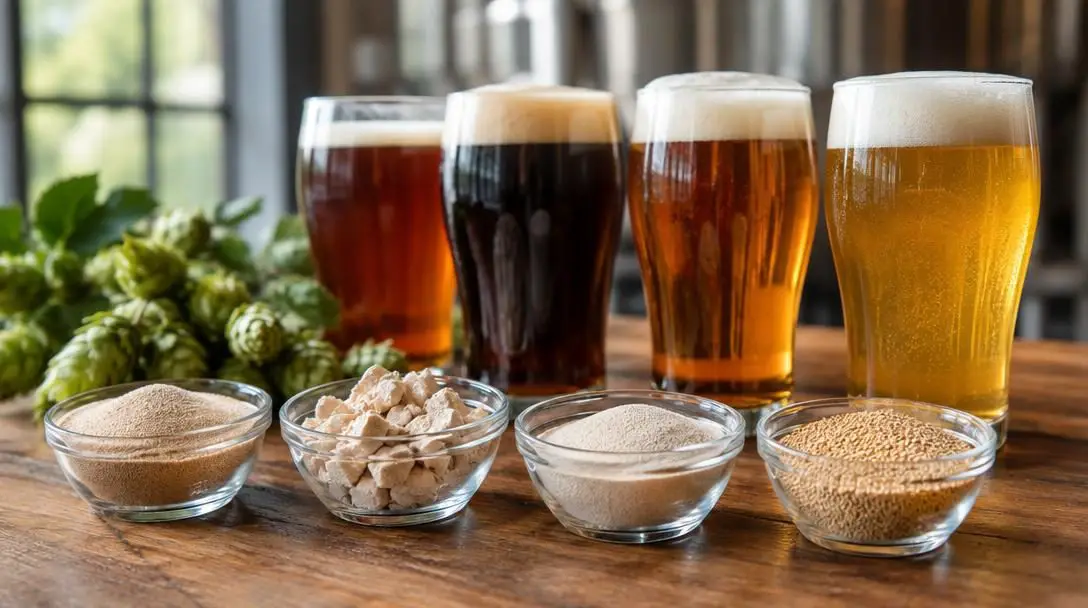
Comparing brewing yeasts side by side
To help illustrate how these yeast classifications behave within the brewery, the table below highlights the operational requirements and expected sensory contributions of each variety.
| Yeast Classification | Fermentation Behavior | Primary Temperature Range | Dominant Flavor Attributes | Representative Styles |
|---|---|---|---|---|
| Ale Yeast | Top-fermenting, rapid metabolism | 60°F to 75°F (15°C to 24°C) | Orchard fruit esters, spicy phenols, rich body | Pale ales, IPAs, porters, stouts |
| Lager Yeast | Bottom-fermenting, slow metabolism | 46°F to 54°F (8°C to 12°C) | Ultra-clean, crisp, grain-forward, subtle sulfur | Pilsners, traditional lagers, bocks |
| Wild Yeast and Bacteria | Mixed culture, extended maturation | Varies widely (often cellar temperatures) | Tart acidity, rustic barnyard funk, deep complexity | Lambics, sour ales, farmhouse ales |
| Hybrid Yeast | Temperature-flexible dual nature | Intermediate or adaptable ranges | Clean at cool temperatures; fruity at warm temperatures | Warm-fermented lagers, hybrid pale ales, porters |
A practical workflow for selecting and managing yeast
Proper yeast handling is essential for maintaining fermentation vitality and avoiding stalled batches. Implementing a methodical approach ensures clean fermentations and repeatable flavor results.
- Match the yeast strain to the desired beer style by studying historical flavor benchmarks, expected attenuation rates, and flocculation behavior.
- Establish the correct fermentation environment, verifying that cooling jackets, temperature controllers, or fermentation chambers can sustain the strain's target temperature range.
- Select your target sensory profile by opting for cold-fermenting lager strains for crisp drinkability, or warm-fermenting ale and hybrid strains for heightened fruitiness.
- Verify culture viability before brewing by inspecting the packaging date, checking manufacturer recommendations, and confirming refrigerated storage history.
- Sanitize all transfer hoses, sample valves, airlocks, and primary fermenting tanks thoroughly with food-grade sanitizing solutions.
- Aerate and cool the wort to the strain's target starting temperature, then pitch the yeast culture smoothly to prevent thermal shock.
- Track the active fermentation timeline daily through hydrometer readings, airlock bubbling cadence, and krausen formation until gravity stabilizes.
Critical yeast management mistakes to avoid
Because yeast is a delicate living organism, small lapses in process control can introduce off-flavors that degrade the quality of the final beer. Keep an eye out for these frequent brewing pitfalls:
- Pitching expired or poorly stored cultures: Yeast vitality diminishes quickly when packages sit warm or past their prime, causing slow fermentation starts and vulnerable wort.
- Uncontrolled temperature drift: Letting ale ferments spike above recommended limits generates harsh, solvent-like alcohols, while allowing lagers to warm up ruins their crisp, clean profile.
- Rushing the conditioning window: Pulling beer off the yeast too early prevents the cells from reabsorbing natural intermediate compounds like diacetyl, leading to unwanted buttery flavors.
- Subpar sanitation procedures: Compromised sanitation lets opportunistic airborne bacteria colonize the wort, souring batches that were meant to be clean and malty.
Advanced exploration: split batches and temperature experiments
Once you are comfortable managing baseline ale and lager fermentations, running controlled comparative experiments is the best way to develop an intuitive feel for yeast mechanics. One of the most educational exercises is the split-batch test: brew a single large volume of wort, divide it equally into two sanitary fermenters, and pitch an expressive ale strain into one vessel and a clean hybrid or lager culture into the other. By holding grain, water, and hop additions completely identical, the finished tasting will highlight exactly how much flavor is attributable to yeast alone.
Another revealing exercise involves testing temperature thresholds within a single strain. Pitch the same ale yeast into two identical fermenters, holding one at 62°F (17°C) and letting the other ferment at 74°F (23°C). Evaluating the finished beers side-by-side reveals how warm fermentation unlocks vibrant ester synthesis, while cooler temperatures preserve a clean, hop-and-malt-driven balance. As your confidence grows, integrating wood staves, barrel aging, or secondary wild inoculations opens up an endless horizon of flavor design.
Frequently asked questions
Can I ferment an ale yeast at lager temperatures?
Fermenting an ale yeast well below its recommended temperature range generally causes the cells to become sluggish or drop into dormancy prematurely. This results in a stalled fermentation, leaving unfermented sugars in the beer and causing off-flavors or low carbonation.
What are esters, and how do they get into beer?
Esters are aromatic compounds formed by yeast during fermentation through the chemical reaction between organic acids and alcohols. They impart fruity and floral aromas ranging from apple and pear to banana and berries, depending on the yeast strain and fermentation temperature.
Why do lagers take longer to ferment than ales?
Lager yeast operates at much cooler temperatures (46°F to 54°F / 8°C to 12°C), which significantly slows cellular metabolism. In addition to a slower primary fermentation, lagers require an extended period of cold maturation to allow the yeast to settle out and clean up intermediate byproducts.
Are wild yeasts and bacteria safe to drink in beer?
Yes. The combination of alcohol, hop bitterness, low pH, and lack of oxygen in finished beer creates an environment that prevents harmful human pathogens from thriving. Wild yeasts and food-grade souring bacteria like lactobacillus produce pleasing tart and rustic flavors safely.
What is the difference between top-fermenting and bottom-fermenting yeast?
Top-fermenting ale yeasts typically gather near the liquid surface during peak activity, forming a thick layer of foam. Bottom-fermenting lager yeasts work more slowly and tend to settle toward the bottom of the fermentation tank as they finish consuming sugars.
The bottom line
Malt might provide the fermentable backbone and hops the aromatic sparkle, but yeast remains the living soul of beer. From crisp, clean pilsners shaped by cold-tolerant lager strains to fruity, full-bodied ales and complex, funk-laced sour beers, the humble yeast cell dictates the fundamental character of every pint. By respecting the biological needs, temperature requirements, and flavor dynamics of each yeast type, brewers can intentionally craft exceptional beverages with predictable, outstanding results.