The Health Benefits Of Owning A Cat
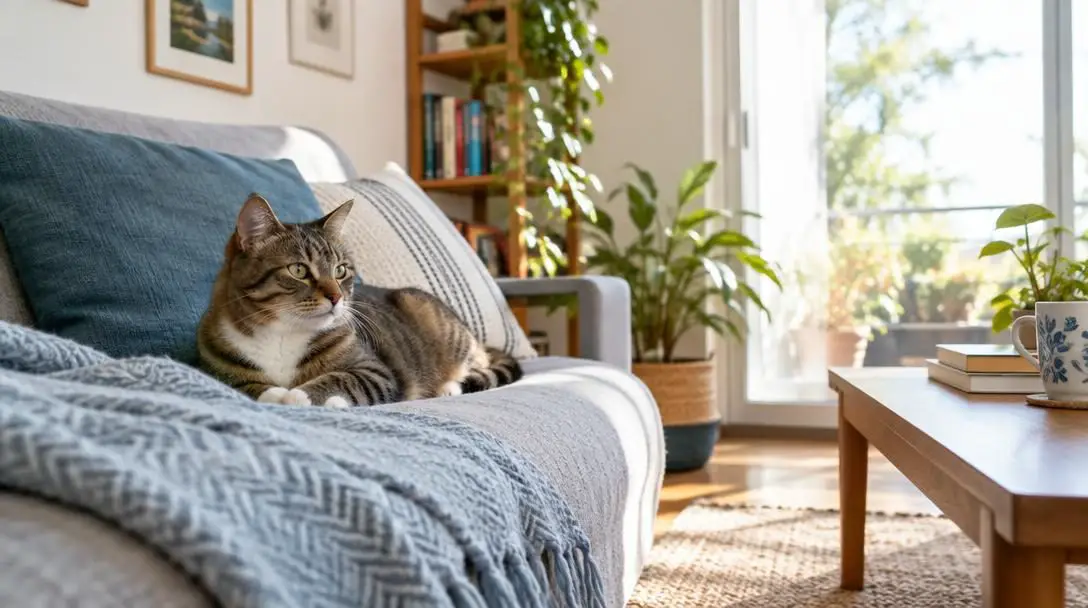
Cats have earned an enduring place in human homes not merely as charming companions, but as genuine contributors to everyday physical vitality and mental equilibrium. From calming jittery nervous systems to encouraging steady daily routines, feline companionship offers a wide spectrum of health advantages backed by both human experience and scientific inquiry.
Whether curled up beside you on a quiet evening or nudging you awake to begin the morning, a domestic cat provides subtle, steady physiological and emotional support. Exploring the tangible health benefits of feline ownership highlights why bringing a cat into your life can be a deeply rewarding decision for long-term personal well-being.
Key takeaways
- Interacting with cats stimulates the release of oxytocin, which calms the nervous system and lowers blood pressure.
- Cat owners show a lower statistical risk of cardiovascular disease thanks to reduced daily stress and active caretaking routines.
- Feline companionship curbs loneliness and lessens the likelihood of depression by offering comfort, purpose, and steady affection.
- Resting near a calm pet can improve sleep quality, provided individuals with allergies or asthma take sensible bedroom precautions.
- Daily cat care fosters mindfulness, structured domestic habits, and natural opportunities for broader social connection.
The evolution of the human-cat relationship
The connection between people and domestic cats spans thousands of years of shared history. In ancient settlements and early agricultural communities, felines were initially prized for their functional talents, specifically their uncanny ability to suppress rodent populations and protect stored grain. Over centuries of cohabitation, however, the practical working arrangement gradually transformed into an emotional bond. Humans recognized that the presence of a cat brought warmth, amusement, and a quiet sense of comfort to the household.
In modern society, that dynamic has evolved even further. Today's fast-paced, screen-heavy lifestyles frequently lead to chronic mental strain, sedentary work habits, and feelings of social isolation. Modern domestic cats have stepped into this void as beloved family members. Their adaptable nature makes them uniquely suited to varied environments, flourishing just as comfortably in compact city apartments as they do in sprawling suburban residences. Because cats balance a self-reliant demeanor with affectionate companionship, they provide an approachable, grounding presence for people navigating the demands of contemporary life.
Sharing living spaces with a feline provides a calming, rhythmic anchor that counteracts the negative physiological impacts of daily strain.
Five core health advantages of feline companionship
The biological and psychological advantages of living with a cat operate through sensory, chemical, and behavioral pathways. When you run your hand through a cat's soft coat or listen to its steady purr, your nervous system responds directly to those soothing inputs. Research reveals five primary areas where this relationship delivers measurable wellness rewards.
Reduced stress levels and lower blood pressure
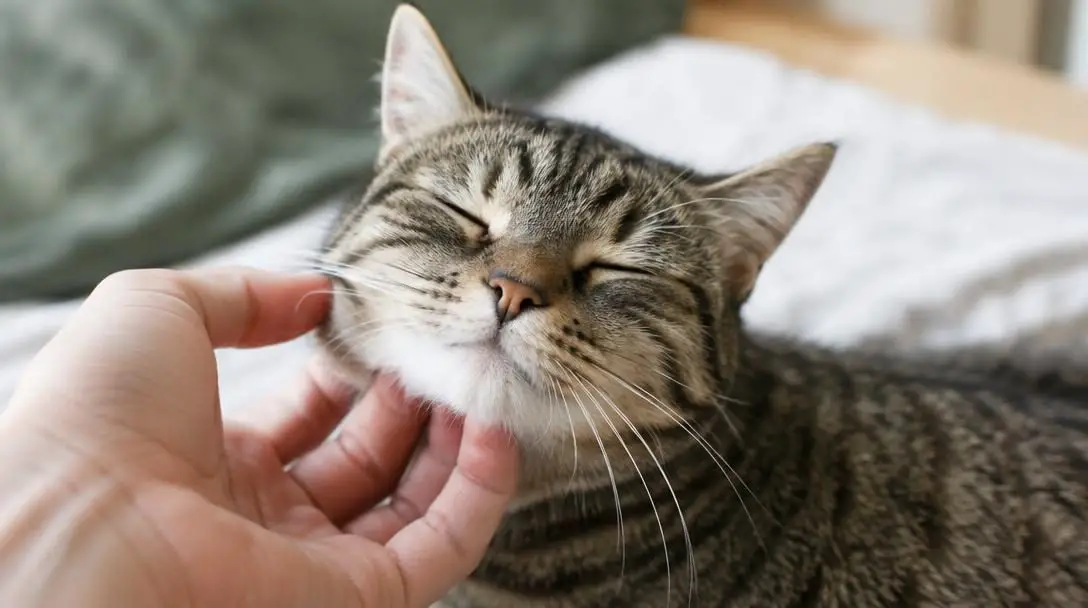
One of the most documented physical outcomes of living alongside a cat is stress alleviation. Petting a cat prompts the release of oxytocin, often called the bonding hormone, which produces an immediate sense of emotional tranquility and physical relaxation. As oxytocin enters the bloodstream, it actively suppresses stress hormones like cortisol, permitting blood vessels to relax and bringing blood pressure down to healthier resting baseline levels.
The sensory interaction involved in stroking a cat's coat or holding a warm, rhythmic animal on your lap redirects overstimulated thoughts away from workplace deadlines or personal worries. This tactile experience acts as an immediate biological buffer, helping your cardiovascular and nervous systems rebound quickly after demanding, high-friction days.
Lower risk of cardiovascular disease
Cardiovascular health is directly linked to chronic stress management, and feline ownership has been shown to offer meaningful protective benefits for the heart. Researchers have determined that individuals who live with cats have a lower risk of cardiovascular disease compared to those who do not share their homes with pets. This cardiac advantage stems largely from the continuous dampening of acute anxiety and autonomic nervous system overactivity.
Beyond nervous system regulation, the daily upkeep of a cat requires light, recurring physical activity. Playing with interactive toys, reaching and bending during grooming sessions, maintaining food and water stations, and keeping up with household chores all interrupt sedentary periods, keeping pet owners gently active throughout the day.
Mood enhancement and protection against depression
Feline companions offer a steady emotional baseline that helps lift spirits and minimize feelings of loneliness. Studies indicate that cat owners are less likely to experience depression than people without household pets. Because felines are naturally observant and sensitive to household rhythms, their comforting presence provides nonjudgmental companionship during difficult emotional chapters.
For individuals living alone, the daily responsibility of caring for a living creature establishes a profound sense of purpose. Knowing that another creature relies on you for food, safety, and affection can anchor an otherwise unstructured day, encouraging individuals to maintain constructive personal routines even when navigating low energy or emotional fatigue.
Enhanced sleep quality and nighttime security
Cats are renowned champions of napping, yet their restful habits can also benefit their human guardians. Having a cat sleep in your bedroom can promote deeper, more restorative sleep by creating an ambient sense of physical security and calming bedtime restlessness. The rhythmic, steady breathing of a sleeping pet serves as a natural white-noise machine, relaxing hypervigilant minds as they drift off.
At the same time, maintaining clean air and comfortable boundaries remains essential for nighttime success. While the presence of a pet nearby helps soothe anxiety, letting a pet rest on sensitive areas can disrupt rest if you are prone to respiratory sensitivities.
Expanded social interaction and community connection
Despite being perceived as solitary indoor creatures, cats frequently serve as natural social catalysts. Feline ownership creates instant common ground between strangers and neighbors. Whether you are striking up a conversation in the waiting room at the veterinary clinic, browsing the aisles of a neighborhood pet supply store, or discussing your pet with acquaintances, cats offer an accessible, charming icebreaker.
These informal exchanges help reduce social barriers and forge supportive connections within local communities. Sharing humorous anecdotes, discussing behavioral habits, or exchanging advice on proper nutrition can broaden your social circle and reinforce a healthy feeling of community belonging.
Comparing the health mechanisms of cat ownership
The following table outlines how different everyday interactions with your feline companion translate into specific physical and psychological benefits.
| Interaction type | Biological mechanism | Primary health outcome |
|---|---|---|
| Gentle petting and stroking | Oxytocin release and cortisol suppression | Lower blood pressure and acute stress reduction |
| Interactive play and wand games | Light aerobic movement and playful engagement | Enhanced cardiovascular vitality and joint mobility |
| Observing quiet purring and rest | Auditory and tactile sensory soothing | Nervous system down-regulation and mindfulness |
| Co-sleeping in the bedroom | Perceived ambient security and anxiety relief | Deeper, less fragmented nighttime sleep |
| Daily feeding and grooming care | Routine creation and purposeful responsibility | Mood elevation and protection against depression |
A practical daily routine for maximum health benefits
To fully capture the physical and mental wellness benefits of living with a cat, owners should deliberately weave positive interaction habits into their morning, afternoon, and evening routines. The following step-by-step approach ensures that both you and your cat enjoy a calming, health-promoting environment.
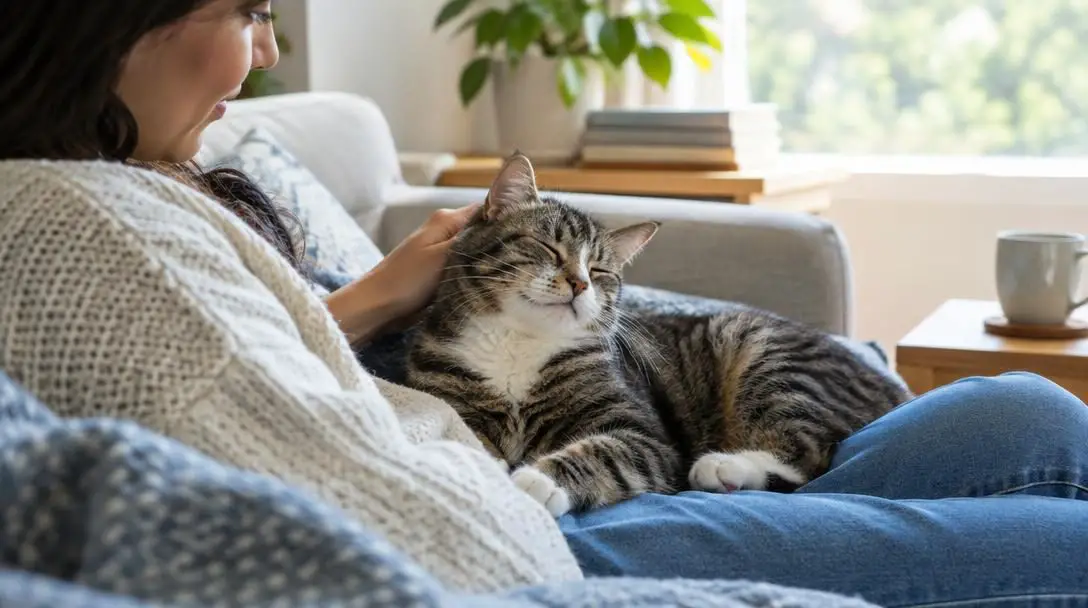
- Start the day with dedicated physical contact. Spend five to ten minutes petting, stroking, and greeting your cat before checking digital devices, encouraging an early morning oxytocin boost that sets a peaceful tone for the day.
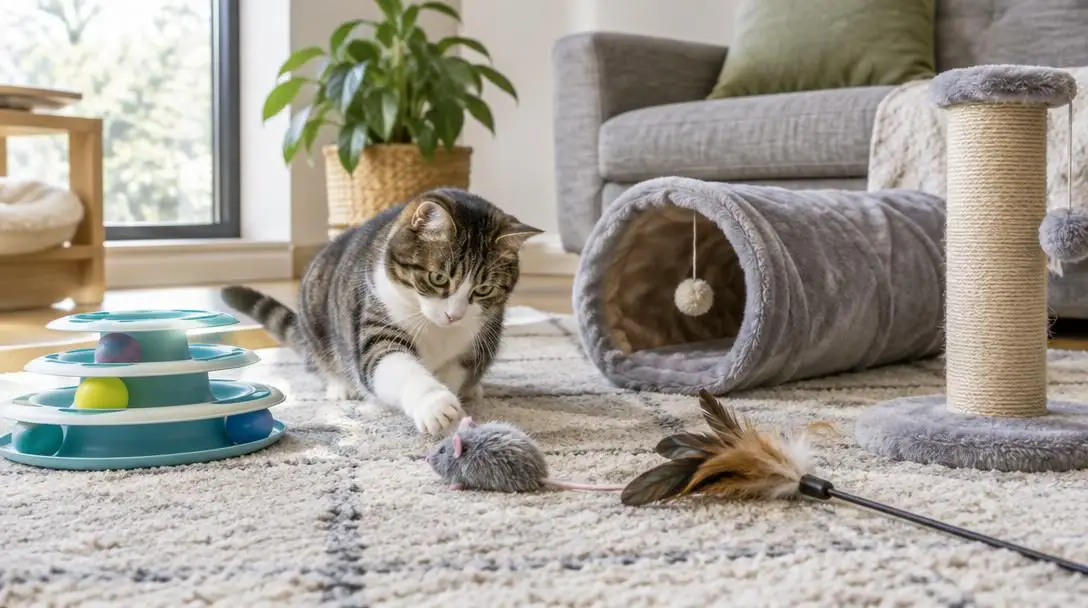
- Schedule brief interactive exercise breaks. Initiate two or three short, active play sessions throughout the day using wands, laser toys, or soft balls to encourage aerobic movement for both you and your pet.
- Practice mindful observation while your cat rests. When your cat curls up to purr, take several minutes to practice conscious slow breathing, synchronizing your relaxation with the animal's gentle, steady rhythm.
- Designate an allergy-safe sleep zone. Set up a plush, supportive pet bed inside your bedroom, positioning it near your sleeping space so you experience nighttime security while keeping your own mattress and pillows clear of dander.
- Connect with the wider pet community. Take advantage of routine veterinary checkups and neighborhood pet supply visits to chat with fellow pet owners, share caretaking experiences, and build social bonds.
Mistakes that undermine the benefits of cat ownership
While sharing a home with a cat can dramatically enhance your life, certain common misunderstandings can compromise your personal health or cause unnecessary friction. Avoiding the following pitfalls will keep your household harmonious and healthy:
- Ignoring personal allergies or asthma triggers: Allowing cats to sleep on pillows, sheets, or directly near your face can trigger allergic inflammation, respiratory irritation, and broken sleep.
- Assuming cats require zero daily interaction: Leaving cats entirely to their own devices deprives both you and the pet of the social bonding, movement, and mood-boosting benefits of shared play.
- Skipping routine veterinary and wellness checkups: Neglecting preventative healthcare, vaccinations, and parasite control creates avoidable stress and compromises the hygienic environment of your living space.
- Forcing physical affection onto a reluctant cat: Trying to hold, hug, or corner a feline when it is overstimulated or seeking solitude raises stress hormones for both the owner and the animal.
- Viewing pet ownership as a substitute for medical therapy: While cats offer remarkable emotional comfort, feline companionship should complement—never replace—professional clinical care for chronic physical or mental health conditions.
What to evaluate before bringing a cat home
If you are planning to welcome a new cat into your household to improve your daily quality of life, taking time to evaluate your lifestyle, home, and finances will ensure a smooth, lasting relationship.
Begin by assessing your living space and the sensitivities of everyone residing in the home. If anyone has mild allergies or respiratory conditions, establish designated cat-free zones early, invest in high-efficiency particulate air (HEPA) filters, and establish clear bedroom rules before the pet arrives. Ensuring the home environment supports everyone's respiratory comfort prevents future medical complications.
Next, consider your daily availability. While felines maintain an independent reputation, they require consistent daily nutrition, fresh water, hygienic litter boxes, mental enrichment, and genuine companionship. Ensure you have the schedule flexibility to dedicate meaningful attention to your pet every single day.
You must also plan for ongoing pet-care expenditures. High-quality cat food, clean litter, interactive toys, flea prevention, and routine veterinary examinations represent ongoing financial commitments. Budgeting for these necessities ahead of time ensures that unexpected care bills never become a source of domestic tension.
Finally, consider adopting through a local animal shelter or animal rescue organization. Shelter personnel work closely with individual animals and can match you with a cat whose unique personality, energy level, and temperament harmonize with your lifestyle, whether you flourish alongside an active, inquisitive kitten or a mellow, purring senior companion.
Frequently asked questions
How does petting a cat help reduce physical stress?
Petting a cat triggers the neurological release of oxytocin, a hormone that fosters feelings of bonding and relaxation. This surge in oxytocin counters circulating stress hormones like cortisol, helping your body return to a calm state and lowering your resting blood pressure.
Can owning a cat genuinely protect against cardiovascular disease?
Yes. Research indicates that cat owners face a lower risk of cardiovascular disease than non-pet owners. This protective effect is linked to chronic stress reduction, fewer acute anxiety spikes, and the everyday physical activity involved in playing with and caring for a cat.
Is it healthy to let your cat sleep in your bed every night?
While having a cat in the bedroom provides comforting companionship and eases nighttime anxiety, individuals with asthma or cat allergies should keep the animal off the bed. Placing a dedicated cat bed nearby preserves the sense of mutual security without triggering respiratory problems.
How do cats help combat feelings of loneliness and depression?
Cats offer steady, nonjudgmental presence and affection, which lifts mood and relieves social isolation. The regular daily responsibilities of feeding, grooming, and playing also establish an anchoring sense of purpose, especially for people who live by themselves.
Do cats require as much daily exercise and engagement as dogs?
While cats do not require outdoor walks, they still need dedicated daily interactive play sessions with toys, balls, or wands. Engaging your cat in regular activity provides vital mental stimulation for the pet and encourages light, active movement for the owner.
The bottom line
Owning a cat provides far more than mere companionship; it introduces a calming biological influence and an uplifting presence into your everyday life. From lowering blood pressure and shielding cardiovascular health to lifting low spirits and improving sleep quality, the physiological and emotional benefits of sharing a home with a cat are real and enduring.
By approaching feline ownership with mindfulness, setting clear domestic boundaries for hygiene and respiratory comfort, and nurturing a relationship grounded in mutual respect, you can build a fulfilling domestic partnership that enhances your well-being for many years to come.