The Insider’s Guide: 5 Ways to Get to Know the Real Indonesia
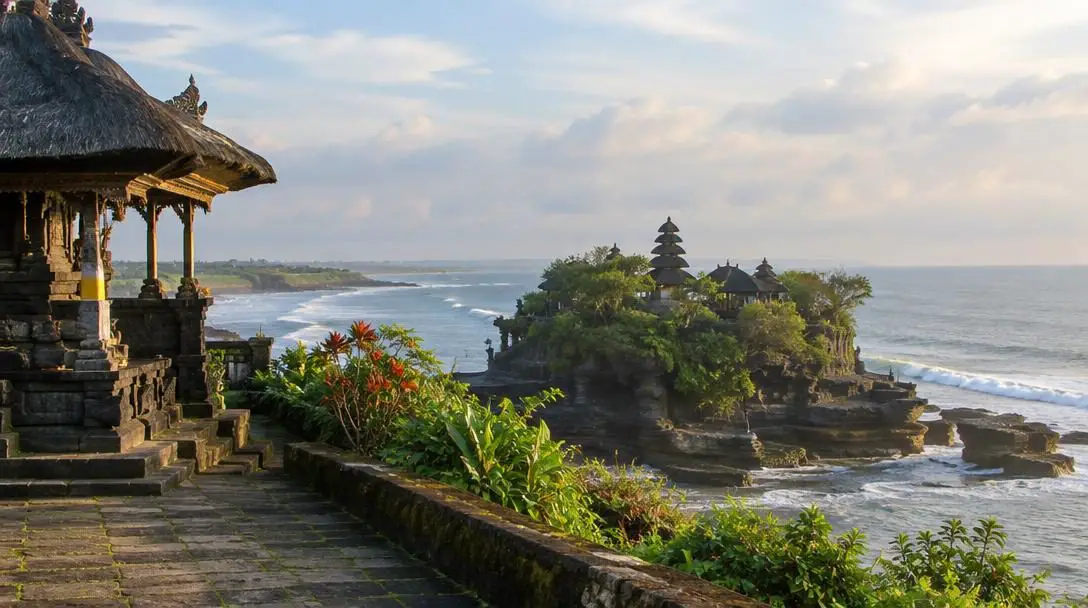
Indonesia stands out globally as one of the most culturally complex and geographically fragmented nations on Earth. Comprising a vast tropical archipelago, the country is home to close to 280 million people. Within this massive population, there are more than 1,300 officially recognized ethnic groups, representing thousands of distinct traditions, local customs, and lifestyles. Because the scope of the nation is so immense, it is practically impossible for any single visitor to comprehend every regional nuance. Yet travelers do not need to remain detached observers. By investing time, effort, and curiosity, anyone can move beyond superficial sightseeing to gain an authentic perspective on daily Indonesian life.
Many international travelers arrive with a narrow itinerary, confining their visits to established resort corridors, organized group excursions, or the busy central avenues of major cities. While these destinations offer relaxation and modern comfort, they often establish an artificial barrier between the visitor and the genuine community life unfolding nearby. Experiencing the true character of the country requires moving beyond this conventional travel bubble. It means paying attention to ordinary interactions, regional transit networks, neighborhood eateries, and direct personal connections with local residents.
Key takeaways
- Learning foundational Bahasa Indonesia bridges regional divides and establishes immediate rapport with local communities.
- Traveling beyond standard holiday enclaves to outer islands reveals regional traditions unaffected by mass tourism.
- Navigating shared public minivans, or angkots, provides a direct window into everyday grassroots transit and community life.
- Dining at roadside warungs offers access to authentic, inexpensive, home-style culinary traditions prepared for working locals.
- Engaging in polite, spontaneous conversations over tea often provides deeper cultural insight than visiting commercialized monuments.
Understanding the Cultural Landscape
To understand daily life across the archipelago, visitors must understand how unity and diversity operate side by side. Despite the presence of hundreds of distinct indigenous groups and regional tongues, modern national communication is anchored by Bahasa Indonesia, the official national language. This shared language acts as a universal bridge, linking far-flung island communities, urban metropolises, and quiet rural hamlets under a cohesive national identity. When traveling through the country, visitors quickly notice that everyday community values place immense weight on neighborliness, social hospitality, and mutual consideration.
Daily commerce and community services are similarly decentralized. Rather than relying entirely on corporate chains or standardized commercial developments, local communities run on informal, family-operated enterprises. From open-air roadside food stalls known as warungs to decentralized passenger minivans known as angkots, Indonesian society functions through accessible, highly personal networks. Tapping directly into these systems transforms an ordinary vacation into an informed exploration of real community life.
Five Essential Pathways to Everyday Indonesia
Experiencing authentic Indonesian culture does not demand rigorous wilderness training or extreme survival skills. Instead, it requires an open mindset, observant travel habits, and a willingness to adapt to local conventions. Adopting specific daily practices unlocks cultural dimensions that standard travel agencies cannot replicate.
1. Learn Conversational Bahasa Indonesia
The first and most effective step toward understanding the country is learning the official national language. Because Bahasa Indonesia is spoken across all islands, acquiring even basic vocabulary enables travelers to communicate directly with citizens from all walks of life. The language is widely ranked as one of the easiest for English speakers to learn, requiring no complex tonal inflections or difficult script systems.
Investing just 10 to 20 hours of focused study before departure can alter the entire course of an itinerary. Knowing how to exchange polite greetings, count numbers, and express gratitude demonstrates respect for local culture. This foundational effort disarms strangers, eases routine market transactions, and immediately builds mutual goodwill with everyone you encounter.
2. Step Off the Established Tourist Trail
It is easy to spend an entire vacation insulated within well-trodden travel corridors. Lounging at a coastal beach resort in Lombok, touring popular Hindu temples across Bali, or navigating the skyscrapers and heavy traffic of Jakarta can be pleasant, but these experiences show only a curated slice of a massive nation. Experiencing the true character of Indonesia requires venturing past these high-density zones.
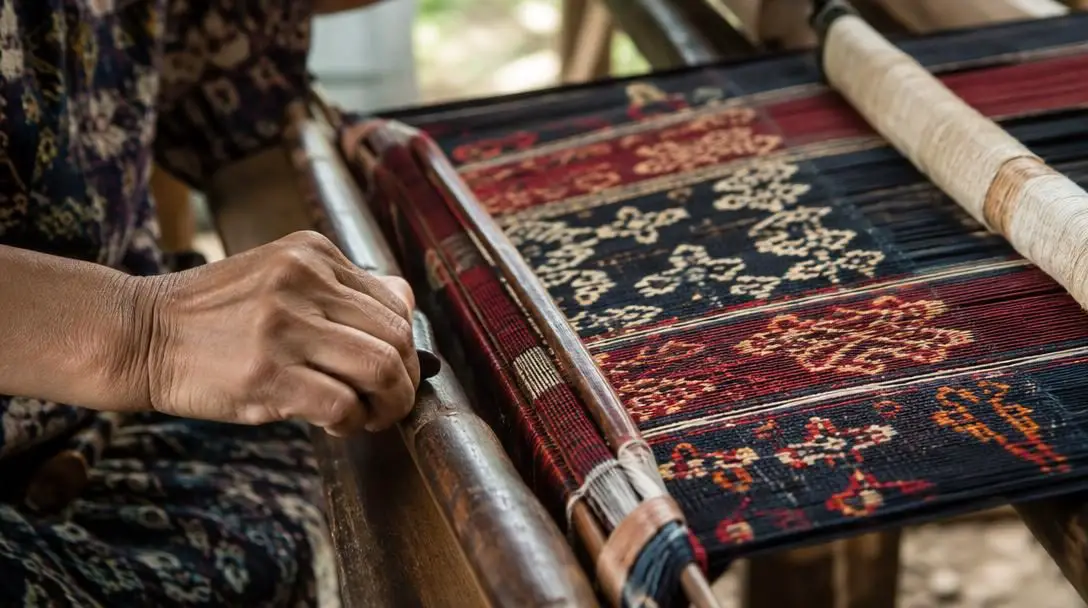
Traveling to less-frequented provinces exposes visitors to distinct regional identities that remain largely untouched by commercial tour buses. Remote destinations like the volcanic lake setting of Samosir island, the historic spice-trading outpost of the Banda archipelago, and the dramatic, rugged terrain of Flores provide profound insight into traditions and landscapes that typical holiday itineraries overlook.
3. Ride Shared Minivans and Master the Angkot
While private chauffeured cars and air-conditioned coaches provide isolated comfort, using authentic public transit turns travel between destinations into a participatory cultural experience. Across Indonesian towns and cities, the backbone of local transit is the angkot, a shared minivan operating along set loops and neighborhood routes.
Riding an angkot requires active participation. Passengers hail vehicles directly from the roadside anywhere along the route and alert the driver whenever they wish to disembark. Fares are calculated by the driver according to the approximate distance traveled. Mastering this system requires observing vehicle markings, understanding neighborhood routes, and communicating clearly with drivers and fellow passengers.
4. Dine Street-Side at Traditional Warungs
Food serves as an immediate window into Indonesian identity, and the country's most authentic dishes are routinely found outside formal hotel dining rooms. Small, informal eateries known as warungs line neighborhood streets and rural roadways, catering to working men and women throughout the day. These open-air dining spots are essential for anyone seeking genuine home-style cooking.
Because warungs cater to daily commuters and neighborhood workers, their offerings are hearty, rich with traditional regional seasoning, and remarkably inexpensive. While their rustic appearance and streetside setting may feel unfamiliar to travelers accustomed to conventional Western dining establishments, they serve freshly cooked meals that showcase the culinary traditions of everyday family households.
Spending ten minutes enjoying a cup of tea while conversing with someone can teach you far more about modern realities than spending an entire afternoon visiting commercialized cultural sites.
5. Connect Directly with Local Residents
The single most rewarding aspect of Indonesian travel is speaking directly with the people who live there. Across the archipelago, residents are widely celebrated for their polite manners, welcoming warmth, and generous social etiquette. Outside commercial tourism zones, travelers often encounter sincere curiosity and genuine hospitality from everyday citizens.
A friendly smile and a courteous greeting frequently lead to spontaneous conversations over hot tea. Engaging in these brief, unscripted discussions provides an authentic glimpse into local life, working routines, and modern social perspectives. Furthermore, many younger Indonesians possess basic English skills and welcome the opportunity to practice, making organic exchanges smooth, educational, and universally positive.
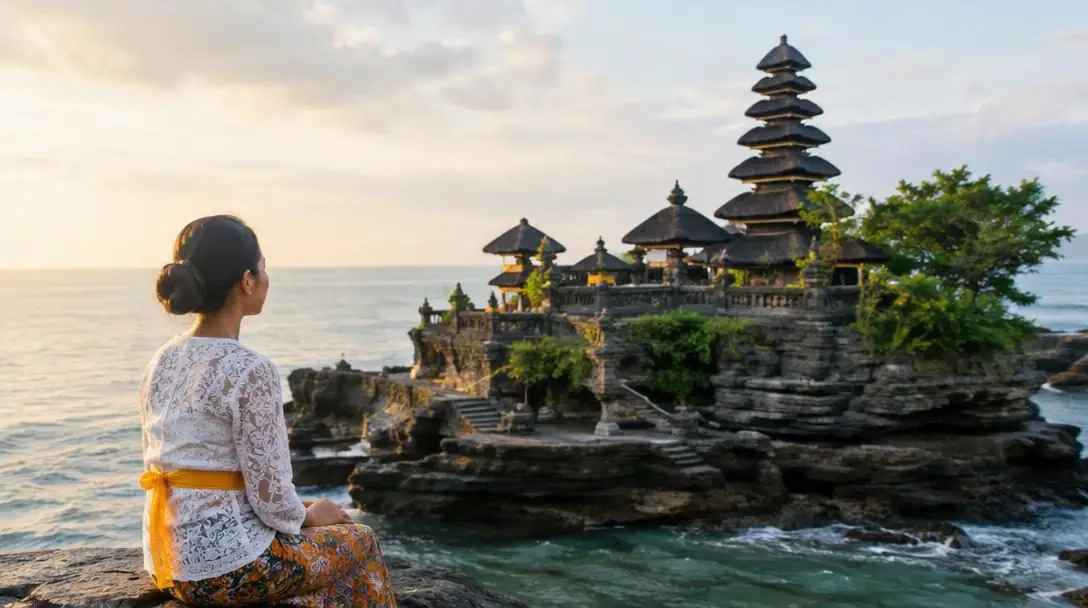
Alternative Regions Beyond the Resort Corridor
When planning to step away from predictable holiday centers like southern Bali or central Jakarta, selecting secondary destinations across outer provinces provides a broader perspective on the nation's immense geographical and cultural diversity.
| Destination | Key Landscape Feature | Historical or Cultural Profile | Travel Atmosphere |
|---|---|---|---|
| Samosir Island | Volcanic lake setting | Distinct regional traditions | Tranquil, scenic, detached from mass crowds |
| Banda Islands | Archipelagic coastal setting | Historic spice-trading center | Remote, maritime, deeply historical |
| Flores | Rugged island terrain | Traditional rural heritages | Adventurous, untouched by large tour buses |
Samosir Island

- Setting: Volcanic lake landscape on Lake Toba
- Cultural focus: Distinct regional island heritage
- Appeal: Untouched by major commercial tour bus operations
Located in the caldera waters of Lake Toba, Samosir island presents a unique volcanic environment where regional traditions thrive far removed from mainstream holiday enclaves. Travelers who journey here discover an unhurried pace of living centered on lakeside hamlets and ancestral customs.
The Banda Islands
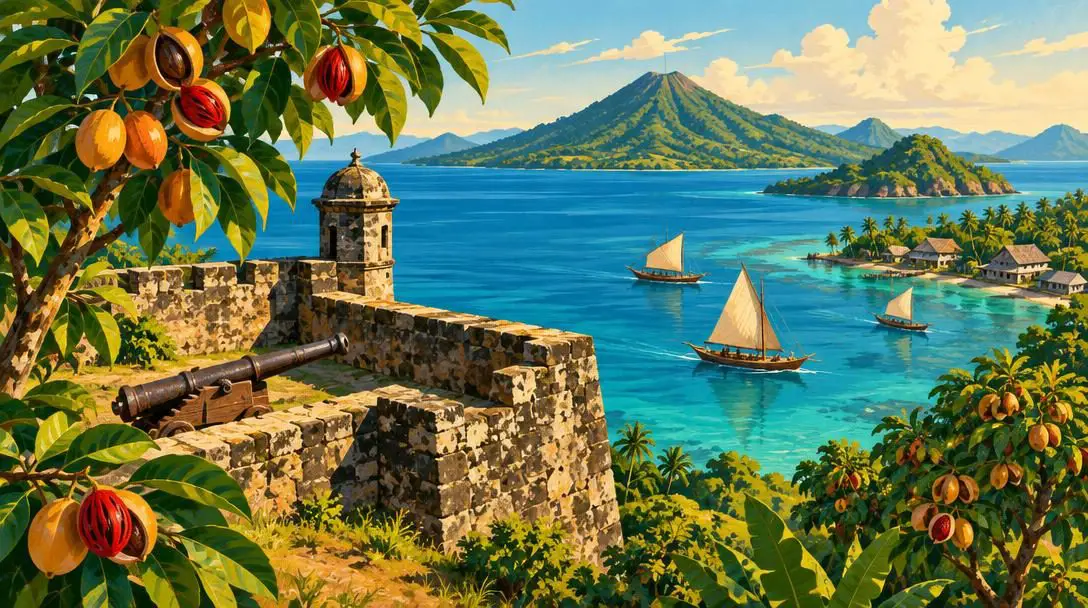
- Setting: Remote outer archipelago
- Historical identity: Historic spice-trading outpost
- Accessibility: Dependent on regional ferry connections
The Banda archipelago holds a significant place in world maritime commerce as an ancient center of the global spice trade. Today, its isolated position preserves a quiet, historic atmosphere where travelers can explore maritime trading heritage without the clutter of large-scale resort developments.
Flores
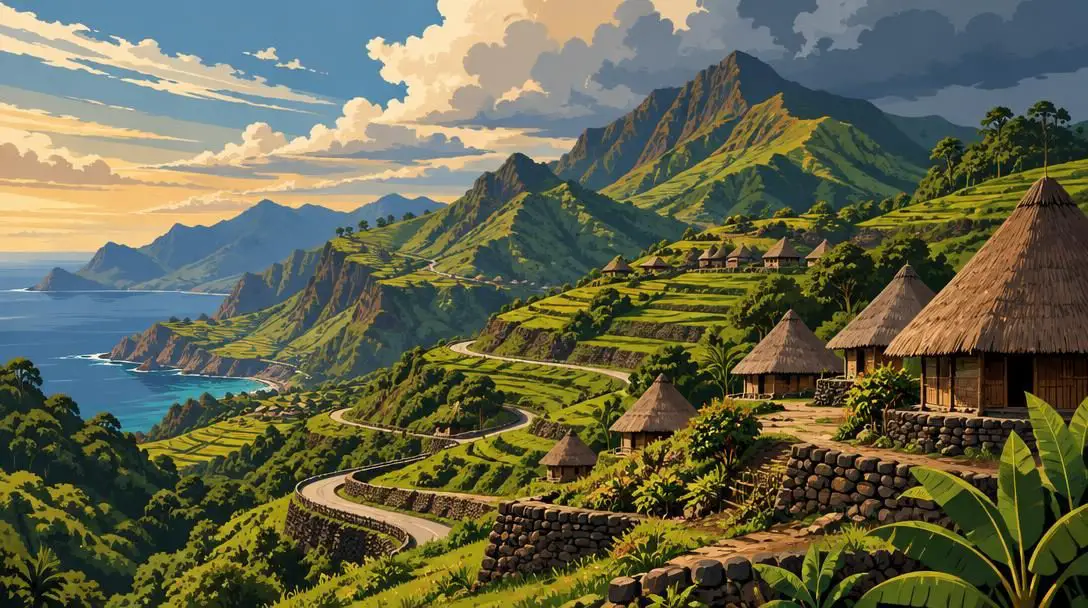
- Setting: Rugged, mountainous island terrain
- Atmosphere: Traditional regional communities
- Transit style: Demands flexible planning and overland transit
Flores offers a stark contrast to heavily developed coastal resort strips. Marked by dramatic topographies, steep ridges, and traditional villages, the island rewards adventurous travelers who are willing to navigate regional roads and embrace authentic rural life.
Practical Steps for Everyday Immersion
Turning these immersion strategies into practical travel habits requires deliberate planning from the moment you arrive at transit hubs like Soekarno-Hatta International Airport. Following these structured steps will help you transition smoothly into authentic daily routines.
- Study essential vocabulary for polite greetings, numbers, and basic courtesy using language tools or guidebooks during the weeks leading up to your arrival.
- Carry small denominations of local currency organized in easily accessible pockets to facilitate quick cash payments on public transit and at food stalls.
- Map secondary and regional destinations like Samosir, Banda, or Flores into your itinerary rather than remaining exclusively within major tourist bubbles.
- Choose warungs based on where local workers gather during breakfast and lunchtime, using high customer turnover as a reliable sign of freshness and quality.
- Identify public angkots by inspecting the route numbers or color-coded vehicle markings painted on the minivans before flagging them down.
- Confirm the minivan destination and verify the approximate passenger fare directly with the driver prior to stepping inside.
- Greet shopkeepers, transit operators, and fellow commuters with a natural smile and courteous local phrase to start friendly interactions.
- Accept invitations to sit and share tea when extended by residents, using the opportunity to listen, learn, and exchange perspectives.
Common Cultural and Logistical Mistakes to Avoid
Travelers eager to experience authentic life should be mindful of common missteps that can inadvertently create distance between themselves and the surrounding community. Avoiding these regular pitfalls ensures your journey remains culturally respectful and logistically smooth.
- Isolating in enclaves: Spending an entire vacation confined to gated resorts, private excursion shuttles, and expat-dominated neighborhoods prevents any meaningful contact with everyday Indonesian life.
- Ignoring language preparation: Assuming English is spoken everywhere and skipping introductory study of Bahasa Indonesia eliminates an easy, proven tool for establishing daily goodwill.
- Overlooking street dining: Avoiding warungs based solely on their modest outdoor seating deprives travelers of some of the country's most flavorful and authentic home-style dishes.
- Boarding transit blindly: Entering an angkot without verifying its general loop or checking the fare with the driver can cause confusion and route detours.
- Prioritizing sights over people: Rushing aggressively between photo stops at monuments while ignoring living neighborhood culture misses the real spirit of the country.
- Withdrawing socially: Allowing shyness to prevent basic conversation ignores the fact that residents outside major commercial zones are exceptionally hospitable and eager to talk.
- Expecting rigid scheduling: Expecting local transit systems and regional ferry timetables outside major cities to run with corporate precision leads to unnecessary frustration.
Frequently asked questions
Is Bahasa Indonesia difficult for beginners to learn?
Bahasa Indonesia is ranked as one of the easiest languages for English speakers to pick up. It uses the Latin alphabet, lacks tonal complexities, and features relatively accessible grammar. Dedicating 10 to 20 hours of study before a trip provides enough vocabulary to greet people, manage cash transactions, and build rapport.
What is an angkot, and how do passengers use it?
An angkot is a shared passenger minivan operating along designated municipal loops and neighborhood routes. Passengers flag the vehicle down anywhere along its path, confirm the route and approximate fare with the driver, and indicate when they want to get off. Fares are inexpensive and based on travel distance.
Are roadside warungs suitable for international travelers?
Yes. Warungs are traditional, informal eateries that cater to working citizens, providing fresh, hearty, and home-style cooking at very affordable prices. Choosing busy warungs with high turnover during normal mealtimes ensures that dishes are freshly made and reflects authentic local eating habits.
Why should travelers consider destinations like Samosir, Banda, or Flores?
While popular spots like southern Bali or central Jakarta showcase heavily visited attractions, destinations like Samosir island, the Banda islands, and Flores feature regional customs, volcanic scenery, and maritime history largely free from commercial tour buses and resort bubbles.
What logistical planning is needed when visiting outer islands?
Transit outside major hubs like Soekarno-Hatta International Airport operates on decentralized schedules. Regional ferries, island flights, and overland transport do not always run with round-the-clock frequency. Travelers should schedule buffer days into their itineraries to handle transit changes without stress.
The Bottom Line
Indonesia is far too vast, diverse, and vibrant to be understood through the window of a private tour coach or the confines of an isolated coastal resort. With more than 1,300 ethnic groups distributed across thousands of tropical islands, the nation's true identity resides in its decentralized communities, shared traditions, and everyday public spaces. By dedicating a modest amount of time to learning Bahasa Indonesia, stepping outside commercial tourism hubs toward places like Samosir, Banda, or Flores, navigating neighborhood transit, and dining at local warungs, travelers can move past superficial tourism. Stepping forward with humility, respect, and a willingness to converse over a cup of tea unlocks the authentic, generous spirit of everyday Indonesia.