5 Weirdest Tech Startups That Actually Succeeded
Every breakthrough industry begins with a concept that sounds slightly unhinged to the average observer. When an entrepreneur suggests a radical departure from familiar daily routines, the instinctive reaction is skepticism: consumers question why anyone would abandon proven habits for an unvetted experiment. Yet history repeatedly reveals that the boundary separating an eccentric novelty from an essential everyday service is remarkably thin, often hinging on psychological timing and smart digital execution.
The marketplace remains oversaturated with conventional answers to standard problems. Because established markets are fiercely competitive, new ventures rarely make headway by duplicating existing systems. Startups built around seemingly odd concepts bypass this hurdle by capturing immediate curiosity, turning apparent absurdities into viable, lasting enterprises that quietly resolve real everyday friction.
Key takeaways
- Unconventional startups succeed by resolving hidden emotional friction and convenience gaps that standard businesses overlook.
- Familiar platforms like on-demand transit originally sounded as bizarre to consumers as space-based memorials or simulated romantic partners.
- High-performing niche ventures rely on existing infrastructure, combining physical assets with mobile software to make novel services intuitive.
- Niche audiences can easily sustain a viable business model even when an offering lacks universal mass-market appeal.
- Evaluating unusual ideas requires looking past eccentric branding to assess economic viability, convenience, and regulatory compliance.
The hidden mechanics of unconventional tech ventures
When an unusual venture emerges, it generates widespread conversation simply because it defies ordinary assumptions. Mainstream consumers naturally ask why someone would pay for a service they never realized they needed. Yet, beneath their quirky surfaces, successful nonconformist businesses generally target an unmet emotional need, a buried convenience gap, or an awkward personal dilemma that people hesitate to address openly.
Rather than constructing entirely new supply chains from scratch, these businesses frequently repurpose existing resources to keep capital requirements manageable. Transportation apps link existing vehicle owners to nearby passengers; memorial flight programs partner with aerospace launch operators to deliver commemorative payloads; connected kennel booths rely on retail storefront footprints. By bridging physical infrastructure with accessible smartphone interfaces, what initially sounds bizarre quickly becomes an intuitive, everyday amenity.
A strange concept frequently originates from a real, overlooked friction point that people were hesitant to discuss openly.
At a glance: Five odd ideas that found real traction
| Company | Initial premise | Underlying consumer problem | Operational mechanism |
|---|---|---|---|
| Uber | Summoning private drivers via smartphone | Lack of visibility, cab availability, and service tiers in traditional transit | Peer network matching riders with private vehicle owners |
| Dog Parker (DogSpot) | Smart sidewalk lockboxes for pets | Anxiety and safety risks when leaving dogs outside pet-restricted shops | Connected, climate-controlled street kennels with live video feeds |
| Celestis, Inc. | Launching human cremains into space | Prohibitive costs and rigid traditions of conventional ground funerals | Rideshare payload integration on commercial aerospace missions |
| Invisible Girlfriend | Paid virtual relationships | Persistent social pressure and intrusive questions about being single | Automated text messages, scheduled voicemails, and physical gifts |
| Spud Pickles | Paranormal activity detection apps | Unsatisfied curiosity regarding haunted locations and lost loved ones | Sensor-reading mobile software configured for entertainment and storytelling |
Five bizarre tech ideas that built viable businesses
Uber
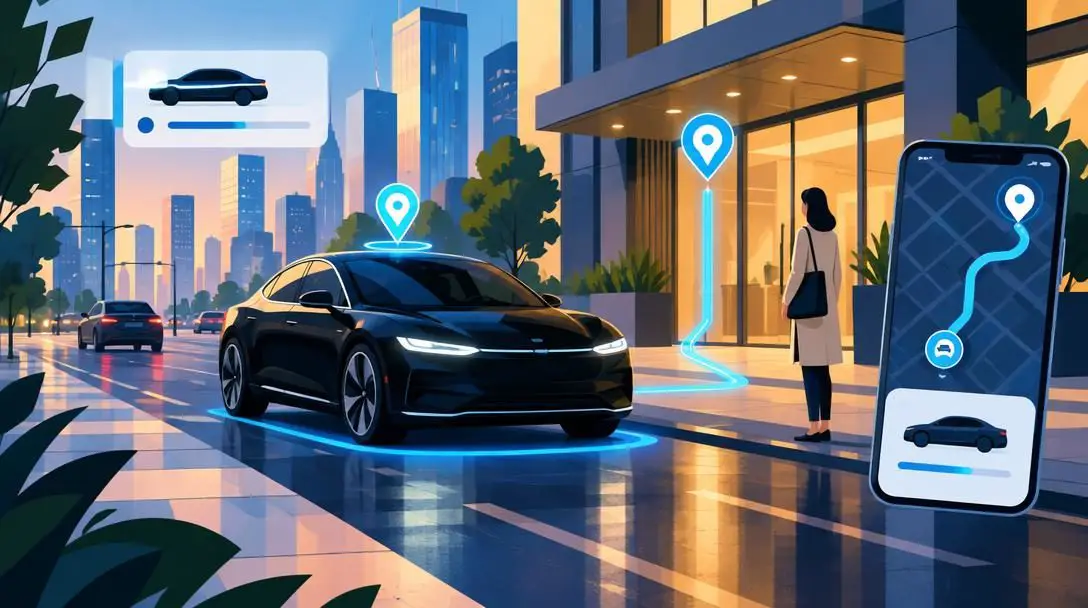
- Core offering: App-based personal transit network
- Service tiers: UberX, UberBlack, and UberSUV
- Key innovation: Upfront driver profiles, real-time vehicle tracking, and mutual ratings
It is easy to forget how strange the foundational premise of Uber seemed to the public upon arrival. Municipal taxicabs, public buses, and commuter rail systems already saturated modern cities. Paying higher rates to climb into a stranger's unmarked vehicle seemed risky and unnecessary to a public accustomed to traditional transit. The prevailing belief was that existing municipal infrastructure met urban transit needs adequately.
However, the platform resolved deep consumer frustrations that established transit authorities ignored. Commuters wanted the modern convenience of digital tracking, transparent arrival times, and upfront visibility into driver identities and community ratings. Furthermore, travelers appreciated having transportation choices tailored to their specific mood or image. Offerings like UberX, UberBlack, and UberSUV allowed people to treat themselves, feel special, and convey a distinct impression when arriving at their destinations. What began as an odd luxury experiment revolutionized modern urban transit worldwide.
Dog Parker (aka DogSpot)
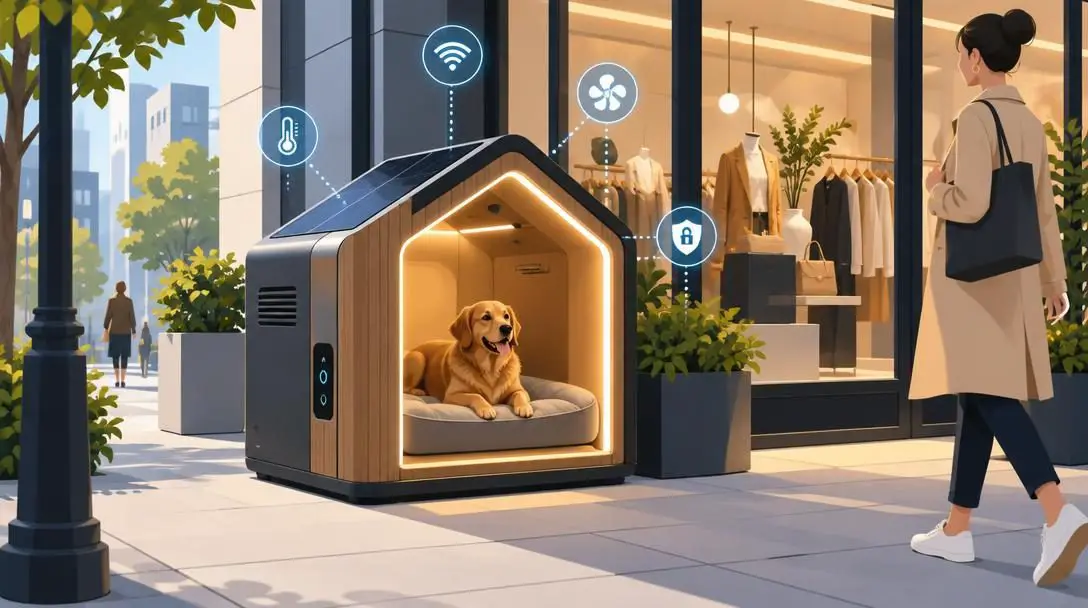
- Core offering: Street-side connected pet enclosures
- Deployment location: Sidewalks outside retail storefronts
- Key safety features: Climate control and real-time streaming video
Pet owners routinely face an awkward dilemma during neighbourhood walks: needing to enter an establishment where companion animals are strictly prohibited. Tying a dog to a lamppost, parking meter, or bike rack creates immediate worry regarding theft, weather conditions, pedestrian encounters, and animal distress, even during quick errands.
Dog Parker, later known as DogSpot, resolved this neighborhood friction by manufacturing secure, high-tech micro-shelters placed directly outside retail entrances. Each single-occupancy kennel offers a climate-controlled resting area where pets stay comfortable and protected from sidewalk hazards. Owners monitor their companions via real-time camera feeds directly on their mobile screens, transforming an anxious chore into a relaxed shopping experience while providing local retail shops with pet-friendly curb appeal.
Celestis, Inc.

- Core offering: Memorial spaceflight services for cremated remains
- Industry segment: Aerospace memorials
- Comparative value: Substantially lower cost than traditional ground burials
End-of-life practices represent some of the most culturally conservative rituals in modern society. Families typically adhere to standard cemetery burials or home urn placement. Celestis, Inc. challenged this paradigm by introducing an extraordinary alternative: launching human cremains off the planet on spaceflights.
While the concept initially sounded like science fiction, the service tapped into deep emotional resonance. For individuals who spent their lives fascinated by astronomy or dreaming of extraterrestrial exploration, the flight represents a meaningful realization of their ambitions. Crucially, the service introduced a nontraditional memorial option that costs substantially less than a conventional funeral, creating a distinctive and enduring niche at the intersection of aerospace logistics and memorial services.
Invisible Girlfriend

- Core offering: Automated romantic relationship simulation
- Companion platform: Invisible Boyfriend
- Service outputs: Believable texts, scheduled voicemails, and tangible gifts
Family gatherings, workplace dynamics, and peer circles frequently come with intrusive inquiries regarding an individual's dating status. Defending personal lifestyle decisions against well-meaning relatives and coworkers can become an exhausting chore. Rather than engaging in repetitive explanations, subscribers turned to Invisible Girlfriend—alongside its sibling platform, Invisible Boyfriend—for social relief.
The platform provided believable digital documentation of an active relationship. Subscribers received regular text messages, realistic voicemails, and tangible gifts delivered to their doorsteps. By generating plausible evidence of a romantic partner, the service provided users with an effortless tool to deflect unwelcome personal questions, giving subscribers privacy and control over their private lives without difficult social confrontations.
Spud Pickles
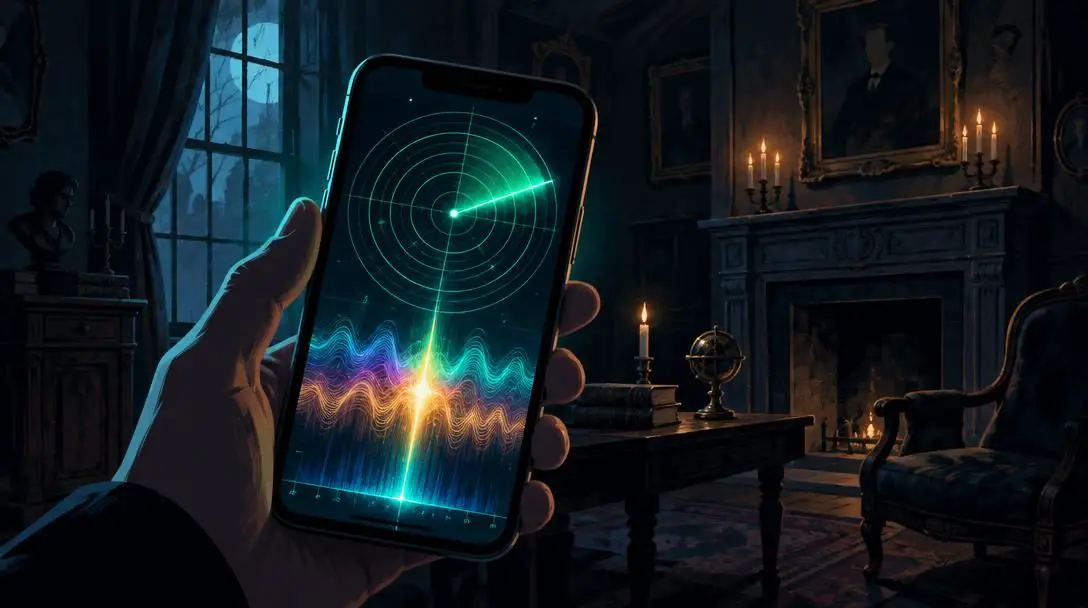
- Core offering: Ghost-hunting and paranormal detection applications
- Legal designation: Intended solely for entertainment purposes
- Primary use cases: Investigating residences, workplaces, and seeking lost relatives
Software development company Spud Pickles took a playful concept and turned it into an engaged digital enterprise by catering directly to fascination with the supernatural. The company created mobile tools designed to scan local environments and report anomalous readings associated with ghostly activity.
Because consumer protection laws require clear disclosures, the developer explicitly designates all applications for entertainment purposes only. Nevertheless, the software commands an enthusiastic audience. User reviews regularly detail personal investigations conducted inside private residences, corporate offices, and neighborhood landmarks, with some users utilizing the application to seek contact with lost relatives. By treating supernatural curiosity with dedicated software development, the company established an enduring commercial base.
Step-by-step: Evaluating the viability of an eccentric idea
Whether you are considering a novel venture, reviewing an eccentric product, or trying to spot the next breakout trend, evaluating unusual concepts requires looking past surface novelty. Use this systematic approach to determine whether an unusual premise holds genuine commercial promise:
- Identify the underlying frustration: Look past eccentric branding to find the authentic personal friction being addressed. A smart sidewalk box is fundamentally an anxiety-reduction tool for pet owners rather than just an animal crate.
- Verify the economic appeal: Review whether the unconventional solution offers a compelling financial alternative. An aerospace memorial gains instant market viability when its total expense remains lower than traditional burial arrangements.
- Analyze personal convenience and transparency: Determine whether modern software simplifies an awkward process. Providing real-time monitoring, driver profiles, and passenger ratings transforms a stressful waiting period into an organized, predictable transaction.
- Examine emotional and social motivators: Assess what drives customer adoption. Desires to maintain privacy, present personal status, honor a departed relative, or deflect intrusive family questions represent powerful consumer motivators.
- Review regulatory and legal guardrails: Check how the service navigates legal boundaries. Ghost-hunting apps protect operations through entertainment disclaimers, while outdoor animal enclosures demand strict temperature regulations to safeguard pet well-being.
Mistakes observers make when judging unusual startups
Both casual observers and seasoned business analysts regularly miscalculate the potential of unconventional tech ventures. Watch for these common pitfalls when analyzing modern business concepts:
- Dismissing concepts solely on novelty: Assuming an idea cannot succeed simply because it sounds absurd is a frequent error. Unfamiliar concepts often feel strange simply because consumer habits have not yet caught up to modern options.
- Overlooking everyday micro-frictions: Skeptics frequently argue that legacy industries already meet demand. Traditional taxis provided rides, but they completely overlooked consumer desires for transparent pricing, driver accountability, and elevated vehicle tiers like UberBlack and UberSUV.
- Assuming a product must please everyone: Believing a company requires universal demographic appeal to turn a profit is incorrect. Dedicated audiences interested in paranormal investigations or astronomical memorials can comfortably support specialized operations.
- Ignoring legal realities and safety compliance: Overlooking industry regulations can instantly destroy an otherwise creative model. Startups dealing with living animals, human cremains, or subjective consumer claims must incorporate rigorous disclaimers and safety precautions from day one.
- Confusing an ironic joke with a functional solution: Gimmicks launched purely for humor burn out rapidly. A digital partner service might seem funny on the surface, but it succeeds because it fulfills an authentic desire to avoid uncomfortable social inquiries.
Frequently asked questions
Why did consumers initially doubt ride-hailing services like Uber?
Consumers felt urban transit was already well-served by established municipal taxis, subways, and commuter trains. The concept of paying extra to enter an unmarked, privately owned vehicle operated by an untried driver sounded both risky and unnecessary until mobile apps introduced driver ratings and live vehicle tracking.
How do smart sidewalk dog kennels ensure pet safety?
Connected sidewalk shelters like Dog Parker (DogSpot) utilize secure physical enclosures equipped with internal climate control systems to maintain safe temperatures. Additionally, owners access a live video stream via their smartphones to monitor their pets continuously while running errands inside non-pet-friendly storefronts.
Is launching cremated remains into space more expensive than a traditional funeral?
No. Celestis established its aerospace memorial service as a cost-effective alternative to conventional end-of-life arrangements, pricing its memorial spaceflights substantially lower than the total expenses typically associated with traditional ground burials and cemetery plots.
Why would someone pay for an automated relationship service?
Services like Invisible Girlfriend and Invisible Boyfriend help subscribers deflect persistent, uncomfortable relationship questions from coworkers, friends, and family. By providing automated text exchanges, realistic voicemails, and tangible gifts, users generate credible evidence of a romantic life without engaging in unwanted personal discussions.
Can ghost-hunting mobile apps legally claim to find spirits?
No. Developers such as Spud Pickles must explicitly state that their paranormal detection applications are designed solely for entertainment purposes to comply with consumer protection regulations, even though many dedicated users utilize them for serious paranormal exploration.
The bottom line
The trajectory of eccentric technology companies proves that consumer standards and cultural norms change quickly. What initially feels unfamiliar, gimmicky, or uncomfortable can quickly mature into a regular part of everyday life. When an organization couples modern software with a genuine emotional friction point, it can reshape an entire sector.
The next time you encounter an odd startup concept that provokes immediate skepticism, look past its superficial quirks. Examine whether it saves time, eases personal anxiety, or offers a more sensible economic choice than traditional alternatives. More often than not, the ideas that seem strange today end up becoming the services we cannot imagine living without tomorrow.