The Insider’s Guide: 5 Ways to Get to Know the Real Portugal
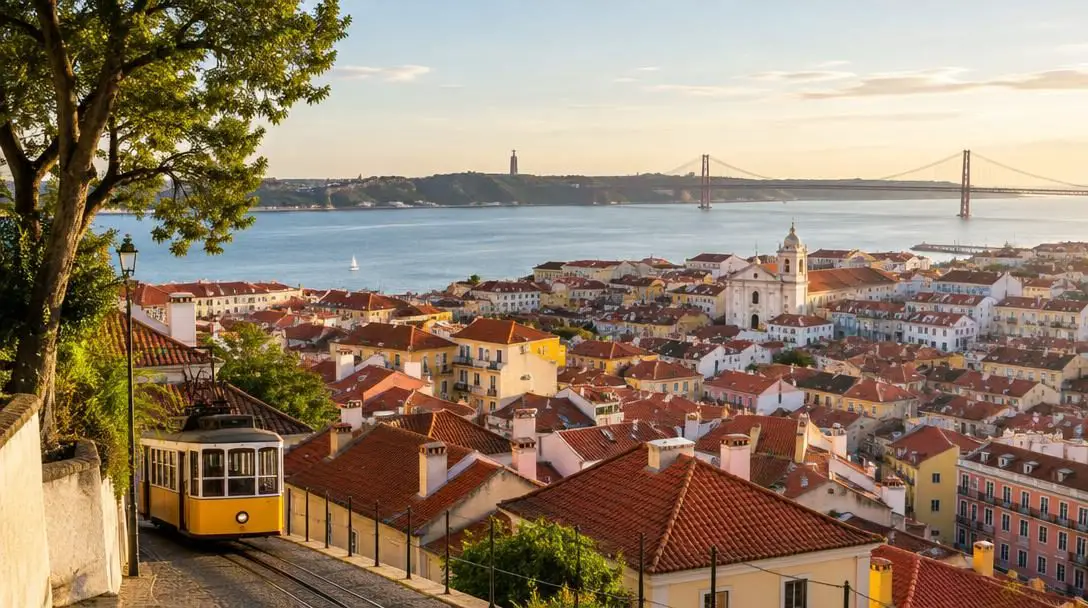
When travelers plan a trip to Portugal, their itineraries almost universally revolve around the grand avenues of Lisbon or the picturesque riverbanks of Porto. While these major urban centers boast extraordinary historic architecture, vibrant culinary scenes, and world-class museums, their meteoric rise in popularity has reshaped their daily rhythms to cater primarily to global crowds. Relying solely on these metropolitan hubs means catching only a curated glimpse of Portuguese society rather than experiencing the authentic culture that continues to thrive across the rest of the nation.
Venturing past the conventional tourist corridors reveals a diverse landscape of tranquil agricultural plains, fortified hilltop outposts, pristine coastal bluffs, and proud maritime settlements. Stepping away from mass-market tourism allows visitors to connect directly with regional heritage, unhurried hospitality, and centuries-old culinary crafts. By exploring the country's lesser-visited corners, you can immerse yourself in daily traditions, discover wild natural preserves, and see how Portuguese life unfolds far from the tour buses.
Key takeaways
- Major cities like Lisbon and Porto offer exceptional historic sites, but rural and coastal regions preserve the authentic everyday rhythms of Portuguese culture.
- Distinct destinations such as the Alentejo, Obidos, the western Algarve, the Trilha dos Pescadores, and Viana do Castelo showcase Portugal's immense regional diversity.
- Independent transportation, sensitivity to regional meal hours, and carrying cash are vital for navigating small towns and countryside destinations smoothly.
- Authentic travel means seeking out communities anchored by farming, fishing, and domestic trade rather than mass-market foreign tourism.
Five authentic regional destinations to explore
Portugal contains an astonishing variety of landscapes within its compact borders. Moving outside the primary transit lines brings you into direct contact with untouched natural parks, preserved medieval strongholds, and coastal walking paths where the Atlantic takes center stage. To help you choose the right base for your journey, the table below provides a quick overview of five remarkable alternatives to the standard urban vacation.
| Destination | Region | Defining characteristic | Recommended focus |
|---|---|---|---|
| Alentejo | Southern-central Portugal | Sparsely populated rolling plains and cork oak forests | Rural solitude, gastronomy, and quiet beaches |
| Obidos | Central Portugal | Walled medieval town with ancient ramparts | Living history, fortress views, and artisan shops |
| The Algarve | Southernmost Portugal | Contrasting resort coastlines and rugged western cliffs | Wild Atlantic bluffs and windswept ocean swells |
| Trilha dos Pescadores | Southwest Atlantic coast | Maritime cliff trail along the Rota Vicentina | Multi-day coastal walking and marine wildlife watching |
| Viana do Castelo | Northern Portugal | Historic riverside architecture and seaside heritage | Grand historic manors and crowd-free sightseeing |
Alentejo

- Location: Southern-central Portugal
- Landscape: Cork oak forests, wildflower meadows, and pristine beaches
- Peak domestic season: July and August
- Culinary specialties: Rich sausages, dark hams, and regional wines
Covering a sweeping expanse of southern-central Portugal, the Alentejo is widely recognized as one of the least developed and least populated regions in western Europe. The terrain unfurls across rolling hillsides shaded by sprawling cork oak groves, open wildflower meadows, and spotless, dramatic coastlines. Because commercial development has remained minimal, daily life in the Alentejo proceeds at a delightfully unhurried pace that feels worlds apart from the dense metropolises to the north.
The character of the region shifts considerably depending on the time of year. During July and August, city dwellers from Lisbon and Porto arrive to unwind in quiet country estates and coastal rentals. Throughout the remainder of the calendar, the Alentejo returns to a tranquil, sleepy stillness. Travelers who value open roads, uncrowded sands, and solitary expanses of countryside will find the area deeply restorative. In addition to its striking geography, the Alentejo is celebrated across the nation for its robust culinary heritage, renowned for its heritage cured hams, savory sausages, and distinguished regional wines.
Obidos
- Location: Central Portugal, one hour from Lisbon
- Prominent landmark: Obidos Castle (Seven Wonders of Portugal)
- Signature event: Annual Medieval Market and Fair (mid-July to August)
- Historic roots: Moorish fortifications and medieval stone ramparts
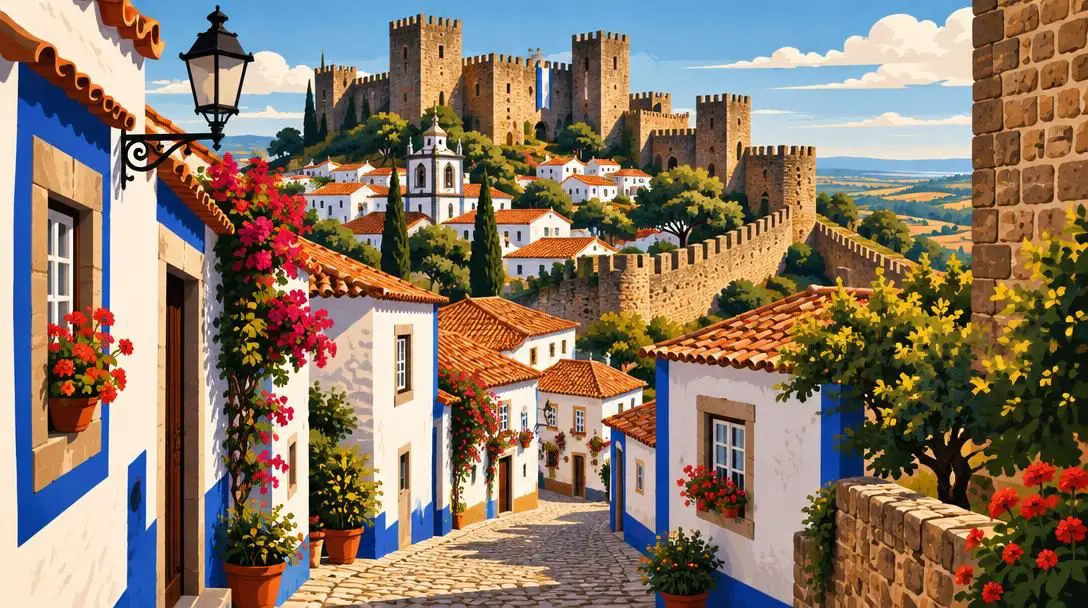
Located roughly an hour's drive north of Lisbon, Obidos offers an easily accessible escape into Portugal's deep medieval past. Passing through the town's fortified gates brings you into an impeccably preserved settlement defined by winding cobblestone lanes, whitewashed cottages accented with colorful trim, traditional taverns, and craft workshops. Massive stone walls encircle the entire historic center, creating the sensation of stepping into an enclave frozen in time.
Anchoring the settlement is Obidos Castle, an imposing stone fortress with roots reaching back to the period of Moorish rule. Recognized formally as one of the Seven Wonders of Portugal, the castle complex allows visitors to walk atop the stone ramparts, study defensive brickwork, and even book an overnight stay inside the historic structure itself. Travelers arriving between mid-July and August can experience the town's vibrant medieval market, an annual festival filled with period costumes, historical jousting and reenactments, and traditional food stalls that animate the ancient streets.
The Algarve

- Location: Southernmost region of Portugal
- Entry point: Faro airport
- Contrasting zones: Developed resort coastline near Lagos versus wild western cliffs
- Natural features: Sculpted rock formations, golden sand beaches, and Atlantic bluffs
The southernmost territory of the country, The Algarve, is internationally famous for its sculpted sandstone arches, sheltered coves, and warm ocean breezes. Visitors arriving through the primary gateway of Faro airport frequently head toward the central and eastern shorelines, where bustling resort communities, beachfront villas, and lively promenades extend toward the historic town of Lagos. This central corridor provides an energetic holiday atmosphere complete with plenty of dining and lodging infrastructure.
However, travelers looking for a far more authentic and untamed encounter with the region should pivot toward the Algarve's western Atlantic fringe. Unlike the commercially developed central coast, the western sector remains raw, windswept, and sparsely built. Towering ocean bluffs drop directly into powerful Atlantic rollers, creating world-class conditions for watching heavy swells crash against the cliffs. Here, traditional fishing hamlets endure alongside protected open landscapes, offering a stark and grounding counterpoint to the busy tourist enclaves nearby.
Trilha dos Pescadores

- Route network: Part of the Rota Vicentina trail system
- Total distance: Nearly 80 miles along coastal terrain
- Recommended itinerary: Roughly 5 miles per day across one week
- Landscape highlights: Jagged maritime cliffs, ocean lookouts, and migratory bird habitats
For outdoor enthusiasts who prefer to discover a culture through physical exertion and raw wilderness, the Trilha dos Pescadores—or the Fishermen’s Trail—provides an unforgettable journey. Operating as a core segment of the expansive Rota Vicentina trail network, this maritime path has earned global acclaim as one of the most stunning coastal walking routes on the planet. The trail traces the contours of the southwestern coastline, taking hikers over sand dunes, through maritime scrub, and across high clifftops that look out over the churning ocean.
The complete route covers nearly 80 miles of rugged shoreline. To experience the trail without exhausting yourself, consider pacing your walk at roughly 5 miles each day over the course of a week. This manageable tempo leaves plenty of time to stop and observe nesting white storks perched on seaside sea stacks, watch for Atlantic marine life swimming through the clear waters below, and spend restful evenings dining on fresh fish in quiet coastal villages where traditional fishing practices still dictate daily life.
Viana do Castelo
- Location: Northern Portugal
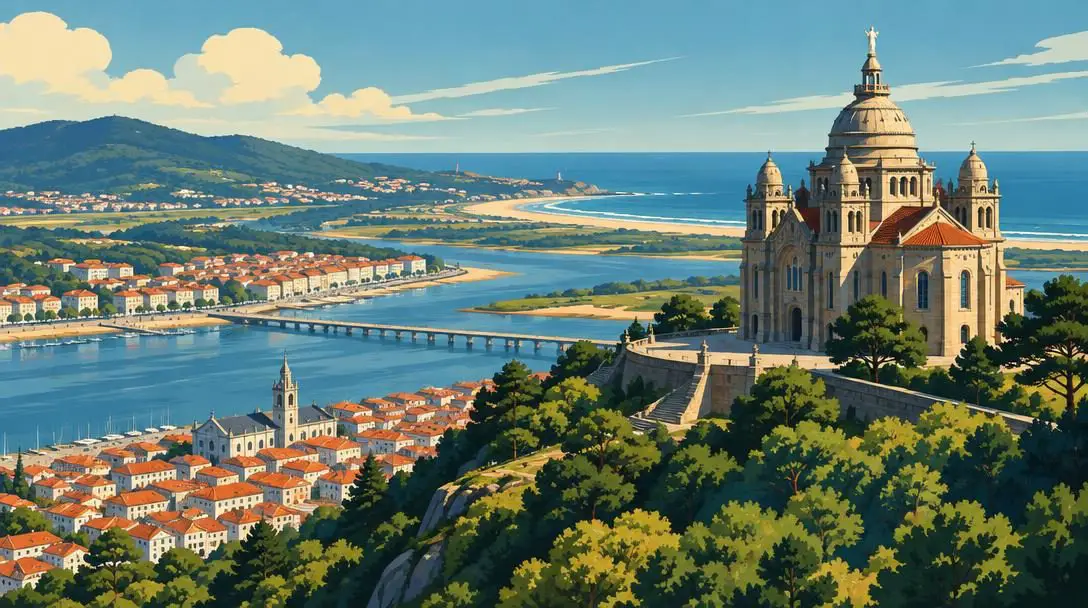
- Architectural crown: Byzantine Santuario de Santa Luzia
- Cultural status: Cherished holiday destination for Portuguese families
- Urban fabric: Historic manor houses, riverside promenades, and ancient monasteries
When travelers desire to see ornate historic palaces and architectural wonders, they frequently flock to Sintra. Yet Sintra's popularity has transformed its picturesque palaces into congested bottlenecks where visitors must endure long lines and crowded paths. In northern Portugal, the coastal jewel of Viana do Castelo provides an equally profound architectural and cultural experience without the stifling mass crowds.
Viana do Castelo holds a special place in the domestic imagination as a cherished retreat where Portuguese families holiday together. The town center features an exceptionally preserved historic quarter populated by grand manor houses, centuries-old monasteries, and lively public squares. High on the hill above the city sits the Byzantine-inspired Santuario de Santa Luzia. From this hilltop vantage point, travelers are treated to a sweeping panorama that encompasses the town's tiled rooftops, the mouth of the Lima River, and the endless horizon of the Atlantic Ocean, all while preserving an atmosphere of dignity and civic pride.
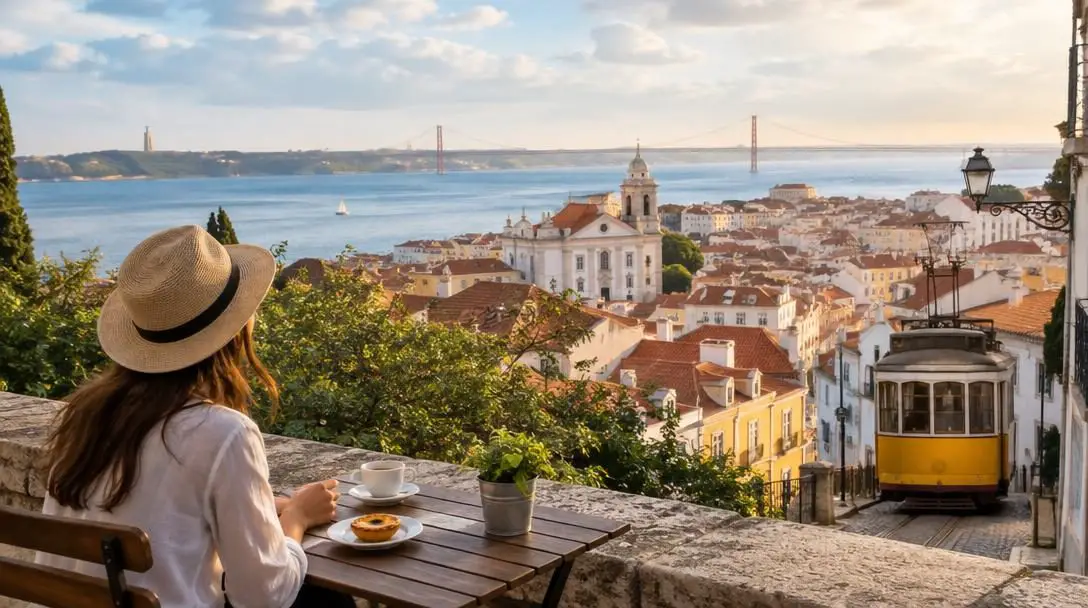
When an economy relies on agriculture, fishing, local crafts, and domestic trade rather than crowds of international visitors, the culture remains grounded, welcoming, and genuine.
Understanding Portuguese regional life
To make the most of your travels beyond the major metropolitan hubs, it is essential to understand the cultural and economic patterns that shape everyday life in the provinces. In places like rural Alentejo or the fishing villages of the western coast, life is not oriented around tourism or international business. Instead, daily routines follow seasonal agriculture, artisan fishing schedules, and long-standing civic traditions.
In regional Portugal, meals serve as vital social anchors rather than quick transactions. Lunch and dinner are deliberate affairs where multi-generational families gather around the table to share regional specialties, local bread, and regional vintages. The ingredients on your plate reflect the immediate surrounding landscape—whether that means air-cured pork from heritage farms in the interior or sea bass caught that morning off the Atlantic shelf. Approaching small-town life with patience, observing afternoon quiet hours, and showing sincere interest in local customs will quickly unlock the deep, sincere warmth that defines traditional Portuguese hospitality.
Practical steps for traveling beyond the cities
Traveling comfortably through small towns and rural provinces requires a different logistical approach than navigating well-connected transit hubs like Lisbon. Taking the following practical steps before and during your journey will help you avoid logistical hurdles and build meaningful connections with the communities you visit:
- Secure an independent rental vehicle: While Portugal features an efficient passenger rail and bus network between its primary cities, public transit drops off sharply in rural districts. A rental car gives you the freedom to reach remote coastal trailheads along the Trilha dos Pescadores, explore whitewashed hamlets in the Alentejo, and pull over at family-owned roadside tascas whenever you choose.
- Synchronize your day with local meal schedules: Outside of major tourist corridors, family-run restaurants do not serve meals all day long. Lunch is typically served from 12:30 PM to 2:30 PM, after which kitchens close until dinner service begins around 7:30 PM or 8:00 PM. Plan your driving and sightseeing around these windows to avoid finding every establishment closed.
- Carry adequate amounts of physical cash: Electronic payment cards are standard in urban centers, but smaller establishments, rural taverns, and village fruit markets often accept only physical currency or Portuguese domestic payment cards. Keeping a supply of small-denomination euro bills and coins on hand prevents stressful checkout situations.
- Master essential Portuguese pleasantries: English proficiency is widespread in high-density tourist areas, but rural shopkeepers, elderly villagers, and small-town artisans may speak only Portuguese. Learning simple, respectful greetings, polite requests, and expressions of gratitude demonstrates goodwill and invariably leads to warmer, more helpful interactions.
- Equip yourself with practical footwear: Cobblestone streets in historic settlements like Obidos and Viana do Castelo can be polished smooth and surprisingly slippery, while rural walking routes require proper support. Sturdy shoes or trail runners are crucial for navigating uneven historic stone pavements and rugged clifftop trails safely.
Common pitfalls to avoid when traveling off the beaten path
Leaving the standard tourist trail is immensely rewarding, but it can present minor hurdles for travelers who expect rural areas to function like international resorts. Avoiding these common mistakes will ensure your journey through regional Portugal remains relaxing and fulfilling:
- Expecting urban operating hours everywhere: Smaller towns maintain traditional midday closures for banks, family-owned shops, and administrative offices. Do not assume services will be available around the clock as they are in the capital.
- Attempting to cover excessive ground each day: Winding rural roads and secondary coastal highways take far more time to navigate than expressways. Trying to visit multiple far-flung towns in a single afternoon will leave you exhausted and unable to absorb the atmosphere.
- Shying away from unfamiliar regional dishes: Domestic gastronomy is a central pillar of regional identity. Limiting your dining to generic international food causes you to miss out on the rich cured meats of the Alentejo and the exceptionally fresh Atlantic seafood caught along the coast.
- Rushing through historic fortress towns: Medieval towns like Obidos are best experienced by walking the perimeter ramparts slowly, pausing in shaded courtyards, and spending an evening within the walls after day visitors have returned to the city.
- Underestimating coastal hiking conditions: Maritime cliff trails along the Rota Vicentina are fully exposed to sun, wind, and blowing sand. Neglecting to pack adequate drinking water, sun protection, and durable layers can turn a breathtaking coastal hike into an uncomfortable ordeal.
Frequently asked questions
Do I need to rent a car to explore the real Portugal?
While public trains and buses connect Lisbon, Porto, and larger regional hubs effectively, a rental car is strongly recommended for visiting countryside areas like the Alentejo, scenic trailheads along the Trilha dos Pescadores, and remote beaches along the western Algarve. Having a private vehicle allows you to explore isolated villages at your own pace without relying on limited regional bus schedules.
When is the best time of year to visit the Alentejo?
The Alentejo is peaceful and pleasantly uncrowded throughout most of the year. If you prefer quiet highways and having expansive beaches to yourself, visit outside the peak domestic vacation months of July and August, when Portuguese families from major cities head south to escape the urban heat.
How physically challenging is the Trilha dos Pescadores?
The Trilha dos Pescadores spans nearly 80 miles across coastal terrain, including loose sand and uneven clifftops. However, walking the trail at an average pace of roughly 5 miles per day over a week makes the journey accessible for most travelers with moderate fitness and sturdy walking shoes.
What makes Viana do Castelo an attractive alternative to Sintra?
While Sintra features spectacular palaces, it is frequently congested with heavy tourist crowds and long queues. Viana do Castelo in northern Portugal boasts magnificent architecture, grand historic manors, and the Byzantine Santuario de Santa Luzia without the overwhelming volume of international visitors, offering a dignified and authentic atmosphere where Portuguese families themselves choose to vacation.
Can I stay overnight inside Obidos Castle?
Yes. Obidos Castle, an imposing stone fortress dating back to Moorish times and recognized as one of the Seven Wonders of Portugal, operates as a heritage accommodation where travelers can rent a room and spend the night directly within the ancient fortress walls.
The bottom line
Lisbon and Porto are dynamic gateways filled with historic grandeur, but they represent only the opening chapter of Portugal's story. The country's true character resides in the tranquil plains of the Alentejo, the historic ramparts of Obidos, the wild Atlantic bluffs of the western Algarve, the rugged walking paths of the Trilha dos Pescadores, and the preserved architectural heritage of Viana do Castelo.
By stepping off the well-trodden tourist highway, aligning your daily rhythms with local customs, and exploring places where the primary economy relies on traditional farming, fishing, and community trade, you will discover a welcoming culture that remains grounded in timeless values. Pack a sturdy pair of shoes, rent a car, and head out into the countryside—the real Portugal is waiting to be explored.