The Magic of Sao Paulo – 5 Unique Attractions in This Amazing City
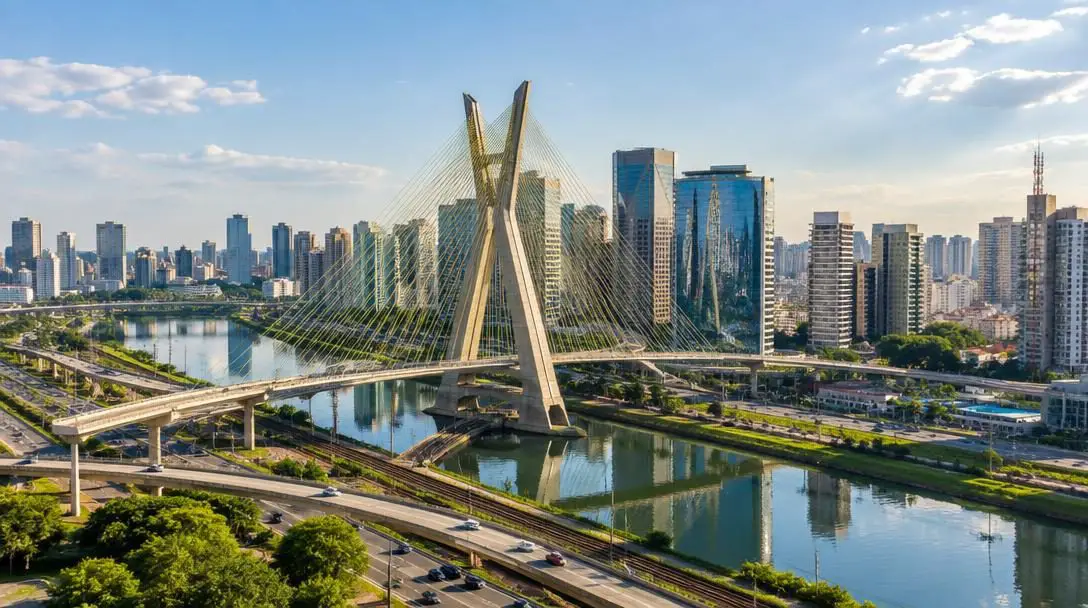
Sao Paulo stands as Brazil’s largest city and the fourth most populous megalopolis on the globe, sheltering roughly 30 million residents across its vast metropolitan territory. Sprawled across a high inland plateau, this economic powerhouse is often characterized by its dense thicket of high-rises and round-the-clock commercial momentum. Yet beneath its towering skyline lies an intricate urban mosaic shaped by centuries of migration, indigenous heritage, religious devotion, and ecological preservation.
Because the super city does not border the ocean directly, its cultural identity developed inward, turning neighborhood markets into culinary epicenters, transforming ancient churches into multi-level monuments, and preserving fragments of native Atlantic Forest amid suburban expansion. Navigating this immense urban core can feel overwhelming, but focusing on curated, distinctive destinations reveals the metropolis's true character. From subterranean vaults to bohemian villages and historic ports, these five attractions capture the extraordinary diversity of the Sao Paulo region.
Key takeaways
- Sao Paulo is the globe's fourth most populous megalopolis, housing 30 million residents on an expansive inland plateau.
- Major highlights span from subterranean cathedral crypts honoring indigenous figures to the country's largest botanical zoo.
- Food culture thrives at the historic 1933 Mercado Municipal, famous for its stained glass and signature Mortadella sandwiches.
- Day trips within 50 miles provide access to the bohemian artisan markets of Embu Das Artes and the coastal sands of Santos.
At a glance: Five standout Sao Paulo destinations
To help you map your journey across the super city and its neighboring escapes, the table below outlines the core characteristics of each featured destination, highlighting their settings, primary draws, and typical time commitments.
| Attraction | Location type | Primary highlight | Suggested time |
|---|---|---|---|
| Sao Paulo Zoo | South city forest reserve | 3,200 animals and native Atlantic flora | Full day |
| Underground Crypt | Central urban cathedral vault | Chief Tibiriçá tomb and biblical statues | 1 to 2 hours |
| Mercado Municipal | Downtown market hall | 1933 architecture and Mortadella sandwich | Half day |
| Embu Das Artes | Outlying historic town | Artisan workshops, galleries, and live music | Half day |
| Santos and Coastline | Atlantic oceanfront | Seaside gardens, beaches, and soccer history | Full day |
Five unique attractions across the super city
Rather than wandering aimlessly through endless commercial corridors, travelers can experience the city's historic, artistic, and natural layers by exploring these five distinct landmarks.
Sao Paulo Zoo
- Wildlife count: 3,200 animals
- Avian species: More than 200 species of birds
- Setting: Preserved native Atlantic Forest
- Status: Largest zoo in Brazil
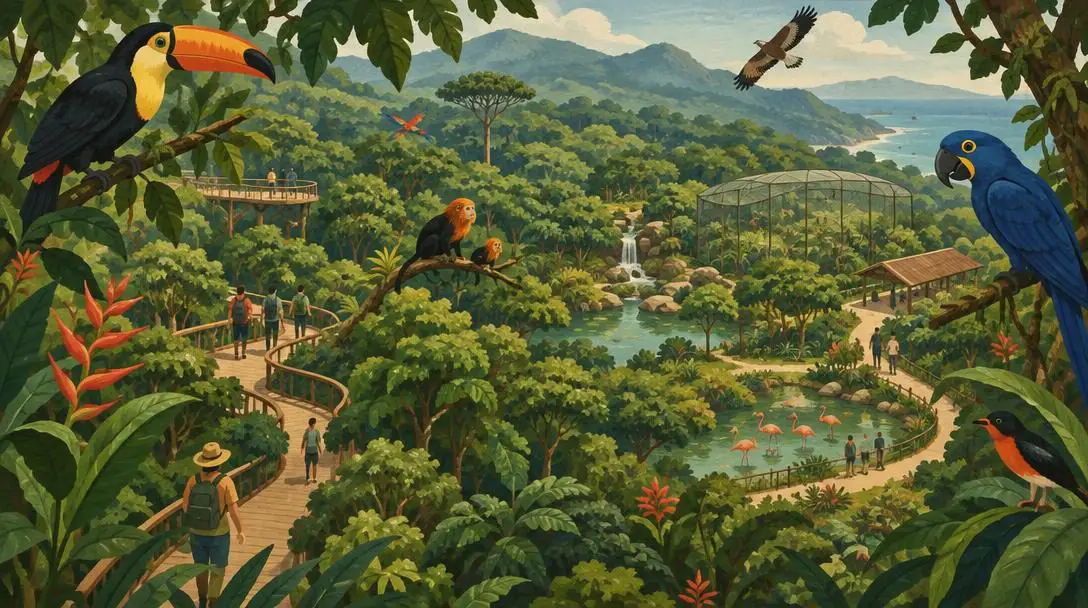
Occupying an expansive sanctuary in the southern part of the megalopolis, the Sao Paulo Zoo represents Brazil's premier zoological institution. The grounds are set entirely within a preserved corridor of the native Atlantic Forest, giving visitors a glimpse of the lush ecological landscape that dominated the plateau before modern urban expansion. The institution houses approximately 3,200 individual animals representing mammals, reptiles, amphibians, and invertebrates, as well as a diverse collection of more than 200 bird species.
The facility prioritizes naturalistic habitat design, shaping living enclosures that closely replicate the wilderness conditions required by each species. Beyond standard public viewing paths, the zoo incorporates an extensive operational farm. This dedicated agricultural plot produces fresh vegetables specifically for animal nourishment while cultivating raw natural materials used to maintain, reinforce, and enrich animal enclosures year-round. Because of the vast distances between habitats and the shaded, winding forest trails, visitors can easily spend an entire day discovering the wildlife and flora.
Underground Crypt of the Sao Paulo Cathedral
- Location: Beneath the central Sao Paulo Cathedral
- Key monuments: Brass tomb of Chief Tibiriçá; Job and Saint Jerome statues
- Historical figures: City bishops, archbishops, and prominent Brazilians
- Access: Guided daily tours during scheduled hours
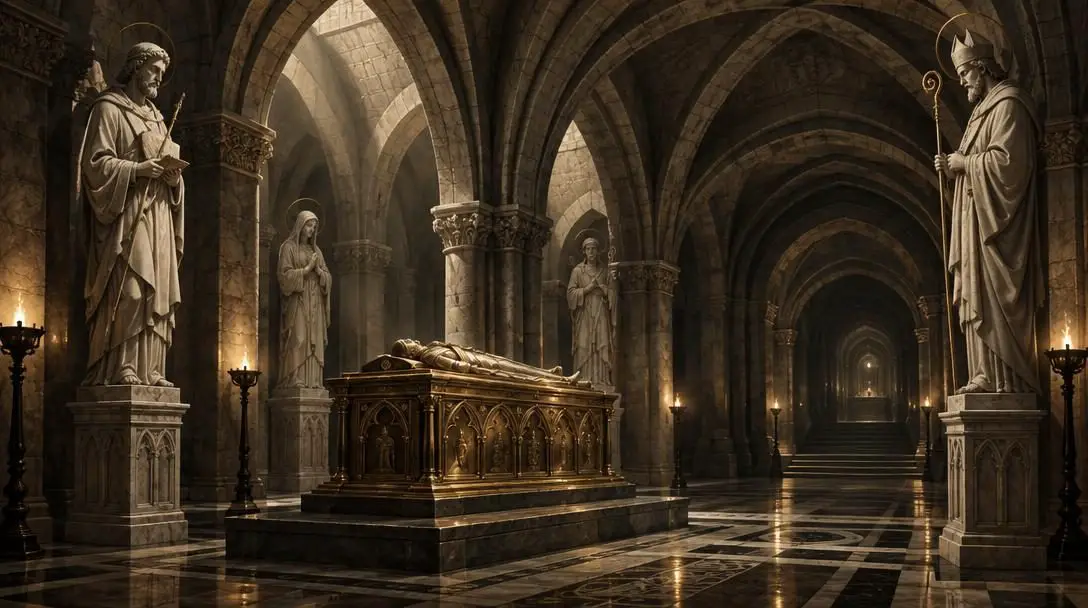
While the neo-gothic towers and soaring nave of the central cathedral dominate the downtown skyline, an entirely separate spiritual space exists directly below street level. The Underground Crypt of the Sao Paulo Cathedral is a cavernous subterranean vault carved from stone and marble, possessing proportions so vast that it functions virtually as an independent, secondary cathedral. Dramatic marble statuary lines the silent aisles, including striking depictions of the biblical Job and Saint Jerome, reinforcing the solemn atmosphere of the space.
The crypt serves as the consecrated final resting place for the city's archbishops and bishops, alongside other notable Brazilian figures from centuries past. Its most historic monument is a massive brass tomb honoring Chief Tibiriçá, the influential 16th-century indigenous leader. Tibiriçá converted to Catholicism and played an instrumental role in assisting Portuguese Jesuits during the initial founding and colonization of São Paulo. Because the crypt is an active burial vault and place of worship, travelers must join scheduled daily guided tours to descend into the chambers.
Carved directly beneath the soaring church nave, the cavernous stone crypt functions virtually as a second cathedral beneath the pavement.
Mercado Municipal de São Paulo
- Year established: 1933
- Architectural style: Industrial design with towering domes and stained glass
- Operating schedule: Seven days a week
- Signature dish: Traditional Mortadella sandwich
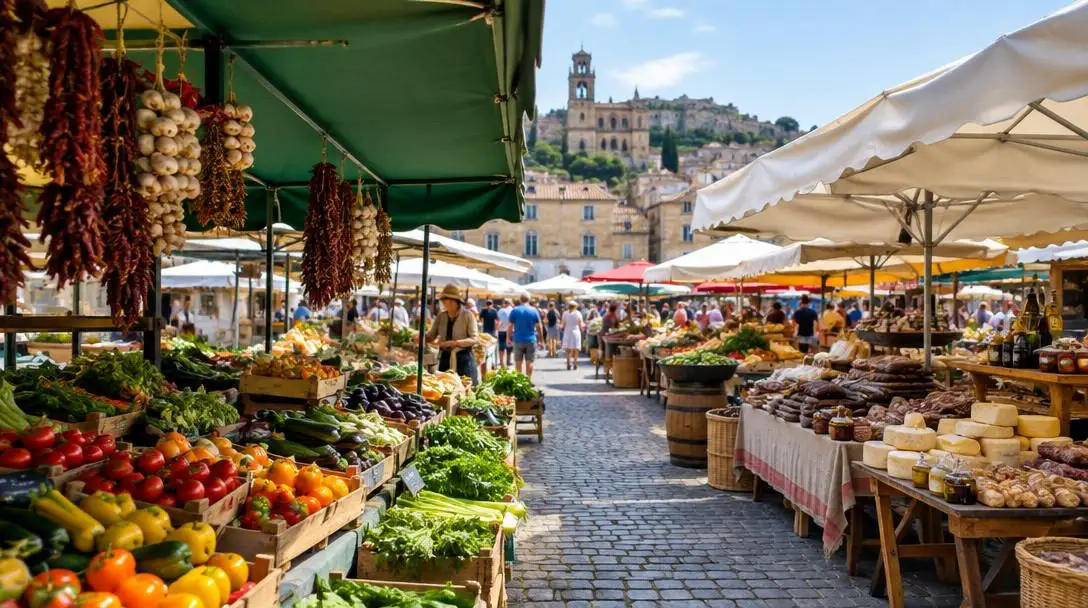
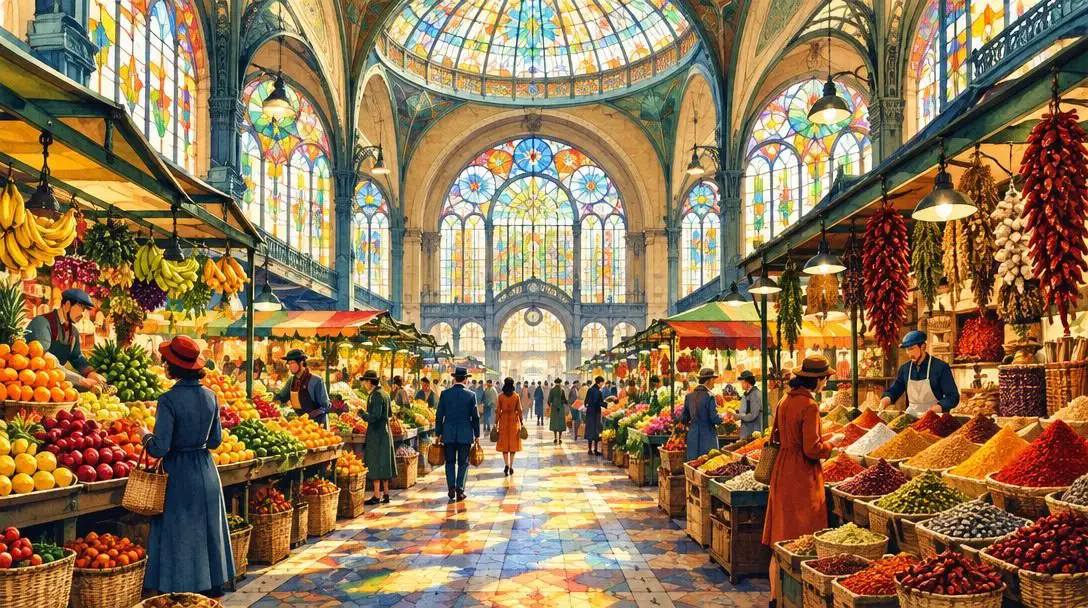
Affectionately referred to by residents as the Mercadao, the Mercado Municipal de São Paulo has served as the city's vibrant culinary anchor since opening its doors in 1933. Housed in a grand, eclectic industrial structure, the market hall is renowned for its monumental arched ceilings, soaring domes, and vibrant stained glass windows that bathe the trading floor in natural light. Operating every day of the week, the market stands as a crossroads for fresh provisions sourced from across Brazil.
The ground level is a bustling maze of vendor counters piled high with exotic fruits, vegetables, fresh and dried meats, poultry, regional cheeses, aromatic spices, olive oils, and imported wines. Ascending to the second-floor mezzanine reveals a lively terrace of traditional eateries where diners look out across the bustling marketplace below. The standout culinary icon here is the legendary Mortadella sandwich, piled high with thinly sliced cured meat. While the market provides an authentic window into daily commerce, travelers must stay aware of their surroundings amidst the dense crowds.
Town of Embu Das Artes
- Distance from core: Approximately 40 minutes by road
- Primary industry: Fine arts, handicrafts, and cultural tourism
- Atmosphere: Unhurried colonial-style rural retreat
- Highlights: Open-air studios, artisan stalls, and live music cafes
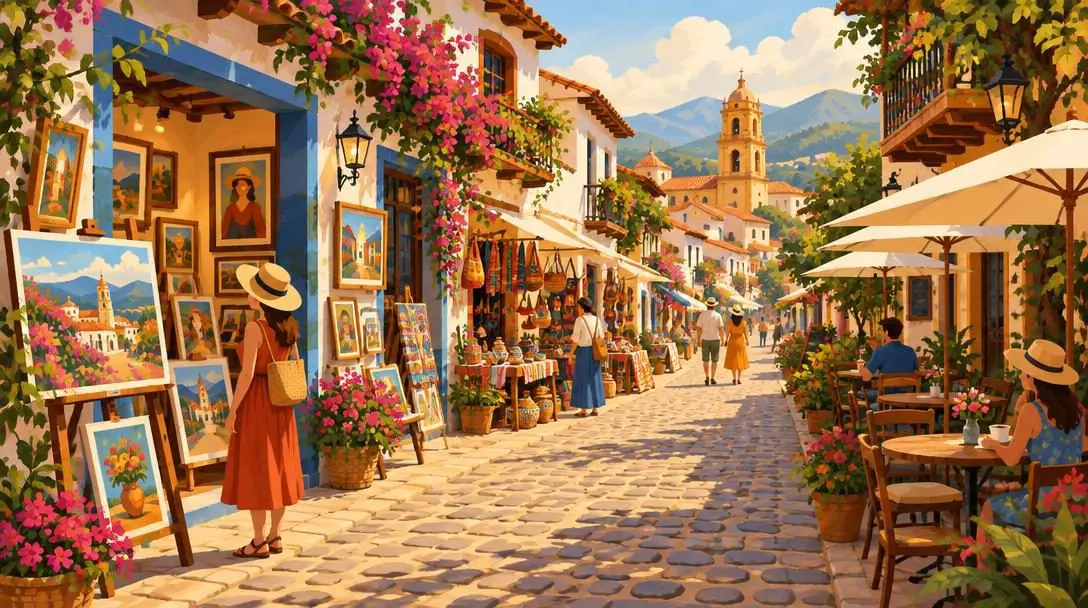
Located just a 40-minute drive southwest of central Sao Paulo, the historic community of Embu Das Artes provides an accessible escape from the unrelenting pace of the megalopolis. Historically settled as a rural village, the town evolved over the 20th century into a recognized sanctuary for painters, sculptors, woodcarvers, and traditional artisans seeking quiet surroundings outside the industrializing urban core. Today, its pedestrian-friendly core remains dedicated to preserving regional artistic traditions.
Visitors strolling along the town's picturesque, cobblestone corridors can explore working studios where local painters and craftsmen exhibit their creations. Handcrafted ceramics, leather goods, woven textiles, and wood carvings fill local souvenir shops and weekend market stalls. Between browsing galleries, travelers can dine in open-air verandas and cozy restaurants serving hearty Brazilian fare, where afternoon meals are frequently accompanied by local musicians performing live acoustic sets.
Santos and the Coastal Shoreline
- Distance from city: Roughly 50 miles down the coastal escarpment
- Key landmarks: Santos Beach and adjacent Sao Vicente
- Cultural legacy: Oldest town in Brazil; hometown of soccer icon Pele
- Scenic route: Green Coast corridor extending toward Rio de Janeiro
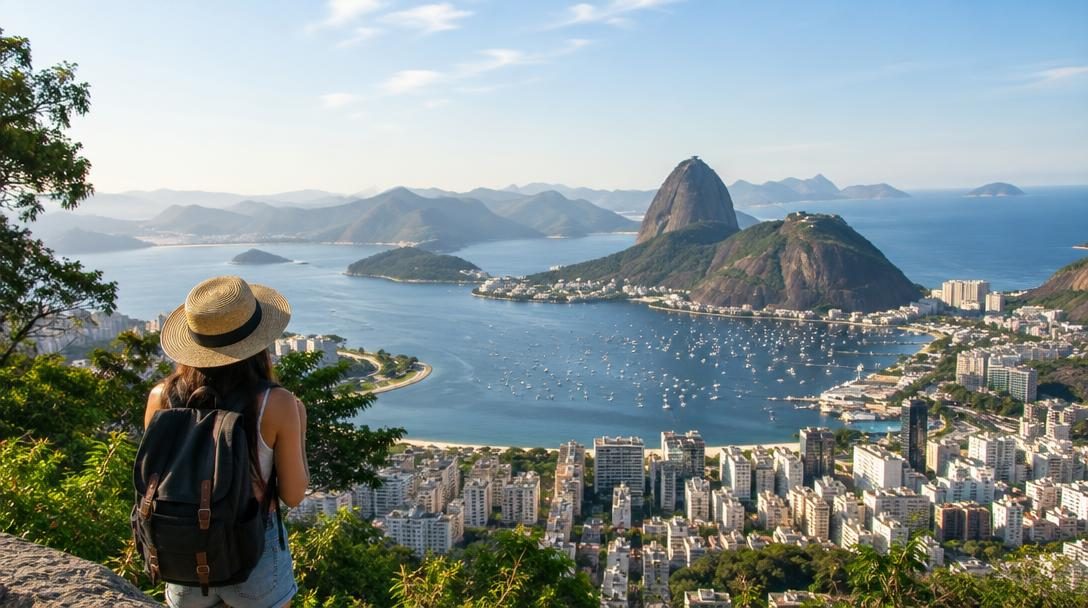
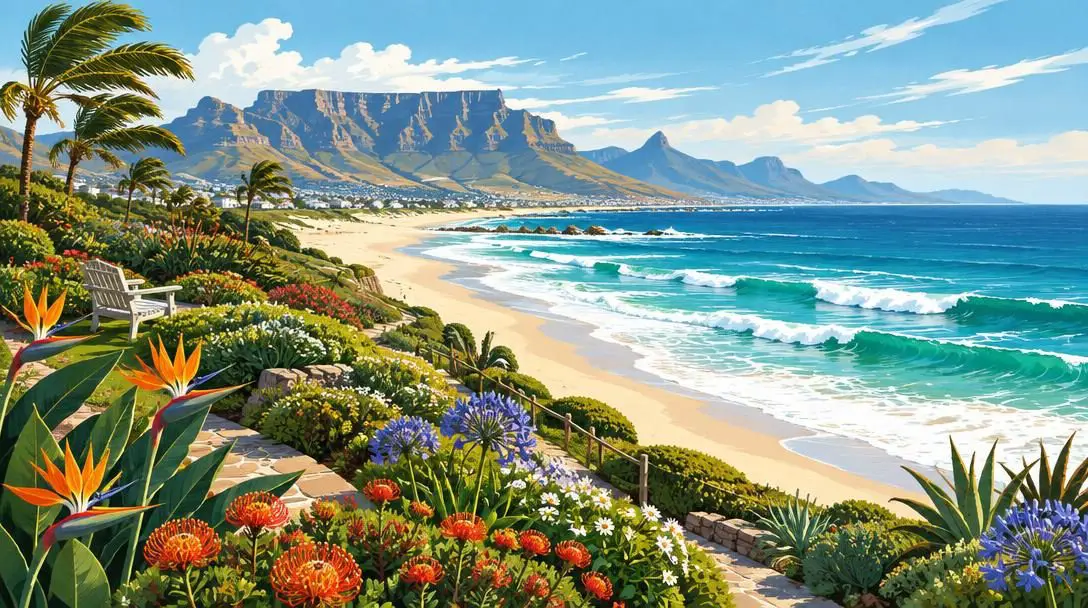
Because inland Sao Paulo sits high on a plateau without ocean frontage, heading to Santos and the Coastal Shoreline represents the city's traditional maritime escape. Descending the steep coastal mountain range brings travelers roughly 50 miles south to the edge of the Atlantic Ocean, where the river mouth meets the open sea. The coastal city of Santos features a sprawling shoreline bordered by continuous, manicured seaside botanical gardens that stretch along the sand, offering scenic pedestrian paths for walking and cycling.
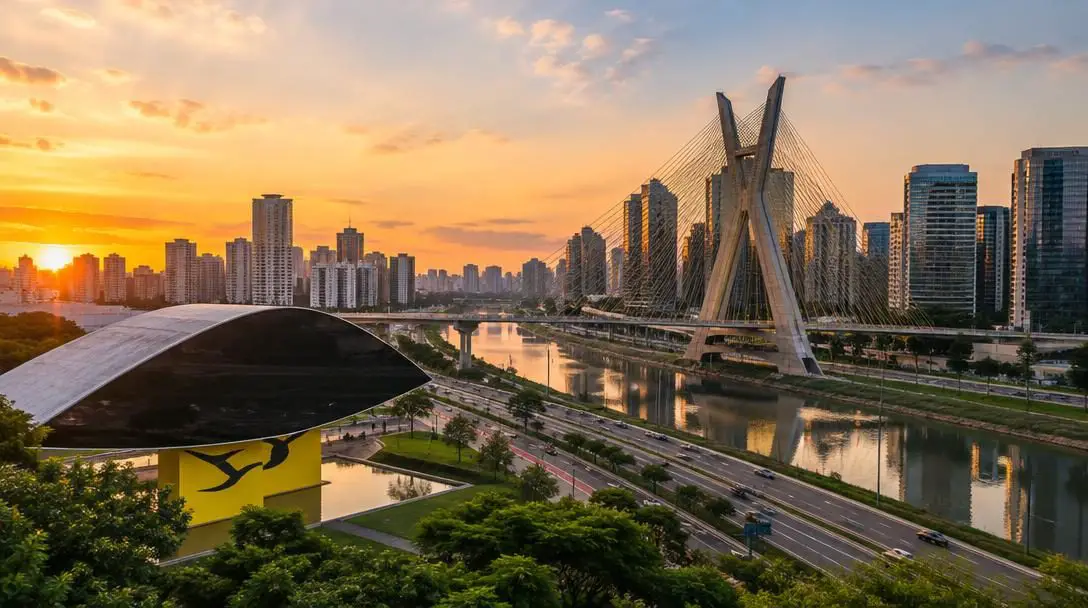
Bordering Santos is Sao Vicente, officially recognized as the earliest permanent Portuguese settlement and oldest established town in Brazil. Sao Vicente holds enduring cultural fame as the hometown of soccer legend Pele, whose athletic journey began along these coastal fields. For travelers with additional time, following the shoreline northeast leads along the renowned Green Coast toward Rio de Janeiro, a lush stretch of coastline characterized by dense jungle hillsides meeting secluded, tranquil beaches far removed from city crowds.
How to navigate the region's diverse environments
Because these five destinations range from underground stone vaults to protected outdoor forests and coastal ports, approaching each site with an understanding of its physical layout will streamline your journey.
- Managing the zoo grounds: The zoological park functions both as an exhibition space and an environmental reserve. Expect winding, unpaved forest paths and considerable elevation changes between different animal zones and the support farm.
- Entering the cathedral crypt: You cannot walk unaccompanied into the crypt chambers. Visitors gather inside the main cathedral nave before authorized guides lead the group through heavy security gates down into the stone burial vault.
- Moving through the Mercadao: Treat the market as a two-part experience. Spend your first hour browsing the ground-floor produce, dairy, and cured-meat aisles before climbing the stairs to the mezzanine for sit-down lunch service.
- Exploring Embu Das Artes: The historic core is reserved largely for pedestrian traffic. Cobblestone roadways require sturdy footwear, and shops are arranged in a compact grid that allows you to easily wander from one gallery to the next.
- Descending to the coastline: Transit from the plateau down to sea level requires navigating modern multi-lane highway descents that drop sharply toward Santos. Plan your transport around clear daylight hours to appreciate the mountain views.
Practical steps for planning your visit
Follow these structured steps to assemble an efficient, rewarding sightseeing itinerary across the megalopolis and its surrounding attractions.
- Reserve a full day for the zoo: Dedicate an entire morning and afternoon to the southern outskirts so you can explore the animal enclosures and agricultural farm without rushing.
- Verify cathedral crypt tour schedules: Check daily cathedral tour hours before traveling to the central district to ensure you arrive in time for an authorized descent into the tomb of Chief Tibiriçá.
- Time your Mercadao arrival for lunch: Arrive at the market hall around midday, which allows you to inspect the 1933 architecture and stained glass before securing a mezzanine table for a Mortadella sandwich.
- Safeguard personal belongings in crowds: Keep wallets, phones, and travel documents secured in zippered interior pockets when walking through dense corridors in the central district or market hall.
- Set aside an afternoon for artisan shopping: Drive or transit 40 minutes southwest to Embu Das Artes after midday, spending two to four hours visiting working galleries and enjoying live cafe music.
- Map transit down the coastal escarpment: Depart early on your beach excursion to Santos and Sao Vicente, budgeting enough time to visit historic sites before venturing further onto the sands of the Green Coast.
Mistakes to avoid when exploring the super city
Travelers exploring Sao Paulo for the first time frequently encounter logistical hurdles due to the megalopolis's sheer scale. Keep these common missteps in mind to ensure a hassle-free trip:
- Assuming Sao Paulo is an oceanfront city: Many visitors confuse Sao Paulo with coastal capitals; remember that reaching the ocean requires a 50-mile journey down the plateau to Santos.
- Rushing through the Mercado Municipal: Attempting to see the market in a brief 15-minute stop causes you to miss the upper mezzanine architecture and the unique energy of local food exchanges.
- Accepting unsolicited vendor fruit samples: Taking cut fruit from assertive market vendors frequently leads to high-pressure demands to buy expensive produce by the box; politely decline if you do not plan to purchase.
- Treating the zoo as a quick stop: With 3,200 animals and extensive Atlantic Forest acreage, trying to rush through in two hours will leave you exhausted and unable to see the majority of species.
- Arriving at the cathedral outside crypt hours: Showing up at the central cathedral without checking guided crypt tour schedules means you will only see the upper church sanctuary.
Frequently asked questions
Does Sao Paulo have its own ocean beaches?
No. Sao Paulo is located inland on a plateau. To visit the ocean, travelers must make a 50-mile journey down to coastal communities such as Santos, Sao Vicente, or the surrounding Green Coast.
Who is Chief Tibiriçá, and why is he buried in the cathedral?
Chief Tibiriçá was an influential 16th-century indigenous leader who converted to Catholicism and aided Portuguese Jesuits in the colonization and founding of early São Paulo. His remains rest in a prominent brass tomb inside the cathedral's underground crypt.
What food is the Mercado Municipal de São Paulo famous for?
The market is widely famous for its traditional, towering Mortadella sandwich, served at numerous sit-down restaurants along the second-floor mezzanine overlooking the trading stalls.
How far is the artisan town of Embu Das Artes from the city center?
Embu Das Artes is located approximately 40 minutes by road outside the central city, making it an easy afternoon or half-day excursion for shopping and regional dining.
Why is Sao Vicente historically significant to Brazilian soccer?
Bordering the port city of Santos, Sao Vicente is Brazil's oldest established town and is widely celebrated as the hometown where soccer legend Pele launched his historic career.
The bottom line
Sao Paulo’s identity as an economic engine often overshadows its wealth of cultural, historical, and environmental treasures. By looking beyond the financial corridors, visitors can uncover a diverse world containing quiet underground resting places, rich Atlantic wilderness, historic food halls, rural art communities, and coastal escapes. Whether you spend your hours marveling at the brass tomb of Chief Tibiriçá, savoring street food under the stained glass of the Mercadao, or descending the mountain plateau toward the gardens of Santos Beach, this 30-million-person megalopolis rewards curious travelers with experiences found nowhere else in South America.