The Magic of Edinburgh – 5 Unique Attractions in This Amazing City
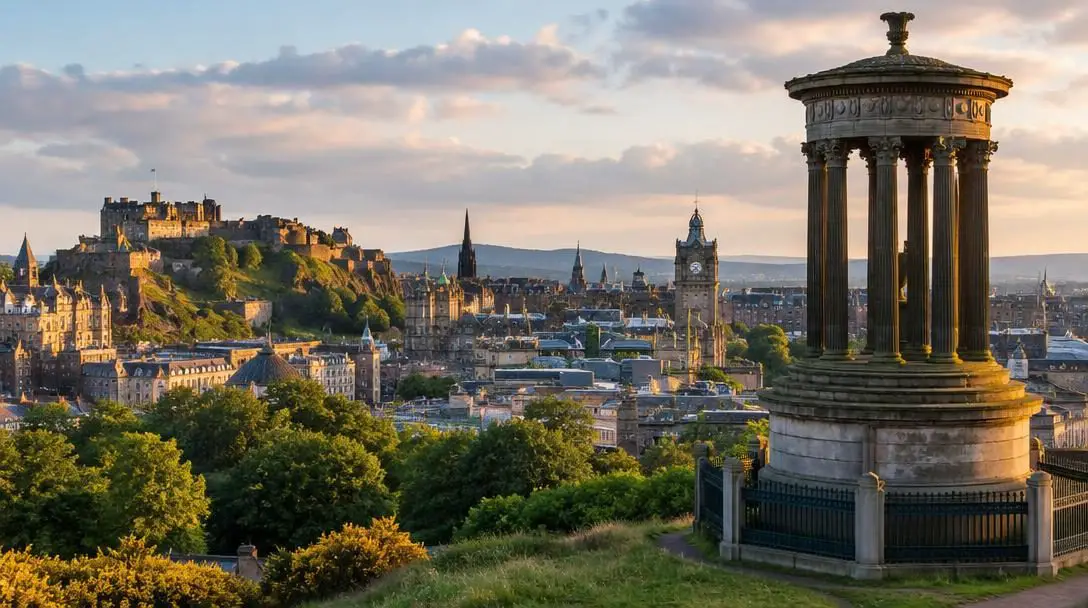
Scotland’s hilly capital city captivates travelers with a striking urban landscape forged by prehistoric volcanism and centuries of continuous human habitation. Rather than sprawling over flat plains, Edinburgh developed along crags, ridges, and valleys, establishing a multi-layered environment where royal palaces, fortified bastions, medieval alleys, and modern institutions coexist within a compact geographical footprint.
While many visitors arrive imagining grand fortresses or planning day excursions into the Highlands toward Loch Ness, exploring Edinburgh itself reveals an extraordinary intersection of geology, military defense, civic administration, and visual illusion. Understanding how these forces shaped the city allows travelers to experience its celebrated landmarks as interconnected chapters of an enduring story.
Key takeaways
- Edinburgh's dramatic topography is defined by ancient volcanic activity that provided strategic defensive positions on Castle Rock and Arthur's Seat.
- The Royal Mile forms the historical spine of the capital, linking Edinburgh Castle to the Palace of Holyrood House across legal, civic, and religious hubs.
- Beneath the modern street level lies Mary King's Close, an authentic, untouched 17th-century subterranean street preserved without actors or theatrical sets.
- Holyrood Park offers 640 acres of wild Highland-like landscape and diverse flora right beside the bustling historic center.
- Camera Obscura, established in 1835, remains the capital's oldest visitor attraction, blending scientific optical illusions with expansive rooftop perspectives.
At a glance: Edinburgh’s five signature attractions
Before diving into the detailed histories and logistical considerations, this comparison highlights the distinct features, terrain, and origins of the city's premier destinations.
| Attraction | Type of Site | Geological or Historical Era | Primary Focus |
|---|---|---|---|
| Edinburgh Castle | Historic fortress and former royal seat | Iron Age settlement atop an ancient volcanic plug | Military history, Crown Jewels, and ceremonial artillery |
| The Royal Mile | Historic thoroughfare and civic corridor | Medieval urban spine connecting two royal points | Parliaments, cathedral, law courts, and street commerce |
| Holyrood Park and Arthur’s Seat | Royal park and volcanic summit | Prehistoric volcanic formation rising 823 feet | Rugged wilderness, panoramic vantage points, and flora |
| Mary King’s Close | Subterranean preserved streetscape | Sealed 17th-century residential alleys | Atmospheric social history frozen in its original state |
| Camera Obscura | Optical science and visual arts gallery | Founded in 1835 as an early tourist attraction | Interactive illusions, mirror mazes, and skyline viewing |
Five unique attractions defining the Scottish capital
The city's most compelling landmarks reflect its complex evolution from ancient volcanic terrain to a sophisticated European center of politics, royal spectacle, and scientific discovery.
Edinburgh Castle
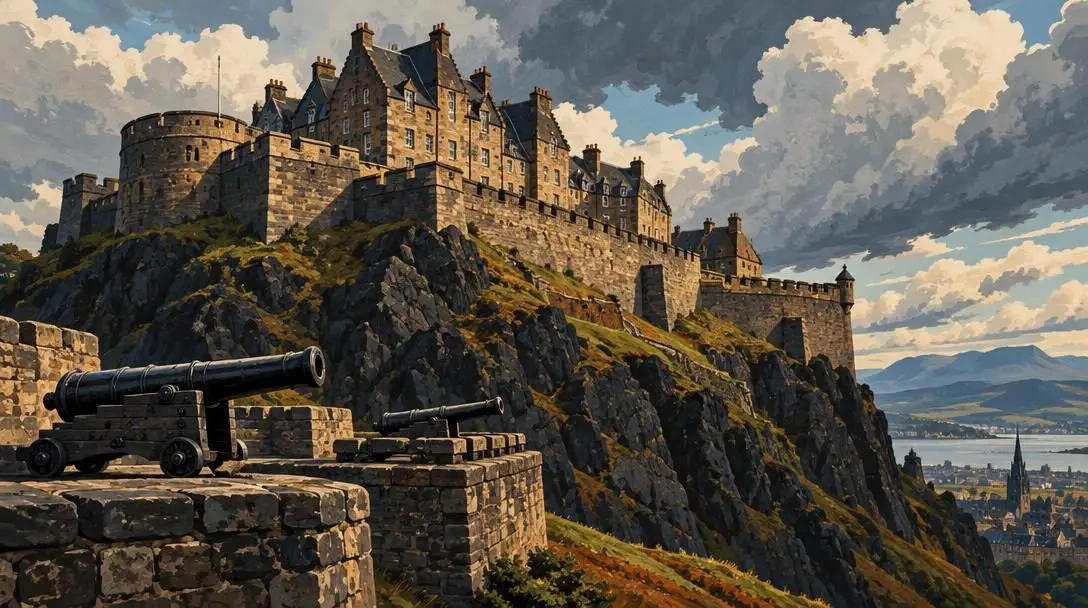
- Geological Base: Castle Rock, an ancient volcanic plug
- Historic Roles: Military fortress, royal residence, and prison of war
- Key Highlights: Crown Jewels, Scottish National War Memorial, National War Museum
- Daily Ceremony: One O’Clock Salute from Half Moon Battery
Dominating the skyline from high above the city, Edinburgh Castle remains the premier destination for travelers seeking insight into Scotland's turbulent past. The fortress rests atop Castle Rock, a sheer volcanic plug inhabited by human communities since the Iron Age. Over centuries of shifting allegiances, wars of independence, and political unions, the castle shifted functions, serving as a heavily fortified military outpost, a secure royal residence, and a holding facility for prisoners of war.
Today, visitors wander between monumental stone defensive works and ceremonial halls. A core tradition that continues to echo across the urban center is the One O’Clock Salute, fired from the Half Moon Battery. This audible artillery signal originated to help ships synchronize their onboard chronometers in nearby waters. Within the compound, travelers can also inspect the Crown Jewels of Scotland, pay respects at the Scottish National War Memorial, and explore centuries of martial artifacts within the National War Museum.
The Royal Mile
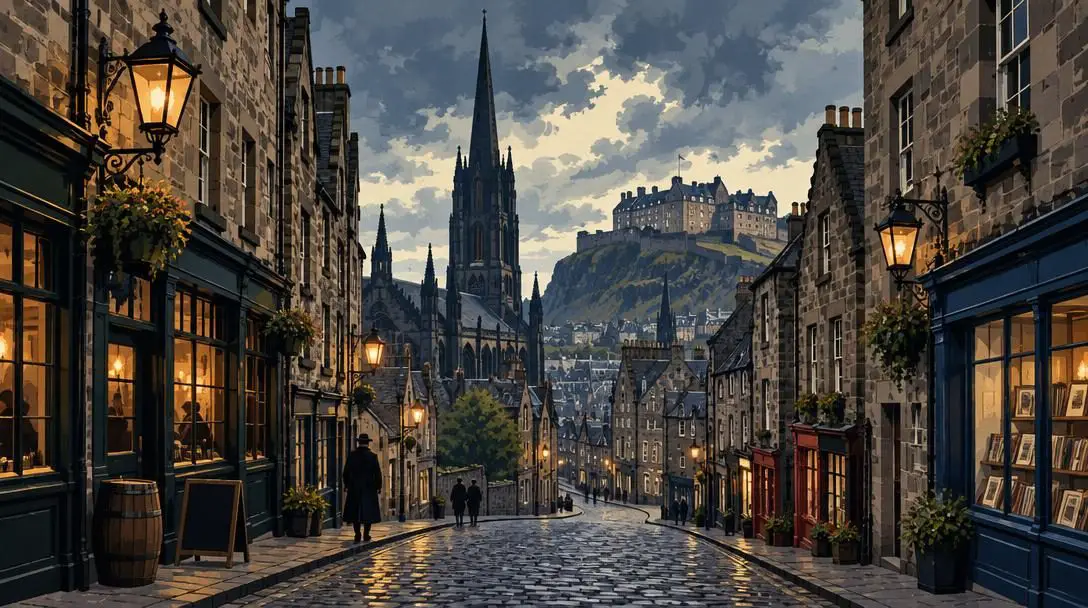
- Distance: One "Scot's mile" connecting Castle and Palace
- Terminus Points: Edinburgh Castle to the Palace of Holyrood House
- Key Structures: Old and New Parliaments, cathedral, churches, law courts
- Street Life: Boutiques, historic pubs, dining spots, and cafes
Extending down the gradual volcanic ridge from Castle Rock, The Royal Mile represents the continuous spine of the historical core. Measured historically as a "Scot's mile long," this vibrant street links the elevated military bastion of the Castle directly with the royal residence at the Palace of Holyrood House. Because of this connection, the corridor has functioned as a central stage for regal processions, judicial trials, and parliamentary debates across Scottish history.
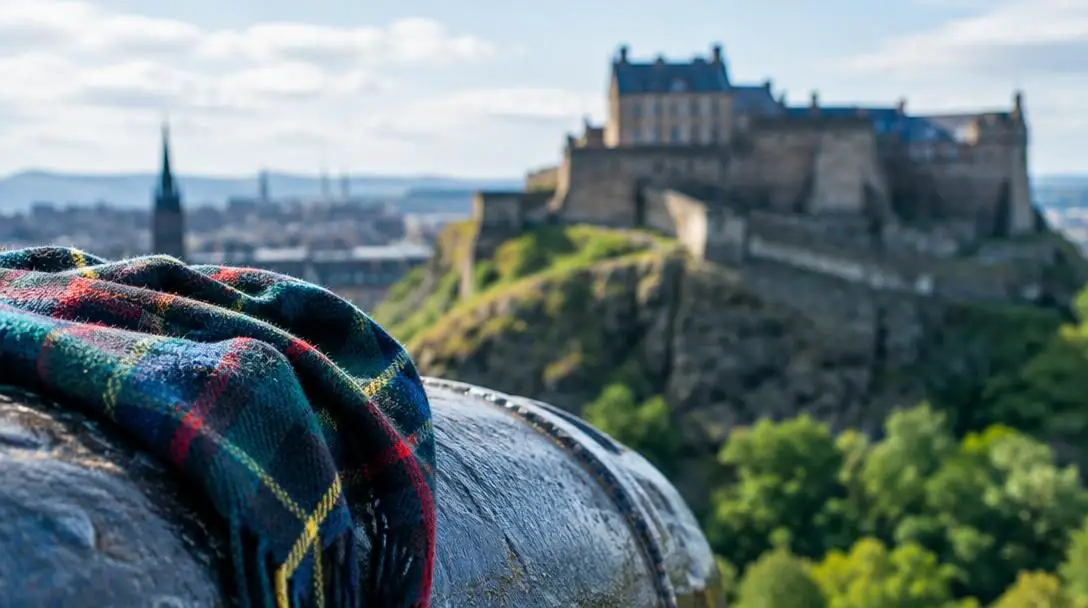
Walking the stone length of the Royal Mile offers an uninterrupted look at civic governance and daily life. The road hosts both the old and new parliaments, the monumental cathedral and surrounding historic churches, and the nation's supreme law courts. At pavement level, traditional businesses thrive alongside visitor stops, offering lively cafes, historic pubs, independent shops, and restaurants nestled into towering stone tenements.
Holyrood Park and Arthur’s Seat
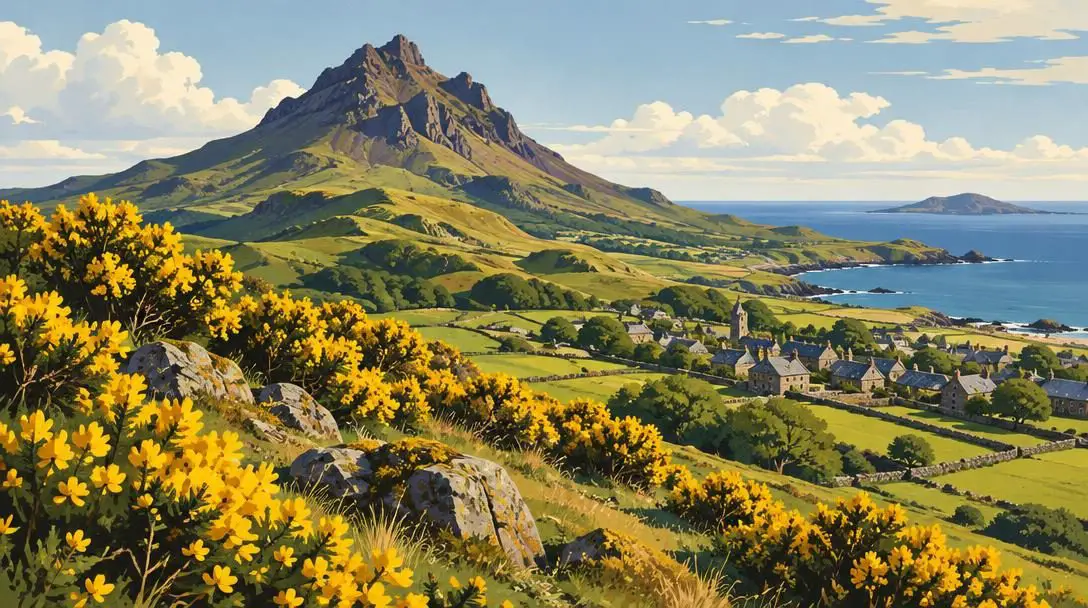
- Total Area: 640 acres of wild urban parkland
- Summit Elevation: Arthur's Seat at 823 feet above sea level
- Location: Adjacent to the Palace of Holyrood House
- Environment: Rugged volcanic crags, sweeping valleys, and diverse flora
Directly past the lower terminus of the Royal Mile, the dense stone architecture gives way to Holyrood Park and Arthur’s Seat, an expansive 640-acre natural oasis. Unlike typical manicured city parks, this royal landscape presents raw, dramatic Scottish terrain right in the center of the capital. The park was formed by ancient volcanic activity, creating striking basalt cliffs, open hollows, and windswept slopes covered in diverse local flora.
The crowning summit is Arthur’s Seat, an ancient extinct volcano rising 823 feet above sea level. Ascending the natural trails rewards hikers with unimpeded, 360-degree vistas taking in the historic Old Town, the coastal waters beyond, and the distant hills. The ascent presents an authentic wilderness hike within minutes of the Scottish parliament building, bridging royal heritage with rugged physical geography.
Mary King’s Close
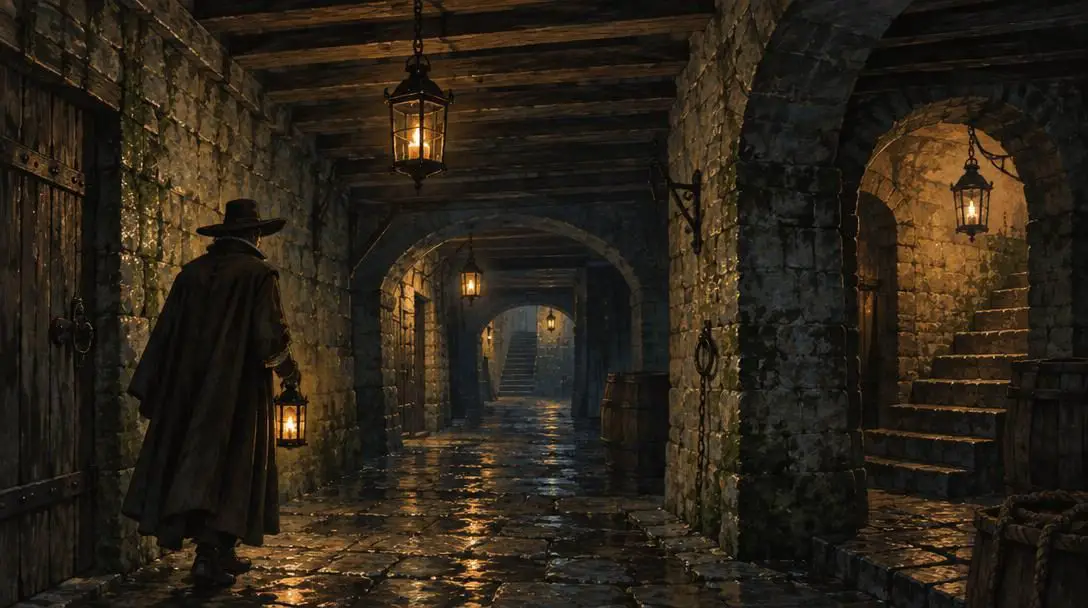
- Setting: Preserved subterranean street below the Royal Mile
- Period: Sealed 17th-century residential buildings and alleys
- Presentation: Original architecture with no actors or modern sets
- Atmosphere: Organic humidity, low lighting, and authentic historical eeriness
Beneath the bustling modern pavements of the Royal Mile lies Mary King’s Close, an astonishing underground preservation of urban domestic life. During the 17th century, Edinburgh's narrow geography forced its population to construct exceptionally tall tenement buildings flanked by cramped, steeply sloping side alleys known as closes. When massive municipal buildings were later constructed over the ridge, this entire neighborhood was not demolished, but instead entombed beneath the new foundations.
Unlike conventional museums, Mary King’s Close preserves the abandoned residences and narrow passages exactly as they appeared when their final inhabitants departed. Tours omit costumed actors, modern placards, or theatrical recreations, allowing the natural coolness, damp air, and silent stone architecture to convey the authentic history of the space. Because the environment remains largely unchanged from its original condition, it delivers an intensely atmospheric encounter with the past.
Beneath the bustling modern pavements of the Royal Mile lies an intact 17th-century world preserved exactly as it was when sealed beneath the city.
Camera Obscura
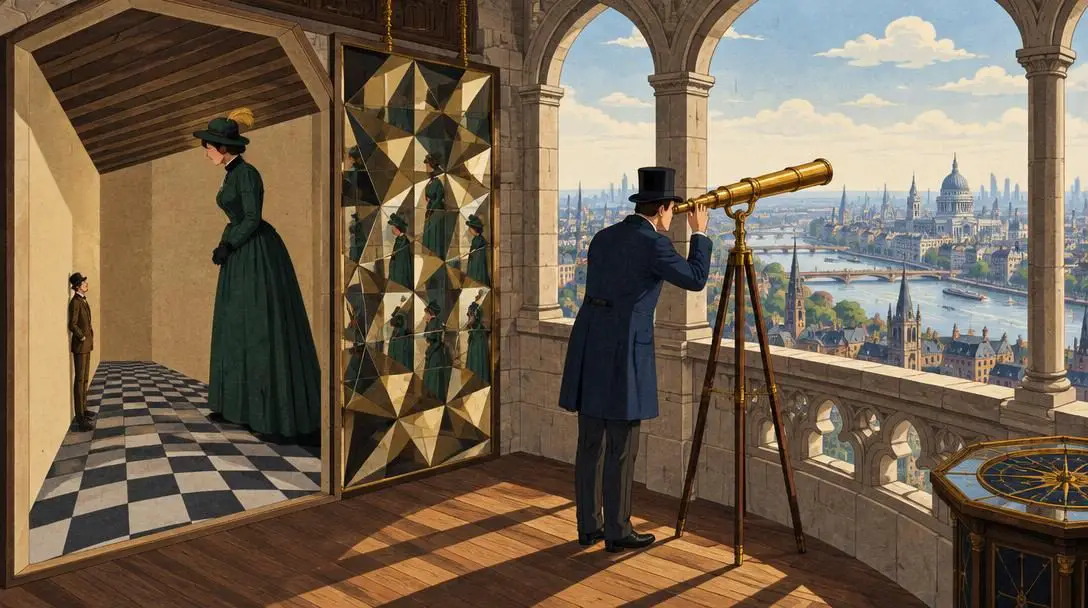
- Established: 1835 as Edinburgh's oldest tourist attraction
- Core Theme: Optical illusions, physics of light, and visual arts
- Key Installations: Vortex tunnel, mirror maze, Ames room
- Observation Deck: Rooftop panorama equipped with free telescopes
Situated near the upper end of the Royal Mile, Camera Obscura has been entertaining and educating visitors since its establishment in 1835. As Edinburgh’s oldest purpose-built visitor attraction, it fuses visual arts with principles of physics to explore how human perception can be deceived, entertained, and expanded.
The multi-story facility features a series of hands-on interactive environments. Guests can explore an Ames room that dramatically alters visual perspective to make individuals appear giant or tiny, navigate through an expansive mirror maze, and step onto a bridge through the vortex tunnel, which creates a powerful physical illusion of falling while the walking surface remains completely stationary. The experience concludes on the rooftop terrace, where visitors can scan the historic skyline through complimentary high-powered telescopes.
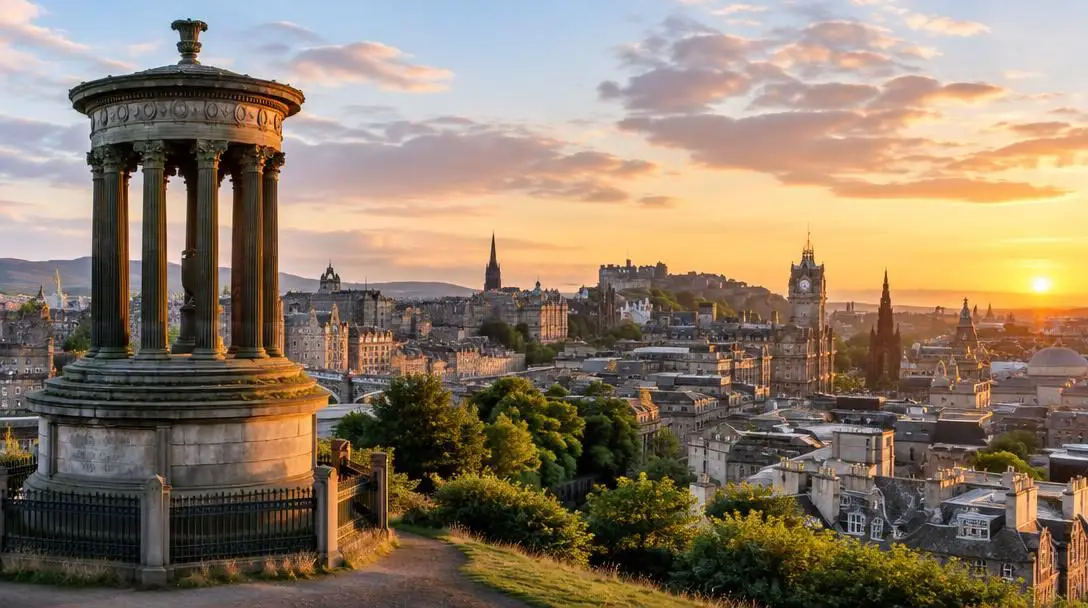
How volcanic geology dictated the layout of Edinburgh
The distinctive character of Edinburgh’s landmarks is directly linked to prehistoric geological events. Millions of years ago, widespread volcanic eruptions formed hard basalt plugs and crags across the landscape. Later glacial activity scraped around these resilient volcanic remnants, eroding the softer surrounding sedimentary rock while leaving elevated towers and tapered ridges behind.
This natural configuration determined where early human communities chose to build. Castle Rock provided an impregnable high perch with sheer cliffs on three sides, enabling Iron Age residents to spot advancing threats across miles of territory. Below the castle, the naturally descending ridge formed an ideal spine for construction, giving birth to what eventually became the Royal Mile.
Because the volcanic ridge was bordered by steep ravines and bodies of water, space within the defensive perimeter of the medieval city was strictly limited. The population could not easily build outward, so they constructed upward, building some of Europe’s earliest multi-story residential towers. When space became even tighter, residents tunneled into the slopes, creating underground levels and narrow closes that were eventually covered over by later civic expansion, resulting in subterranean time capsules like Mary King’s Close.
Step-by-step itinerary for exploring Edinburgh's core landmarks
Navigating Edinburgh’s dramatic shifts in elevation, timed historical demonstrations, and diverse environments requires an organized plan. Follow these practical steps to structure an efficient and rewarding walking tour:
- Start high at Edinburgh Castle: Begin your morning at the fortress on Castle Rock. Explore the National War Museum, the Crown Jewels, and the Scottish National War Memorial, ensuring you secure a viewing position prior to the One O’Clock Salute fired from the Half Moon Battery.
- Walk down the Royal Mile: After the salute, begin a gradual descent down the spine of the city. Take time to observe the architecture of the old and new parliaments, the high courts of law, and the historic cathedral, pausing for lunch at a traditional pub or cafe along the way.
- Step beneath the pavement at Mary King’s Close: Enter the subterranean passages beneath the Royal Mile to experience 17th-century residential life frozen in stone, ensuring members of your travel party are comfortable with enclosed and humid spaces.
- Engage your senses at Camera Obscura: Return uphill slightly or plan an afternoon visit to test the Ames room, navigate the mirror maze, cross the disorienting vortex tunnel, and view the city skyline using the free rooftop telescopes.
- Conclude with Arthur’s Seat in Holyrood Park: Finish your excursion at the eastern foot of the Royal Mile by entering the 640 acres of Holyrood Park. Hike the natural trails up the 823-foot volcanic summit of Arthur’s Seat during late afternoon to take in panoramic views of the city center.
Mistakes to avoid when visiting the Scottish capital
Because Edinburgh's historical core features challenging topography and unusual historic sites, simple planning oversights can disrupt an otherwise seamless journey. Keep these common missteps in mind:
- Treating Arthur’s Seat as a manicured city stroll: Holyrood Park encompasses 640 acres of wild, exposed volcanic terrain. Climbing 823 feet over natural dirt and rock paths requires sturdy walking shoes and clothing suited to sudden Scottish weather shifts.
- Arriving late for the One O’Clock Salute: The ceremonial cannon discharge from the Half Moon Battery occurs precisely at 1:00 p.m. Arriving at the castle gates just before the hour leaves insufficient time to clear entry security and find a vantage point.
- Expecting theatrical sets at Mary King’s Close: Visitors anticipating costumed actors or polished museum displays may be surprised. The site relies entirely on the natural ambiance, dampness, and authentic preservation of real 17th-century underground alleys.
- Rushing through the Royal Mile: Treating this thoroughfare merely as a route between the Castle and the Palace causes travelers to overlook significant legal, religious, and political institutions located just off the main stone roadway.
- Forgetting the rooftop at Camera Obscura: With so many interactive optical exhibits, Ames rooms, and mirror mazes inside the gallery, some visitors overlook the open-air roof and miss out on free telescope views over the city.
Frequently asked questions
How long is the Royal Mile, and what does it connect?
The Royal Mile measures one historic "Scot's mile" in length. It connects two significant royal landmarks: Edinburgh Castle at the top of Castle Rock and the Palace of Holyrood House at the lower eastern end.
What is the One O’Clock Salute at Edinburgh Castle?
The One O'Clock Salute is a ceremonial artillery firing from the castle's Half Moon Battery. Historically, the cannon blast served a functional purpose, allowing maritime vessels anchored in nearby waters to synchronize their shipboard clocks accurately.
Are there actors or reconstructed sets inside Mary King’s Close?
No. Tours of Mary King’s Close feature no actors, reconstructed models, or modern placards. Visitors view the authentic, sealed 17th-century underground homes and narrow passages in their original state, characterized by natural humidity and historical ambiance.
How high is Arthur’s Seat and what type of environment is it?
Arthur’s Seat is an ancient extinct volcano that reaches 823 feet above sea level. It sits within the 640-acre Holyrood Park, featuring rugged crags, varied local flora, and sweeping vistas across Edinburgh.
When was Camera Obscura established, and what can visitors do there?
Camera Obscura was founded in 1835, making it Edinburgh's oldest visitor attraction. It offers interactive optical illusions, an Ames room, a mirror maze, a spinning vortex tunnel, and an open rooftop equipped with free telescopes for skyline viewing.
The bottom line
Edinburgh’s magic lies in how naturally its dramatic volcanic terrain and multi-layered human history complement one another. From the volcanic heights of Castle Rock and the rugged crags of Arthur’s Seat to the bustling civic institutions of the Royal Mile, the sealed 17th-century rooms of Mary King’s Close, and the optical wonders of Camera Obscura, the capital offers an extraordinary concentration of experiences. By preparing for its steep topography and timing your visits carefully, you can witness the diverse geological, royal, and subterranean stories that make this Scottish city entirely unique.