The Simple Genius Of Perfect Sandwiches: 5 Indispensible Tips
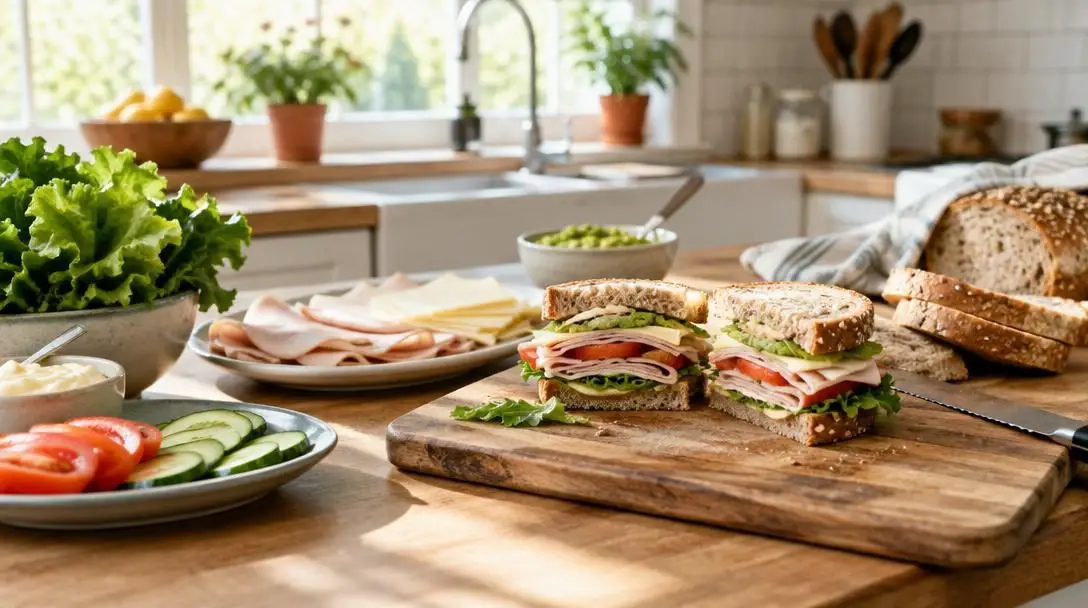
Around half of all people in the United States eat a sandwich of some kind every single day. Because it is so ubiquitous and adaptable, making a sandwich is often one of the first meals anyone learns to prepare as a child. From elementary school lunchboxes and hurried desk lunches to late-night kitchen raids, sandwiches are permanently woven into the rhythm of modern dining. They require no specialized appliances, take only minutes to assemble, and can be customized to suit virtually any pantry inventory or dietary restriction.
Yet this casual familiarity often breeds culinary complacency. When lunch is treated as an afterthought, ingredients are piled haphazardly straight from the refrigerator crisper drawer, resulting in soggy crumbs, slippery layers, and tough fillings. Transforming a standard sandwich into a balanced culinary masterpiece does not require hard-to-find specialty goods or advanced chef training. Instead, it relies on shifting your mindset to view every layer as an intentional element of structural design, flavor distribution, and moisture control.
Key takeaways
- High-quality bread is the non-negotiable foundation of any sandwich and must taste delicious on its own before assembly.
- Distributing fat-based condiments edge to edge across the bread creates an indispensable moisture barrier against wet produce.
- Treating produce with care—washing cold vegetables for crispness and experimenting with warm, sautéed greens—provides vital sensory contrast.
- Slicing proteins thinly introduces microscopic air pockets, preventing the filling from tearing away in a single, awkward bite.
- Layering ingredients with deliberate intention establishes balance, prevents structural slipping, and utilizes residual heat for melting cheese.
The Five Indispensable Tips for Sandwich Perfection
Great sandwich assembly relies on five fundamental principles. By giving careful thought to bread selection, spread application, vegetable preparation, meat carving, and structural layering, you can easily turn everyday staples into an elevated meal.
1. It All Starts with the Best Bread
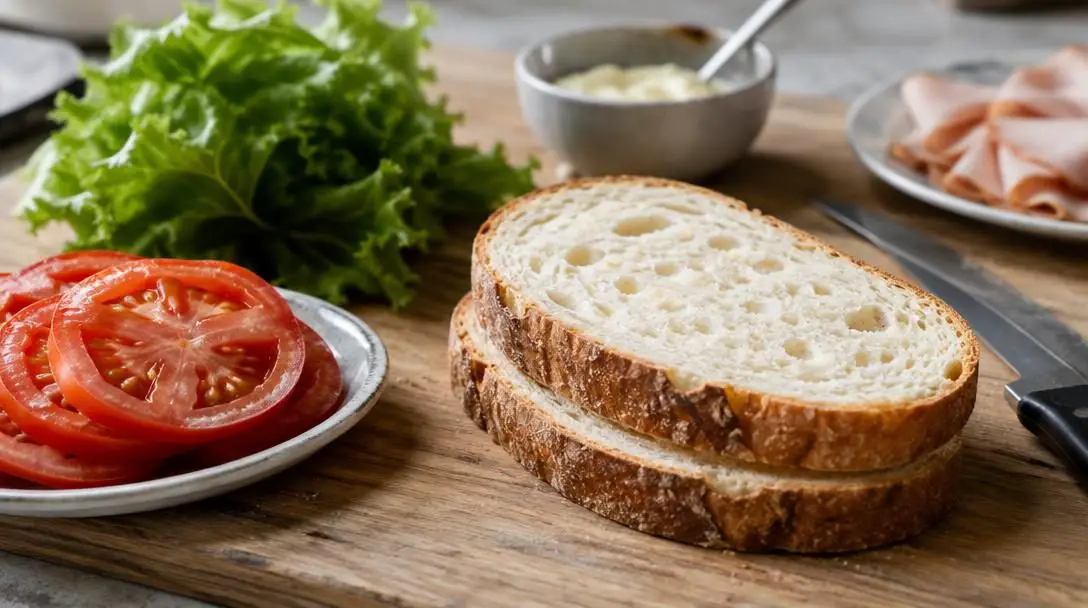
Bread serves as both the physical foundation and the outer frame of your sandwich. Many culinary professionals note that selecting the right loaf puts you more than halfway toward achieving the ultimate sandwich. The most reliable rule of thumb to keep in mind is straightforward: your bread must taste good enough to eat completely on its own with no butter, spreads, or fillings added. If a slice tastes flat, chalky, dry, or powdery when sampled plain, it will drag down the quality of whatever you place between its crusts. Before assembling your ingredients, test a small piece of the loaf. If it fails this simple benchmark, switch to another variety before moving forward.
2. Condiment Placement Means Everything
Spreads such as mayonnaise, mustard, olive oil, and softened butter are mandatory elements of an exceptional sandwich, but slapping a spoonful into the center of the crumb will not suffice. The goal of proper condiment distribution is to guarantee balanced flavor and moisture in every bite, preventing dry crusts or unpleasantly soggy centers. To achieve this, spread an even, paper-thin layer across the entire surface of each slice of bread, carrying it all the way out to the perimeter edges. When using multiple condiments, spread the secondary sauce across the cheese or protein slices rather than piling everything onto the bread. This multi-surface coverage ensures balanced seasoning while shielding delicate bread from moisture.
3. Treat Your Veggies Right
Vegetables introduce crucial crunch, brightness, and acid to balance the richness of meats and cheeses, but they must be handled properly to preserve their texture. When working with crisp cold produce such as iceberg lettuce, cucumber rounds, or sliced tomatoes, wash them first with cool water. This simple step revives produce that may have gone slightly limp in the crisper drawer, restoring crisp cell walls. Handle these produce items gently during assembly to avoid bruising their delicate fibers or releasing excess water across the sandwich. You should also explore warm, cooked options; for instance, shredded carrots sautéed in olive oil and garlic introduce a savory, tender, and aromatic dynamic that elevates an otherwise predictable cold lunch.
4. Always Opt for Thinly Sliced Meats
Whether you are assembling a meal with turkey breast, pork tenderloin, cured ham, or plant-based alternatives like pressed tofu, slicing the protein thinly is paramount for good bite mechanics. Dense, thick slabs of meat resist being severed by your teeth, which often leads to the unpleasant experience of pulling an entire cut of meat out of the bread in your first mouthful. By contrast, slicing your protein into paper-thin ribbons or delicate sheets introduces tiny air pockets between the folds. This layered arrangement produces a tender, light texture that yields effortlessly to dental pressure, shearing cleanly with each bite.
5. Layer Sandwiches with Intention
A haphazardly built sandwich will almost always suffer a catastrophic structural failure when eaten. How you stack your ingredients dictates both the flavor sequence on your palate and the physical stability of the sandwich. The universal standard for cold builds is to lay down the protein first on the bottom slice of bread, follow with the cheese, and then position your vegetables and garnishes on top. If you are preparing a sandwich with warm ingredients, such as heated roast beef, place a portion of cheese directly beneath the meat and another portion directly over it. The trapped residual heat smoothly melts both layers of cheese, locking the protein tightly in place.
A sandwich should never be an afterthought of refrigerator leftovers, but an intentional exercise in structural stability and moisture management.
At a Glance: Component Roles in Sandwich Architecture
Every component in a well-constructed sandwich fulfills a specific functional and structural purpose. Understanding how these elements interact helps prevent common structural issues, such as soggy bread or slippery fillings.
| Component | Structural Function | Culinary Purpose | Key Technique |
|---|---|---|---|
| Bread | Foundation and outer frame | Carbohydrate baseline and texture | Must taste delicious entirely on its own |
| Condiments | Moisture barrier and binder | Acid, richness, and mouthfeel | Spread evenly from edge to edge |
| Proteins | Non-slip stabilizing base | Primary savory flavor and satiety | Slice into thin, yielding ribbons |
| Cheeses | Structural anchor and adhesive | Creaminess and salty depth | Place adjacent to hot meats for melting |
| Vegetables | Top-layer garnish and lift | Freshness, crunch, and contrast | Rinse cold in cool water; handle gently |
The Mechanics of Balance: Stability, Moisture, and Bite
Behind every satisfying sandwich lies a set of physical mechanics that dictate whether the meal holds together or falls apart in your hands. Understanding these physical forces ensures consistent culinary success.
Structural stability prevents internal ingredients from shooting out the sides when pressure is applied. Slick produce like peeled cucumbers and ripe tomatoes possess smooth, moist surfaces. When placed directly against one another or atop greasy dressings, they act as mechanical slip planes. By placing proteins on the bottom, anchoring them with cheese, and setting produce on top, you establish natural friction that holds the assembly steady through the final bite.
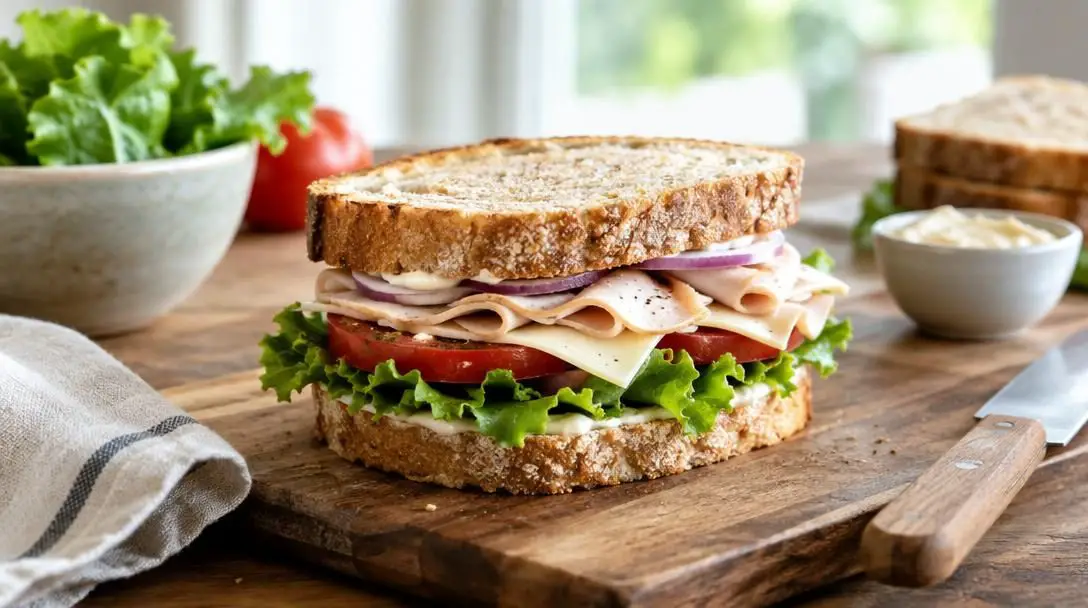
Moisture regulation is the second critical mechanical consideration. The interior crumb of bread is porous and hygroscopic, meaning it greedily absorbs free water. Wet vegetable juices can quickly turn bread into an unappealing, mushy paste. Fat-based spreads like butter, mayonnaise, and olive oil repel water. Coating the crumb completely with an edge-to-edge fat layer forms a protective hydrophobic seal, safeguarding the bread's structural integrity even if the sandwich sits for several hours.
Bite mechanics determine how cleanly your teeth shear through the sandwich. Tough, thick cuts of meat require excessive tearing force, which inevitably crushes the soft bread and squeezes sauces out the edges. Thinly shaved proteins, whether cured pork, poultry, or dense tofu, minimize mechanical resistance. Your teeth pass through the fillings cleanly, preserving the sandwich's layered integrity from the first bite to the last.
Step-by-Step: Assembling the Ultimate Sandwich
Follow this precise assembly sequence to build a sandwich that balances structural integrity, balanced seasoning, and crisp texture.
- Sample a small piece of your selected bread completely plain to confirm that its crust, crumb, and seasoning taste pleasant on their own.
- Rinse all crisp vegetables, such as iceberg lettuce, cucumber, or tomato slices, in cool water to restore cellular turgor, then handle them gently to prevent bruising.
- Prepare any warm, cooked garnishes you wish to feature, such as quickly sautéing shredded carrots in a skillet with olive oil and minced garlic, and set them aside.
- Place two slices of bread flat on a clean board and spread a uniform layer of fat-based condiment, such as mayonnaise or butter, across the entire face of both slices out to the edges.
- Lay your thinly sliced protein directly onto the bottom slice of bread, creating a stable, textured foundation.
- Add your cheese directly on top of the protein; if working with hot meat like roast beef, sandwich the meat between two slices of cheese so the residual warmth melts both sides.
- If you are using a second condiment like mustard, spread a thin layer directly across the surface of the cheese or meat layer rather than loading it onto the bread.
- Layer your crisp cold vegetables or warm sautéed carrots on top of the cheese and condiments.
- Set the top slice of bread in place and press down very gently with flat palms to seat the internal layers without crushing the crumb.
- Slice the completed sandwich in half using a sharp, serrated knife using a gentle sawing motion to avoid dislodging the internal architecture.
Common Sandwich Mistakes to Avoid
Even when working with premium ingredients, routine preparation blunders can derail your sandwich. Keep an eye out for these frequent mistakes:
- Relying on bland bread: Expecting pungent condiments or seasoned fillings to mask dry, stale, or flavorless sandwich bread never works; the foundation remains poor.
- Center-loading condiments: Dropping a single dollop of mustard or mayonnaise in the center of the slice leaves the crusts dry and turns the middle into a soggy puddle.
- Using thick slabs of meat: Stacking thick, dense slabs of protein creates excessive bite resistance, pulling the filling out of the bread and destabilizing the sandwich.
- Direct bread-to-vegetable contact: Placing moist greens or juicy tomato slices directly against unshielded bread allows water to penetrate the crumb, creating an unappealing texture.
- Layering slippery surfaces together: Stacking slick ingredients like cucumbers directly against sliced tomatoes creates an unstable slip plane that collapses under hand pressure.
- Haphazard stacking order: Throwing fillings together without placing heavy proteins at the bottom and vegetables at the top ruins structural balance and flavor delivery.
- Neglecting residual heat: Failing to place cheese directly next to warm proteins misses an effortless opportunity to melt the cheese into an edible binding agent.
Frequently asked questions
Why does bread quality matter so much if I am using flavorful fillings?
Bread provides the structural frame and represents the majority of each bite by volume. If the bread is dry, chalky, or tasteless, its unpleasant texture and blandness will dilute the impact of even the finest meats, cheeses, and spreads.
How do fat-based spreads protect against soggy sandwich bread?
Fats such as mayonnaise, butter, and olive oil are naturally hydrophobic, meaning they repel water. Spreading a continuous layer from crust to crust creates a physical shield that prevents water from sliced tomatoes or washed greens from soaking into the crumb.
Why should deli meats and proteins always be sliced thinly?
Thinly sliced meats fold over themselves to create tiny air pockets, producing a tender mouthfeel that your teeth can shear through cleanly. Thickly cut proteins resist dental pressure, causing the entire filling to pull out of the sandwich in one messy piece.
What is the best way to melt cheese on a warm sandwich without a grill?
Place one layer of cheese beneath your hot protein and a second layer directly over it. Trapping the warm meat between the two cheese layers uses residual thermal energy to melt both sides into an adhesive binder that holds the sandwich together.
Can cooked vegetables work on a standard cold sandwich?
Yes. Incorporating cooked components like shredded carrots sautéed with garlic and olive oil introduces savory warmth, rich aromatics, and tender textures that provide a delightful contrast to cool, crisp greens.
The bottom line
Achieving sandwich perfection does not hinge on expensive gourmet ingredients or complicated kitchen tools. Instead, it comes down to intentional craftsmanship and an appreciation for basic culinary mechanics. By choosing a flavorful bread, spreading condiments to the very edge, treating vegetables with care, demanding thinly sliced proteins, and stacking components with structural purpose, you can turn a mundane lunch into an exceptional dining experience every single day.