The Magic of New York – 5 Unique Attractions in This Amazing City
New York City is a vibrant, ever-evolving metropolis where historic landmarks and modern architectural achievements stand side by side. For first-time travelers and returning visitors alike, the sheer scale of the city can feel overwhelming. Towering observation decks, lush public parks, world-renowned cultural institutions, and historic waterways all compete for attention across the five boroughs, making thoughtful planning essential for a rewarding journey.
Understanding what makes each destination distinct helps transform a whirlwind trip into an unforgettable exploration. From open-air sky decks suspended over a thousand feet above Manhattan streets to tranquil paths framed by mature trees and water features, the city presents a vast spectrum of sensory experiences. Exploring world-renowned icons alongside scenic waterfronts reveals how the past and present blend together in daily urban life, anchoring centuries of history to modern ambition.
Key takeaways
- The Edge at Hudson Yards offers outdoor views from the 100th floor with a thrilling transparent glass floor 1,100 feet above the pavement.
- Central Park provides an organic retreat filled with spontaneous musical performances, hidden waterfalls, carriage rides, and rowboat excursions.
- A single ferry ticket connects travelers to the Statue of Liberty's historic staircases and the extensive immigrant records of Ellis Island.
- The Metropolitan Museum of Art stands as the largest art institution in the Western Hemisphere, spanning millennia of world culture and fashion design.
- Walking the 1883 Brooklyn Bridge offers dedicated pathways for pedestrians and cyclists, leading straight to panoramic skyline views at Brooklyn Bridge Park.
At a glance: Comparing New York's signature sights
| Attraction | Setting | Primary Feature | Key Physical Consideration |
|---|---|---|---|
| The Edge at Hudson Yards | Midtown West skyscraper | 100th-floor outdoor deck with a glass-bottom floor | Rapid elevator ascent to high altitude |
| Central Park | Central Manhattan green space | Organic winding pathways, lakes, and spontaneous live arts | Extensive foot travel over varied terrain |
| Statue of Liberty & Ellis Island | New York Harbor | Colossal copper monument and historic immigration station | 215 steps to the pedestal or 162 steps to the crown |
| The Metropolitan Museum of Art | Upper East Side / Central Park East | Vast global art galleries and Costume Institute exhibitions | Sprawling indoor corridors across multiple wings |
| The Brooklyn Bridge | East River crossing | Historic 1883 stone towers and webbed steel suspension cables | Full river crossing with designated walking lanes |
Five iconic attractions defining the city
The Edge at Hudson Yards
- Location: Hudson Yards, Manhattan
- Observation Level: 100th floor
- Elevation: Over 1,100 feet above street level
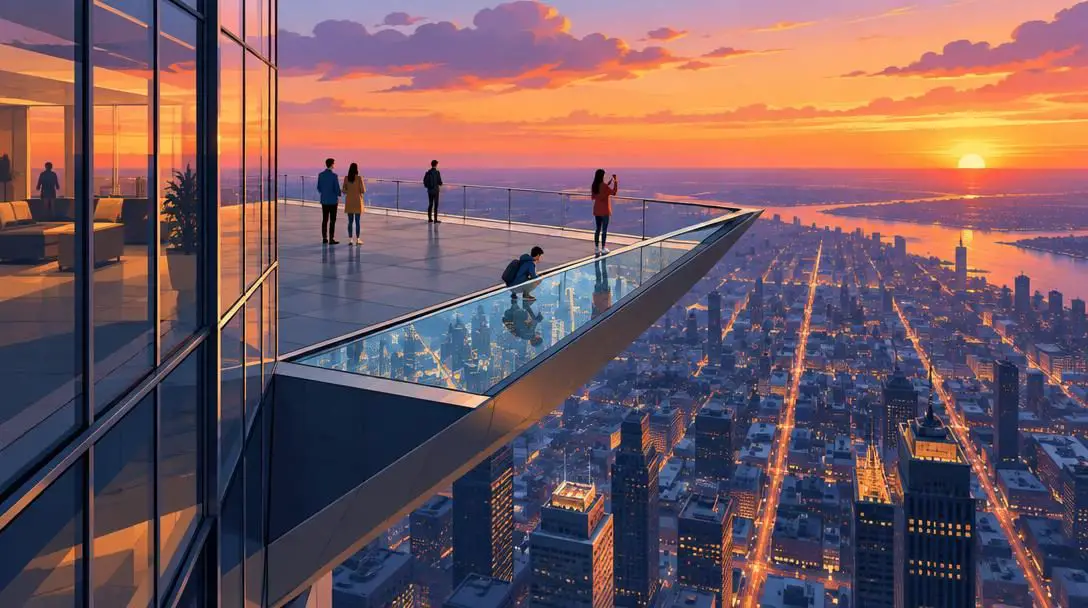
- Defining Feature: Outdoor deck with transparent glass flooring
For decades, visitors looking for sweeping aerial views naturally turned to classic vantage points such as the Empire State Building, One World Observatory, and Top of the Rock. Today, an exciting observation deck called the Edge offers a fresh perspective on the city skyline. Situated within a modern Hudson Yards skyscraper, this contemporary marvel whisks guests upward on a rapid elevator ride that terminates at the 100th floor, high above the bustling midtown streets.
Stepping outside onto the open-air sky deck reveals an expansive, unobstructed panorama that stretches across the urban grid and outward toward the distant horizon. The crowning sensation of the attraction is its outdoor glass floor section. Looking straight down through the solid, transparent pane reveals the roadway and sidewalks more than 1,100 feet below your feet. This dizzying perspective offers an immediate and dramatic realization of New York's immense vertical architecture.
Central Park

- Location: Central Manhattan
- Atmosphere: Organic landscaped retreat
- Transport Options: Walking paths, rented bicycles, horse carriages, rowboats, and gondolas
After experiencing the city from the clouds, returning to solid ground allows travelers to slow down and wander through Central Park. Renowned for its natural beauty across every season, this sprawling sanctuary provides an organic escape from the relentless concrete grid. The park remains continually surprising because its meandering trails hide scenic vistas and lively communal gatherings behind every natural knoll and rock formation.
On any given day, an afternoon stroll through the park might bring you across an outdoor roller skating dance party, a live symphony orchestra echoing through a pavilion, hidden waterfalls tucked into wooded groves, or a cappella vocalists harmonizing for passersby. Children and adults alike marvel at street performers crafting giant soap bubbles that float along open lawns, while wedding parties gather against stone bridges, energetic swing dancers practice complex footwork in paved courtyards, and kite flyers harness the open breeze in broad meadows.
Visitors who want to explore beyond simple foot paths can engage in several time-honored pastimes. You can sit for a custom portrait drawn by an open-air sketch artist, hire an authentic horse-drawn carriage to navigate the paths, rent a bicycle to cover the broader perimeter, rent a rowboat on the tranquil waters, or relax inside a hand-crafted gondola as an experienced oarsman maneuvers across the lake.
Central Park remains continually surprising because no two visits ever unfold in quite the same way.
The Statue of Liberty and Ellis Island
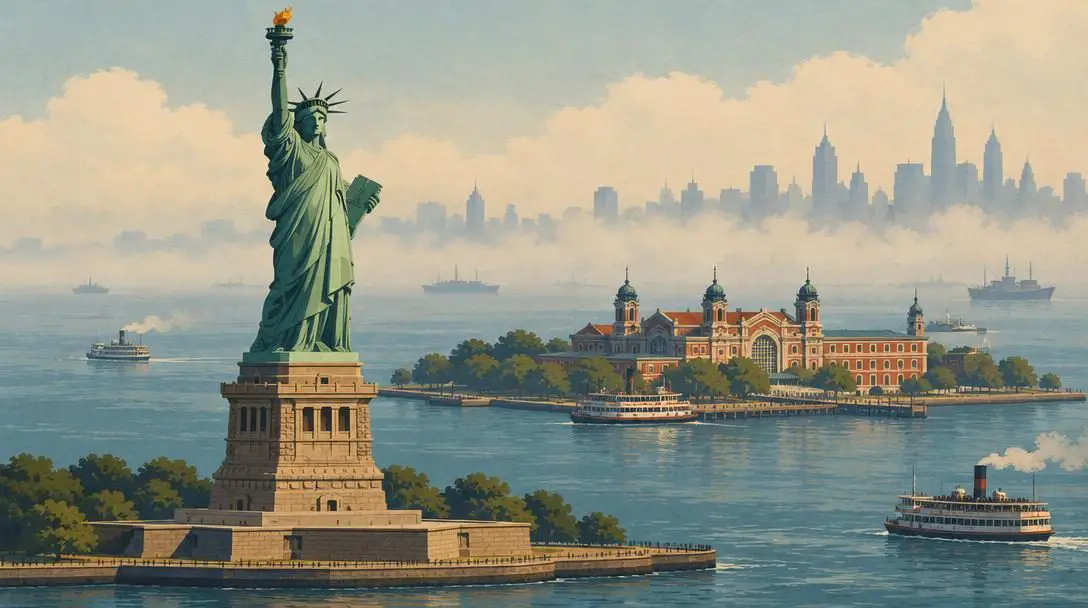
- Location: New York Harbor
- Pedestal Staircase: 215 steps
- Crown Staircase: 162 additional steps
- Historical Portal: Processed over 12 million immigrants
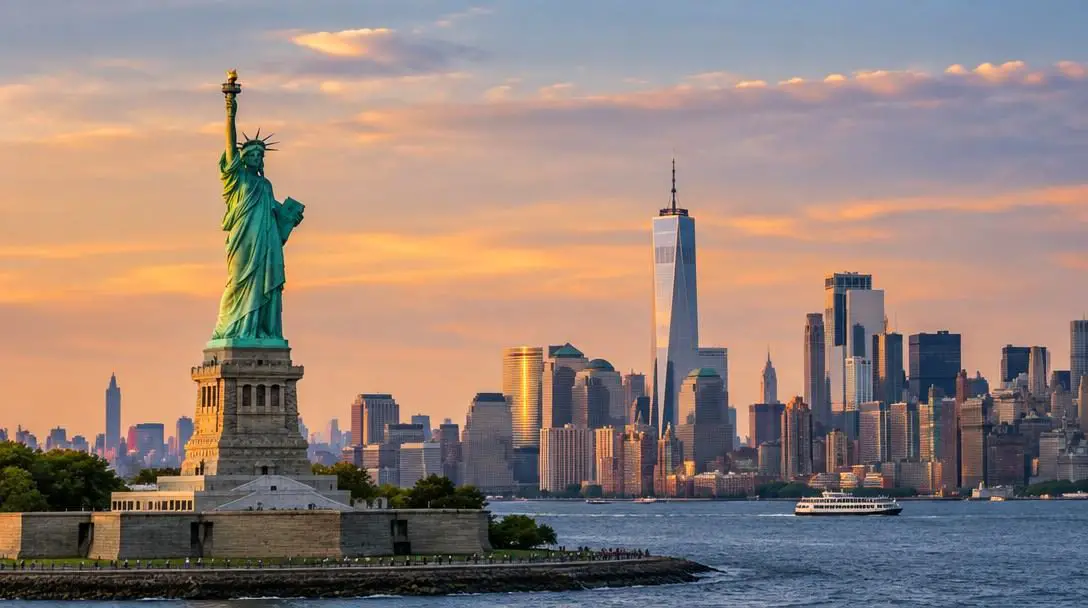
Rising majestically out of New York Harbor, the Statue of Liberty stands as a universal emblem of freedom and human dignity. Viewing this historic colossal copper figure from an approaching boat provides a dramatic sense of historical reverence that photographs cannot replicate. For those who choose to venture inside the monument, an energetic climb awaits: ascending to the top of the pedestal requires tackling 215 interior steps, while journeying up into the crown requires an additional 162 steps along a tight spiral structure.
A standard harbor ferry ticket doubles the educational value of the trip by including full access to nearby Ellis Island. From the late 1800s through the middle of the 20th century, this bustling island installation served as the primary gateway for more than 12 million immigrants entering the United States. Today, its painstakingly restored halls showcase artifacts, photography, and interpretive displays detailing the rigorous medical inspections, personal belongings, and emotional journeys of the families who arrived here by ocean liner.
The Metropolitan Museum of Art
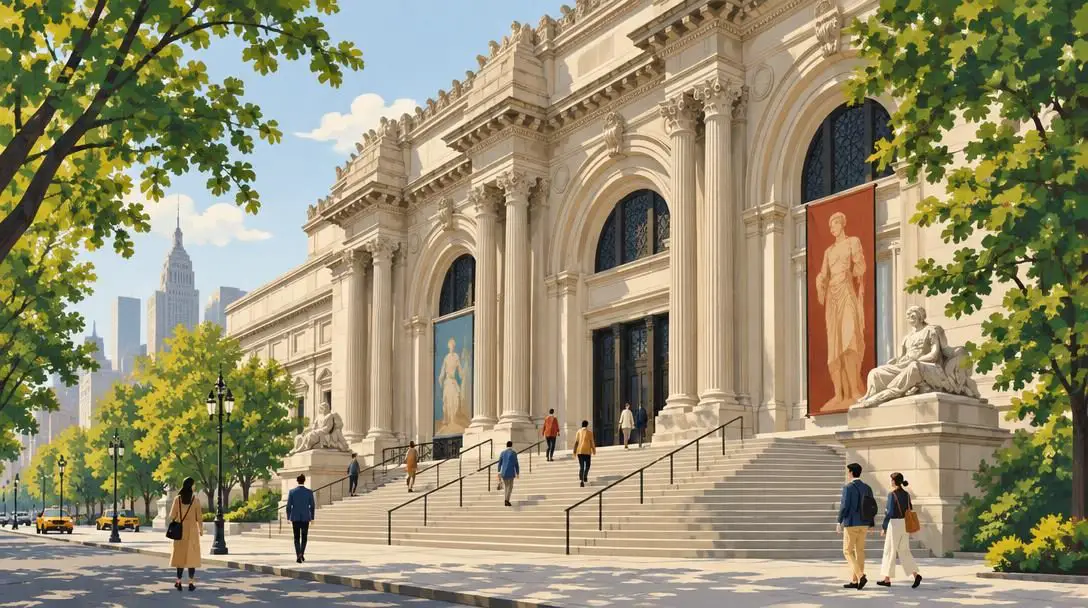
- Location: Eastern perimeter of Central Park
- Global Distinction: Largest art museum in the Western Hemisphere
- Special Department: The Costume Institute
Positioned along the scenic eastern border of Central Park, The Metropolitan Museum of Art—widely known as "the Met"—anchors the city's vast cultural landscape. Visitors should note that the museum is an entirely separate entity from the Metropolitan Opera House, which is situated at a different venue across town. As the largest art museum in the Western Hemisphere, the Met houses vast permanent galleries representing thousands of years of human craftsmanship and creative expression.
Fashion enthusiasts frequently make pilgrimages to the special exhibitions curated by the Met's famous Costume Institute. These presentations treat garment construction and style as fine art, displaying everything from meticulously tailored vintage clothing to conceptual couture creations that challenge conventional fashion aesthetics. Beyond textiles, the museum's monumental wings protect irreplaceable treasures from every inhabited continent:
- Ancient Egyptian mummies, complete with hand-carved sarcophagi and tomb offerings.
- Polished steel medieval armor, battle weapons, and ornate equestrian equipment.
- Classical Greek and Roman figurative sculptures sculpted from solid marble and cast bronze.
- Extensive regional galleries dedicated to Asian ceramics, scrolls, and decorative objects.
- Rich collections illuminating historic Islamic architecture, carpets, and calligraphy.
- Ritual carvings and expressive historic masterworks originating from African artistic traditions.
- Expansive galleries of classical European oil paintings, woven tapestries, and period furniture.
- Comprehensive American art displays tracing the nation's aesthetic development through the centuries.
The Brooklyn Bridge
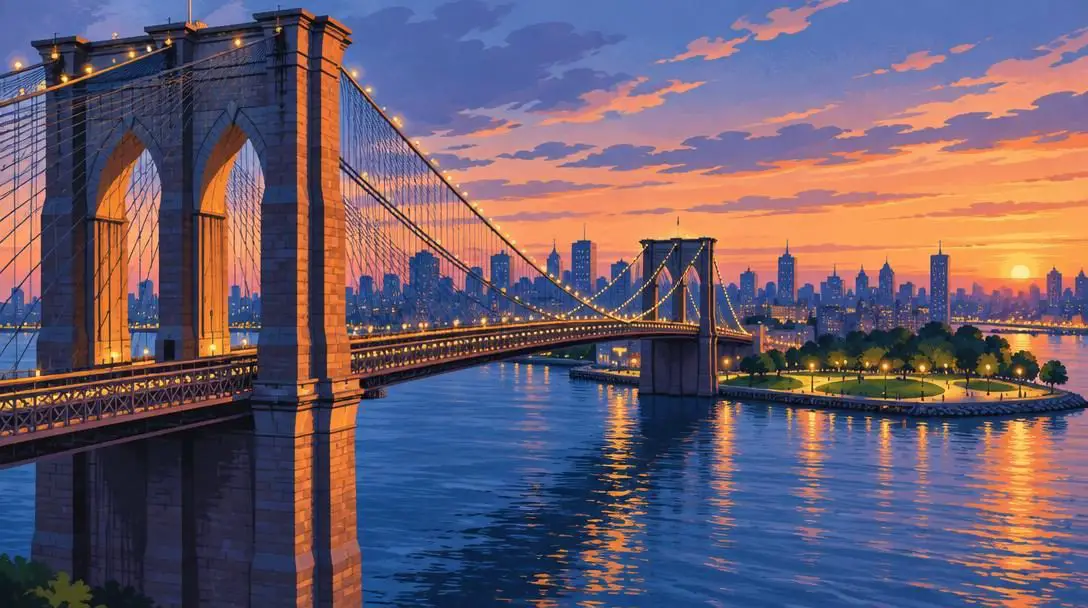
- Spanning: The East River
- Year Opened: 1883
- Adjacent Destination: Brooklyn Bridge Park
Stretching across the East River to connect Lower Manhattan with Brooklyn, the Brooklyn Bridge remains an engineering masterpiece that has inspired residents and travelers since its completion in 1883. Its soaring Gothic-arched limestone and granite towers, paired with a web of crisscrossing steel wire cables, create an unforgettable pedestrian corridor suspended over the moving river waters below.
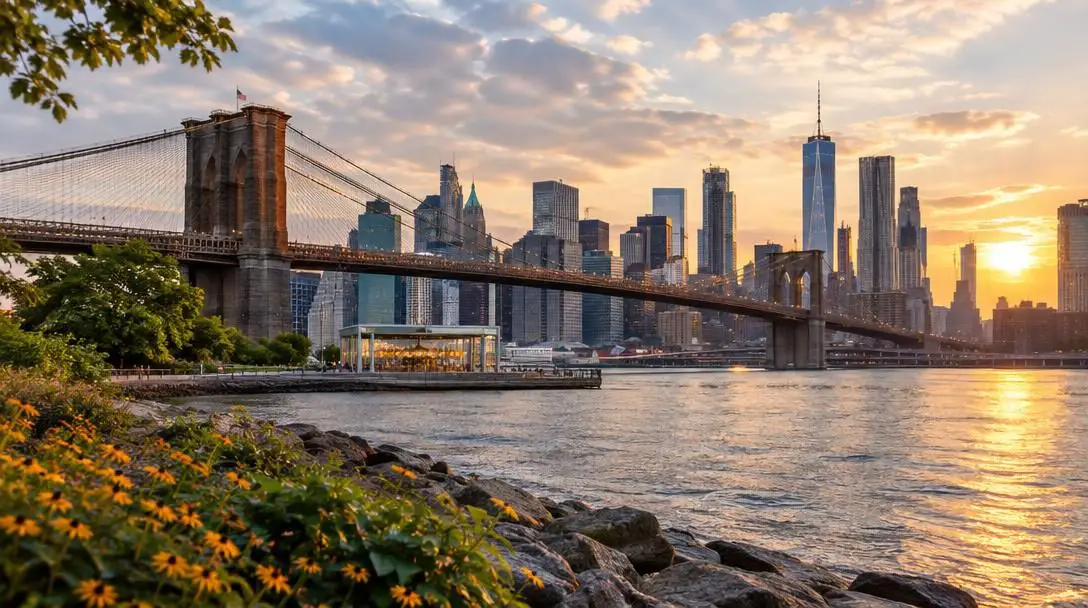
Crossing the bridge has become significantly more comfortable in recent years thanks to dedicated lane infrastructure. Pedestrians and cyclists now travel in separate designated rights-of-way, preventing collisions and making the gentle climb across the river far more relaxing for people taking photos or enjoying the breeze. Once travelers descend onto the Brooklyn side, a short walk brings them to Brooklyn Bridge Park. Positioned directly at the water's edge, this green recreational space offers clear, uninterrupted views across the water back toward the towering skyline of Lower Manhattan.
Historical context: Building a modern world capital
To fully grasp the grandeur of these attractions, it helps to view them as chapters in the physical expansion of New York City. Throughout the late 19th and early 20th centuries, city leaders, visionary engineers, and landscape architects recognized that rapid commercial growth needed to be balanced by bold public works. When the Brooklyn Bridge opened in 1883, it united two independent cities across a waterway previously traversable only by boat, laying the engineering groundwork for the modern consolidated five-borough metropolis.
During that identical era of industrial growth, the welcoming torch of the Statue of Liberty and the processing stations of Ellis Island handled the largest wave of immigration in American history, transforming the city into a global melting pot. Simultaneously, the reservation of open acreage for Central Park and the founding of The Metropolitan Museum of Art established that dense urban populations deserved equal access to pure natural landscapes and timeless world culture. The modern creation of Hudson Yards and the Edge observation deck continues this historic legacy, extending Manhattan's ambition upward into the clouds.
Planning an efficient route between landmarks
Because New York City's landmarks are distributed across separate neighborhoods and waterfronts, bundling complementary attractions together reduces unnecessary transit time and keeps your daily schedule manageable.
- Waterfront Pairing: Because ferries to the Statue of Liberty and Ellis Island depart from the southern tip of Manhattan, combine your harbor morning with an afternoon walk across the Brooklyn Bridge. After stepping off the boat, you are already positioned near the bridge's pedestrian entrance.
- Upper Manhattan Pairing: Since The Metropolitan Museum of Art sits along the edge of Central Park, these two activities naturally balance one another. Spend a focused morning exploring the museum's galleries before stepping directly out into the park's shaded walking paths.
- Midtown High-Altitude Exploration: Dedicate a separate afternoon or evening block to Hudson Yards and the Edge. Setting aside focused time for this midtown-west skyscraper lets you appreciate the architecture, stand on the open-air glass floor, and enjoy dinner along the western rail yards.
Practical steps for a smooth visit
Navigating world-famous attractions alongside thousands of fellow travelers requires thoughtful logistics. Following a disciplined preparation checklist ensures your day proceeds without unnecessary friction:
- Reserve harbor tickets in advance: Purchase your ferry tickets for the Statue of Liberty and Ellis Island well ahead of your travel date through authorized web portals or the official pier ticket office to guarantee preferred departure times and access into interior monument areas.
- Select sturdy walking shoes: Expect to spend hours on your feet. Navigating the 100th-floor observation areas, pacing the cavernous wings of the Met, climbing the 215 or 162 monument steps, and walking the length of the Brooklyn Bridge requires supportive footwear.
- Prioritize museum galleries beforehand: Because the Met is the largest art museum in the Western Hemisphere, attempting to see everything in a single visit causes sensory fatigue. Pick two or three primary collections—such as the Costume Institute or Egyptian antiquities—and explore those thoroughly.
- Respect bridge lane boundaries: Keep within the marked walking lanes on the Brooklyn Bridge. Separate paths for foot traffic and bicycle riders are clearly designated to keep both pedestrians and cyclists safe throughout the river crossing.
Common mistakes to avoid
Even seasoned travelers can make simple miscalculations when visiting these busy urban landmarks. Avoiding these common mistakes will save you time, energy, and money:
- Buying tickets from curbside solicitors: Street vendors near the harbor frequently attempt to sell fake, overpriced, or unauthorized boat tickets. Rely exclusively on official booths at the departure dock.
- Underestimating the physical ascent inside the Statue: The 215 steps to the pedestal and the 162 steps up into the crown are steep and confined. Do not book these physical tiers if you have mobility limitations or struggle with tight stairwells.
- Confusing the Met with the Opera House: Ensure your transportation plans lead you to the art museum on the eastern side of Central Park, not the Metropolitan Opera House located in an entirely different neighborhood.
- Treating Central Park as a hurried thoroughfare: Rushing across the park to reach an appointment deprives you of its spontaneous magic. Leave open time to listen to sidewalk musicians, watch swing dancers, or sit by the lakes.
- Turning around midway across the bridge: Many tourists walk to the bridge's central stone arch, snap a quick photo, and return to Manhattan. Continuing all the way down to Brooklyn Bridge Park rewards you with superior, panoramic waterfront views looking back across the river.
Frequently asked questions
How high is the glass floor at the Edge in Hudson Yards?
The outdoor viewing platform at the Edge is located on the 100th floor of a Hudson Yards skyscraper, positioning visitors on a transparent glass floor more than 1,100 feet above the ground.
How many stairs must you climb inside the Statue of Liberty?
Reaching the top of the pedestal requires ascending 215 interior steps. Visitors continuing all the way to the crown must climb an additional 162 steps along a tight interior staircase.
Can you visit Ellis Island with a Statue of Liberty ticket?
Yes. A standard harbor ferry ticket includes transportation to both the Statue of Liberty and neighboring Ellis Island, where visitors can tour the restored immigration buildings.
Is the Metropolitan Opera House part of the Met art museum?
No. The Metropolitan Museum of Art (the Met) sits along the eastern edge of Central Park, whereas the Metropolitan Opera House is an entirely separate cultural institution located in a different area of Manhattan.
Are bicycles allowed on the Brooklyn Bridge promenade?
Yes, but cyclists and pedestrians are separated into dedicated lanes. Visitors must obey lane markings to ensure a safe crossing over the East River.
The bottom line
New York City's greatness lies in its extraordinary contrasts: the thrill of standing on a transparent glass floor 1,100 feet above the pavement, the tranquility of rowing a boat across a Central Park lake, the solemn history of Ellis Island's arrival halls, the timeless artistry housed within the Met, and the sweeping harbor breezes crossing the 1883 Brooklyn Bridge. By pairing nearby sites, reserving official ferry passes early, and giving yourself permission to wander beyond strict schedules, you will experience the enduring vitality that makes this metropolis unlike any other place on earth.