
The Magic of Podcasting: Sharing Your Hobbies with the World
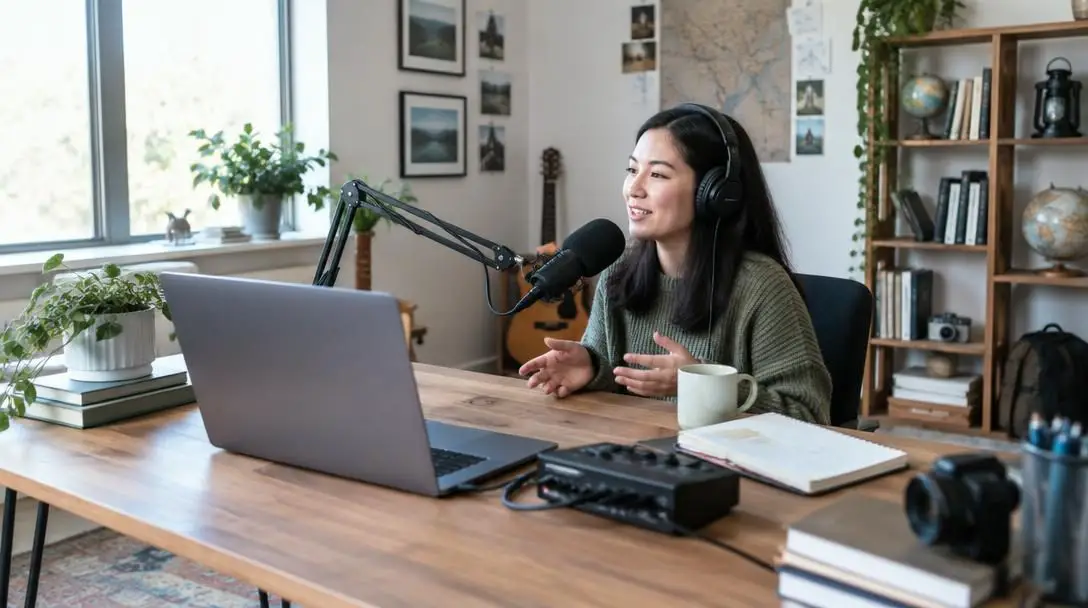
Whether your passion lies in sourdough baking, heirloom gardening, amateur music composition, or restoring antique clocks, sharing a personal hobby brings genuine satisfaction and a renewed sense of purpose. For decades, however, individual enthusiasts were constrained by geography and traditional publishing gatekeepers. Connecting with fellow hobbyists meant organizing local club meetups, attending community workshops, or submitting pitches to niche print publications that required formal editorial gatekeeping and lengthy production schedules.
The explosive rise of podcasting has dismantled those historic barriers, transforming hobby sharing into an open, democratic broadcasting format. Today, anyone equipped with a basic computer, an external microphone, and an internet connection can establish a direct channel to a global community. By removing high-cost television and radio production infrastructure from the equation, podcasting empowers everyday creators to turn niche pastimes into rich, participatory audio conversations heard by millions worldwide.
Key takeaways
- Podcasting allows hobbyists to explore niche subjects in greater depth and nuance than short-form video or text-based formats permit.
- Launching an audio program requires minimal investment, relying on straightforward digital tools, a microphone, and reliable media hosting.
- Syndication operates through an automated RSS feed that distributes newly uploaded episodes directly to listening apps across the globe.
- Long-term podcast success depends on carving out a specific thematic focus, maintaining a dependable release schedule, and actively engaging with listener feedback.
Why Audio Excels for Niche Passions
Modern media channels frequently favor fast-paced cuts, visual flash, and compressed messaging designed for rapid consumption. While these channels can spark initial interest, they rarely provide sufficient room to unpack complex techniques, subtle historical contexts, or ongoing technical debates. In contrast, podcasting enables in-depth exploration, offering creators the space to investigate the finer details of their pursuits without arbitrary time limits.
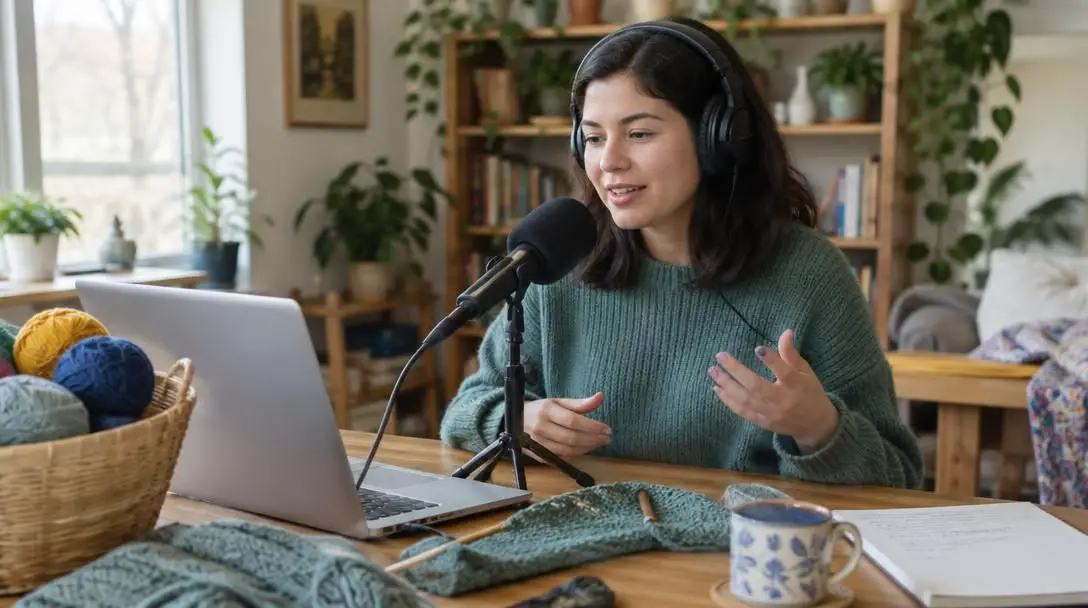
Through spoken conversation, hosts can share personal failures, analyze minute recipe adjustments, debate specific planting zones, or explain audio synthesis in clear, layered language. This deliberate pace establishes an intimate rapport between creator and listener, transforming a solitary past-time into an ongoing, shared exploration.
Podcasts offer a level of detail and nuance that is difficult to achieve in other formats, allowing enthusiasts to delve into the finer details of their interests.
Furthermore, podcasting acts as a powerful equalizer. Rather than relying on commercial studio backing, hobbyists can launch their own shows on modest budgets. A host recording at a kitchen table can reach an audience as vast as a commercial radio broadcast, making audio one of the most accessible vehicles for international community building.
A prime example of this collaborative dynamic is the podcast Home Cooking, hosted by Samin Nosrat and Hrishikesh Hirway. Focused on food, ingredients, cooking techniques, and recipe troubleshooting, the show highlights how hobby-centered audio flourishes when built on open dialogue. By welcoming guest perspectives and directly addressing audience dilemmas, the hosts cultivate an engaging listening experience that mirrors an expansive, friendly kitchen conversation.
How the Podcasting Ecosystem Works
To produce an audio show, it helps to understand the underlying technical pipeline that carries a voice recording from an individual creator to personal devices around the world. The process consists of three interconnected stages: audio capture, digital hosting, and syndicated distribution.
The journey begins with audio capture and post-production. A creator speaks into an external microphone connected to a computer, capturing vocal sound waves as uncompressed digital data. Inside specialized editing software, the host removes unwanted background rumble, balances relative volume levels between different voices, trims awkward pauses or errors, and arranges musical cues or interviews into a cohesive episode narrative.
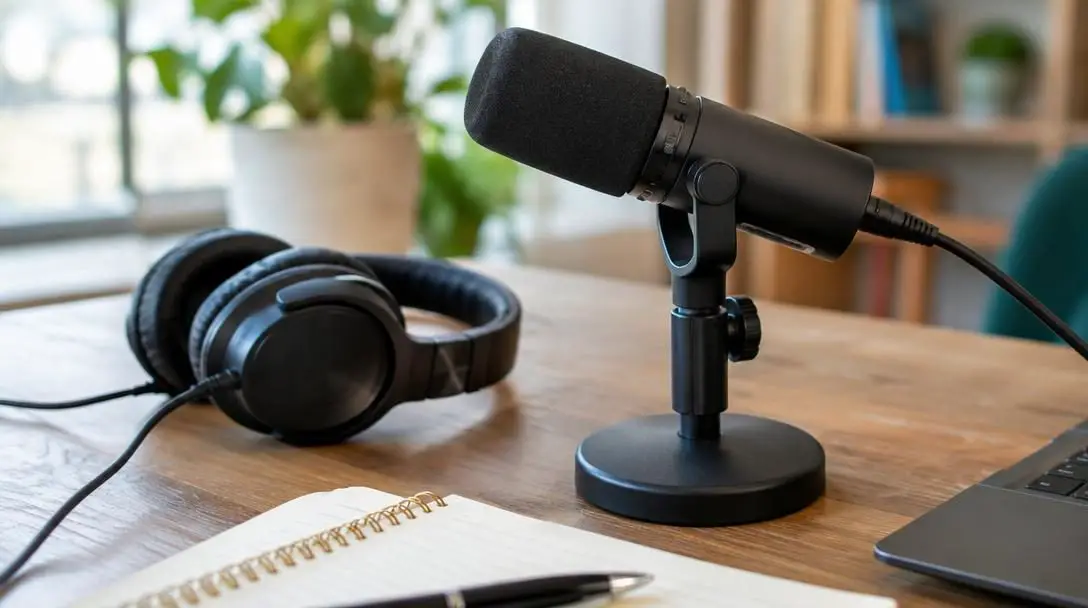
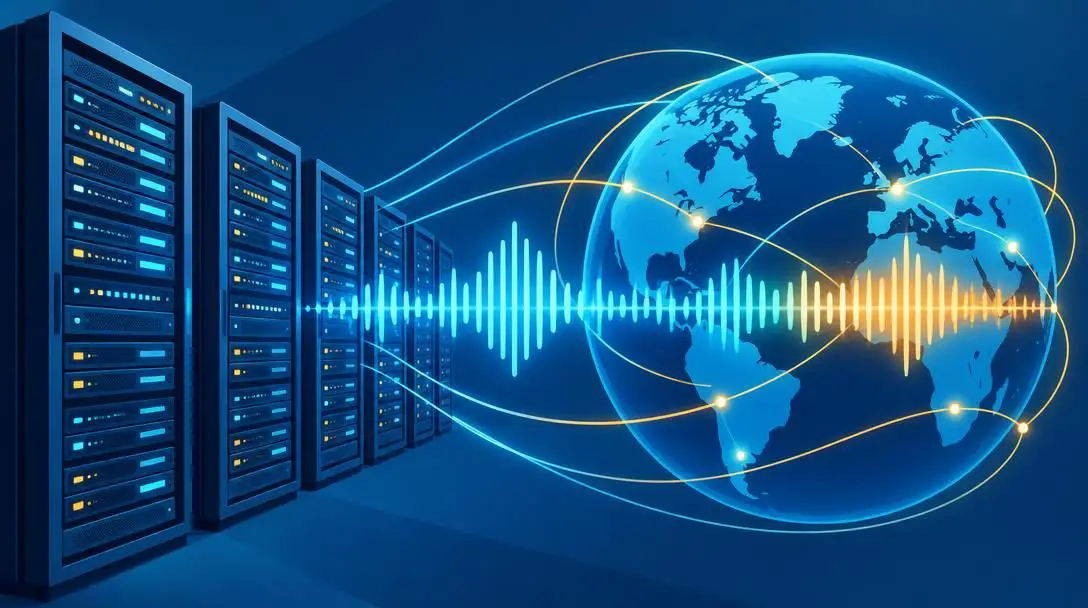
Once exported as a polished audio file, the episode is transferred to a dedicated podcast hosting provider. Standard web servers are rarely equipped to handle continuous, simultaneous streaming of large media files. Dedicated media hosts store these digital files on optimized high-traffic servers and generate a continuous web feed known as an RSS feed (Really Simple Syndication).
This syndication feed acts as a dynamic table of contents for your show, packaging key metadata including:
- Show title and official episode numbers
- Episode summaries and detailed show notes
- High-resolution show artwork and episode graphics
- Direct URL links pointing to the hosted audio files
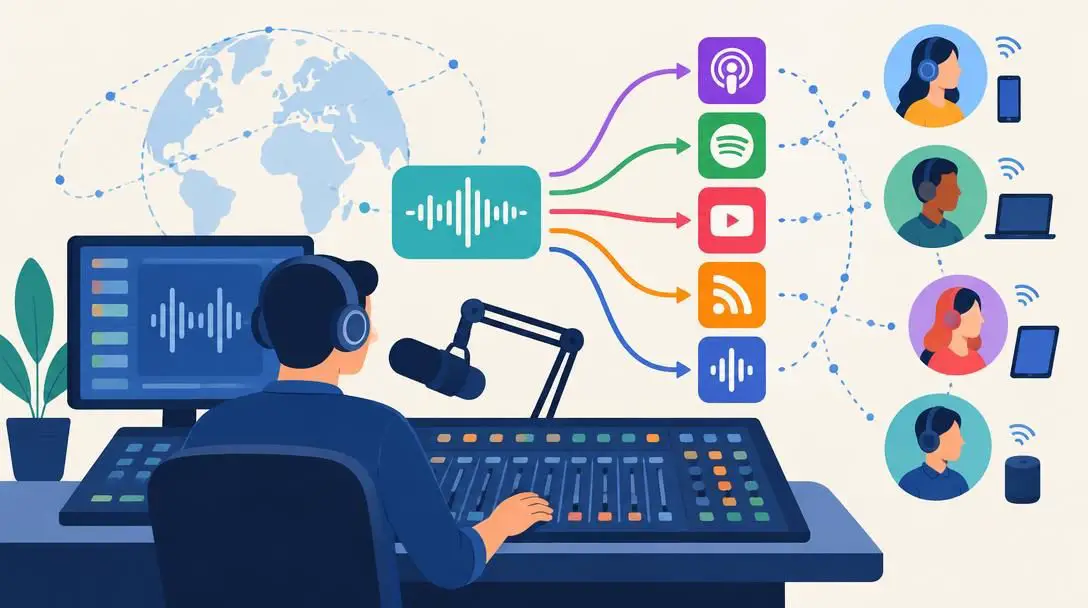
Listeners subscribe to your podcast through directory applications on their smartphones, tablets, or computers. When you publish a new episode to your media host, the RSS feed automatically notifies these directory platforms, prompting them to fetch and download the audio file directly to your listeners' devices without requiring manual distribution.
Essential Software and Hosting Tools
Selecting the right digital toolkit ensures your production workflow remains smooth and your audio sounds inviting. Creators rely on two primary categories of tools: editing applications that shape raw sound, and hosting platforms that deliver files to the public.
| Tool Name | Category | Primary Function | Core Strengths |
|---|---|---|---|
| Audacity | Audio Editing Software | Local vocal recording and track manipulation | Accessible, free digital workspace with robust noise-reduction tools |
| GarageBand | Audio Editing Software | Spoken-word assembly and audio balancing | Pre-installed on compatible computer systems with simple track controls |
| SoundCloud | Media Hosting Platform | Audio file storage and public web playback | Integrated audio player and straightforward syndication feed generation |
| Libsyn | Dedicated Podcast Host | High-capacity audio storage and distribution | Specialized podcast infrastructure with proven high-traffic bandwidth handling |
| Podbean | Dedicated Podcast Host | Media file hosting and feed publishing | Reliable server capacity, metadata controls, and direct directory integration |
Audacity
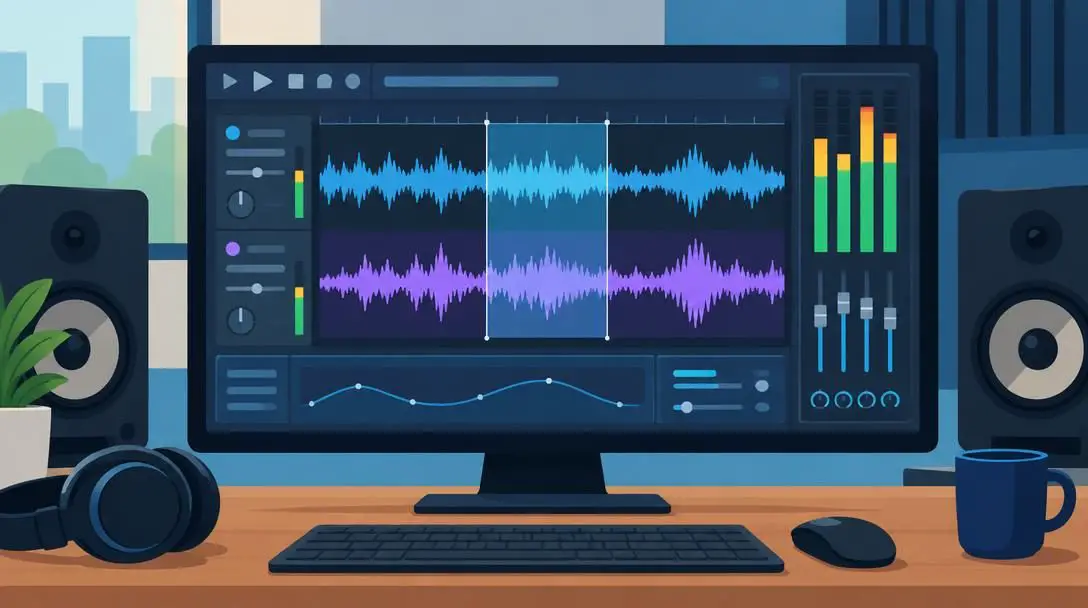
- Tool Type: Audio recording and editing software
- Key Capabilities: Slicing audio clips, track level adjustments, vocal cleanup
- Target User: Beginners seeking accessible post-production tools
Audacity provides an accessible, fully featured digital recording studio directly on your computer. It allows users to capture live microphone feeds, slice out speech errors, balance inconsistent audio tracks, and eliminate distracting ambient room noise. Its straightforward interface makes it a widely adopted entry-point for hobbyists producing their first audio series.
GarageBand
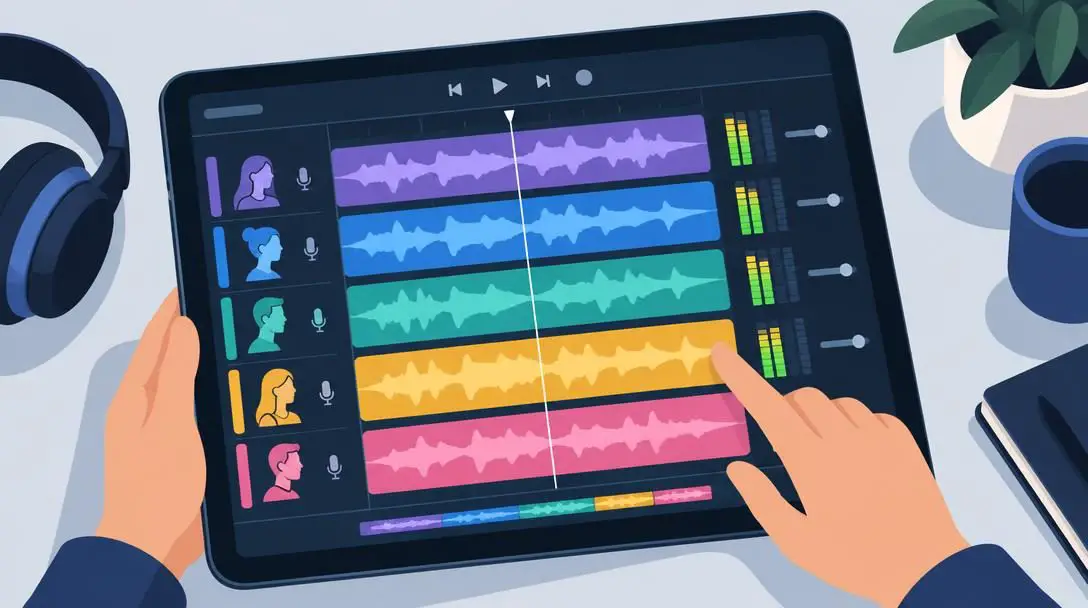
- Tool Type: Digital audio workstation and editing app
- Key Capabilities: Spoken-word editing, multi-track balancing, master exporting
- Target User: Creators working on supported computer operating systems
Available on computer operating systems, GarageBand offers an approachable environment designed for assembling multi-track audio content. Creators can easily arrange host tracks alongside guest interviews, manage individual volume faders, and trim segments down to a clean, cohesive final export.
SoundCloud
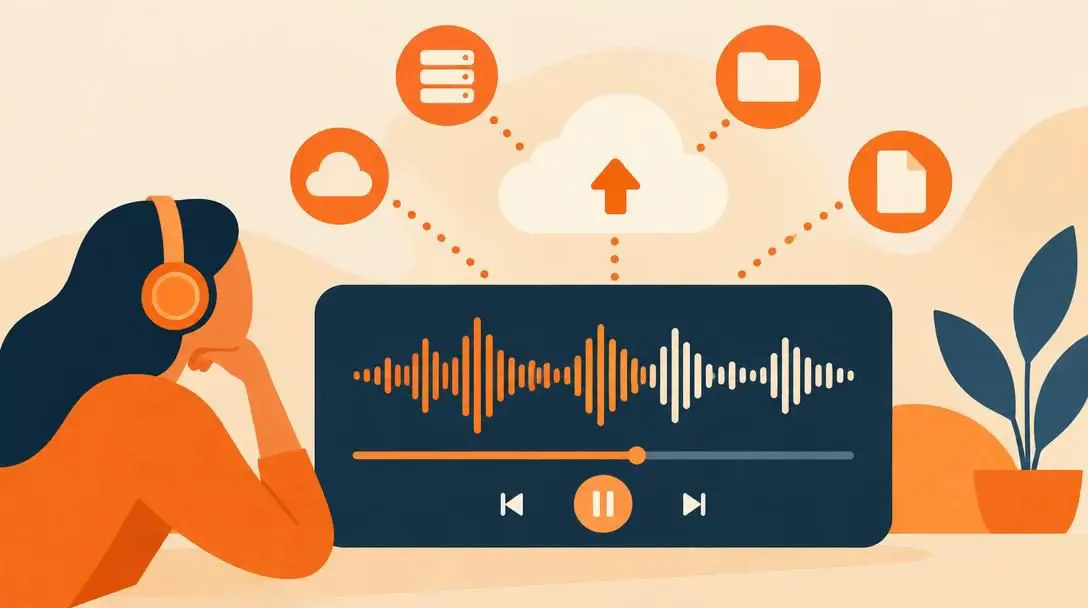
- Tool Type: Audio hosting and distribution platform
- Key Capabilities: Web audio streaming, file hosting, RSS generation
- Target User: Creators establishing a direct digital home for show audio
SoundCloud functions as an audio hosting environment where creators upload completed episodes to build their online presence. In addition to powering embedded web players, the platform manages underlying file hosting and produces the RSS feed required by external podcast directories to pull show notes and episode audio.
Libsyn
- Tool Type: Dedicated podcast media host
- Key Capabilities: High-bandwidth audio delivery, metadata management, RSS feeds
- Target User: Shows requiring dependable infrastructure for growing download volumes
Short for Liberated Syndication, Libsyn is a veteran media host engineered specifically to store large audio files and handle heavy download traffic. It gives podcasters meticulous control over show metadata, custom cover art, and episode descriptions, while generating an ultra-reliable RSS feed recognized by directory services worldwide.
Podbean
- Tool Type: Specialized podcast hosting network
- Key Capabilities: Media file storage, episode syndication, directory publishing
- Target User: Independent podcasters seeking streamlined feed automation
Podbean supplies robust server infrastructure to keep your show's audio accessible without slowing down during traffic spikes. The platform takes care of housing your visual assets, publishing episode descriptions, and continuously pushing feed updates to mobile listening applications.
Step-by-Step Guide to Launching Your Podcast
Launching an independent podcast does not require a commercial studio or extensive technical certifications. By moving systematically through these development stages, you can guide your project from a casual idea into an active, syndicated broadcast.
- Assemble essential hardware: Secure a reliable computer and an external microphone. While computers feature built-in mics, an external USB or XLR microphone dramatically improves vocal clarity and minimizes hollow room reverberation for the listener.
- Install your editing software: Choose an accessible recording program like Audacity or GarageBand. Practice recording brief voice samples, slicing out mistakes, and adjusting volume levels so you are comfortable manipulating audio clips before your first full session.
- Define your niche and draft an episode outline: Clarify the core identity of your show. Instead of covering an entire hobby broadly, narrow down your perspective. Draft an episode outline with specific talking points, historical trivia, or technique reviews to keep your conversation structured and engaging.
- Record and polish your audio: Choose a quiet, furnished room with minimal hard surface echo. Record your discussion at a steady distance from the microphone. Once finished, use your editing software to cut out long pauses, balance host and guest levels, and export a clean MP3 or WAV file.
- Upload to a dedicated hosting platform: Set up an account on a media host such as Libsyn, Podbean, or SoundCloud. Upload your high-resolution cover art, fill out your overall show description, and publish your debut audio file along with detailed episode notes.
- Submit your RSS feed to directories: Copy the unique RSS link generated by your media host and submit it to popular podcast directory applications. Once approved, the directories will automatically update whenever you upload a new episode to your hosting dashboard.
- Promote your show across hobby communities: Share episode releases across social media channels, participate in hobby-focused online forums, coordinate guest spots on peer podcasts, or collaborate with respected figures within your hobby's niche to help attract your first regular listeners.
- Foster consistent audience engagement: Cultivate an active community by soliciting feedback at the end of each episode. Read listener questions, discuss their suggestions, and weave their experiences into future episodes to make your audience feel valued.
Mistakes That Hinder New Podcasters
Starting an audio program is straightforward, but maintaining creative momentum over months and years can be challenging. Many promising hobby podcasts stall within their first ten episodes because the creators run into common operational and creative traps.
- Broad, unfocused subject matter: Launching a show simply titled around a massive topic—like "Cooking" or "Music"—makes it difficult to stand out in a crowded market. Finding a distinct angle or specific perspective helps draw a dedicated core listenership.
- Treating the broadcast as a one-way lecture: Podcasting thrives on personal connection. Ignoring audience emails, failing to invite questions, or neglecting listener suggestions discards the community-building potential that makes hobby sharing rewarding.
- Expecting overnight viral popularity: Audience growth in podcasting is almost always incremental. Creators who expect hundreds of thousands of downloads immediately after launch often become discouraged; building a reliable listener base requires creative patience and steady output.
- Neglecting fundamental audio quality: While audiophile-grade studio equipment is unnecessary, skipping basic audio hygiene—such as recording in an echoey tile bathroom or failing to equalize volume levels between speakers—fatigues listeners and drives them away.
- Isolating the show to a single voice: While solo monologues can work, relying solely on your own viewpoint can lead to creative fatigue. Inviting knowledgeable guests, as seen on shows like Home Cooking, injects fresh perspectives and broadens your program's reach.
Sustaining and Evolving Your Podcast Over Time
Publishing your first cluster of episodes is an exhilarating milestone, but longevity requires strategic pacing. Establishing a sustainable release calendar—whether you choose a weekly, bi-weekly, or monthly cadence—protects you from creator burnout while establishing an anticipated habit for your listeners during their weekly commutes or workout routines.
As your archive expands, continuously examine how your unique angle resonates with your community. Review which specific discussion topics generate energetic listener responses and which guest appearances bring the most thoughtful follow-up questions. Use this feedback loop to refine your interview formats and thematic choices without compromising your original passion.
Finally, look for opportunities to integrate your show into the broader hobby universe. Partner with creators of neighboring podcasts for crossover episodes, host live virtual question-and-answer panels, or organize collaborative community challenges. Treating your podcast as a living community forum transforms your creative hobby into an enduring international gathering space.
Frequently asked questions
Do I need an expensive microphone to start a hobby podcast?
No. You do not need expensive commercial studio hardware to launch a successful show. An accessible external microphone connected to your computer offers a dramatic improvement in clarity over built-in computer mics and provides plenty of fidelity for beginner broadcasts.
What is an RSS feed, and why does a podcast need one?
An RSS feed is a standardized web document generated by your podcast hosting platform. It contains your show's metadata, episode descriptions, cover art, and direct links to your audio files. Listening apps read this feed so new episodes download automatically to subscribers' devices.
Why can't I just upload my podcast audio files directly to my personal website?
Standard web hosts are not designed to handle the heavy bandwidth required when multiple listeners stream or download large media files at the same time. Dedicated hosts like Libsyn, Podbean, or SoundCloud use high-capacity media servers to ensure uninterrupted streaming.
How can bringing guests onto a hobby podcast improve the show?
Inviting guests introduces varied techniques, personal anecdotes, and diverse viewpoints to your show, keeping discussions dynamic. As demonstrated by shows like Home Cooking, collaborative dialogue prevents the content from becoming predictable or repetitive.
What is the most effective way to grow a podcast audience from scratch?
Consistent niche focus and community engagement drive long-term growth. Promote your episodes across relevant hobby forums and social groups, solicit and answer listener questions on air, and collaborate with other hobby creators to introduce your show to their audiences.
The bottom line
Podcasting has reshaped how enthusiasts connect, turning localized, solitary pastimes into vibrant worldwide dialogues. By mastering a straightforward production workflow—capturing clear vocals, editing thoughtfully with tools like Audacity or GarageBand, and distributing through dependable hosts like Libsyn, Podbean, or SoundCloud—anyone can broadcast their enthusiasm. With a distinct creative angle, patient publishing habits, and genuine community engagement, your hobby can become a welcoming digital home for curious listeners everywhere.