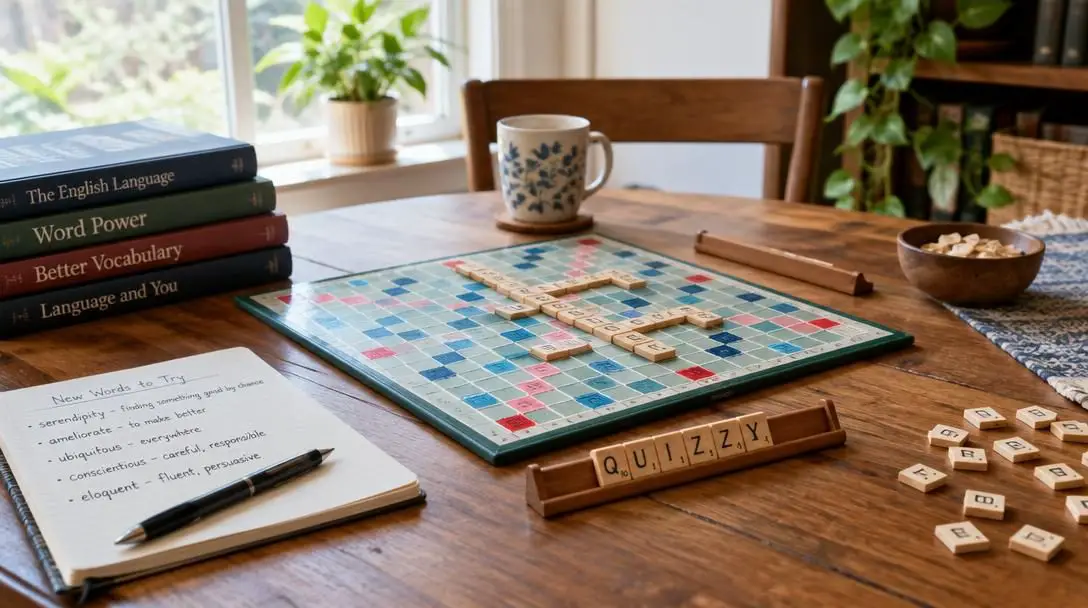
The World of Board Games: Exploring the Best Titles for Game Night
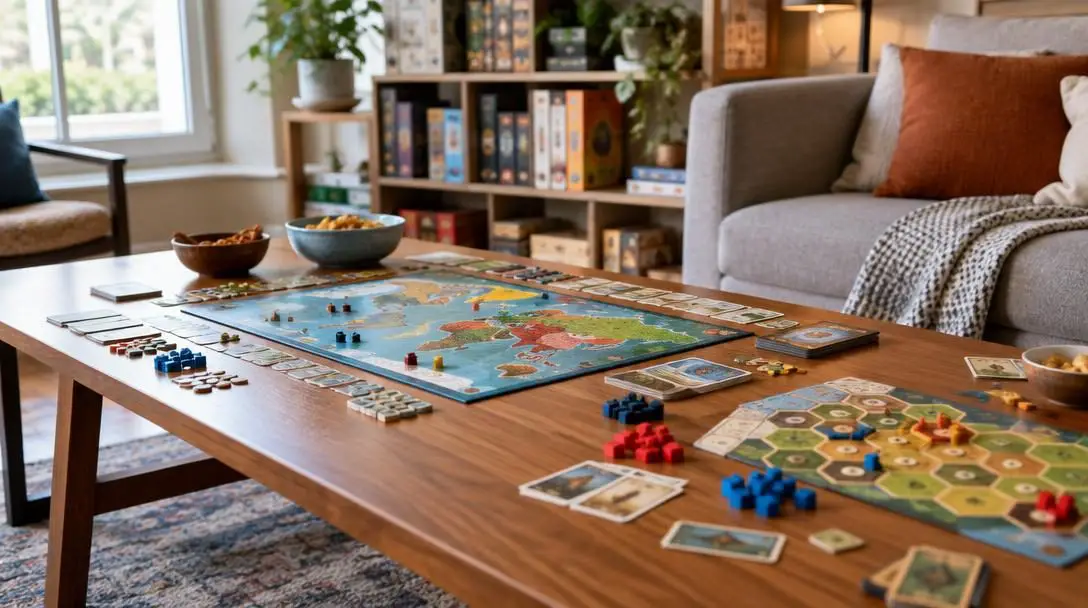
Tabletop gaming has served as a beloved social pastime for centuries, bringing families and friends together around living room tables, community halls, and classrooms. While older generations often relied on a small handful of familiar household staples tucked away in a closet, modern board gaming has transformed into an expansive, creative industry. Gathering around physical game pieces creates an engaging social atmosphere that screen-based entertainment rarely replicates.
The tactile pleasure of sorting wooden tokens, rolling dice, managing a hand of cards, and watching an intricate board take shape offers a grounded way to unwind and interact. Because the modern tabletop world caters to nearly every taste, choosing the right game requires matching the group's mood with the appropriate mechanics. Whether players seek deep tactical puzzles, lighthearted group storytelling, or cooperative problem-solving, modern game nights provide something compelling for everyone.
Key takeaways
- Board games generally divide into classic, strategy, and party formats, each catering to different social energy levels and player expectations.
- Cooperative titles like Pandemic offer an engaging alternative to head-to-head competition by uniting all participants against a common threat.
- Matching game selection to logistical realities—including player counts, age ranges, game length, and rule complexity—is essential for an enjoyable session.
- Hosts can streamline game night by learning rules beforehand, explaining core objectives first, and choosing finger foods that keep components clean.
Understanding the primary board game categories
To plan a successful evening, hosts should first understand how tabletop designs differ in pacing, interaction, and complexity. Most popular titles fit neatly into three broad styles: timeless classic designs, brain-burning strategy games, and high-energy party experiences. Each style establishes distinct expectations for how participants interact across the table.
Classic board games represent familiar, enduring titles that have been shared across multiple generations. Because so many adults played these titles during childhood, they require minimal time to explain. Classic titles generally utilize straightforward systems such as rolling dice to advance along a fixed perimeter track, arranging lettered components, or deducing hidden facts through basic inquiry. Their accessibility makes them a comfortable choice for mixed-age family gatherings.
Strategy board games prioritize critical thinking, long-term planning, and player agency over raw chance. Rather than leaving victory up to a single roll of the dice, these designs ask players to allocate scarce resources, negotiate trades, manage spatial positions, and adjust to shifting board states. Strategy games often provide multiple viable paths to victory, rewarding those who can anticipate opponents' moves and balance short-term opportunities against long-term goals.
Party board games emphasize social dynamics, quick humor, and lively deduction over meticulous math and rigid turn structures. These designs feature lightweight rules that newcomers can grasp within minutes, making them ideal for casual parties or larger crowds. By leaning into wordplay, sketching, bluffing, and absurd prompts, party games keep table energy high and minimize the competitive tension that can intimidate newer gamers.
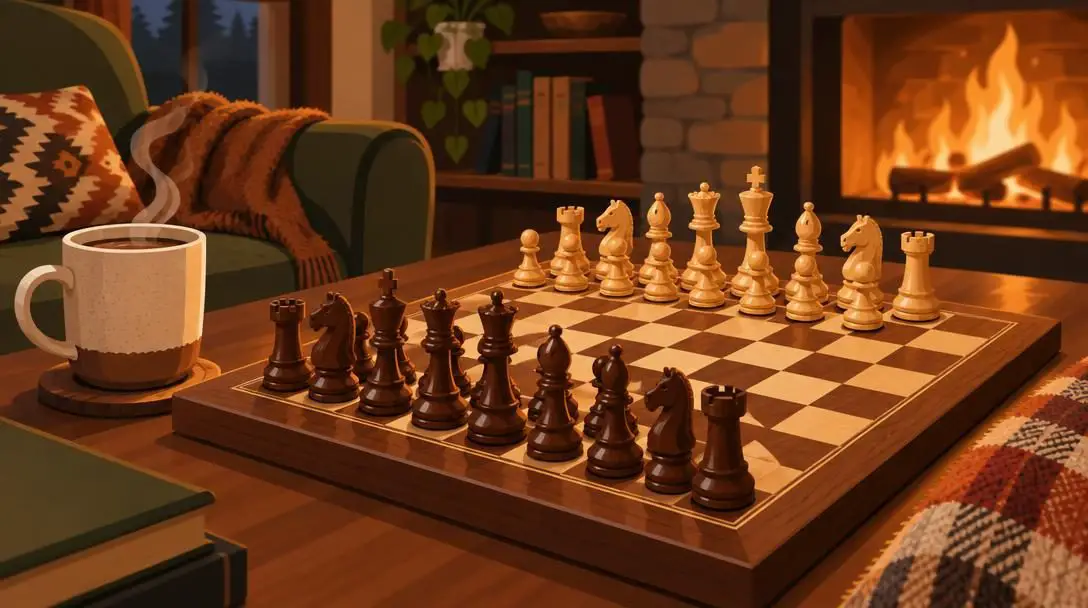
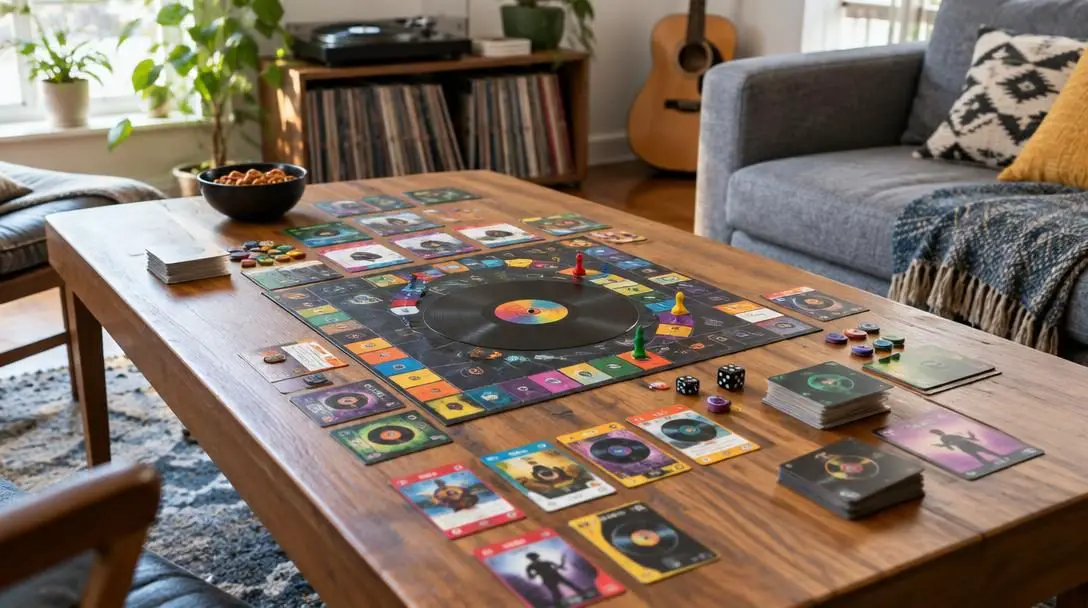
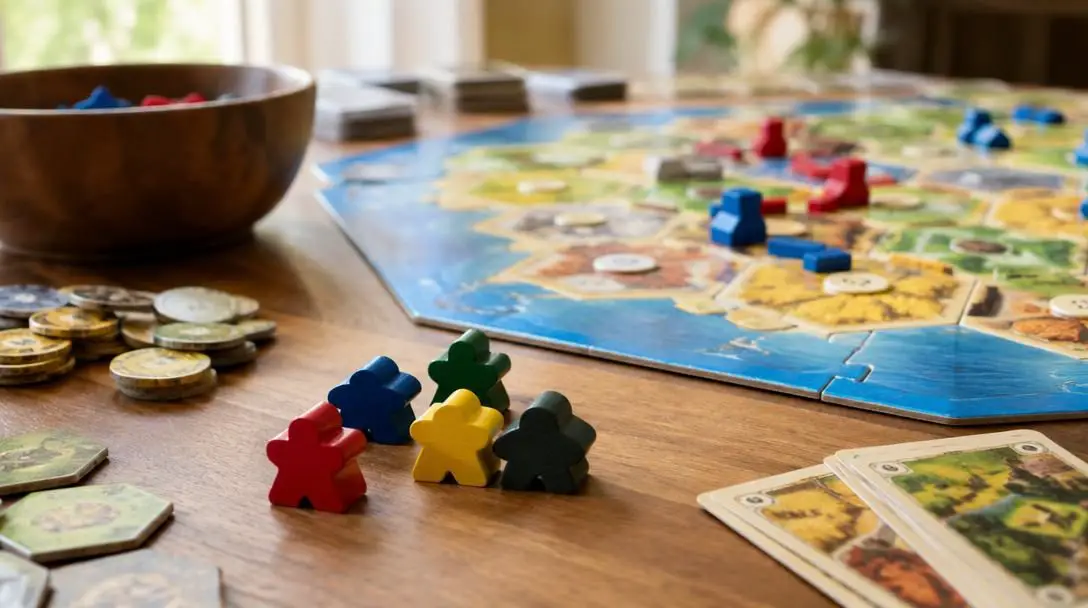
Moving physical tokens, rolling dice, and assembling intricate board layouts offer a tactile satisfaction that brings people together face to face.
Tabletop titles at a glance
| Game | Category | Primary Focus | Core Objective |
|---|---|---|---|
| Monopoly | Classic | Property trading & financial management | Bankrupt opponents through real estate ownership |
| Scrabble | Classic | Word formation & spatial placement | Score points by building interlocking words |
| Clue | Classic | Deduction & investigation | Identify the culprit, murder weapon, and crime scene |
| Settlers of Catan | Strategy | Resource harvesting & trading | Build settlements, cities, and roads on an island |
| Ticket to Ride | Strategy | Card drafting & route building | Connect North American cities via train lines |
| Risk | Strategy | Area control & conflict resolution | Conquer territories to achieve world domination |
| Cards Against Humanity | Party | Humor & phrase matching | Win rounds by pleasing a rotating judge |
| Codenames | Party | Word association & social deduction | Uncover secret agents using one-word clues |
| Telestrations | Party | Sketching & visual guessing | Pass drawing books to reveal hilarious changes |
| Pandemic | Cooperative | Action coordination & disease containment | Discover cures before global outbreaks occur |
| Azul | Modern Strategy | Tile drafting & pattern building | Construct a high-scoring decorative mosaic |
| Carcassonne | Modern Strategy | Tile laying & territory claiming | Score completed roads, cities, and monasteries |
| Splendor | Modern Strategy | Engine building & gem collection | Amass prestige points through merchant investments |
Enduring favorites: classic board games
Classic games remain prominent fixtures in modern homes because their established rules require very little onboarding. They are widely recognized, easy to set up, and bridge generational gaps effortlessly.
Monopoly
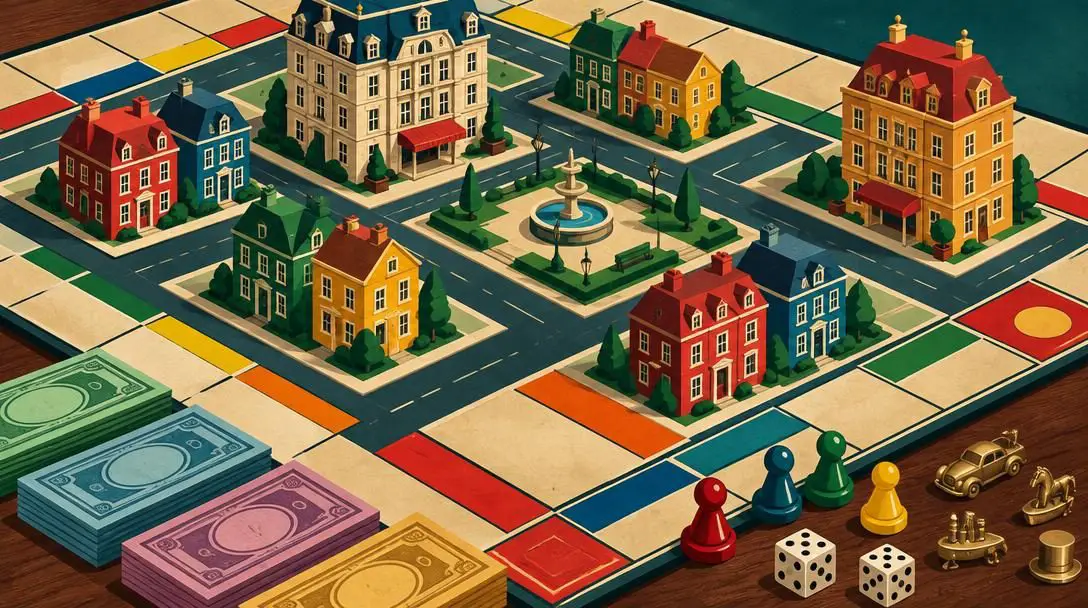
- Gameplay style: Roll-and-move real estate trading
- Winning condition: Bankrupting every opposing player
- Core components: Property deeds, houses, hotels, cash
In Monopoly, participants travel around a perimeter board purchasing commercial and residential properties, utilities, and transit stations. Once a player gathers a complete color set, they can develop houses and hotels to dramatically increase the rental fees charged to competitors landing on those spaces. Managing cash reserves is vital, as an unexpected stay on a heavily developed property can easily bankrupt an unwary landlord.
Scrabble
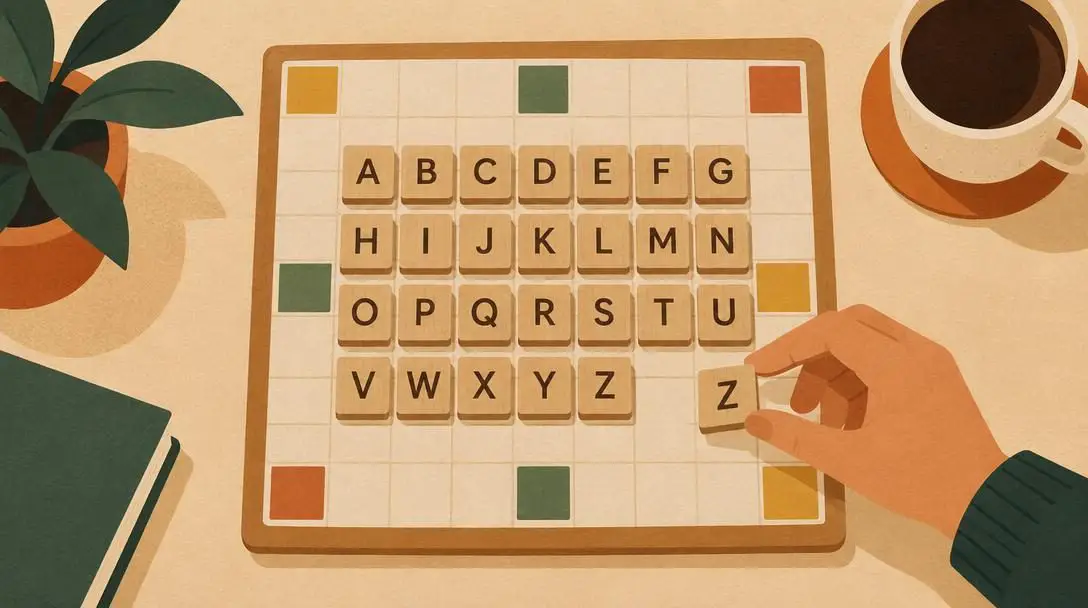
- Gameplay style: Tile placement word puzzle
- Winning condition: Highest cumulative point score
- Core components: Letter tiles, tile racks, gridded board
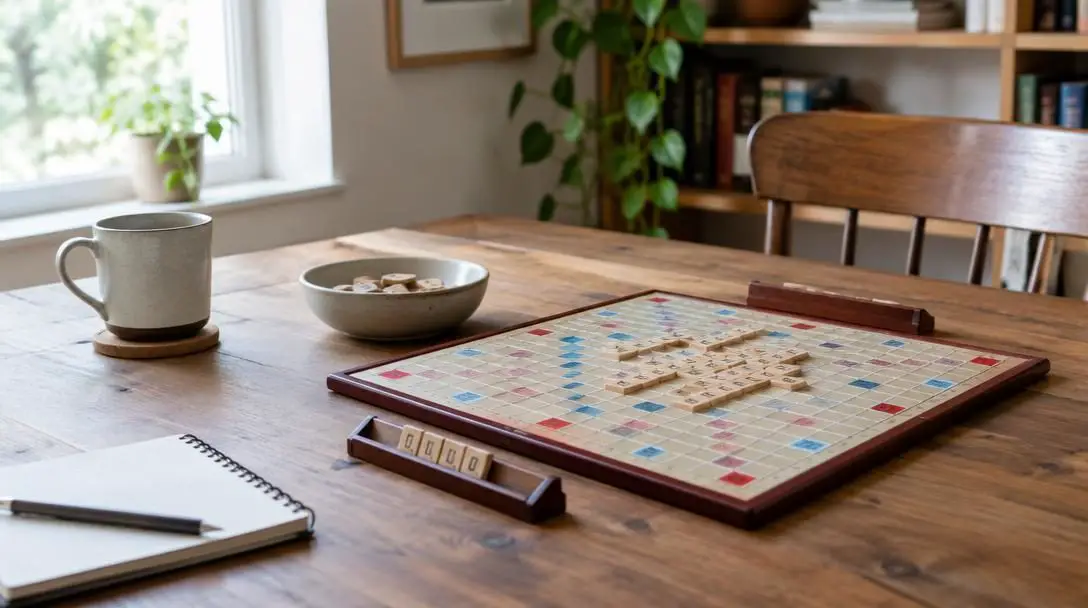
Scrabble tests players' vocabulary, anagramming ability, and spatial awareness on a fifteen-by-fifteen grid. Players draw letter tiles from a shared cloth bag and arrange them into crossword-style words. Success requires more than a vast vocabulary; skilled players strategically target bonus squares that double or triple individual letter values or entire word totals while denying those high-scoring locations to their opponents.
Clue
- Gameplay style: Deductive mystery solving
- Winning condition: Correctly naming suspect, weapon, and room
- Core components: Suspect tokens, weapon miniatures, detective notepad
Clue transforms players into amateur detectives roaming the halls of an expansive mansion to investigate a murder. By moving into specific rooms and proposing hypothetical crime scenarios, participants systematically cross off false leads on their private checklists. The first detective to accurately identify the culprit, the weapon used, and the scene of the crime secures the win, provided they do not make an incorrect accusation.
Deep tactics: traditional strategy games
Strategy titles invite players to engage in tactical problem-solving and long-range planning. These games rely less on random rolling and more on careful resource allocation, tactical positioning, and diplomatic negotiation.
Settlers of Catan
- Gameplay style: Resource trading and road building
- Winning condition: Earning ten victory points
- Core components: Hexagonal terrain tiles, resource cards, wooden settlements
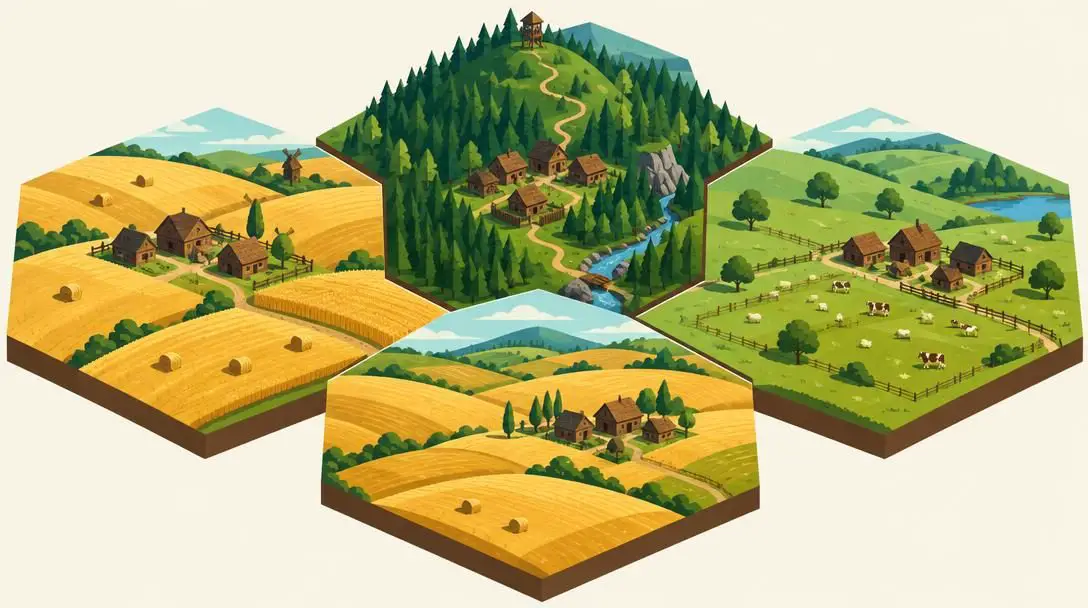
Set on an uncharted, modular island composed of hexagonal terrain pieces, Settlers of Catan requires players to harvest five essential commodities: wheat, brick, sheep, ore, and wood. Dice rolls determine which hexes produce goods on each turn, meaning no single player ever controls all the resources they need. Progress depends heavily on bartering with neighbors to build roads, erect settlements, and upgrade those settlements into prosperous cities.
Ticket to Ride

- Gameplay style: Card drafting and network connection
- Winning condition: Most points from claimed tracks and destination tickets
- Core components: Map board, colored train miniatures, train car cards
In Ticket to Ride, players compete to establish expansive railway networks connecting major cities across North America. On their turns, participants either collect colored train car cards, spend matching sets to claim rail routes on the central board, or draw new destination tickets. The game balances open route-claiming with secret destination objectives, rewarding players who construct efficient transcontinental pathways while maneuvering around track closures.
Risk
- Gameplay style: Area control and territory conquest
- Winning condition: Total elimination of all opponents
- Core components: World map board, colored army figures, conflict dice
Risk presents a sprawling theatre of global military conflict where players maneuver armies across six continents. By fortifying borders, launching offensive assaults resolved with dice rolls, and sweeping through undefended territories, commanders push toward total continental domination. The game emphasizes patience, dynamic alliances, and well-timed military thrusts to wipe competing forces off the map.
High interaction: party board games
When an evening calls for uninhibited laughter and quick-moving rounds, party board games excel. These titles feature low barriers to entry and keep entire rooms actively involved without requiring extensive strategic analysis.
Cards Against Humanity
- Gameplay style: Fill-in-the-blank social matching
- Winning condition: Earning the most prompt cards from the judge
- Core components: Black prompt cards, white answer cards
Designed specifically for mature gatherings, Cards Against Humanity pairs provocative prompt cards with an assortment of irreverent, humorous answers. In each round, a designated judge reveals a black question or fill-in-the-blank statement, prompting the other players to submit their funniest white answer card facedown. The judge selects their favorite response, rewarding creativity, shock value, and a sharp reading of the judge's personal comedic taste.
Codenames
- Gameplay style: Word association and team deduction
- Winning condition: Contacting all friendly field agents first
- Core components: Word cards, key grid, spymaster reference stand
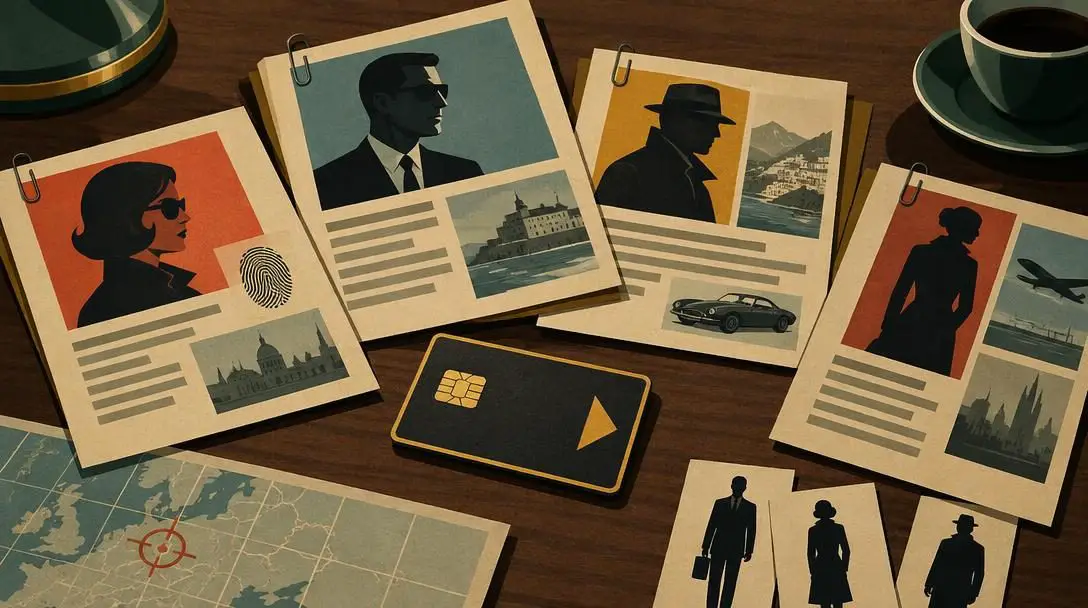
In Codenames, two rival teams race to locate their undercover field operatives concealed behind a five-by-five grid of codename cards. One spymaster from each team provides a single-word clue accompanied by a number, attempting to link multiple friendly cards simultaneously. Teammates must decode the clue while steering clear of neutral bystanders, rival agents, and the instant-loss assassin card.
Telestrations
- Gameplay style: Visual telephone and sketching
- Winning condition: Creating memorable laughs through visual confusion
- Core components: Dry-erase sketchbooks, markers, prompt cards
Blending the childhood game of telephone with visual sketching, Telestrations produces guaranteed laughter through miscommunication. Players roll a die to receive a secret word, sketch it in their erasable booklet, and pass it along the circle. The next player writes a guess based on the drawing, passes it again for another sketch, and so on until the original book returns to its owner, revealing how an innocent word morphed into absurd artwork.
Modern standouts: diverse mechanics
Beyond the classic categories, modern tabletop design has introduced innovative mechanics that provide fresh, satisfying experiences. These titles blend accessible rulesets with distinctive themes and tactile gameplay.
Pandemic

- Gameplay style: Fully cooperative crisis management
- Winning condition: Discovering cures for four global diseases
- Core components: World disease map, infection cards, player role cards
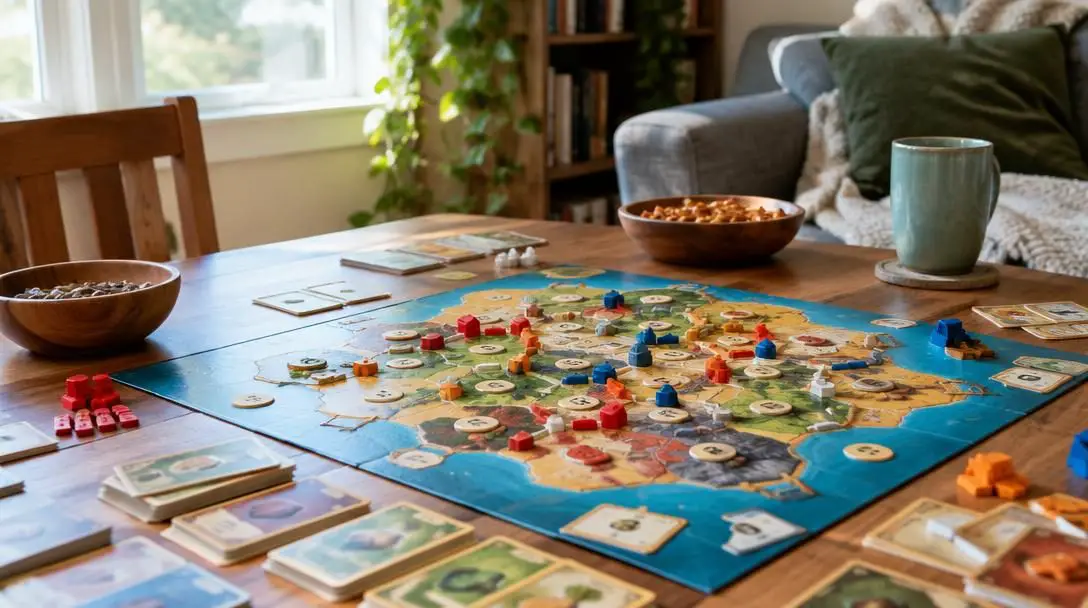
Unlike traditional competitive games, Pandemic unites everyone at the table into a coordinated team of disease control specialists. Traveling across major international hubs, players spend actions treating regional outbreaks, establishing research stations, and trading cards to synthesize four vital cures. Because infection markers spread rapidly with every turn, players must communicate continuously to contain hotspots before devastating chain-reaction outbreaks overwhelm the planet.
Azul

- Gameplay style: Tile drafting and pattern building
- Winning condition: Highest score from coordinated mosaic patterns
- Core components: Resin mosaic tiles, factory display discs, player boards
Inspired by the Moorish architectural decorations of Portugal, Azul tasks players with drafting vibrant resin tiles from shared factory displays. Players must load their selected colors onto personal preparation tracks, transferring completed rows onto their permanent mosaic wall at the end of each round. The puzzle lies in optimizing placement bonuses while ensuring excess drafting does not cause leftover tiles to drop to the floor, which deducts precious points.
Carcassonne
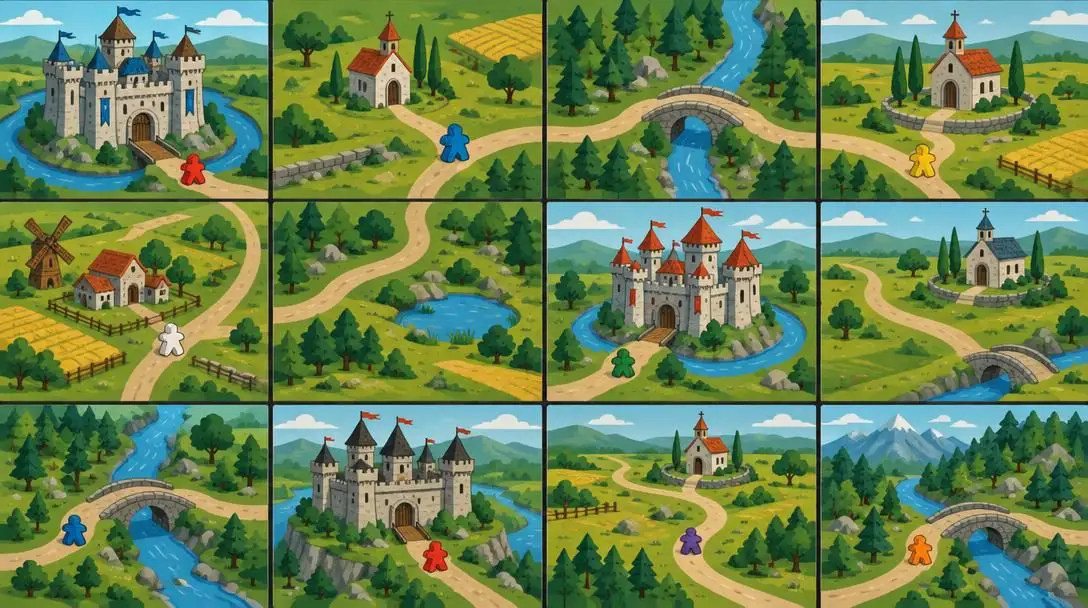
- Gameplay style: Modular tile placement and worker placement
- Winning condition: Most points earned from completed map features
- Core components: Cardboard terrain tiles, wooden followers (meeples)
In Carcassonne, players construct a dynamic southern French landscape piece by piece. On their turn, each participant draws a square cardboard tile depicting segments of roads, walled cities, quiet monasteries, or sweeping pastures, attaching it logically to existing terrain. Players then decide whether to deploy a limited wooden follower to claim that feature, scoring points when roads reach clear dead-ends, cities complete their perimeter walls, or monasteries become entirely surrounded.
Splendor
- Gameplay style: Engine building and gem collecting
- Winning condition: Reaching fifteen prestige points first
- Core components: Heavy gem tokens, development cards, noble tiles
Assuming the roles of influential Renaissance merchants, participants in Splendor trade in precious raw stones to build prestigious commercial empires. Players spend turns collecting gem tokens to purchase development cards, which grant prestige points and permanent gem discounts on future purchases. As players construct their economic engine, higher-tier gem mines, transport ships, and visiting noble patrons become progressively cheaper to acquire.
Essential considerations for planning game night
A fun tabletop session depends on thoughtful preparation. Overlooking basic logistical realities often leads to uneven engagement, frustrated participants, or an abandoned match halfway through the evening.
- The player count: Many strategy titles function best with three or four participants, while classic party titles comfortably handle larger groups. Always check the supported player numbers before setting up.
- The age range: Complex rulebooks, fine print, and aggressive bluffing can alienate younger participants, whereas overly simplified children's games may bore an adult crowd.
- Estimated session length: A casual party game can conclude inside twenty minutes, while a competitive game of world conquest can easily span three or four hours.
- Mechanical complexity: Introducing intricate resource-management formulas to casual players can stall the room, while presenting overly simple games to dedicated hobbyists may feel unfulfilling.
How to host a smooth tabletop evening
Organizing a game night takes more than pulling boxes off a shelf. Following a structured preparation checklist keeps the table engaged from the moment guests walk in the door.
- Confirm your guest list early. Collect RSVPs in advance so you can select titles that match the exact player count without forcing anyone to sit out.
- Learn the rules ahead of time. Unbox the game, inspect the components, and run through a solo sample turn before guests arrive so you never have to read through a dense manual out loud.
- Prepare the playing area. Clear off dining tables, check that lighting is bright enough to read card text easily, and confirm that every chair offers an unobstructed view of the board.
- Set out table-safe refreshments. Provide finger foods that leave no powdery or oily residue, and position drinks on side tables away from expensive boards and cards.
- Explain the game clearly. State the overarching theme and winning condition first, outline standard turn actions second, and address minor technical exceptions only as they appear during play.
- Monitor group energy throughout play. Help struggling players navigate complicated turns, and remain ready to pivot to an energetic party game if the room shows signs of mental fatigue.
Common hosting mistakes to avoid
Even enthusiastic hosts run into difficulties if they overlook common social pitfalls. Steer clear of these missteps to ensure everyone leaves looking forward to the next session:
- Selecting titles that clash with group dynamics: Pushing a heavy, arithmetic-heavy strategy game on friends who gathered primarily to chat usually results in disengagement and boredom.
- Neglecting player elimination mechanics: In games where defeated participants are removed from play, early casualties may spend hours waiting with nothing to do.
- Overloading the rules explanation: Explaining every minor exception and edge-case scenario during the initial teach leads to cognitive overload; stick to the basics and teach details contextually.
- Permitting excessive turn delays: Tactical players often fall victim to analysis paralysis. Gently keep the pace moving so downtime between turns stays brief for everyone else.
- Prioritizing winning over hospitality: Overly aggressive rules-lawyering damages the friendly atmosphere of a social gathering. Prioritize shared fun over cutthroat competition.
Curating and expanding your collection
Once you establish a regular game night routine, evaluating the makeup of your shelf helps identify gaps in your collection. If your current library leans heavily toward aggressive direct conflict, adding a cooperative game like Pandemic introduces a collaborative alternative where guests win or lose as a unified team.
Similarly, groups that grow weary of word trivia can branch out into spatial pattern puzzles like Azul, route-building titles like Ticket to Ride, or landscape-construction games like Carcassonne. Diversifying across different mechanics ensures you have an entertaining match ready for any gathering.
Frequently asked questions
What is the difference between classic and modern strategy board games?
Classic board games rely heavily on familiar roll-and-move mechanics and linear paths that involve significant luck. Modern strategy games emphasize player agency, resource management, engine building, and multiple scoring paths that reward strategic planning.
Which board game is best for players who dislike direct conflict?
Pandemic is an ideal choice because all participants play cooperatively as a specialist team against the board itself. Alternatively, tile-laying games like Carcassonne or pattern-building games like Azul allow players to focus on constructing their own scoring layouts without directly attacking other players.
How many games should a host prepare for an evening?
It is best to prepare one primary centerpiece game matched to the group's taste, along with one or two lighter, fast-paced party games like Codenames or Telestrations to serve as an icebreaker or late-night wind-down.
How can hosts prevent rule debates from souring game night?
The host should read the rulebook beforehand and act as a friendly arbiter. If an obscure rule dispute arises mid-game, make a fair, rapid table ruling to maintain momentum and verify the official text after the session concludes.
What makes party board games so effective for large groups?
Party board games feature quick rules, simultaneous play, and accessible themes based on humor, sketching, or wordplay. These mechanics eliminate downtime, encourage socialization, and remove the pressure of complex tactical calculations.
The bottom line
Modern board gaming offers a rich universe of social experiences that far exceeds old-fashioned stereotypes. By learning how classic, strategic, party, and modern cooperative designs function, hosts can curate memorable evenings tailored to their guests' preferences. With thoughtful planning, clear rule explanations, and the right titles on the table, game night remains one of the most rewarding ways to unplug and connect with friends and family.