
Tips On Traveling With Pets For Owners On The Go

Traveling with pets can turn an ordinary journey into an unforgettable adventure, but it changes the fundamental mechanics of how you navigate transit hubs, lodging, and public spaces. Unlike human travelers, companion animals do not understand flight schedules, ticketing rules, or transit delays. They depend entirely on their human handlers to regulate their physical safety, manage their immediate surroundings, and keep them calm and comfortable across dynamic, unfamiliar environments.
While transportation networks and hospitality brands have substantially broadened their animal accommodations in recent years, these services come with strict expectations and operational frameworks. Simply loading an extra bag of kibble into your vehicle or booking an airline ticket is not enough to guarantee a smooth trip. Truly successful pet travel requires a methodical approach that blends transit compliance, careful behavioral conditioning, climate awareness, and community courtesy.
Key takeaways
- Review individual carrier rules for pet carriers, documentation, and specific fees well before departure day.
- Evaluate your pet's temperament honestly, and use short practice trips to build their tolerance to motion and carriers.
- Pack an exhaustive travel kit containing familiar food, grooming supplies, comfort items, medications, and a dedicated pet first aid kit.
- Design itineraries centered around pet-friendly venues to avoid stranding animals alone in unfamiliar lodging spaces.
- Protect companion animals from dangerous climate extremes while demonstrating strict leash control and prompt waste clean-up in public areas.
Navigating Commercial Transit and Lodging Regulations
Transportation providers establish structured policies designed to balance passenger safety, operational efficiency, and animal welfare. Before booking passage on any commercial service, owners must independently verify provider-specific requirements. Every airline, rail operator, and bus line maintains its own operating standards, meaning that what is permissible on one carrier may lead to boarding denial on another.
Navigating commercial regulations requires close attention to several standard criteria that impact your itinerary and your wallet:
| Logistical Element | Standard Requirements | Advance Action Required |
|---|---|---|
| Pet Carriers | Specific dimensions, materials, and mandatory ventilation; must fit under passenger seats or satisfy cargo safety standards. | Measure your carrier against the carrier's exact under-seat clearance and cargo criteria prior to ticket purchase. |
| Health Documentation | Official veterinary clearances, up-to-date vaccination records, and certificates of veterinary inspection for interstate transit. | Schedule an examination with your veterinarian within the provider's mandated pre-travel timeframe. |
| Transit Surcharges | Fixed, non-refundable pet fees assessed per direction, separate from human passenger fares. | Register your animal early, as commercial cabins frequently enforce strict caps on the total number of pets allowed per journey. |
| Hospitality Accommodations | Species or weight limits, designated pet-friendly rooms, and strict rules regarding unattended animals. | Contact lodging properties directly to confirm individual pet policies, designated relief areas, and deposit fees. |
Beyond transit carriers, commercial accommodations such as hotels, short-term rentals, and campgrounds maintain their own regulatory frameworks. While certain hospitality brands welcome pets with open arms, others enforce strict limitations regarding animal size, species, or permissible zones on the property. Clarifying these operational details ahead of time prevents unexpected travel disruptions or being turned away at check-in.
Five Essential Steps to Prepare Your Pet for Travel
Executing a safe, comfortable journey with your companion requires a structured, step-by-step approach. By taking proactive measures weeks before your departure date, you can eliminate operational surprises and build a calm, predictable experience for your animal.
Step 1: Evaluate Your Pet's Temperament and Build Tolerance
Before making reservations, honestly evaluate your pet's temperament. Some animals take novel stimuli, strange odors, and bustling environments in stride, remaining calm amid loud noises and unpredictable movement. However, if your pet is naturally nervous, highly reactive, or prone to extreme stress, traveling may not be the kindest choice. For sensitive animals, remaining at home in familiar territory under the care of a trusted pet sitter is often the safer, more compassionate option.
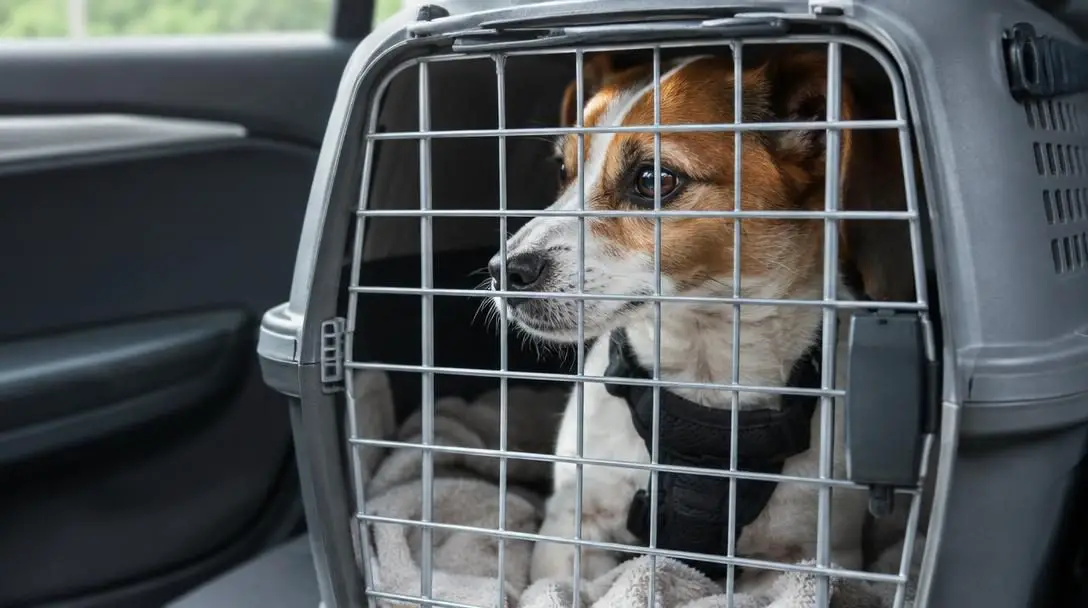
If you determine that your animal is well-suited for travel, begin conditioning them gradually to prevent sensory overload:
- Take short, low-stakes car rides to help them adjust to engine vibration, road motion, and physical vehicle boundaries.
- Introduce the travel carrier inside your living room weeks ahead of time, leaving the door open with treats inside so it becomes a comforting refuge rather than a stress trigger.
- Practice brief confinement periods inside the carrier while running everyday household errands to simulate transit days.
Step 2: Assemble a Comprehensive Pet Travel Kit
Packing for a pet requires the same forethought and organizational discipline as packing for a human traveler. Rather than scrambling to find supplies on the road, assemble a self-contained kit that addresses routine nourishment, behavioral comfort, and unexpected medical needs.
Your pet travel kit should always include:
- Consistent Food and Water: Pack enough regular food to cover the entire duration of your trip, along with portable bowls and bottled water to avoid sudden gastrointestinal upset caused by shifting water sources or unfamiliar diets.
- Comfort Items: Pack familiar blankets, sleep mats, or favorite chew toys that carry recognizable household scents to anchor your pet in foreign environments.
- Prescription Medications: Bring an ample reserve of daily medications, parasite preventatives, and any motion-sickness or anti-anxiety treatments prescribed by your veterinarian.
- Hygiene and Grooming Gear: Carry grooming brushes, pet-safe sanitizing wipes, absorbent travel towels, and plenty of waste collection bags.
- Dedicated Pet First Aid Kit: Stock pet-safe bandages, antiseptic rinses, gauze, tick removal tweezers, and an emergency supply of styptic powder for torn nails.
Step 3: Design an Intentionally Pet-Friendly Itinerary
A successful trip integrates your pet directly into your daily schedule rather than treating them as an afterthought. Designing a pet-centered itinerary means researching public policies for every attraction, stop, and meal along your route.
When assembling your schedule, prioritize destinations that welcome companion animals openly:
- Seek out scenic hiking trails that explicitly allow leashed companion animals on designated paths.
- Identify securely fenced dog parks where your animal can run off excess energy safely off-leash.
- Locate outdoor cafes, bistros, and patio breweries where pets are permitted to lounge comfortably beside your table.
Step 4: Monitor Climate and Environmental Extremes
Extreme temperatures pose a substantial physical hazard to traveling companion animals. Pets regulate their body heat differently than humans, making them far more vulnerable to heat exhaustion, heatstroke, hypothermia, and frostbite during rapid weather changes.
When traveling through warm regions or during summer months, make sure your companion has continuous access to clean, cool water and shaded resting zones. Never leave an animal inside a parked car, as interior vehicle temperatures can escalate to lethal levels within minutes, even with windows cracked. Conversely, when visiting colder climates, protect your pet's paws from freezing surfaces and ice-melting chemicals, and ensure they have a warm, draft-free place to sleep at night.
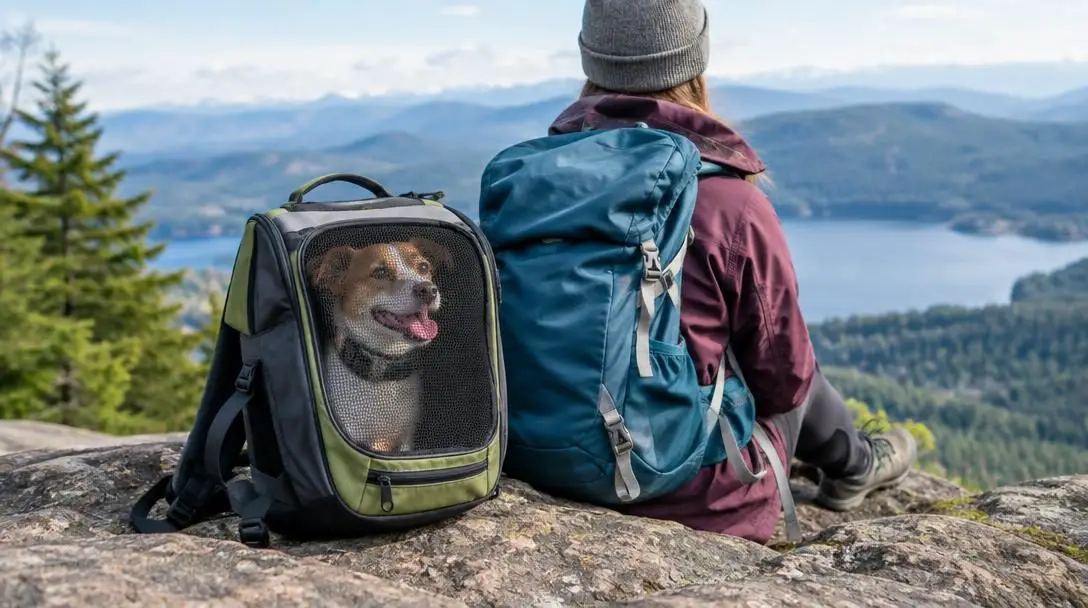
True preparedness requires looking past human convenience to understand an animal's emotional limits, environmental vulnerabilities, and sensory thresholds.
Step 5: Master Public Etiquette and Shared Space Conduct
Maintaining exemplary public etiquette protects community goodwill and ensures that public venues remain accessible to pets in the future. As a traveling owner, you are an ambassador for the broader pet-owning community whenever you navigate public areas.
To demonstrate responsible ownership:
- Keep your animal on a standard, non-retractable leash or secured within an approved carrier whenever you move through shared spaces.
- Always carry clean-up bags and pick up after your pet immediately, disposing of waste in designated outdoor receptacles.
- Prevent your pet from approaching strangers, crowding personal space, or disturbing others through excessive barking, whining, or jumpy behavior.
Critical Pitfalls: Common Travel Mistakes to Avoid
Even conscientious travelers occasionally fall into avoidable traps when managing companion animals on the road. Recognizing common logistical errors allows you to build safeguards into your travel plans:
- Failing to Verify Exact Carrier Dimensions: Assuming that a standard carrier will pass inspection can cause major delays. Airlines update their under-seat dimensions frequently depending on the specific aircraft model assigned to a route.
- Overlooking Health Documentation: Forgetting to pack stamped vaccination records or state health certificates can lead to quarantine, refused boarding, or denied entry across state lines or international borders.
- Skipping Incremental Training: Exposing an untrained animal directly to an extended flight or multi-day road trip often produces intense distress, continuous vocalization, and motion sickness.
- Neglecting Ambient Temperature Risks: Failing to account for hot sidewalks, sunny waiting areas, or poorly ventilated transit holding zones can cause sudden, life-threatening thermal emergencies.
- Leaving Anxious Animals Alone in Rooms: Walking away from an unconditioned pet in an unfamiliar vacation rental or hotel room frequently results in destructive scratching, chewed furniture, or noise complaints.
- Disregarding Local Leash Laws: Letting pets roam off-leash in restricted areas invites conflicts with wildlife, risks animal fights, and damages relationships between local communities and traveling visitors.
Evolving Your Strategy for Future Journeys
Every trip you take with your companion provides valuable data that can inform future travels. Maintaining a dedicated travel log is one of the most effective ways to track what works and what requires adjustment. Document how your pet handled specific modes of transportation, which carrier styles they preferred, how their stomach responded to travel routines, and how they reacted to different environments.
Over time, you may find that your animal excels during quiet wilderness camping excursions but becomes visibly overwhelmed by the relentless sensory input of major urban transit centers. Similarly, an animal's physical capabilities and emotional thresholds shift across their lifespan. A high-energy puppy requires frequent exercise stops and active stimulation during travel, whereas an aging senior pet may demand specialized orthopedic bedding, joint support, more frequent bathroom breaks, and enhanced protection against cold drafts. Updating your travel approach as your pet matures ensures that your shared journeys remain safe, enriching, and enjoyable for years to come.
Frequently asked questions
Can I leave my pet alone in our hotel room while sightseeing?
It is generally best to avoid leaving your pet alone in an unfamiliar hotel or rental property. Foreign environments can trigger intense separation anxiety, leading to continuous barking, scratching at doors, and property damage that can disturb other guests and result in financial penalties.
What specific documents do I need before taking my pet on a trip?
Document requirements depend on your transit method and destination. Commercial carriers and interstate authorities typically require up-to-date rabies and vaccination records, along with an official Certificate of Veterinary Inspection confirming your pet is healthy and free of communicable diseases.
How can I tell if my pet is too stressed to travel?
Animals that exhibit severe reactivity, persistent trembling, nausea, vocal distress, or extreme fear when exposed to unfamiliar sounds, novel settings, or vehicle motion are generally not suited for long-distance travel. In these cases, hiring an in-home pet sitter is often the safer, more compassionate option.
What should be included in a basic pet travel first aid kit?
A comprehensive pet first aid kit should contain self-adhering pet bandages, sterile gauze, antiseptic spray or wipes, tweezers for tick or splinter removal, styptic powder for bleeding nails, and emergency doses of any regular or vet-prescribed medications.
Why do commercial airlines charge separate pet fees?
Airlines assess dedicated pet surcharges to cover the logistical overhead of carrying live animals in passenger cabins or specialized cargo compartments. These fees are separate from your passenger fare and usually require early registration due to limits on the number of animals allowed per flight.
The bottom line
Traveling with companion animals is a deeply rewarding experience, but it replaces human spontaneity with structured responsibility. A successful trip depends on your willingness to understand transit rules, assemble comprehensive medical and comfort supplies, and respect your pet's physical and emotional boundaries. By planning meticulously and prioritizing your animal's safety every step of the way, you can explore the world together with confidence and peace of mind.