Top 10 Cutest Cat Breeds
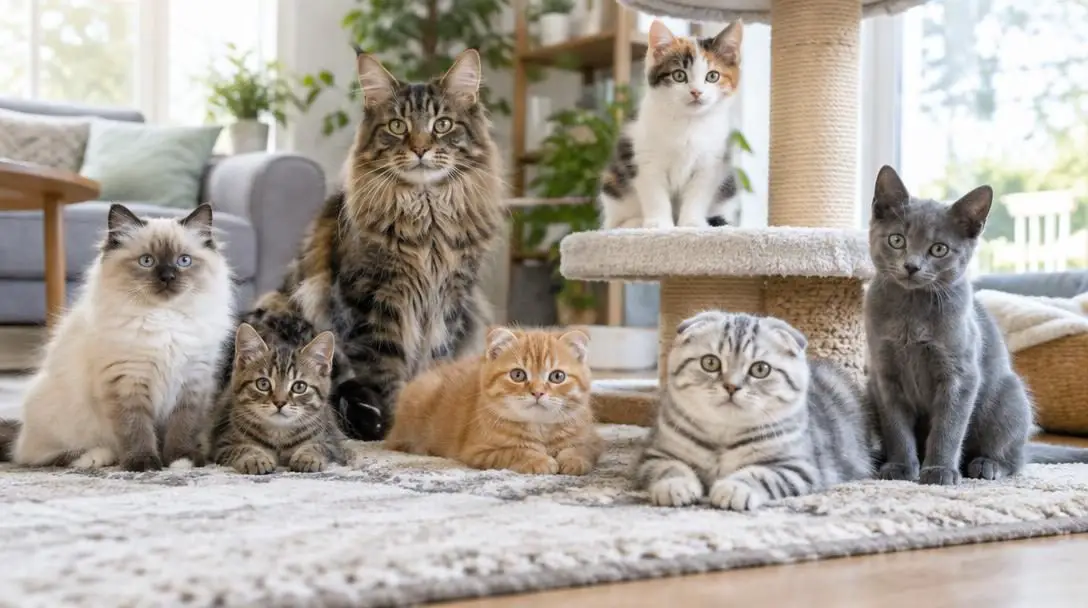
Domestic cats have shared human living spaces for centuries, providing companionship, warmth, and steady amusement. While visual allure is often what first attracts prospective owners, true feline charm stems from the interplay between physical appearance and individual temperament. Whether someone is drawn to an opulent, flowing coat, a curious ear shape, or an affectionate personality, the domestic cat family offers an option tailored to almost every living situation.
Every cat breed carries a unique legacy shaped by historical environment, natural adaptation, and selective breeding. Some breeds evolved to endure harsh northern winters with dense, water-repellent fur, while others emerged from spontaneous genetic traits or purposeful pairings with wild varieties. Understanding the traits that define these remarkable animals helps current and future pet parents appreciate the distinct character and daily needs of their feline companions.
Key takeaways
- Feline appeal depends on a balanced blend of striking visual traits and compatible household temperaments.
- Longhaired breeds require consistent grooming routines to avoid painful matting, while high-energy breeds demand dedicated physical exercise.
- Social breeds such as the Ragdoll and Siamese thrive on close companionship and can suffer from extended solitude.
- Prospective owners must evaluate household dynamics, physical space, and lifestyle demands before choosing a specific breed.
At a glance: comparing the top 10 cutest breeds
Each breed brings a distinctive silhouette, coat texture, and behavioral profile to a household. The table below outlines how these celebrated cats compare across key physical and lifestyle traits.
| Breed | Coat Type | Activity Level | Defining Characteristic |
|---|---|---|---|
| Maine Coon | Long, fluffy | Playful and balanced | Large frame averaging 12 to 15 pounds |
| British Longhair | Plush, luxurious | Calm and dignified | Chubby cheeks and round eyes |
| Ragdoll | Silky, fluffy | Laid-back and gentle | Striking blue eyes and limp flopping habit |
| Scottish Fold | Dense, medium-to-short | Moderately playful | Distinctive curled ears |
| Munchkin | Short or long | Playful and energetic | Shortened legs with kittenish stature |
| Russian Blue | Short, silver-tipped | Politely playful | Naturally upturned smile and silver coat |
| Birman | Luxurious, semi-long | Gentle and affectionate | Deep blue eyes and legendary temple history |
| Persian | Long, opulent | Very calm and docile | Round face and short muzzle |
| Siamese | Short, sleek | Highly active and vocal | Exceptional intelligence and chatty nature |
| Bengal | Short, patterned pelt | Extremely energetic | Wild leopard rosettes and muscular build |
The top 10 cutest cat breeds
From gentle giants to vocal conversationalists, these ten breeds stand out globally for their captivating looks and endearing behaviors.
Maine Coon
- Average weight: 12 to 15 pounds
- Coat texture: Fluffy and heavy
- Temperament: Sweet, friendly, and playful
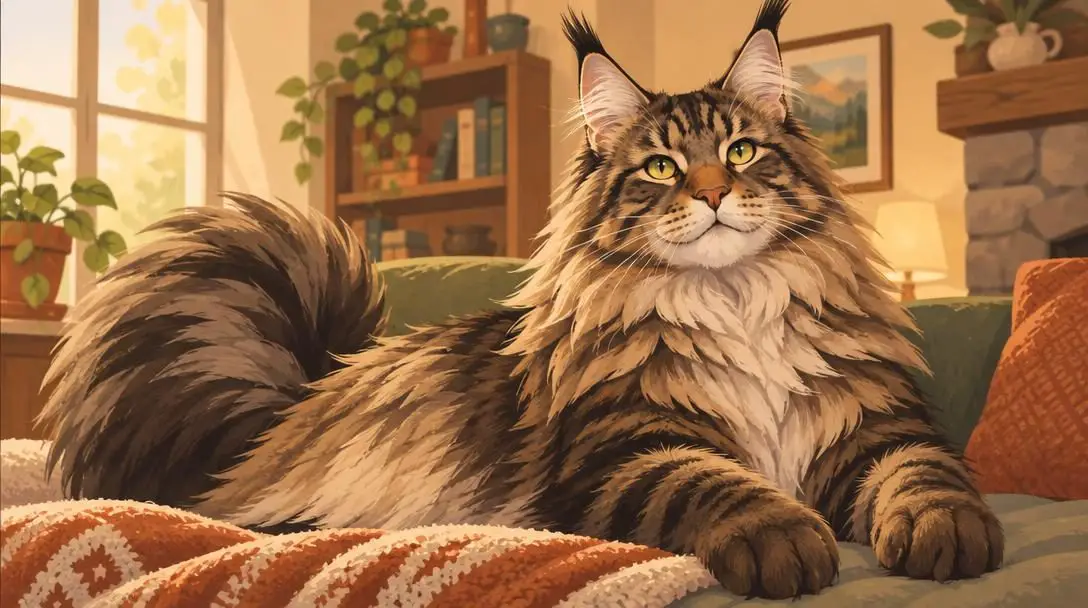
Celebrated as the gentle giant of the domestic feline world, the Maine Coon is renowned for its impressive physical presence and kind nature. Fully mature specimens average around 12 to 15 pounds, sporting substantial frames insulated by heavy, water-resistant fur originally adapted to cold northern climates. Despite their formidable size, their sweet and playful attitude toward life makes them an effortless addition to family households, coexisting peacefully with both adults and children.
British Longhair
- Body build: Stocky and solid
- Facial features: Chubby cheeks and rounded eyes
- Demeanor: Calm, quiet, and dignified
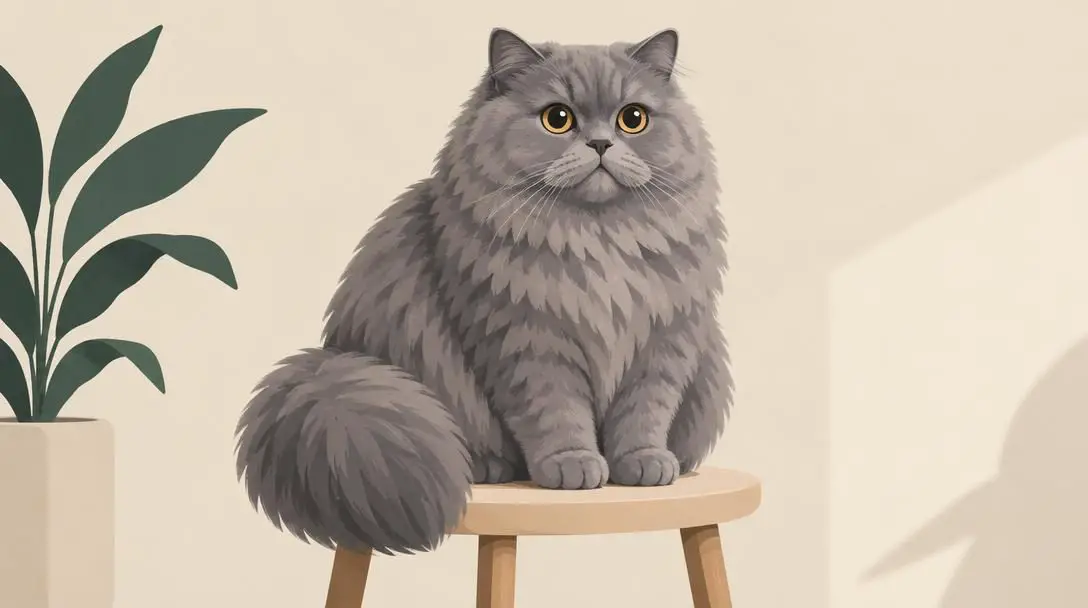
With an adorable face framed by remarkably chubby cheeks and wide, rounded eyes, the British Longhair exudes a stately, plush charm. The breed pairs a dense, stocky build with a luxurious coat that demands regular maintenance to prevent tangles. In the home, these cats maintain a tranquil, quiet presence, offering loyal companionship without creating unnecessary chaos or demanding constant center stage.
Ragdoll
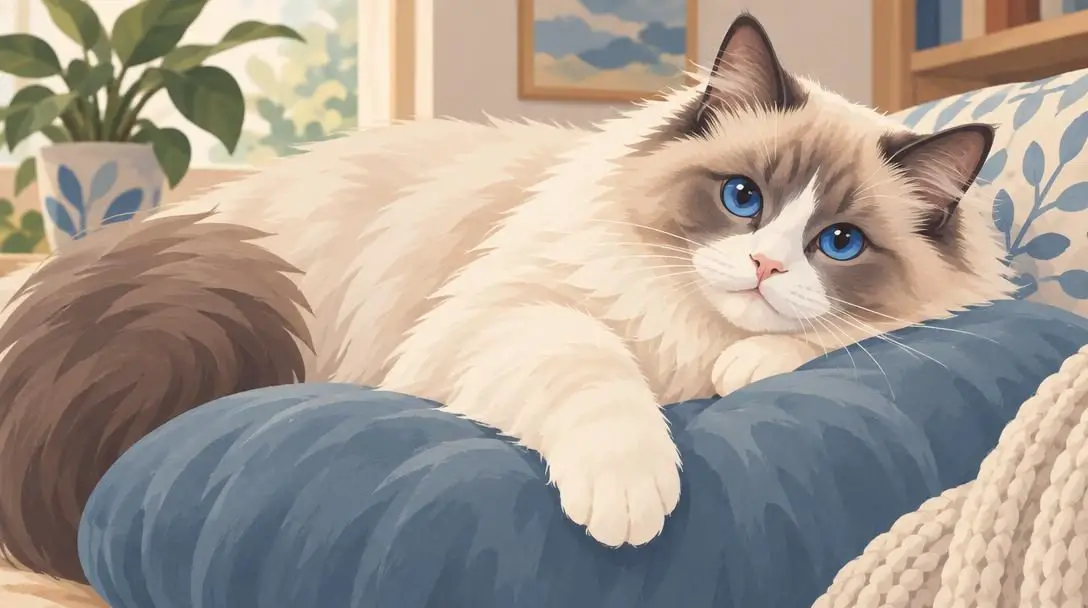
- Eye color: Piercing blue
- Signature habit: Flopping limp when held
- Social nature: Highly affectionate with families and children
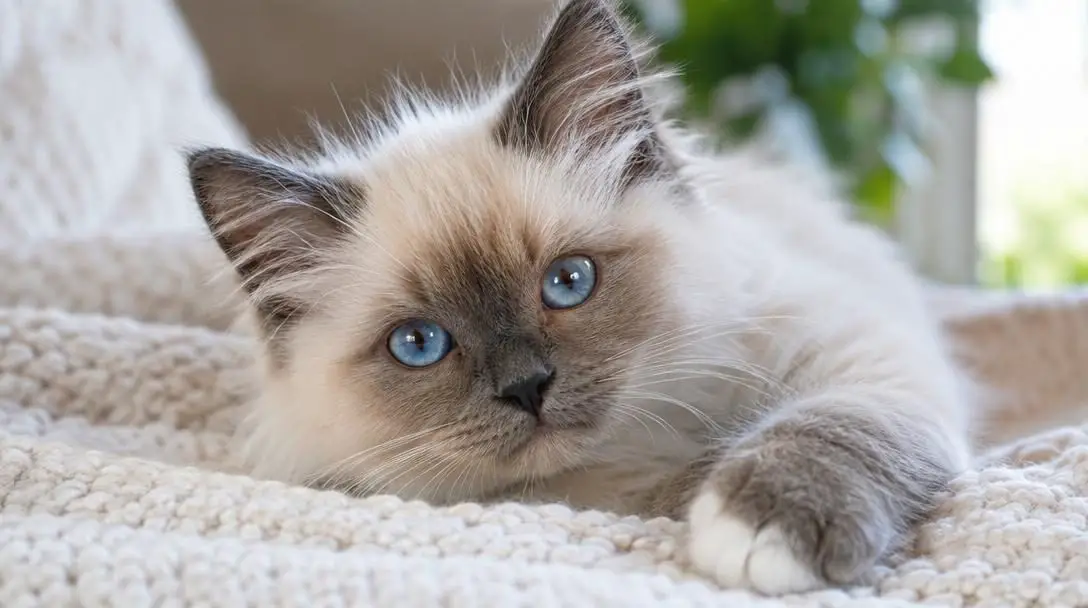
The Ragdoll pairs dramatic visual beauty with an exceptionally sweet disposition. Characterized by its plush, flowing coat and luminous blue eyes, this breed earned its descriptive name from its unique habit of relaxing completely limp in the arms of its owners. Ragdolls are famously gentle and laid-back, thriving on continuous proximity to their human family members and demonstrating notable patience in homes with active children.
Scottish Fold
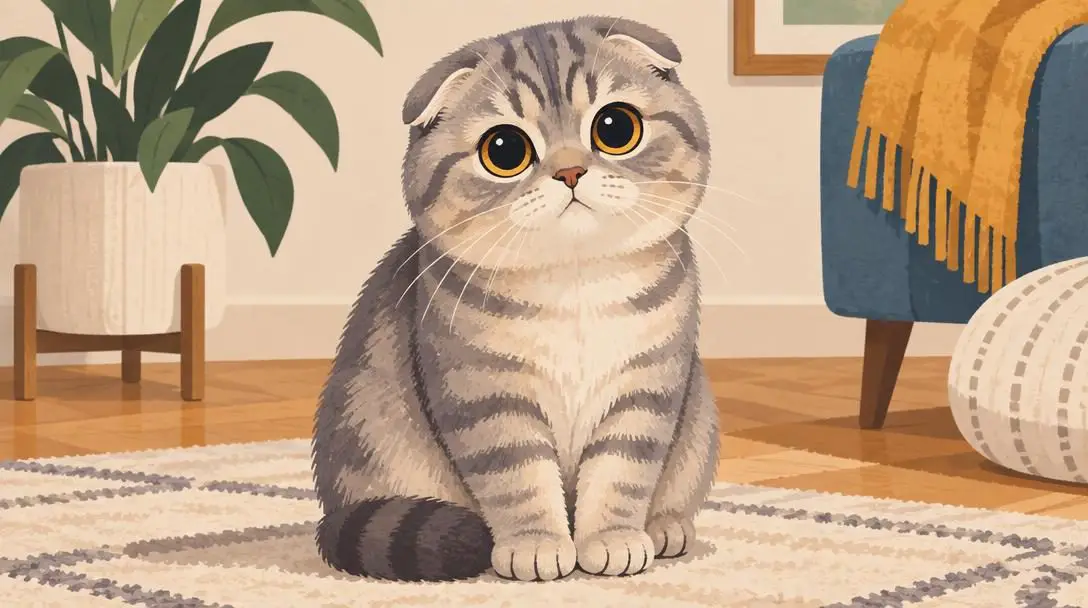
- Ear structure: Curled and folded forward
- Temperament: Calm and undemanding
- Bond style: Deeply devoted to family
The defining visual trademark of the Scottish Fold is its forward-curled ears, which give the head a rounded, owl-like appearance that instantly attracts admirers. This breed possesses an undemanding, peaceful disposition and participates in moderate play without ever becoming overly boisterous. Scottish Folds form close emotional bonds with their primary human caregivers, content to quietly observe household life from a cozy resting spot nearby.
Munchkin
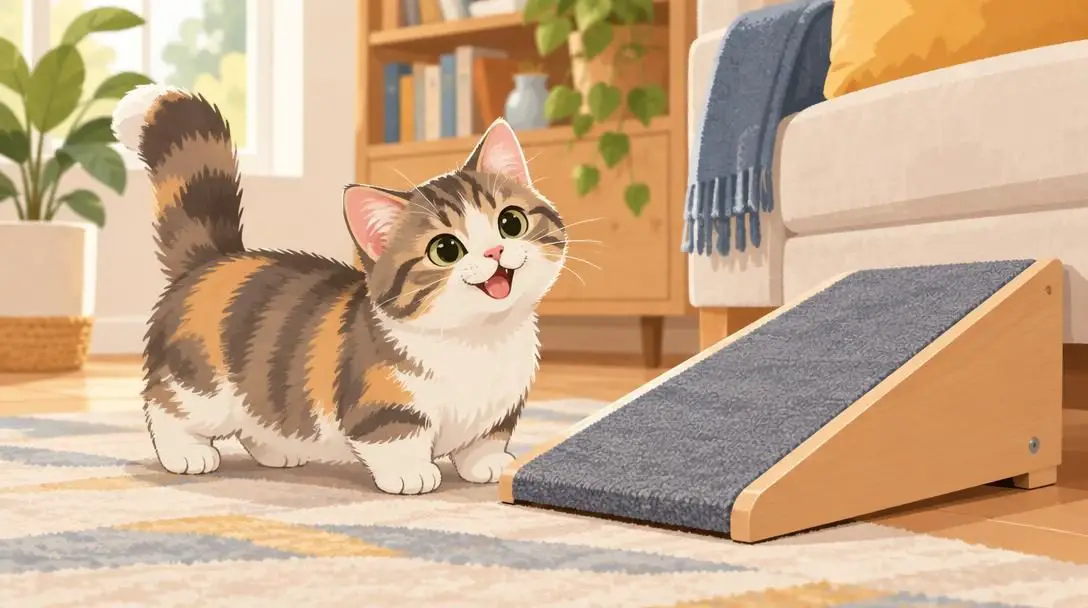
- Stature: Short legs with low ground clearance
- Coat variation: Short or long in diverse patterns
- Energy: Sweet, friendly, and persistently playful
Even in full adulthood, the Munchkin retains a delightful kittenish look due to its shortened legs and low-slung torso. Available in a vast variety of coat lengths and color patterns, these diminutive companions defy their small stature with spirited, friendly personalities. They navigate their surroundings with unexpected agility, charming their families through relentless curiosity and cheerful play.
Russian Blue
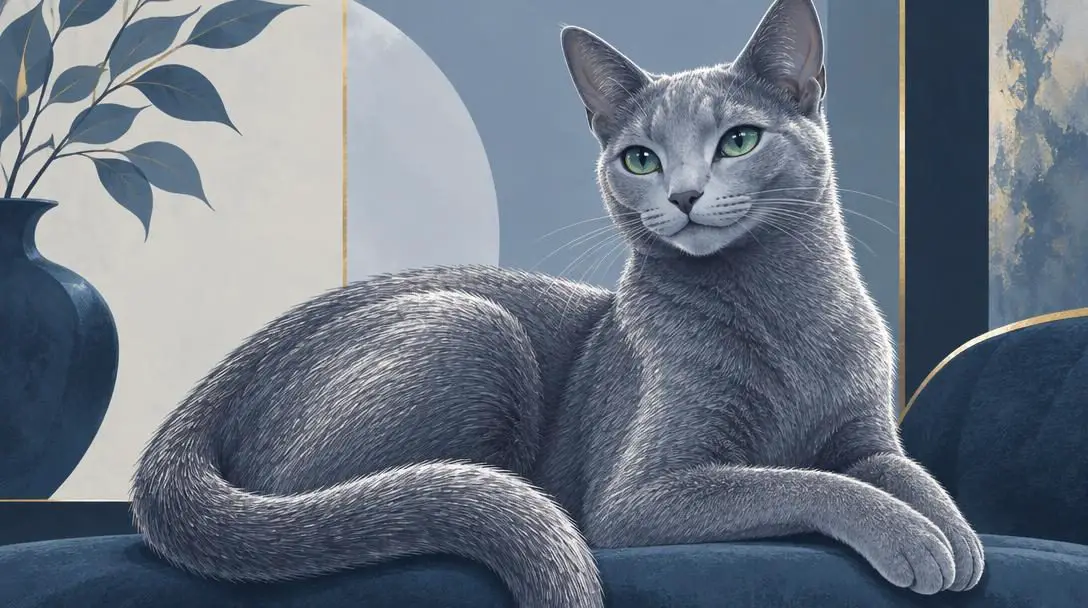
- Coat color: Shimmering silver-blue
- Facial expression: Slightly upturned, smiling mouth
- Activity style: Politely playful and moderately active
The Russian Blue is distinguished by an elegant, shimmering silver coat and a subtle, upturned mouth line that gives it the perpetual appearance of smiling. This enchanting facial structure frequently earns the breed comparisons to Wonderland's iconic Cheshire Cat. Russian Blues are polite, moderately active companions that prefer structured, calm environments, showing deep affection to trusted family members while maintaining a reserved elegance.
Birman
- Alternative name: Sacred Cat of Burma
- Distinguishing marks: Striking blue eyes and pristine white paws
- Disposition: Gentle, playful, and affectionate
Steeped in ancient folklore, the Birman is often called the Sacred Cat of Burma. Legend states that the breed received its sapphire-blue eyes and silk-like coat as a divine reward from a goddess acknowledging a cat's unbroken devotion to a temple priest. Beyond myth, the modern Birman is an exceptionally affectionate, gentle pet that balances calm cuddles with bouts of lighthearted, polite play.
Persian
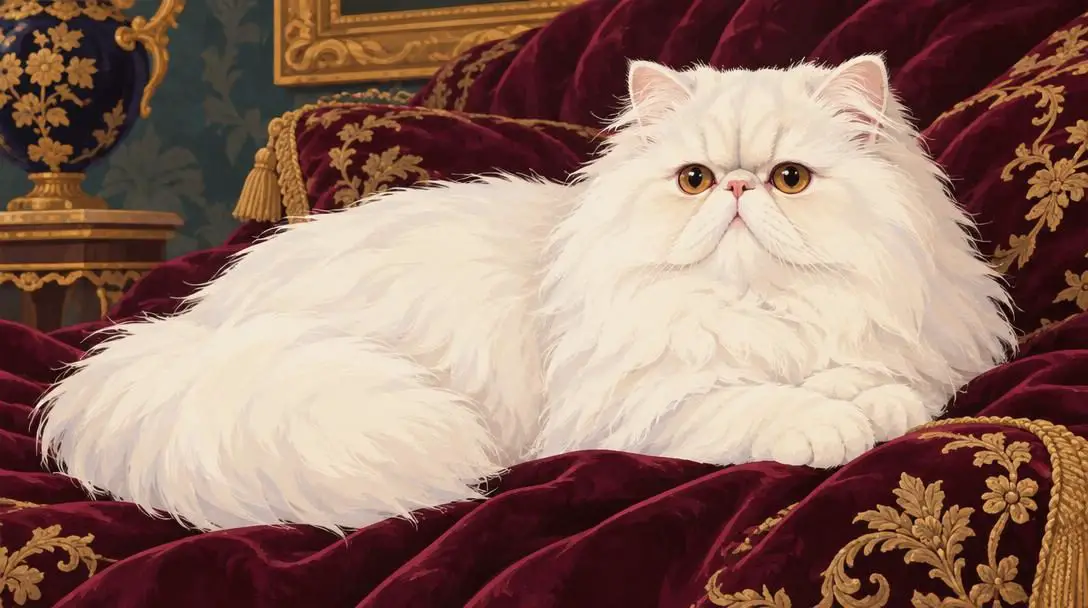
- Facial profile: Flat, round face with short muzzle
- Nicknames: Furniture with fur
- Preferred activity: Prolonged lounging and cuddling
The Persian is instantly identified by its distinctive flat profile, compact muzzle, large round eyes, and heavy, flowing coat. Owing to an intensely docile and quiet disposition, Persians have humorously earned the moniker of furniture with fur, frequently resting motionless in the same sunlit spot for hours at a time. They seek out calm human interaction and love nothing more than being softly brushed and curled up on a lap.
Siamese
- Intellect: Recognized as one of the smartest cat breeds
- Vocal habits: Highly communicative and talkative
- Attachment: Dislikes solitude, craves human presence
Slender, elegant, and expressive, the Siamese is a feline powerhouse of intelligence and vocal personality. Unlike more passive companions, the Siamese insists on participating in every aspect of household life, frequently conversing with its owners using a rich vocabulary of meows and chirps. This breed detests isolation and is at its happiest and healthiest when surrounded by attentive human companions.
Bengal
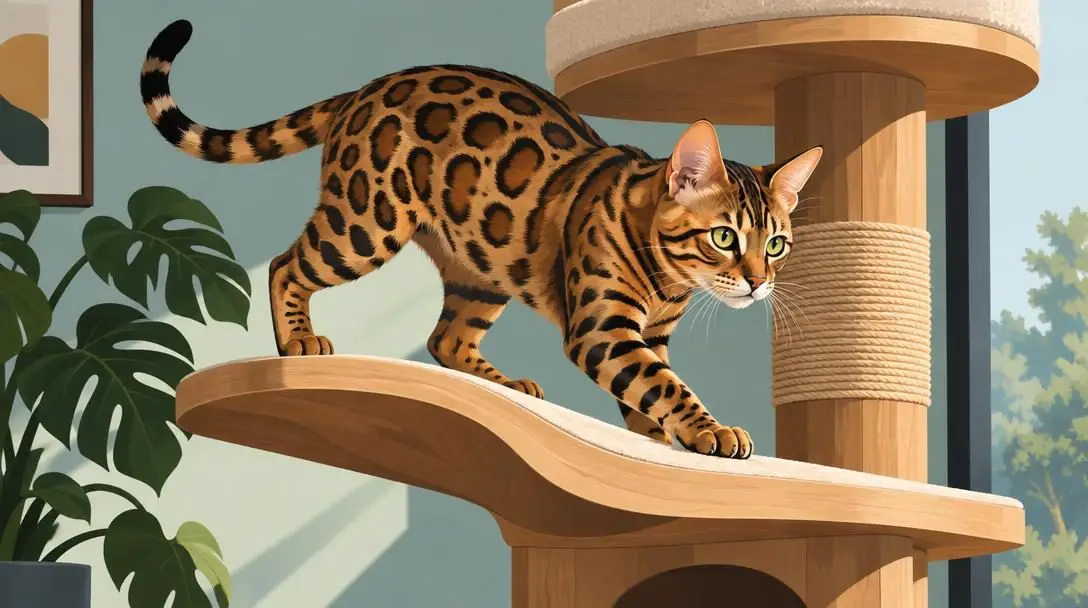
- Ancestry: Hybridized miniature of the wild leopard cat
- Physical build: Muscular, sleek, and larger than average
- Exercise needs: High demands for running, leaping, and mental enrichment
The Bengal brings the untamed beauty of the jungle into domestic living quarters. Bred from the Asian leopard cat, it carries striking rosettes, marbled swirls, and muscular contours reminiscent of a wild predator while possessing domestic affection. Bengals are larger and heavier than typical house cats, driven by relentless curiosity and athletic energy that requires expansive vertical climbing space and frequent interactive games.
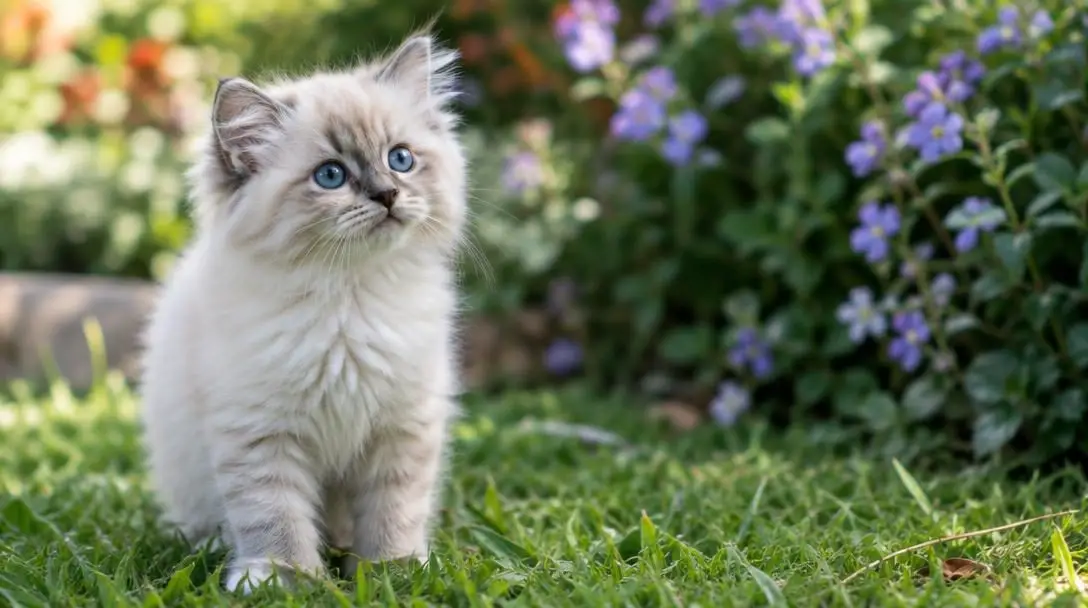
Visual allure catches the eye first, but the interplay between physical appearance and daily demeanor is what truly shapes a cat's lasting charm.
How physical traits and energy levels shape daily care
Sharing a home with a purebred feline involves navigating specific physical demands and behavioral profiles. Coat composition dictates grooming schedules, body size establishes space needs, and activity levels determine the dynamic of your living environment.
Coat management represents a primary lifestyle consideration. Longhaired companions—including the Persian, Maine Coon, British Longhair, Ragdoll, and Birman—shed continuous layers of dense fur that easily trap dust and debris. Without daily human intervention using specialized slicker brushes and metal wide-toothed combs, loose hairs intertwine to form painful mats that pull against the skin. Conversely, shorter-coated felines like the Russian Blue, Siamese, and Bengal shed more lightly and require minimal brushing to keep their sleek coats glossy.
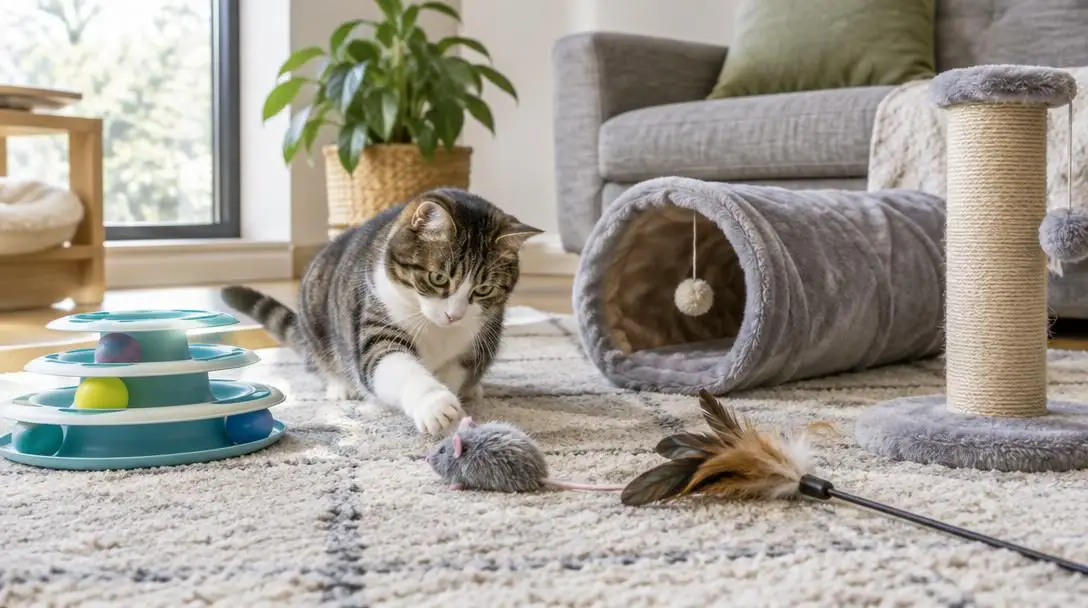
Energy profiles dramatically affect daily household harmony. High-octane breeds like the Bengal require structured exercise, sturdy climbing trees, and food puzzles to satisfy their predatory instincts and burn excess energy. If understimulated, intelligent and athletic cats will invent their own entertainment, which often includes opening cupboards or climbing window blinds. In contrast, placid felines like the Persian or British Longhair are entirely content with soft bedding in quiet corners, requiring only brief bouts of relaxed playtime.
Practical steps for welcoming and caring for your cat
Welcoming a new feline companion into the household requires intentional preparation tailored to the animal's physical build and behavioral tendencies. Follow these structured steps to ensure a smooth transition:
- Procure breed-specific grooming equipment: Obtain metal undercoat rakes and wide-toothed combs for heavy-coated varieties like Maine Coons and Persians, or soft rubber grooming mitts for shorthaired breeds like the Russian Blue.
- Outfit the environment for physical safety: Install vertical climbing towers and extra-sturdy scratching posts for muscular Bengals, while arranging low-incline pet ramps and shallow furniture steps to help low-stature Munchkins navigate beds and sofas safely.
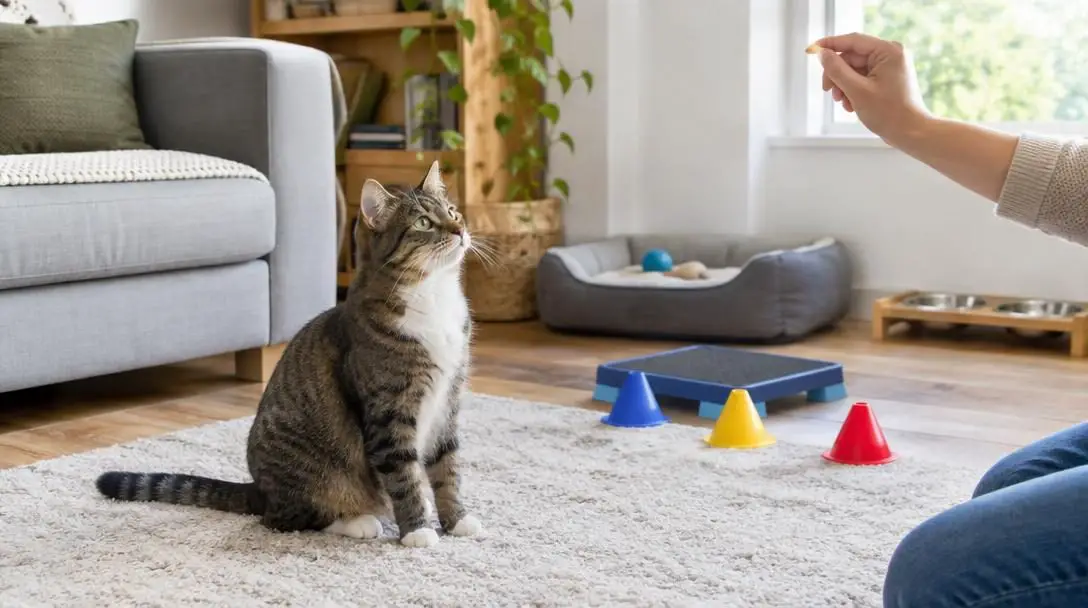
- Establish a dependable daily schedule: Set consistent daily times for feeding, litter box maintenance, grooming sessions, and interactive social play to provide emotional stability for sensitive or people-focused breeds.
- Designate quiet sanctuary zones: Set up cushioned resting spots in low-traffic areas so tranquil, docile cats like the Scottish Fold or Persian can retreat away from household noise and bustling foot traffic.
- Introduce routine mental enrichment: Distribute treat-dispensing toys, hunting wands, and puzzle boxes to keep intellectually curious breeds like the Siamese and Bengal mentally occupied and prevent boredom-induced mischief.
- Secure baseline veterinary care: Schedule an early veterinary examination to evaluate joint health, coat condition, and oral hygiene, establishing a long-term wellness profile aligned with your cat's specific body structure.
Common pitfalls in breed selection and care
Many cat owners encounter unexpected behavioral or physical challenges when household realities do not match a breed's innate characteristics. Avoid these frequent missteps:
- Selecting strictly based on appearance: Adopting an energetic Bengal purely for its exotic leopard patterning without preparing for its demanding exercise needs often leads to frustration and household destruction.
- Underestimating grooming labor: Failing to budget ten to fifteen minutes every day for combing longhaired breeds allows dense fur to tangle into severe, painful felted mats that necessitate veterinary shaving.
- Assuming complete feline independence: Believing all cats prefer solitude is a significant error; highly social breeds like the Ragdoll and Siamese experience profound loneliness and separation distress if left unattended for long stretches.
- Overlooking spatial and equipment scaling: Purchasing standard-sized cat trees, litter pans, and travel carriers for a Maine Coon will prove inadequate once the cat reaches its full 12-to-15-pound adult frame.
- Ignoring mobility boundaries: Forcing short-legged cats like Munchkins to leap down from high surfaces can cause painful joint strain; their home layout must incorporate safe, stepped descents.
Frequently asked questions
Which cute cat breed is best suited for families with young children?
Both the Maine Coon and the Ragdoll are exceptionally well suited for family households with children. Maine Coons are patient, playful gentle giants, while Ragdolls possess a remarkably calm, affectionate disposition and love being carried around by their human companions.
Do all longhaired cat breeds require the same amount of grooming?
While all longhaired breeds require human assistance to manage shedding, their needs vary by coat texture. Dense, flat-faced Persians require intense daily combing to prevent matting and manage facial tears, whereas semi-longhaired breeds like the Birman or Ragdoll have silkier coats that tangle less severely, though they still require frequent weekly maintenance.
Why does the Russian Blue look like it is smiling?
The Russian Blue has a naturally upturned mouth structure that creates a gentle, permanent smiling expression. This charming facial characteristic has earned the breed frequent comparisons to the Cheshire Cat from Alice's Adventures in Wonderland.
Can high-energy breeds like the Bengal thrive in an apartment?
A Bengal can reside in an apartment only if the owner compensates for the restricted footprint by installing abundant vertical climbing shelving, sturdy scratch towers, and puzzle toys, alongside committing to vigorous daily interactive play sessions to burn off energy.
How did the Ragdoll cat breed get its unique name?
The Ragdoll earned its name directly from its characteristic tendency to relax its muscles and flop completely limp in the arms of its owners when picked up, much like a soft cloth ragdoll.
The bottom line
Selecting the ideal feline companion requires looking past immediate physical adorability to assess the lifestyle, activity balance, and grooming needs of each distinct breed. From the serene stillness of the Persian and the dignified presence of the British Longhair to the athletic charisma of the Bengal and the vocal affection of the Siamese, domestic cats present a remarkable spectrum of companionship. By understanding each breed's historical roots, physical structure, and care requirements, prospective pet parents can build a rewarding, mutually joyful relationship that lasts a lifetime.