Top Ten Fun Exercise Ideas For Different Fitness Levels
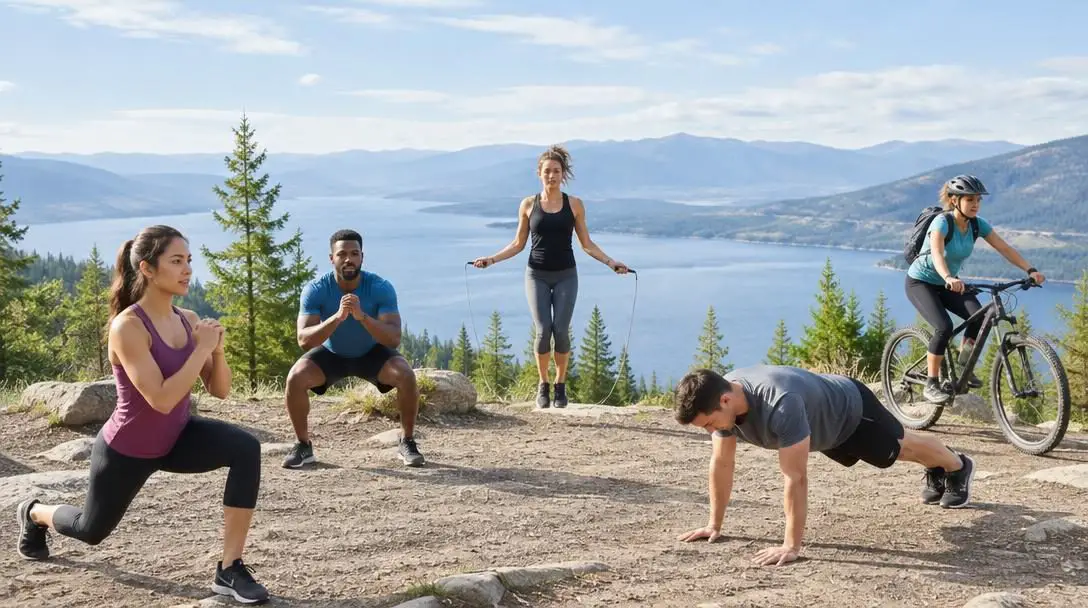
Maintaining consistent physical activity is one of the most critical elements of long-term health, yet countless people struggle to establish a lasting habit. The root issue is simple: exercise often feels like a grueling chore rather than an energizing pursuit. Traditional gym settings, repetitive treadmill miles, and rigid weightlifting routines can quickly become monotonous, intimidating, and difficult to sustain over time.
Achieving meaningful physical fitness does not require expensive gym memberships or structured resistance machines. Human physiology thrives on natural, dynamic movement, and reframing physical activity as play opens up an accessible pathway to sustained well-being. By exploring recreational movements that involve running, jumping, balancing, and cooperative games, individuals across all fitness levels can cultivate strong, resilient bodies while genuinely enjoying the process.
Key takeaways
- Fitness does not depend exclusively on traditional gym equipment, lifting weights, or repetitive stationary cardio sessions.
- Engaging in playful activities promotes multi-directional movement that strengthens joint stability and activates overlooked muscle groups.
- Social exercise formats, such as team games and outdoor outings, enhance motivation and turn physical training into shared recreation.
- Low-impact exercises like walking and swimming offer sustainable, joint-friendly cardiovascular conditioning for participants of any age or fitness background.
- Progressing gradually and matching activities to seasonal shifts helps maintain physical variety and prevents workout burnout.
Moving Beyond the Monotony of Traditional Gym Workouts
When physical conditioning feels like an obligation, fitness resolutions are frequently abandoned within weeks. The human body is designed to move across diverse planes of motion, yet modern fitness culture often confines exercise to linear tracks and isolated muscle sets. Incorporating playful recreation injects spontaneous movement into your weekly routine, keeping both the mind and body engaged.
Recreational physical activity transforms the psychological relationship with exercise. Rather than monitoring an elliptical timer or counting down repetitive sets, participants focus on coordinating movements, reacting to environmental cues, and interacting with others. Whether navigating an outdoor trail, playing a game at the local park, or following an interactive video challenge, the exertion happens organically as a byproduct of having fun.
Human movement takes many forms, and making changes to your exercise routines can help you enjoy the process and make it fun at every level of fitness.
Recreational Exercise Ideas at a Glance
The following overview outlines how various playful physical activities compare across settings, intensity ranges, and physical focus areas.
| Activity | Primary Setting | Intensity Range | Core Benefit |
|---|---|---|---|
| Dance Party | Indoor or Social Venues | Moderate to High | Cardiovascular endurance and rhythm |
| Frisbee | Outdoor Parks | Moderate to Vigorous | Agility, sprints, and hand-eye coordination |
| Rock Climbing | Indoor Climbing Gyms or Outdoors | Moderate to High | Full-body strength and route planning |
| Hiking | Nature Trails and Parks | Low to Vigorous | Lower-body endurance and elevation adaptation |
| Martial Arts | Studio or Dojang | Moderate to Vigorous | Agility, coordination, and practical skill |
| Walking | Neighborhoods or Parks | Low to Moderate | Accessible, low-impact conditioning |
| Swimming | Indoor or Outdoor Pools | Low to Moderate | Zero-impact joint conditioning and endurance |
| Water Balloon Games | Backyards or Parks | Moderate to High | Short-burst sprinting, dodging, and speed |
| Jump Rope | Home or Outdoor Spaces | Moderate to High | Rapid cardiovascular conditioning and timing |
| Workout Video Games | Living Room | Low to High | Interactive digital engagement and coordination |
Ten Engaging Exercise Ideas for Any Fitness Level
Movement should reflect your interests, personality, and physical capabilities. The ten options below range from gentle, restorative activities to vigorous, high-energy challenges that can be customized to match your current conditioning.
Have a Dance Party
Putting on an energetic playlist in your living room or heading out to a social dance floor turns cardio into an expressive celebration. You do not need formal training or refined technique to reap the physical rewards; simply moving your body to the beat elevates your heart rate and exercises muscle groups across your entire body. Bringing friends or family members into the room establishes an energetic, social atmosphere where physical exertion happens effortlessly.
Play with a Frisbee
A simple flying disc can transform a routine afternoon at the park into a rigorous athletic session. Engaging in a fast-paced game of ultimate frisbee with a group of friends demands rapid changes in direction, sharp acceleration, and accurate throwing. If you prefer a casual pace, tossing a disc with children or a pet dog delivers intermittent sprints and continuous movement that challenges your hand-eye coordination and cardiovascular capacity.
Go Rock Climbing
Whether visiting a dedicated indoor climbing gym or venturing onto natural rock formations with experienced guides, climbing delivers an intense full-body challenge. As you pull and press your way up a wall, you rely heavily on your legs, back, shoulders, and core. Beyond raw physical strength, rock climbing demands cognitive focus; you must constantly analyze the wall, plan your route ahead, and solve mechanical movement puzzles under physical tension.
Go for a Hike
Hiking immerses your workout in natural surroundings, offering scenic variety that stationary gym machines cannot match. Walking along dirt paths, forest tracks, or mountain trails exposes your ankles and stabilizer muscles to uneven ground, enhancing balance and spatial control. You can tailor hikes to any baseline fitness level by adjusting duration, taking rest breaks, or seeking out trails with steeper inclines to build lower-body power.
Take Martial Arts Classes
Structured martial arts programs combine rigorous conditioning with practical skill acquisition. A standard class involves dynamic components such as running, jumping, controlled falling, and partner drills. Practicing kicks, blocks, and stances within a structured group setting fosters discipline, elevates cardiovascular health, and refines your balance through progressive, guided movement.
Go for a Walk
Walking is one of the most accessible and sustainable exercises available. A stroll through your neighborhood, a scenic loop through a local park, or an afternoon browsing an outdoor shopping district provides steady aerobic activity with minimal physical barrier to entry. It serves as an ideal platform for catching up with a friend. When you want to elevate your workout intensity, you can pick up your pace or incorporate steep neighborhood hills.
Go Swimming
Aquatic exercise provides continuous resistance across the entire body while supporting your body weight against gravity. Swimming in a local community pool during the summer or an indoor aquatic facility during winter months allows for a smooth, low-impact workout that relieves stress on the hips, knees, and ankles. Its gentle impact profile makes swimming an exceptional exercise choice for older adults, individuals recovering from joint soreness, or anyone seeking a soothing conditioning session.
Play with Water Balloons
Organizing a water balloon war with friends, neighborhood families, or your children injects spontaneous play into your fitness schedule. Participants spend the session sprinting across grass, ducking behind obstacles, pivoting quickly, and launching throws. The game can be organized into structured team battles or played as an open free-for-all, delivering high-intensity interval training disguised as pure entertainment.
Jump Rope
Jumping rope is a time-tested, high-efficiency cardiovascular workout that requires minimal equipment. A personal speed rope offers an intense, quick training session right at home, challenging foot speed, calf strength, and rhythm. Alternatively, using a long jump rope with two friends holding the ends transforms the workout into a cooperative group game that revives childhood playground memories while pushing your aerobic ceiling.
Play Workout Video Games
Interactive gaming consoles have made it possible to turn your living room into an active digital arcade. Programs like Wii Fit, dance performance titles, and motion-tracked virtual games require active physical input, prompting players to duck, jump, step, and balance in real time. Following on-screen routines gamifies physical exertion, motivating you to beat high scores and complete digital challenges without leaving home.
The Physiology of Active Play: How Diverse Movement Benefits the Body
Traditional gym routines often rely on repetitive, single-plane exercises that isolate individual muscle groups. While structured lifting builds localized strength, varied recreational activities recruit the entire body through holistic movement mechanics.

Engaging in diverse forms of play stimulates the body in several foundational ways:
- Dynamic movement patterns: Activities such as ultimate frisbee, martial arts, and water balloon fights force unpredictable changes of direction. Sprinting, stopping suddenly, and dodging engage stabilizing muscles in the hips, ankles, and core that stationary gym equipment often neglects.
- Cognitive engagement: Navigating a rock climbing route requires critical problem-solving under physical effort. Similarly, rhythm-based dance titles and martial arts katas require spatial memory and rapid decision-making, keeping the brain actively engaged.
- Joint-friendly conditioning: Smooth activities like swimming and neighborhood walking deliver continuous aerobic benefits without subjecting connective tissues to high gravitational impact, promoting sustainable, long-term joint health.
- Social accountability: Exercising alongside friends, hiking clubs, or family members transforms movement into a shared social event. Shared laughter and mutual encouragement eliminate the feeling of isolation often felt in crowded gym settings.
Step-by-Step Guide to Launching Your New Routine
Transitioning away from an uninspiring fitness routine toward playful physical movement is simple when broken down into manageable phases.
- Assess your personal interests: Reflect on whether you thrive outdoors in nature or prefer active entertainment indoors. Outdoor enthusiasts may prioritize hiking and park games, while indoor lovers might gravitate toward climbing gyms, pools, or motion video games.
- Evaluate your baseline fitness level: Choose starting activities that respect your current capacity. Beginners benefit from low-impact walking and swimming, whereas individuals with an established athletic base can step directly into martial arts or rigorous trail hikes.
- Prepare your environment and gear: Assemble the necessary essentials before starting. Check that you have proper trail footwear for hiking, clear overhead space for indoor rope jumping, or a nearby pool facility that fits your weekly schedule.
- Invite a companion or group: Recruit friends, family members, or local community clubs to participate. Social activities like water balloon games, ultimate frisbee, and cooperative jump roping rely on collective energy to maximize enjoyment.
- Schedule physical activity like recreation: Add activity sessions to your calendar as recreational events rather than obligatory workouts. Treat a Saturday morning hike or an evening dance session as dedicated leisure time designed for physical renewal.
Common Mistakes That Derail Non-Traditional Workouts
While dynamic, enjoyable physical activities eliminate workout boredom, being mindful of common missteps helps you avoid injury and maintain consistent forward momentum.
- Doing too much too soon: Jumping straight into complex martial arts maneuvers or advanced climbing walls without building baseline endurance invites unnecessary fatigue or muscle strain. Start at a moderate tempo and progress steadily.
- Neglecting safety and clearance: Operating workout video games or jumping rope in crowded indoor spaces can lead to accidents. Always clear coffee tables, rugs, and low-hanging decor before beginning home sessions.
- Overlooking progressive challenge: Sticking to the exact same walking route or casual pace indefinitely can cause your fitness adaptation to plateau. Incorporate rolling hills, quicken your pace, or extend your outdoor distances as your stamina expands.
- Feeling discouraged by skill gaps: Worrying about imperfect dance steps or inaccurate frisbee throws undermines the objective of playful exercise. The physiological benefits stem from moving your body, not from mastering flawless athletic execution.
- Treating active play as less valuable: Believing that exercise only counts when performed on commercial gym machines is counterproductive. Any sustained physical movement that elevates your heart rate and engages your muscles contributes directly to your health.
Adapting and Progressing Over Time
A balanced physical lifestyle embraces flexibility. As your conditioning improves, your routine should evolve to reflect your growing capabilities and changing seasonal conditions.
Varying your physical routine throughout the week prevents repetitive strain and maintains mental enthusiasm. You might schedule an intensive, high-exertion martial arts class or climbing session on one day, followed by a restorative, low-impact swim or scenic neighborhood stroll the next. This rotation allows muscle groups to recover while keeping your active lifestyle continuous.
Seasonal awareness can also breathe new life into your fitness calendar. Take full advantage of warm summer afternoons with neighborhood water balloon matches, outdoor frisbee sessions, and open-air swimming. When winter temperatures drop, shift your energy toward indoor climbing walls, heated swimming pools, jump rope routines, and active home video games. Aligning your exercise choices with your lifestyle ensures that physical fitness remains an enjoyable, permanent habit.
Frequently asked questions
Can fun, alternative exercises replace traditional gym workouts entirely?
Yes. Physical fitness does not require weight machines or treadmills. As long as your chosen activities involve moving around, elevating your heart rate, and engaging your muscles, you will build cardiovascular endurance, muscular tone, and functional mobility.
What are the best low-impact options for beginners or individuals with joint concerns?
Walking and swimming are exceptional choices. Both provide gentle cardiovascular conditioning that minimizes stress on the hips, knees, and ankles, making them sustainable for people of all ages and fitness backgrounds.
How can I make walking more challenging as my endurance improves?
You can easily increase the difficulty of a walk without running by picking up your walking speed, seeking out neighborhood routes with steep hills, or extending the overall duration and distance of your route.
Do I need prior athletic skill to participate in dance or martial arts activities?
No. You do not need to be an accomplished dancer or an experienced athlete to benefit from these workouts. The physical reward comes from moving your body, burning energy, and practicing new movement patterns at your own pace.
How much space do I need for indoor exercises like jumping rope or motion video games?
You need enough clear floor space to step and pivot freely without bumping into furniture, as well as adequate vertical ceiling clearance to swing a jump rope safely over your head without hitting lighting fixtures.
The bottom line
Exercise should never feel like a tedious sentence served in an uninspiring room. By breaking free from rigid gym conventions and embracing active, playful recreation, you can transform physical conditioning into one of the most rewarding parts of your week. Whether you are scaling an indoor rock wall, hiking up a scenic trail, or laughing through a backyard water balloon match, staying active through play ensures that physical health remains a joyful, lifelong journey.