Top 5 Airshows in North America for Aircraft Spotters and Fans
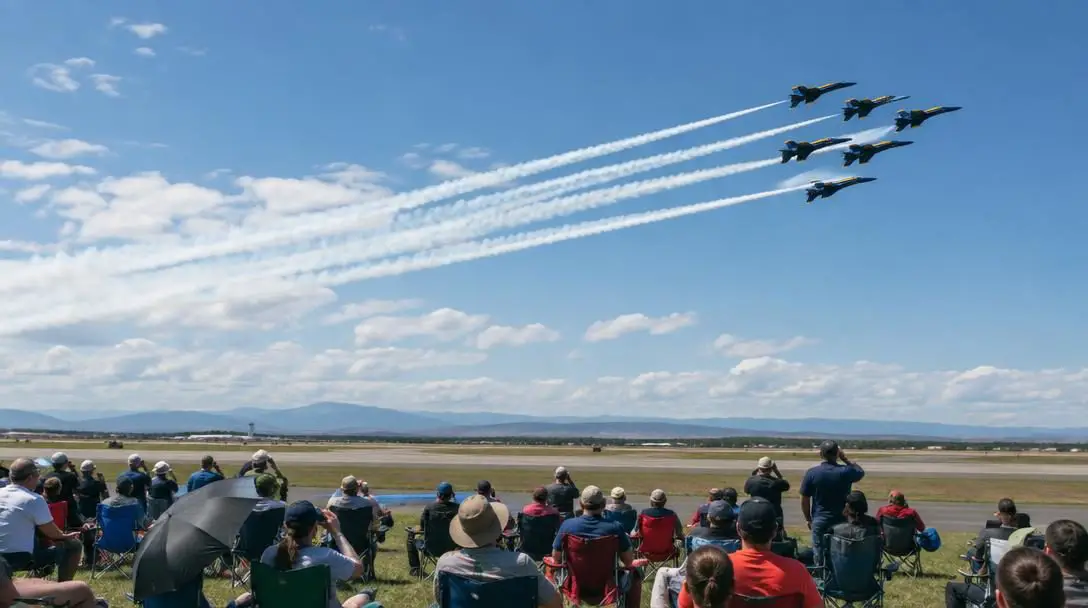
North America boasts an extraordinarily deep aviation heritage, reflected in an annual circuit of world-class airshows that attract millions of aviation enthusiasts, casual families, and dedicated aircraft spotters. From the blistering speed of frontline military jets to the choreographed grace of civilian aerobatic performers, these public spectacles celebrate the technology, skill, and history of flight across skies from the Pacific coast to the Great Lakes.
For aircraft spotters—enthusiasts devoted to tracking individual airframe registrations, rare paint schemes, and operational histories—these events offer unmatched access to machines seldom seen outside restricted military perimeters or private hangars. Whether you want to witness closed-circuit air racing at breakneck speeds or explore rows of vintage warbirds, five signature events represent the highest level of aviation entertainment on the continent.
Key takeaways
- North America hosts some of the world's largest aviation gatherings, drawing crowds ranging from 150,000 to over one million spectators.
- Events vary widely in format, including massive general aviation fly-ins, military base open houses, over-water urban displays, and closed-course pylon racing.
- Successful airshow visits require advanced planning for extreme sun exposure, sound protection, strict military base security rules, and heavy traffic flow.
- Static displays and hands-on technical workshops provide educational and historical value that equals the excitement of active flight lines.
At a Glance: The Top Five North American Airshows
Each premier airshow offers a distinct operational atmosphere, venue setting, and fleet composition. The table below outlines how these signature gatherings compare in scale and primary attractions.
| Airshow | Location | Annual Attendance | Primary Attractions |
|---|---|---|---|
| EAA AirVenture Oshkosh | Oshkosh, Wisconsin | More than 500,000 | Over 10,000 aircraft, vintage warbirds, technical forums |
| Sun ‘n Fun International Fly-In and Expo | Lakeland, Florida | More than 200,000 | General aviation expo, aerobatic acts, military demonstrations |
| Reno Air Races | Reno, Nevada | More than 150,000 | Closed-course circuit racing across Jet, Biplane, and Formula One classes |
| Canadian International Air Show | Toronto, Canada | More than 1,000,000 | Lake Ontario waterfront viewing, Snowbirds, RCAF CF-18 Hornet |
| Miramar Air Show | San Diego, California | More than 500,000 | U.S. Navy Blue Angels, USMC AV-8B Harrier, active military base access |
North America's Premier Aviation Gatherings
While hundreds of municipal airports and military bases open their gates each year, five landmark events stand apart due to their immense scale, historical significance, and diversity of participating aircraft.
EAA AirVenture Oshkosh
- Location: Oshkosh, Wisconsin
- Annual Attendance: More than 500,000 visitors
- Aircraft Count: More than 10,000 aircraft
- Featured Highlights: Vintage warbirds, modern military aircraft, technical forums, and workshops
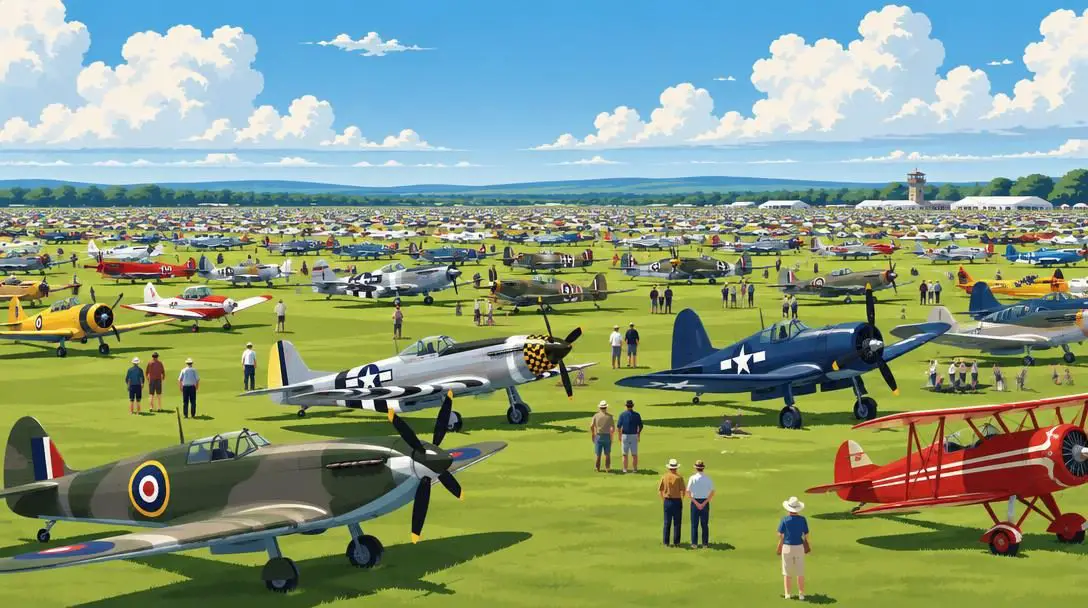
Regarded as the largest airshow in North America, EAA AirVenture Oshkosh transforms Wittman Regional Airport into the busiest airfield on the planet during its week-long run. The gathering welcomes an extraordinary cross-section of the flying community, assembling more than 10,000 aircraft ranging from amateur homebuilts and factory-fresh light sport planes to pristine World War II warbirds and operational military heavy transports.
For dedicated spotters, Oshkosh is an unmatched cataloging opportunity. The sheer density of transient aircraft ensures that rare tail numbers and unique experimental registrations taxi past spectator lines throughout each day. On the ground, attendees can spend hours inside educational workshops, technical forums, and massive exhibition halls showcasing the newest developments in aerospace avionics, flight safety, and airframe construction.
Sun ‘n Fun International Fly-In and Expo

- Location: Lakeland, Florida
- Annual Attendance: More than 200,000 visitors
- Core Audience: General aviation pilots, aerospace students, and flight enthusiasts
- Featured Highlights: Daily flight demonstrations, aerospace expos, and hands-on workshops
Serving as the traditional kickoff to the spring flying season, the Sun ‘n Fun International Fly-In and Expo in Lakeland, Florida, stands as one of the world's premier general aviation events. Drawing over 200,000 attendees, the expo combines a vibrant commercial trade floor with daily afternoon and evening flight demonstrations that bring both high-performance military airframes and precision civilian aerobatic performers into clear view.
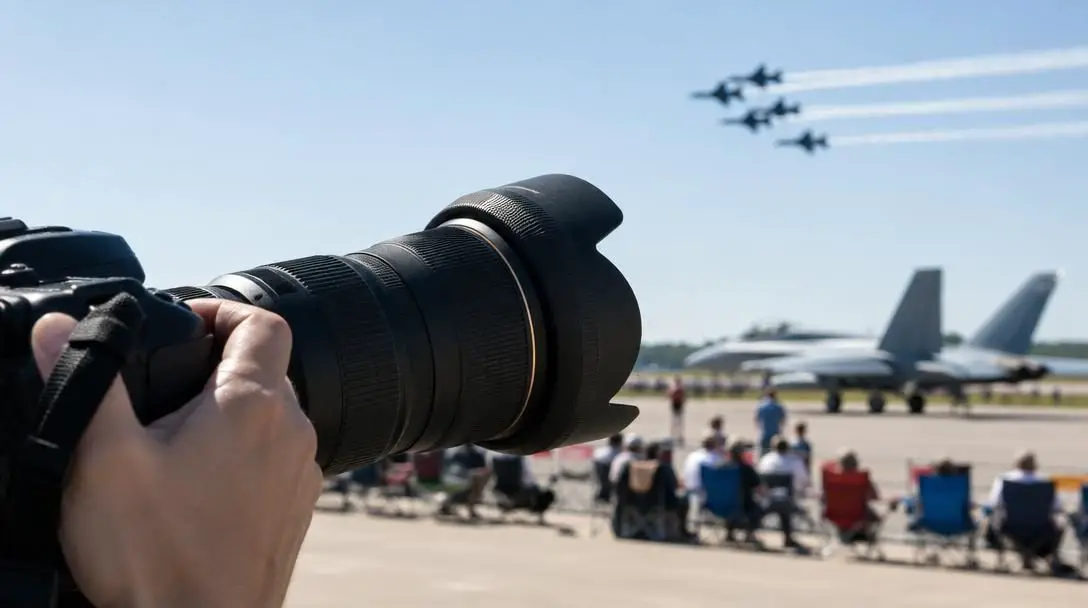
Beyond the high-decibel flying acts, Sun ‘n Fun emphasizes education and technical development. The event grounds are filled with hands-on seminars, maintenance clinics, and forum presentations that give pilots and builders direct access to engineers and equipment manufacturers. It remains a core destination for aircraft spotters seeking clean photographs of private aircraft, flight-training fleets, and historic aircraft taking advantage of central Florida's favorable spring weather.
Reno Air Races

- Location: Reno, Nevada (Reno-Stead Airport)
- Annual Attendance: More than 150,000 visitors
- Competition Classes: Formula One, Biplane, and Jet
- Event Format: Multi-aircraft closed-course pylon racing determined by fastest time
Held at the high-desert Reno-Stead Airport in Nevada, the Reno Air Races deliver an experience completely distinct from conventional aerobatic routines. Rather than solo demonstration routines or formation flybys, Reno pits modified aircraft directly against one another on closed-circuit courses marked by pylons, where victory is decided strictly by the fastest time.
Spectators witness tight heats across several competitive categories, including agile Formula One racers, highly stressed Biplanes, and high-thrust Jet class competitors flying just dozens of feet above the desert floor. The pit areas provide spotters and mechanics an intimate look at extreme airframe modifications, highly tuned propulsion systems, and experimental cooling setups designed specifically for low-altitude speed.
Reno replaces traditional solo aerobatics with high-stakes pylon competition, pushing specialized airframes to their absolute aerodynamic limits over the desert terrain.
Canadian International Air Show

- Location: Toronto, Canada
- Annual Attendance: More than 1,000,000 visitors
- Event Timing: Canadian Labour Day weekend
- Signature Performers: Canadian Forces Snowbirds and Royal Canadian Air Force CF-18 Hornet
Staged annually over the Canadian Labour Day weekend, the Canadian International Air Show provides an expansive over-water demonstration against the skyline of downtown Toronto. Drawing more than one million onlookers along the waterfront of Lake Ontario, it ranks among the most heavily attended public spectator events in North America.
Because the performance box sits directly over open water, crowds along the shore enjoy panoramic, unobstructed views of high-g maneuvers, vapour cones, and tight formation routines. Headline performers regularly feature national pride demonstrations, including the precision nine-jet formations of the Canadian Forces Snowbirds and dynamic solo tactical passes by the Royal Canadian Air Force CF-18 Hornet.
Miramar Air Show
- Location: San Diego, California (MCAS Miramar)
- Annual Attendance: More than 500,000 visitors
- Host Installation: Marine Corps Air Station Miramar
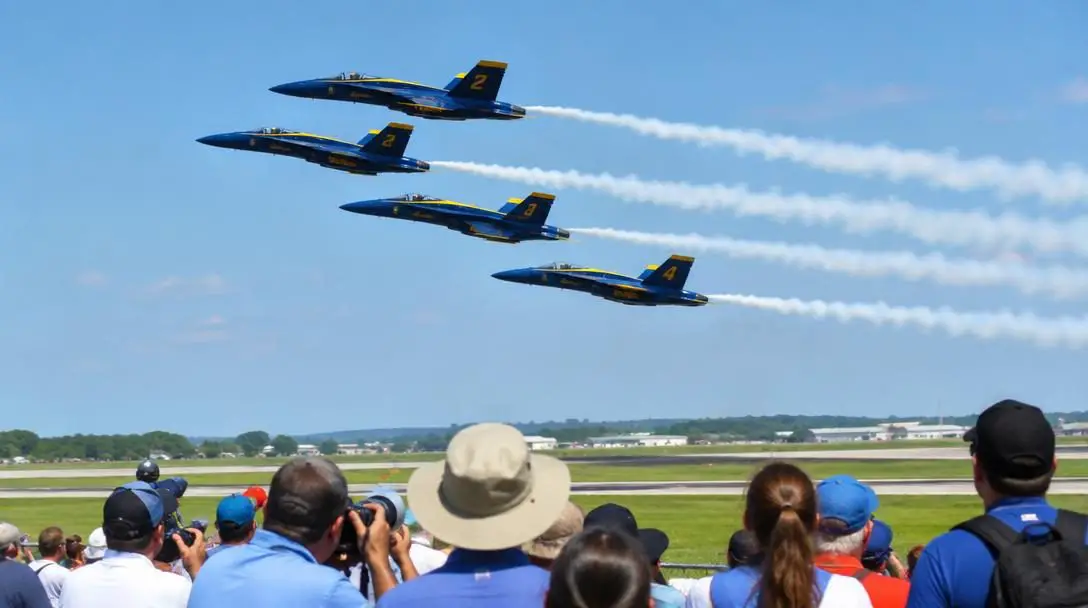
- Signature Demonstrations: U.S. Navy Blue Angels and U.S. Marine Corps AV-8B Harrier
Staged at historic Marine Corps Air Station Miramar in Southern California, the Miramar Air Show is one of the premier military open houses in the world. The three-day event welcomes more than 500,000 visitors onto an active military installation, offering an up-close perspective on carrier-capable naval aviation, Marine strike packages, and strategic transport assets.
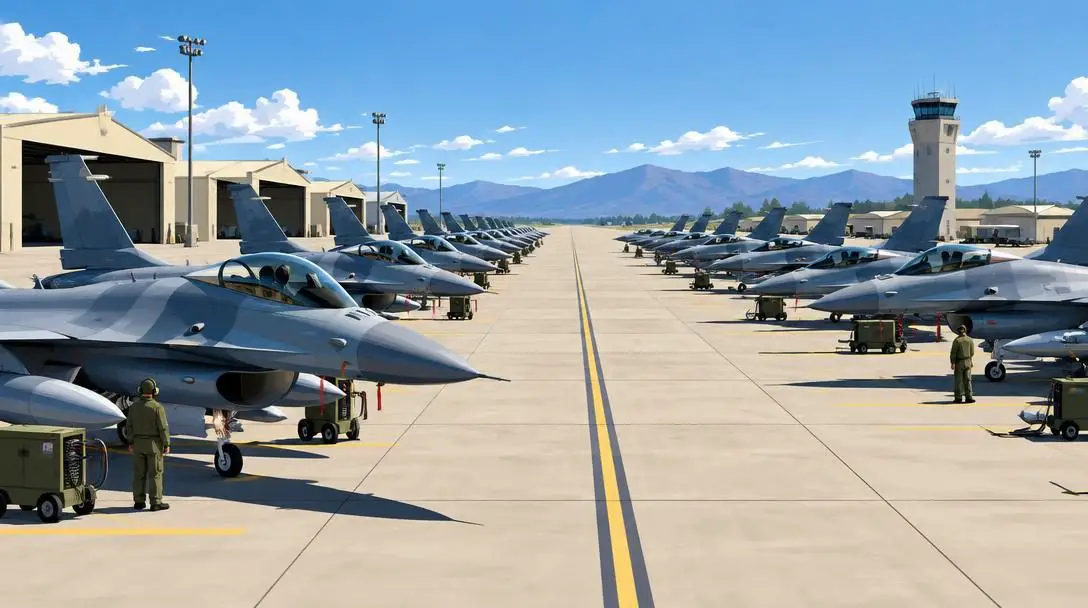
The aerial schedule is anchored by world-famous demonstration units, including the precision flight demonstrations of the U.S. Navy Blue Angels and the hovering capabilities of the U.S. Marine Corps AV-8B Harrier. Surrounding the active runway, massive concrete tarmacs host expansive static displays of frontline tactical fighters, tilt-rotor transports, attack helicopters, and ground support hardware, with military flight crews available to explain airframe systems directly to visitors.
How Large-Scale Airshows Function Behind the Scenes
Managing an event that hosts hundreds of thousands of guests alongside high-performance jet aircraft demands exact coordination between military flight controllers, civil aviation agencies, and emergency personnel. Major airshows divide their operational environment into two fundamental sectors:
The static display area gives spectators close access to grounded machines. Here, aircraft are parked along designated taxiways, separated from foot traffic by safety stanchions. For aircraft spotters, this environment is essential for logging manufacturer serial plates, inspecting unusual weapon pylons or sensor pods, and photographing nose art in clear lighting without motion blur.
The active flight line and aerobatic box represents the strictly governed airspace where high-speed routines take place. Civilian and military flight operations are managed from the ground by an air boss, who maintains constant radio communication with pilots to orchestrate flight times, manage wake turbulence intervals, and enforce temporary flight restrictions. This operational discipline ensures that non-participating aircraft are safely routed away from the airfield while display pilots fly at the limits of their aircraft envelopes.
Step-by-Step Preparation for Airshow Attendees
A successful trip to an airshow requires deliberate logistical planning, particularly given the extended hours spent outdoors on concrete flight lines with little natural shade. Follow these practical steps to ensure a productive and comfortable day on the tarmac:
- Secure lodging and transport reservations well in advance: With premier shows drawing hundreds of thousands of guests, regional hotels, rental vehicles, and campsite spaces routinely sell out months before gates open. Book your accommodations early and evaluate upgraded ticket options, such as reserved flight-line seating, which can secure clear sightlines for photography.
- Assemble essential sun and hearing protection: Tarmac environments radiate intense heat and offer no shade. Pack broad-spectrum sunscreen, wide-brimmed headwear, and breathable clothing. Reliable ear protection, such as industrial earmuffs or high-grade foam earplugs, is critical when multi-engine military jets perform high-power afterburner passes close to spectator barriers.
- Prepare appropriate spotting and photographic equipment: Ensure your gear includes telephoto lenses capable of capturing aircraft high inside the aerobatic box, along with wider zoom lenses for ground static lines. Bring multiple high-capacity memory cards and spare batteries, as continuous high-speed shooting and hot ambient temperatures deplete camera power rapidly.
- Arrive at the airfield gates before morning opening: Entering the grounds as soon as gates open allows spotters to photograph static aircraft before massive crowds cluster around cockpits. Early arrival also guarantees choice positioning along the flight-line barrier for tracking taxiing aircraft.
- Organize your daily itinerary around key flight blocks: Review the official demonstration schedule upon arrival. Schedule visits to indoor vendor pavilions, educational forums, and maintenance workshops during midday transition periods so you remain positioned along the flight fence when headlining aerobatic or jet teams take to the sky.
Critical Pitfalls to Avoid on the Flight Line
Navigating massive airshow crowds and sprawling military or civilian airfields can prove exhausting without proper foresight. Keep these common missteps in mind when preparing for your trip:
- Underestimating severe dehydration: Walking miles across exposed asphalt quickly drains physical stamina. Long lines at concession booths can cause you to miss key aerial displays, so carry refillable water containers and hydrate consistently throughout the morning and afternoon.
- Neglecting ear safety for young children: Modern jet engines produce sound pressure levels that can cause pain and hearing distress in small children. Arriving without dedicated child-sized earmuffs can cut a family outing short within minutes of the first afterburner pass.
- Attempting to bring prohibited items onto active military bases: Installations like MCAS Miramar maintain rigid security perimeters. Backpacks, oversized coolers, and certain optical support gear may be restricted or subject to hand inspection at the gate. Check published base guidelines beforehand to avoid confiscation or denied entry.
- Ignoring static displays and educational forums: Focusing exclusively on the flight line overlooks half the value of premier events like Oshkosh and Sun ‘n Fun. Skipping the maintenance workshops, flight-safety lectures, and historical display lines means missing close contact with legendary airframes and aerospace innovators.
- Rushing to vehicle exits immediately after the final flight: Tens of thousands of vehicles attempting to leave airfield parking lots simultaneously produces massive bottlenecks. Lingering on the static line to let parking congestion clear offers a much more relaxed conclusion to the day.
Frequently asked questions
Which North American airshow draws the largest crowd?
The Canadian International Air Show in Toronto attracts the largest crowd, drawing more than one million spectators annually along the shores of Lake Ontario over the Canadian Labour Day weekend.
What makes the Reno Air Races different from standard airshows?
Unlike standard airshows that feature solo aerobatic routines or military demonstration teams, the Reno Air Races feature closed-circuit competition where multiple aircraft race around pylons simultaneously, with winners determined by the fastest recorded time across classes like Jet, Biplane, and Formula One.
Why is EAA AirVenture Oshkosh considered the best event for aircraft spotters?
Oshkosh hosts more than 10,000 aircraft during its event week, offering aircraft spotters the densest gathering of historic warbirds, homebuilts, experimental airframes, and modern military transports anywhere in North America.
What major demonstration teams can visitors see at the Miramar Air Show?
The Miramar Air Show regularly showcases premier military demonstration acts, including the U.S. Navy Blue Angels precision aerobatics team and the vertical takeoff and hovering demonstrations of the U.S. Marine Corps AV-8B Harrier.
Are non-aviation activities available at major fly-in expos like Sun ‘n Fun?
Yes. Major fly-ins like Sun ‘n Fun feature extensive technical workshops, hands-on mechanical seminars, aerospace forums, and vendor expos that allow visitors to learn aircraft building, maintenance techniques, and aviation safety skills.
The Bottom Line
Whether your goal is documenting rare aircraft tail numbers, learning composite construction techniques at a technical workshop, or feeling the rumble of military jet power, North America's airshow circuit delivers an unparalleled celebration of aviation achievement. Aligning your destination with your personal aviation passions—from the competitive air racing of Reno to the massive warbird and civilian flight lines of Oshkosh—ensures an unforgettable view from the tarmac fence.