Top 5 Most Epic Moments in Bleach Manga History
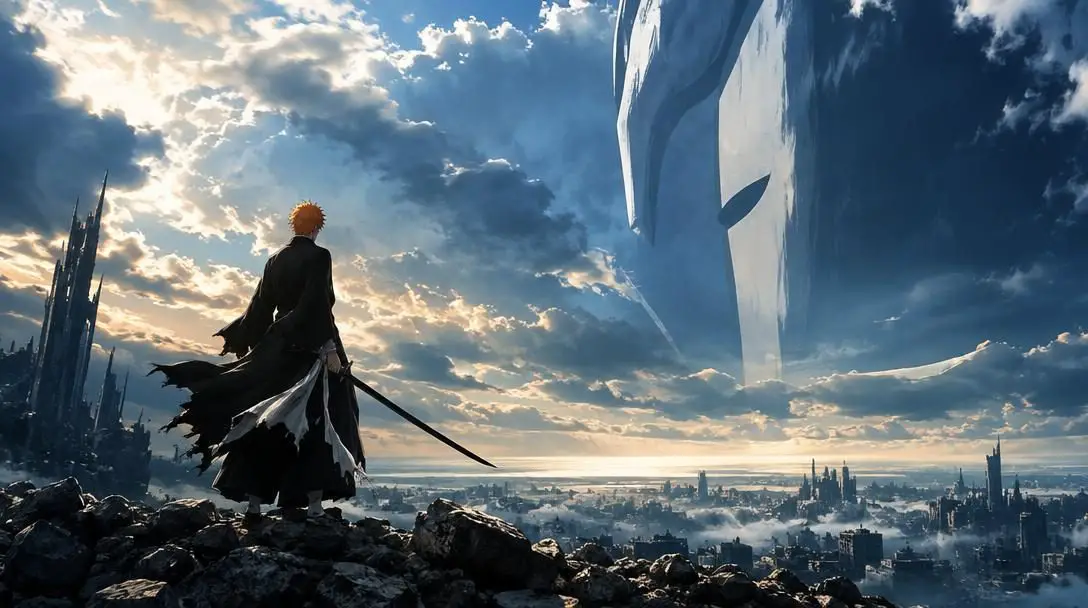
Few franchises in the history of serialized Japanese manga have captured the imagination of readers worldwide quite like Bleach. Across hundreds of chapters, the series combines intricate storytelling, an expansive ensemble of warriors, and high-octane spiritual warfare to produce some of the medium's most unforgettable confrontations. At the heart of the narrative is Ichigo Kurosaki, a young hero who unexpectedly obtains the powers of a Soul Reaper and assumes the solemn duty of protecting both the living world and the afterlife from monstrous spiritual beings called Hollows.
As Ichigo is drawn deeper into supernatural conflicts, he must navigate treacherous political factions, rogue comrades, and ruthless adversaries. Central to the drama are Zanpakuto—special spiritual swords that unlock progressive tiers of destructive ability. These evolving blades do more than escalate the combat; they mark key emotional and narrative turning points for every combatant involved. Among the sprawling story arcs, several monumental set pieces stand out for permanently reshaping the series' power balance and leaving an indelible mark on shonen manga history.
Key takeaways
- The clash between Ichigo Kurosaki and Sosuke Aizen represents the ultimate culmination of the series' core conflict, ending with the game-changing attack known as Mugetsu.
- Kenpachi Zaraki's brutal showdown with Nnoitra Gilga serves as a definitive showcase of raw endurance, culminating in Kenpachi unleashing his Bankai for the first time.
- Ulquiorra Cifer stunned readers by unveiling Segunda Etapa, an unprecedented second tier of resurrection that elevated the stakes in Hueco Mundo.
- Genryusai Shigekuni Yamamoto-Genryusai's long-anticipated Bankai reveal against Juha Bach brought unmatched devastation to the battlefield after hundreds of chapters of mystery.
- Ichigo's terrifying metamorphosis into a Hollow during his battle with Ulquiorra altered the psychological tone of the story by exploring the dangers of unchecked spiritual power.
The Lore and Tactical Depth Behind Bleach's Clashes
To fully grasp why the high points of Bleach resonate so strongly, one must understand the spiritual ecosystem that author Tite Kubo constructed. The universe is defined by a delicate balance between the human realm, the Soul Society where Soul Reapers govern departed spirits, and Hueco Mundo, the desolate wasteland inhabited by Hollows. Characters harness spiritual energy to wage war, focusing their latent strength through their Zanpakuto. As wielders deepen their connection with their blades, they transition from initial release states into devastating final releases that fundamentally reshape the tactical environment.
Because spiritual abilities in the series reflect the inner soul of the wielder, battles are rarely simple contests of physical might. Instead, they serve as extensions of character ideology, personal trauma, and moral convictions. Whether resolving long-simmering grudges between masterminds or testing the raw willpower of two berserkers, every climactic duel tests the limits of what a combatant is willing to sacrifice in pursuit of victory.
At a Glance: Bleach's Top 5 Manga Set Pieces
Each of the top moments represents a distinct type of conflict, ranging from calculated showdowns against long-standing villains to visceral, unrestrained brawls. The following table provides an overview of the pivotal encounters that defined the manga's run.
| Moment | Key Combatants | Defining Ability or Form | Narrative Significance |
|---|---|---|---|
| Ichigo vs. Aizen | Ichigo Kurosaki and Sosuke Aizen | Mugetsu | The downfall of the central mastermind behind the series' overarching conspiracies. |
| Kenpachi vs. Nnoitra | Kenpachi Zaraki and Nnoitra Gilga | Bankai | A primal duel of sheer physical might and indomitable endurance. |
| Ulquiorra's Resurrection | Ulquiorra Cifer and Ichigo Kurosaki | Segunda Etapa | A shocking escalation in power that dismantled reader expectations. |
| Yamamoto's Bankai | Genryusai Shigekuni Yamamoto-Genryusai and Juha Bach | Bankai | The destructive display of the Soul Reapers' elder leader after prolonged anticipation. |
| Ichigo Becomes a Hollow | Ichigo Kurosaki and Ulquiorra Cifer | Monstrous Hollow Transformation | A harrowing loss of humanity that turned the tide of a seemingly unwinnable fight. |
Ranking the Top 5 Most Epic Moments in Bleach Manga History
From hundreds of chapters of intense swordplay and metaphysical stakes, these five scenes stand out as the definitive milestones of the entire publication.
Ichigo vs. Aizen
- Combatants: Ichigo Kurosaki vs. Sosuke Aizen
- Key technique: Mugetsu
- Narrative weight: Resolution of the central mastermind's conspiracy
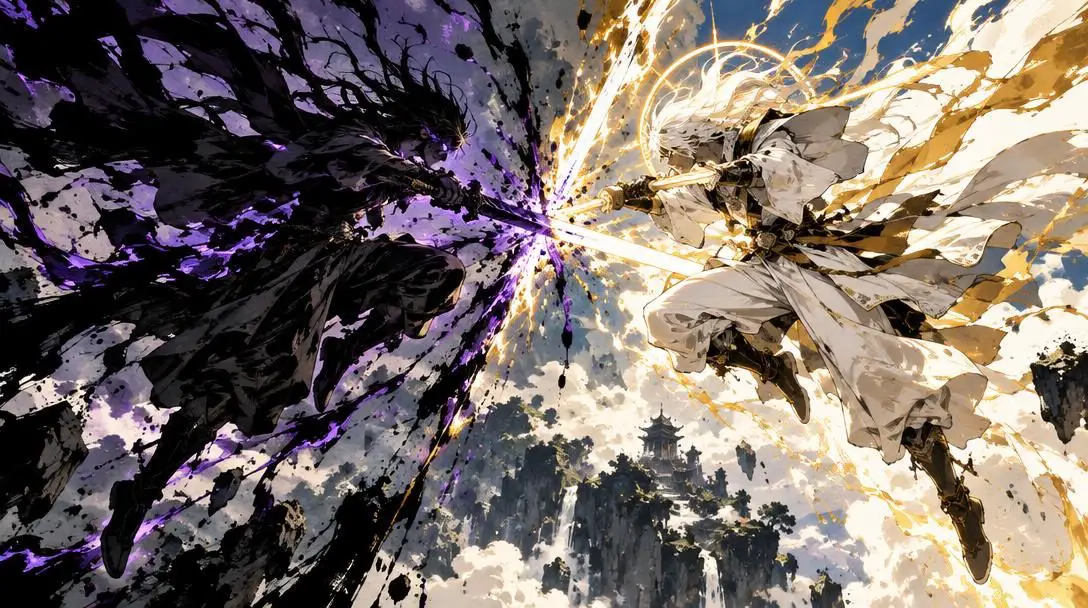
Few confrontations in shonen manga carry the historical weight of Ichigo Kurosaki's duel against Sosuke Aizen. For vast stretches of the narrative, Aizen operated from the shadows, orchestrating complex political upheavals, manipulating friend and foe alike, and asserting himself as the paramount mastermind of the series. When the two finally crossed blades, their battle stretched across multiple chapters as both warriors pushed past conventional mortal and spiritual thresholds.
The sequence peaked in one of the most memorable climaxes ever drafted, as Ichigo unleashed his ultimate attack, Mugetsu. Embodying an overwhelming flood of pitch-black spiritual force, this devastating technique neutralized Aizen's supposedly invincible ascension. The encounter permanently altered the trajectory of the series, demonstrating the staggering cost of absolute power while delivering on hundreds of chapters of narrative buildup.
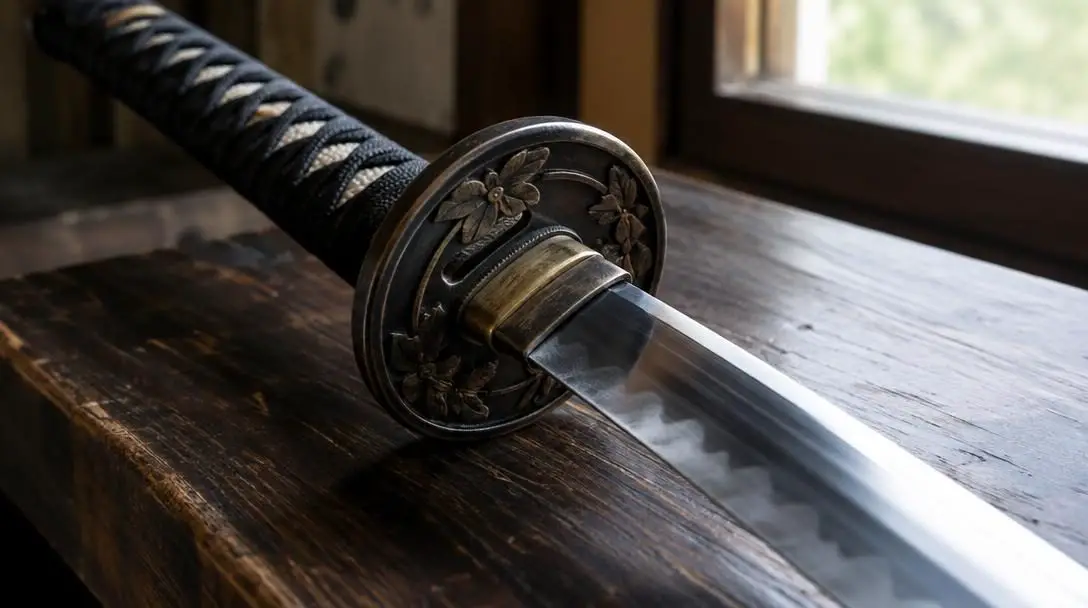
Kenpachi vs. Nnoitra
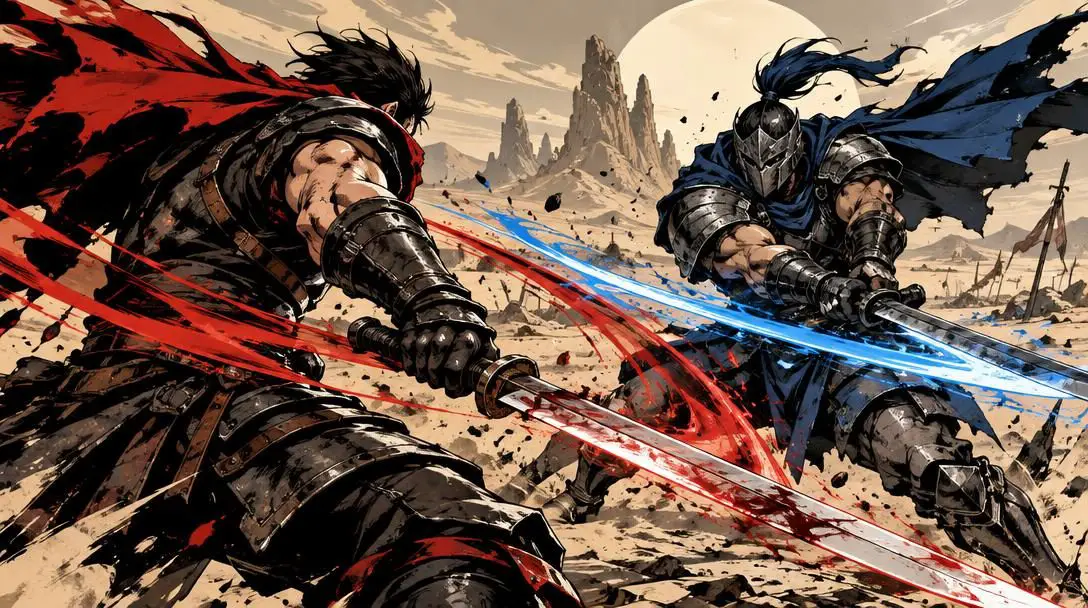
- Combatants: Kenpachi Zaraki vs. Nnoitra Gilga
- Key milestone: Kenpachi's Bankai debut
- Battle style: Unrelenting physical endurance and raw power
Kenpachi Zaraki has long stood apart as one of the most terrifyingly potent combatants in the Soul Society, relying on instincts and raw spiritual density rather than elaborate tactical deception. His duel against the ruthless Espada Nnoitra Gilga stripped away all pretense of finesse, devolving into a savage, blood-soaked trial of stamina and pain tolerance. Both fighters refused to yield an inch, trading blows that pulverized the surrounding desert terrain.
The turning point of this brutal encounter arrived when Kenpachi finally dug deep into his reserves, emerging victorious by unleashing his Bankai for the first time. For an audience accustomed to Kenpachi overpowering enemies through unreleased brute strength alone, seeing him call upon this monumental state delivered a thrilling, cathartic finale that solidified his reputation as an unstoppable force.
Ulquiorra’s Resurrection
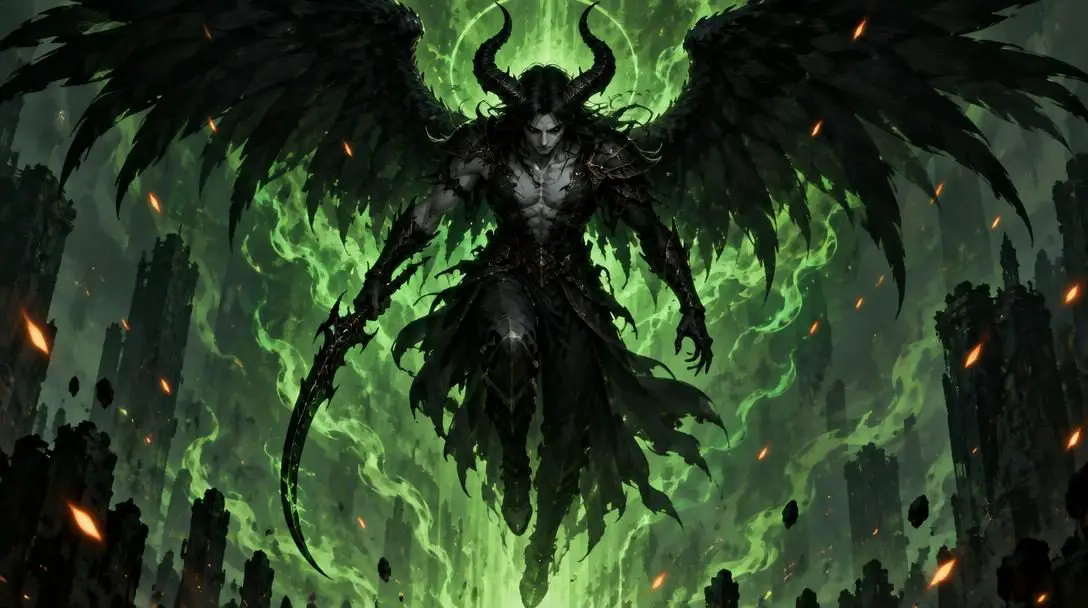
- Character: Ulquiorra Cifer
- Transformation name: Segunda Etapa
- Strategic impact: Total subversion of the established Espada power ceiling
Throughout the Arrancar saga, Ulquiorra Cifer established himself as a cold, calculating, and seemingly detached antagonist. His initial confrontations with Ichigo had already demonstrated an unnerving superiority in speed and spiritual pressure. However, after seemingly falling at Ichigo's hands during their clash atop the canopy of Las Noches, Ulquiorra shattered all conventional understanding of Arrancar capabilities by returning in a brand-new form known as Segunda Etapa.
This unprecedented second-tier resurrection elevated Ulquiorra far above any enemy Ichigo had previously encountered. Featuring demonic leathery wings, long curved horns, and an aura of pitch-black spiritual pressure, the visual presentation signaled an insurmountable gulf in ability. The sudden reveal subverted standard battle expectations, leaving readers genuinely uncertain of how the protagonist could survive such overwhelming malice.
Yamamoto’s Bankai
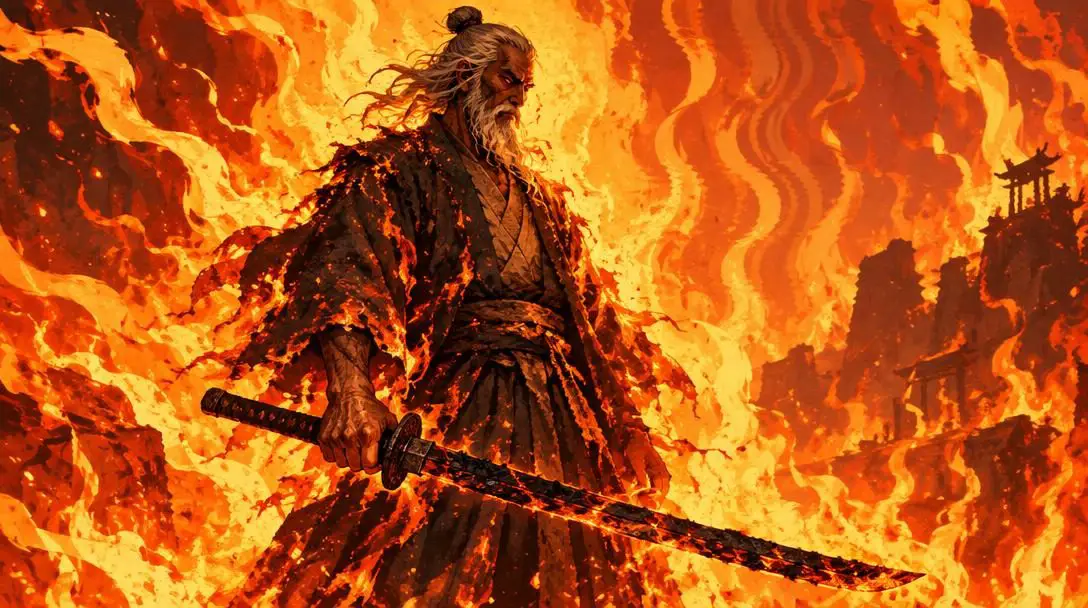
- Combatants: Genryusai Shigekuni Yamamoto-Genryusai vs. Juha Bach
- Form unleashed: Yamamoto's Bankai
- Theme: Ancient historical rivalry and catastrophic fire
As the elder leader of the Soul Reapers, Genryusai Shigekuni Yamamoto-Genryusai commanded immense respect, yet his full combat potential remained shrouded in deep secrecy throughout the majority of Bleach. Readers understood that his fire-type Zanpakuto was among the oldest and most dangerous in existence, but the true scope of his ultimate release was held in reserve for hundreds of chapters. When he finally stood opposite his ancient enemy, Juha Bach, the veil was lifted.
Yamamoto's Bankai transformed the entire battlefield into a desiccating inferno of unmitigated ruin. The sheer magnitude of the destruction rendered nearby waters dry and threatened the stability of the realm itself. Widely celebrated as a highlight of the medium, this sequence demonstrated the terrifying majesty of an ancient commander unleashing centuries of pent-up spiritual heat, marking a defining peak in shonen choreography.
The most famous set pieces not only redefine the boundaries of power within the universe but also mark crucial turning points for the characters involved.
Ichigo Becomes a Hollow
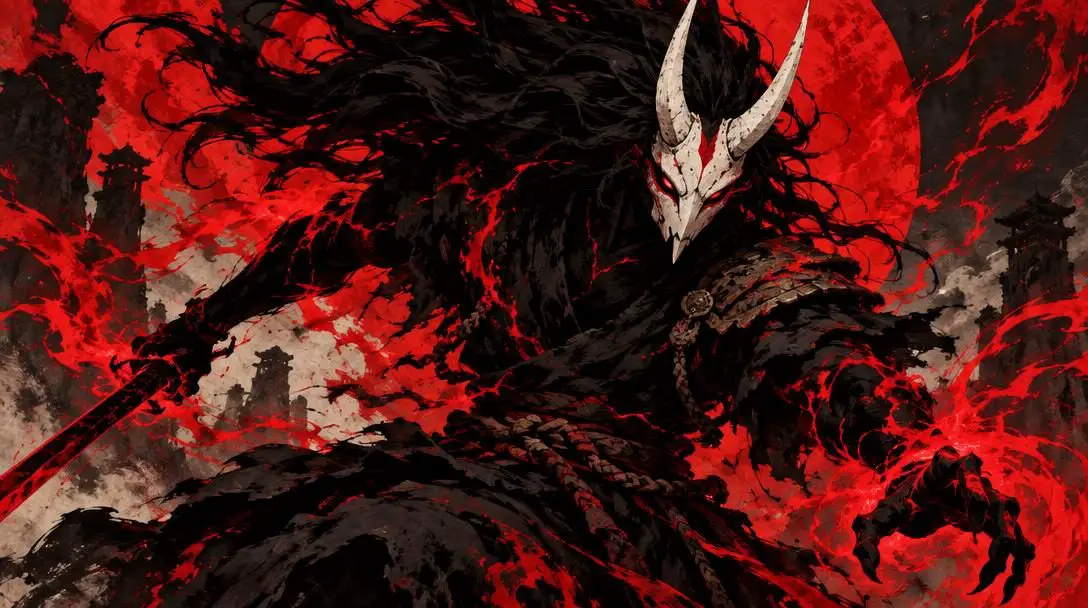
- Combatant: Ichigo Kurosaki
- Adversary: Ulquiorra Cifer
- Transformation nature: Primal, monstrous Hollow metamorphosis
Ichigo Kurosaki's inner Hollow had lingered as an unpredictable threat since the earliest arcs of the series, representing a volatile dark mirror to his protective instincts. That simmering danger reached its breaking point during his desperate battle against Ulquiorra Cifer. Left mortally wounded and unresponsive, Ichigo's drive to protect his friends triggered a horrific transformation into a monstrous Hollow creature, stripped of human reason and speech.
Adorned with long horns, wild hair, and an empty gaze, this primal version of Ichigo battered Ulquiorra with terrifying ease. The sequence was deeply unsettling because it challenged whether Ichigo remained the hero or had surrendered entirely to an inner monster. Ultimately, Ichigo managed to regain control over himself, utilizing this newfound reservoir of power to conclude the battle while leaving fans reeling from the sheer psychological intensity of the sequence.
Narrative Mechanics: Why These Scenes Captivate Readers
The enduring status of these iconic battles is no accident of serialization. Instead, their success stems from deliberate storytelling strategies that maximize dramatic tension, visual impact, and thematic depth over extended publication runs.
- Foreshadowing and mystery: Abilities like Genryusai Shigekuni Yamamoto-Genryusai's Bankai were withheld for hundreds of chapters. By allowing anticipation to build steadily over years, the author ensured that the eventual unveiling landed with earth-shattering narrative weight.
- Escalation and high stakes: The protracted war against Sosuke Aizen tested the boundaries of spiritual pressure. As Ichigo progressed toward Mugetsu, the pacing made it clear that this duel was the absolute end of an era, giving every blow immense finality.
- Visual contrast and metamorphosis: Transformations serve as physical manifestations of inner conflict. Ichigo's descent into a Hollow during his duel with Ulquiorra provided a striking, frightening visual departure from conventional heroic sword fighting.
- The element of the unexpected: Introducing Ulquiorra's Segunda Etapa completely destabilized the established ranking system of the Espada, proving that the antagonists still possessed undisclosed, lethal advantages.
- Unapologetic displays of strength: Clashes like Kenpachi Zaraki versus Nnoitra Gilga succeed through pure visceral honesty. The focus on unbroken determination and sheer physical grit delivers immediate, high-impact satisfaction.
Practical Steps for Reading Bleach Manga
To experience these legendary clashes with the emotional and tactical context intended by the author, readers should follow a structured reading progression rather than jumping between isolated fight chapters.
- Begin with the foundational arcs: Read the opening story arcs to understand Ichigo Kurosaki's origin as a substitute Soul Reaper and the foundational rules governing Zanpakuto releases.
- Track the escalating threats: Follow the introduction of the Arrancar and the Espada as the conflict moves into Hueco Mundo, where confrontations like Kenpachi Zaraki against Nnoitra Gilga establish the brutal stakes.
- Read the complete Ulquiorra Cifer encounter: Dedicate an unbroken reading session to the multi-stage clash between Ichigo and Ulquiorra, paying close attention to the shock of Segunda Etapa and Ichigo's terrifying Hollow metamorphosis.
- Experience the conclusion of the Sosuke Aizen conflict: Absorb the extended, climactic sequence between Ichigo and Aizen to observe how both combatants evolve, culminating in the deployment of Mugetsu.
- Proceed to the battle against Juha Bach: Advance into the concluding saga to witness Genryusai Shigekuni Yamamoto-Genryusai finally draw upon his legendary, fire-wreathed Bankai in defense of the Soul Society.
Common Mistakes Readers and Fans Make
When analyzing or revisiting the greatest moments in Bleach, fans occasionally fall into reading habits that undermine their appreciation of the series' artistry.
- Skipping buildup chapters: Jumping straight to climactic moments like the Mugetsu strike or the Segunda Etapa reveal strips away the tension and emotional investment built up over dozens of preceding chapters.
- Overlooking fight choreography and visual detail: Skimming through pages just to read dialogue causes readers to miss intricate panel compositions, dramatic ink work, and visual speed lines that convey the immense weight of clashes like Kenpachi versus Nnoitra.
- Ignoring character motivations: Treating confrontations like Ichigo versus Aizen as mere displays of power levels overlooks the clash of ideologies, personal convictions, and psychological warfare driving both sides.
- Misjudging the nature of transformations: Interpreting Ichigo's Hollow form as a standard upgrade ignores the inherent danger, psychological dread, and near-fatal loss of humanity at the core of the scene.
- Isolating moments from the broader lore: Appraising Yamamoto's Bankai purely as an explosion of fire without considering his historical rivalry with Juha Bach diminishes the generational weight behind the conflict.
Deepening Your Experience with the Bleach Franchise
After experiencing these top five moments, there are several fulfilling avenues to further explore the depth and artistic craftsmanship of the series.
- Analyze the full run of battles: Compare the pacing and tactical choreography of the battle between Ichigo and Sosuke Aizen against other major clashes to see how combat design developed across different eras of serialization.
- Re-read character-specific arcs: Follow the personal journeys of standout warriors such as Kenpachi Zaraki or Ulquiorra Cifer to analyze how their contrasting philosophies regarding strength and purpose inform their actions.
- Study the manga art style: Examine how the visual presentation matured over time, particularly the expressive character designs, the depiction of spiritual pressure, and the monstrous anatomy of Hollow transformations.
- Discuss with the broader community: Share insights with other readers to debate where legendary sequences like Yamamoto's Bankai or the final strike of Mugetsu rank within the wider landscape of classic shonen manga.
Frequently asked questions
Why is Ichigo's Mugetsu considered such a defining moment in Bleach?
Mugetsu represents the absolute apex of Ichigo's spiritual energy in his clash against Sosuke Aizen. It brought a definitive, awe-inspiring conclusion to a multi-year conflict orchestrated by the series' primary mastermind, fundamentally shifting the storyline's direction.
What makes Ulquiorra's Segunda Etapa transformation so surprising?
Until Ulquiorra revealed Segunda Etapa, it was believed that Arrancar releases were limited to a single resurrection stage. By showcasing a second, unheralded transformation after seemingly falling in battle, Ulquiorra caught both Ichigo and the audience entirely off guard.
How does Kenpachi Zaraki's fight with Nnoitra Gilga stand out from other battles?
The duel between Kenpachi and Nnoitra is celebrated for its sheer brutality and endurance. Rather than relying on intricate spiritual spells, the confrontation was a test of raw physical might that culminated in Kenpachi unleashing his Bankai for the first time.
Why was the revelation of Yamamoto's Bankai such a major event?
As the elder leader of the Soul Reapers, Genryusai Shigekuni Yamamoto-Genryusai held the most destructive fire Zanpakuto in the realm, but his Bankai was withheld for hundreds of chapters. When he finally unleashed it against Juha Bach, the apocalyptic scale fulfilled years of fan anticipation.
Did Ichigo maintain conscious control when he transformed into a Hollow against Ulquiorra?
No, Ichigo initially lost his rational human consciousness, becoming a rampaging, monstrous entity driven entirely by primal instincts before eventually regaining control of himself to defeat Ulquiorra.
The bottom line
The enduring popularity of Bleach rests on its ability to weave high-stakes personal growth into breathtaking supernatural clashes. Moments like Ichigo's final strike against Aizen, Kenpachi's indomitable duel with Nnoitra, Ulquiorra's shocking resurrection, Yamamoto's devastating Bankai, and Ichigo's terrifying Hollow metamorphosis demonstrate why the series remains an undisputed titan of shonen manga. By combining deep lore, unforgettable transformations, and stunning panel work, these landmark scenes continue to inspire and thrill readers across generations.