
Traveling With Kids? 5 Rules to Keep Everything Fun and Stress Free
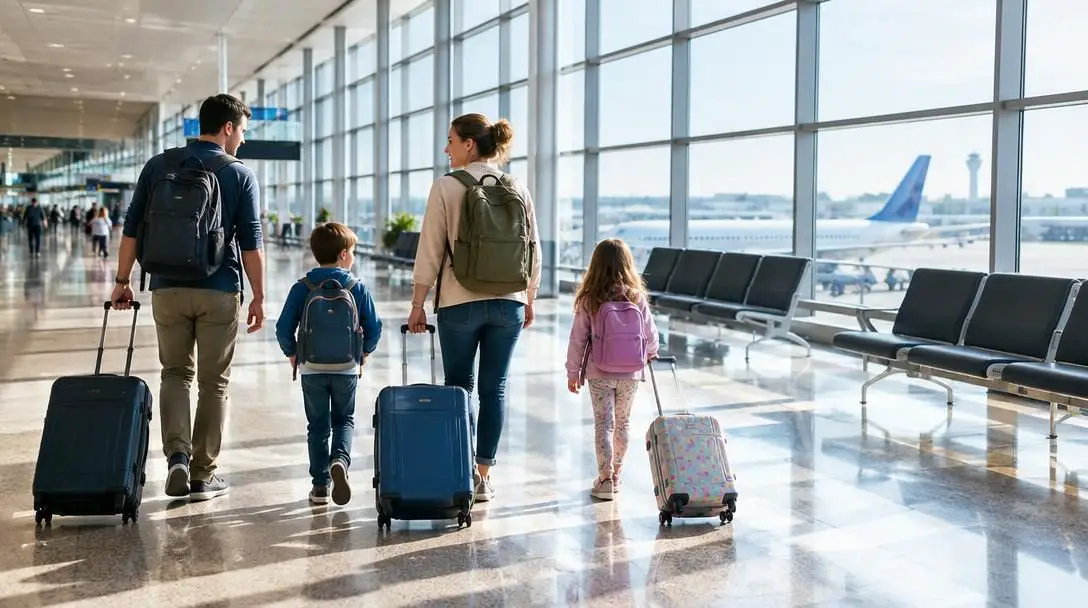
Holidays represent an essential time for family travel, and that tradition does not have to come to an end simply because you have young kids. In the past, vacations might have been defined by spontaneous choices, last-minute excursions, and wandering through destinations without a set agenda. Introducing young children into the mix naturally brings that spontaneous style of travel to a halt. The unpredictability of toddlers, the physical needs of infants, and the emotional swings of young children mean that journeys require deliberate forethought and careful management.
Even for the most close-knit families, venturing far from home with young kids can feel overwhelming or turn into an absolute nightmare if expectations are not managed properly. Children thrive on predictability, comfort, and routine, whereas travel inherently disrupts all three by introducing unfamiliar environments, long transit periods, altered meal options, and sensory overload. However, having children does not mean you have to give up exploring the world or visiting loved ones. Understanding the unique dynamics of traveling with young children allows you to reframe the vacation experience. With the right foundation and structured rules in place, families can minimize stress and make the journey fun, comfortable, and memorable for everyone involved.
Key takeaways
- Maintaining your child's standard daily sleep and meal schedules prevents sensory overload and travel-induced meltdowns.
- Allowing children to assemble a personal fun bag gives them emotional control, provided parents create a written inventory of its contents.
- Carrying a complete supply of familiar snacks, infant formula, and baby food safeguards against limited transit options and unfamiliar local groceries.
- Building wide connection buffers and pairing resort kids' clubs with dedicated family days keeps trips balanced and flexible for parents and kids alike.
The Psychology of Family Travel Dynamics
The friction parents experience during family travel often stems from a clash of expectations. Adults typically view travel as an escape from strict schedules, a time to sleep in, explore freely, and dine at irregular hours. In direct contrast, young children depend on strict environmental and temporal anchors to feel secure. When those anchors disappear, stress manifests as behavioral regressions, tears, and resistance.
Children thrive on predictability, comfort, and routine, whereas travel inherently disrupts all three by introducing unfamiliar environments, transit delays, and sensory overload.
Managing this psychological shift requires parents to exchange spontaneity for deliberate structure. Vacations with young children are not ordinary holidays where parents sit back passively; they are shared journeys that require proactive operational management. By planning around a child's natural developmental limits rather than fighting against them, parents can eliminate common friction points before they escalate into logistical disasters.
The Five Core Rules for Stress-Free Travel
To prevent vacations from unraveling, parents can rely on five core principles designed to safeguard physical comfort, maintain daily rhythms, and preserve peace of mind throughout every phase of the itinerary.
| Rule | Primary Focus | Key Strategic Action |
|---|---|---|
| Rule 1 | Schedule Stability | Preserve home sleep and meal hours; use destination babysitters for adult nightlife. |
| Rule 2 | Pacing and Margins | Build wide buffer windows into transit and connections to absorb inevitable delays. |
| Rule 3 | Activity Balance | Pair organized kids' clubs with dedicated, unstructured whole-family excursion days. |
| Rule 4 | Nutritional Security | Pack full-duration supplies of infant formula, baby food, and favorite comfort snacks. |
| Rule 5 | Emotional Autonomy | Let kids pack a personal fun bag while keeping a strict written inventory of its contents. |
Rule 1: Don't Disrupt the Schedule
Most people, and young kids especially, function substantially better when they adhere to a daily schedule. Do your best to ensure that your children eat their meals and go to sleep at roughly the exact same times they normally do when at home. Disrupting these natural biological rhythms invites overtired meltdowns and digestive issues that can derail an entire trip.
Sticking to a standard routine can present a massive challenge when crossing into a new time zone, which is why parents may want to consider putting off international travel until their children are a bit older. To maintain these essential schedules without missing out on evening activities, arranging for a trusted babysitter once you arrive at your destination provides an excellent solution. A vetted sitter allows your children to stick to their strict bedtime and meal routines in the hotel or rental, without requiring parents to sacrifice their own evening entertainment and fun.
Rule 2: Be Early and Flexible
When traveling with a child, even the most basic tasks inevitably take much longer than anticipated. From unexpected and frequent trips to the bathroom to dealing with inevitable tantrums, everyday tasks slow down considerably. Rushing through security lines or train platforms with a distressed toddler creates acute family stress.
Because of this reality, parents must schedule extra time for every single phase of the journey. If your travel itinerary involves a connection, such as catching a connecting flight, build in an intentional time cushion. It is always far better to spend an extra hour or two waiting safely in the airport terminal than to miss your flight entirely because of an unexpected delay.
Rule 3: Plan Kid-Friendly Activities
A successful trip requires balancing the interests of children with the desire of adults to relax. Dragging young children through silent art museums or high-end shopping districts for days on end guarantees frustration. Before you depart on vacation, check out what kid-friendly activities your destination has to offer, from splash pads and parks to interactive spaces.
If your journey takes you to a resort or a cruise ship that features an onboard kid's club, consider booking at least a day or two for your young children to attend. Utilizing these organized clubs allows parents to have some necessary free time to unwind or explore adult-focused amenities. However, you should always make sure to save a couple of days specifically to do things together as a family, ensuring that you create the shared memories you will treasure for years to come.
Rule 4: Pack Familiar Food
Food is often a major battleground when traveling, particularly if you have children who are picky about what they eat. To prevent hunger-induced meltdowns, make sure to bring along their favorite food and snacks just in case you find yourself in transit or in an area where they cannot find anything they want to eat. Taking this extra step is particularly critical while you are actively traveling to your destination, as transit hubs often have limited food options.
Once you arrive, you will most likely be able to find groceries or restaurant items your kids will enjoy. The rules are even stricter if you are traveling with an infant: you can make things significantly easier on the entire family by packing enough formula and baby food to last the entire duration of your time away, eliminating the risk of running out of essential nutrition in an unfamiliar location.
Rule 5: Let Kids Pack a Fun Bag
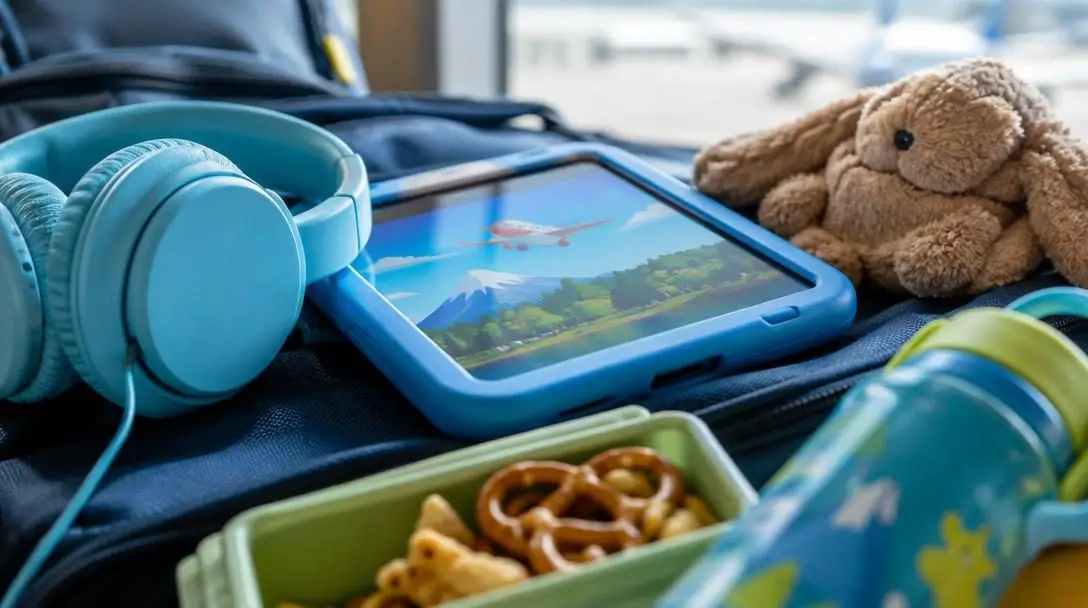
Most children have a favorite toy, comfort item, or stuffed animal that provides them with an essential sense of safety and security. Leaving these cherished items behind at home is a surefire way for a family vacation to become an instant disaster. To help prevent temper tantrums during the trip, allow your children to pack a small bag filled with whatever items they choose.

The act of choosing what goes inside gives young kids a valuable sense of control over their journey. Once the bag is completely packed, take the time to write out a comprehensive list of everything inside it and carry that inventory with you. Having this written record ensures that when it is time to pack up and return home, you can verify that every single treasured item makes it back into the bag rather than being left behind in a hotel room or transit lounge.
Putting It into Practice: A Step-by-Step Travel Framework
Transforming these five rules into a smooth travel experience requires a systematic approach across each stage of your trip. Following structured procedures ensures no vital logistics slip through the cracks.
- Conduct pre-trip preparation and packing: Provide your child with a dedicated, appropriately sized personal bag and supervise them as they choose their favorite toys, books, and comfort objects. Write down every individual item on an inventory checklist that stays in your primary carry-on. Calculate and pack the full quantity of baby food, formula, and familiar snacks needed for every single day away, and book kids' club reservations or buffers in advance.
- Navigate transit and travel days: Depart for terminals or road routes significantly earlier than you would without children. Keep familiar snacks and infant nutrition easily accessible in your personal day pack so you can serve meals at normal times. Build in deliberate transit pauses for bathroom visits and physical movement, letting children burn off excess energy prior to boarding.
- Anchor daily life at the destination: Align daytime naps, meal schedules, and evening bedtimes with the precise schedule your children follow at home. Check children into pre-booked resort or cruise clubs for planned intervals of adult relaxation, reserve full days for shared family outings, and use on-site babysitters for evening dining.
- Execute a structured departure and return: Retrieve your written inventory list and conduct a thorough room-by-room check to account for every toy, blanket, and comfort object before departure. Reserve adequate snacks for return delays, and maintain generous time cushions throughout your journey back home.
Common Travel Mistakes to Avoid
Even conscientious parents frequently run into difficulties by underestimating the logistical differences between adult travel and family travel. Steer clear of these widespread errors:
- Assuming you can buy infant necessities on arrival: Relying on destination grocery stores to stock your infant's specific formula or preferred baby food can lead to immediate trouble. Brands differ significantly across regions, and supplies can run short, making it vital to bring everything you need for the full duration.
- Failing to document packed toys: Allowing a child to pack their favorite comfort items without writing out an inventory list makes it remarkably easy to leave behind a beloved stuffed animal at a hotel, setting off massive distress during transit.
- Booking tight connections: Scheduling narrow windows between flights or transit legs fails to account for bathroom emergencies, diaper changes, and the slow physical pace of young kids, substantially increasing the risk of missing connections.
- Over-scheduling adult-only sightseeing: Forgetting to balance the itinerary with dedicated kid-friendly activities leads to bored, frustrated children and heightened family stress.
- Ignoring daily sleep and meal routines: Letting young children stay up late or miss regular meal hours disrupts their internal rhythms. Ignoring this rule regularly triggers severe meltdowns that could be avoided by using babysitters or sticking to their usual home schedule.
- Attempting complicated international journeys too early: Taking young kids into dramatically different time zones can make preserving their daily schedule nearly impossible, which is why waiting until they are older is often the wiser choice.
Evaluating Logistics Before You Book
As you begin outlining your next family vacation, evaluating key logistical factors will help you implement these rules seamlessly. Carefully assessing the following areas before reserving flights or lodgings ensures your trip stays realistic and relaxing:
- Destination suitability: Determine whether your intended destination offers the necessary infrastructure for young children. Look for resorts, cruise ships, or family-oriented properties that explicitly advertise structured kid's clubs, on-site childcare options, and easy access to kid-friendly activities.
- Time zones and transit complexity: Review the geographic distance of your trip. If crossing multiple time zones threatens to dismantle your child's sleep schedule, consider whether a closer, domestic destination might be more appropriate until they are older and better equipped to handle time shifts.
- Itinerary balance: Map out the days of your trip to balance separate parent time and shared family time. Mark specific days for the kids to attend onboard clubs and specific days for shared memory-making, ensuring that meal times and nap windows remain anchored to familiar home hours.
- Childcare resources: If you intend to take advantage of evening dining or entertainment, investigate whether your lodging provides vetted babysitting services or partnerships with local childcare agencies well before you arrive.
- Packing checklists: Create your supplies list early, noting the total volume of baby food, formula, and portable familiar snacks required for transit, and prepare the dedicated fun bag and written contents inventory for your child's prized comfort items.
Frequently asked questions
Why should parents avoid international trips with toddlers?
Crossing multiple time zones disrupts sleep and meal routines, which are vital for a toddler's emotional regulation. Postponing complex international travel until children are older makes it much easier to preserve stable daily schedules.
How much infant formula and baby food should be packed?
Parents should pack enough formula and baby food to cover the entire duration of the trip. Relying on destination stores is risky, as formulas and baby food brands vary by region and stock cannot be guaranteed.
How does letting a child pack a fun bag reduce tantrums?
Packing their own small bag gives children a sense of autonomy and control during a disruptive travel experience, while having their favorite comfort toys and security items nearby provides emotional stability.
Why is a written inventory of packed toys necessary?
A written checklist ensures that parents can audit hotel rooms and transit areas before departing, preventing comfort items and irreplaceable stuffed animals from being accidentally left behind.
How can parents balance adult relaxation with child care on vacation?
Families can utilize organized resort or cruise kids' clubs for daytime parent breaks, hire on-site babysitters for evening outings, and reserve specific alternating days purely for shared family activities.
The bottom line
Traveling with young children inevitably alters the cadence of vacationing, closing the chapter on unstructured spontaneity but opening the door to meaningful shared milestones. Successful trips are not defined by how much adult sightseeing you cram into a day, but by how well you protect your child's basic biological rhythms of rest, nourishment, and emotional security.
By implementing deliberate time cushions, respecting established sleep and meal hours, carrying dedicated nutrition supplies, and balancing club care with family time, parents can eliminate unnecessary travel chaos. When structured planning handles the logistics, your family vacation remains what it was always meant to be: a fun, restful, and deeply rewarding experience for everyone.