5 Low-budget Movies That Made Major Box Office Waves

In an entertainment landscape dominated by nine-figure studio budgets, complex visual effects, and top-tier celebrity salaries, independent creators face steep odds when attempting to reach mainstream theatergoers. Major studio systems historically maintained exclusive control over production pipelines and international distribution networks, leaving small-scale filmmakers to operate on the economic margins of the industry.
Yet cinema history proves that financial constraints can spark groundbreaking storytelling. When inventive creators lean into high-concept ideas, grassroots engagement, and lean operational models, micro-budget productions can capture public attention and yield historic returns on investment.
Key takeaways
- High-concept storytelling and innovative grassroots marketing can propel micro-budget movies past well-financed studio releases.
- Technical limitations, including found footage and single-room settings, often amplify suspense and emotional intimacy for audiences.
- Phased distribution strategies starting in limited cinemas create early sellouts that build necessary word-of-mouth momentum.
- Independent filmmakers who retain backend participation or revenue thresholds can secure immense wealth when a low-budget project succeeds.
At a glance: Low-budget box office titans
Comparing the production outlays of breakout independent releases against their final box office totals highlights the extraordinary financial efficiency possible outside the major studio apparatus.
| Film | Release Year | Production Budget | Domestic Box Office | Worldwide Box Office |
|---|---|---|---|---|
| Rocky | 1976 | $1,000,000 | $117,000,000 | $225,000,000 |
| Friday the 13th | 1980 | $550,000 | Not specified | $60,000,000 |
| The Blair Witch Project | 1999 | $60,000 | $140,000,000 | $248,000,000 |
| Napoleon Dynamite | 2004 | $400,000 | $44,500,000 | $46,000,000 |
| Paranormal Activity | 2009 | $15,000 | $108,000,000 | $194,000,000 |
Five low-budget movies that conquered the box office
Spanning multiple decades and genres, these five landmark releases proved that resourcefulness, compelling concepts, and unconventional promotion can transform modest budgets into global phenomena.
The Blair Witch Project

- Production Budget: $60,000
- Release Date: July 14, 1999
- Domestic Box Office: $140 million
- Worldwide Box Office: $248 million
In the summer of 1999, commercial multiplexes were overwhelmingly occupied by Star Wars: Episode I – The Phantom Menace, which drew massive crowds and caused competing studios to delay their own major releases. Amid this theatrical gridlock, The Blair Witch Project arrived in a single cinema on Wednesday, July 14, 1999, before expanding to 27 screens for its opening weekend. Built entirely around the conceit of recovered documentary footage documenting three student filmmakers who vanished in the Maryland woods, the production deliberately blurred the line between fact and fiction.
The marketing team orchestrated missing-persons flyers and an interactive website that turned online curiosity into viral mania across the burgeoning consumer internet. Lines formed around city blocks, prompting distributors to expand the film across 2,600 screens nationwide. Although the producers surrendered primary distribution rights to secure theatrical exhibition, they negotiated a revenue-sharing clause triggered if the film exceeded $100 million. It grossed $140 million domestically and $248 million globally, leading to a legal settlement that delivered between $25 million and $30 million directly to the producers.
Rocky

- Production Budget: $1 million
- Release Year: 1976
- Domestic Box Office: $117 million
- Worldwide Box Office: $225 million
Before launching one of the most profitable sports franchises in Hollywood history, Rocky was born from intense personal desperation. Sylvester Stallone was broke, supporting a pregnant spouse, and facing severe economic uncertainty when studios expressed interest in buying his original screenplay. Executives offered $100,000 to purchase the script outright, intending to cast an established marquee star. Stallone rejected the buyout, insisting that he would only sell the project if he were cast in the lead role of Philadelphia boxer Rocky Balboa.
Stallone's unyielding stance forced the production to move forward under an austere $1 million budget. Upon its debut in 1976, the gritty character study resonated deeply with audiences, generating $117 million domestically and $225 million worldwide. Stallone's gamble not only validated his creative instincts but laid the groundwork for an enduring film universe spanning nine installments and over $1.5 billion in cumulative box office returns.
Friday the 13th

- Production Budget: $550,000
- Release Year: 1980
- Worldwide Box Office: $60 million
- Franchise Revenue: $466 million
Produced for a lean $550,000, Friday the 13th capitalized on the rising appetite for visceral horror at the start of the 1980s. Directed with lean technical efficiency, the film paired suspenseful woods-bound stalking sequences with an innovative promotional strategy executed by Michael Harpster, who later served as President of New Line Marketing for more than two decades.

Audiences flocked to theaters, captivated by the shocking narrative twists and the chilling presence of Jason Voorhees, the hockey-mask-clad figure who would evolve into an enduring pop-culture terror. The original release grossed $60 million worldwide, serving as the commercial catalyst for an expansive franchise of 12 films that accumulated $466 million in total ticket receipts, accompanied by tens of millions in peripheral consumer merchandise.
Napoleon Dynamite

- Production Budget: $400,000
- Release Year: 2004
- Domestic Box Office: $44.5 million
- Worldwide Box Office: $46 million
Independent comedy represents a notoriously volatile investment, yet Napoleon Dynamite carved out an idiosyncratic niche that captured mainstream teenage culture in 2004. Produced on a humble $400,000 budget, this eccentric coming-of-age story followed an awkward Idaho high school student navigating mundane rural life with unapologetic deadpan humor.
The film's performance showcased a stark divide in geographic reception. While international audiences largely bypassed the project—yielding just $1.5 million in overseas territories—American moviegoers embraced its unique comedic cadence, propelling domestic box office figures to $44.5 million. The resulting $46 million worldwide haul transformed the project into an unexpected cultural staple, demonstrating that highly regional, character-driven storytelling can achieve explosive commercial viability.
Paranormal Activity
- Production Budget: $15,000
- Release Year: 2009
- Domestic Box Office: $108 million
- Worldwide Box Office: $194 million
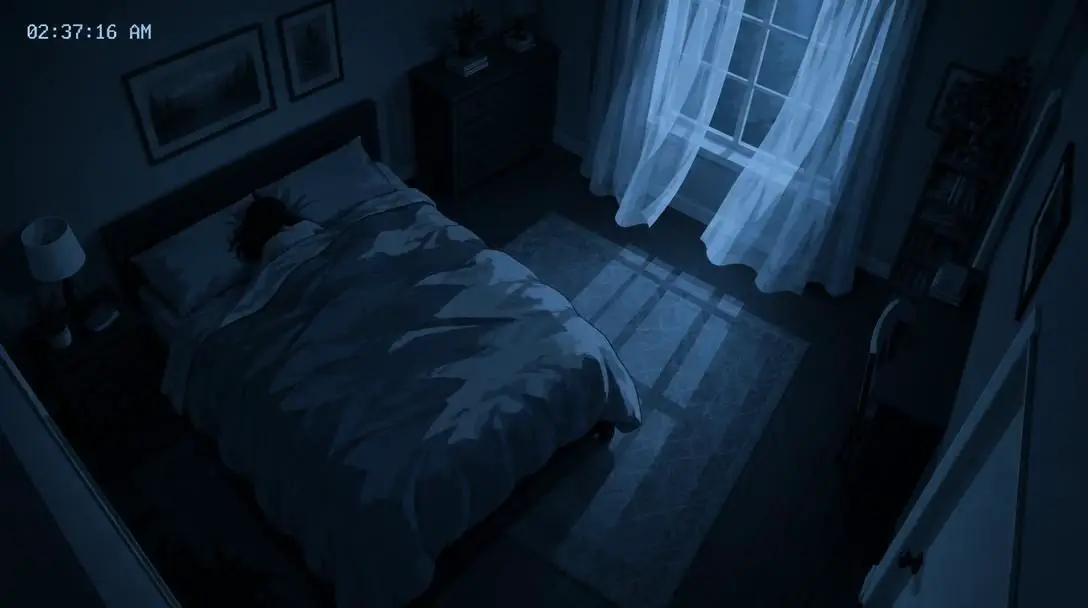
Shot entirely inside the director's own home using an ordinary consumer camcorder, Paranormal Activity rewrote the financial rules of modern cinema. With an initial production cost of just $15,000, the narrative utilized static security-style camera angles to capture escalating supernatural events terrorizing a young suburban couple. The absence of traditional musical scores, digital monsters, or elaborate sets created an unsettling atmosphere of domestic vulnerability.
Festival screenings generated intense audience panic, prompting an innovative theatrical rollout driven by localized viewer demand. The film became an undeniable sensation, earning $108 million in domestic ticket sales and $194 million worldwide. When evaluated strictly by its return on investment, the release established itself as the most profitable horror title in cinema history.
Unique storytelling has consistently proven that strict financial limitations can spark enduring cultural phenomena.
The evolution of independent filmmaking
The rise of the micro-budget blockbuster reflects systemic changes across the filmmaking landscape over the past half-century. Historically, traditional major studios controlled every element of the motion picture lifecycle. Creating a commercial feature required substantial capital for 35mm film stock, specialized processing laboratories, optical sound printing, and massive camera packages. These financial barriers prevented independent voices from reaching wider audiences without significant studio underwriting.
Gradual shifts in consumer technology dismantled these historical gatekeepers. The emergence of lightweight shooting rigs, followed by digital video cameras, desktop editing suites, and digital sound mastering, allowed independent directors to complete professional-grade films on shoestring budgets. Storytellers no longer required multi-million-dollar production lines to capture authentic human drama, terrifying suspense, or comedic dialogue.
These lower financial barriers shifted viewer expectations. Audiences increasingly welcomed experimental aesthetic choices, such as shaky handheld cameras, raw natural lighting, and documentary-style pacing. From the realistic urban boxing rings of the 1970s to the night-vision bedrooms of the late 2000s, technical minimalism evolved from an economic compromise into a deliberate artistic choice.

How micro-budget films achieve mass-market penetration
Transforming a micro-budget production into a global box office sensation requires a distinct set of commercial dynamics. Successful low-cost releases typically rely on several shared strategic strengths:
- High-concept simplicity: Breakout independent films usually center on premises that can be summarized and understood in a single sentence, making them easy to pitch and promote.
- Technical limitations as stylistic assets: Instead of poorly imitating expensive visual effects, micro-budget productions embrace found footage, static camera angles, or real-world locations that heighten dramatic tension and intimacy.
- Grassroots momentum: When paid advertising funds are scarce, early audience enthusiasm and viral discussions serve as the primary marketing engine.
- Staggered theatrical rollouts: Launching in a handful of theaters creates packed auditoriums and long ticket lines, building consumer urgency that justifies rapid nationwide expansion.
- Contractual backend participation: Independent creators who forgo immediate upfront salaries can secure substantial wealth by negotiating performance bonuses or revenue-sharing terms beyond specific box office thresholds.
Strategic blueprint for producing a low-budget feature
Translating an ambitious creative vision into an economically efficient, commercially viable film requires strict discipline. Filmmakers operating under budget constraints must manage every production resource carefully.
- Write specifically for accessible resources: Construct the narrative around locations, vehicles, and assets already at your disposal, avoiding expensive set construction or remote travel.
- Prioritize dialogue and performance chemistry: Without capital for elaborate stunts or computer-generated sequences, human conflict and believable character dynamics must carry the pacing.
- Maintain a lean operational footprint: Keep cast and crew sizes small to minimize expenses related to transport, equipment rental, catering, and liability insurance.
- Treat audio quality as an essential priority: Viewers routinely tolerate low-resolution or erratic camerawork, but poor audio recording immediately breaks narrative immersion.
- Cultivate audience intrigue early: Document the creative process and leverage digital communities well ahead of completion to generate organic interest for the eventual premiere.
- Structure distribution contracts cautiously: Review all distribution terms to ensure foreign territories, home video rights, and theatrical revenue thresholds preserve financial upside for the creators.
Critical pitfalls to avoid in independent film production
Many independent film projects encounter distribution failures not due to an absence of creative vision, but because of poor planning and preventable logistical mistakes. Filmmakers should guard against several common errors:
- Overextending narrative scope: Attempting to shoot period dramas, complex action set pieces, or elaborate fantasy worlds on limited funds often results in cheap visual presentations that alienate audiences.
- Ignoring marketing hooks: Completing a movie without a clear plan for identifying and engaging the intended demographic leaves the finished product vulnerable to obscurity.
- Surrendering complete backend ownership: Eagerness to secure immediate distribution often causes independent creators to give away intellectual property rights and sequel options without contractual protections.
- Neglecting legal clearances and releases: Failing to secure written actor contracts, location agreements, and soundtrack rights can derail distribution deals or trigger costly litigation once the film generates income.
- Sacrificing narrative pacing: A tight running time with steady dramatic momentum keeps viewers invested, whereas self-indulgent scenes and uneven tonal shifts cause audiences to disconnect.
Navigating modern film distribution
The principles illustrated by these historic low-budget box office hits remain relevant, even as contemporary exhibition paths evolve. Creators today must weigh how their projects will encounter an audience in an era defined by global streaming platforms alongside traditional movie houses.
Understanding regional and cultural appetite is critical when evaluating a project's market potential. As evidenced by Napoleon Dynamite, character-driven comedies often depend heavily on regional humor and cultural context, making domestic audiences their primary economic base. Conversely, horror titles like Paranormal Activity and Friday the 13th translate across international boundaries effortlessly because fear, dread, and suspense require little cultural translation.
Balancing creative ownership with commercial accessibility remains the ultimate priority for independent storytellers. By maintaining structural control over their intellectual property and choosing distribution models that favor organic growth, resourceful filmmakers can bypass conventional gatekeepers and build lasting creative careers.
Frequently asked questions
Which low-budget horror film achieved the highest return on investment?
Paranormal Activity holds the record as the most profitable horror release based on return on investment, generating $194 million worldwide against an initial production budget of just $15,000.
How did The Blair Witch Project convince audiences its footage was real?
The filmmakers and marketing team distributed missing-persons flyers, built an enigmatic website detailing the lore of the woods, and presented the movie strictly as found video footage without conventional Hollywood credits.
Why did Sylvester Stallone turn down a $100,000 screenplay offer for Rocky?
Stallone refused the studio buyout because executives wanted to cast an established star in the lead role, and he insisted on playing Rocky Balboa himself despite being broke at the time.
Why was Napoleon Dynamite far more profitable in the United States than overseas?
The deadpan, character-driven humor of Napoleon Dynamite was deeply rooted in specific American high school and rural cultural quirks, generating $44.5 million domestically compared to just $1.5 million from foreign theaters.
How much total revenue did the Friday the 13th franchise generate?
Following the original film's $60 million global box office run on a $550,000 budget, the 12-film franchise went on to generate $466 million in total box office receipts, supported by extensive retail merchandising.
The bottom line
The enduring success of these micro-budget productions demonstrates that massive capital is not an absolute prerequisite for global cinematic impact. While major studios rely on enormous budgets to mitigate risk, independent filmmakers succeed by turning technical and financial limitations into creative advantages. By pairing high-concept premises with disciplined production models, genuine suspense, and shrewd marketing strategies, resourceful directors continue to prove that great storytelling can disrupt the global box office.