The Culture Guide: 5 Things You Should Not Do When Visiting India
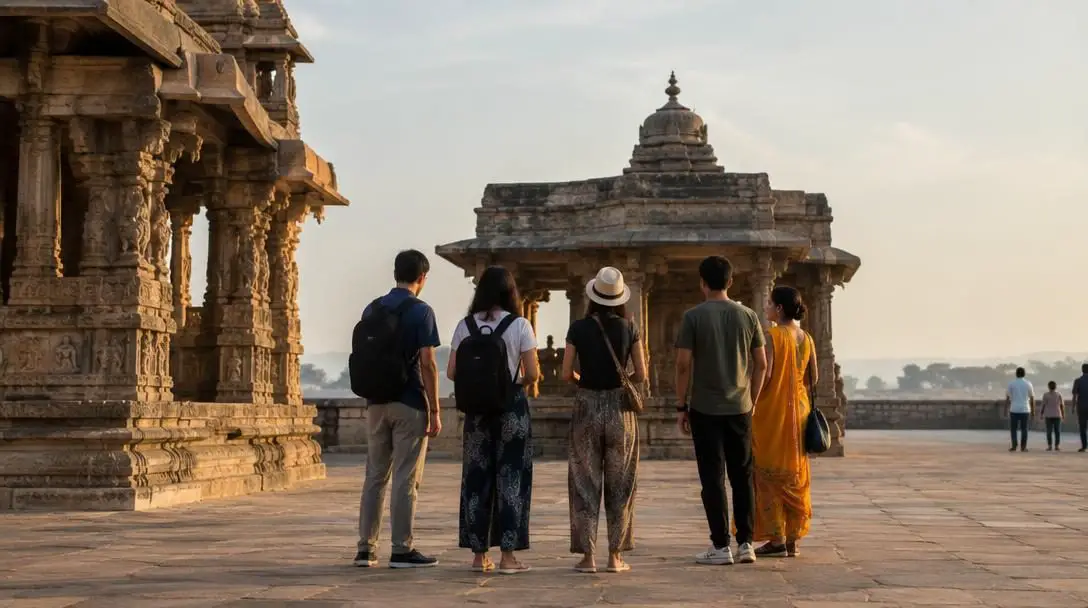
India is a destination unlike any other, offering visitors an exhilarating blend of ancient heritage and modern vitality. Travelers can wander through majestic archaeological ruins, visit globally celebrated monuments, savor diverse culinary traditions, and build memorable relationships with welcoming locals. However, stepping into a society with such deep historical and spiritual roots means navigating distinct cultural norms, religious traditions, and community values that might feel unfamiliar to international guests.
Everyday etiquette in India weaves sacred traditions directly into secular routines. Actions that might seem mundane back home—such as crossing an interior threshold, gesturing toward an object, or extending a hand to complete a purchase—carry significant cultural meaning. Understanding these social cues ensures you can travel through bustling markets, sacred pilgrimage sites, and private homes with confidence, ease, and mutual respect.
Key takeaways
- Remove outdoor footwear before entering temples, private houses, and certain neighborhood shops.
- Use your right hand for eating, passing objects, and handing over payments, reserving your left hand for personal hygiene.
- Avoid pointing your index finger at people or sacred items, opting instead for a subtle head nod or thumb gesture.
- Accept that daily schedules and social gatherings operate on relaxed timelines, with dinner arrivals expected 20 to 30 minutes late.
- Look beyond standard tourist routes to discover historic and ecological treasures like Bhimbetka and the Western Ghats.
Five Essential Cultural Behaviors to Avoid
Navigating everyday social situations in India does not require deep academic expertise in local sociology. It simply asks for an observant eye, patience, and a willingness to adjust familiar habits. Here are the five key behaviors travelers should actively avoid during their stay.
Leaving Outdoor Footwear on Indoors
In Indian culture, footwear is strictly separated from interior living and worship environments. Walking into a sanctuary, a family living room, or even select commercial stores with your shoes on introduces outdoor dirt into spaces that are maintained for cleanliness, hospitality, and prayer. Streets carry physical debris and environmental dust, creating a sharp cultural boundary between public roads and private sanctified spaces.
Whenever you visit a Hindu temple, mosque, gurdwara, or private residence, plan to take your shoes off at the threshold. You will typically notice an organized stall or a casual pile of sandals waiting right by the doorway. In certain residential neighborhoods and quiet community markets, small shopkeepers also prefer patrons to step inside barefoot or in socks. If you see locals leaving their sandals at the door of a business, follow suit immediately to demonstrate respect.
Expecting Everyone to Speak English or Hindi
English is widely spoken across major urban centers, hospitality venues, transit terminals, and popular tourist hubs. However, assuming that every person you encounter will speak or understand English overlooks the vast linguistic reality of the country. India is home to hundreds of languages, distinct regional dialects, and unique writing systems that reflect localized identities.
It is equally mistaken to treat Hindi as a universal tongue across every territory. While Hindi is broadly spoken in northern and central regions, many southern and northeastern states prioritize their own official state languages and hold deep pride in their linguistic heritage. Making an effort to discover which language is spoken in your specific destination—and learning how to say polite basics like "hello," "please," and "thank you"—goes a long way toward building goodwill with merchants, drivers, and local hosts.
Pointing Fingers and Handing Items With Your Left Hand
Body language and physical gestures carry precise cultural meanings across the subcontinent. Directing your index finger toward an individual, an artisan product in a shop, or a religious deity is widely considered aggressive and impolite. When you need to indicate a specific direction or draw attention to an item, use an open hand, a gentle motion with your thumb, or a discreet tilt of your head.
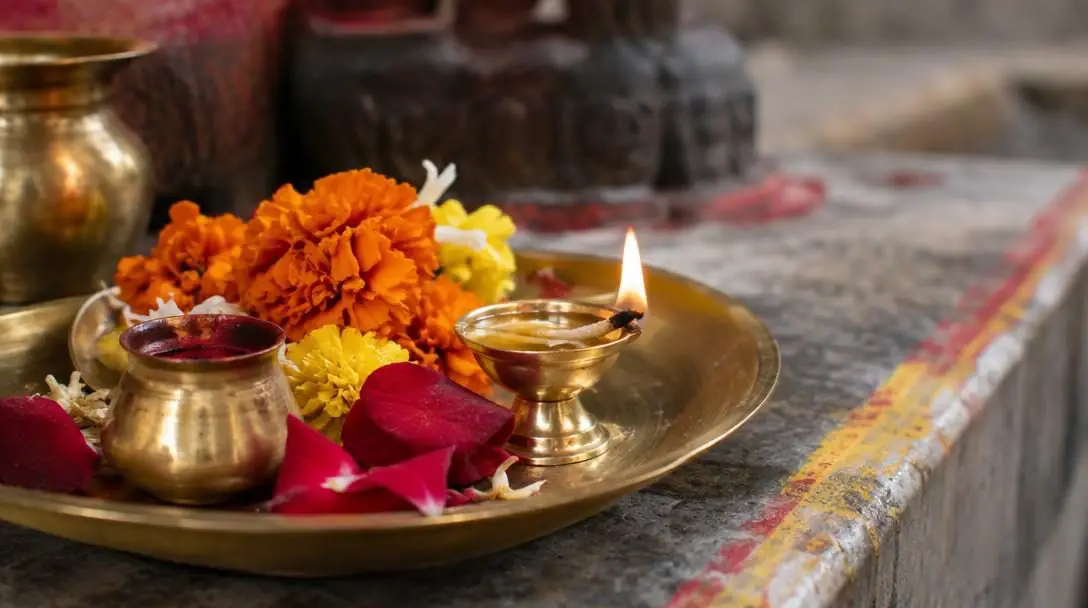
Hand usage is similarly governed by long-standing customs regarding hygiene and purity. The left hand is traditionally dedicated to personal cleansing tasks and is categorized as ritually unclean. Consequently, you should never use your left hand to eat food, pass dishes at a dinner table, present offerings inside a shrine, or hand money to a merchant or taxi driver. Always execute transactions and extend gifts using your right hand.
Demanding Strict Clock-Based Punctuality
Time management across India is guided by a relational philosophy rather than an unbending adherence to the clock. Punctuality operates at an adaptable pace, where unexpected family obligations, community events, spontaneous social conversations, and heavy traffic conditions routinely take precedence over rigid timelines. Expecting public transportation or everyday appointments to run precisely down to the minute will generate needless anxiety.
This cultural approach to time is especially visible in social settings. If an Indian acquaintance or family invites you to their home for dinner, arriving precisely at the scheduled hour is actually considered bad form, as it can catch your hosts unprepared. Instead, guests are customary expected to arrive approximately 20 to 30 minutes after the stated invitation time. Building generous schedule padding into your days will help you stay relaxed when transit runs behind.
Rather than being rigid barriers, everyday customs are social cues meant to maintain mutual respect and harmony between guests and hosts.
Confining Your Entire Itinerary to the Tourist Trail
India is home to world-renowned landmarks that deserve their legendary status, but limiting your travels exclusively to standard tourist circuits deprives you of the country’s varied natural and historical heritage. Crowded urban monuments show only a single facet of a vast, multifaceted civilization.
Venturing into lesser-visited regions allows you to encounter quieter landscapes and rich cultural traditions. For example, travelers can journey to Bhimbetka in Madhya Pradesh to observe ancient cave dwellings and extraordinary prehistoric rock art created thousands of years ago. Alternatively, you can head into the lush mountain trails of the Western Ghats to witness rare wildlife species and endemic plant life thriving in pristine natural habitats. Stepping outside standard corridors reveals the quiet, authentic rhythms of regional life.
At a Glance: Everyday Etiquette and Cultural Adjustments
| Custom or Setting | Behavior to Avoid | Underlying Cultural Concept | Recommended Action |
|---|---|---|---|
| Entering homes, shrines, and shops | Wearing outdoor footwear past the threshold | Preserving spiritual purity and physical cleanliness inside | Slip off shoes outside and note where you left them |
| Regional communication | Assuming everyone understands English or Hindi | Linguistic diversity and state-specific cultural pride | Learn polite greetings in the local regional language |
| Indicating directions or objects | Pointing directly with an index finger | Index pointing is viewed as accusatory or rude | Gesture softly with your thumb or nod your head |
| Financial transactions and eating | Passing money, food, or alms with the left hand | The left hand is reserved for bodily cleansing tasks | Carry out exchanges and meals using your right hand |
| Attending social meals | Arriving precisely at the stated start time | Flexible relational time and allowing host preparation | Arrive between 20 and 30 minutes after the invitation time |
The Social Concepts Behind Everyday Customs
To comfortably adopt these practices, it helps to understand the foundational principles that shape daily etiquette across Indian communities. Rather than arbitrary rules, these habits stem from logical social frameworks designed to maintain community harmony.
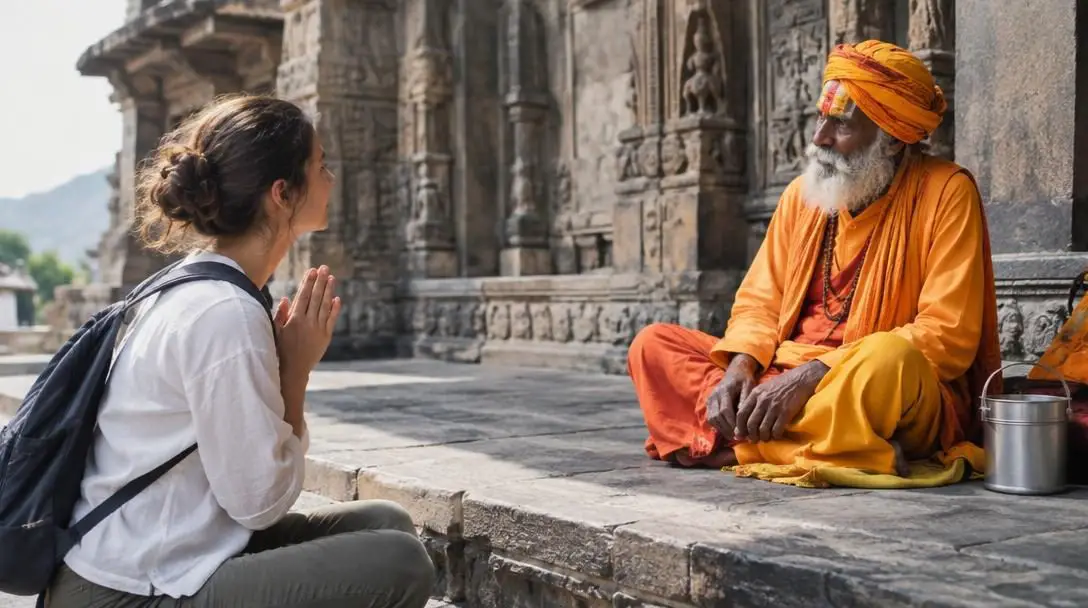
The boundary between pure and impure: Indian domestic and spiritual life relies on maintaining clear separations between clean and unclean elements. Streets carry dirt, dust, and physical refuse, which makes outdoor footwear unsuitable for indoor flooring where families sit, pray, and take meals. The same logic applies to personal biology: dedicating the left hand to personal sanitation keeps the right hand untainted for shared food, commercial exchanges, and sacred rituals.
Fluidity of daily schedules: Time is viewed through a human-centered, relational lens rather than a mechanical one. Interactions between relatives, neighbors, and colleagues carry greater weight than an arbitrary digital deadline. Road conditions, spontaneous conversations, and community celebrations take precedence over rigid timelines. When a delay happens, locals view it as a normal variable of living rather than a personal slight.
Regional identity and autonomy: India functions as a diverse federation of states, each preserving distinct culinary heritage, artistic traditions, and historical languages. Viewing the country as a single cultural monolith overlooks the vibrant differences between northern, southern, western, and northeastern territories. Recognizing that Hindi is not universal acknowledges the autonomy and heritage of each state you visit.
Practical Daily Routines for Travelers
Integrating cultural mindfulness into your daily travel habits requires only a few deliberate choices. Use these practical steps to structure your days smoothly:
- Select convenient footwear: Wear breathable, easily removable shoes or slip-on sandals whenever touring urban neighborhoods, archaeological complexes, or historic quarters.
- Train your right hand: Make a conscious habit of reaching into your wallet, passing vehicle fare, accepting receipts, and shaking hands using only your right arm.
- Note regional languages: Check the primary language of your destination state before departing, and jot down basic phonetic greetings for day-to-day encounters.
- Build transportation buffers: Add an extra 45 to 60 minutes between connections, train departures, and scheduled excursions to account for standard transit adjustments.
- Pace social visits: Plan to arrive at private dinner invitations roughly 20 to 30 minutes after the stated time, giving your hosts breathing room to finalize preparations.
- Incorporate remote landmarks: Schedule dedicated side excursions to regional sites, such as the prehistoric rock shelters of Bhimbetka or the biodiverse hiking paths of the Western Ghats.
Common Etiquette Mistakes to Avoid
Even conscientious travelers can slip up when navigating unfamiliar social customs. Being aware of frequent pitfalls helps you avoid awkward moments during your journey:
- Misplacing shoes at crowded shrines: Pilgrimage centers and grand temples often feature massive shoe-holding stalls. Forgetting the counter number, token, or landmark where you left your sandals can result in a lengthy search upon departure.
- Showing visible frustration over delays: Responding to train delays, sluggish queues, or rescheduled meetings with loud complaints or visible anger is considered poor conduct and will not speed up the process.
- Insisting on Hindi in non-Hindi states: Trying to force conversations in Hindi in southern or eastern states where local tongues dominate can cause friction; simple English, translation apps, or polite gestures work much better.
- Unconscious left-hand habits: Left-handed travelers frequently pass currency or accept packages with their dominant hand out of sheer muscle memory. Practicing right-handed exchanges before your trip prevents social slip-ups.
- Staying trapped in tourist corridors: Sticking strictly to hotel lobbies and major monument plazas keeps you isolated from the authentic warmth and hospitality found in quieter regions.
Frequently asked questions
Do I have to remove my shoes when entering every store in India?
No, larger department stores, modern supermarkets, and shopping malls do not require footwear removal. However, small street shops, family-run boutiques, and neighborhood businesses frequently follow the practice; simply look at the doorway to see if patrons have left their shoes outside before stepping in.
What should I do if I am naturally left-handed?
While being left-handed is completely fine, you should still consciously use your right hand when giving money to vendors, receiving goods, offering temple donations, and eating finger foods, as the left hand remains culturally associated with bathroom hygiene.
How can I show respect if I do not speak the local state language?
Learning just two or three basic courtesy words—such as "hello" and "thank you"—in the regional tongue shows consideration. When verbal communication is difficult, relying on polite smiles, gentle head tilts, and translation tools is appreciated.
Why is arriving on time for dinner considered impolite?
In Indian home hospitality, schedules are flexible. Arriving exactly on the dot can rush your hosts while they are finishing food preparations or dressing for the evening. Arriving 20 to 30 minutes after the requested time ensures they are fully prepared to welcome you comfortably.
What are some rewarding destinations away from standard tourist tracks?
Bhimbetka in Madhya Pradesh offers ancient cave dwellings decorated with prehistoric rock art, while the verdant trails of the Western Ghats provide hiking opportunities through lush landscapes filled with rare, endemic wildlife.
The Bottom Line
Traveling across India provides an extraordinary window into a culture defined by centuries of artistic expression, hospitality, and spiritual devotion. The customs you encounter are not rigid barriers designed to test visitors; they are thoughtful patterns that sustain cleanliness, mutual consideration, and community connections. By slipping off your shoes, remaining mindful of your gestures, embracing an adaptable sense of time, and exploring beyond standard tourist centers, you will build warm connections with locals and experience the best of this remarkable country.