The Insider’s Guide: 5 Ways to Get to Know the Real Germany
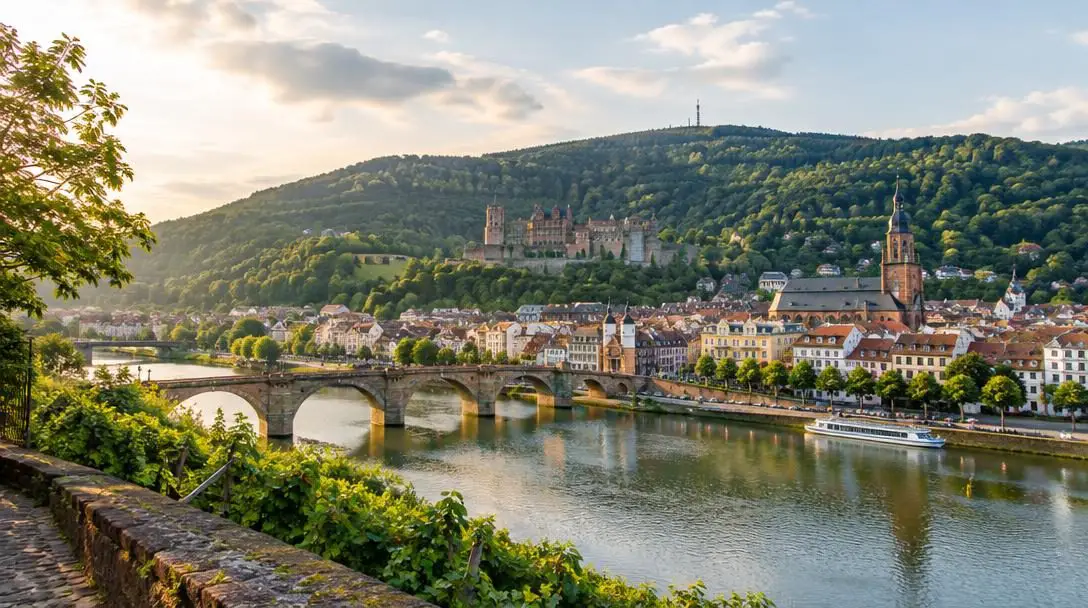
Germany is a country of layered history, pristine civic spaces, and distinct cultural rhythms that defy simple tourist stereotypes. Many first-time visitors arrive expecting a uniform landscape of alpine chalets and hearty Bavarian fare, only to discover a profoundly diverse nation composed of proud regional territories, forward-looking transit systems, and communities that balance intense work ethics with deep social leisure.
To truly understand modern Germany, one must look beyond postcard monuments and observe how everyday life operates. Whether cruising across world-class infrastructure, exploring bustling cobblestone commercial corridors, or sampling deeply ingrained food and brewing arts, taking the time to adopt local customs reveals an extraordinarily welcoming and organized society.
Key takeaways
- Germany is culturally multifaceted, with noticeable lifestyle and culinary contrasts separating the maritime north, alpine south, and Slavic-influenced east.
- Public infrastructure and urban planning prioritize pedestrian life, communal cleanliness, and rigorous roadway discipline.
- Civic regulations protect family rest and independent shopkeepers by mandating early evening retail closures and Sunday business shutdowns.
- Culinary identity centers on regional authenticity, featuring over 360 varieties of bread and purity-governed, non-taxable beer classified as a life staple.
- Locals are consistently friendly, speak excellent English, and place immense value on shared public respect and environmental cleanliness.
Understanding the Regional Diversity of Germany
Germany is far from a monolithic country. The nation is an assembly of distinctive territories, each retaining a distinct character forged by geography, neighborly borders, and local heritage. Appreciating this cultural geography helps travelers understand why attitudes, dialects, and dining customs shift dramatically over just a few hours of travel.
In northern Germany, life is shaped by maritime geography and coastal winds. The social atmosphere here is famously understated, calm, and direct. The local cuisine reflects these coastal and northern plains influences, offering dishes that are lighter and noticeably distinct from the butter- and pork-heavy dishes associated with southern regions.
By contrast, southern Germany—headlined by Bavaria—serves as the quintessential image of traditional German folklore in international popular culture. Towering alpine peaks, grand castles, brass bands, and hearty dining define the south. Southern communities take immense pride in their ancestral heritage, maintaining vibrant regional dress, festive gatherings, and long-standing folk arts that remain part of contemporary living.
Meanwhile, eastern Germany presents its own compelling character. Due to geographical proximity and historical connections, the eastern part of the country features palpable Polish and Slavic cultural impacts. This Slavic connection manifests in local seasoning profiles, savory dish preparations, and regional social perspectives that provide a crucial window into the broader European crosscurrents that shaped the nation.
Everyday Principles: Cleanliness, Order, and Protected Rest
Across all regions, everyday life in Germany is grounded in systems designed to maintain civic cleanliness and work-life balance. German cities are impeccably clean, thanks to shared social standards where residents take collective responsibility for public spaces. Littering is rare, and recycling and proper waste disposal are treated as fundamental civic duties.
The rhythm of life is equally deliberate. Germans are widely celebrated for working with focused intensity during professional hours, yet they safeguard their personal time with equal determination. Evenings and weekends are reserved for friends, family, and outdoor leisure. To protect this balance and ensure fair competition, strict municipal and commercial laws regulate commercial opening hours.
Large corporate retail chains are not permitted to operate around the clock, a policy designed to safeguard small, independent merchants from being priced out of the market. Furthermore, Sunday retail closures guarantee that retail workers and business owners enjoy guaranteed rest and family entertainment, keeping community life calm and unhurried at the end of every week.
Five Authentic Ways to Experience German Life
To dive beneath the surface of typical sightseeing, travelers should engage with the systems, foods, and gathering spaces that define daily routines. The following table highlights the five core avenues for discovering the authentic German lifestyle.
| Experience | Focus Area | What to Expect | Essential Etiquette |
|---|---|---|---|
| The Autobahn Network | Transportation | High-speed, multi-lane highways engineered to perfection | Stay right unless actively passing; check mirrors constantly |
| Authentic Regional Cuisine | Food and Baking | Over 360 distinct breads and varying regional dishes | Seek out neighborhood bakeries and traditional inns |
| The Fussgängerzone | Urban Pedestrian Life | Cobblestone shopping streets with cafes and street artists | Shop early; do not expect commercial stores open on Sunday |
| Traditional German Beer | Beverage Culture | Purity-law lagers and ales treated as essential life staples | Embrace classic recipes over novelty craft flavors |
| Welcoming Local Residents | Social Engagement | Polite, English-fluent conversations in spotless shared spaces | Respect public cleanliness and quiet evening hours |
The Autobahn Network
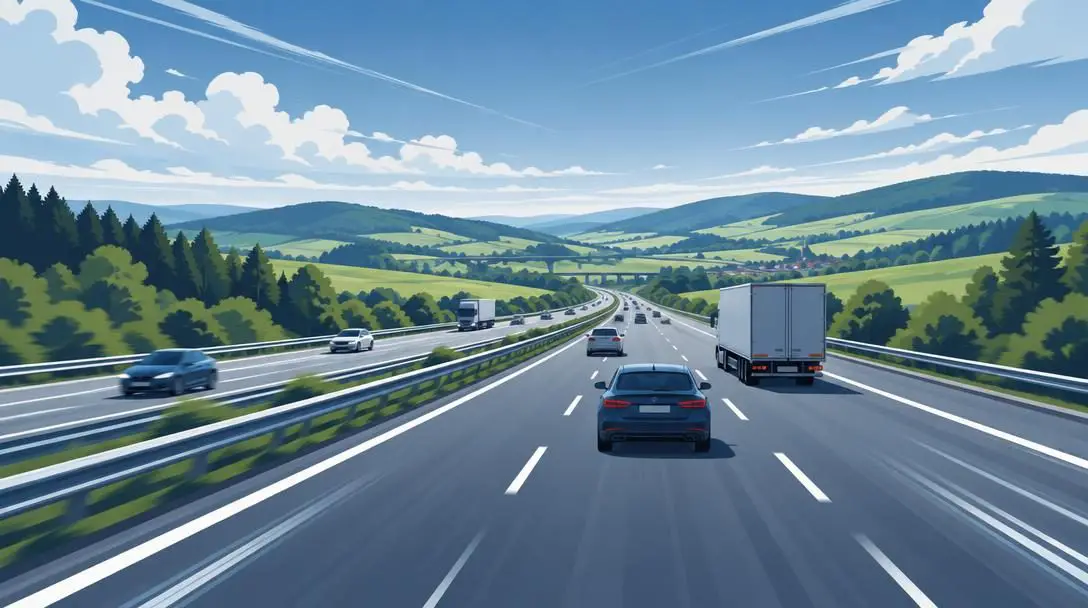
- Category: High-speed roadway infrastructure
- Defining trait: Unrestricted speed zones with strict lane discipline
- Key challenge: Fast-approaching vehicles traveling at 120+ mph
The Autobahn is globally famous, representing one of the finest engineering achievements in civil transit. Its road surfaces are exceptionally smooth, meticulously graded, and engineered for high-performance vehicles. Driving this network offers a standard of roadway travel unmatched anywhere else in the automotive world.
However, navigating sections without posted speed limits requires intense concentration and strict obedience to highway regulations. Driving at 120 mph can feel thrilling until a Porsche approaches from behind with flashing headlights, signaling an immediate need for you to yield the lane.
- Ride as a passenger with an experienced German driver first to acclimatize to high-speed pacing and passing protocols.
- Keep strictly to the right lane whenever you are not actively overtaking another vehicle.
- Monitor your rearview mirror continuously, anticipating high-performance vehicles closing gaps in seconds.
- Study all traffic signs, lane markers, and safety protocols prior to your drive, as traffic tickets for infractions carry heavy financial penalties.
Authentic Regional Cuisine
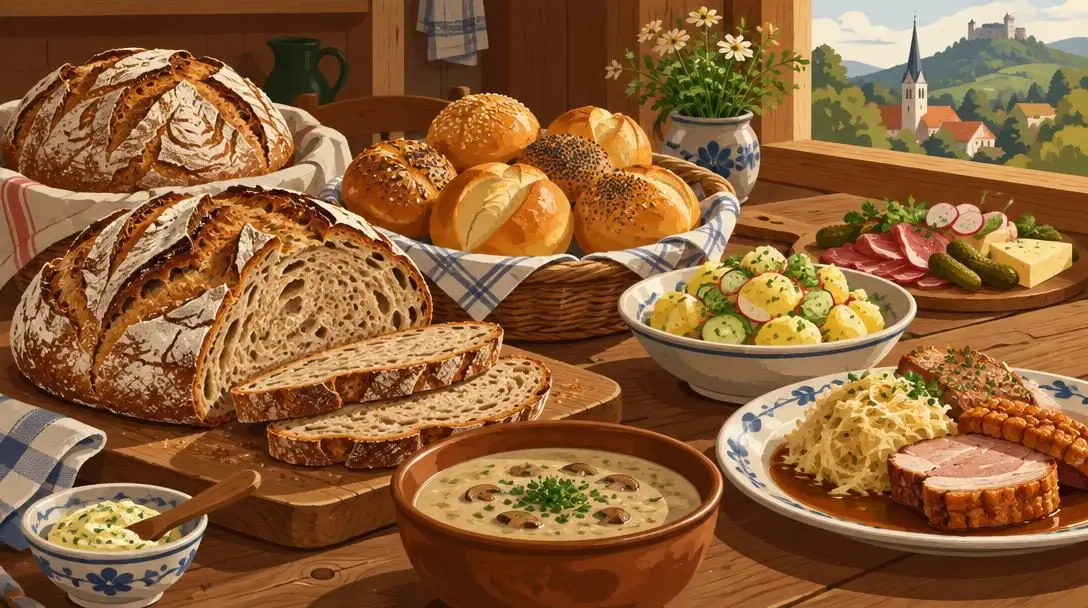
- Bread variety: More than 360 distinct styles nationwide
- Culinary influences: Maritime in the north, alpine in the south, Slavic in the east
- Primary venues: Independent neighborhood bakeries and rustic inns
Real German food is diverse, fresh, and deeply tied to place. Because mass-market German dining abroad is often limited to sausages and pretzels, many travelers are surprised by the nuance found across different federal states.
Bread is the crowning jewel of the culinary landscape. Local bakeries produce more than 360 varieties of bread, spanning dense rye loaves, crusty seed-topped sourdoughs, and delicate morning rolls. Rather than visiting international fast-food chains, travelers should seek out family-owned neighborhood inns (Gasthäuser) to sample dishes tailored to local geography—from maritime seafood dishes in the north to Polish- and Slavic-influenced comfort foods in the east.
The Fussgängerzone Pedestrian Center
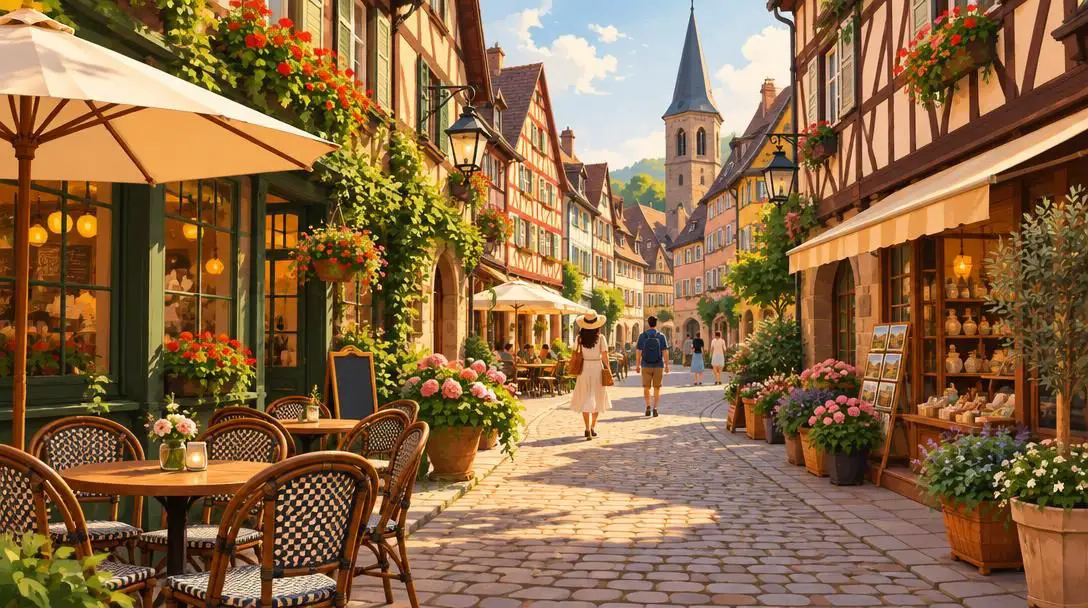
- Pavement type: Historic cobblestone streets
- Environment: Fully pedestrianized, car-free retail and cafe district
- Operating model: Restricted evening hours with full Sunday retail closures
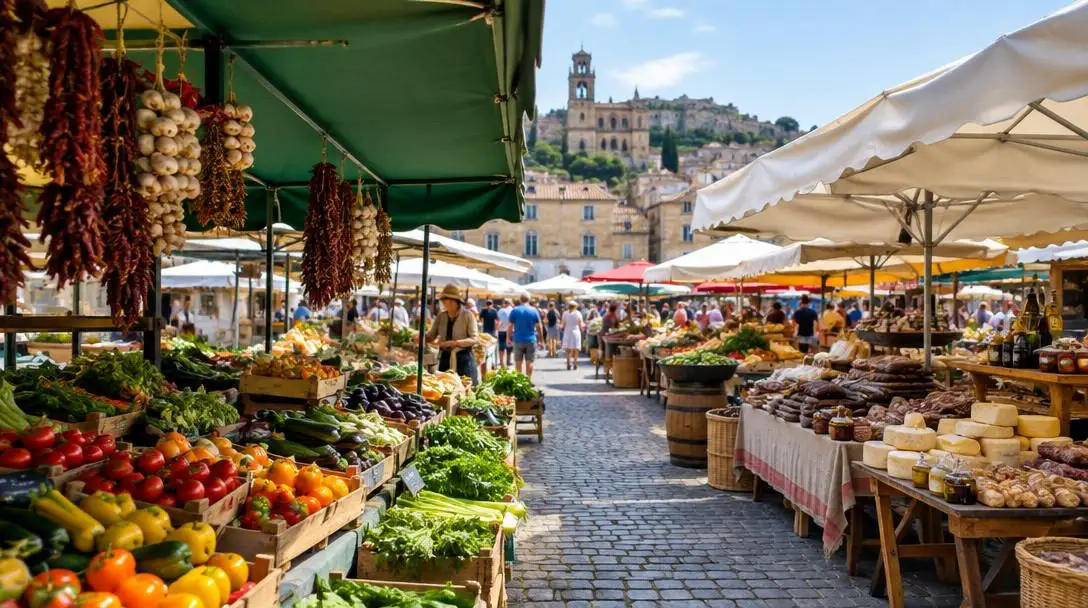
Instead of driving to suburban indoor malls, Germans center their social and commercial lives within the Fussgängerzone—designated pedestrian-only walking zones found in the core of every German city. These streets, paved with smooth cobblestones, exclude automobiles entirely, allowing crowds to stroll peacefully among historic facades, boutiques, open-air cafes, and street performers.
Visiting a Fussgängerzone during midday reveals the public heart of German community life. However, travelers must plan carefully. German law requires retail establishments to close earlier in the evening than in many Western countries, ensuring employees are not overworked. On Sundays, shops are completely shut, transforming the pedestrian zones into quiet, open spaces tailored for strolls and relaxed conversations over coffee.
The car-free Fussgängerzone is the vibrant economic and social heart of the German town, where commerce yields to community every Sunday.
Traditional German Beer

- Legal standing: Essential life staple (classified as non-taxable)
- Brewing regulation: Controlled by historic purity laws limiting ingredients
- Consumption setting: Communal beer halls and neighborhood gardens
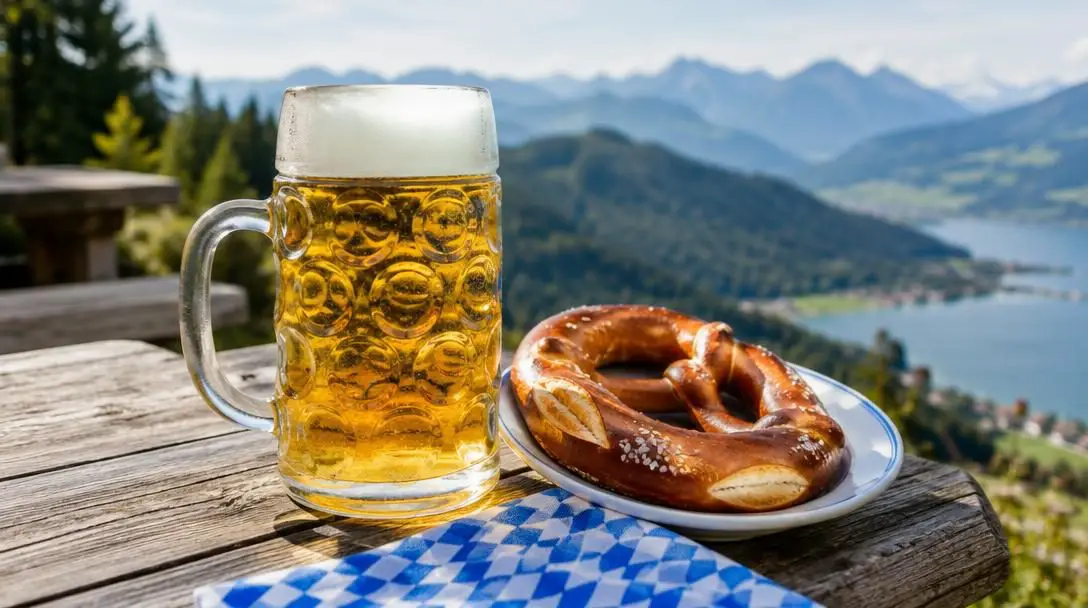
German beer drinking is a cultural institution built on centuries of shared tradition. Germans consume more beer than most populations, viewing the beverage not as an occasional indulgence, but as an essential life staple that remains non-taxable under civic tax structures.
Unlike brewing scenes dominated by endless experimental craft trends, German brewing is governed by ancient purity regulations that strictly limit allowable ingredients. This constraint elevates brewing into a master craft of refinement. The result is pure, remarkably clean lagers, pilsners, and wheat beers. Enjoying these beverages at long communal tables in neighborhood beer gardens encourages spontaneous conversation and a sense of shared community.
Welcoming Local Residents
- Language ability: High English proficiency across age groups
- Social demeanor: Direct, polite, and exceptionally helpful
- Civic values: Strong commitment to cleanliness and public quiet
While infrastructure and cuisine shape any itinerary, the German people themselves make travel truly memorable. Although temperament varies—from the reserved nature of coastal northerners to the hearty sociability of southern Bavarians—citizens nationwide are polite, friendly, and welcoming to international travelers.
Most Germans speak English with remarkable fluency, meaning visitors should never feel intimidated when seeking directions or asking for recommendations. Engaging with locals becomes even easier when travelers show respect for shared civic norms: keep conversational noise modest on public transit, never litter, and respect the quiet atmosphere of neighborhood residential streets in the evening.
Common Cultural Misunderstandings to Avoid
To ensure interactions and travel plans proceed without friction, visitors should be aware of several common misconceptions about daily customs in Germany:
- Treating the Autobahn as an unregulated playground: While select zones lack posted limits, aggressive tailgating, passing on the right, and lingering in the passing lane carry severe legal penalties.
- Leaving shopping errands for the late evening: Retail outlets close earlier than those in countries with deregulated commercial hours; shopping late will leave you facing locked doors.
- Counting on Sunday store openings: Commercial stores are closed on Sundays to protect family time, meaning groceries and retail goods must be purchased ahead of time on Friday or Saturday.
- Searching for novelty craft beers: Demanding heavily flavored, experimental beer variants runs counter to traditional purity standards that champion unadulterated lagers and ales.
- Assuming a single national culinary identity: Expecting southern Bavarian meals in the maritime north or Slavic-influenced east overlooks the rich regional contrasts of German cooking.
Frequently asked questions
Why are retail stores closed on Sundays in Germany?
German law mandates Sunday closures to protect workers' rights and support family life. Keeping commercial stores closed preserves a shared national day of rest, leisure, and family entertainment while preventing large corporate chains from displacing small shopkeepers.
Is there really no speed limit on the Autobahn?
Certain designated sections of the Autobahn have no posted speed limit, allowing vehicles to travel at high speeds. However, these zones are governed by strict traffic rules regarding lane discipline, passing etiquette, and safe following distances, with heavy fines for violations.
Why is German beer classified as a life staple?
Beer has held deep cultural, historical, and nutritional significance in German society for centuries. Because of this status, it is legally treated as an essential staple rather than a luxury good, making it exempt from certain municipal luxury taxes.
What makes eastern German cuisine unique?
Eastern German cuisine is shaped by its geographical proximity and historic cultural ties to neighboring Poland and other Slavic cultures. This connection results in distinct savory flavor profiles, hearty stews, and seasoning traditions not found in the south or west.
How widely spoken is English across Germany?
English is taught extensively in the German school system, and the vast majority of citizens in both urban centers and regional towns speak fluent English. Locals are generally happy to assist travelers who speak English.
How many kinds of bread are actually baked in Germany?
Germany boasts more than 360 distinct varieties of bread, produced by a dense network of independent neighborhood bakeries specializing in multi-grain loaves, sourdoughs, and whole-rye breads.
The bottom line
Experiencing the real Germany requires looking past stereotypical tourist images and embracing the authentic structures of daily life. From the precision and focus required on the Autobahn to the peaceful midday community gatherings within the Fussgängerzone, Germany operates on a unique balance of rigorous discipline and well-earned relaxation.
By sampling regional breads, honoring local brewing standards, respecting quiet Sundays, and engaging openly with welcoming residents across the north, south, and east, you will discover a vibrant nation that takes immense pride in its heritage while offering one of the most comfortable, clean, and rewarding travel experiences in the world.