What Does It Mean When You Have Cravings?

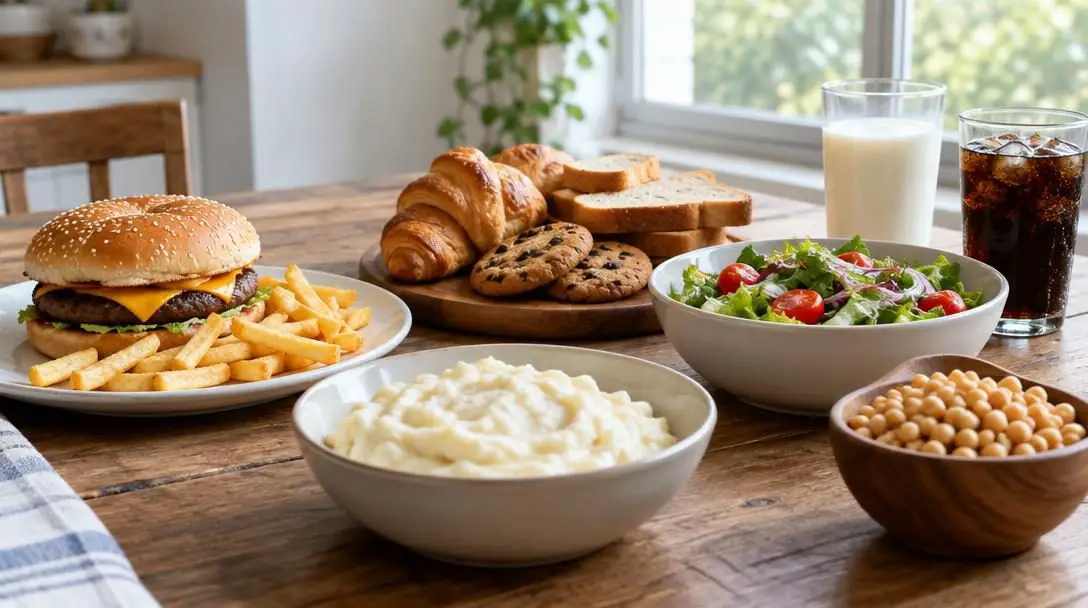
Almost everyone has felt an overwhelming urge to eat a specific food at an unexpected moment. While genuine biological hunger is the body's straightforward request for fuel, a food craving is far more targeted, demanding a precise taste, texture, or temperature. You might find yourself fixated on crunchy french fries, sweet milk chocolate, salty chips, or even a glass of ice cubes.
These intense impulses are rarely random events. Instead, they stem from a complex web of neurochemical signals, hormonal shifts, emotional states, learned routines, and nutritional requirements. Understanding the underlying mechanisms behind your cravings helps eliminate the guilt and confusion that often accompany them, allowing you to address what your mind and body actually require.
Key takeaways
- Cravings differ from regular hunger by focusing on specific flavors or textures rather than general caloric replenishment.
- Disruptions in hunger hormones, elevated cortisol from stress, and inadequate sleep are major physical triggers for intense urges.
- Specific cravings can indicate micronutrient gaps or serious medical conditions, including iron deficiency, Addison's disease, and diabetes.
- Conditioned habits and your physical environment often create artificial cravings that can be dismantled by changing your routines.
- Food addiction activates the same neurological reward pathways as addictive substances and warrants clinical support.
Physical Drivers of Food Cravings
The human body relies on finely calibrated feedback loops to regulate energy expenditure and appetite. When any part of this internal communication network is disrupted, strong physical cravings can quickly follow.
A primary cause of physical cravings is an imbalance in your hunger hormones: ghrelin and leptin. Ghrelin is produced primarily in the gut to stimulate appetite, signaling the brain that it is time to consume calories. In contrast, leptin is released by fat cells to notify the brain that energy stores are sufficient and that eating should stop. When communication between these two messengers breaks down, the brain fails to register fullness, provoking persistent cravings and overeating.
Rest is equally critical for hormonal balance. Even mild sleep deprivation interferes with normal metabolic signaling. When you miss out on quality rest, your body experiences an uptick in appetite-stimulating hormones alongside a decrease in satiety signals. Multiple studies have linked insufficient sleep directly to increased cravings, overconsumption of calories, and a higher risk of obesity.
Your digestive tract also plays an influential part in how you experience appetite. Poor gut health and an overall unbalanced diet impair normal digestion, causing irregular blood sugar fluctuations and erratic demands for food. Additionally, biological cycles cause pronounced hormonal shifts in women. Fluctuating hormone levels during pregnancy, premenstrual syndrome (PMS), and the monthly menstrual cycle routinely spark intense, specific cravings for high-energy foods.
Psychological Triggers and Environmental Context
The digestive tract and the central nervous system are in continuous communication, which means psychological stressors and mental states directly influence what and when you want to eat.
When you experience acute or prolonged stress, your body releases cortisol, often called the stress hormone. High circulating cortisol levels prompt physiological changes that demand fast, readily available energy. This hormonal surge makes dense, comforting foods feel like a physical necessity even when your caloric tank is full.
Emotional states such as sadness, anger, anxiety, or persistent worry frequently drive people toward comfort foods. In these challenging moments, eating is used as a temporary coping mechanism. Consuming rich or sugary treats offers a brief diversion from emotional distress, soothing uncomfortable feelings by stimulating rapid pleasure responses in the brain.
Beyond emotions, your physical surroundings can condition your appetite through a phenomenon known as eating context. If you consistently eat popcorn while watching a movie or grab snacks the moment you sit down in front of the television, your brain creates an automatic link between that activity and eating. The activity itself becomes the cue for a craving, completely independent of nutritional need.
What Specific Cravings Say About Your Health
Certain cravings serve as warning signs for nutritional deficiencies or underlying medical conditions. Learning to interpret these physical messages allows you to take corrective action before a minor imbalance develops into a more serious health concern.
Water
- Associated condition: Early warning sign of diabetes
- Key warning signs: Excessive thirst paired with excessive urination
- Recommended action: Consult a physician for blood sugar evaluation
An intense, persistent craving for plain water is known clinically as polydipsia. When accompanied by frequent urination, it can be an early indicator of diabetes. When blood sugar levels are chronically elevated, the kidneys work overtime to filter and excrete the excess glucose through urine, drawing fluids from your tissues and leaving you perpetually dehydrated.
Ice
- Associated condition: Iron deficiency
- Physical mechanism: Chewing ice increases blood flow to the brain
- Key symptom relieved: Sluggishness and fatigue
The compulsive desire to chew ice is known as pagophagia. Craving water in its frozen form is a recognized symptom of an iron deficiency. Medical research suggests that the physical act of crunching cold ice triggers a vascular response that increases blood flow to the brain, temporarily counteracting the mental sluggishness, weakness, and fatigue caused by low iron stores.
Fries
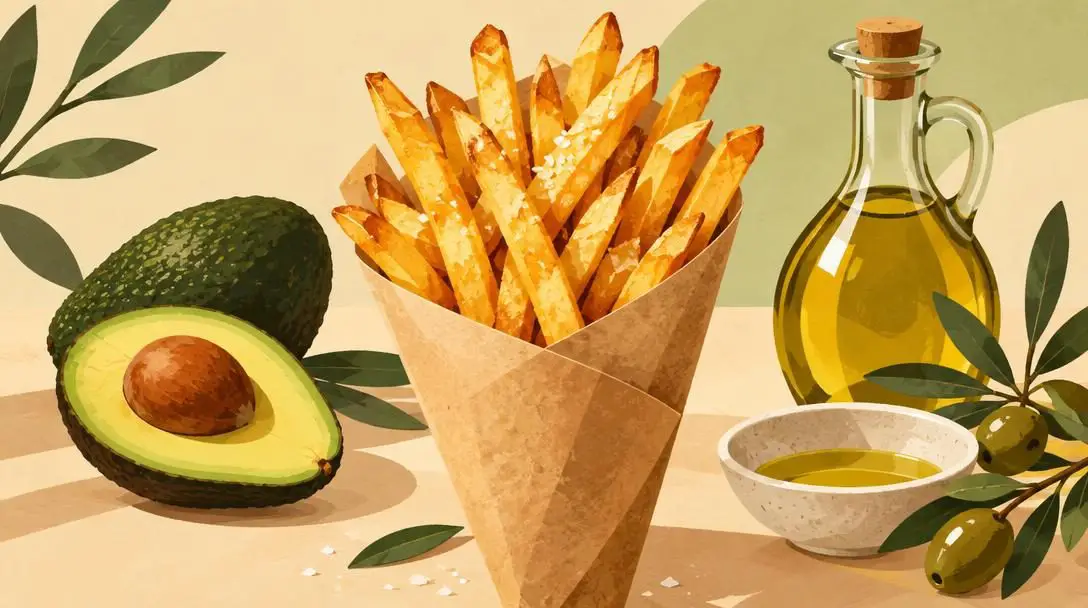
- Associated condition: Deficiency in Omega-3 fatty acids
- Unhealthy choice: Deep-fried, high-fat foods
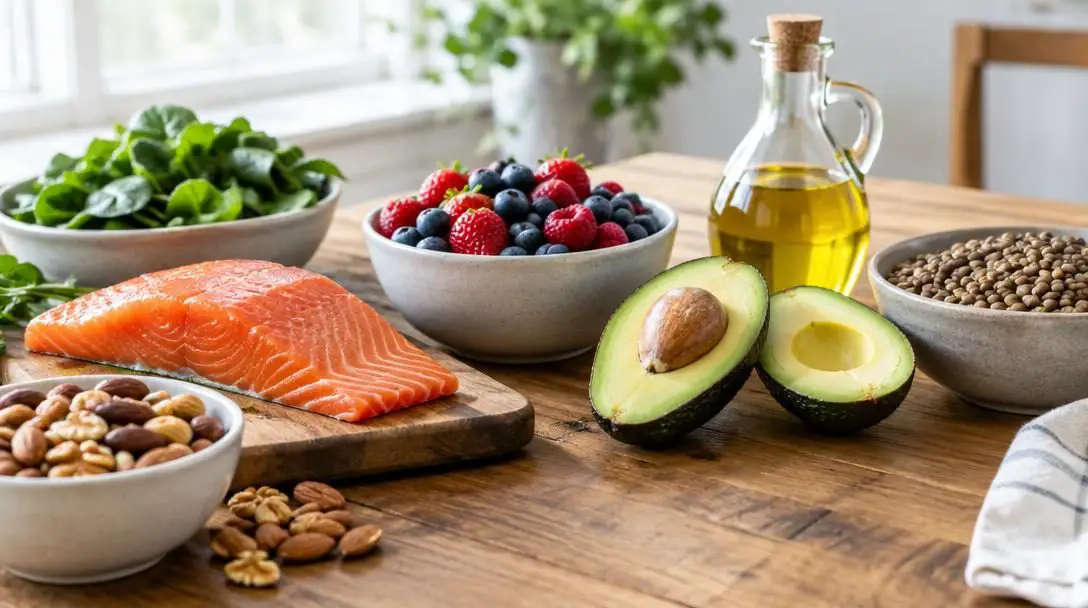
- Nutritious alternatives: Avocados, olive oil, seeds, salmon, nuts
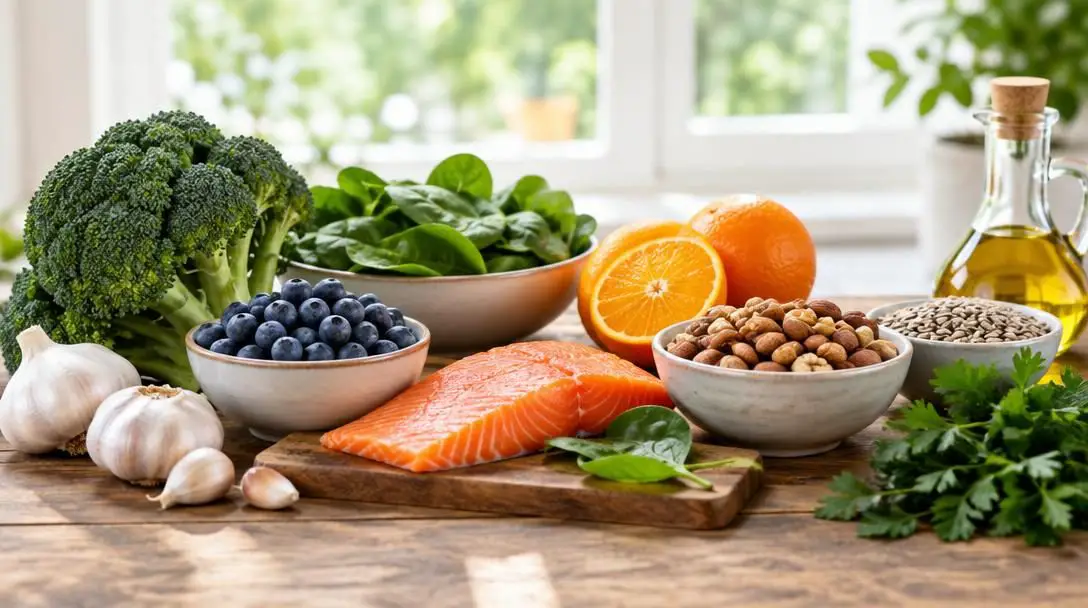
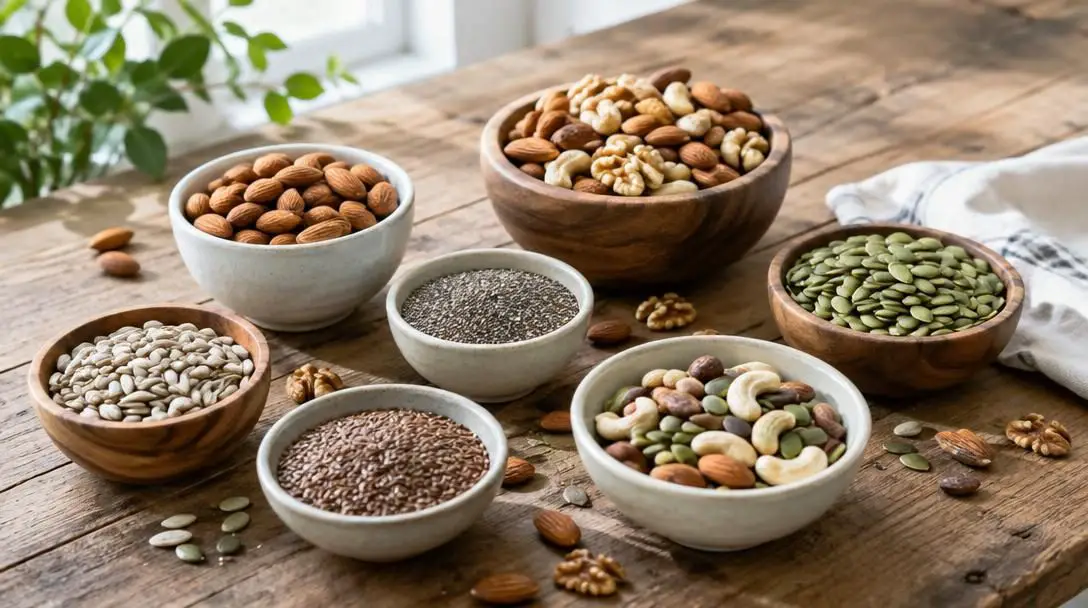
Craving high-fat foods like deep-fried potatoes often means your system is running low on healthy dietary fats, specifically Omega-3 fatty acids. Rather than loading up on trans fats and inflammatory cooking oils, replenish your body by eating nutrient-dense sources of beneficial fats like fresh avocados, extra virgin olive oil, chia or flax seeds, wild salmon, and walnuts.
Salt

- Common misconception: Need for sodium or iodine from iodized salt
- Underlying medical concern: Addison's disease
- Primary guidance: Medical evaluation if cravings are extreme
There is a widespread belief that sudden salt cravings happen because the body is depleted of sodium or the iodine present in iodized table salt. There is no clinical merit to this assumption. However, extreme and unrelenting salt cravings should not be dismissed, as they can be a symptom of Addison's disease, a rare disorder of the adrenal glands that impairs normal hormone production.
Chocolate
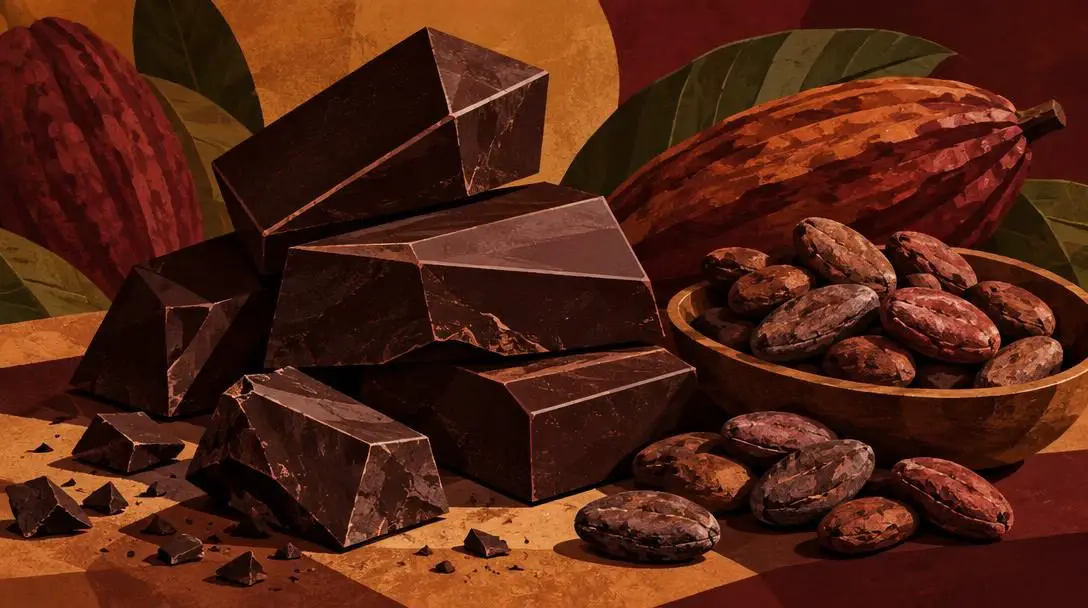
- Associated deficiency: Magnesium or B vitamins
- Common pitfall: Consuming high-sugar commercial candy
- Better approach: Dark chocolate, leafy greens, legumes, whole grains
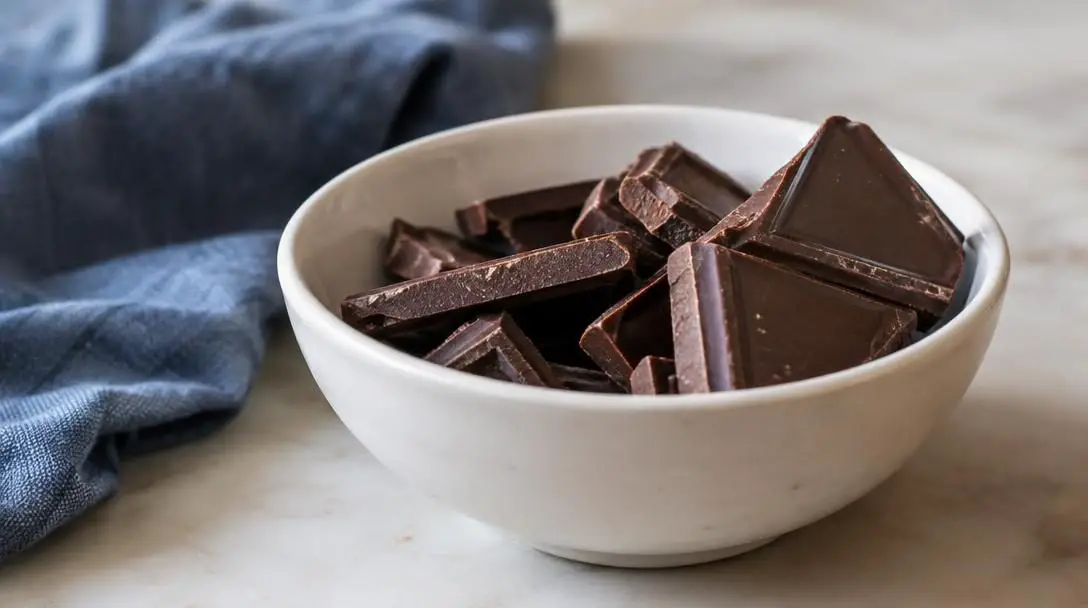
While chocolate is widely loved for its rich flavor, an intense urge for it often points to a genuine micronutrient deficiency. Pure cacao is naturally rich in magnesium and essential B vitamins. If your diet lacks these vital nutrients, your brain may steer you toward chocolate to compensate, even though heavily processed candy bars contain far more sugar than usable minerals.
Sugar
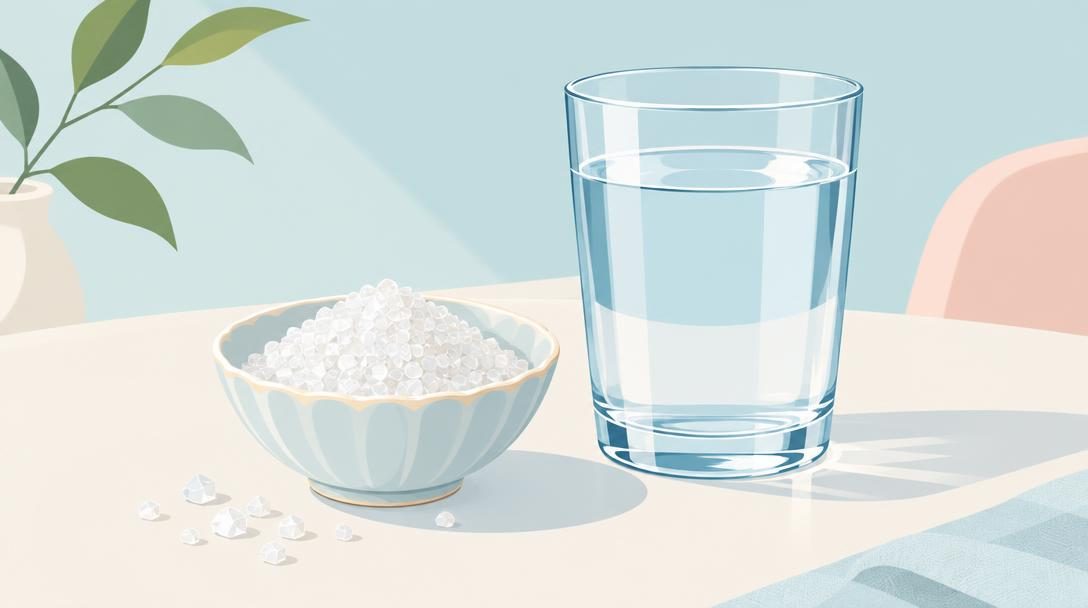
- Associated condition: Low-level dehydration
- Misleading signal: Brain requesting quick glucose instead of fluids
- Recommended action: Drink one or two full glasses of water
Sudden, intense sugar cravings are frequently linked to mild dehydration. When fluid levels run low, the liver faces difficulty breaking down glycogen into usable glucose for cellular energy. As energy output dips, the brain assumes you need immediate carbohydrates and generates a strong desire for candy or sweets. Drinking water often resolves the craving completely.
| Craved Item | Potential Underlying Cause | Recommended Dietary Response |
|---|---|---|
| Water | Elevated blood sugar; potential early diabetes | Schedule an evaluation with your doctor |
| Ice | Iron deficiency (anemia) | Consult a physician for bloodwork; assess dietary iron |
| Fries | Omega-3 fatty acid deficiency | Eat avocados, olive oil, seeds, salmon, and nuts |
| Salt | Adrenal insufficiency; potential Addison's disease | Seek medical evaluation if cravings are extreme |
| Chocolate | Magnesium or B vitamin deficiency | Choose dark chocolate, nuts, seeds, and leafy greens |
| Sugar | Low-level dehydration or energy drop | Drink one or two tall glasses of water |
Recognizing Compulsive Eating and Food Addiction
Food addiction is a genuine neurobiological condition that goes far beyond routine cravings or occasional overindulgence. An individual can develop a dependence on specific dietary components, such as refined sugar, processed fats, or salt, or experience generalized compulsive overeating that feels entirely out of their control.

People who experience food addiction undergo the same neurological reward activation as individuals using cocaine or heroin.
Brain imaging reveals that highly palatable, processed foods stimulate the very same dopamine-driven reward centers that are activated by addictive drugs. For individuals dealing with food addiction, eating delivers a chemical high followed by a sharp drop in mood, sparking a compulsive cycle of consumption to recreate that fleeting sense of comfort. If you find yourself unable to stop eating despite negative physical or emotional consequences, it is vital to discuss your experiences with a qualified healthcare professional.
Ruling Out Genuine Hunger
Before assuming that a food craving is driven by a psychological complex or a rare micronutrient deficit, step back and consider the most straightforward possibility: you might simply be hungry. When the body depletes its readily available fuel stores, the brain issues an urgent demand for calories, frequently directing your attention toward rapid energy sources like simple sugars or dense fats.
When an urge strikes, take a moment to evaluate your daily timeline:
- Have you eaten a balanced meal today?
- How many hours have passed since your last meal or snack?
- Did your previous meal contain enough protein, fiber, and healthy fat to sustain satiety?
- Are you overdue for your next regular meal?
If you realize that several hours have passed without nourishment, the solution is straightforward. Prepare a balanced, nutritious meal containing whole foods. Nourishing your body with complex carbohydrates, quality protein, and beneficial fats satisfies your physiological hunger cues and dissolves the craving naturally.
A Step-by-Step Method to Evaluate Cravings
When a sudden, intense craving strikes, relying on a systematic evaluation helps you uncover the true root cause and respond in a healthy, constructive manner.
- Check your physical schedule: Note the time of your last meal, how much you ate, and whether you experienced poor sleep the previous night. If your sleep was cut short, recognize that elevated ghrelin is likely inflating your appetite.
- Drink a tall glass of water: Because sugar cravings are closely linked to mild dehydration, drink one or two glasses of water and wait ten minutes before consuming any snacks.
- Acknowledge your emotional state: Pause to assess whether you feel stressed, anxious, lonely, angry, or exhausted. If cortisol and emotional strain are present, focus on non-food stress relief rather than comfort foods.
- Break the environmental pattern: If your craving appeared while relaxing on the couch or watching television, stand up and change rooms. Enforce the boundary of eating only at the dining table, or substitute screen snacks with crunchy fresh fruits and vegetables.
- Swap in nutrient-dense alternatives: If a craving for greasy food persists, provide your body with the Omega-3 fats it needs by choosing salmon, nuts, seeds, or avocado. If chocolate calls, opt for dark varieties rich in magnesium.
- Keep a detailed craving log: Record what you crave, the time of day, and any accompanying symptoms. Tracking these details provides invaluable data should you need to consult your physician about unusual urges like chewing ice or extreme salt intake.
Mistakes to Avoid When Managing Cravings
Navigating cravings can be challenging, and standard cultural assumptions often cause people to make choices that exacerbate their urges rather than resolving them. Watch out for these common missteps:
- Assuming salt cravings mean you need sodium: Believing you are deficient in sodium or iodine can lead to unnecessary salt intake while distracting from potential endocrine conditions such as Addison's disease.
- Relying on willpower while neglecting sleep: Trying to resist intense cravings through sheer discipline while chronically sleep-deprived is rarely effective, as hormonal disruption overrides mental resolve.
- Eating in front of digital screens: Snacking while watching television or scrolling through devices reinforces eating context, training your brain to generate hunger cues whenever you consume media.
- Treating food addiction as a moral failing: Viewing compulsive eating as simple weakness prevents people from seeking clinical support for legitimate neurological reward-cycle disruptions.
- Overlooking early clinical indicators: Dismissing constant, unquenchable thirst as dry mouth or ignoring an urge to chew ice can lead to delayed diagnoses for conditions like diabetes or iron deficiency.
- Overthinking before checking basic hunger: Spending mental energy decoding complex emotional roots when you simply skipped lunch leads to unnecessary frustration and prolonged low energy.
Frequently asked questions
Why do I crave sweet foods when I am dehydrated?
When you are mildly dehydrated, your liver experiences difficulty breaking down stored glycogen into usable glucose. This temporary drop in available cellular energy prompts your brain to demand quick-acting simple sugars, even though your body actually needs water.
How does poor sleep increase food cravings?
Sleep deprivation disrupts the balance of your primary hunger hormones. It elevates ghrelin, which stimulates appetite, while suppressing leptin, which signals satiety. This imbalance causes the brain to crave calorie-dense foods throughout the day.
What should I eat when I crave french fries?
Craving fried foods often indicates a lack of healthy dietary fats, specifically Omega-3 fatty acids. Instead of consuming deep-fried items, nourish your body with wholesome sources of healthy fats such as avocados, extra virgin olive oil, walnuts, chia seeds, or wild salmon.
Why is chewing ice linked to iron deficiency?
Chewing ice, a condition known as pagophagia, stimulates blood flow to the brain through cold-induced vascular changes. This temporary boost in cerebral circulation helps alleviate the persistent sluggishness, brain fog, and fatigue caused by low iron levels.
When should I consult a doctor about my cravings?
You should speak with a doctor if you experience extreme, unquenchable thirst accompanied by frequent urination, an uncontrollable urge to chew ice, intense cravings for salt, or compulsive eating patterns that mirror addiction.
The Bottom Line
Food cravings are rarely arbitrary disruptions designed to undermine your healthy eating goals. Instead, they represent your body's communication system signaling an unmet physical, emotional, or environmental need. Whether an urge points to mild dehydration, chronic stress, an ingrained habit, or a medical condition like an iron deficiency or diabetes, taking time to evaluate the signal gives you the power to respond appropriately.
By assessing your recent meals, maintaining consistent sleep schedules, staying well-hydrated, and building intentional habits around how and where you eat, you can transform cravings from frustrating obstacles into valuable health feedback. Whenever an unusual or overwhelming urge persists, partnering with a medical professional ensures your wellness remains protected for the long term.