Why Are Prices Going Up?

Every trip to the grocery store or the gas station seems to come with a sharper sting to the family budget. When the cost of living accelerates across multiple categories at once, consumers feel immediate pressure on their monthly routines, forcing tough decisions about what they can afford to purchase, save, or delay. From the food on dinner tables to the power running through home radiators, prices for everyday goods have climbed at paces rarely seen in modern consumer history.
This rapid escalation in retail pricing is not the result of an isolated event or a single policy choice. Instead, high inflation represents the combined impact of several severe economic disruptions colliding at the same time. Widespread health measures, major international conflicts, energy supply constraints, logistics backlogs, and shifting government debt and tax policies have generated a challenging commercial climate where scarcity drives expenses upward from the point of extraction to the retail checkout lane.
Key takeaways
- Recent inflation stems from a mix of pandemic bottlenecks, fossil fuel restrictions, international conflict, and expanding public debt.
- Gas and diesel prices surged by roughly 43.6 percent year-over-year following regulatory halts on projects and pipeline closures.
- Fuel costs directly influence non-energy categories because petroleum byproducts are essential components in goods like bedding and furniture.
- The war involving Russia and Ukraine removed critical supplies of wheat, corn, oil, and industrial metals from normal international trade.
- Households can mitigate price spikes through targeted utility audits, bulk purchasing of pantry staples, and defensive travel habits.
The Core Catalysts Behind Escalating Living Costs
Inflation is often described simply as too much money chasing too few goods, but understanding the present surge requires looking directly at the structural origins of that product scarcity. Over the past several years, multiple international events disrupted the routine flow of commerce. When production stops or slows down in primary export sectors, the reduced availability of raw materials forces prices higher across every subsequent phase of manufacturing and distribution.
The COVID-19 Pandemic
The global coronavirus pandemic laid the groundwork for severe market instability. As the virus spread, workforce shortages became widespread because thousands of key workers were off sick during crucial manufacturing and transportation windows. Furthermore, preventive measures implemented by governments to protect public health paused operations in production hubs and transport terminals. These intermittent shutdowns and labor deficits created an environment where global industry could not keep pace with baseline consumer demand, establishing the foundational supply bottlenecks that continue to echo through modern retail channels.
Fossil Fuel Constraints and Pipeline Reductions
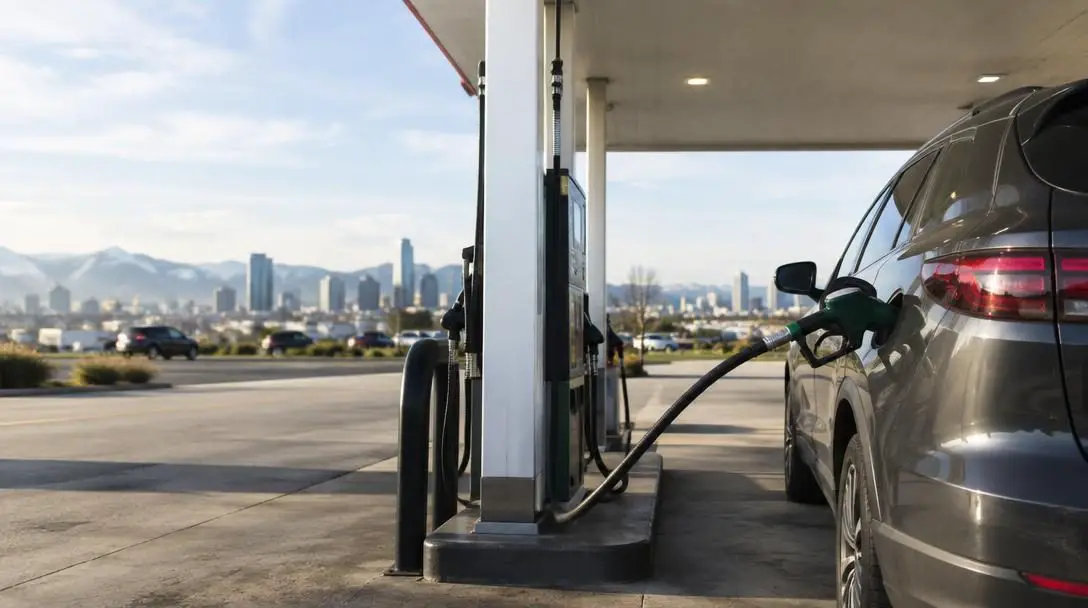
A critical pillar of modern price increases lies in the diminished supply of fossil fuels. New government regulations placed upon energy businesses, combined with decisions to shut down pipelines and pause fossil fuel production projects, severely restricted the energy output needed to power the broader economy. Because of these constraints, the cost of gas and diesel increased by roughly 43.6 percent compared to the prior year. This steep increase does not stop at personal transportation; diesel fuel powers commercial freight, agricultural tractors, and marine cargo, directly increasing the cost of delivering finished goods to market.
Persistent Supply Chain Bottlenecks
The operational snarls that began during the initial waves of the pandemic quickly compounded into extended logistical delays. In many industries, shipping timelines and parts deliveries were delayed by months rather than days. When store shelves sit empty and inventory dwindles, simple supply and demand mechanics dictate the outcome: consumer demand outstrips the physical availability of merchandise. Retailers and manufacturers must pay elevated shipping rates to secure scarce cargo space, and those logistical expenses are ultimately passed along to the consumer through higher shelf prices.
The War in Ukraine and Commodity Trade Cutoffs
The outbreak of war between Russia and Ukraine introduced a severe geopolitical shock to global commodity exchanges. In the wake of the conflict, both countries were largely cut off from participating in normal international commerce, abruptly pulling vast quantities of essential materials out of circulation. Russia had long functioned as a major international supplier of oil, natural gas, and industrial metals, and its isolation triggered acute shortages and price volatility worldwide. Simultaneously, Ukraine represents one of the world's leading exporters of wheat and corn. The loss of these agricultural supplies drove global grain costs higher, which in turn increased feed prices for livestock and raised prices on grocery store shelves everywhere.
Fiscal Policy, Public Debt, and Regulatory Shifts
Beyond international physical bottlenecks, domestic policy decisions play a central role in sustaining high inflation rates. Expansive government regulations, structural changes to the tax code, and rapidly growing government debt all alter how businesses allocate capital and price their products. When regulatory compliance burdens increase and government borrowing expands, businesses face higher operating friction and financing costs. These overarching macroeconomic forces prevent prices from settling back to historical baselines, entrenching higher living costs throughout the economy.
Comparing Primary Inflation Drivers Across Economic Sectors
To grasp why inflation feels so pervasive, it helps to review how each distinct disruption targets specific inputs and product categories across the retail landscape.
| Driver | Primary Commodity Impact | Key Economic Disruption | Direct Consumer Result |
|---|---|---|---|
| COVID-19 Pandemic | Finished goods and components | Key workers off sick; factory and port stoppages | Empty shelves; inventory delays stretching by months |
| Fuel Restrictions | Gas, diesel, and petroleum byproducts | Pipeline closures and production regulations | 43.6% jump in fuel costs; higher utility and transit bills |
| War in Ukraine | Wheat, corn, natural gas, and metals | Exclusion from global trade; disrupted European transit | Higher bakery, meat, and home heating expenses |
| Fiscal & Debt Shifts | Capital investment and consumer currency | Regulatory changes and expanding government debt | Sustained price floors on services and manufactured goods |
How Energy Costs Multiply Throughout the Entire Economy
Many consumers view energy as an isolated monthly bill—something paid at the pump or cleared through an electric company portal. In reality, energy operates as the master resource behind virtually all economic activity. When the baseline supply of fossil fuels shrinks, the downstream effects spread far beyond personal vehicle tanks.
Because diesel prices jumped alongside gasoline by roughly 43.6 percent year-over-year, the cost of moving any physical object through the supply chain surged. Every carton of milk, pair of shoes, or piece of hardware requires transport from a farm or assembly plant to a distribution hub, and finally to a neighborhood retailer. If freight providers must pay unprecedented fuel surcharges, the items on those trucks inevitably carry higher price tags to preserve basic business viability.
When the foundation of modern production rests on energy, any disruption to fuel supplies compounds across every tier of commerce before reaching store shelves.
Furthermore, crude oil and natural gas serve as fundamental raw ingredients in chemical synthesis and industrial manufacturing. Byproducts from fossil fuel refinement are indispensable in creating synthetic fibers, plastics, foams, and protective coatings. Consequently, supply shortfalls in fossil fuels cause price increases on home furniture, mattresses, bedding, and general household wares. Home utility charges also climb because electrical grids and municipal heating systems depend heavily on constrained gas reserves, leaving families with higher invoices even if their power usage remains completely flat.
The Cascade of Global Supply and Demand Imbalances
The basic law of supply and demand dictates that when the quantity of a product declines while consumer desire for that product stays constant or grows, prices must rise. The logistical complications of recent years demonstrate this principle on a massive international scale.

During the pandemic, consumer spending habits shifted rapidly toward manufactured goods at the exact moment factory floors faced labor shortages due to illness and preventive regulations. As shipping containers stacked up at coastal docks and freight corridors stalled, lead times expanded by multiple months. Importers were forced to bid aggressively against one another for scarce container slots, driving international ocean freight fees to historic highs. Even when raw production recovered, the physical movement of finished goods remained severely impeded.
The conflict in Ukraine exacerbated these logistical snarls by complicating overland and marine transit across Europe. The regional closure of major transit corridors slowed the movement of freight from region to region, reinforcing global container imbalances. When combined with the deliberate exclusion of Russian metals, crude oil, and natural gas alongside Ukrainian grains from customary export routes, manufacturers faced persistent input shortages. Without reliable access to basic manufacturing inputs like industrial metals or agricultural staples like corn and wheat, businesses had no choice but to adjust consumer pricing upward to match their own heightened acquisition costs.
Practical Household Steps to Manage Rising Living Expenses
While an individual household cannot unilaterally solve international logistical bottlenecks or reverse energy project regulations, consumers can adopt structured routines to shield their personal finances from sudden market shocks.
- Audit and restructure daily vehicle travel: Because gas and diesel experienced an increase of approximately 43.6 percent, reducing total mileage directly insulates household cash flow. Bundle multiple errands into single continuous loops, coordinate carpools with colleagues, and utilize public transit alternatives where feasible to lower weekly fuel consumption.
- Adjust grocery planning around stable staples: With global grain markets disrupted by the loss of Ukrainian wheat and corn, animal feed and processed foods carry higher costs. Build weekly meal plans around whole, accessible pantry staples, and purchase shelf-stable basics in bulk when prices normalize to hedge against unpredictable weekly price spikes.
- Conduct a thorough home utility inspection: Energy scarcity directly inflates monthly power, heating, and cooling statements. Seal perimeter drafts around doors and windows, clean heating filters, set programmable thermostats to efficient baseline temperatures, and schedule high-draw appliance cycles during off-peak rate periods.
- Anticipate major home durable purchases early: Because furniture, bedding, and manufactured home goods involve petroleum-based inputs and extended shipping lead times, avoid waiting until an old item breaks completely. Monitor sales cycles and purchase necessary durable goods in advance to avoid paying emergency retail premiums during supply shortages.
- Establish a dedicated financial buffer: Inflation makes unexpected expenses far more damaging to long-term stability. Divert small, consistent sums into an emergency savings reserve to cushion against sudden shifts in regulatory costs, tax code changes, or abrupt utility rate hikes.
Common Financial Mistakes During Prolonged Inflation
When daily living expenses surge rapidly, consumers often react with short-term coping mechanisms that inadvertently make their economic position worse. Avoiding these frequent missteps helps maintain financial resilience:
- Believing energy spikes stop at the fuel station: Many consumers only budget for fuel price increases when filling their cars. Overlooking how fossil fuel constraints influence home heating, electricity, grocery packaging, and synthetic items like bedding and furniture can quickly derail a household budget.
- Engaging in short-term panic buying: Seeing depleted store shelves can tempt consumers to hoard goods in excessive quantities. Panic buying ties up liquid cash that may be urgently needed for other fixed bills and creates localized artificial shortages that drive store prices even higher.
- Ignoring small, automated recurring charges: During inflationary cycles, forgotten subscription services, minor app memberships, and small convenience fees quietly drain capital. When basic necessities demand a larger percentage of total income, these minor recurring expenses severely compress discretionary margins.
- Relying on high-interest credit to cover routine living gaps: Using credit cards to cover higher grocery and gas expenses without a concrete payoff schedule creates compounding interest charges. This practice transforms temporary price hikes into persistent, expensive personal debt.
- Neglecting basic residential maintenance: Delaying simple repairs, such as replacing worn weatherstripping or servicing an inefficient furnace, creates substantial energy waste. When baseline fossil fuel prices are high, thermal inefficiencies translate directly into massive utility overages.
Frequently asked questions
Why did gasoline and diesel prices rise so dramatically?
Fuel prices climbed by approximately 43.6 percent compared to the prior year due to a combination of pipeline shutdowns, government regulations limiting fossil fuel production, and international sanctions that removed significant volumes of Russian crude oil and natural gas from global trade networks.
How does the war in Ukraine influence food prices in other countries?
Ukraine is a leading global producer and exporter of wheat and corn. When the conflict interrupted agricultural production and export logistics through European shipping channels, international grain supplies contracted sharply, driving up the cost of basic grains, cereals, and livestock feed globally.
Why do supply chain delays cause store shelves to remain empty?
Pandemic-era factory slowdowns and logistical bottlenecks delayed shipments by months. Because finished goods take longer to transit through ports and trucking corridors, available retail inventory cannot meet ongoing consumer demand, creating empty shelves and empowering retailers to raise prices on limited stock.
How do fossil fuel shortages affect non-transportation goods like furniture?
Petroleum and natural gas byproducts are foundational raw materials in chemical manufacturing. They are used to create the synthetic fibers, foams, adhesives, and plastics found in household goods like mattresses, upholstery, bedding, and home furnishings, meaning energy shortages directly inflate furniture production costs.
What role do domestic fiscal policies and national debt play in inflation?
Changes to government regulations, revisions to the tax code, and growing government debt increase administrative compliance costs and financing pressures across the economy. These systemic expenses add overhead to domestic enterprises, reinforcing elevated prices even after temporary supply shocks diminish.
The Bottom Line
Recent price surges across the global economy are not the byproduct of bad luck or a solitary event. Instead, high inflation represents the compounding aftermath of deep systemic shocks: widespread workforce disruptions from the pandemic, regulatory constraints on domestic fossil fuels, the prolonged conflict between Russia and Ukraine, and mounting fiscal pressures including growing national debt and tax code shifts. Because these intertwined challenges took years to form, unwinding their economic impacts will take time as international supply corridors adapt and energy infrastructure responds to policy developments.
For consumers, navigating an era of expensive necessities requires awareness, discipline, and proactive adjustment. By recognizing that energy constraints touch everything from bedroom bedding to morning groceries, households can cut unnecessary fuel usage, reduce residential energy waste, and prioritize flexible spending habits. Staying closely informed about commodity market shifts, supply chain developments, and domestic energy regulations empowers consumers to anticipate economic headwinds rather than being caught unprepared by volatile price movements.