
How To Safeguard Your Health While Flying
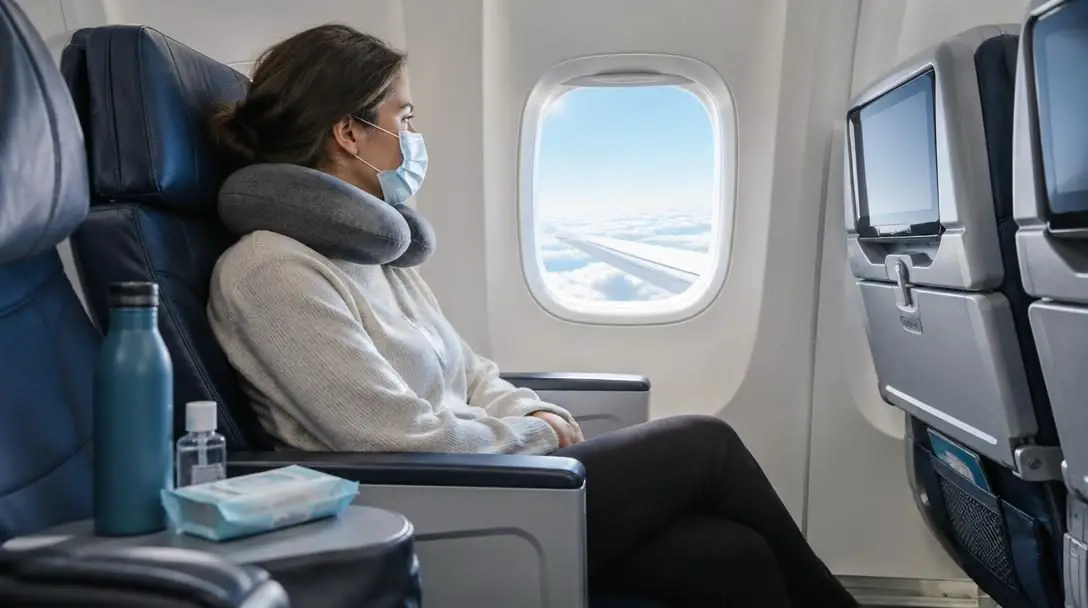
Boarding an airplane often comes with an unspoken sense of dread regarding personal wellness. Crammed seating, unpredictable departures, and close proximity to hundreds of strangers create an environment where catching an illness feels almost inevitable. Research indicates that approximately 20 percent of air passengers develop cold or flu symptoms following a flight, suffering through congestion, scratchy sore throats, and persistent sniffles in the days after landing.
While post-flight sniffles are frustrating, far more serious medical complications can arise during extended air travel, leading many travelers to question whether flying is genuinely safe. The reassuring reality is that the statistical risk of developing a severe medical problem from air travel remains exceptionally low. You do not need to abandon your travel plans to stay healthy; instead, understanding how cabin environments affect the body and implementing targeted hygiene practices can keep you protected from departure to arrival.
Key takeaways
- Roughly one in five passengers develops cold or flu symptoms after flying due to surface contamination, dry air, and immune fatigue.
- Modern airplane cabins utilize advanced filtration systems, meaning high-touch surfaces present a far greater threat than recycled atmospheric air.
- Wiping down fold-down tray tables and avoiding seat-back pockets eliminates major reservoirs of passenger bacteria and discarded waste.
- Drinking a small glass of water every thirty minutes and incorporating electrolyte powders helps counteract severe high-altitude dehydration.
- Walking down the aisle and engaging in seated isometric movements stimulates circulation, counteracting the risks of prolonged immobility.
The Mechanics of Illness in Commercial Cabins
One of the most enduring myths in modern travel is that breathing recycled cabin air serves as the primary driver of post-flight sickness. In reality, commercial aircraft are equipped with advanced air filtration technology that rivals the systems used in hospital operating rooms. These high-grade mechanical filters continuously capture microscopic airborne particles, cycling and purifying cabin air throughout the entire journey. Stagnant airborne pathogens floating endlessly from row to row are rarely the source of your post-travel illness.
The true culprit behind passenger sickness is physical contact with contaminated surfaces, exacerbated by physiological stress. Aircraft frequently operate on rapid turnaround schedules between flights, leaving cleaning crews limited time to execute deep sanitization of every interior surface. Hundreds of travelers cycle through the same seats daily, leaving biological contaminants behind on latches, armrests, and seat controls. When a passenger handles these surfaces and subsequently touches their mouth, nose, or eyes, pathogens enter the body unobstructed.
Compounding this microbial exposure is the punishing cabin atmosphere. Pressurized aircraft environments feature extremely low relative humidity, which rapidly strips moisture from your delicate mucous membranes. When your nasal passages and throat dry out, your respiratory tract loses its natural mucous barrier, rendering it significantly less capable of trapping and expelling everyday viruses. Add the fatigue brought on by circadian disruption, jet lag, and broken sleep, and your immune system faces a steep defensive handicap.
Surface contact with contaminated cabin touchpoints poses a far greater risk to your immune system than the meticulously filtered air circulating overhead.tbody
| Cabin Touchpoint or Factor | Primary Health Risk | Recommended Action |
|---|---|---|
| Fold-Down Tray Table | Accumulation of biological contaminants from previous passengers | Disinfect thoroughly with sanitizing wipes immediately upon taking your seat |
| Seat-Back Storage Pocket | Lingering waste, used tissues, and discarded napkins left behind | Avoid placing personal belongings or hands inside the compartment entirely |
| Low Cabin Humidity | Drying of mucous membranes, reducing defense against airborne pathogens | Drink water every thirty minutes and supplement with electrolyte powders |
| Prolonged Immobility | Sluggish circulation, muscle stiffness, and elevated circulatory strain | Walk the cabin aisle periodically and perform seated isometric contractions |
Six Essential Strategies for In-Flight Protection
Shielding your body during air travel does not demand elaborate equipment or invasive measures. Integrating several straightforward, scientifically sound habits into your journey provides robust defense against the unique physical stressors of commercial flight.
Frequent Handwashing with Soap and Water
Maintaining clean hands is standard hygiene advice, but it becomes critically urgent within the confined quarters of a passenger jet. While alcohol-based hand sanitizer offers convenient defense when you are belted into your seat, it cannot match the effectiveness of washing with soap and warm water inside the aircraft lavatory. Soap physically dissolves and lifts stubborn pathogens from the skin so they can be rinsed away entirely. Furthermore, making deliberate trips to the lavatory forces you out of your seat, stimulating systemic blood flow and guarding against circulatory sluggishness.
Wearing a High-Filtration Mask
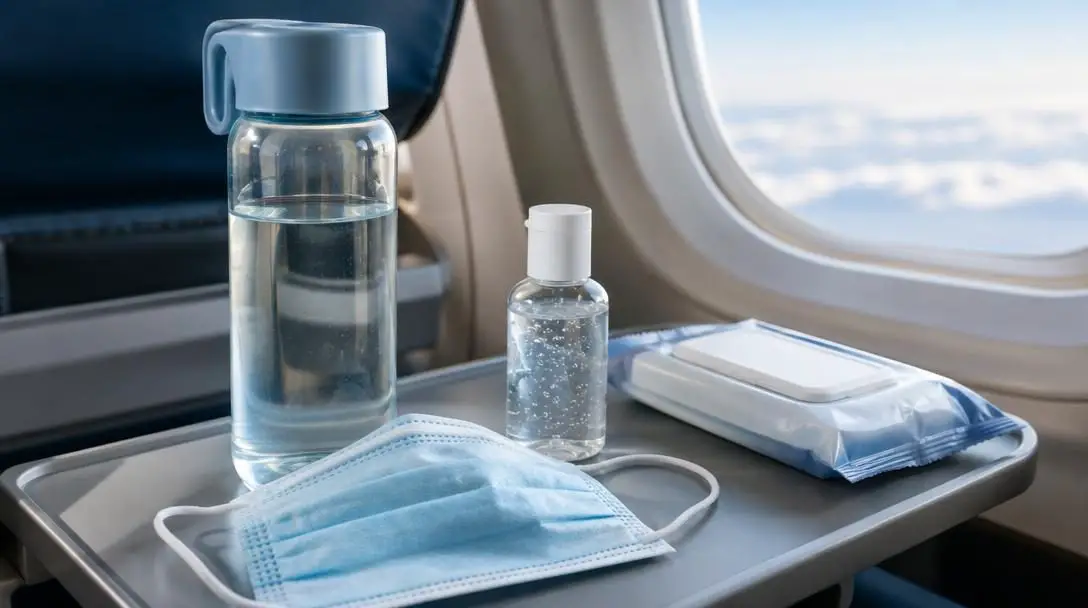
Even as general travel restrictions evolve, wearing a well-fitted mask remains one of the simplest and most effective safeguards onboard an aircraft. While high-grade cabin filters clean the broader atmosphere, they cannot prevent a traveler sitting directly behind you from expelling respiratory droplets in your direction during a multi-hour journey. A physical mask creates a protective respiratory barrier that blocks outgoing and incoming droplets, providing continuous defense in close quarters regardless of vaccination status.
Sanitizing the Fold-Down Tray Table
Extensive hygiene studies reveal that fold-down meal trays represent some of the most germ-dense surfaces in commercial aviation. Previous passengers use these tables to hold meals, rest their foreheads while sleeping, support personal electronics, and change infant diapers. Packing portable disinfectant wipes allows you to sanitize your tray table immediately after sitting down, neutralizing lingering viruses and bacteria before you place reading materials or snacks on the surface.
Avoiding the Seat-Back Pocket
The fabric or mesh pocket directly in front of your knees might seem like a practical receptacle for your tablet, water bottle, or reading material, but it is best left completely untouched. Over multiple flights, passengers routinely utilize these pouches as trash receptacles for used tissues, dirty napkins, and half-eaten snacks. Because these porous materials are exceptionally difficult for cleaning crews to disinfect during quick gate turnarounds, keeping your hands and possessions out of the pocket prevents contact with hazardous lingering waste.
Consistent Hydration and Electrolytes
The arid climate within a pressurized passenger cabin extracts moisture from your body far faster than typical indoor settings. Unchecked dehydration weakens immune defenses, causes persistent headaches, strains renal function, and exacerbates breathing difficulties. Travelers should proactively drink a small glass of water every thirty minutes throughout their flight. For long-haul itineraries, adding electrolyte powder packets to your personal water supply ensures your body maintains critical mineral balances that support cellular hydration.
In-Seat Movement and Regular Aisle Walks
Sitting motionless for extended periods causes blood to pool in your lower extremities, leading to noticeable swelling, muscle cramps, and dangerous circulatory complications. When the seatbelt sign permits, make a point of standing up and walking down the length of the aisle. While seated, you can combat stiffness by executing isometric muscle contractions, rotating your ankles, flexing your calf muscles, and performing shoulder rolls to encourage continuous venous return.
Step-by-Step Routine: From Boarding to Deplaning
Executing an effective travel health strategy requires establishing a structured chronological routine. Following this practical checklist helps ensure you address every potential risk factor smoothly without added travel anxiety.
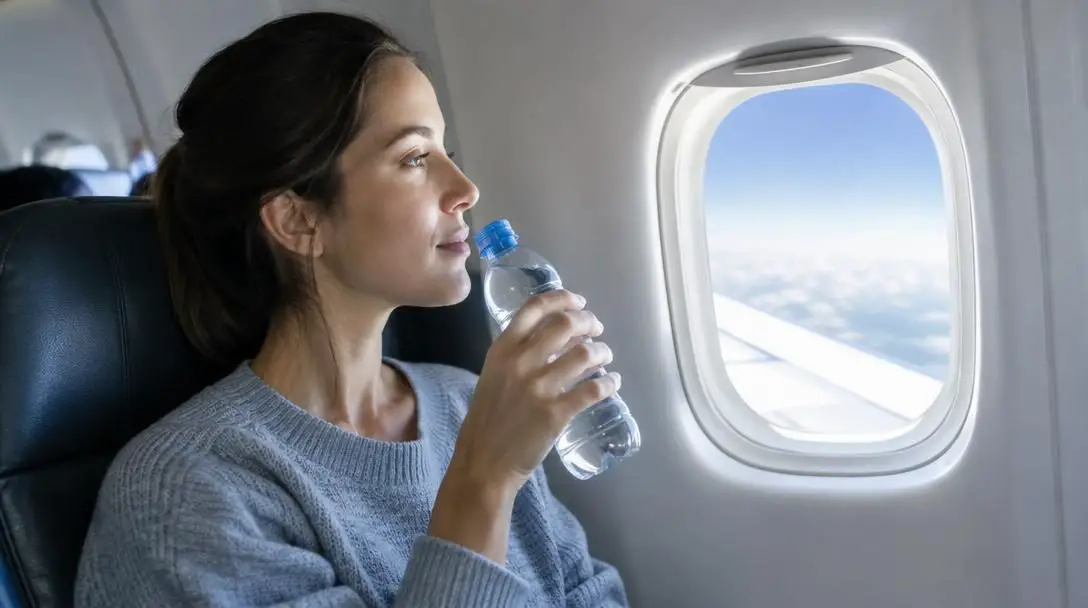
- Stage your carry-on supplies prior to boarding: Organize your personal backpack or tote so that sanitizing wipes, spare masks, an empty water bottle, and electrolyte packets remain accessible without needing to open the overhead bin during flight.
- Sanitize your immediate seating zone: Upon reaching your assigned row, take out a disinfectant wipe and clean the tray table latch, top surface, underside, armrests, and personal entertainment controls before sitting down.
- Establish a clean zone for personal items: Place your personal backpack beneath the forward seat rather than tucking phones, reading glasses, or water bottles into the contaminated seat-back pocket.
- Secure your mask before boarding finishes: Put your mask on securely over your nose and chin while boarding traffic is congested, leaving it in place through taxiing, flight, and initial descent.
- Execute a thirty-minute drinking schedule: Sip water consistently throughout the flight, aiming for a small glass every half hour, and blend in an electrolyte packet during flights spanning more than four hours.
- Perform seated stretches and lavatory visits: Every sixty to ninety minutes, stand up to walk the aisle and wash your hands with soap and water; while seated, contract your calves and roll your ankles regularly.
- Complete an arrival washroom visit: Stop by an airport restroom upon deplaning to wash your hands thoroughly with soap and water before boarding ground transportation.
Common Hygiene and Health Mistakes Flyers Make
Even diligent travelers frequently fall into counterproductive habits that undermine their wellness in transit. Being mindful of these widespread oversights can significantly reduce your chances of post-flight illness:
- Relying exclusively on hand sanitizer gels: While alcohol rub kills many surface germs, it does not physically remove organic debris, and relying on it keeps you seated rather than walking to the lavatory for active circulation.
- Using the seat pocket as an organizer: Placing phones, headphones, and snacks inside the fabric pocket transfers months of accumulated microbial residue directly onto the items you touch constantly.
- Waiting until thirst sets in before drinking: Because low cabin humidity evaporates perspiration instantly, thirst indicates that dehydration has already begun impairing your mucosal defenses.
- Remaining motionless throughout long hauls: Staying frozen in a cramped seat for hours at a time allows fluids to accumulate in your legs, promoting deep muscle stiffness and circulatory strain.
- Consuming dehydrating beverages: Replacing pure water with excessive alcohol or caffeinated drinks accelerates fluid loss and compounds the drying effects of pressurized cabin air.
Post-Flight Recovery and Immune Restoration
Safeguarding your health does not end when the aircraft touches down on the runway. The physical stressors accumulated during air travel—including subtle dehydration, interrupted sleep cycles, and atmospheric pressure changes—leave the body temporarily depleted once you reach your destination.
Plan for dedicated rest during your first twenty-four to forty-eight hours on the ground. Giving your body sufficient time to recuperate from circadian disruption helps your immune cells restore baseline defense capabilities. Continue hydrating aggressively with water and nourishing meals rather than subjecting yourself to demanding physical exertion immediately after landing.
Finally, monitor your physical state closely over the subsequent three to five days. Knowing that roughly 20 percent of travelers encounter mild upper respiratory complaints allows you to catch emerging symptoms early. At the first sign of a tickle in your throat or nasal congestion, prioritize extra sleep, warm liquids, and low-stress downtime to prevent a mild cold from escalating into an exhausting, trip-ruining illness.
Frequently asked questions
Why do so many passengers catch a cold after flying?
Around 20 percent of travelers develop cold or flu symptoms following a flight. This elevated rate is driven primarily by long-term contact with contaminated cabin touchpoints, low atmospheric humidity that dries out protective mucous membranes, and immune suppression caused by lack of sleep and jet lag.
Is cabin air dirtier than regular indoor air?
No. Commercial airplanes use advanced filtration systems that cycle and purify the cabin atmosphere continuously, matching the air cleanliness standards found in hospital settings. Physical surfaces like tray tables and seat pockets carry far more biological pathogens than the circulating air.
How much water should I drink during a flight?
Because pressurized cabin air is exceptionally dry, health guidelines recommend drinking a small glass of water approximately every thirty minutes. On long-haul journeys, incorporating an electrolyte powder into your water helps sustain essential mineral balances and prevents severe dehydration.
Is hand sanitizer better than washing my hands on a plane?
No. Hand sanitizer is convenient for quick cleaning at your seat, but washing your hands thoroughly with soap and water in the aircraft lavatory is superior because it physically removes dirt and pathogens. Walking to the lavatory also stimulates systemic blood flow, counteracting the risks of prolonged sitting.
Why are seat-back pockets considered hazardous to touch?
Seat-back pockets are notoriously difficult to clean and sanitize during rapid aircraft turnaround times. Passengers frequently use them to discard used facial tissues, dirty napkins, and food waste, leaving behind high concentrations of lingering bacteria and viruses.
The Bottom Line
Flying presents real biological hurdles, from desert-dry cabin air to heavily trafficked shared surfaces, but you do not have to accept post-travel sickness as the price of admission. By understanding how pathogens truly spread through the cabin, proactively sanitizing your immediate seating area, hydrating on a steady half-hour schedule, and keeping your body moving, you can travel with complete peace of mind. Consistent in-flight hygiene paired with sensible post-landing recovery ensures that your journey begins and ends in peak health.