The Insider’s Guide: 5 Ways to Get to Know the Real Scotland
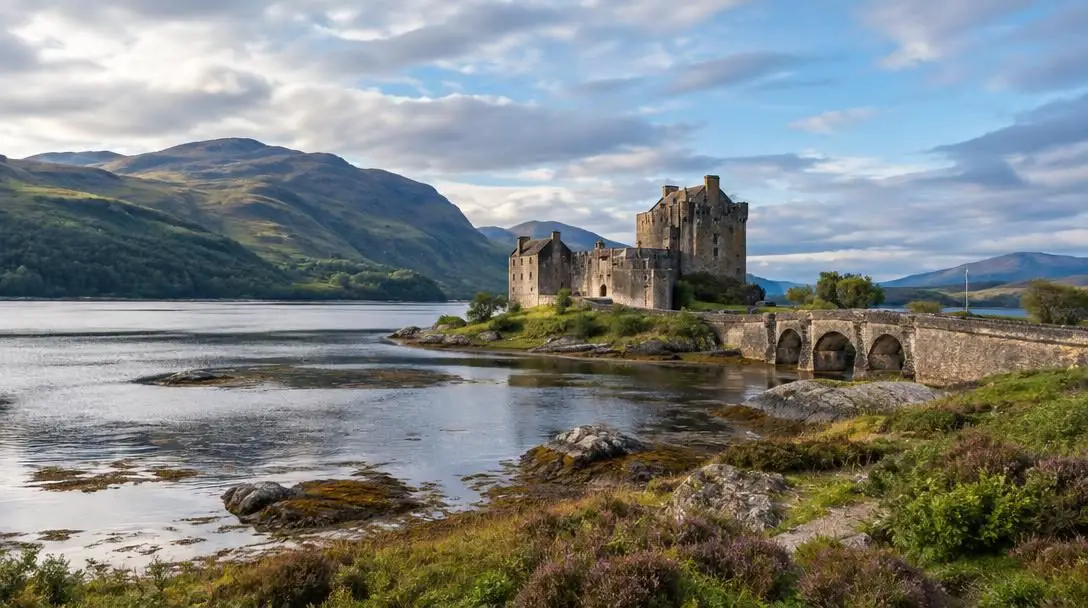
Scotland offers travelers a rare combination of rugged topography, historic architecture, and deeply rooted community culture. Yet many travelers depart having experienced only a commercialized overview of the nation, shuttling between overcrowded landmarks on structured tour buses and eating at establishments geared exclusively toward international visitors.
Gaining an authentic appreciation of Scottish life requires an intentional shift in itinerary planning. By steering clear of overcommercialized corridors and seeking out quieter waters, active fishing harbors, independent eateries, residential lodgings, and local drinking spots, you can immerse yourself in the living culture and everyday rhythms that define contemporary Scotland.
Key takeaways
- Exploring alternative waters like Loch Maree and Loch Awe delivers dramatic scenery and tranquility away from mass tour groups.
- Visiting working coastal villages like Pittenweem connects travelers with regional maritime industries and fresh dockside catches.
- Independent eateries such as The Ceilidh Place showcase regional staples like Cullen skink and neeps and tatties made with local ingredients.
- Staying at residential bed and breakfasts offers direct interaction with Scottish hosts and domestic travelers alongside home-cooked meals.
- Neighborhood pubs provide an unpretentious atmosphere where ordering a dram of whisky opens the door to casual local conversation.
Mass tourism versus everyday Scottish reality
Scotland welcomes millions of travelers each year, drawn by dramatic highland landscapes, medieval fortresses, folklore, and bustling urban centers. Major metropolitan hubs like Edinburgh and Glasgow, alongside castle-rich regions like Aberdeenshire, are world-renowned destinations. They provide extensive museums, architectural wonders, and well-developed hospitality services that make traveling straightforward and convenient.
However, this heavy concentration of commercial travel infrastructure often places an artificial barrier between visitors and resident communities. In primary tourist zones, businesses frequently cater strictly to short-term visitor traffic, creating a curated environment that can obscure regional reality. Landmark destinations like Loch Ness draw massive crowds eager to glimpse folklore relics like Nessie, the Loch Ness Monster, while city taverns like Deacon Brodies Tavern along Edinburgh's Royal Mile routinely fill with tour groups. While historic and engaging, these venues rarely showcase the unscripted routines of typical Scottish communities.
Discovering the real Scotland requires looking past conventional postcard stops and immersing yourself in the everyday physical and cultural fabric of regional communities.
Stepping outside this standard circuit opens up untouched scenery, distinct coastal traditions, and regional food varieties. When you deliberately plan travel around regional life rather than souvenir shops and tour buses, you discover a Scotland defined by quiet hospitality, maritime grit, and rich community warmth.
At a glance: Five ways to experience the real Scotland
| Strategy | Featured locations | Key cultural experience | Main travel benefit |
|---|---|---|---|
| Alternative lochs | Loch Maree, Loch Awe | Untouched highland geography and quiet shorelines | Breathtaking scenery without tour bus congestion |
| Small coastal towns | Pittenweem | Working harbors and dockside fish purchasing | Direct insight into traditional maritime livelihoods |
| Independent dining | The Ceilidh Place (Ullapool) | Regional harvest, Cullen skink, neeps and tatties | Authentic flavors sourced from local farms and waters |
| Bed and breakfasts | Residential neighborhoods across Scotland | Home-cooked breakfasts and host conversations | Intimate stays shared with domestic travelers |
| Neighborhood pubs | Local residential streets | Casual evening routines and drams of whisky | Spontaneous conversations with resident patrons |
Five immersive strategies for an authentic Scottish journey
1. Exploring lochs beyond Loch Ness
In Scotland, a loch is defined simply as a lake or body of water mostly enclosed by land. The country contains thousands of these stunning bodies of water, each shaped by glacial valleys and surrounded by dramatic mountain ranges. While Loch Ness is universally recognized due to its association with Nessie lore, the heavy volume of cruise boats, souvenir shops, and vehicle traffic often detracts from the quiet contemplation that Scottish waters naturally invite.
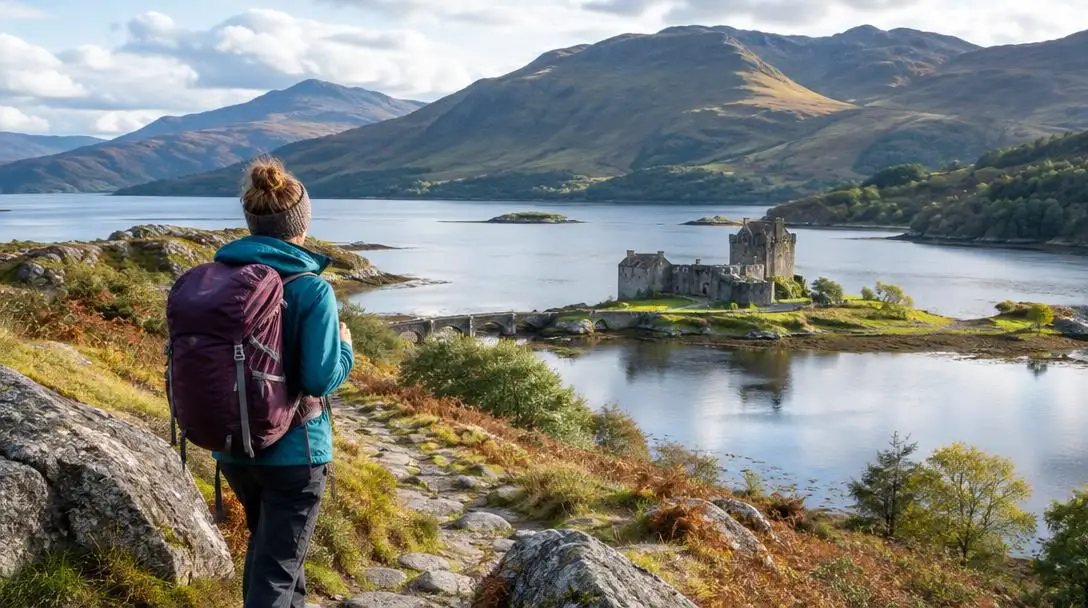
Venturing to lesser-known lochs reveals far more picturesque views and untouched natural settings. Loch Maree, situated in the rugged Highlands, features islands crowned by ancient Caledonian pine trees and dramatic mountain backdrops that remain peaceful throughout the year. Further south, Loch Awe, located near Dalmally, stretches across a breathtaking expanse marked by historic ruins and forested shorelines. Choosing these peaceful waterways allows you to explore Scotland's dramatic physical geography in complete tranquility.
2. Checking out small coastal towns
While urban centers like Glasgow and Edinburgh feature extensive cultural attractions, spending time in smaller settlements provides a realistic portrait of everyday regional life. Scotland's smaller towns are driven by active maritime traditions, farming, and tight-knit community networks rather than mass-market tourist operations.
A prime example is Pittenweem, a historic fishing village located north of Edinburgh in the coastal region of Fife. In Pittenweem, the primary focal point is its active working harbor rather than tourist boutiques. Visitors can wander through quiet, winding streets, watch fishing crews mend nets and navigate harbor tides, and buy fresh fish straight from the dock. Spending time in settlements like this highlights the enduring connection between coastal communities and the sea, encouraging you to slow down and observe unscripted working life.
3. Dining at smaller cafés and independent eateries
Scottish culinary traditions are hearty, comforting, and deeply reliant on agricultural yields and coastal fishing havens. Although traditional regional naming conventions like Cullen skink (a thick, velvety soup made with smoked haddock, potatoes, and onions) or neeps and tatties (mashed root rutabaga and potatoes, often served alongside savory meat dishes) might sound unfamiliar to international visitors, these dishes represent exceptional regional cooking.
Rather than dining at upscale hotel restaurants or high-traffic eateries located along major sightseeing thoroughfares, look for independent cafés and neighborhood dining rooms that build menus around local producers. A standout establishment is The Ceilidh Place in Ullapool, a celebrated gathering spot that sources ingredients from surrounding highland crofts and coastal fisheries. Choosing independent, community-oriented eateries guarantees that the food you enjoy reflects authentic culinary techniques rather than menus modified for mass appeal.
4. Booking stays at bed and breakfasts
Travelers in Scotland have access to a broad variety of accommodations, from grand hotels and historic country inns to budget-friendly youth hostels. While hostels and large hotels provide convenience and opportunities to meet fellow international sightseers, they often insulate visitors within a transient tourist bubble.
Choosing a traditional bed and breakfast (B&B) offers an entirely different perspective by placing you directly inside an authentic private home in a residential neighborhood. B&Bs feature an intimate, relaxed ambiance where hosts take pride in sharing personal recommendations for exploring their local area. Furthermore, B&Bs in regional towns frequently host domestic travelers and Scottish residents touring their own homeland. Morning meals in these homes provide authentic, home-cooked dishes that showcase local culinary traditions and offer opportunities for natural morning discussions around the breakfast table.
5. Visiting neighborhood pubs
The public house has long served as the fundamental social hub of Scottish community life. Prominent urban pubs, such as Edinburgh's Deacon Brodies Tavern, offer historic architecture and vibrant atmospheres, but they primarily cater to foreign travelers passing through major hubs. Consequently, they do not reflect the ordinary leisure hours of local residents.
To experience authentic Scottish hospitality, look for unassuming neighborhood pubs nestled within residential side streets and smaller villages. These unpretentious establishments prioritize simplicity, comfortable seating, and community connections over flashy decor. Walking in, stepping up to the bar, and ordering a dram of regional whisky creates an organic opportunity to strike up friendly, unhurried conversations with local regulars who gather there after the working day ends.
Step-by-step guide to building an authentic itinerary
- Map out regional hubs: Dedicate substantial blocks of time to specific rural regions, such as the Highlands or the coastal villages of Fife, rather than spending your entire trip commuting between Edinburgh, Glasgow, and Aberdeenshire.
- Identify alternative waters: Replace or supplement crowded stops like Loch Ness with serene, dramatic lochs such as Loch Maree in the north or Loch Awe near Dalmally.
- Plan around harbor schedules: Align your visits to coastal destinations like Pittenweem with working harbor activity so you can watch boats offload their hauls and pick up fresh seafood directly from local workers.
- Reserve residential B&Bs well in advance: Because independent bed and breakfasts offer only a few rooms per home, contact hosts directly weeks or months ahead to secure accommodations in residential settings.
- Select locally focused dining rooms: Seek out independent eateries like The Ceilidh Place in Ullapool that prioritize regional seafood, seasonal agricultural harvest, and classic dishes like Cullen skink.
- Keep your evenings open: Avoid rigid dinner bookings and tight schedules at night so you can freely walk into a local neighborhood pub, enjoy a dram of whisky, and talk with the residents around you.
Common travel mistakes that isolate visitors
- Rushing between major landmarks: Trying to visit every castle and museum across multiple major cities leaves no room for spontaneous walks through quiet coastal harbors like Pittenweem.
- Treating Loch Ness as an obligatory stop: Prioritizing the commercialized search for Nessie means bypassing the striking mountain vistas and peaceful tranquility of Loch Awe and Loch Maree.
- Relying on guidebook restaurants near transit hubs: Sticking to eateries clustered around central train stations prevents you from tasting authentic versions of Cullen skink or neeps and tatties prepared according to regional custom.
- Staying exclusively in commercial chain hotels or hostels: Large chain properties separate travelers from local neighborhoods, whereas residential B&Bs connect you directly with Scottish hosts and domestic vacationers.
- Frequenting only high-profile tourist pubs: Spending evenings in landmark bars like Deacon Brodies Tavern deprives you of the casual conversation and unscripted community warmth found in ordinary local taverns.
- Remaining hesitant to converse: Local neighborhood pubs and independent eateries are exceptionally welcoming; keeping to yourself means missing out on valuable local recommendations and stories.
Regional transit and seasonal timing considerations
Transforming your travel plans from a standard sightseeing trip into an immersive regional journey requires careful attention to transit logistics and seasonal hours. Scotland's primary cities feature extensive train and bus systems, but venturing out to quieter waters like Loch Maree, rural stretches around Loch Awe, or smaller coastal havens like Pittenweem often demands greater self-sufficiency.
For destinations off the main rail lines, renting a car or mapping out local bus schedules is essential. Having independent transportation gives you the flexibility to detour toward quiet shorelines, stop at roadside farm stands, and navigate between coastal harbors without adhering to strict tour bus departures.
Seasonality also plays a major role in regional Scottish life. In highland towns and coastal working harbors, businesses operate according to daylight hours, marine conditions, and seasonal harvest yields. Venues like The Ceilidh Place in Ullapool, as well as village fishmongers and family-run B&Bs, often adjust their operating schedules between summer and winter. Checking local schedules in advance ensures smooth travels while supporting small businesses that sustain these communities year-round.
Frequently asked questions
Why should I visit alternative lochs instead of Loch Ness?
While Loch Ness is famous for folklore and boat cruises, it draws substantial tourist crowds that can detract from the natural environment. Alternative lochs such as Loch Maree in the Highlands and Loch Awe near Dalmally offer equally dramatic mountain scenery, historic backdrops, and tranquil waterscapes without tour bus congestion.
What makes Pittenweem an authentic place to visit?
Pittenweem is an active, working fishing harbor situated in the coastal region of Fife north of Edinburgh. Rather than catering primarily to tourism, the village centers on genuine maritime commerce, allowing visitors to walk historic streets, watch fishing crews at work, and buy fresh fish straight from the dock.
What are Cullen skink and neeps and tatties?
Cullen skink is a traditional, hearty Scottish soup made from smoked haddock, potatoes, onions, and cream or milk. Neeps and tatties refers to mashed yellow turnip (rutabaga) and potatoes, a beloved regional staple frequently served alongside savory meat dishes across the country.
How does staying at a bed and breakfast improve the travel experience?
Bed and breakfasts place travelers inside private homes located within ordinary residential neighborhoods. Guests enjoy home-cooked regional breakfasts, personal travel guidance from Scottish hosts, and relaxed interactions with domestic travelers who are touring their own country.
How do neighborhood pubs differ from tourist-heavy city taverns?
Famous urban taverns like Deacon Brodies Tavern in Edinburgh frequently fill with international tour groups and busy foot traffic. Neighborhood pubs on ordinary residential streets serve as everyday social spaces for local residents, making it easy to order a dram of whisky and engage in friendly conversation with regulars.
The bottom line
Experiencing the real Scotland is not about checking famous monuments off a checklist; it is about shifting your perspective toward everyday community life. By leaving space in your itinerary for serene waters like Loch Maree and Loch Awe, strolling through working fishing harbors like Pittenweem, savoring locally sourced dishes at spots like The Ceilidh Place, and settling into a residential B&B, you trade commercialized sightseeing for authentic cultural connection. Pair these choices with an unhurried dram in a neighborhood pub, and you will come away with an enduring, genuine understanding of Scotland's people and landscapes.