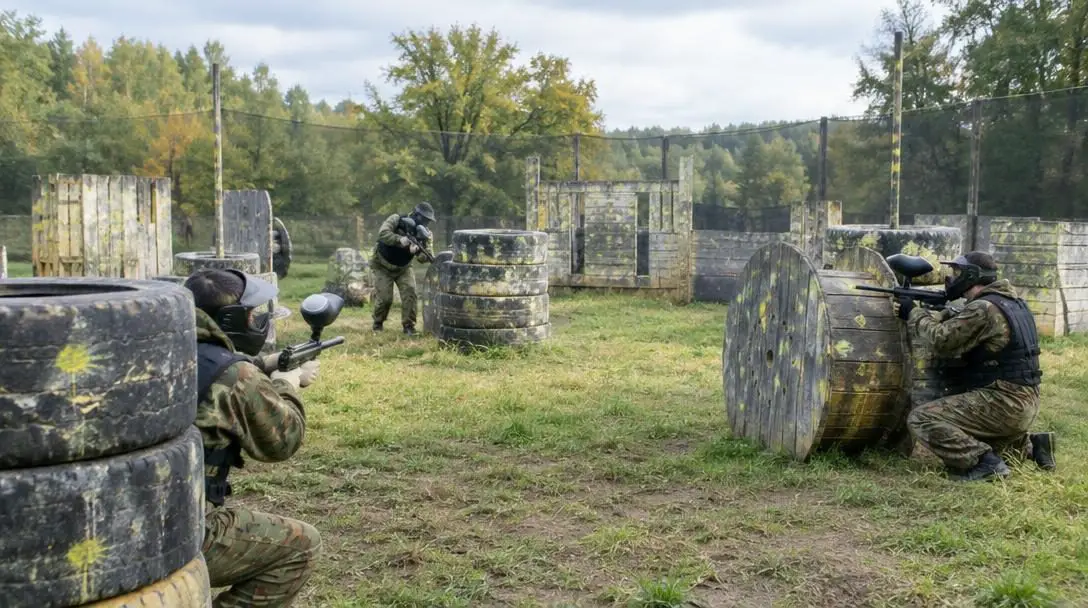
Working Together: Teamwork Tactics That Apply On and Off the Field

Teamwork serves as the bedrock of high achievement across every competitive arena, from championship athletic fields to fast-paced corporate boardrooms. When groups unite behind a shared vision, the synthesis of individual capabilities generates outcomes that isolated performers simply cannot match. A roster of exceptional talent working without cohesion will routinely fall short against a unified group committed to mutual coordination, disciplined execution, and shared responsibility.
Unlocking the full potential of collective effort requires deliberate strategies rather than wishful thinking. Navigating intense athletic showdowns or multifaceted professional assignments demands reliable systems that steer interactions under pressure. By examining the fundamental tactics that govern winning teams on and off the field, leaders and contributors can cultivate trust, sustain morale, and systematically reach their objectives.
Key takeaways
- Cohesive collaboration routinely outperforms isolated individual talent across both athletic and corporate settings.
- High-performing units rely on five mutually reinforcing tactics: clear communication, trust, accountability, flexibility, and recognition.
- Actionable routines—including explicit messaging channels, delegated ownership, structured reviews, and scenario drills—translate teamwork concepts into daily habits.
- A culture of blame, assumed communication, structural instability, and narrow recognition represent the most dangerous threats to group cohesion.
The Shared Foundation: How Athletics Mirrors Professional Work
The parallels between sporting competition and workplace collaboration have guided managers, coaches, and organizational strategists for generations. In both environments, individuals with distinct strengths, temperaments, and assignments must coordinate their output under tight deadlines, high expectations, and unpredictable external conditions. While the stadium scoreboard delivers immediate, transparent feedback on performance, businesses measure equivalent collective execution through project milestones, product deliveries, and operational benchmarks.
Historically, organizations and franchises alike often overemphasized the primacy of individual brilliance. Standout players and star employees were expected to haul their teams across the finish line through unmatched personal effort. Over time, practical experience demonstrated the limits of this solitary model. An elite athlete cannot secure victory without teammates who execute defensive assignments, set screens, and distribute the ball. Likewise, a brilliant professional cannot bring an ambitious venture to life without colleagues managing cross-functional tasks, testing workflows, and refining operations.
As the shortcomings of superstar-dependent models became obvious, focus transitioned toward the structural habits that enable groups to act as an integrated unit. By studying how athletes coordinate instantaneous shifts, rebound from catastrophic errors, and adapt to tactical changes by opponents, professional organizations discover repeatable frameworks for handling competitive pressure, market shifts, and evolving team dynamics.
Five Foundational Teamwork Tactics
To successfully integrate teamwork into daily operations, members must understand how specific behaviors contribute to collective output. Five core tactics serve as the building blocks of group excellence, each reinforcing the others to produce a resilient, high-trust environment.
Clear Communication
Clear and open communication prevents fatal misunderstandings and ensures that all members operate from a single, shared reality. On the field, players communicate continuously to synchronize positioning, identify emerging threats, and seize fleeting opportunities. A brief verbal directive or visual signal can alert a defender to an unmarked runner, trigger a fast break, or prevent a collision. In workplace settings, unambiguous dialogue eliminates duplicated effort, aligns departmental expectations, and keeps complex projects on schedule. When team members share updates proactively rather than hoarding information, execution becomes faster and interpersonal friction drops dramatically.

Mutual Trust
Trust represents the psychological glue that holds any group together during high-stakes moments. Every contributor must maintain absolute confidence that their peers will execute assigned roles with competence and provide support when pressure mounts. On the court, hesitation born of self-doubt or skepticism can break an offensive sequence or leave a defensive lane unprotected. In corporate environments, trust frees professionals from the urge to micromanage, allowing them to channel their energy into their own responsibilities. When commitments are consistently honored, the entire group moves with speed and decisiveness.
Personal and Shared Accountability
Accountability requires every team member to take direct ownership of their performance, acknowledge shortcomings openly, and actively work toward improvement. When an athlete misses an assignment or an employee delivers flawed work, prompt personal ownership preserves the group's integrity. Rather than expending emotional energy concealing mistakes or deflecting blame onto others, accountable teams confront root causes directly. This creates a resilient culture where members view errors as diagnostic data for collective growth rather than personal liabilities.
Accountable teams confront root causes directly, viewing errors as diagnostic data for collective growth rather than personal liabilities.
Strategic Flexibility
Flexibility reflects a group's capacity to adjust its approach when unexpected disruptions arise. In sports, rigid adherence to a pre-game plan that is failing against an opponent's defensive scheme ensures defeat; teams must adapt to tactical counters, injuries, or adverse weather conditions mid-match. In professional environments, strategic agility enables teams to pivot in response to shifting client requirements, regulatory changes, or compressed timelines. Flexible teams reorganize resources and reassign priorities without suffering loss of morale or direction.
Meaningful Recognition
Recognition serves as the engine of group morale, reinforcing prosocial behaviors and healthy ambition. Acknowledging individual and collective milestones validates the effort required to achieve them and inspires others to raise their standards. When a coach highlights an unselfish pass or a critical defensive rotation, it demonstrates that team-first actions are valued as much as scoring points. Similarly, workplace recognition that spotlights behind-the-scenes contributors alongside front-facing leaders reinforces an inclusive culture where every contributor feels seen and motivated.
| Tactic | Sports Application | Workplace Application | Primary Risk If Neglected |
|---|---|---|---|
| Clear Communication | Real-time verbal cues, tactical play-calling, and defensive switches. | Explicit project updates, cross-functional check-ins, and shared logs. | Wasted effort, conflicting assumptions, and operational bottlenecks. |
| Mutual Trust | Passing without hesitation to open teammates in high-pressure moments. | Autonomous ownership of deliverables without invasive oversight. | Paralysis by micromanagement, hesitation, and reduced velocity. |
| Accountability | Owning missed defensive coverage immediately to correct alignment. | Admitting project flaws or timeline slips to solve root causes. | Finger-pointing, scapegoating, and concealment of errors. |
| Flexibility | Modifying offensive tempo or formations mid-game based on matchups. | Adjusting project scope and workflows when specifications change. | Brittleness, stalled operations, and strategic irrelevance. |
| Recognition | Celebrating setting picks, defensive rebounds, and selfless assists. | Publicly highlighting quality assurance, support work, and operational diligence. | Disengagement, resentment among foundational contributors, and turnover. |
A Step-by-Step Blueprint for Embedding Teamwork Tactics
Translating abstract concepts into instinctive daily behaviors demands deliberate structure and consistent practice. Teams aiming to upgrade their operational cohesion should follow a structured progression to embed these tactics into their standard operating procedures.
- Establish unambiguous communication protocols: Define clear operational conventions for sharing information. Athletic teams establish concise vocal commands and visual hand signals for split-second decisions. Workplace teams should specify distinct channels for urgent issues versus routine updates, schedule predictable check-in rhythms, and maintain shared documentation so project status is always transparent.
- Delegate responsibilities based on individual capabilities: Build trust systematically by granting individuals complete ownership over distinct assignments aligned with their core competencies. Leaders must step back and resist unnecessary intervention, providing members the room to exercise autonomy and prove their reliability under real-world conditions.
- Institute disciplined, blameless review sessions: Normalize accountability through scheduled post-action debriefs, whether reviewing game tape or holding sprint retrospectives. Structure these discussions around honest evaluations of what worked, what failed, and the specific corrective actions each person will undertake for future cycles.
- Conduct scenario-based simulations: Foster operational flexibility by running drills under synthetic constraints. Athletic teams practice playing while trailing on the scoreboard, coping with player shortages, or battling unfavorable environmental elements. Workplace teams should pressure-test contingency plans, cross-train staff on essential workflows, and model responses to sudden deadline compressions.
- Formalize timely, multidirectional recognition: Implement routines that celebrate individual and collaborative accomplishments across all tiers of the roster. Establish designated spaces in meetings or team communications to spotlight behind-the-scenes diligence, ensuring praise is specific, prompt, and inclusive of non-scoring roles.
Destructive Habits That Undermine Collaboration
Even rosters overflowing with raw potential can deteriorate if toxic patterns are allowed to fester. Recognizing common operational missteps enables organizations to safeguard their culture before fractures impair performance.

- Assuming transmission equals comprehension: Sending an email or shouting a command does not guarantee that the recipient has understood the message or is prepared to execute it. Communication requires closed-loop verification, where both parties confirm shared expectations before taking action.
- Cultivating a punitive culture of blame: When leadership reacts to mistakes with public humiliation or punitive anger, members instinctively prioritize self-preservation over team success. They hide operational flaws, refuse to attempt creative solutions, and shift blame to peers, completely eroding psychological safety.
- Confusing strategic agility with chaotic aimlessness: Flexibility is not an excuse for lacking structure or continuously altering priorities on a whim. True adaptability depends on mastering basic fundamentals; a group that cannot execute its core playbook will dissolve into disorder when attempting mid-game pivots.
- Concentrating praise solely on high-profile producers: Limiting recognition to top goal-scorers, charismatic executives, or client-facing leads breeds justified resentment. When support specialists, analysts, and back-office staff are treated as invisible, their motivation plummets, destabilizing the operational foundation that enables front-facing success.
Strategic Considerations for Long-Term Group Development
Sustaining elite collaboration over extended seasons or multi-year business cycles requires leaders to pay close attention to underlying organizational health. Teams must regularly evaluate three foundational elements to ensure their teamwork tactics remain resilient over time.
First, evaluate the modeling behavior of leadership. Team culture is dictated by what coaches and executives embody, not what they preach. If leaders refuse to admit personal mistakes, dismiss candid feedback, or hoard credit for team successes, their subordinates will adopt those exact self-serving behaviors. Leaders must consciously demonstrate vulnerability, active listening, and collective accountability every day to validate the standards they expect from their group.
Second, continuously reinforce role clarity. Collaboration breaks down when team members harbor competing assumptions about where their responsibilities begin and end. As rosters expand, projects evolve, or external demands shift, leadership must routinely re-articulate individual assignments. When contributors understand precisely how their specific outputs fit into the larger mission, they execute their duties with greater confidence and purpose.
Finally, install formal feedback loops before crises emerge. Waiting for an embarrassing defeat or a blown project deadline to diagnose team health is an invitation to chronic dysfunction. Periodic check-ins regarding communication friction, resource allocation, and interpersonal trust allow organizations to make precise micro-adjustments, neutralizing friction before it impairs performance.
Frequently asked questions
How can individual contributors build trust if leadership is absent?
Individual contributors can build lateral trust by consistently honoring commitments, proactively communicating progress, and delivering reliable support to adjacent teammates, regardless of leadership behavior.
What is the difference between true flexibility and a lack of planning?
True flexibility relies on a disciplined baseline of operational competence and clear objectives, allowing teams to adjust methods intentionally; a lack of planning is reactive chaos characterized by shifting goals without foundational execution.
How can teams practice accountability without creating a culture of fear?
Teams achieve healthy accountability by focusing debriefs on systems and behaviors rather than personal attacks, encouraging leaders to model accountability by owning their mistakes first, and treating errors as diagnostic data.
Why is communication assumed to have failed even if a message was delivered?
Communication is an interactive process requiring both transmission and comprehension; without closed-loop confirmation that the recipient understands the context and intent, operational misalignment inevitably follows.
How should organizations recognize behind-the-scenes team members?
Organizations should deliberately tie collective wins to foundational work by publicly identifying the specific contributions of support staff, quality assurance teams, and defensive specialists during team reviews.
The Bottom Line
Success in any competitive endeavor is rarely the result of uncoordinated individual brilliance. Sustainable achievement belongs to teams that deliberately cultivate clear communication, unshakeable trust, mutual accountability, adaptive flexibility, and generous recognition. By embedding these principles into daily routines, sports squads and professional workforces alike transform disparate talents into cohesive, unstoppable units capable of conquering any challenge.